Unlock Your Inner Artist: The Ultimate Color Coordination Guide for 2026
The Color Wheel, Demystified: Your Basic Building Blocks
- Primary Colors: Red, Yellow, Blue. These are the foundation; you can’t mix other colors to create them. Think bold, foundational pieces.
- Secondary Colors: Orange, Green, Violet (Purple). Created by mixing two primary colors (e.g., Red + Yellow = Orange). These add a lovely layer of complexity.
- Tertiary Colors: Yellow-Orange, Red-Orange, Red-Violet, Blue-Violet, Blue-Green, Yellow-Green. Made by mixing a primary and a secondary color. These are often the nuanced, sophisticated shades we adore.
- Warm Colors: Reds, Oranges, Yellows. These tend to pop and feel energetic. They can make you feel cozy and vibrant.
- Cool Colors: Blues, Greens, Purples. These tend to recede and feel calming or serene. They can evoke tranquility and sophistication.
Practical Application: Understanding warm and cool tones can help you choose colors that flatter your skin tone. While there are no hard and fast rules (wear what you love!), generally, those with warm undertones (peachy, golden, olive) often glow in warm colors, and those with cool undertones (pink, blue, rosy) can look radiant in cool colors. Not sure about your undertones? A quick trick is to look at the veins on your wrist: blue/purple usually means cool, green means warm. But truly, the best way to know is to try on different shades and see what makes you feel fantastic! Don’t be afraid to mix warm and cool tones within an outfit – it adds depth! For example, a crisp navy (cool) blazer over a warm marigold (yellow-orange) top can look incredibly chic.
Mastering Color Schemes: Beyond the Basics
Now that we understand the wheel, let’s explore the magic formulas that create truly harmonious outfits. These “schemes” are your secret weapon for looking effortlessly put-together.
1. Monochromatic Magic: One Color, Endless Style
This is perhaps the easiest and most sophisticated way to coordinate colors. It involves building an outfit using different shades, tints, and tones of a single color. Think various shades of blue, from light sky to deep navy, or creamy ivory to rich camel. This creates a long, lean line and an incredibly polished aesthetic.
- How to do it: Pick one color (e.g., green). Then, find pieces in that color family – a sage green sweater, olive trousers, a forest green scarf, and maybe even a pair of emerald earrings.
- Why it works: It’s inherently harmonious, creates visual unity, and looks incredibly chic. It’s also super flattering!
- Budget-Friendly Tip: Shop your closet first! You might be surprised how many shades of blue or grey you already own. Brands like Target’s A New Day or Old Navy often release collections with pieces in varying shades of the same color family, making it easy to create a head-to-toe look.
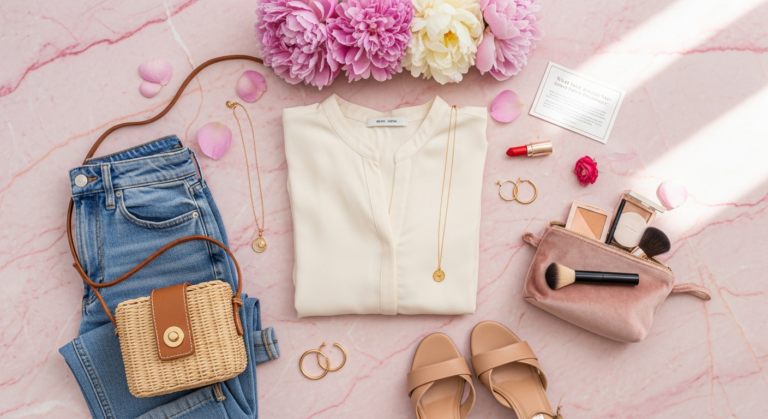
- Outfit Idea: A cream ribbed knit sweater, wide-leg ecru trousers (try H&M for stylish, affordable options), a light beige trench coat, and tan loafers. Add a delicate gold necklace for a touch of warmth.
2. Analogous Harmony: Your Closest Style Allies
Analogous colors are three colors that are next to each other on the color wheel. Think blue, blue-green, and green; or red, red-orange, and orange. This scheme is naturally pleasing to the eye because the colors share a common hue, creating a smooth transition.
- How to do it: Choose a dominant color, and then use the two adjacent colors to complement it. For example, a deep purple skirt, a lavender blouse, and a rich blue cardigan.
- Why it works: It’s less bold than complementary schemes but more dynamic than monochromatic, offering a sophisticated flow.
- Outfit Idea: A cobalt blue midi dress (check out Zara for vibrant, on-trend pieces), a teal scarf tied around your neck, and chunky emerald green earrings. Finish with nude heels to let the colors shine.
3. Complementary Contrast: Making a Statement
Complementary colors are directly opposite each other on the color wheel (e.g., Red & Green, Blue & Orange, Yellow & Purple). This scheme creates high contrast and a vibrant, energetic look. It’s perfect for when you want to make a bold statement.
- How to do it: Often, it’s best to let one color dominate and use its complement as an accent. For instance, a royal blue dress with orange accessories (a handbag or statement necklace). Or, a deep green sweater with a pop of fuchsia (red-violet) lipstick.
- Why it works: The opposing nature of the colors makes each one appear more vivid and striking.
- Practical Tip: If full-on complementary feels too daring, try a “split-complementary” scheme. Pick a color, find its complement, then use the two colors next to the complement. For example, if your main color is blue, its complement is orange. Instead of orange, use yellow-orange and red-orange. This softens the contrast while retaining the vibrancy.
- Outfit Idea: A classic navy blue blazer (a wardrobe staple from brands like J.Crew or Everlane), a crisp white tee, dark wash jeans, and then add a vibrant mustard yellow handbag and a pair of chic red ballet flats. The yellow and red are split complements to the blue, creating a dynamic yet balanced look.
4. Triadic Harmony: Bold and Balanced
Triadic schemes use three colors that are equally spaced around the color wheel (e.g., Red, Yellow, Blue; or Orange, Green, Violet). This creates a very balanced, yet incredibly vibrant and playful look.
- How to do it: This scheme is bold, so it often works best when one color is dominant and the other two are used as accents. Or, use muted versions of the triadic colors for a softer effect.
- Why it works: It offers maximum contrast while maintaining balance, making for truly eye-catching ensembles.
- Outfit Idea: A pair of wide-leg fuchsia trousers (consider ASOS for trendy, affordable options), a soft pastel yellow knit top, and a structured teal clutch. Each color has its moment, but they all work together in a vibrant symphony.
Neutrals: Your Wardrobe Superheroes
Neutrals are the unsung heroes of any well-coordinated wardrobe. Black, white, grey, beige, tan, navy, olive green, and denim are your foundational shades. They don’t just “go with everything”; they allow your more vibrant pieces to truly shine, ground your outfits, and add a layer of effortless sophistication.
- The Power of the Base: Start with a neutral base (e.g., black trousers, a white shirt, or a grey dress). This provides a clean canvas upon which you can layer any color.
- Layering Neutrals: Don’t underestimate the power of an all-neutral outfit. A monochromatic look in varying shades of beige, cream, or grey can be incredibly chic and sophisticated. Think a camel sweater, ivory wide-leg pants, and a white trench coat. It’s minimalist luxury, accessible to everyone.
- Mixing Neutrals: Yes, you can mix black and brown! A black dress with tan boots and a beige trench is incredibly stylish. Navy and grey are also a match made in heaven.
- Strategic Investment: Invest in high-quality neutral basics. A well-fitting pair of black trousers, a crisp white button-down, a versatile navy blazer, or a classic trench coat will serve you for years and be the backbone of countless outfits. Brands like Everlane, UNIQLO, and Madewell offer excellent quality basics that stand the test of time.
When you’re feeling adventurous with color, always remember your neutrals are there to provide balance and elegance. They are the quiet strength that makes your bold choices sing.
Pops of Personality: How to Use Accent Colors
Sometimes, you don’t need a whole rainbow; a strategic pop of color is all it takes to elevate an outfit from simple to stunning. Accent colors are brilliant for adding personality, drawing the eye, and experimenting without committing to a full color scheme.
- Accessories are Your Friends: This is where accessories truly shine. A neutral outfit (think all black, grey, or denim) becomes instantly more interesting with a bright red handbag, a vibrant turquoise statement necklace, or a pair of sunshine yellow heels. Scarves are also incredible for adding a touch of color and pattern close to your face, brightening your complexion.
- Shoes & Bags: Don’t underestimate the power of colorful footwear or a bold bag. They can completely transform a simple jeans-and-tee look.
- Jewelry: Colorful gemstones, enamel pieces, or even brightly colored beaded necklaces can add that perfect finishing touch.
- Lipstick & Nail Polish: Believe it or not, your beauty choices can be part of your color coordination! A classic red lip with a black and white outfit, or a moody plum nail polish with a forest green ensemble, ties the whole look together.
- Small Garments: A camisole peeking out, a colorful belt, or even socks can be your secret weapon for a subtle pop.
Step-by-Step Technique:
- Start with a neutral outfit you love (e.g., dark wash jeans, a white t-shirt, and a black cardigan).
- Choose one accent color that speaks to you (e.g., emerald green).
- Select 1-2 accessories in that color. This could be an emerald green crossbody bag and matching earrings.
- Optional: Add another very subtle hint of that color, perhaps a thin bracelet or a touch of eyeshadow.
- Admire your instantly elevated, perfectly coordinated look!
This technique allows you to experiment with colors you might be hesitant to wear in larger garments, and it’s incredibly budget-friendly as you can find stylish accessories at stores like H&M, Forever 21, or even thrift stores.
Building a Color-Coordinated Wardrobe for Real Life
So, how do you translate all this theory into a practical, everyday wardrobe that makes dressing easy and joyful? It’s simpler than you think!
1. Audit Your Closet with a Color Eye
Before you buy anything new, truly look at what you have. What colors dominate your wardrobe? What colors are you drawn to? What colors make you feel amazing? Identify your core neutrals and your go-to accent colors. This helps you understand your natural palette.
2. Invest in Versatile Basics
Focus on foundational pieces in neutrals (black, white, grey, navy, tan, denim). These are the workhorses that will anchor your colorful experiments. Brands like Uniqlo, Gap, and H&M are excellent for affordable, quality basics.
3. Thoughtful Color Additions
When adding new pieces, think about how they fit into a color scheme.
- For Monochromatic: Buy different shades of a color you already love. If you have a navy skirt, look for a lighter blue sweater or a deeper blue top.
- For Analogous/Complementary: If you’re building towards a specific scheme, look for pieces in those color families. If you love blue, consider a vibrant orange scarf or a rich green blouse.
- For Pops: This is where you can be adventurous! A bright handbag, statement shoes, or a unique piece of jewelry can add a world of color without a huge commitment.
4. Embrace Patterns & Prints
Patterns are a fantastic way to incorporate multiple colors seamlessly. A floral dress, a striped top, or a plaid skirt often already have a built-in color palette. Pick one or two colors from the print and echo them in your accessories or solid pieces. For example, a floral dress with hints of pink and green can be paired with a pink cardigan and green shoes.
5. Don’t Fear the Thrifting Adventure
Thrift stores, consignment shops, and online marketplaces like Poshmark or Depop are treasure troves for unique colors and pieces at budget-friendly prices. It’s a fantastic way to experiment with new hues without breaking the bank. You might discover a stunning vintage scarf or a brightly colored blazer that becomes your new favorite accent piece!
6. Build an Outfit Around One Key Piece
Sometimes, the easiest way to coordinate is to start with one item you absolutely adore – maybe a vibrant skirt or a patterned blouse. Then, pull colors from that piece to inform the rest of your outfit. If your skirt has a subtle hint of yellow, find a top or accessories in a similar yellow.