
The Ultimate Beginner’s Guide to a Simple Skincare Routine
How to Understand Your Skin: The Foundation of Your Skincare Routine for Beginners
Before you even think about products, the most crucial first step in building an effective skincare routine for beginners is to understand your own skin. Just like tailoring clothes, your skincare needs to fit your unique skin type and concerns. Using products meant for oily skin on dry skin, for instance, can do more harm than good, leading to irritation or ineffective results.
Dermatologists typically categorize skin into five primary types:
- Normal Skin: This skin type is well-balanced, neither too oily nor too dry. It has fine pores, a smooth texture, and typically isn’t prone to breakouts or sensitivity. It’s often described as the “ideal” skin type due to its natural equilibrium.
- Dry Skin: Characterized by a lack of moisture and lipids, dry skin often feels tight, rough, and may appear dull. You might notice flakiness, particularly after cleansing, and fine lines can be more pronounced. It struggles to retain moisture, making hydration paramount.
- Oily Skin: If your skin has a persistent shine, especially in the T-zone (forehead, nose, chin), and you have visible, enlarged pores, you likely have oily skin. This type produces excess sebum, making it more prone to acne, blackheads, and whiteheads.
- Combination Skin: The most common skin type, combination skin features areas of both oiliness and dryness. Typically, the T-zone is oily with enlarged pores, while the cheeks and jawline might be normal to dry. This duality requires a more nuanced approach to product selection.
- Sensitive Skin: This isn’t strictly a skin type but a condition that can affect any of the above. Sensitive skin reacts easily to environmental factors, certain ingredients, or stress, often manifesting as redness, itching, burning, or tightness. It requires extremely gentle, fragrance-free, and hypoallergenic products.
How to Identify Your Skin Type: The “Bare Face” Test
Here’s a simple, at-home test to help you determine your skin type:
- Cleanse your face thoroughly with a gentle cleanser.
- Pat your skin dry with a soft towel.
- Do not apply any products (no moisturizer, serum, or makeup) for at least one hour.
- After an hour, observe your skin:
- If it feels tight and flaky: You likely have dry skin.
- If it’s shiny all over, especially in your T-zone: You likely have oily skin.
- If your T-zone is shiny but your cheeks feel normal or dry: You have combination skin.
- If it feels comfortable, neither tight nor oily: Congratulations, you have normal skin.
- If it shows redness, itching, or irritation during this time: You likely have sensitive skin, regardless of underlying oiliness or dryness.
Actionable Tip: Before purchasing any product, clearly identify your skin type. This foundational knowledge will guide every subsequent decision in your routine, saving you time, money, and potential skin woes.
What are the Core 3 Essential Daily Skincare Routine Steps?
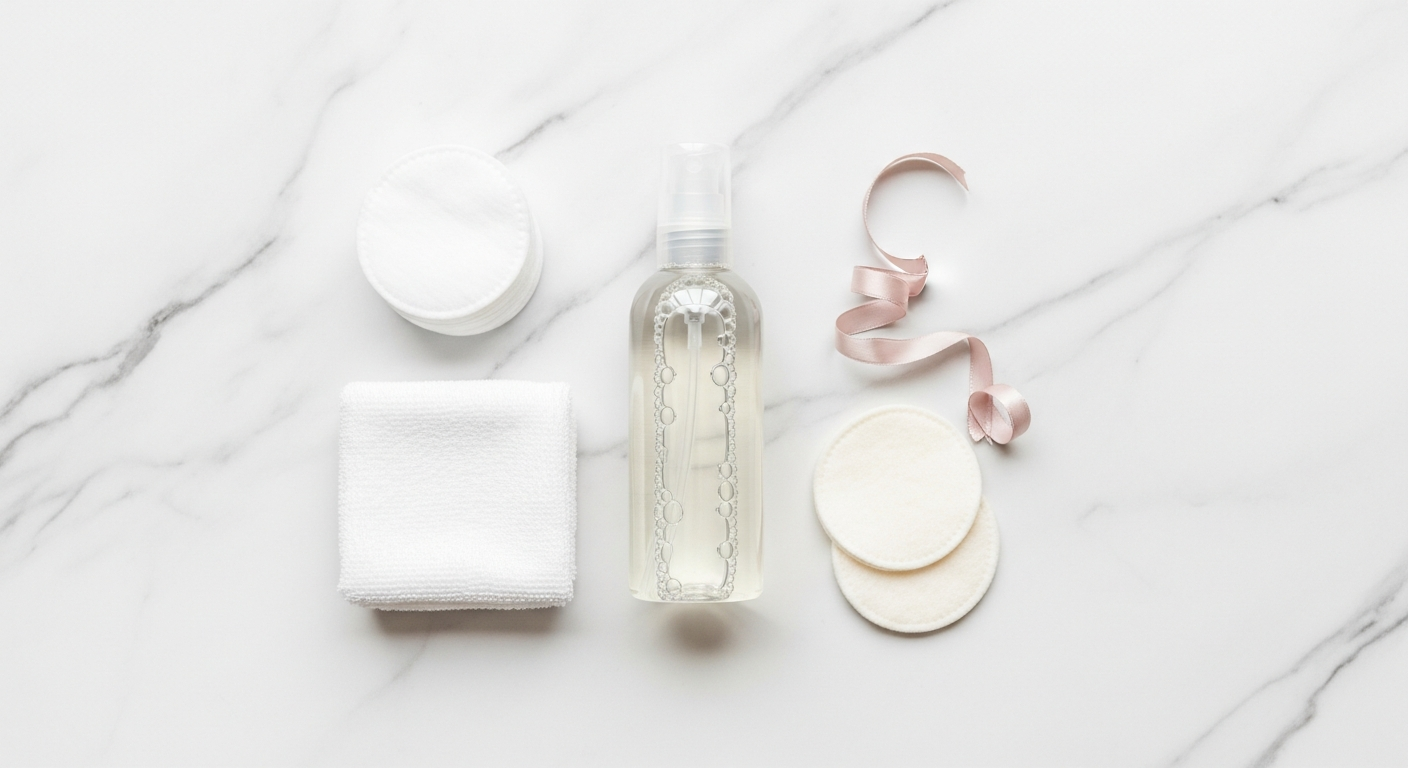
Forget the intimidating 10-step routines you see online. For a truly effective skincare routine for beginners, focus on the fundamental three steps, with a crucial fourth for daytime. These are the pillars of healthy skin, providing cleansing, hydration, and protection. Think of these as your non-negotiables for both morning and evening.
How to Cleanse Your Skin (Morning & Evening)
Purpose: Cleansing is the cornerstone of any good skincare routine. It removes makeup, dirt, oil, pollution, and dead skin cells that accumulate on your skin throughout the day and night. Proper cleansing prepares your skin to absorb subsequent products effectively.
How to Choose:
- Dry/Sensitive Skin: Opt for cream, milk, or oil-based cleansers. These are typically hydrating and non-foaming, designed to cleanse without stripping the skin of its natural oils. Look for ingredients like ceramides or hyaluronic acid.
- Oily/Acne-Prone Skin: Gel or foaming cleansers are excellent choices. They effectively remove excess oil and impurities. Ingredients like salicylic acid (a BHA) can be beneficial for acne, but use gently for beginners.
- Normal/Combination Skin: A gentle foaming or gel cleanser that balances without over-drying is ideal.
Practical Steps: Wet your face with lukewarm water. Dispense a small amount of cleanser into your palms and gently massage it onto your face in circular motions for about 30-60 seconds, paying attention to areas like your nose and forehead. Rinse thoroughly with lukewarm water and pat dry with a clean, soft towel. Avoid hot water, which can strip the skin.
Expert Insight: For evenings, especially if you wear makeup or SPF, consider double cleansing. Start with an oil-based cleanser or micellar water to break down makeup and sunscreen, followed by your regular water-based cleanser to deeply clean the skin. This ensures no residue is left behind.
How to Treat Your Skin with Serums & Actives (Evening, or AM/PM depending on product) – Serums & Actives
Purpose: After cleansing, your skin is primed to absorb targeted treatments. Serums are concentrated formulas designed to deliver specific active ingredients deep into the skin to address concerns like hydration, fine lines, dullness, or breakouts. For beginners, the focus should be on gentle, universally beneficial ingredients.
How to Choose for Beginners:
- Hydration (Hyaluronic Acid): A fantastic starting point for all skin types. Hyaluronic acid is a powerful humectant that attracts and holds up to 1,000 times its weight in water, providing intense hydration and making skin appear plumper and smoother.
- Antioxidant Protection (Vitamin C): Best used in the morning, Vitamin C is a potent antioxidant that protects skin from environmental damage (like pollution and UV rays), brightens complexion, and helps reduce hyperpigmentation. Start with lower concentrations (5-10%).
- Gentle Support (Niacinamide/Vitamin B3): Suitable for most skin types, Niacinamide helps improve skin barrier function, reduces inflammation, minimizes pores, and can regulate oil production. It’s often well-tolerated and can be used morning or evening.
Important Note for Beginners: While powerful actives like Retinol (Vitamin A), AHAs (Alpha Hydroxy Acids), and BHAs (Beta Hydroxy Acids) are popular, they can be irritating if introduced too quickly or incorrectly. For a skincare routine for beginners, it’s best to stick to hydrating or gentle antioxidant serums initially and consult a dermatologist before incorporating stronger actives.
Practical Steps: After cleansing and patting your face dry, apply 2-3 drops of your chosen serum to your face and neck. Gently press or pat it into your skin until absorbed. Allow a minute or two for the serum to fully sink in before moving to the next step.
How to Moisturize Your Skin (Morning & Evening)
Purpose: Moisturizing is non-negotiable for all skin types. It locks in hydration, prevents water loss, and strengthens your skin’s natural barrier, protecting it from environmental aggressors. A healthy skin barrier is crucial for preventing irritation and maintaining overall skin health.
How to Choose:
- Dry Skin: Rich, thicker creams with ingredients like ceramides, shea butter, squalane, or glycerin are best. These provide intense hydration and a protective barrier.
- Oily Skin: Opt for lightweight, non-comedogenic (won’t clog pores) gel or gel-cream moisturizers. Look for “oil-free” formulas.
- Normal/Combination Skin: Lotions or lighter creams work well. You might opt for a slightly richer cream in dry areas or during winter.
- Sensitive Skin: Choose fragrance-free, hypoallergenic moisturizers with minimal ingredients to avoid potential irritants.
Practical Steps: Apply a dime-sized amount of moisturizer to your face and neck. Gently massage it into your skin using upward strokes. For best absorption, apply it while your skin is still slightly damp from your serum or cleansing, as this helps to seal in moisture.
Why is Sunscreen Non-Negotiable for Your Morning Skincare Routine?
Purpose: Sunscreen is arguably the most critical step in your morning routine, and it’s where many beginners fall short. It protects your skin from harmful UVA (aging) and UVB (burning) rays, preventing premature aging (wrinkles, fine lines, sunspots), hyperpigmentation, and most importantly, reducing your risk of skin cancer.
How to Choose:
- SPF 30 or Higher: Always choose a broad-spectrum sunscreen with an SPF of 30 or higher. “Broad-spectrum” means it protects against both UVA and UVB rays.
- Mineral vs. Chemical:
- Mineral (Physical) Sunscreens: Contain zinc oxide and/or titanium dioxide, which sit on the skin’s surface and physically block UV rays. Often recommended for sensitive or acne-prone skin due to lower irritation potential. Can sometimes leave a white cast.
- Chemical Sunscreens: Absorb UV rays and convert them into heat, releasing them from the skin. They tend to be lighter in texture and less likely to leave a white cast.
Practical Steps: As the very last step in your morning skincare routine, apply a generous amount of sunscreen (about a nickel-sized dollop for your face alone) to your face, neck, and any other exposed skin. Reapply every two hours if you’re outdoors, swimming, or sweating. Make this a non-negotiable habit, rain or shine, indoors or out.
How to Elevate Your Simple Skincare Routine Beyond the Basics
Once you’ve consistently mastered the Core 3 (or 4, including SPF) for several weeks or months and your skin feels happy and balanced, you might consider introducing additional steps. Remember, this is about enhancing, not overhauling, your initial skincare routine for beginners.
How to Exfoliate Your Skin (1-2 times per week)
Types of Exfoliants:
- Physical Exfoliants: These use small particles (like scrubs) to manually buff away dead skin cells. For beginners, gentle options with fine, spherical beads are safer. Avoid harsh scrubs with jagged particles that can cause micro-tears.
- Chemical Exfoliants: These use acids to dissolve the bonds between dead skin cells.
- AHAs (Alpha Hydroxy Acids): Such as Glycolic Acid (for texture, brightness) and Lactic Acid (gentler, hydrating). Best for normal to dry skin.
- BHAs (Beta Hydroxy Acids): Salicylic Acid is the most common, oil-soluble, and penetrates pores. Excellent for oily and acne-prone skin.
Practical Steps: Start with chemical exfoliants at a low concentration (e.g., 5% AHA or 2% BHA) once a week, ideally in the evening after cleansing. Apply with a cotton pad or your fingers, avoiding the eye area. Follow with your serum and moisturizer. Gradually increase to twice a week if your skin tolerates it well. If using a physical scrub, apply to damp skin, gently massage, and rinse. Always introduce one type of exfoliant at a time.
Should You Use Eye Cream? (Optional, Evening)
Purpose: The skin around your eyes is thinner and more delicate than the rest of your face, making it prone to showing signs of aging, fatigue, and dryness first. Eye creams are formulated specifically for this sensitive area, targeting concerns like fine lines, dark circles, and puffiness.
How to Choose: Look for ingredients like hyaluronic acid for hydration, caffeine for puffiness, peptides for fine lines, or vitamin C for brightening dark circles.
Practical Steps: After applying your serum but before your moisturizer, dab a tiny amount (about the size of a grain of rice) of eye cream around your orbital bone using your ring finger. Gently pat it in, avoiding pulling or rubbing the delicate skin.
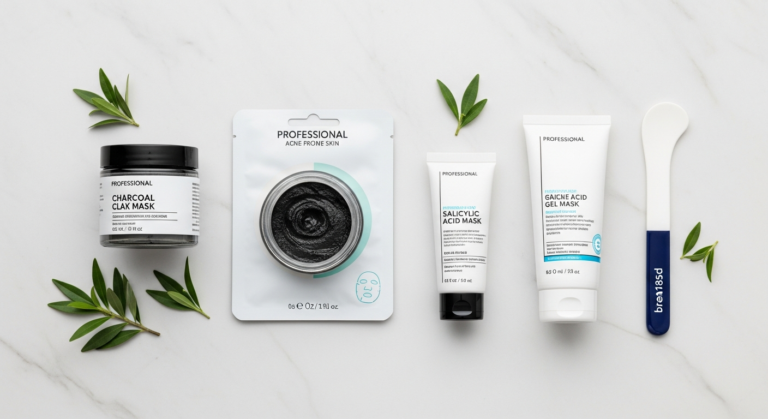
Should You Use Face Masks? (Optional, 1-2 times per week)
Purpose: Face masks offer a concentrated boost of ingredients to address specific concerns, acting as a “treat” for your skin. They are not an everyday essential for a skincare routine for beginners but can be a relaxing and beneficial addition.
Types:
- Hydrating Masks (Sheet masks, cream masks): For dry or dehydrated skin.
- Clay Masks: For oily or acne-prone skin, to absorb excess oil and purify pores.
- Brightening Masks: Often contain vitamin C or fruit enzymes to improve radiance.
Practical Steps: Apply a mask to clean, dry skin after cleansing. Follow the product’s instructions for application time (usually 10-20 minutes). Rinse off (if not a sheet mask) and continue with your serum and moisturizer.
How to Build Your Daily Skincare Routine: Morning vs. Evening Explained
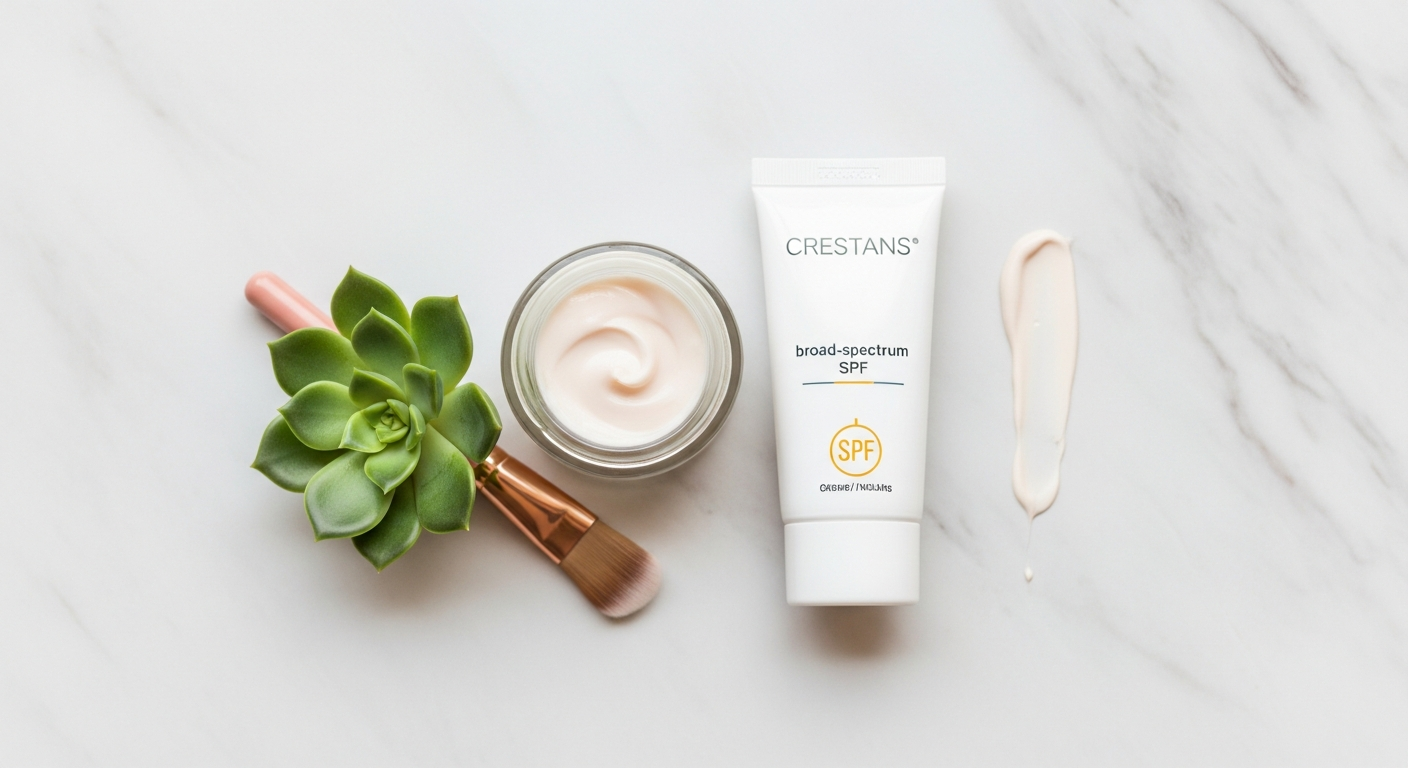
While the core steps remain the same, their order and specific product choices can vary between your morning (AM) and evening (PM) routines. This ensures your skin gets the right treatment at the right time.
What is Your Morning Skincare Routine: Refresh, Protect, Prepare?
The goal of your AM routine is to refresh your skin, provide antioxidant protection against environmental stressors, and prepare it for the day ahead, primarily through sun protection.
- Cleanse: Some people with very dry or sensitive skin might just rinse with water in the morning. However, if you have oily skin or used heavy products overnight, a gentle cleanse is recommended to remove any overnight accumulation of oil or dead skin.
- Serum (Optional but Recommended): This is an excellent time for antioxidant serums like Vitamin C. It acts as a shield against pollution and UV damage (when paired with SPF), brightens the complexion, and helps even skin tone. A hydrating hyaluronic acid serum can also be beneficial here.
- Moisturizer: A lightweight moisturizer that locks in hydration without feeling heavy.
- Sunscreen (Non-Negotiable!): The final and most critical step. Apply broad-spectrum SPF 30+ generously to your face, neck, and ears. This is your skin’s primary defense against photoaging and skin cancer.
What is Your Evening Skincare Routine: Cleanse, Treat, Repair?
The PM routine focuses on removing the day’s grime, treating specific concerns, and supporting your skin’s natural repair processes while you sleep.
- Double Cleanse (Recommended): If you wear makeup or SPF, start with an oil-based cleanser or micellar water to dissolve makeup and sunscreen. Follow with your regular water-based cleanser to deeply clean your skin. This ensures no residue is left behind, allowing your treatment products to work effectively.
- Exfoliant (1-2 times/week, if using): If you’ve incorporated a chemical exfoliant (AHA/BHA), this is the ideal time. Apply after cleansing.
- Serum/Treatment: This is the prime time for targeted serums. If you’re using a hydrating serum, apply it now. If you plan to introduce stronger actives like Retinol in the future, they are typically used in the evening as they can increase sun sensitivity.
- Eye Cream (Optional): If you use an eye cream, apply it gently around the orbital bone.
- Moisturizer: A slightly richer moisturizer can be beneficial in the evening to provide sustained hydration and support skin barrier repair overnight.
Actionable Tip: Consistency is far more important than complexity. Stick to your chosen routine daily. Visible improvements in skin health and appearance, often supported by dermatological studies, show that adherence to a routine over time yields far greater benefits than sporadic use of many products.
What are Common Pitfalls and How to Master Your Beginner Skincare Routine?
Embarking on a new skincare routine for beginners is exciting, but there are common missteps that can hinder your progress or even cause irritation. Being aware of these pitfalls will help you navigate your journey to healthy skin more smoothly.
- Over-Complicating Too Soon: The biggest mistake beginners make is buying too many products at once. Introducing multiple new serums, masks, and treatments simultaneously makes it impossible to tell what’s working (or what’s causing irritation).
- Solution: Start with the Core 3 (cleanser, moisturizer, SPF) for 2-4 weeks. Once your skin adjusts, introduce one new product at a time, allowing at least two weeks before adding another. This “slow and steady” approach, often recommended by skincare experts, helps you identify product efficacy and potential sensitivities.
- Skipping SPF: The Ultimate Oversight: Neglecting sunscreen is like investing in a beautiful house and then leaving the doors wide open. All your efforts in cleansing and moisturizing will be undermined by sun damage. UV radiation is the primary cause of premature aging (wrinkles, dark spots) and skin cancer.
- Solution: Make broad-spectrum SPF 30+ your non-negotiable final step every single morning, regardless of weather or if you’re staying indoors (UV rays penetrate windows).
- Not Patch Testing New Products: Especially for those with sensitive skin, introducing a new product without a patch test can lead to widespread irritation, redness, or breakouts.
- Solution: Before applying a new product to your entire face, apply a small amount to an inconspicuous area, like behind your ear or on your inner forearm, for 24-48 hours. If no adverse reaction occurs, proceed with caution on your face.
- Ignoring Your Skin Type or Concerns: Using products meant for oily skin on dry skin can lead to increased dryness and irritation. Similarly, using harsh, stripping products on sensitive skin will only exacerbate its reactivity.
- Solution: Refer back to the “How to Understand Your Skin” section. Always choose products formulated for your specific skin type and target concerns. Read labels carefully for ingredients that suit your needs.
- Lack of Patience: Expecting Instant Results: Skin cell turnover takes time. Many products, especially those targeting concerns like acne, hyperpigmentation, or fine lines, require consistent use over several weeks or even months to show noticeable results.
- Solution: Give new products a fair chance, typically 4-6 weeks (the average skin cell cycle) before evaluating their effectiveness. Skincare is a marathon, not a sprint.
- Over-Cleansing or Using Harsh Cleansers: Stripping your skin of its natural oils through harsh cleansers or excessive washing can disrupt your skin barrier, leading to dryness, irritation, and even increased oil production (as your skin tries to compensate).
- Solution: Use a gentle, pH-balanced cleanser twice a day (morning and evening). Avoid hot water, and pat your skin dry instead of rubbing.
Actionable Tip: Adopt the “less is more” philosophy. A targeted, consistent routine with a few high-quality, suitable products will always outperform a cabinet full of products used inconsistently or incorrectly. Remember, your skin is an organ; treat it with gentle care and respect.
What is the Real Secret to Skincare Success: Patience, Consistency, and Listening to Your Skin?
You’ve learned about skin types, the essential steps, and how to avoid common pitfalls. Now for the most important, yet often overlooked, advice: true skincare success isn’t about finding a magic bullet or the trendiest new ingredient. It’s about patience, unwavering consistency, and developing a keen sense of how your skin responds.
Patience: The Marathon, Not the Sprint
The skin renewal cycle, where new skin cells emerge and older ones shed, typically takes around 28 days for young adults, lengthening with age. This biological fact means that visible changes from new products or routines won’t appear overnight. For concerns like acne, hyperpigmentation, or fine lines, you’re looking at a commitment of several weeks, often 2-3 months, to see significant improvements. For example, clinical studies on retinol often report noticeable changes in skin texture and fine lines after 12 weeks of consistent use.
Resist the urge to switch products every few days or weeks if you don’t see immediate results. This “product hopping” prevents any single product from having enough time to work and can even confuse or irritate your skin, making it harder to pinpoint what’s truly effective.
Consistency: The Daily Discipline
Imagine going to the gym once a month and expecting dramatic results – it wouldn’t happen. Skincare is no different. Applying your cleanser, serum, moisturizer, and SPF daily, without fail, is paramount. This daily discipline ensures that your skin consistently receives the nourishment, hydration, and protection it needs to function optimally and visibly improve over time.
Establish a morning and evening routine that you can realistically stick to, even on busy days. A simple, consistent skincare routine for beginners of 3-4 steps, performed diligently, will always yield better results than an elaborate 10-step routine that you only follow sporadically.
Listening to Your Skin: Your Best Guide
Your skin is constantly communicating with you. Pay attention to its signals. Is it feeling tight after cleansing? Perhaps your cleanser is too harsh. Are you experiencing breakouts in a new area? Consider recent dietary changes, stress, or a new product. Redness, itching, or stinging are clear signs of irritation, indicating that a product might be too strong or unsuitable for your skin type.
- Keep a Skin Diary: For the first few months of your skincare routine for beginners, consider keeping a simple diary. Note down the products you use, how your skin feels (e.g., “tight,” “oily,” “calm”), and any specific concerns or improvements you notice. This can be invaluable in tracking progress and identifying triggers for irritation.
- Adjust with Seasons: Your skin’s needs can change with the seasons. You might need a richer moisturizer in dry winter months and a lighter one in humid summer.
- Monitor Product Usage: Some ingredients, like strong retinoids or AHAs, are best used a few times a week initially, not every night. Observe how your skin reacts before increasing frequency.
When to Consult a Dermatologist:
While this guide provides a solid foundation for a skincare routine for beginners, there are times when professional guidance is essential. If you’re struggling with persistent acne, severe sensitivity, unexplained rashes, or concerns about moles or lesions, do not hesitate to consult a board-certified dermatologist. They can provide personalized advice, diagnose underlying conditions, and prescribe medical-grade treatments.
Actionable Tip: Embrace your skincare journey with a mindset of consistent care and mindful observation. Your skin is a living organ that responds to how you treat it. Nurture it patiently, and it will reward you with health and radiance.
Embarking on a skincare journey doesn’t have to be daunting. By understanding your skin type, embracing a simple yet effective core routine, and committing to patience and consistency, you’re well on your way to achieving the healthy, glowing skin you’ve always desired. Remember, skincare is an investment in yourself – a daily ritual that not only enhances your appearance but also contributes to your overall well-being. Start simple, stay consistent, and most importantly, listen to your unique skin. Your radiant future awaits!
Frequently Asked Questions About Skincare for Beginners