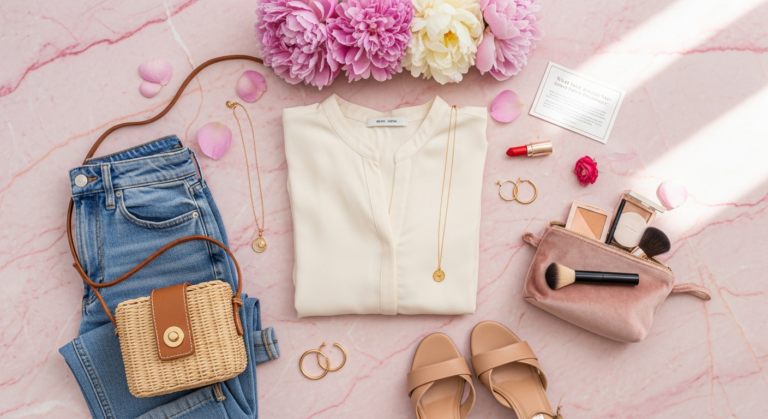
The Ultimate 2026 Guide to a Minimalist Closet: Wardrobe Declutter Tips for the Modern Woman
In the fast-paced world of fashion, the most radical act you can perform is slowing down. As we step into 2026, the “more is more” mentality of previous decades has been replaced by a sophisticated, intentional approach to style: the minimalist closet. We’ve all been there—standing in front of a wardrobe bursting at the seams, yet feeling as though we have absolutely nothing to wear. This paradox of choice doesn’t just waste time; it dilutes your personal brand and adds unnecessary stress to your morning routine.
A minimalist wardrobe isn’t about deprivation or wearing a uniform of grey t-shirts. Instead, it’s about curation. It is a collection of pieces that you love, that fit perfectly, and that reflect the woman you are today. Decluttering is the essential first step in this transformation. By stripping away the noise of impulse buys and “just in case” outfits, you make room for a style that is truly yours. In this guide, we’ll explore high-impact wardrobe declutter tips to help you build a sleek, functional, and inspiring closet for 2026 and beyond.
The Philosophy of the Minimalist Wardrobe: Beyond Just Emptying Hangers
Before you touch a single garment, you must understand the “why” behind the minimalist movement. In 2026, fashion-conscious women are shifting away from the “haul” culture toward “conscious curation.” A minimalist closet is a tool for mental clarity. When every item in your wardrobe is a “yes,” decision fatigue vanishes. You no longer spend twenty minutes debating which blazer hides the flaws of a poorly fitting blouse; instead, you reach for high-quality staples that work harmoniously.
The minimalist philosophy also intersects deeply with sustainability. By decluttering and committing to a smaller wardrobe, you naturally reduce your carbon footprint. You stop the cycle of buying cheap, disposable garments that end up in landfills. Instead, you invest in the “Cost Per Wear” (CPW) metric. A $300 silk shirt worn 100 times is infinitely more valuable—and better for the planet—than a $30 polyester top worn twice. Embracing minimalism is about reclaiming your space, your time, and your personal power through a refined aesthetic.
Step-by-Step: How to Execute a High-Impact Wardrobe Declutter
To achieve a minimalist closet, you cannot simply move items from left to right. You need a systematic, almost clinical approach to your inventory. Start by clearing your entire wardrobe out. Seeing the sheer volume of your belongings on your bed is a necessary “shock to the system” that highlights how much you’ve accumulated.
**1. The “Immediate Yes” Pile:** These are your daily drivers. The jeans that make you feel like a goddess, the cashmere sweater that is soft as a cloud, and the tailored blazer that commands respect in every meeting. These items form the skeleton of your 2026 style.
**2. The “Maybe” Box:** This is the secret weapon of professional organizers. If you’re unsure about a piece, place it in a box and store it out of sight. If you haven’t reached for it in three months, it’s time to let it go. This removes the emotional pressure of making an immediate decision.
**3. The “Ruthless No” Pile:** If it’s stained, torn, doesn’t fit your current body, or belongs to a version of yourself that no longer exists (looking at you, neon clubbing tops from five years ago), it must go. Be honest about your current lifestyle. If you work from home but own fifteen structured suits, your wardrobe is serving a fantasy, not your reality.
**4. The Reverse Hanger Trick:** Once you’ve put your “Yes” items back, turn all the hangers backward. As you wear an item and return it to the closet, turn the hanger the right way. After six months, the backward hangers will expose the items you think you love but never actually wear.
Curating Your 2026 Capsule: Selecting Quality Over Quantity
Once the clutter is gone, the real fun begins: curation. A 2026 minimalist closet is built on a foundation of “Power Basics.” These are not boring; they are the architectural elements of your outfits. Focus on silhouettes that are timeless yet contemporary—think wide-leg trousers in heavy crepe, oversized organic cotton button-downs, and structured knitwear.
When selecting pieces to keep (or fill gaps with), prioritize natural fibers. Silk, linen, wool, and Tencel are the hallmarks of a high-end minimalist wardrobe. They breathe better, drape more elegantly, and last significantly longer than synthetic blends.
Your color palette should also be intentional. While the “sad beige” trope is a common minimalist critique, your closet can be as vibrant as you like, provided the colors are cohesive. A 2026 palette might involve deep navy, slate grey, and cream, punctuated by a signature “pop” color like cobalt blue or terracotta. The goal is “interchangeability.” If every top you own works with every bottom you own, you’ve unlocked the true potential of a minimalist wardrobe.
The Psychology of Letting Go: Saying Goodbye to “Just in Case” Clothes
The biggest hurdle in any wardrobe declutter isn’t a lack of space; it’s a surplus of guilt. We hold onto clothes because they were expensive, because they represent a goal weight, or because they were a gift. To achieve a minimalist closet, you must detach your self-worth from your possessions.
**The Sunk Cost Fallacy:** That $500 dress sitting in the back of your closet with the tags still on is not worth $500. Its value is currently zero because it is taking up physical and mental space without providing any utility. Keeping it won’t bring the money back. Letting it go allows someone else to enjoy it and frees you from the guilt of seeing it every morning.
**The “Fantasy Self”:** We often buy clothes for the person we *wish* we were—the woman who goes to galas every weekend or the woman who hikes every morning. If your closet is 40% “Fantasy Self,” you will always feel like you have nothing to wear for your *Actual Self*. Honor your current life. If your 2026 consists of school runs and boardroom meetings, your closet should reflect that, not a hypothetical life on the French Riviera.
Organization Systems That Sustain Your Minimalist Aesthetic
A decluttered closet only stays decluttered if the organization system is intuitive. In 2026, closet design is moving toward the “Boutique Experience.” You want to walk into your closet and feel like you are shopping at a high-end atelier.
**Uniformity is Key:** Replace all mismatched plastic and wire hangers with high-quality velvet or wooden hangers. This simple change creates visual calm and prevents clothes from slipping or losing their shape.
**Categorization by Type and Tone:** Group your items by category (blazers, shirts, knits) and then color-code them within those categories. This makes finding an outfit effortless and helps you spot redundancies. If you see six white shirts hanging together, you’ll realize you don’t need a seventh.
**Vertical Folding:** For items in drawers, use the KonMari method of vertical folding. This allows you to see every t-shirt or pair of jeans at a glance, preventing the “bottom of the drawer” abyss where clothes go to die. Use acrylic dividers to keep stacks of sweaters from toppling over, maintaining that crisp, minimalist look.
Sustainable Disposal: What to Do With Your Fashion “Exes”
A truly modern declutter doesn’t end with a trash bag on the curb. In 2026, being a fashion-conscious woman means taking responsibility for the end-of-life cycle of your garments.
**Resale for High-Value Items:** For designer pieces or high-quality contemporary brands, use resale platforms. The secondary market is thriving, and selling your items not only recoups some of your investment but also ensures the piece continues its journey with someone who will value it.
**Clothing Swaps:** Host a “Style Exchange” with friends. It’s a sustainable way to refresh your wardrobe without spending a dime and ensures your clothes go to a good home.
**Textile Recycling:** For items that are truly worn out—pilled sweaters, stained tees, or ancient undergarments—look for textile recycling programs. Many cities now offer drop-off points where old fabrics are shredded for insulation or industrial rags, keeping them out of the landfill.
**Intentional Donation:** Don’t just dump everything at a generic thrift store. Research local charities that help women re-enter the workforce or shelters that need specific seasonal items. Giving your clothes a second life with purpose makes the decluttering process feel like a positive contribution rather than a loss.
FAQ: Mastering Your Minimalist Wardrobe
**Q1: How many items should be in a minimalist closet in 2026?**
There is no “magic number.” For some, a 33-piece capsule wardrobe works perfectly. For others, 50 to 75 items are necessary to cover work, gym, and social lives. The goal isn’t a specific count; it’s ensuring that 100% of the items you own are functional and loved.
**Q2: How do I handle sentimental items that I don’t wear?**
Sentimental items shouldn’t take up prime real estate in your daily closet. Move your wedding dress, your grandmother’s vintage coat, or your favorite concert tee to a beautiful storage trunk. This honors the memory without cluttering your daily routine.
**Q3: Is minimalism just a trend, or is it here to stay?**
While “aesthetic minimalism” may wax and wane, “functional minimalism” is a lifestyle shift. With the rising costs of quality goods and a global focus on sustainability, the move toward “buying less but better” is a permanent evolution in the fashion industry.
**Q4: How often should I declutter my wardrobe?**
A major overhaul should happen twice a year (Spring/Summer and Fall/Winter). However, a “one-in, one-out” rule—where you remove an old item every time you buy something new—will help you maintain your minimalist closet year-round.
**Q5: Can I still follow trends with a minimalist wardrobe?**
Absolutely. The 2026 approach to trends is the “90/10 Rule.” 90% of your wardrobe should be timeless foundations, while 10% can be seasonal trends. This allows you to stay current without needing a complete closet redo every six months.
Conclusion: The Freedom of a Curated Life
Embarking on a wardrobe declutter is more than just a chore; it is a ritual of self-discovery. As you sift through the layers of your closet, you are deciding who you want to be in 2026. A minimalist closet offers the ultimate luxury: the luxury of time and the confidence of knowing you always look your best.
By following these wardrobe declutter tips, you aren’t just cleaning out a cupboard—you are creating a sanctuary. You are choosing quality over quantity, style over fashion, and intentionality over impulse. The result is a wardrobe that doesn’t just hold your clothes, but celebrates your identity. So, take a deep breath, grab your hangers, and start building the minimalist closet of your dreams today. Your future self—stylish, calm, and perfectly put-together—will thank you.