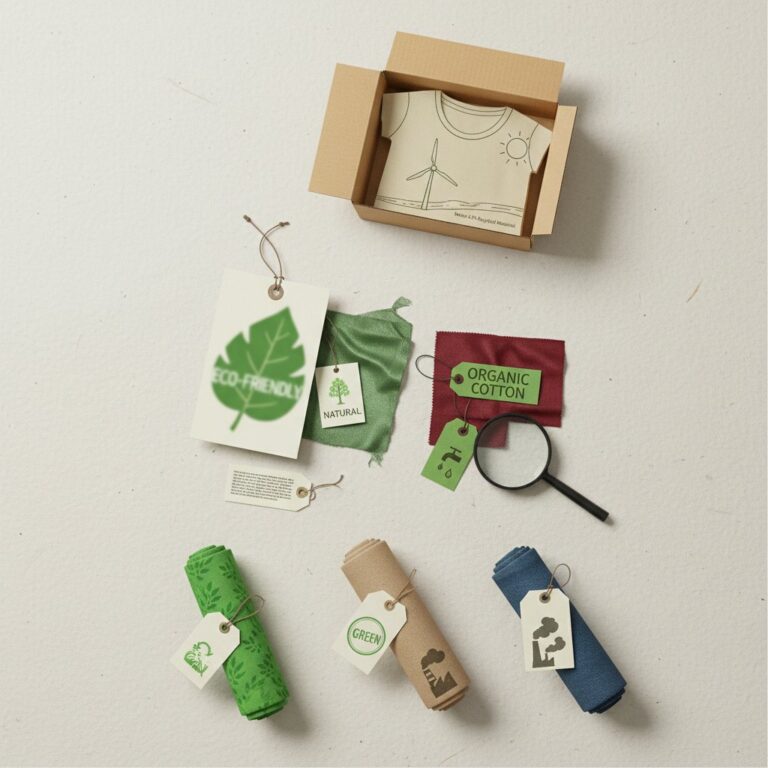

The Ultimate 2026 Eco-Friendly Fabrics Guide: Why Organic Cotton and Linen are the New Standard of Style
In the fast-evolving world of fashion, the most significant trend of 2026 isn’t a specific color palette or a nostalgic silhouette—it is a profound shift in consciousness. For the modern woman, style is no longer just about the aesthetic appeal of a garment; it’s about the narrative behind the thread. As we move toward a more circular economy, the demand for transparency and ethics has transformed the way we curate our closets. We are witnessing a transition from “disposable” fashion to “intentional” dressing, where the tactile pleasure of a high-quality fabric meets the peace of mind that comes from ethical sourcing. This guide explores the cornerstone of the modern conscious wardrobe: eco-friendly fabrics. By prioritizing organic cotton and linen, you aren’t just following a trend; you are investing in the longevity of your style and the health of the planet. Let’s dive into how these timeless materials are redefining luxury for the contemporary woman.
—
1. Organic Cotton: The Soft Revolution in Your Closet
When we think of comfort, we think of cotton. However, in 2026, the distinction between conventional and organic cotton has become the ultimate marker of a sophisticated shopper. Conventional cotton is often referred to as one of the world’s “dirtiest” crops due to its heavy reliance on synthetic pesticides and staggering water consumption. In contrast, organic cotton is grown using methods and materials that have a low impact on the environment.
For the style-conscious woman, organic cotton offers a superior hand-feel. Because the fibers have not been weakened by harsh chemical processing, organic cotton garments tend to be softer, more breathable, and significantly more durable. From the perfect white t-shirt that maintains its shape after fifty washes to high-end organic denim that molds to your body, this fabric is the foundation of a functional wardrobe.
**Style Tip:** Look for GOTS (Global Organic Textile Standard) certified pieces. In 2026, luxury is defined by the quality of the raw material. Pair an oversized organic cotton button-down with tailored trousers for an effortlessly chic office look that breathes with you throughout the day.
2. The Timeless Allure of Linen: Luxury That Breathes
Linen has long been associated with the effortless elegance of European summers, but in 2026, it has solidified its place as a year-round staple for the eco-conscious minimalist. Derived from the flax plant, linen is one of the most sustainable fibers in existence. Flax requires very little water, can grow in poor soil, and every part of the plant is utilized, leaving behind zero waste.
The beauty of linen lies in its imperfections. The subtle slubs and natural wrinkles are no longer seen as a nuisance but as a hallmark of “quiet luxury.” Linen is highly thermoregulating, meaning it keeps you cool in the heat of July and retains warmth when layered under a coat in the autumn.
**Style Tip:** To master the 2026 linen aesthetic, embrace the monochrome look. A linen vest paired with matching wide-leg linen trousers creates a streamlined, statuesque silhouette that feels both ancient and futuristic. Don’t fear the “lived-in” look; the way linen moves and creases is a testament to its natural origin.
3. Beyond the Basics: Tencel and Hemp in 2026
While organic cotton and linen are the protagonists of the eco-friendly fabric guide, the 2026 fashion landscape is enriched by innovative “new-age” fibers like Tencel™ (Lyocell) and Hemp. These materials provide the variety needed to build a truly versatile capsule wardrobe.
Tencel, a fiber made from wood pulp sourced from sustainably managed forests, is the eco-friendly answer to silk. It has a stunning drape, a silky sheen, and is completely biodegradable. It’s the perfect choice for evening wear or slip dresses that require a more fluid movement.
Hemp, once relegated to the fringes of “hippy” fashion, has undergone a high-fashion makeover. It is incredibly durable—four times stronger than cotton—and gets softer with every wash. Designers are now blending hemp with organic cotton to create “hemp-press” fabrics that offer a structured, sophisticated look perfect for blazers and trench coats. These fabrics ensure that your commitment to the planet doesn’t come at the cost of your sartorial edge.
4. The Art of Building an Eco-Conscious Capsule Wardrobe
Sustainable fashion is as much about *how* you buy as it is about *what* you buy. The 2026 approach to styling focuses on the “capsule” mentality—curating a small, high-quality collection of pieces that can be interchanged to create dozens of outfits.
When building your capsule with organic cotton and linen, focus on texture and weight. A heavy-weight organic cotton knit provides a beautiful contrast against a lightweight, sheer linen skirt. This play on textures adds depth to your outfits without the need for excessive accessories or loud prints.
**The 2026 Essential Capsule List:**
* **The Hero Piece:** A versatile linen midi dress in an earthy tone (think terracotta, sage, or oatmeal).
* **The Foundation:** Three organic cotton tees in white, black, and navy.
* **The Layer:** A Tencel-blend blazer for a soft-structured look.
* **The Bottoms:** One pair of raw organic denim jeans and one pair of linen culottes.
By choosing neutral palettes and superior fabrics, you ensure that your wardrobe remains relevant regardless of the season’s fleeting trends.
5. Conscious Care: How to Make Your Eco-Fabrics Last a Lifetime
Sustainability doesn’t end at the point of purchase; it continues through the life of the garment. In 2026, “garment longevity” is a key pillar of fashion. Eco-friendly fabrics like organic cotton and linen are naturally resilient, but they require mindful care to maintain their integrity.
* **Wash Less, Wear More:** One of the most sustainable things you can do is reduce the frequency of machine washing. Linen, in particular, is naturally antibacterial and doesn’t hold odors like synthetic polyesters do. Often, a quick steam or hanging a garment in a breezy spot is enough to refresh it.
* **Cold Water is Queen:** When you do wash, use cold water. This prevents the breakdown of natural fibers and saves energy.
* **Skip the Dryer:** High heat is the enemy of organic fibers. It can cause shrinkage in cotton and make linen brittle. Air-drying your clothes not only preserves the fabric but also gives them that crisp, fresh-air scent that no detergent can replicate.
* **Eco-Friendly Detergents:** Use plant-based, biodegradable detergents to ensure that no micro-chemicals are being flushed back into our water systems.
By treating your clothes as an investment rather than a commodity, you participate in the slow fashion movement, ensuring your 2026 favorites are still in rotation in 2030.
6. Transparency and Shopping Mindfully in 2026
As we navigate 2026, “greenwashing” has become more sophisticated, making it vital for the fashion-conscious woman to be an informed consumer. A brand claiming to be “natural” is no longer enough. True sustainability requires transparency throughout the supply chain.
When shopping for organic cotton and linen, look for brands that provide a “Digital Product Passport.” This 2026 tech-forward trend allows you to scan a QR code on the garment’s label to see exactly where the fiber was grown, where it was spun into yarn, and the ethical conditions of the factory where it was sewn.
Furthermore, consider the “cost-per-wear” rather than the price tag. An organic cotton blouse may cost more upfront than a synthetic alternative, but if it lasts five years instead of five months, it is the more economical and stylish choice. Support brands that offer repair services or take-back programs, as this indicates a commitment to the entire lifecycle of the product.
—
FAQ: Your Guide to Sustainable Style
**Q1: Is organic cotton really worth the higher price point?**
Absolutely. Beyond the environmental benefits—like using 91% less water than conventional cotton—organic cotton is a higher quality fiber. It is not treated with harsh chemicals, which means the fibers remain intact and strong. You are paying for a garment that will last longer, feel softer on your skin, and won’t contribute to toxic runoff in agricultural communities.
**Q2: How do I handle the wrinkles in my linen clothes?**
In 2026, the fashion world has embraced the “natural wrinkle.” It’s seen as a sign of authenticity and luxury. However, if you prefer a crisper look, use a steamer rather than a traditional iron, which can crush the fibers. For a compromise, look for linen-cotton blends; they offer the breathability of linen with the wrinkle-resistance of organic cotton.
**Q3: Are “natural” fabrics always eco-friendly?**
Not necessarily. For example, conventional cotton and non-certified viscose can be quite damaging to the environment. That is why it is crucial to look for specific certifications like GOTS (for organic cotton) or OEKO-TEX (ensuring no harmful substances) to ensure the “natural” label actually translates to “eco-friendly.”
**Q4: Can I wear linen in the winter?**
Yes! Linen is a fantastic insulator. In 2026, layering is the key to year-round sustainability. Try wearing a fitted organic cotton turtleneck under a linen jumpsuit, or pair a heavy-weight linen skirt with wool tights and boots. The breathability of the fabric prevents you from overheating when you move from the cold outdoors to heated indoor spaces.
**Q5: What is the best way to start a sustainable wardrobe if I’m on a budget?**
Start with the “essentials” you wear every day. Replace your most-worn items—like white tees or denim—with organic cotton versions as they wear out. Shopping second-hand for high-quality brands is also a great way to access premium eco-friendly fabrics at a lower price point. Remember, the most sustainable garment is the one you already own!
—
Conclusion: The Future of Fashion is Conscious
As we look toward the remainder of 2026 and beyond, it is clear that the intersection of style and sustainability is where the most exciting fashion innovations are happening. Choosing eco-friendly fabrics like organic cotton and linen is more than a personal style preference; it is a powerful statement about the kind of world we want to inhabit.
By prioritizing quality over quantity, we reclaim the joy of dressing. We find beauty in the drape of a Tencel dress, the resilience of a hemp blazer, and the timelessness of a perfectly tailored linen suit. This shift toward mindful consumption empowers us to build wardrobes that are not only aesthetically stunning but also ethically sound.
The modern woman’s wardrobe is no longer a collection of fleeting impulses; it is a curated gallery of her values. As you continue your journey into sustainable fashion, let this guide serve as a reminder that true style is timeless, and the most beautiful thing you can wear is a clear conscience. Embrace the soft revolution of organic cotton and the effortless luxury of linen—your closet, and the planet, will thank you.