
The Art of the Find: How to Master Fashion Sales and Build a High-End Wardrobe for Less
For the modern woman, fashion is more than just clothing; it is a form of self-expression, a confidence booster, and a curated gallery of personal taste. However, maintaining a cutting-edge wardrobe that resonates with the sophisticated aesthetics of 2026 can often feel like a heavy financial commitment. The secret held by the world’s most stylish women isn’t an unlimited budget—it is a masterful approach to strategic shopping. Mastering the sale cycle is an art form that requires patience, foresight, and a keen eye for quality over novelty. Whether you are hunting for a timeless trench coat, a pair of architectural heels, or sustainable knitwear, the goal is to secure the best fashion deals without compromising your stylistic integrity. In this comprehensive guide, we will move beyond the impulse-buy mentality and dive into the professional strategies that allow you to navigate the complex landscape of retail markdowns, luxury archives, and digital treasure hunts.
1. Decoding the Retail Calendar: Timing Your Triumphs
To shop sales effectively, you must first understand the rhythm of the fashion industry. Retailers operate on a rigorous schedule that prioritizes moving inventory to make room for the next “drop.” While traditional end-of-season sales in January and July remain staples, the 2026 landscape has evolved to include more frequent, micro-sale events.
The most profound discounts usually occur during the transition between major seasons. Late January is the “Golden Hour” for winter staples; this is when heavy wool coats, cashmere sweaters, and leather boots see their third and final markdowns. Conversely, late July and early August offer the best opportunities to snag high-end swimwear and linen pieces that will remain relevant for years to come.
However, savvy shoppers should also look toward “Mid-Season Sales” in April and October. These are often quieter affairs but provide excellent deals on transitional pieces like blazers and light knitwear. Furthermore, keep an eye on the “Pre-Fall” and “Resort” collection cycles. When these intermediate collections hit the floors, the previous main-season items are often ushered to the sale rack with significant price cuts. By aligning your shopping list with these industry shifts, you ensure you are never paying full price for a garment that is destined for a discount in just a few weeks.
2. The Wishlist Strategy: Combatting Sale Blindness
One of the greatest pitfalls of fashion sales is “sale blindness”—the phenomenon where a 70% off tag makes an item look more attractive than it actually is. To avoid a closet full of “great deals” that you never actually wear, you must employ the Wishlist Strategy.
Months before the sale season begins, start curating a digital or physical wishlist of specific items your wardrobe lacks. Perhaps you need a structured black blazer, a pair of straight-leg raw denim, or a signature silk scarf. By identifying these needs in advance, you create a psychological barrier against impulse purchases. When the sales finally arrive, your mission is to hunt for the items on your list first.
In 2026, many luxury platforms offer “Follow” or “Alert” features. Utilize these tools to track specific designers or items. When an item on your wishlist hits a certain price threshold, you’ll receive a notification, allowing you to strike before your size sells out. This proactive approach transforms shopping from a chaotic search into a targeted acquisition. Remember: a $500 dress on sale for $200 is only a “deal” if you would have eventually been willing to pay full price for it. If it doesn’t fit your personal style DNA, it’s an expensive mistake.
3. Mastering the Digital Landscape: Extensions, Apps, and Early Access
The digital revolution has fundamentally changed how we access fashion deals. To get the best results in 2026, you need to leverage the right technology. Shopping is no longer just about browsing; it’s about data.
First, consider browser extensions that automatically search for promo codes and track price history. Seeing a graph of an item’s price over the last six months can tell you if the current “sale” is actually a good deal or if the price is likely to drop further. Additionally, many high-end retailers now offer “Early Access” to sales for those who are signed up for their newsletters or loyalty programs. While an overflowing inbox can be tedious, creating a dedicated “shopping email” allows you to filter these opportunities without cluttering your personal correspondence.
Another insider tip is the “Abandoned Cart” technique. If you are eyeing a non-clearance item, log into your account, add the item to your cart, and then leave the site. Often, retailers will send an automated email 24 to 48 hours later with a 10% or 15% discount code to encourage you to finish the purchase. In the competitive market of 2026, brands are more eager than ever to convert browsers into buyers, and these small discounts can stack up significantly over time.
4. Quality Over Quantity: Identifying Investment Pieces
The most successful sale shoppers are those who look for “Forever Pieces.” When browsing a sale, train your eye to look past the “trend” items—the neon colors or hyper-specific silhouettes that will feel dated by next season—and focus on fabric and construction.
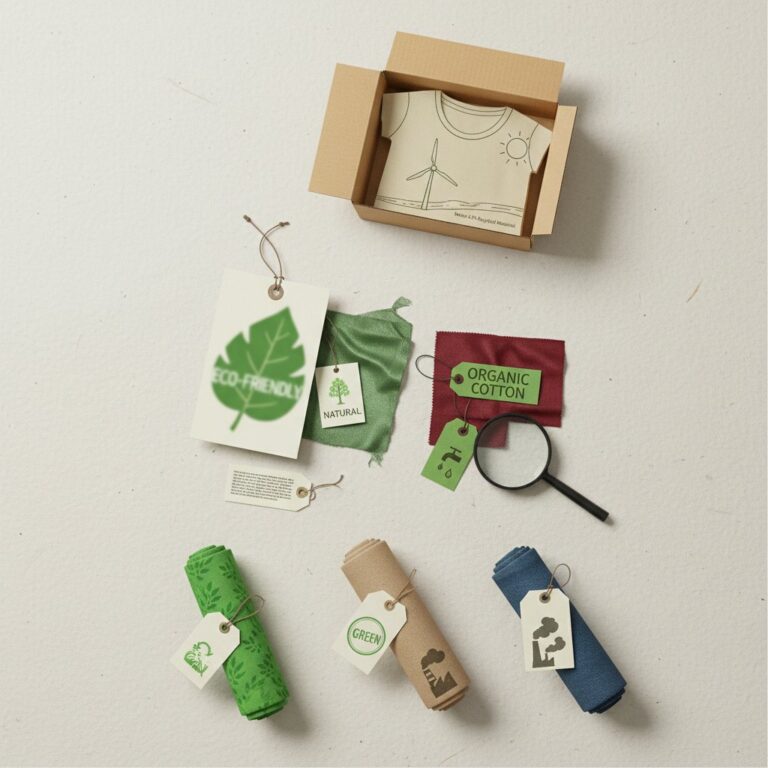
Look for natural fibers: wool, silk, linen, and organic cotton. These materials not only last longer but also retain their value if you decide to resell them later. A discounted designer coat in 100% camel hair is a monumental find; a discounted coat in a polyester blend is often still overpriced.
Furthermore, pay attention to the “Cost Per Wear” (CPW) metric. A $300 pair of designer boots on sale might seem expensive, but if you wear them 100 times a year for five years, the cost is pennies per wear. Conversely, a $40 “fast fashion” dress worn once before it falls apart in the wash is a poor investment. Use sales as an opportunity to bridge the gap between what you want to own and what you can afford, focusing on the highest quality your budget allows. In 2026, the trend is toward “Quiet Luxury”—investing in understated, high-quality pieces that whisper rather than shout. Sales are the perfect vehicle to build this aesthetic.
5. The Secret World of Sample Sales and Consignment
Beyond the standard retail websites, there is a secondary tier of shopping that offers even deeper discounts. Sample sales—traditionally held in fashion hubs like New York, London, and Paris—have now largely moved online. Sites dedicated to “flash sales” offer limited-time windows to buy previous seasons’ stock at up to 80% off. The key here is speed and knowledge of your own measurements, as these items are often final sale.
Parallel to this is the luxury consignment market. In 2026, the circular fashion economy is thriving. Platforms like The RealReal, Vestiaire Collective, and Rebag allow you to find items that are essentially “on sale” every day. Often, these items are brand new with tags, discarded by collectors to make room for new seasons.
When shopping consignment, use the “filter by condition” tool and look for “Pristine” or “Excellent” ratings. This is the ultimate way to secure a luxury handbag or a couture blazer for a fraction of the original price. It is also the most sustainable way to shop, giving a second life to beautiful garments and reducing the environmental impact of new production.
6. The Post-Purchase Polish: Tailoring and Care
The final step in getting the best fashion deals is often overlooked: the investment in maintenance. Because sale items are often the last ones on the rack, they might not be your “perfect” size, or they may have minor, fixable flaws like a missing button or a loose thread.
Budgeting for a tailor is the secret weapon of the well-dressed woman. If you save $200 on a designer skirt that is slightly too long, spending $30 to have it hemmed specifically to your height will make it look like a custom-made piece. A perfectly tailored “sale find” will always look more expensive than a full-price item that fits poorly.
Additionally, invest in the longevity of your deals. Proper storage—such as cedar hangers for coats and dust bags for shoes—ensures that your discounted treasures remain in peak condition. In 2026, the focus has shifted toward “wardrobe stewardship.” By caring for the pieces you fought to find at a discount, you ensure that your style remains timeless and your investment remains protected.
FAQ: Your Sale Shopping Questions Answered
**Q1: How do I know if a “sale” price is actually a good deal?**
A: Use price-tracking tools to see the item’s history. Generally, a 30% discount is standard, 50% is good, and 70% or more is an exceptional deal for high-quality brands. Also, compare the price across multiple retailers; sometimes one department store will mark down an item weeks before another.
**Q2: Should I buy something that is one size too small if it’s a great deal?**
A: Generally, no. While a tailor can easily take a garment in (make it smaller), it is very difficult and often impossible to make a garment larger without compromising the structure. Only buy if the item fits or is slightly too big.
**Q3: What are the best items to buy during Black Friday?**
A: Black Friday is excellent for contemporary “bridge” brands and tech-heavy apparel. However, for true luxury and heritage brands, the post-Christmas sales (starting Dec 26) often yield better discounts on high-end runway pieces.
**Q4: How can I stay safe while shopping on lesser-known discount sites?**
A: Always check for a physical address on the website, read third-party reviews, and ensure the URL begins with “https.” In 2026, be wary of social media ads that seem “too good to be true”—if a current-season $2,000 bag is being sold for $100, it is likely a scam or a counterfeit.
**Q5: Is it better to shop sales online or in-store?**
A: Online shopping offers better variety and easier price comparison. However, in-store shopping allows you to check for damages (which are common in sale sections) and try things on to avoid the hassle of returns. For high-stakes items like evening wear or shoes, in-store is often better.
Conclusion: Empowering Your Style Through Strategy
Shopping the sales is not about the pursuit of “cheap” clothes; it is about the intelligent allocation of your resources to build a life-enhancing wardrobe. By mastering the retail calendar, utilizing modern digital tools, and focusing on the enduring value of high-quality fabrics, you transform the way you interact with fashion. In 2026, being stylish is synonymous with being savvy.
When you approach a sale with a plan—a wishlist in hand and a discerning eye for tailoring—you move away from the cycle of disposable trends and toward a curated collection of pieces that truly represent who you are. The best fashion deal isn’t just the one that saves you the most money; it’s the one that results in a garment you will cherish, wear, and feel powerful in for years to come. Happy hunting, and may your next great find be just a strategic click away.