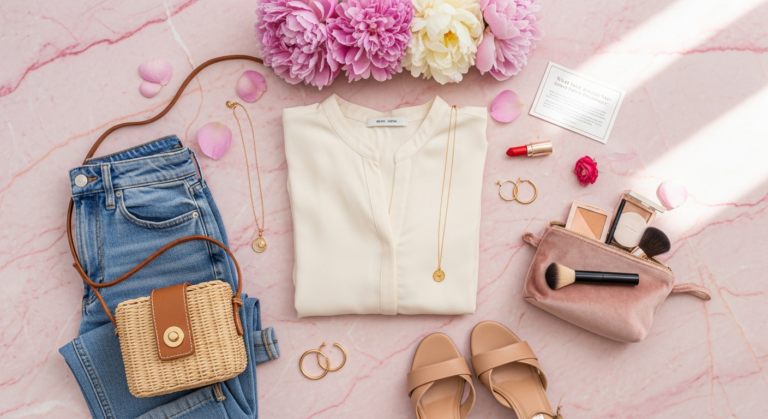
scandinavian fashion minimalist tips

Mastering the Art of Scandinavian Minimalism: A Comprehensive Guide to Effortless Nordic Style

In the ever-evolving landscape of global fashion, few aesthetics have maintained as much staying power and influence as Scandinavian minimalism. Rooted in the principles of functionality, simplicity, and high-quality craftsmanship, the “Scandi style” is far more than a fleeting trend; it is a philosophy of living. Whether you are walking through the cobblestone streets of Stockholm or the vibrant districts of Copenhagen, the aesthetic is unmistakable—a harmonious blend of clean lines, neutral palettes, and an effortless “cool” that feels both attainable and aspirational.

As we look toward 2026, Scandinavian fashion continues to redefine what it means to be well-dressed in a modern world. It rejects the “more is more” mentality of fast fashion, instead favoring the Swedish concept of *Lagom*—not too much, not too little, but just right. This approach focuses on building a curated wardrobe that transcends seasons and survives the cyclical nature of the industry. For the fashion-conscious individual, mastering these minimalist tips isn’t just about looking better; it’s about simplifying your life through a thoughtful, intentional approach to personal style. This guide will walk you through the essential pillars of Scandinavian fashion, providing practical advice to help you achieve that coveted Nordic look.

1. The Foundation: Building a High-Quality Capsule Wardrobe

The bedrock of Scandinavian minimalism is the capsule wardrobe. Unlike the traditional approach of buying clothes for specific occasions, Scandi style relies on a small, highly curated selection of items that can be mixed and matched effortlessly. The goal is to reach a point where every item in your closet works with at least three or four other pieces.

To begin your journey into 2026 Scandi fashion, focus on “hero pieces.” These include a perfectly tailored oversized blazer, a crisp white organic cotton button-down, and a pair of straight-leg denim in a vintage wash. The emphasis here is on the fit. Scandi fashionistas often lean toward slightly oversized silhouettes that drape beautifully over the body rather than clinging to it. This creates a relaxed yet sophisticated air.

When selecting fabrics, prioritize natural fibers. Wool, silk, linen, and high-grade cotton are the staples of a Nordic closet. These materials not only look more expensive but also age better, aligning with the Scandinavian commitment to longevity. By investing in fewer, better items, you reduce decision fatigue in the morning and ensure that you always look polished, even when you’ve put in minimal effort.

2. Mastering the Palette: Beyond Just Beige and White

While it is true that neutral tones are the heart of minimalist fashion, the 2026 interpretation of the Scandi palette is much richer than just “eggshell and oatmeal.” To truly capture the modern aesthetic, you must learn to work with a spectrum of understated hues.

Think of your wardrobe in terms of “elevated neutrals.” This includes charcoal grey, deep navy, forest green, and chocolate brown. These colors provide the same versatility as black or white but offer more depth and character to an outfit. A monochromatic look is a classic Scandi move—pairing a cream knit sweater with cream wool trousers creates a seamless, elongated silhouette that looks incredibly chic.

However, modern Scandinavian fashion isn’t afraid of a “pop” of color. Drawing inspiration from the Copenhagen street style scene, you might see a minimalist outfit punctuated by a bright blue scarf or a pastel green handbag. The trick is to keep the base of the outfit neutral and use the color as a focal point rather than a distraction. This balance ensures that the minimalism remains intact while allowing for personal expression.

3. The Art of Layering: Functionality Meets Form

In Northern Europe, the weather is a constant factor in fashion choices. This has led to the mastery of the “art of layering,” a technique that is both practical for temperature control and essential for achieving a textured, multidimensional look.

To layer like a Scandi pro, start with thin, high-quality base layers. A fine-gauge turtleneck in merino wool is an excellent starting point. Layer a structured shirt over it, and top it off with a heavy-weight wool coat or a puffer jacket for those colder months. The key to successful layering is varying the lengths and textures of your garments. For example, having a longer shirt hem peeking out from under a cropped sweater adds visual interest without adding bulk.

Layering also allows you to play with proportions. In 2026, we are seeing a continuation of the “big coat, small base” or “oversized knit, sleek bottom” combinations. By mixing a voluminous trench coat with slim-fitting trousers, you create a balanced silhouette that feels modern and intentional. Remember, each layer should be able to stand on its own as a complete look should you need to remove a coat or sweater indoors.

4. Footwear and Accessories: The Scandi Statement

In a minimalist wardrobe, accessories are not an afterthought; they are the punctuation marks that complete the sentence. Scandinavians tend to favor accessories that are utilitarian yet beautifully designed.

When it comes to footwear, the “chunky” aesthetic remains a staple. Whether it’s a robust Chelsea boot or a platform loafer, a solid shoe provides a grounded counterpoint to a minimalist outfit. For a more casual look, a clean, white leather sneaker is the ultimate Scandi essential. Avoid overly branded or flashy footwear; the beauty should lie in the silhouette and the quality of the leather.

Jewelry follows the “less is more” rule. Instead of wearing multiple pieces, choose one or two “signature” items—perhaps a pair of architectural gold hoop earrings or a heavy chain link necklace. Handbags should also follow suit. A structured leather tote or a sleek crossbody bag in a neutral tone will serve you better than a collection of trendy, seasonal bags. The goal is to choose pieces that feel like an extension of your personal style rather than a temporary addition.

5. Sustainability and Longevity: The Ethical Heart of Scandi Fashion

You cannot talk about Scandinavian fashion without discussing sustainability. The Nordic countries are world leaders in ethical fashion, and this mindset is deeply woven into the minimalist aesthetic. A true Scandi minimalist isn’t just looking for a specific “look”; they are looking for a sustainable relationship with their clothing.

In 2026, this means looking for brands that prioritize transparent supply chains, recycled materials, and fair labor practices. Many Scandi enthusiasts participate in the “circular economy” by shopping at high-end vintage boutiques or using resale platforms to find pre-loved designer pieces. This not only helps the environment but also allows you to find unique, high-quality items that aren’t available in mainstream stores.

Longevity is also about care. Part of the Scandi fashion tip list includes learning how to properly wash and store your clothes. Using wool combs, steaming rather than ironing, and air-drying garments are all common practices that extend the life of a wardrobe. When you view your clothing as an investment rather than a disposable commodity, your style naturally becomes more refined and consistent.

6. Modern Scandi: Mixing Textures and Proportions

As we move further into the decade, Scandinavian fashion is evolving to include more experimental shapes while keeping its minimalist soul. One of the most effective ways to make a simple outfit look “high fashion” is through the strategic use of texture.

Contrast is your best friend here. Pair a smooth, silk slip skirt with a heavy, oversized cable-knit sweater. The juxtaposition between the delicate silk and the rugged wool creates a sophisticated tension that is quintessentially Scandi. Similarly, pairing a leather blazer with denim or a shearling coat with tailored trousers adds a tactile element to your look that keeps it from feeling flat or boring.

Proportions are also playing a larger role in 2026. The “Scandinavian silhouette” is often characterized by a play between masculine and feminine styles. This might involve wearing a men’s oversized button-down shirt as a dress with tall boots, or pairing wide-leg “pappa” trousers with a feminine, fitted bodysuit. By blurring the lines between traditional gendered silhouettes, you achieve a modern, forward-thinking look that remains rooted in minimalist principles.

FAQ: Scandinavian Fashion & Minimalism

#

1. How is Scandinavian minimalism different from “Quiet Luxury”?
While they share similarities, Scandinavian minimalism is often more focused on functionality and a certain “cool factor” or edge. Quiet Luxury (the “Old Money” aesthetic) tends to be very traditional and formal. Scandi style is more comfortable with oversized fits, chunky sneakers, and a blend of high-fashion with streetwear elements.

#

2. Can I achieve the Scandi look on a budget?
Absolutely. The core of the look is about the *philosophy* of the outfit rather than the price tag. You can find excellent minimalist staples at mid-range retailers or through second-hand shops. Focus on the fit and the material composition (aim for 100% cotton or wool) rather than the brand name.

#

3. Is the Scandi style only for tall, thin people?
Not at all. The beauty of the oversized and relaxed silhouettes common in Nordic fashion is that they are incredibly inclusive. The key is to find the right balance for your frame. If you are petite, you can still wear oversized pieces—just ensure you show a bit of skin (like an ankle or wrist) to avoid being “swallowed” by the fabric.

#

4. How do I wear “all black” without looking boring?
The secret is texture. If you are wearing an all-black outfit, mix different fabrics: a black denim pant with a black cashmere sweater and a black leather jacket. The way light hits the different surfaces creates depth and makes the outfit look intentional and stylized.

#

5. What are the top Scandi brands I should know in 2026?
While heritage brands like Acne Studios and Filippa K remain icons, look toward labels like Toteme for elevated basics, Ganni for a more colorful take on minimalism, and Cecilie Bahnsen for structural, feminine pieces. Arket and COS are also excellent “entry-level” brands for high-quality Scandi-inspired staples.

Conclusion: Embracing the “Less is More” Lifestyle

Embracing Scandinavian fashion is about more than just changing your wardrobe; it’s about adopting a mindset of intentionality. By focusing on quality over quantity, mastering the art of layering, and sticking to a cohesive palette, you create a personal style that is both timeless and effortlessly modern.

As we navigate through 2026, the world is increasingly looking for ways to slow down and find beauty in the simple things. Scandinavian minimalism offers a perfect blueprint for this. It proves that you don’t need a walk-in closet overflowing with clothes to be the best-dressed person in the room. Instead, a few well-chosen pieces, styled with confidence and an eye for proportion, can speak volumes. Whether you are a long-time fan of the aesthetic or just beginning your minimalist journey, remember that the goal of Scandi style is to make you feel like the best, most comfortable version of yourself. In the end, the most stylish thing you can wear is an outfit that reflects your values of quality, sustainability, and effortless grace.