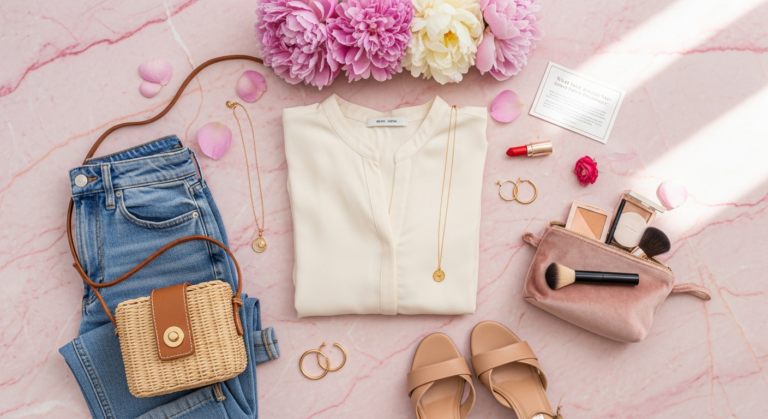
Smart Casual Decoded for Different Industries 2026

Smart Casual Decoded: The Ultimate Industry-Specific Style Guide

The definition of professional attire has undergone a radical transformation. Gone are the days when “smart casual” was a confusing middle ground reserved for Friday afternoons. In the current fashion landscape, this dress code has become the primary language of the modern workplace, reflecting a shift toward personal expression, comfort, and versatile sophistication. As boundaries between our professional and personal lives continue to blur, the ability to navigate the nuances of smart casual is no longer just a fashion choice—it is a vital professional skill.

Navigating this aesthetic requires more than just swapping a tie for a polo or a skirt for chinos. It demands an understanding of “contextual dressing”—the art of aligning your personal style with the specific cultural expectations of your industry while maintaining an elevated edge. Whether you are walking into a high-stakes meeting at a FinTech startup or attending a gallery opening in a creative hub, your outfit serves as your visual resume. This guide breaks down the sophisticated nuances of smart casual across various sectors, providing you with a definitive blueprint for mastering the art of the polished, modern wardrobe.

1. The Creative and Tech Sectors: Elevated Innovation

In the world of technology, design, and media, the “casual” often outweighs the “smart,” but the modern professional knows that looking too relaxed can signal a lack of intentionality. The goal here is to appear effortless yet curated. This industry values “elevated basics”—items that look simple but are defined by superior cuts and high-quality materials.

For those in these fast-paced environments, the foundation of a smart casual look starts with high-end knitwear and premium denim. A pair of raw, dark indigo jeans (free of distressing) paired with a fine-gauge merino wool turtleneck is a staple that works year-round. Layering is key; consider a technical mac coat or a structured “shacket” (shirt-jacket) in a heavy twill.

Footwear in the creative space has seen a significant shift. While clean, minimalist leather sneakers remain a favorite, the trend is moving toward chunky loafers or high-quality Chelsea boots. The secret is in the details: a monochromatic color palette—think charcoals, olives, and navy—creates a streamlined silhouette that looks professional during a pitch but remains comfortable for a twelve-hour day of coding or creating.

2. Finance, Law, and Traditional Corporate: The New “Soft” Professionalism

Even the most conservative industries have felt the ripple effect of the casualization of the workplace. While the full suit hasn’t disappeared, it has been deconstructed. In finance and law, smart casual translates to “unstructured tailoring.” This means jackets without heavy shoulder pads and trousers that offer a bit more movement.

The “broken suit” is the hero of this category. This involves wearing a tailored blazer with a pair of trousers in a contrasting but complementary color—for example, a navy hopsack blazer paired with mid-grey wool flannels. Instead of a traditional stiff-collared dress shirt, opt for a “popover” shirt or a high-quality Oxford button-down.

For women in these sectors, the shift has moved toward wide-leg trousers in luxurious fabrics like crepe or silk-wool blends, paired with a sophisticated knit top rather than a structured blouse. The “power blazer” remains essential, but in softer hues like camel, sage, or slate blue. The look should say “authoritative” without the rigidity of the past. Accessorize with a classic leather tote and pointed-toe flats or block heels to maintain a sharp, professional silhouette.

3. The Hybrid Workspace: Versatility for the “Anywhere” Office

As hybrid work becomes the permanent standard, the need for clothes that transition from a home office to a mid-day coffee meeting and then to an in-person boardroom session is paramount. This industry-agnostic style is built on the concept of “modular dressing.”

The centerpiece of the hybrid wardrobe is the “commuter trouser”—pants that look like traditional slacks but feature technical stretch and wrinkle-resistant properties. Pair these with high-quality “smart” sweatshirts (think heavy-weight cotton with a clean, structured drape) or a polo shirt made from piqué cotton or silk blends.

For the hybrid professional, the “Zoom-up” strategy is still relevant. This involves keeping a structured cardigan or a soft blazer nearby to throw over a simple tee for unplanned video calls. The color story here is often neutral—beiges, creams, and soft greys—which look great on camera and mix-and-mix effortlessly. This style prioritizes tactile comfort without sacrificing the visual cues of a dedicated professional.

4. Retail, Hospitality, and Public-Facing Roles: Durability Meets Style

In industries where you are constantly on your feet and interacting with the public, smart casual must be as functional as it is fashionable. Here, the focus is on “performance fabrics” and silhouettes that allow for a full range of motion.

Workwear-inspired pieces have become a mainstay in this sector. A well-fitted chore coat in a durable canvas or corduroy provides a “smart” alternative to a denim jacket or a hoodie. Underneath, a striped Breton top or a high-quality crewneck jersey adds a touch of classic style. Trousers should be robust; think refined chinos or “five-pocket” pants in a twill fabric.

Footwear is perhaps the most critical element for public-facing professionals. The “dress sneaker”—a hybrid shoe with the sole of a trainer and the upper of a brogue—is a perfect solution. Alternatively, leather derbies with a cushioned lug sole provide the necessary support for long shifts while maintaining a polished aesthetic. Accessories should be kept minimal and functional, such as a sleek apron for those in boutique hospitality or a stylish crossbody bag for retail managers.

5. Essential Wardrobe Building Blocks for the Modern Era

To master smart casual across any industry, one must invest in “hero pieces” that act as the glue for any outfit. These are the items that justify a higher price point due to their versatility and longevity.

* **The Unstructured Blazer:** Look for navy, forest green, or tan. The lack of lining makes it more breathable and less formal, allowing it to pair as easily with jeans as it does with dress pants.
* **The Premium White Sneaker:** This must be kept pristine. A leather or high-quality vegan leather sneaker in a classic silhouette can de-formalize a suit or elevate a pair of chinos instantly.
* **The “Perfect” T-Shirt:** Not all tees are created equal. For a smart casual look, you need a heavyweight cotton T-shirt with a bound neckline that won’t sag. It should fit perfectly through the shoulders and have a clean hem.
* **The Mid-Layer Knit:** Whether it’s a cashmere crewneck, a zip-up cardigan, or a sweater vest, knitwear adds texture and depth to an outfit, making it look more “intentional” than a simple shirt-and-pants combo.
* **The Tailored Overcoat:** A long wool coat in charcoal or camel is the ultimate “finisher.” It can make even the most casual outfit look boardroom-ready the moment you step into the building.

6. The Fine Details: Grooming and Accessories

The “smart” in smart casual is often found in the details. Even the most perfectly curated outfit can be undermined by poor grooming or clashing accessories. In the modern professional world, “less is more” is the guiding principle.

A high-quality watch—whether a vintage analog piece or a sleek, minimalist smartwatch with a leather band—serves as a focal point. Bags should be structured; swap the nylon backpack for a leather or high-end canvas version to instantly elevate your look.

Grooming should be intentional. A clean haircut, well-maintained facial hair, and a subtle signature scent provide the finishing touches that signal you are a professional who pays attention to the small things. For women, jewelry should be “refined-minimalist”—think gold hoops, a simple chain necklace, or a singular bold ring rather than an overabundance of statement pieces.

***

FAQ: Navigating Smart Casual

**Q: Can I really wear jeans to a smart casual office?**
**A:** In most modern industries, yes. However, the jeans must be dark (navy or black), have a slim or straight fit, and be free of any holes, fraying, or heavy fading. Pair them with a blazer or a crisp button-down to ensure the look stays “smart.”

**Q: Are hoodies ever acceptable in a smart casual environment?**
**A:** Only in the most creative or tech-heavy sectors, and even then, they should be “elevated.” This means a cashmere or fine-gauge wool hoodie, worn under a tailored coat or blazer, rather than an oversized fleece sweatshirt.

**Q: What is the main difference between Business Casual and Smart Casual?**
**A:** Business Casual is generally more prescriptive (khakis and a polo or a skirt and blouse). Smart Casual is more fashion-forward and allows for “trendier” items like sneakers, tees under blazers, and more adventurous silhouettes, provided the overall look is polished.

**Q: How do I handle smart casual in the heat of summer?**
**A:** Focus on fabrics. Swap wool and heavy cotton for linen-blends, Tencel, and seersucker. A linen blazer or a crisp short-sleeved button-down (worn tucked in) can keep you cool while maintaining a professional edge.

**Q: Should I always tuck in my shirt?**
**A:** If it’s a dress shirt with a curved “tail” hem, it should be tucked. If it’s a flat-hemmed shirt, like a polo or certain linen shirts, it can be worn untucked, provided it hits no lower than the mid-fly of your trousers. When in doubt, the “half-tuck” or a full tuck is the safer, smarter choice.

***

Conclusion: The Philosophy of Modern Dressing

The evolution of smart casual reflects a broader cultural move toward authenticity. We no longer feel the need to hide behind a uniform of stiff suits to prove our professional worth. Instead, we use our clothing to communicate our creativity, our adaptability, and our attention to detail.

Mastering smart casual for different industries is about finding the “sweet spot” between comfort and authority. It is an ongoing experiment in silhouette, fabric, and context. By investing in high-quality staples and understanding the specific “vibe” of your professional field, you can create a wardrobe that feels uniquely yours while still opening doors in the corporate world. Remember: it is always better to be slightly more “smart” than too “casual.” In a world of increasing informality, the person who takes the time to look put-together is the person who stands out. Keep your sneakers clean, your fabrics crisp, and your confidence high—that is the true secret to decoding the modern dress code.