The Ultimate Travel Wardrobe Strategy: How to Master Style for a Two-Week International Trip
Standing before an open suitcase on the eve of a fourteen-day journey is a ritual of both excitement and profound anxiety. For the fashion-conscious traveler, the challenge is twofold: you must curate a collection that is versatile enough to withstand the rigors of transit, yet sophisticated enough to feel at home in a Parisian bistro or a Tokyo cocktail lounge. The goal is no longer just “packing light”; it is about “packing smart.” A successful travel wardrobe strategy relies on a delicate balance of textile science, color theory, and aesthetic discipline.
Too often, we over-pack out of fear—the fear of a sudden temperature drop, an unexpected dinner invitation, or simply the fear of boredom with our own choices. However, true sartorial freedom comes from a tightly edited selection where every piece earns its place through multi-functionality. This guide will walk you through the architecture of a professional-grade travel wardrobe, ensuring you move through your two-week international adventure with the ease of a local and the polish of a style icon. No more heavy lifting, no more “nothing to wear” moments—just pure, intentional style.
1. The Foundation: Building Your Core Color Palette
The most critical step in any travel wardrobe strategy happens before you even touch a garment. It begins with a cohesive color palette. When you are limited to a single suitcase for fourteen days, every item must be able to “speak” to every other item. If a blouse only works with one specific pair of trousers, it is dead weight.
To master this, adopt the **60-30-10 Rule**. Sixty percent of your wardrobe should consist of base neutrals—think navy, black, camel, or charcoal. These are your heavy hitters: trousers, blazers, and outerwear. Thirty percent should be your secondary “bridge” colors, such as cream, soft grey, or denim, which help transition the neutrals. The final ten percent is reserved for accent colors or prints—a silk scarf, a vibrant camisole, or a patterned skirt—that provide visual interest and keep your photos from looking repetitive.
By sticking to a strict palette, you create a “modular” wardrobe. In this system, three bottoms and five tops can theoretically create fifteen unique outfits. When your colors are harmonized, getting dressed in a dim hotel room becomes effortless, as the risk of a clashing outfit is virtually eliminated.
2. Fabric Intelligence: Prioritizing Performance and Texture
When you are traveling internationally, your clothes face unique stressors: compressed packing cubes, varying humidity levels, and long hours of wear. A fashion-conscious traveler knows that the *fiber* of the clothing is just as important as the *cut*. To maintain a polished look without access to a full laundry suite, you must prioritize “high-performance” natural and semi-synthetic fabrics.
* **Merino Wool:** Often misunderstood as a winter-only fabric, lightweight merino is a travel miracle. It is naturally odor-resistant, temperature-regulating, and incredibly wrinkle-resilient. A fine-gauge merino sweater is essential for chilly flights and evening breezes.
* **Tencel and Lyocell:** These eco-friendly fibers offer a silk-like drape with far more durability. They breathe well in heat and tend to shed wrinkles faster than traditional cotton.
* **The “Chic Rumple” (Linen):** While linen is notorious for wrinkling, it remains a staple for warm-weather international trips. The trick is to embrace the “lived-in” look or choose linen-silk blends that hold their shape better.
* **Technical Knits:** Look for high-end brands that utilize nylon or elastane blends in silhouettes that look like traditional tailoring. These pieces offer the stretch of athletic wear but the aesthetic of a power suit.
Avoid heavy denim or thick cotton sweatshirts; they take up too much room, take forever to dry, and often look too casual for upscale international venues.
3. The Rule of Threes: Quantifying Your Essentials
A two-week trip is the “sweet spot” where you can no longer rely on a different outfit for every day, but you aren’t yet in need of a massive trunk. To maintain variety without bulk, follow the **Rule of Threes** across your categories:
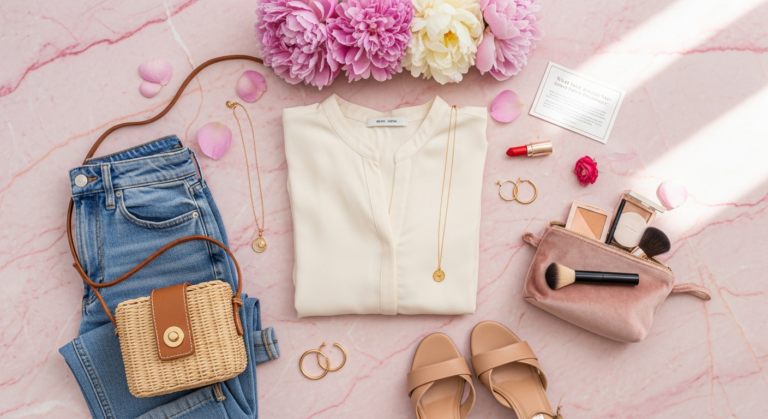
* **Three Bottoms:** One pair of tailored trousers, one pair of high-quality denim (or a lighter chino), and one “wildcard” (a midi skirt or a second pair of trousers in a different silhouette).
* **Three Outer Layers:** A structured blazer (the ultimate “elevating” piece), a functional weather-resistant coat (like a classic trench), and a cozy cardigan or wrap for the plane.
* **Three Sets of Shoes:** (Detailed below).
For tops, the ratio should be higher. Aim for 5-7 tops including a mix of silk camisoles, crisp button-downs, and high-quality T-shirts. This ensures that the items closest to your skin—the ones that need washing most frequently—are refreshed often, while your sturdier items like trousers and jackets are reworn.
4. The Footwear Hierarchy: Style Meets Total Utility
Shoes are the ultimate space-killer in a suitcase. For a two-week international trip, you must limit yourself to three pairs, and they must follow a strict hierarchy of utility.
1. **The “Global” Sneaker:** This is not your gym shoe. This is a sleek, leather or high-end knit sneaker in a neutral tone (white, tan, or black). It must be comfortable enough for 20,000 steps on cobblestone streets but stylish enough to wear with a midi dress or tailored pants.
2. **The Polished Flat or Boot:** Depending on the climate, this is either a refined loafer, a ballet flat, or a sleek Chelsea boot. This pair is your “bridge” shoe—perfect for museum visits and casual lunches.
3. **The Evening Hero:** This should be a shoe with a modest heel or an elegant finish. Avoid sky-high stilettos; instead, opt for a block-heeled sandal or a pointed-toe kitten heel. You want something that elevates your look for a Michelin-starred dinner but won’t result in a twisted ankle on an old European street.
*Pro-tip:* Always wear your heaviest pair (usually the boots or sneakers) on the plane to save weight and space in your luggage.
5. Accessory Engineering: Transforming the “Repeat” Outfit
The secret to looking like you have an endless wardrobe is in the “accessory engineering.” Because accessories are small, they are the highest-leverage items in your suitcase.
A simple black slip dress can be worn three times in two weeks and look different every time. For a day of sightseeing, layer a white button-down *over* it, tied at the waist, and pair it with sneakers. For a gallery opening, add a statement gold chain and a structured blazer. For a final farewell dinner, wear it alone with a bold red lip and a silk scarf tied in your hair.
Focus on “hero” accessories:
* **A Large Silk Scarf:** It can be a necktie, a belt, a bag accessory, or an emergency head covering for visiting religious sites.
* **Belts:** A thin leather belt can change the silhouette of an oversized blazer or cinch a loose dress, creating a completely different “vibe.”
* **Jewelry:** Stick to one metal (either gold or silver) to ensure everything coordinates. Bring one “statement” piece and a few daily “signature” pieces.
6. Maintenance and Logistics: Keeping the Strategy Alive
A two-week strategy only works if your clothes stay fresh. You must approach your wardrobe with a maintenance mindset.
* **The Steam Trick:** Hang your clothes in the bathroom while you take a hot shower. The steam will drop most light wrinkles from Tencel, wool, and silk.
* **Spot Cleaning:** Pack a small travel-sized stain remover pen or wipes. Addressing a coffee spill immediately is the difference between a reusable garment and a ruined one.
* **The Halfway Laundry Point:** For a 14-day trip, plan for a “laundry day” around day 7 or 8. Many boutique hotels offer overnight services, or you can find a local “wash and fold” service. This allows you to effectively pack for only 7 days while traveling for 14.
* **Packing Cubes:** Use compression packing cubes to categorize your items (tops in one, bottoms in another). This prevents the “suitcase explosion” that happens three days into a trip and keeps your clothes from shifting and wrinkling.
FAQ: Mastering the Two-Week Wardrobe
**Q: Is it really possible to fit two weeks of stylish clothes in a carry-on?**
A: Absolutely. By following the 60-30-10 color palette and the Rule of Threes, you can easily fit everything into a standard international carry-on. The key is wearing your bulkiest items on the plane and utilizing compression cubes to maximize every inch of space.
**Q: How do I handle different climates in one trip?**
A: Layering is your best friend. Instead of one heavy coat, bring a light trench and a thin down vest or a merino sweater that can be worn underneath it. Silk and wool are excellent “thermostatic” fabrics that keep you cool in the heat and warm in the cold.
**Q: What if I have a special event like a wedding or a gala?**
A: Treat the event outfit as a “plus one.” It doesn’t have to follow the modular rules of the rest of your wardrobe, but try to choose shoes and a clutch for the event that can also be styled with your more casual outfits to save space.
**Q: Should I roll or fold my clothes?**
A: A combination is best. Roll softer items like T-shirts, knits, and denim to save space and prevent hard creases. Fold structured items like blazers and button-down shirts using tissue paper to maintain their shape.
**Q: How many pairs of underwear and socks should I bring?**
A: For a 14-day trip, bring 8-10 pairs. These are small enough to pack easily, and you can quickly hand-wash a few pairs in the hotel sink mid-trip if necessary.
Conclusion
The ultimate travel wardrobe strategy is about more than just fitting objects into a box; it is about the psychology of confidence. When you know that every item in your suitcase reflects your personal style and functions perfectly within your itinerary, you eliminate the “decision fatigue” that often plagues travelers.
By prioritizing high-quality fabrics, a disciplined color palette, and strategic accessories, you transform your suitcase from a burden into a curated collection. A two-week international trip is a rare opportunity to see the world; don’t let a poorly planned wardrobe distract you from the experience. Dress intentionally, pack light, and let your style be the quiet, sophisticated backdrop to your global adventures. Remember, the most stylish person in the room isn’t the one with the most clothes—it’s the one who knows exactly how to wear the ones they have.