Fashion Microtrends That Burned Out Quickly: Lessons in Sustainable Style
In the age of algorithmic inspiration, the fashion industry has shifted from seasonal shifts to a dizzying weekly churn of “microtrends.” These hyper-specific aesthetics—often ending in “-core”—thrive on social media platforms for a matter of weeks before vanishing into the depths of digital archives and, more concerningly, the back of our closets. For the modern fashion enthusiast, keeping up with this pace is not only financially draining but also creates a fragmented personal style that feels more like a costume than a true reflection of self. The allure of the “new” is powerful, fueled by the dopamine hit of a viral purchase, yet the inevitable burnout of these trends offers a valuable opportunity for reflection.
Understanding why certain trends flame out so rapidly provides more than just a history lesson in “cringe” aesthetics; it offers a roadmap for building a more resilient, intentional wardrobe. By examining the patterns behind these short-lived fads, we can learn to distinguish between a genuine stylistic evolution and a flash-in-the-pan gimmick. This exploration isn’t about shaming past purchases but about reclaiming our personal agency from the relentless tide of fast-fashion cycles. As we move toward a more conscious era of dressing, the lessons learned from the graveyard of microtrends become the foundation of a lasting, sophisticated personal brand.
The Rise and Fall of Hyper-Specific “Cores”
The explosion of “core” culture—think Barbiecore, Mermaidcore, or even the brief fascination with “Night Luxe”—marked a turning point in how we consume fashion. These weren’t just styles; they were temporary identities packaged into a shoppable aesthetic. The problem with hyper-specific microtrends is their lack of versatility. When you buy a wardrobe centered entirely around a vibrant, hot-pink “Barbie” aesthetic, those pieces struggle to exist outside of that specific context. Once the cultural zeitgeist moves on to the next movie release or viral “aesthetic,” the items feel dated and difficult to style in a modern way.
The lesson here is the danger of “costume dressing.” While it is fun to experiment with different personas, a wardrobe built on microtrends lacks a cohesive narrative. When a trend is tied to a specific pop-culture moment, its expiration date is set the moment the credits roll. To avoid this, fashion-conscious readers should look for the elements within a “core” that actually resonate with their personal style. Perhaps you loved the tailoring of a certain trend but not the neon colors; by investing only in the silhouette, you ensure the piece survives long after the hashtag has stopped trending.
Avant-Basic and the Trap of Overexposure
Avant-basic became the uniform of a particular digital era, defined by psychedelic swirls, checkerboard patterns, and pastel houseplant motifs. It was designed to be photographed, popping against the square frame of a social media feed. However, the very thing that made it popular—its high visibility—led to its rapid downfall. When an aesthetic becomes too recognizable, the “clutter” of it leads to immediate visual fatigue. The market becomes saturated with low-quality replicas, and the original artistic intent is lost in a sea of polyester blends.
The burnout of avant-basic teaches us about the “Satiation Point” in fashion. When a print is so distinct that it becomes a signature of a single month in time, it loses its ability to feel fresh. For those seeking style longevity, the lesson is to approach bold patterns with caution. Instead of adopting a viral print across your entire outfit, consider using it as a secondary accent. High-quality basics in neutral tones provide the necessary “breathing room” for bolder pieces, preventing your look from feeling like a timestamped relic of a specific viral moment.
The Gimmick Footwear and Accessory Graveyard
If clothing microtrends burn out quickly, accessory and footwear fads disappear at light speed. We have seen everything from microscopic “finger bags” that couldn’t hold a credit card to oversized, cartoonish rubber boots that defied the laws of practical ergonomics. These items are often “statement pieces” in the most literal sense—they are designed to start a conversation online. However, in the real world, where comfort and utility are paramount, these gimmicks quickly become burdensome.
The lesson from the gimmick graveyard is the importance of “wearability-to-cost ratio.” A shoe that is physically difficult to walk in or a bag that holds nothing of value has a very short lifespan in a functional wardrobe. Fashion-conscious readers are better served by investing in “sculptural” accessories—pieces that have unique shapes and artistic merit but remain functional. A beautifully crafted leather bag with an unusual silhouette will remain a conversation starter for years, whereas a gimmick bag will likely be relegated to a storage bin within six months.
Regencycore and the Reality of Lifestyle Misalignment
Following the massive success of period dramas, “Regencycore” took the fashion world by storm. Corsets, empire waists, and opera gloves suddenly appeared in street-style photography. While visually stunning, the trend burned out because it failed the “lifestyle test.” Most modern lives do not accommodate the restrictive nature of Victorian-inspired corsetry or the preciousness of delicate lace for daily errands. As soon as the novelty wore off, the impracticality of these garments led to their abandonment.
This teaches us that personal style must be integrated with our actual daily routines. A trend might look beautiful on a screen, but if it doesn’t fit your commute, your workplace, or your social life, it will never become a staple. The lesson is to adapt, not adopt. Instead of a full Regency-style gown, a fashion-forward individual might choose a blouse with subtle puff sleeves or a modern bustier top paired with structured trousers. This bridges the gap between trend inspiration and practical reality, ensuring the pieces stay in rotation.
The “Clean Girl” Aesthetic and the Myth of Perfection
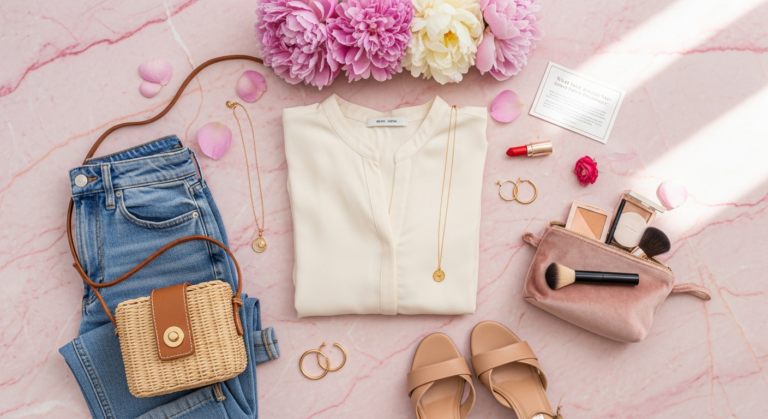
The “Clean Girl” microtrend promised a minimalist, polished lifestyle involving sleek buns, gold hoops, and linen sets. While seemingly timeless, its burnout came from its exclusivity and the pressure of maintaining a “perfect” facade. It wasn’t just a style; it was a set of rigid rules that left little room for the messy reality of personal expression. As people craved more authenticity and “indie sleaze” or “maximalism” began to rise, the sterile nature of the clean girl aesthetic began to feel restrictive and unoriginal.
The lesson here is that minimalism only works when it’s personal. A minimalist wardrobe should be a blank canvas for your personality, not a uniform that erases it. To avoid the burnout associated with “perfectionist” trends, focus on “effortless” rather than “immaculate.” Choose pieces that allow for movement and character—fabrics that age well, like denim and high-quality wool, rather than synthetic blends that require constant steaming and upkeep. True style longevity comes from comfort and the ability to look like yourself, even on your least “perfect” days.
How to Identify a Flash-in-the-Pan Trend Before You Buy
Developing a “filter” for microtrends is the most practical skill a style enthusiast can possess. Before clicking “checkout” on the latest viral item, ask yourself three questions: Does this exist in my wardrobe’s existing color palette? Can I style this in at least five different ways? Would I still want this if I couldn’t post a photo of it? If the answer to any of these is “no,” you are likely looking at a microtrend that will burn out quickly.
The ultimate lesson from the fast-paced trend cycle is that “slow fashion” isn’t just about ethics; it’s about the curation of a soul. By stepping back from the weekly “drops” and focusing on silhouettes that flatter your form and fabrics that feel good against your skin, you insulate yourself against the volatility of the internet’s whims. Use microtrends as a spice, not the main course. A trendy hair accessory or a specific shade of lipstick can satisfy the urge for something new without compromising the integrity of your long-term wardrobe strategy.
FAQ: Navigating the Modern Trend Cycle
**Q: Are all microtrends bad for my personal style?**
A: Not necessarily. Microtrends can be a great way to experiment with new colors or textures without committing to a total style overhaul. The key is to incorporate them sparingly. If you find yourself replacing your entire wardrobe every three months to keep up with a new “core,” that’s when it becomes a problem for both your wallet and your style identity.
**Q: How can I make a microtrend piece last longer?**
A: The best way to give a trendy piece longevity is to decontextualize it. If you bought a piece for a “Mermaidcore” look, stop wearing it with seashells and turquoise. Instead, pair it with a structured blazer or classic denim. By stripping away the “costume” elements, the garment has a chance to become a unique staple in your regular rotation.
**Q: What is the “30-Wear Rule” and does it apply here?**
A: The 30-wear rule is a sustainability concept that suggests you shouldn’t buy an item unless you can commit to wearing it at least 30 times. For microtrends, this is a perfect litmus test. Most flash-in-the-pan items struggle to reach 10 wears before the owner feels “bored” or the item goes out of style. If you can’t imagine wearing it 30 times, it’s a sign to skip it.
**Q: Why does the fashion cycle move so much faster now than in the past?**
A: Historically, trends were dictated by high-fashion houses and moved in 10-year cycles. Today, social media algorithms and the “ultra-fast fashion” production model have compressed these cycles into weeks. Viral content demands constant novelty, which forces the industry to churn out “micro-aesthetics” to keep users engaged and shopping.
**Q: How do I find my “signature style” amidst all these trends?**
A: Start by looking at what you’ve worn consistently over the last three years. Ignore the viral hits and look for the silhouettes, fabrics, and colors you return to when you aren’t trying to impress anyone. That foundation is your signature style. Use trends only to provide a modern update to that foundation, rather than letting the trend define you.
Conclusion: Building a Wardrobe That Outlasts the Algorithm
The burnout of microtrends serves as a powerful reminder that fashion is most impactful when it is a marathon, not a sprint. While the digital landscape will continue to produce “cores” and “must-have” aesthetics at an exhausting rate, the truly stylish individual knows how to stand still. The lessons we’ve gathered—from the impracticality of Regencycore to the visual fatigue of Avant-Basic—all point toward a single truth: authenticity is the only trend that never expires.
Investing in quality over quantity, prioritizing comfort over “the grid,” and understanding the “why” behind your purchases are the hallmarks of a sophisticated wardrobe. As we look forward, the goal shouldn’t be to avoid trends entirely, but to master the art of the “slow burn.” By choosing pieces that reflect your genuine interests and daily realities, you create a style that doesn’t just survive the next algorithm shift—it thrives in spite of it. In a world of fleeting microtrends, the most radical fashion statement you can make is to remain consistently, unapologetically yourself.