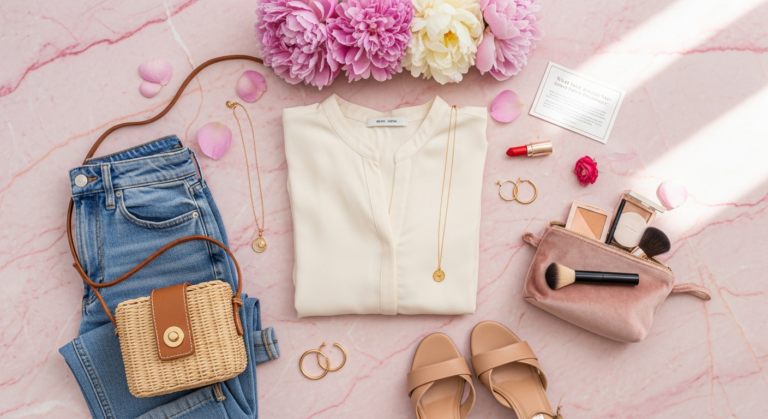
Shoes Trend Cycle and What Will Date Quickly

The Ultimate Guide to the Shoe Trend Cycle: What Stays and What Fades Fast

In the high-speed world of contemporary fashion, the life cycle of a shoe can feel shorter than the commute to the office. What was heralded as the “must-have” silhouette on social media three months ago can quickly find itself relegated to the back of the closet, victims of the dreaded “dated” label. For the fashion-conscious individual, navigating this landscape isn’t just about keeping up; it’s about understanding the rhythmic pulse of the trend cycle to make smarter, more sustainable investments. Footwear is the foundation of any outfit—literally and figuratively—and it possesses the unique power to either modernize a classic look or prematurely age a forward-thinking ensemble.

As we move into a new era of style, the distinction between “micro-trends” and “macro-trends” has never been more vital. Micro-trends are those flashes of lightning that saturate our feeds and disappear within a season, while macro-trends represent shifts in our cultural consciousness that last for years. This guide explores the mechanics of the shoe trend cycle, identifies the specific design elements that cause footwear to date quickly, and offers a blueprint for building a collection that feels relevant regardless of the season. By mastering the art of the trend cycle, you can curate a wardrobe that balances the thrill of the new with the grace of the timeless.

Decoding the Shoe Trend Cycle: From Runway to Clearance

Understanding how a shoe becomes popular is the first step in predicting its longevity. The traditional fashion cycle follows a bell curve: Innovation, Rise, Peak, Decline, and Obsolescence. However, in the digital age, this curve has been compressed into something much steeper. Innovation often starts with high-fashion designers or niche subcultures. When a designer debuts a polarizing silhouette—think of the initial reaction to the “dad sneaker”—it enters the innovation stage. It is avant-garde, expensive, and exclusive.

The “Rise” occurs when early adopters and style influencers begin integrating the shoe into their daily wardrobes. This is the sweet spot for fashion enthusiasts; the shoe feels fresh and exciting but is still relatively rare. The “Peak” is the danger zone. This is when high-street retailers and fast-fashion giants mass-produce budget versions of the trend. When a shoe is everywhere—from the grocery store to the boardroom—it has reached peak saturation.

Saturation is the primary driver of obsolescence. Once our eyes become overly accustomed to a specific visual stimulus, “aesthetic fatigue” sets in. This is why shoes with very distinctive, loud features date so quickly. They are too easy to pinpoint to a specific moment in time. To avoid a closet full of “last year’s news,” the goal is to identify trends that are entering the “Rise” phase or those that have successfully transitioned into “Classics” by maintaining a consistent, albeit quieter, presence in the market.

The “Fast Fashion” Trap: Which Shoe Trends Date the Quickest?

If you want a footwear collection that stands the test of time, you must learn to spot the red flags of a short-lived trend. Generally, the more “gimmicky” a shoe is, the faster it will date. High-velocity trends often rely on hyper-specific hardware, extreme proportions, or “novelty” materials that lose their charm once the initial novelty wears off.

One of the biggest culprits of rapid dating is the “over-embellished” sneaker. While chunky soles have enjoyed a long reign, sneakers featuring excessive plastic cages, holographic panels, or neon-colored “bubbles” in the sole are prone to looking dated within months. These elements are highly specific to the “futuristic” aesthetic of a particular moment. Once the industry moves toward minimalism or vintage-inspired looks, these tech-heavy designs feel jarringly out of place.

Similarly, “hybrid” shoes—those that attempt to combine two distinct styles—are notoriously difficult to sustain. Think of the “sneaker-heel” or the “mule-boot.” While these can be fun styling exercises, they often lack the functional elegance of their parent styles. Because they are so distinctive, they become “visual landmarks.” When you wear them, people don’t see your outfit; they see “those shoes from that one season.” To ensure longevity, look for shoes that prioritize silhouette over gimmickry. If the shoe’s appeal relies entirely on a “wacky” feature, it’s likely a micro-trend destined for the donation bin.

The Resurgence of the “Ugly” Shoe: Why Certain Trends Stick

Paradoxically, some of the most enduring trends of the last decade have been shoes that were initially labeled “ugly.” The Birkenstock Boston clog, the Croc, and the “Dad” sneaker (typified by the New Balance 990 series) have defied the standard trend cycle. Why do these stick when others fade? The answer lies in the intersection of comfort and “anti-fashion” sentiment.

Trends that prioritize ergonomics and utility often bypass the traditional obsolescence phase because they serve a practical purpose that transcends aesthetics. When a shoe is genuinely comfortable, people are less willing to give it up just because a magazine says it’s out of style. Furthermore, “ugly-cool” shoes often function as a blank canvas for personal style. They suggest a level of effortless confidence—the idea that the wearer is too busy or too cool to care about traditional “pretty” footwear.

These trends also benefit from the “ugly-to-chic” pipeline. Once a functional shoe is adopted by the fashion elite, it undergoes a transformation in public perception. It moves from being a “utilitarian tool” to a “subversive fashion statement.” For a trend-conscious reader, investing in these types of shoes is often a safe bet because they have a built-in community of loyalists who keep the style alive long after the mainstream hype has cooled.

Investing in Longevity: Timeless Silhouettes That Never Fade

While it’s exciting to experiment with the “next big thing,” a functional wardrobe requires a foundation of timeless silhouettes. These are the shoes that have survived multiple decades and continue to look modern regardless of the surrounding fashion landscape.

1. **The Almond or Pointed-Toe Loafer:** A high-quality leather loafer is perhaps the most resilient shoe in existence. Whether styled with tailored trousers or casual denim, its silhouette is balanced and unobtrusive. Avoid overly chunky “lug” soles if you want maximum longevity; instead, opt for a classic stacked heel or a slim leather sole.
2. **The Chelsea Boot:** With its clean lines and elastic side panels, the Chelsea boot has been a staple since the Victorian era. It bridges the gap between formal and casual effortlessly. To keep it from dating, avoid exaggeratedly long pointed toes or excessive contrast stitching.
3. **The Minimalist White Sneaker:** While “chunky” and “retro” sneakers wax and wane, a clean, low-top white leather sneaker remains a constant. Think of silhouettes like the Common Projects Achilles or the Adidas Stan Smith. Their lack of branding and simple construction allows them to blend into any outfit.
4. **The Knee-High Leather Boot:** A structured, straight-leg boot in a neutral tone (black, espresso, or tan) is a perennial autumn/winter favorite. Unlike the “over-the-knee” boots which fluctuate in popularity, the classic knee-high version maintains a sophisticated, equestrian-adjacent appeal that never feels “old.”

By focusing your budget on these four pillars, you create a “safety net” for your style. Even if your trendier purchases feel dated by next year, these classics will ensure you always have a polished option to fall back on.

How to Predict the Next Big Wave Without a Crystal Ball

Predicting the next shoe trend isn’t magic; it’s about observation. Trends don’t happen in a vacuum; they are reactions to what came before. Fashion operates on a pendulum. If we have spent several years wearing massive, oversized platforms, the pendulum will almost certainly swing back toward slim, delicate soles and “ballet” silhouettes.

To stay ahead of the curve, look at three key areas:
* **The 20-Year Rule:** Fashion typically revisits itself every 20 years. This is the time it takes for a generation to reach creative directorship at major fashion houses and begin referencing their own youth. We have seen this with the return of Y2K styles, and we are now seeing the early stirrings of late-2000s and early-2010s aesthetics.
* **Subcultural Shifts:** Watch what niche communities are wearing. Whether it’s the “gorpcore” movement (hiking boots and technical gear) or the “balletcore” revival, trends often start with a specific lifestyle and trickle up to the mass market.
* **Cinema and Pop Culture:** A single hit movie or a viral music video can shift the entire footwear industry. Costuming plays a massive role in what we find desirable. Keep an eye on the “visual language” of the biggest cultural moments of the year.

If you start seeing a specific shoe type appearing in high-end editorial shoots and niche streetwear blogs simultaneously, you are likely witnessing the “Innovation” or “Rise” phase. That is the time to buy if you want to maximize the “cool” factor before the shoe hits the peak of the bell curve.

Curating a Future-Proof Shoe Collection: The 70/30 Rule

The most stylish individuals aren’t those who own every trend, but those who know how to mix the timely with the timeless. A practical approach is the **70/30 Rule**.

Devote **70% of your footwear collection** to the “Forever Favorites”—the loafers, boots, and sneakers mentioned earlier. These should be high-quality investments made of natural materials like leather or suede. Because you will wear these for years, the “cost-per-wear” becomes incredibly low, justifying a higher initial price point.

The remaining **30% is your “Play Zone.”** This is where you experiment with the trend cycle. These are your “statement” shoes—the ones with the trendy colors, the experimental heels, or the seasonal fabrics. By limiting these to a minority of your closet, you ensure that even when these styles eventually “date,” your overall wardrobe remains functional and stylish.

When buying into a trend, ask yourself: *”Can I style this with at least three of my ‘70% basics’?”* If the answer is no, the shoe is likely too niche and will be difficult to wear once the trend fades. This mindful approach to consumption not only saves money but also fosters a more sustainable relationship with fashion, reducing the cycle of “buy-wear-discard” that plagues the industry.

FAQ

**Q1: Are chunky “lug” sole boots going to date quickly?**
While the *extreme* versions (soles over 3 inches) may feel very “of the moment,” a moderate lug sole has become a modern classic. It offers practicality in winter and a nice edge to feminine dresses. To ensure longevity, choose a lug sole that is proportional to the boot’s body rather than something that looks like a platform.

**Q2: How do I know if a “color” trend will stay in style?**
Neutral tones (cream, tan, black, navy) never date. Highly saturated “trend” colors (like neon green or hot pink) have a very short shelf life—usually 12 to 18 months. If you want a color that lasts longer, look for “nature-inspired” shades like forest green, burgundy, or rust, which tend to recur every autumn.

**Q3: Is the ballet flat back for good, or is it a micro-trend?**
The ballet flat is a classic silhouette that underwent a period of “aesthetic fatigue” for a few years. It is currently in a massive resurgence. Because of its simplicity and historical roots (French chic), it is a safe investment. However, avoid flats with too many “trendy” buckles or straps if you want them to last five years.

**Q4: Should I spend a lot of money on trendy shoes?**
Generally, no. Save your “investment” budget for the 70%—the classics. Trendy shoes are designed to be replaced. Look for mid-range brands that offer the “look” with decent quality, but don’t feel the need to buy the $1,000 version of a shoe that might feel dated by next season.

**Q5: Why do some shoes feel “dated” even if they are high-quality?**
“Datedness” is about the silhouette and specific design details (like the shape of the toe or the height of the heel) rather than the quality of the material. Even the finest leather shoe will look dated if the toe shape is a “square-toe” from an era when “pointed-toe” is the standard.

Conclusion: Style Over Trends

The shoe trend cycle is a fascinating reflection of our changing tastes, technological advancements, and cultural moods. While it can be tempting to chase every new silhouette that appears on your screen, true style lies in the ability to curate. By understanding that “fast” trends are often designed to be replaced, you can view your footwear through a more critical lens.

Building a collection that ignores the “peak” of the trend cycle in favor of the “rise” and the “timeless” is the ultimate fashion power move. It allows you to look current without looking like a carbon copy of everyone else. Remember, a shoe should never just be “in fashion”—it should be an extension of your personal aesthetic. When you prioritize craftsmanship, comfort, and classic proportions, you create a wardrobe that doesn’t just survive the next season but thrives through every cycle to come. Footwear is a journey; make sure you’re walking it in shoes that you’ll still love when the hype has moved on to someone else’s feet.