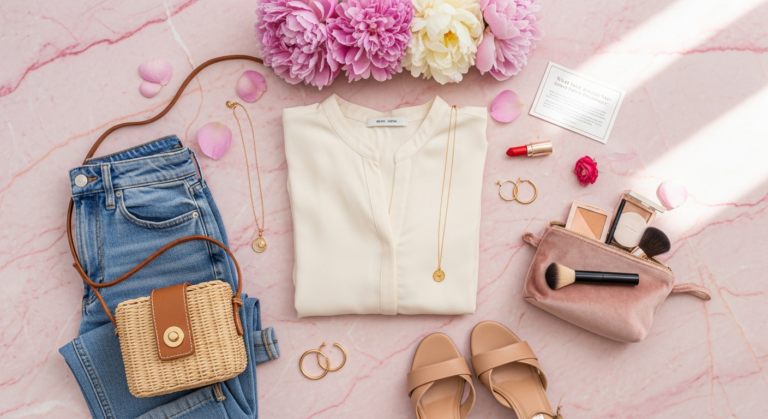
Fashion Influencer Wardrobe Patterns Worth Borrowing vs Skipping

Fashion Influencer Wardrobe Patterns Worth Borrowing vs. Skipping

In the digital age, our closets are no longer just influenced by high-fashion runways or glossy magazines; they are shaped by the endless scroll of social media. Fashion influencers have become the modern-day architects of style, dictating everything from the specific shade of “it” green to the exact silhouette of a blazer. However, there is a distinct difference between a look that photographs well for a fleeting second on a grid and a wardrobe pattern that provides long-term value, comfort, and confidence.

The allure of the “influencer aesthetic” is undeniable. It promises a life that is curated, polished, and perpetually on-trend. But as many fashion-conscious consumers have discovered, blindly following these patterns can lead to a closet full of “nothing to wear” and a mounting pile of impulse-buy regrets. To build a truly functional and stylish wardrobe, one must learn the art of discernment. This guide explores the influencer wardrobe patterns that are genuinely worth borrowing—those that elevate your personal style and simplify your morning routine—versus the ones you should skip to save your budget and your sanity.

1. Borrow: The “Elevated Basics” Foundation

If there is one thing high-level fashion influencers excel at, it is the mastery of the elevated basic. This is a pattern worth every bit of the hype. Unlike standard basics, which can sometimes feel uninspired, elevated basics focus on superior fabric, intentional tailoring, and subtle design details that make a simple outfit look expensive.

Influencers often build their looks around high-quality white tees with a specific weight, wide-leg trousers that drape perfectly, and oversized blazers that bridge the gap between professional and casual. The reason this pattern is worth borrowing is its sheer versatility. When you invest in the “influencer-approved” versions of these staples, you aren’t just buying a garment; you’re buying a building block. These pieces play well with everything else in your closet, allowing you to create dozens of combinations without looking like you’re wearing a costume. Focus on natural fibers like heavy cotton, linen, and wool to ensure these “borrowed” patterns last beyond a single season.

2. Skip: The “Micro-Trend” Rabbit Hole

On the flip side of the timeless basic is the “micro-trend”—a pattern that influencers are often paid to promote but rarely wear for more than a week. We’ve seen them all: the strawberry prints, the hyper-specific “core” aesthetics (think Barbiecore, Coastal Grandmother, or Gorpcore), and the avant-garde accessories that have a shelf life of about fifteen minutes.

While these trends provide a momentary hit of dopamine, they are the primary drivers of wardrobe clutter. The pattern of chasing every micro-trend leads to a disjointed closet where nothing matches. More importantly, these items are often produced by fast-fashion giants with poor ethical standards. Skipping the micro-trend cycle doesn’t mean you have to be boring; it means choosing trends that resonate with your personal identity rather than the current algorithm. If you can’t imagine wearing an item in six months, it’s a pattern best left on the screen.

3. Borrow: Proportional Play and Styling “Hacks”

One of the most valuable patterns to borrow from influencers isn’t a specific piece of clothing, but rather the *way* they wear it. Influencers are masters of the “third piece rule” (adding a jacket, scarf, or bold accessory to complete a look) and the “sandwich rule” (matching the color of your shoes to your top or hair to create visual balance).

The pattern of playing with proportions—pairing a tiny top with oversized trousers or a bulky sweater with a sleek slip skirt—is a stylist’s secret that influencers have democratized. These techniques are free to borrow and can completely transform the clothes you already own. Learning how to do a “French tuck” or how to cuff sleeves to show the narrowest part of your wrist are patterns that provide immediate style ROI. These are the practical tools that help you move from simply “putting on clothes” to actually “composing an outfit.”

4. Skip: The Impractical “Aesthetic” Footwear

We have all seen the influencer posing effortlessly in six-inch platform heels on a cobblestone street or wearing fur-lined loafers in the middle of a humid summer. This is a wardrobe pattern that is strictly for the “gram” and should be skipped by anyone who actually needs to walk, commute, or stand for more than five minutes.

Fashion influencers often prioritize the visual silhouette over physical comfort because their primary goal is a static image. For the average reader, borrowing this pattern leads to “closet orphans”—beautiful shoes that sit on a shelf because they are too painful or impractical to actually wear. Instead of borrowing the specific impractical shoe, look for the *vibe* they are going for. If they are wearing sky-high platforms, look for a comfortable flatform or a block heel that offers the same height without the agony. Your wardrobe should serve your lifestyle, not the other way around.

5. Borrow: The High-Low Mix

One of the most sustainable and stylish patterns popularized by modern influencers is the “High-Low Mix.” This involves pairing investment designer pieces with affordable high-street or vintage finds. This pattern is worth borrowing because it makes high fashion accessible while keeping your budget in check.

Influencers often show how a luxury handbag can elevate a pair of vintage Levi’s and a budget-friendly tank top. This approach encourages a more thoughtful way of shopping. It suggests that you don’t need a head-to-toe designer look to appear sophisticated. By borrowing this pattern, you learn to spend your money where it counts—on items that retain value or see heavy daily use (like coats and bags)—while being more economical with trendier or simpler items. It creates a wardrobe that feels curated and unique rather than a carbon copy of a store mannequin.

6. Skip: The “Haul” Mentality and Over-Consumption

Perhaps the most dangerous pattern to emerge from influencer culture is the “haul” mentality—the idea that a “new” wardrobe is a “better” wardrobe. The constant stream of unboxing videos creates a psychological pressure to keep buying to stay relevant.

This is a pattern worth skipping for both your wallet and the planet. True style isn’t about the volume of clothing you own; it’s about the utility and joy those clothes provide. Influencers often receive these items for free, creating an unrealistic standard of consumption for their followers. When you skip the haul mentality, you open up space to discover your “signature style.” You begin to realize that wearing the same high-quality coat for three winters in a row isn’t a fashion faux pas—it’s a mark of a well-curated, sustainable wardrobe.

FAQ

**Q1: How can I tell if an influencer trend is a “micro-trend” or a lasting style?**
A: Look at the history of the item. Has it existed in some form for decades (like a trench coat or ballet flats)? If yes, it’s likely a lasting style. If the item relies on a very specific, quirky detail or a “viral” brand name, it’s probably a micro-trend. Another test is the “Rule of Three”: Can you think of three different ways to style it with what you already own?

**Q2: I love the influencer look but I’m on a budget. What should I prioritize?**
A: Prioritize the “Borrow” patterns mentioned above: elevated basics and styling hacks. You can find high-quality basics at thrift stores or mid-range retailers. Focus on fit and fabric (look for 100% cotton, silk, or wool) rather than brand names. A well-tailored $20 shirt will always look better than a wrinkled $200 one.

**Q3: Many influencers seem to have the same body type. How do I borrow their patterns if I don’t?**
A: Focus on “proportional play” rather than specific garments. If an influencer wears a cropped jacket to highlight their waist, find a jacket length that highlights *your* favorite features. Don’t borrow the item; borrow the *concept* of how they are balancing their silhouette.

**Q4: Is the “Capsule Wardrobe” pattern still relevant?**
A: Absolutely. While many influencers have moved toward maximalism, the core concept of a capsule wardrobe—having a collection of interchangeable pieces—remains the most effective way to dress. Even maximalist influencers often have a “capsule” of go-to pieces that they layer their wilder items over.

**Q5: How do I stop impulse buying things I see on social media?**
A: Implement a “24-hour rule.” If you see something you love, save the post or put it in your cart, but don’t check out. Usually, by the next morning, the “must-have” feeling has faded. Additionally, unfollow accounts that trigger a “need to buy” rather than “inspiration to style.”

Conclusion: Finding Your Own Frequency

The world of fashion influencers is a vibrant, creative space that offers endless inspiration, but it is also a marketplace designed to keep us consuming. The key to navigating this landscape is to view influencer content as a buffet rather than a set menu. You are free to take what works for your body, your budget, and your daily life, and leave the rest behind.

By borrowing patterns like elevated basics, the high-low mix, and clever styling techniques, you empower yourself to look polished and modern without losing your individuality. By skipping the micro-trends, impractical footwear, and the toxic cycle of haul culture, you protect your resources and build a wardrobe that actually serves you. Ultimately, the best wardrobe isn’t the one that looks most like an influencer’s grid; it’s the one that makes you feel like the most authentic version of yourself when you step out the door. Use the digital world as your mood board, but let your own life be the ultimate designer.