

Understanding Your Canvas: Why Skin Type Matters for Foundation
Before you even think about shade matching, the most crucial step in your foundation journey is identifying your skin type. Your skin is a living, breathing canvas, and just like an artist chooses paints based on the surface they’re working on, you need to choose a foundation that complements your skin’s inherent characteristics. Ignoring this vital step can lead to a multitude of makeup mishaps: a foundation that slides off by midday, settles into fine lines, exacerbates dryness, or triggers breakouts. It’s the difference between a seamless, second-skin finish and a patchy, uncomfortable application that makes you feel more self-conscious than confident.
Each skin type has unique needs and challenges. Oily skin, for instance, requires formulas that control shine and resist slipping, while dry skin craves hydration and a finish that doesn’t emphasize flakiness. Combination skin demands a delicate balance, and sensitive skin needs gentle, non-irritating ingredients. Even mature skin has specific requirements, often benefiting from hydrating, plumping, and light-reflecting properties. Thinking of your foundation as a fundamental building block, much like the essential items in a French Girl Style Guide Wardrobe Essentials, helps to underscore its importance. A well-chosen foundation sets the stage for every other makeup product you apply, ensuring everything else sits beautifully and lasts longer. It’s not just about covering imperfections; it’s about creating a uniform, healthy-looking base that allows your true radiance to shine through. Understanding your skin type is the first, most powerful step towards unlocking your best complexion yet.
The Perfect Match: Foundations for Oily Skin
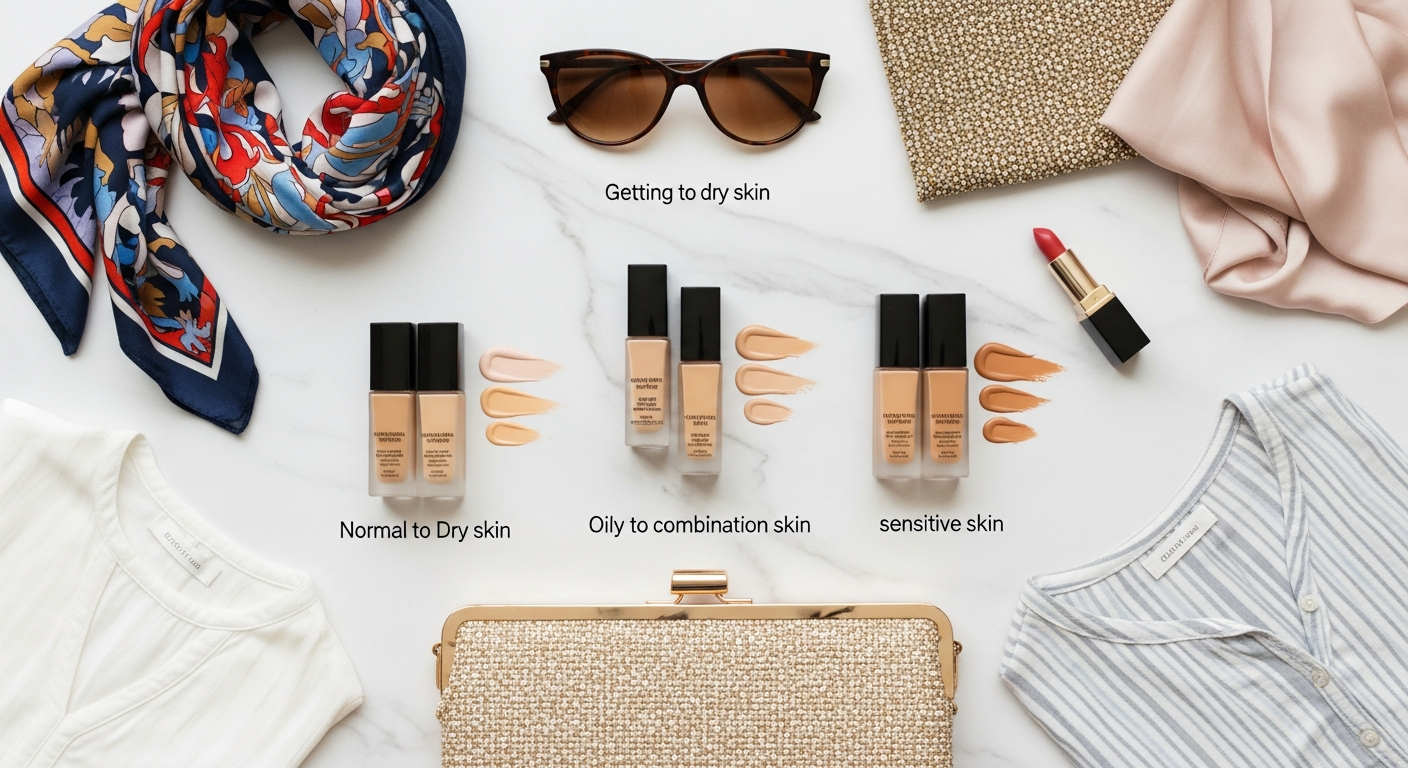
Oily skin is characterized by excess sebum production, leading to a shiny complexion, enlarged pores, and a higher propensity for breakouts. The challenge with oily skin and foundation is to find a formula that can control shine, stay put throughout the day without oxidizing or sliding, and not clog pores. The right foundation for oily skin will create a matte or natural finish that lasts, providing coverage without feeling heavy or greasy.
Key Characteristics of Oily Skin:
- Persistent shine, especially in the T-zone (forehead, nose, chin).
- Enlarged or more visible pores.
- Prone to blackheads, whiteheads, and acne.
- Makeup tends to break down or slide off quickly.
Ingredients and Formulations to Look For:
- Oil-Free & Non-Comedogenic: These are non-negotiable. Oil-free formulas prevent adding more oil to your skin, while non-comedogenic products are specifically formulated not to clog pores, reducing the risk of breakouts.
- Mattifying Agents: Look for ingredients like silica, clay (kaolin, bentonite), rice powder, or corn starch. These absorb excess oil and create a blurred, matte finish.
- Lightweight & Breathable: Heavy, creamy foundations can feel suffocating and contribute to oiliness. Opt for lightweight liquids, powders, or liquid-to-powder formulas.
- Long-Wearing: Oily skin often breaks down makeup faster. Seek out foundations specifically marketed as long-wear or 24-hour formulas, as they are designed with more resilient polymers.
- Mineral Foundations: Some mineral powders can be excellent for oily skin, offering good coverage and oil absorption without feeling heavy.
Formulations to Consider:
- Matte Liquid Foundations: These are perhaps the most popular choice. They dry down to a non-shiny finish and offer good coverage. Many modern matte foundations are less drying than older versions.
- Powder Foundations: Excellent for absorbing oil and providing quick, buildable coverage. They can be applied wet or dry for varying levels of intensity.
- Oil-Free Serum Foundations: Some newer serum foundations are formulated to be very lightweight and oil-free, offering a natural finish while still providing some oil control.
- Liquid-to-Powder Foundations: These start as a liquid and transform into a powder finish upon application, offering the best of both worlds.
Application Tips for Oily Skin:
- Prep is Key: Start with a mattifying primer, especially in your T-zone. This creates a barrier and helps control oil before foundation application.
- Less is More: Apply foundation in thin layers. Building up coverage gradually prevents a cakey look and helps the product adhere better.
- Tools: A damp beauty sponge can help sheer out heavier formulas, while a dense foundation brush can provide more coverage and press the product into the skin for better longevity.
- Setting Powder: Always set your foundation with a translucent setting powder, focusing on oily areas. This locks the foundation in place and provides an extra layer of oil control.
- Blotting Papers: Keep blotting papers handy for touch-ups throughout the day to absorb excess oil without disturbing your makeup.
By choosing the right oil-free, non-comedogenic formula with mattifying properties and applying it strategically, those with oily skin can enjoy a smooth, shine-free complexion that lasts from morning to night.
Hydration Heroes: Foundations for Dry Skin
Key Characteristics of Dry Skin:
- Feels tight and uncomfortable, especially after washing.
- May appear dull or ashy.
- Visible flakiness or rough patches.
- Fine lines and wrinkles may be more prominent due to dehydration.
- Makeup can look patchy or cling to dry areas.
Ingredients and Formulations to Look For:
- Hydrating Ingredients: Prioritize foundations rich in humectants like hyaluronic acid, glycerin, and trehalose, which draw moisture into the skin. Emollients like squalane, ceramides, and natural oils (jojoba, argan, marula) help to lock that moisture in and soften the skin.
- Dewy or Luminous Finishes: Avoid anything explicitly labeled “matte” or “oil-controlling.” Instead, seek foundations that promise a dewy, luminous, radiant, or satin finish. These formulas contain light-reflecting particles or moisturizing agents that give the skin a healthy glow.
- Creamy & Emollient Textures: Look for foundations with a rich, creamy consistency. These textures provide comfort and prevent the foundation from settling into dry areas.
- Non-Drying & Alcohol-Free: Alcohol can be very drying and irritating. Ensure your foundation is free from denatured alcohol.
Formulations to Consider:
- Hydrating Liquid Foundations: These are often infused with skincare benefits, offering a comfortable, dewy finish and sometimes buildable coverage.
- Cream Foundations: Rich and emollient, cream foundations provide excellent coverage and hydration, often with a natural or luminous finish. They can be particularly good for very dry skin.
- Stick Foundations: While some can be matte, many stick foundations are creamy and hydrating, offering convenient, buildable coverage. Look for those with a dewy or satin finish.
- Serum Foundations: These lightweight, often skincare-infused formulas can be excellent for dry skin, providing a sheer to medium coverage with a natural, hydrated glow.
- Tinted Moisturizers & BB/CC Creams: For those who prefer lighter coverage, these offer hydration and a subtle tint, perfect for enhancing natural skin without emphasizing dryness.
Application Tips for Dry Skin:
- Intensive Skin Prep: This is the most critical step. Start with a thorough Lip Care Routine Soft Lips for your lips, and for your face, cleanse gently, then apply a hydrating toner, a serum rich in hyaluronic acid, and a rich moisturizer. Allow each product to fully absorb.
- Hydrating Primer: Use a hydrating or illuminating primer to create a smooth, moisturized base that helps foundation glide on seamlessly and look more radiant.
- Tools: A damp beauty sponge or your fingertips are often best for dry skin, as they can help press the product into the skin for a more natural, hydrated look without disturbing dry patches.
- Avoid Powder (or Use Sparingly): If you must use powder, opt for a finely milled, hydrating setting powder and apply it only where absolutely necessary (e.g., under eyes or around the nose) with a light hand.
- Finishing Spray: A hydrating setting spray or facial mist can melt the foundation into the skin, remove any powdery look, and provide an extra boost of moisture.
With the right hydrating and luminous foundation, dry skin can transform from dull and tight to plump, radiant, and comfortable, creating a healthy, dewy glow.
Balancing Act: Foundations for Combination Skin
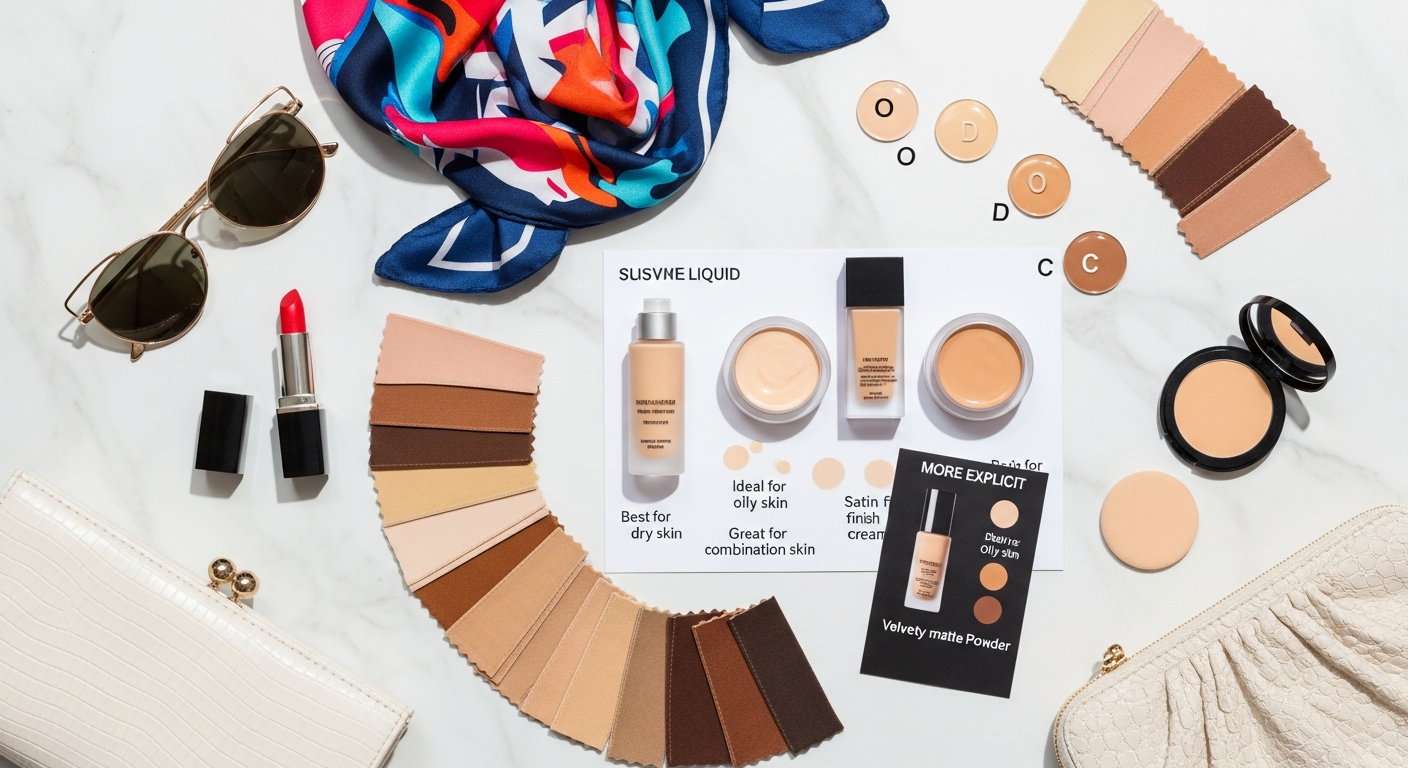
Combination skin is arguably one of the most common and challenging skin types to manage, as it presents a mix of characteristics from both oily and dry skin. Typically, the T-zone (forehead, nose, and chin) is oily, prone to shine and breakouts, while the cheeks and other areas can be normal to dry, sometimes even flaky. The key to finding the best foundation for combination skin is achieving a delicate balance: controlling oil where needed without exacerbating dryness in other areas. This requires smart product selection and strategic application.
Key Characteristics of Combination Skin:
- Oily and shiny T-zone (forehead, nose, chin).
- Normal to dry cheeks, jawline, and temples.
- Pores may appear larger in the T-zone.
- Occasional breakouts in oily areas, while dry areas might experience tightness or flakiness.
- Makeup can break down in the T-zone but cling to dry patches elsewhere.
Ingredients and Formulations to Look For:
- Balancing Formulas: Look for foundations that claim to be “balancing,” “satin-finish,” or “natural-finish.” These are designed to harmonize different skin conditions.
- Oil-Free & Non-Comedogenic: While you need hydration, oil-free formulas are still crucial, especially for the oily T-zone, to prevent congestion and shine. Non-comedogenic is always a safe bet.
- Hydrating yet Oil-Controlling: Some advanced formulas manage to offer both. They might contain humectants for hydration alongside light oil-absorbing ingredients.
- Medium, Buildable Coverage: This allows you to apply more coverage where needed (e.g., over blemishes in the T-zone) and less where skin is normal or dry, preventing a heavy look.
Formulations to Consider:
- Satin or Natural Finish Liquid Foundations: These are often the sweet spot. They aren’t aggressively matte (which can dry out cheeks) nor overly dewy (which can make the T-zone oilier). They provide a healthy, skin-like finish.
- Water-Based Foundations: These tend to be lightweight and non-greasy, offering a good balance for combination skin.
- Adaptable Formulas: Some brands specifically design foundations for combination skin that adapt to different areas of the face.
- Mineral Powder Foundations: Can work well, especially if applied strategically. They can absorb oil in the T-zone while still looking natural on dryer areas, provided they are not too drying.
Application Tips for Combination Skin:
- Zonal Priming: This is your secret weapon. Apply a mattifying primer to your oily T-zone and a hydrating or illuminating primer to your drier cheeks. This customizes your base for each area’s needs.
- Strategic Application: Start applying foundation in the center of your face (T-zone) and blend outwards. Use less product on drier areas.
- Tools: A damp beauty sponge can be excellent for combination skin as it helps blend seamlessly and can sheer out product where necessary. A brush can provide more targeted coverage.
- Targeted Setting: Only set your foundation with a translucent powder in your oily T-zone. Avoid powdering your drier areas entirely, or use a very light hand with a hydrating setting powder.
- Blotting Papers: Keep these on hand for midday touch-ups on your T-zone without disturbing makeup on your drier areas.
- Mix and Match (Optional): Some people with very distinct combination skin might even use two different foundations – a matte one for the T-zone and a hydrating one for the cheeks. This requires more effort but can yield excellent results.
Navigating combination skin requires a thoughtful approach, but by choosing balanced formulas and employing strategic application techniques, you can achieve a harmonious, even-toned complexion that addresses both oily and dry concerns seamlessly.
Gentle Touch: Foundations for Sensitive Skin
Sensitive skin is a delicate canvas that reacts easily to environmental factors, certain ingredients, or even stress, often manifesting as redness, itching, burning, or breakouts. Finding a foundation for sensitive skin is less about finish or coverage and more about ingredient transparency and avoiding potential irritants. The goal is to provide coverage and an even tone without provoking a reaction, ensuring comfort and promoting skin health.
Key Characteristics of Sensitive Skin:
- Prone to redness, flushing, or blotchiness.
- Experiences stinging, burning, or itching sensations.
- Reacts negatively to certain products or environmental changes.
- May have a compromised skin barrier, leading to increased vulnerability.
- Can be dry, oily, or combination, but the primary concern is reactivity.
Ingredients to Avoid:
This is perhaps the most critical aspect for sensitive skin. Always scrutinize ingredient lists and patch-test new products.
- Fragrances (Synthetic & Natural): A common irritant. Look for “fragrance-free” labels.
- Alcohol (Denatured/Ethanol): Can be drying and irritating.
- Parabens: While safety is debated, some sensitive individuals prefer to avoid them.
- Sulfates: Primarily found in cleansers, but good to be aware of.
- Phthalates: Often found in synthetic fragrances, another common irritant.
- Synthetic Dyes: Can cause reactions in some.
- Essential Oils: While natural, many essential oils can be highly irritating for sensitive skin (e.g., lavender, peppermint, citrus).
- Harsh Chemical Sunscreens: Some chemical filters (oxybenzone, avobenzone) can irritate. Mineral sunscreens (zinc oxide, titanium dioxide) are often better tolerated.
Ingredients and Formulations to Look For:
- Hypoallergenic & Dermatologist-Tested: These labels indicate the product has been formulated to minimize allergic reactions and has been tested by dermatologists.
- Non-Comedogenic: Especially important if your sensitive skin is also acne-prone.
- Mineral-Based Formulas: Foundations primarily using zinc oxide and titanium dioxide as their active ingredients are often well-tolerated as they are gentle and provide physical sun protection.
- Soothing Ingredients: Look for ingredients like aloe vera, chamomile, allantoin, bisabolol, centella asiatica (Cica), or colloidal oatmeal, which can help calm and soothe the skin.
- Minimal Ingredients: Generally, the shorter the ingredient list, the less likely it is to contain a potential irritant.
Formulations to Consider:
- Mineral Powder Foundations: Often a top choice for sensitive skin. They are typically free of irritants, provide good coverage, and can be very gentle.
- Gentle Liquid Foundations: Look for lightweight, water-based liquid foundations specifically formulated for sensitive skin, focusing on those with a natural or satin finish.
- Cream Foundations: Some cream formulas can be very nourishing and gentle, especially if they are fragrance-free and packed with soothing ingredients.
- Tinted Moisturizers/BB Creams: For minimal coverage, these can be a good option if they meet the strict ingredient criteria.
Application Tips for Sensitive Skin:
- Patch Test: Always, always patch test any new foundation on a small, inconspicuous area (like behind your ear or on your jawline) for a few days before applying it to your entire face.
- Gentle Skin Prep: Use a very gentle, fragrance-free cleanser, toner, and moisturizer designed for sensitive skin. Ensure skin is well-hydrated to prevent foundation from clinging to any dry patches.
- Clean Tools: Use clean, soft brushes or a fresh beauty sponge. Dirty tools can harbor bacteria and irritate sensitive skin.
- Light Hand: Apply foundation gently and sparingly. Build up coverage only where needed to avoid unnecessary product buildup.
- Avoid Rubbing: Pat or gently dab foundation onto the skin rather than rubbing, which can cause friction and irritation.
- Minimal Products: Try to keep your overall makeup routine minimal to reduce the number of potential irritants on your skin.
For sensitive skin, choosing a foundation is an act of self-care. Prioritizing gentle, non-irritating, and soothing formulas will ensure your skin remains calm and comfortable while achieving a beautifully even complexion.
Addressing Concerns: Foundations for Acne-Prone Skin
Acne-prone skin is characterized by frequent breakouts, inflammation, and sometimes scarring, often accompanied by oiliness and enlarged pores. The challenge with foundation for acne-prone skin is twofold: effectively covering blemishes and redness without aggravating existing breakouts or triggering new ones. The wrong foundation can clog pores, exacerbate inflammation, and create a cycle of breakouts, making coverage even more necessary.
Key Characteristics of Acne-Prone Skin:
- Frequent breakouts (pimples, blackheads, whiteheads, cysts).
- Redness and inflammation associated with blemishes.
- Often oily, with enlarged pores.
- Can be sensitive to certain ingredients.
- May have post-inflammatory hyperpigmentation (dark spots) or scarring.
Ingredients to Avoid:
Similar to sensitive skin, avoiding certain ingredients is crucial for acne-prone skin to prevent further irritation and breakouts.
- Comedogenic Ingredients: These are substances known to clog pores. Common culprits include certain heavy oils (e.g., coconut oil, flaxseed oil in high concentrations), lanolin, and some waxes. Always look for “non-comedogenic” on the label.
- Heavy Oils & Butters: While some oils can be beneficial, heavy, occlusive oils can trap bacteria and sebum.
- Fragrances & Dyes: Can irritate inflamed skin and trigger allergic reactions that resemble breakouts.
- Alcohol (Denatured): Can be very drying and strip the skin’s natural barrier, leading to increased oil production and irritation.
Ingredients and Formulations to Look For:
- Non-Comedogenic & Oil-Free: These are essential. Non-comedogenic means it won’t clog pores, and oil-free prevents adding more fuel to the fire.
- Lightweight & Breathable: Heavy foundations can feel suffocating and contribute to congestion. Opt for formulas that allow your skin to breathe.
- Salicylic Acid (in some formulas): A few foundations are formulated with salicylic acid, which can help treat and prevent breakouts while providing coverage. However, be cautious if you are using other active acne treatments to avoid over-drying or irritation.
- Mineral-Based Formulas: Foundations containing zinc oxide and titanium dioxide can be beneficial. Zinc oxide has anti-inflammatory properties and can help soothe irritated skin, in addition to providing physical sun protection.
- Anti-Inflammatory Ingredients: Look for soothing ingredients like green tea extract, chamomile, or centella asiatica (Cica), which can help calm redness.
Formulations to Consider:
- Matte Liquid Foundations (Oil-Free, Non-Comedogenic): These are popular for managing shine and providing good coverage for blemishes. Ensure they are not overly drying.
- Mineral Powder Foundations: Excellent for absorbing oil, providing buildable coverage, and often containing skin-friendly ingredients like zinc oxide. They are generally non-comedogenic.
- Lightweight Serum Foundations: Some newer serum foundations are oil-free and non-comedogenic, offering a natural finish without feeling heavy.
- BB/CC Creams for Acne-Prone Skin: These often offer lighter coverage with added skincare benefits like salicylic acid or soothing agents.
Application Tips for Acne-Prone Skin:
- Gentle Cleansing & Prep: Always start with a clean face. Use a gentle, non-stripping cleanser. Apply a lightweight, non-comedogenic moisturizer and an oil-free primer to create a smooth base and help foundation last.
- Hygiene is Paramount: Always use clean makeup brushes or sponges. Wash them regularly (at least once a week) to prevent transferring bacteria to your skin. Avoid applying foundation with your fingers if your hands aren’t thoroughly clean.
- Spot Concealing First: For significant breakouts, apply a non-comedogenic concealer directly to the blemish and blend the edges before applying foundation. This allows you to use less foundation overall.
- Pat, Don’t Rub: Gently pat or stipple foundation onto the skin, especially over inflamed areas, to avoid irritating breakouts and ensure better coverage. Rubbing can spread bacteria and cause more redness.
- Build Coverage Gradually: Start with a thin layer and build up coverage only where needed. A thick layer can look cakey and emphasize texture.
- Setting Powder: Lightly set with a translucent, non-comedogenic powder, especially in oily areas, to lock foundation in place and reduce shine.
- Remove Thoroughly: Always, always remove your makeup completely at the end of the day with a gentle, non-comedogenic makeup remover or cleanser. Sleeping in makeup is a major culprit for breakouts.
With careful selection of non-comedogenic, oil-free formulas and meticulous application, individuals with acne-prone skin can achieve a clear, even-toned complexion that looks natural and helps them feel more confident.
The Ageless Glow: Foundations for Mature Skin
Mature skin often faces unique challenges, including increased dryness, loss of elasticity, the appearance of fine lines and wrinkles, and sometimes uneven skin tone or age spots. The ideal foundation for mature skin should provide hydration, a luminous or natural finish, and a smoothing effect, without settling into lines or looking heavy. The goal is to enhance the skin’s natural radiance and create a youthful, fresh appearance, rather than masking or accentuating signs of aging.
Key Characteristics of Mature Skin:
- Increased dryness and dehydration.
- Loss of elasticity and firmness.
- Presence of fine lines, wrinkles, and crow’s feet.
- Thinner, more delicate skin.
- Potential for age spots, hyperpigmentation, or uneven skin tone.
- Makeup can settle into lines or look cakey if too heavy or matte.
Ingredients to Avoid:
- Heavy Matte Formulas: Matte foundations can be very drying and will often settle into fine lines and wrinkles, making them appear more prominent. They can also make the skin look dull and lifeless.
- Thick, Full-Coverage Pastes: While full coverage might seem appealing, overly thick formulas can look mask-like and accentuate texture rather than smoothing it.
- Powder Foundations (unless very finely milled and hydrating): Powders can be drying and emphasize dry patches or lines. If used, they should be applied very sparingly.
- Denatured Alcohol: Can be very drying and contribute to a dull complexion.
Ingredients and Formulations to Look For:
- Hydrating & Plumping Ingredients: Prioritize foundations rich in hyaluronic acid, glycerin, squalane, ceramides, and nourishing oils (like argan, jojoba, or rosehip). These help to keep the skin moisturized and can temporarily plump up fine lines.
- Anti-Aging Skincare Benefits: Many foundations for mature skin are infused with peptides, antioxidants (Vitamins C & E), and collagen-boosting ingredients, offering skincare benefits while you wear them.
- Light-Reflecting Particles: These help to blur imperfections, create a soft-focus effect, and impart a luminous, youthful glow without shimmer.
- SPF: Sun protection is crucial for preventing further signs of aging. Look for foundations with broad-spectrum SPF.
Formulations to Consider:
- Luminous or Dewy Liquid Foundations: These are often the best choice, providing hydration, a healthy glow, and a natural finish that doesn’t settle into lines.
- Serum Foundations: Lightweight and often packed with skincare ingredients, serum foundations offer sheer to medium coverage with a beautiful, natural radiance.
- Cream Foundations: For those who prefer more coverage and a richer feel, hydrating cream foundations can be excellent, providing comfort and a supple finish.
- Tinted Moisturizers & BB/CC Creams: For minimal coverage and maximum hydration, these can be perfect for evening out skin tone and providing a fresh look.
Application Tips for Mature Skin:
- Thorough Hydration & Prep: Start with a comprehensive skincare routine that includes a hydrating serum and a rich, emollient moisturizer. Allow these to fully absorb. A hydrating or illuminating primer can further smooth the skin and create a luminous base.
- Less is More: Resist the urge to apply too much foundation. Start with a small amount and build coverage only where needed. A thin, even layer looks far more natural and youthful than a heavy one.
- Tools: A damp beauty sponge is ideal as it helps to press the product into the skin for a seamless, natural finish and can prevent it from settling into lines. Fingers can also work well for a sheer application.
- Focus on Inner Face: Apply foundation primarily to the center of your face where redness or discoloration is most common, then blend outwards, sheering it out towards the jawline and hairline.
- Avoid Over-Powdering: If you must use powder, opt for a very finely milled, translucent setting powder and apply it extremely sparingly with a fluffy brush, only in areas prone to shine (if any) or where you need to set concealer. Avoid powdering areas with prominent lines.
- Consider a Setting Mist: A hydrating setting spray can help melt the foundation into the skin, remove any powdery finish, and give an extra boost of dewiness.
By choosing a hydrating, luminous, and lightweight foundation, mature skin can achieve a radiant, smooth, and natural finish that celebrates its beauty and provides an ageless glow.
Frequently Asked Questions
Recommended Resources
Check out Celebrity Wellness Rituals Explained on Celebrity Exchange for a deeper dive.
Related reading: How To Journal For Mental Health Benefits (The Contextual Life).