

The Dawn of Conscious Couture: Sustainability and Timelessness Take Center Stage
In 2026, the conversation around fashion will be irrevocably intertwined with sustainability. This isn’t just a trend; it’s a fundamental shift, a paradigm change that places ethical sourcing, environmental impact, and circularity at the forefront of design and consumer choice. Women in 2026 will be more discerning than ever, prioritizing quality over quantity, and investing in pieces that tell a story of responsibility and longevity. The “buy less, choose well” mantra will evolve into a powerful movement, influencing everything from fabric selection to manufacturing processes. Designers are increasingly embracing innovative, eco-friendly materials such as organic cotton, recycled polyester, Tencel, and vegan leathers derived from unexpected sources like mushrooms or fruit waste. Furthermore, upcycling and repurposing will move beyond niche markets to become mainstream, with brands offering repair services, take-back programs, and even subscription models for high-end fashion to extend garment lifecycles and reduce waste.
This commitment to sustainability naturally leads to a renewed focus on timeless design. Fast fashion’s fleeting appeal will wane further, replaced by a desire for sophisticated, versatile garments that transcend seasonal trends. Think classic cuts with modern twists, impeccably tailored pieces that can be dressed up or down, and neutral palettes interspersed with thoughtful pops of color. The concept of a How To Build Capsule Wardrobe 2026 will be more relevant than ever, serving as the cornerstone of conscious dressing. Women will seek out versatile staples that mix and match effortlessly, creating a multitude of looks from a curated selection of high-quality items. This approach not only minimizes environmental impact but also simplifies daily dressing, allowing for greater focus on personal styling and accessorizing. Expect to see a rise in modular fashion, where garments can be altered, detached, or reconfigured to suit different occasions, further enhancing their versatility and longevity. The future of fashion is about making informed choices that reflect both personal style and global responsibility.
Moreover, transparency in the supply chain will become a non-negotiable. Consumers will demand to know where their clothes come from, how they’re made, and the conditions under which they are produced. Brands that can offer full traceability and demonstrate genuine commitments to ethical labor practices and environmental stewardship will gain significant trust and loyalty. This shift will also empower small, local artisans and designers who often operate with more sustainable practices and offer unique, handcrafted pieces. The narrative around fashion will shift from mere consumption to thoughtful investment, transforming our relationship with clothing into something more meaningful and enduring. In 2026, true style will be synonymous with conscious living.
Silhouettes of the Future: Redefining Form and Flow
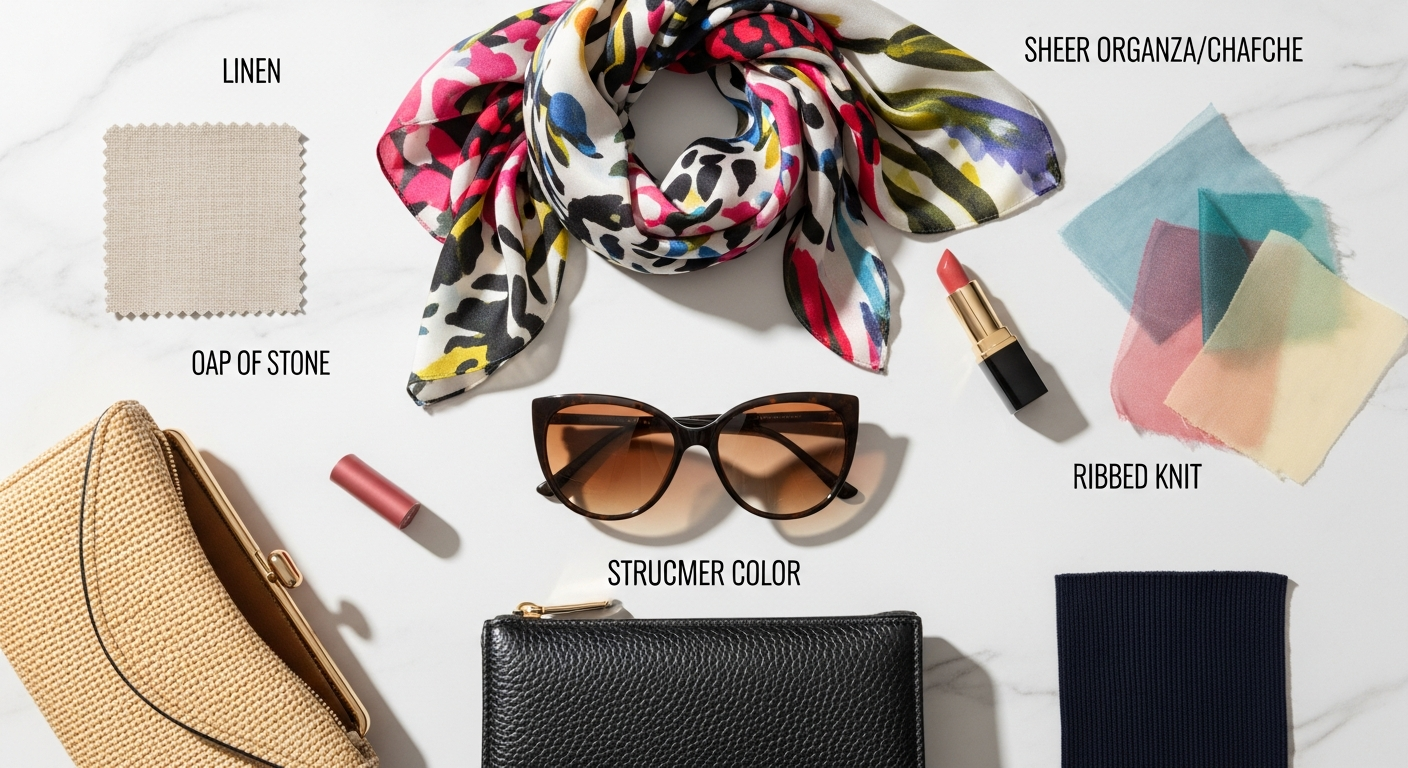
The silhouettes dominating women’s fashion in 2026 will strike a fascinating balance between structured elegance and liberating fluidity, reflecting a desire for both comfort and powerful self-expression. We’re moving away from overly restrictive styles towards a more dynamic interplay of form and movement. Expect to see a continued evolution of relaxed tailoring, where oversized blazers and wide-leg trousers maintain their presence but are reinterpreted with softer fabrics and more refined finishes. Shoulders will remain a key focal point, with subtle padding returning to add a touch of authoritative glamour without feeling retro. This emphasis on the shoulder line creates a strong, confident frame, perfect for the empowered woman of 2026.
Volume will be strategically applied, creating dramatic yet wearable shapes. Think voluminous sleeves that taper elegantly at the wrist, or skirts and dresses that billow with an architectural grace, yet still allow for ease of movement. Draping will also make a significant comeback, with fabrics expertly manipulated to create soft, cascading lines that flatter the body without clinging. This technique will be particularly prevalent in evening wear and sophisticated daywear, offering an air of effortless sophistication. The beauty of these new silhouettes lies in their versatility: a beautifully draped top can be paired with tailored trousers for work, or with a flowing skirt for an evening out.
The waistline will see interesting interpretations. While high-waisted bottoms will continue to be a staple for their leg-lengthening effect, we’ll also see a playful reintroduction of mid-rise and even slightly lower-rise options, particularly in more relaxed, casual wear, signaling a broader acceptance of diverse body shapes and personal comfort. Corsetry and cinched waists will appear, but often as an external styling element – think elegant belts over oversized shirts or structured vests over flowing dresses – rather than internal, restrictive garments. This allows for the creation of an hourglass silhouette when desired, without sacrificing comfort or the overall relaxed feel of the garment. The overarching theme is one of adaptable elegance, where clothing enhances the wearer’s natural form and allows for unrestricted movement, embodying the modern woman’s dynamic lifestyle and multifaceted roles. The interplay of structured and fluid elements will define a new aesthetic of balanced power and grace.
Furthermore, expect to see an exploration of asymmetrical cuts and hemlines, adding an unexpected edge to otherwise classic pieces. A dress with an angled hem, or a top with a single dramatic sleeve, will provide a contemporary twist that signals a forward-thinking approach to design. These subtle departures from symmetry lend a modern, artistic sensibility to everyday wear, allowing women to express their individuality through unexpected details. The aim is to create clothing that feels both innovative and inherently comfortable, challenging traditional notions of restrictive fashion and embracing a more liberated, intuitive approach to dressing. This blend of structured and flowing elements ultimately defines the sophisticated and adaptable aesthetic of 2026.
Color Palettes & Prints: A Spectrum of Expressive Hues
Alongside these foundational hues, nature-inspired tones will gain significant traction. Shades of sage green, terracotta, dusty rose, and oceanic blues will evoke a sense of tranquility and connection to the natural world. These earthy colors are grounding and sophisticated, offering a refreshing alternative to traditional pastels. They pair beautifully with the neutral base, creating harmonious and understated elegant ensembles. Imagine a flowing sage green dress paired with a cream blazer, or terracotta trousers with a charcoal knit – these combinations exude an effortless chic that feels both modern and timeless.
However, 2026 will also celebrate the power of vibrant accents. Expect to see energetic bursts of electric cobalt, fiery orange, shocking pink, and vivid lime green. These bold colors won’t necessarily dominate entire outfits but will be strategically used to create focal points, whether through a statement accessory, a single garment, or striking color blocking. This allows for personalization and experimentation, letting individuals infuse their wardrobes with personality without committing to an entirely maximalist aesthetic. Color blocking will be reinterpreted with a more sophisticated eye, combining unexpected hues in a balanced and visually interesting way, moving beyond simple primary combinations to more nuanced and artistic pairings.
When it comes to prints, 2026 will see a diverse array, moving away from overtly busy patterns towards more artistic and abstract designs. Digital art-inspired prints, featuring blurred lines, gradient effects, and geometric interpretations, will offer a contemporary edge. Nature-inspired motifs will also continue to flourish, but with a more stylized or abstract approach – think subtle botanical textures, distorted floral patterns, or animal prints rendered in unexpected colorways. Plaids and stripes will remain perennial favorites, but with updated scales and color combinations, offering a fresh take on classic patterns. Ultimately, the color and print landscape of 2026 is about thoughtful expression, offering a spectrum of options that cater to every mood and occasion, from serene sophistication to daring vibrancy.
Furthermore, ombre and gradient effects will be prominent, particularly in dresses and flowing separates, adding a subtle dimension and visual interest to fabrics. This soft transition of color creates a sophisticated, ethereal look that feels both modern and romantic. The beauty of the 2026 palette lies in its adaptability, allowing for seamless transitions between seasons and occasions, while always maintaining an underlying sense of refined taste and individual flair. Whether you gravitate towards calming earth tones or electrifying brights, the trends for 2026 offer ample opportunity for personal style evolution.
Fabric Innovations & Textures: The Sensory Experience of 2026 Fashion
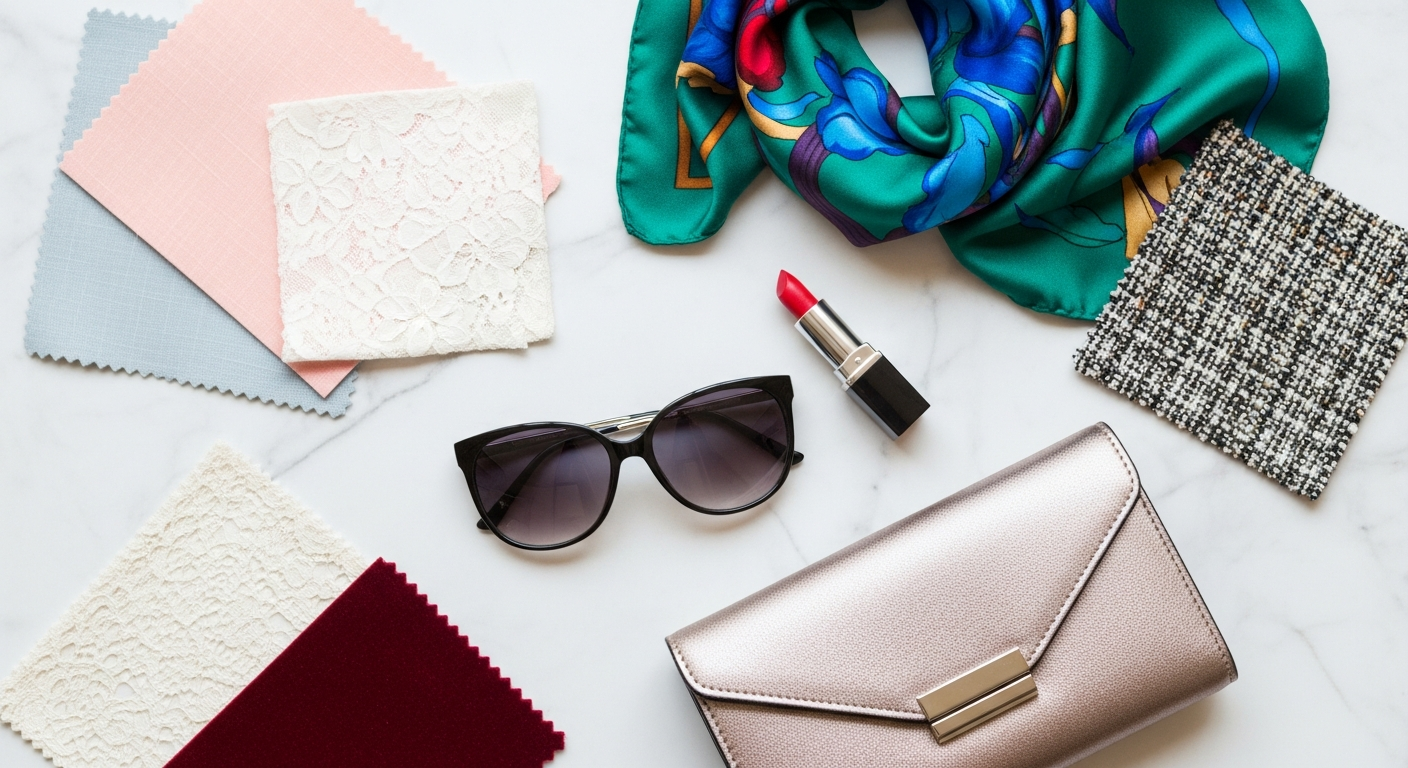
In 2026, the tactile experience of fashion will be as important as its visual appeal. Advances in textile technology, coupled with a renewed appreciation for natural fibers, will define the fabric landscape. The focus will be on materials that offer comfort, durability, and a luxurious feel against the skin, all while aligning with sustainable practices. Smart fabrics, while still evolving, will see more practical integration into everyday wear. Think temperature-regulating materials that adapt to your body’s needs, wrinkle-resistant fabrics that simplify maintenance, and moisture-wicking textiles that enhance comfort for active lifestyles, even in urban settings. These innovations marry function with fashion, catering to the dynamic lives of modern women.
Natural fibers will experience a strong resurgence, celebrated for their breathability, biodegradability, and inherent beauty. Organic cotton, linen, hemp, and Tencel will be staples, offering lightweight comfort for warmer months and layering potential for cooler climates. Cashmere and merino wool, sourced ethically and sustainably, will continue to be cornerstones of luxury knitwear, providing unparalleled softness and warmth. The emphasis will be on the quality and provenance of these fibers, with consumers increasingly seeking certifications that guarantee ethical and environmentally sound production. The textural richness of these natural materials, from the crispness of linen to the subtle sheen of silk, will be highlighted through thoughtful design.
Beyond natural and smart fabrics, the tactile qualities of textiles will be explored through various finishes and weaves. Bouclé, tweed, and corduroy will return in updated forms, offering rich textures that add depth and character to garments. Shearling and faux fur, particularly in muted, natural tones, will provide luxurious warmth and a touch of indulgence, reflecting a commitment to animal welfare. Denim, a perennial favorite, will evolve with softer washes, more comfortable blends, and innovative finishes that reduce water and chemical usage in production. Expect to see denim not just in jeans, but also in structured jackets, elegant skirts, and even tailored dresses, showcasing its versatility and timeless appeal.
The interplay of different textures within a single outfit will be a key styling trend. Combining a silky blouse with a wool trouser, or a chunky knit with a sleek leather skirt (or its vegan alternative), creates visual interest and a sophisticated depth. This textural layering adds a sensory dimension to fashion, making clothes not just something to be seen, but also something to be experienced. The fabrics of 2026 will therefore embody a holistic approach to design – where comfort, sustainability, innovation, and tactile luxury converge to create garments that feel as good as they look, enriching the wearer’s experience and making a statement about conscious, refined style.
Furthermore, advancements in knitting technologies will allow for intricate patterns and seamless garments, offering both comfort and a refined aesthetic. Expect to see innovative knits that combine different textures and stitches within a single piece, creating unique visual and tactile elements. From fine-gauge cashmere to chunky, artisanal weaves, knitwear will play a crucial role in providing versatile and comfortable options for the 2026 wardrobe. These textural explorations are not just about aesthetics; they are about enhancing the overall wearability and longevity of garments, aligning perfectly with the broader trend of thoughtful, enduring fashion.
Key Garments & Wardrobe Essentials: The Staples of 2026
The wardrobe essentials for women in 2026 are a curated collection of versatile, high-quality pieces designed to offer maximum style mileage with minimal environmental impact. These are the building blocks that empower individuals to express their unique style while embracing the principles of conscious consumption. The power suit, a timeless emblem of female strength, will continue its reign but with a distinctly modern twist. Expect relaxed, oversized blazers paired with wide-leg trousers or longline skirts, crafted from luxurious, often sustainable, fabrics. These suits will be versatile enough to be worn as separates, with the blazer complementing jeans or the trousers paired with a delicate knit, showcasing their adaptability for both professional and casual settings.
Dresses, particularly Summer Dress Styles Women 2026, will be a focal point of effortless elegance. The emphasis will be on comfort, breathability, and flattering silhouettes. Think flowing maxi dresses in natural fibers like linen and organic cotton, featuring subtle cut-outs, delicate ruching, or asymmetrical hemlines. Midi dresses with interesting sleeve details – puff sleeves, bell sleeves, or sophisticated bishop sleeves – will offer a refined option for various occasions. Shirtdresses, reinvented with softer fabrics and innovative layering potential, will be a go-to for their effortless chic. The color palette for these dresses will range from vibrant, nature-inspired hues to serene pastels and classic neutrals, catering to every personal preference and mood. These dresses are designed to transition seamlessly from a beach vacation to a city brunch, embodying the ultimate in versatile summer styling.
Versatile separates will form the backbone of the 2026 wardrobe. High-waisted, wide-leg trousers in various fabrics – from crisp linen to soft wool blends – will be indispensable. Elevated knitwear, including fine-gauge merino wool sweaters, chunky cashmere cardigans, and innovative knitted tops, will offer comfort and sophistication. The classic white shirt will be reinterpreted with interesting details, such as oversized cuffs, subtle embroidery, or unique collars, transforming it into a statement piece. Skirts will vary from elegant, flowing midi-lengths to chic, tailored A-line or pencil styles, often with discreet pleating or unexpected slits for movement.
Outerwear will continue to blend practicality with style. Trench coats, reimagined in lighter, water-resistant fabrics or with unexpected color linings, will be a timeless staple. Oversized blazers, as mentioned, will double as light jackets. For cooler weather, sophisticated wool coats with clean lines and minimalist designs will be preferred over overly embellished options, emphasizing longevity and enduring appeal. The overarching theme for 2026 essentials is investment in pieces that are not only fashionable but also functional, comfortable, and built to last, allowing for endless styling possibilities and a truly personalized approach to dressing. These garments are designed to be loved and worn repeatedly, forming the foundation of a truly sustainable and stylish wardrobe.
Furthermore, the concept of “elevated loungewear” will solidify its place as a core wardrobe category. Beyond the confines of the home, luxurious tracksuits, cashmere hoodies, and coordinated knit sets will be styled with tailored coats and sophisticated accessories, blurring the lines between comfort and chic. This trend speaks to the modern woman’s desire for versatility and ease, allowing for a seamless transition between various aspects of her day without compromising on style. The key lies in the quality of the fabric and the refined cut, ensuring that these comfortable pieces always look polished and intentional.
Accessories & Embellishments: The Art of the Finishing Touch
In 2026, accessories and embellishments will play a pivotal role in elevating and personalizing any outfit, serving as the ultimate expression of individual style. The approach will be balanced – a mix of timeless classics and thoughtful statement pieces, ensuring that every addition contributes meaningfully to the overall look. Footwear will continue to blend comfort with elegance, with a strong emphasis on practical yet chic designs. Loafers and ballet flats, often with modern updates like chunky soles or intricate detailing, will remain popular for their versatility. Kitten heels and block heels will offer a comfortable alternative to stilettos, providing a subtle lift without sacrificing wearability. Sneakers will continue their evolution into sophisticated fashion statements, with minimalist designs in premium materials and muted colorways that can be paired with tailored trousers or flowing dresses.
Handbags will encompass a range of styles, from structured top-handle bags that exude timeless sophistication to soft, slouchy shoulder bags that offer a more relaxed aesthetic. Micro bags will persist as playful accents, while larger tote bags in durable, sustainable materials will cater to practical needs. Chain details, unique hardware, and interesting textures like woven leather or repurposed fabrics will add a distinctive touch. The trend will lean towards investment pieces – high-quality bags that stand the test of time, both in terms of durability and design, reinforcing the conscious consumption ethos.
Jewelry in 2026 will strike a balance between delicate, minimalist pieces perfect for layering and bold, sculptural statements. Gold and silver will remain dominant, often in mixed metals for a contemporary twist. Pearl accents, not just in classic necklaces but also integrated into modern earrings or rings, will add a touch of refined elegance. Personalized jewelry, such as initial pendants, birthstone rings, or custom engravings, will continue to be cherished for their sentimental value. Statement pieces will lean towards artistic forms, perhaps a single large earring, a chunky chain necklace, or an architectural cuff, designed to be the focal point of a simpler outfit.
Other embellishments and accessories will include sophisticated belts that cinch waists and define silhouettes, often in luxurious leathers or with unique buckles. Scarves, whether silk squares or flowing wraps, will offer versatility for styling – tied around the neck, in the hair, or adorning a handbag. Headbands and hair accessories will add a playful or polished touch, ranging from minimalist fabric bands to embellished clips. The key message for accessories in 2026 is thoughtful curation. Rather than overloading an outfit, the focus is on selecting a few impactful pieces that enhance the overall aesthetic, reflecting personal taste and a discerning eye for quality and design. These finishing touches are what transform an ensemble from merely clothing into a true statement of style and individuality.
Additionally, eyewear will not only serve a functional purpose but also act as a significant style statement. Oversized frames, cat-eye shapes, and unique geometric designs will be prevalent in both sunglasses and optical frames, often featuring sustainable materials or innovative finishes. These accessories provide an immediate way to inject personality and a sense of chic into any look, acting as a small but mighty detail in the grand scheme of 2026 fashion. The thoughtful integration of these elements ensures that every detail contributes to a cohesive and stylish narrative.
Fashion Trends for Women 2026: Seasonal Breakdown
Spring/Summer 2026
- Prendas: Maxi dresses, sheer blouses, waistcoats
- Calzado: Minimalist sandals, retro sneakers
- Bolsos: East-west bags, woven textures
- Colores: Vibrant lime green, electric cobalt
- Tejidos: Organic cotton, linen
Fall/Winter 2026
- Prendas: Oversized blazers, wide-leg trousers, peplum tops
- Calzado: Knee-high boots, Mary Janes
- Bolsos: Hobo/slouchy bags, suede materials
- Colores: Deep charcoals, warm beiges
- Tejidos: Cashmere, merino wool
Outfit Ideas & Adaptation by Body Type
Creating outfits in 2026 is all about versatility and personalization. Here are some outfit formulas and adaptations for different occasions and body types:
Outfit Formulas by Occasion
- Workwear: Tailored blazer with wide-leg trousers and loafers
- Casual: Sheer blouse with straight-leg jeans and retro sneakers
- Date Night: Off-shoulder top with midi skirt and Mary Janes
- Vacation: Maxi dress with minimalist sandals and woven bag
- Wedding Guest: Column dress with slingbacks and statement jewelry
Adaptation by Body Type
- Petite: High-waisted trousers to elongate legs, fitted tops
- Tall: Midi skirts to balance height, layered tops
- Plus-size: Wrap dresses to accentuate waist, structured blazers
- Curvy: Peplum tops to highlight curves, A-line skirts
- Maternity: Empire waist dresses for comfort, stretchy fabrics
Conclusion: Navigating Your Style Journey in 2026
As we’ve journeyed through the anticipated fashion landscape of 2026, a clear narrative emerges: one of conscious elegance, thoughtful innovation, and profound personal expression. The future of women’s fashion isn’t about fleeting trends but about enduring style, built on a foundation of sustainability, versatility, and quality. From the evolving silhouettes that balance structure with fluidity to the harmonious color palettes that blend serene neutrals with vibrant accents, every aspect of 2026 fashion invites us to engage with our wardrobes more mindfully.
The emphasis on high-quality fabrics, whether natural or technologically advanced, speaks to a desire for comfort, durability, and a luxurious tactile experience. Key garments like the updated power suit and versatile Summer Dress Styles Women 2026 will become cherished staples, forming the core of a modern woman’s wardrobe. Accessories will serve as the perfect finishing touches, adding personality and polish without overwhelming. And perhaps most importantly, the alignment of fashion with beauty and wellness trends, highlighting practices like a diligent Lip Care Routine Soft Lips, underscores a holistic approach to self-care and authentic radiance.
Building a How To Build Capsule Wardrobe 2026 will be more than just a practical choice; it will be a statement of intent – a commitment to thoughtful consumption and a celebration of timeless style. We encourage you to embrace these emerging trends not as rigid rules, but as inspirations to refine and personalize your own unique aesthetic. Invest in pieces that resonate with your values, flatter your form, and bring you joy. Experiment with colors and textures that speak to your inner self. And remember, true style in 2026 will be about confidence, authenticity, and a conscious approach to the beautiful world of fashion. Here’s to a stylish, sustainable, and truly inspiring year!
Frequently Asked Questions
Key Runway Moments Shaping 2026 Fashion
The 2025-26 runway season across the four major fashion weeks established the aesthetic direction that will reach mainstream retail in 2026:
- NYFW 2025 (New York): Brandon Maxwell anchored the season with sharply-tailored utility — functional pockets, precise cuts, elevated workwear. The Row (co-founded by Mary-Kate and Ashley Olsen) continued its influence on the quiet luxury movement with their deconstructed coats and fluid evening wear. Tory Burch brought American sportswear modernism — technical fabrics in elevated forms.
- LFW 2025 (London): Simone Rocha’s lace, tulle, and pearl embellishments defined London's romantic-craft direction. JW Anderson explored gender-neutral tailoring and unexpected volume — oversized coats, architectural knitwear. Stella McCartney continued leading on sustainability, using recycled and regenerative materials throughout her collection.
- MFW 2025 (Milan): Miuccia Prada and Raf Simons' Prada collaboration elevated the intellectual-utilitarian aesthetic — nylon and technical fabrics in luxury contexts. Bottega Veneta under Matthieu Blazy built on his “real clothes” philosophy: understated, perfectly constructed, material-led. Versace and Gucci continued their maximalist counterbalance to the quiet luxury dominant.
- PFW 2025 (Paris): Maria Grazia Chiuri's Dior brought feminist historical references — embroidered blazers, Bar jacket reworkings. Chanel under Virginie Viard showed refined Parisian classicism. Valentino's Pierpaolo Piccioli focused on colour intensity and emotional dressing. Balenciaga's Demna Gvasalia continued exploring fashion's relationship to power, politics, and excess.
Colour Intelligence for 2026
Pantone Color Institute (headquartered in Carlstadt, NJ) is the global authority on colour standardisation and trend direction. Their annual Colour of the Year announcement (typically November) shapes everything from fashion to home interiors and product design for the following 12 months. Pantone Executive Director Leatrice Eiseman leads the analysis team, which scans colour influences across entertainment, art, design, travel, and technology.
For 2026, the directional palette identified by Pantone and WGSN converges around:
- Warm earthy neutrals: Undyed wool tones, warm putty, pale terracotta — the “natural luxury” palette that signals sustainability and investment quality
- Botanical greens: Forest, sage, moss, and olive continue their 2024-2026 trajectory as the dominant chromatic statement colour direction for womenswear
- Electric contrasts: Cobalt blue, saturated violet, and sharp acid yellow as singular accent pieces against neutral wardrobes — not as dominant palettes but as statement investments
- Mocha and cappuccino: Continuing the 2025 brown revival, extending into deeper espresso and brandy tones for premium knitwear and leather goods
Sustainability Standards and Verification in 2026 Fashion
Textile Exchange is a global non-profit driving the adoption of preferred natural and man-made fibre materials in the textile industry. Their annual Preferred Fiber & Materials Market Report tracks global adoption rates of organic cotton, recycled polyester, responsible wool, and alternative materials across 1,100+ brand and retailer respondents. The 2023 report found recycled polyester now accounts for 15.4% of all polyester production — a 6-year high.
Higg Index (developed by the Sustainable Apparel Coalition, SAC) provides a standardised measurement suite for the environmental and social performance of fashion brands and their supply chains. The Higg Brand & Retail Module (BRM) and Facility Environmental Module (FEM) are used by brands including H&M, Nike, Gap, and Patagonia to assess and communicate their sustainability performance. In 2026, increasing consumer access to Higg data is driving brand accountability.
The Ellen MacArthur Foundation's “A New Textiles Economy” (2017) established the circular fashion framework: less than 1% of clothing is recycled into new clothing, $500B in value is lost annually through under-wearing and failure to recycle, and the fashion industry emits more greenhouse gases than the aviation and shipping sectors combined. These figures from this report have anchored the circular fashion movement and informed EU legislative action including the Ecodesign for Sustainable Products Regulation (ESPR) 2024.
Digital Fashion and AI's Role in 2026
The Fabricant (Amsterdam, founded 2018) is the world's first digital fashion house — creating clothing that exists only as digital assets for AR wear, gaming avatars, and digital identity. Their work represents the leading edge of phygital fashion: the intersection of physical and digital clothing identity. As of 2023, The Fabricant had facilitated over 100,000 digital fashion transactions.
RTFKT Studios (acquired by Nike in 2021) pioneered the convergence of streetwear culture, sneaker collecting, and NFT/digital ownership. While the NFT fashion market contracted sharply in 2023, the underlying technology — digital garment ownership, AR try-on, tokenised provenance — continues developing in enterprise fashion applications.
Virtual try-on technology (Snap AR, Zara's AR app, Amazon's Virtual Try-On for apparel) is demonstrating measurable commercial impact: studies by Snap and independent retailers show AR try-on reduces online return rates by 15-25% — a significant cost saving for retailers and environmental benefit (reduced logistics emissions). By 2026, virtual try-on is becoming standard for major fashion e-commerce platforms.
Recommended Resources
For more on fashion trends for, see Yoga For Beginners At Home on Rock Salt Plum.
Learn more about this topic in Benefits Of Journaling For Mental Health And Self Reflection at Sometimes Daily.
How Fashion Trends Are Forecast: The Industry Behind the Predictions
Leading Trend Forecasting Organizations
- WGSN (Worth Global Style Network): The world’s leading fashion trend forecasting service — founded 1998 in London, acquired by Ascential in 2015. WGSN provides trend intelligence 18-24 months ahead of market through a team of 250+ forecasters, trend analysts, and designers. Their annual “Key Items” report identifies the products that will drive commercial volume in each category. WGSN tracks data from 52 countries and is used by 98% of the world’s top 100 apparel brands. WGSN’s 2026 Macro Trends identified “Joyful Optimism,” “Digital-Physical Fusion,” and “Responsible Futures” as the three driving cultural macro forces.
- Vogue Business: Business-of-fashion intelligence publication from Condé Nast — tracks the business, technology, and sustainability dimensions of fashion at the intersection of luxury and mass market. Vogue Business’s 2025-26 trend coverage identifies data-driven personalization, recommerce integration, and AI-assisted design as defining shifts. Free newsletters with paid professional membership access at voguebusiness.com.
- The Business of Fashion (BoF): Founded by Imran Amed in 2007 — the definitive professional publication for fashion industry insiders. BoF Pro provides in-depth market analysis, designer profiles, and commercial trend tracking. The BoF Professional 2026 Fashion Agenda highlights circular fashion economics, AI design tools, and the return of investment dressing. BoF’s State of Fashion report (published annually with McKinsey Global Fashion Index) is the most cited industry research publication.
- Trendalytics / Heuritech: AI-powered trend forecasting platforms — analyze social media imagery, search data, and runway appearances to identify early trend signals. Heuritech’s computer vision scans 3M+ Instagram images daily. Used by brands including LVMH and Lacoste to validate trend direction before committing production volumes.
Runway Reference: 2025-2026 Fashion Weeks
The global fashion week calendar sets the direction for women’s fashion seasons:
- New York Fashion Week (NYFW): February and September shows. Spring/Summer 2026 collections (shown September 2025) featured notable maximalism from Brandon Maxwell, understated minimalism from The Row (founded by Ashley and Mary-Kate Olsen), and relaxed tailoring from Tory Burch. Emerging designers (Vaquera, Elena Velez) pushed genderless and upcycled fashion to critical acclaim.
- London Fashion Week (LFW): Strong sustainability credentials — London consistently leads the fashion weeks in showcasing emerging sustainable brands. Stella McCartney (vegetarian fashion advocate since 1997) consistently shows relevant sustainability messaging. Simone Rocha and JW Anderson define LFW’s aesthetic range.
- Milan Fashion Week (MFW): Dominated by Italian luxury houses — Prada (Miuccia Prada + Raf Simons creative partnership), Gucci, Versace, Bottega Veneta (Matthieu Blazy), and Jil Sander. MFW’s SS2026 collections were particularly notable for quiet luxury resurgence and leather goods emphasis.
- Paris Fashion Week (PFW): The finale of the fashion calendar — Chanel, Louis Vuitton (Nicolas Ghesquière), Dior (Maria Grazia Chiuri), Valentino, Saint Laurent, and Balenciaga. PFW 2025 (showing SS2026) reinforced ultra-feminine romanticism (Valentino, Dior), deconstructed tailoring (Balenciaga, Rick Owens), and statement accessories.
Sustainability Context: The Data Behind Fashion’s Environmental Impact
- Ellen MacArthur Foundation: Published “A New Textiles Economy” (2017) — the landmark report establishing that less than 1% of clothing material is recycled into new clothing at end of life, $500 billion of value is lost annually due to insufficient use and failure to recycle, and that the fashion industry emits more greenhouse gases than international aviation and shipping combined. The EMF advocates for a circular economy in fashion — where clothing is designed for longevity, reuse, and recycling at end of life (ellenmacarthurfoundation.org).
- Fashion Revolution: Global campaign launched after the Rana Plaza factory collapse in Bangladesh (2013, 1,134 garment workers killed) — campaigns for transparency, workers’ rights, and sustainability in fashion. Fashion Revolution Week (annually in April) encourages consumers to ask brands “Who Made My Clothes?” (fashionrevolution.org). Their Brand Transparency Index 2023 covered 250 brands across 40 countries.
- Textile Exchange: Global nonprofit that drives industry adoption of preferred fibers and materials — publishes the Preferred Fiber & Materials Market Report annually, tracking organic cotton, recycled polyester, and alternative fiber adoption rates across the industry.
Technology’s Role in 2026 Fashion
- AI-assisted design: Generative AI tools (including Midjourney, Adobe Firefly’s generative fill for fashion, CLO 3D for virtual fit and visualization) are being integrated into design processes at mass market and luxury brands. In 2025, H&M piloted AI-generated campaign imagery. Kering (Gucci, Saint Laurent, Bottega Veneta parent) announced a strategic partnership with Lyst using AI for trend prediction and inventory optimization.
- Smart fabrics and wearable tech: Google and Levi’s collaborated on Project Jacquard (touch-sensitive denim fabric with built-in gesture control). Hexoskin offers biometric monitoring sportswear. Xiaomi’s smart clothing tracks biometrics. For mainstream 2026, the primary tech integration is in performance/athleisure rather than everyday fashion — Phase Change Materials (PCM) for temperature regulation in outerwear, Crypton fabric for antimicrobial treatment.
- Virtual try-on: Snap (Snap Camera augmented reality), Zara’s AR try-on, Amazon’s Virtual Try-On for clothes and shoes are making online purchase decisions more accurate and reducing return rates. Return rates for online fashion average 30-40%; virtual try-on technology reduces this by 15-25% in pilot programs.
Related Fashion Guides
The Fashion Industry Behind 2026 Trends: Conglomerates & Retail
Major fashion conglomerates shaping 2026 direction:
- LVMH Moët Hennessy Louis Vuitton: World’s largest luxury group — 75 houses including Louis Vuitton, Dior, Givenchy, Celine, Loewe, Fendi, Marc Jacobs. Revenue 86.2B euros (2023). Nicolas Ghesquière at LV women’s, Maria Grazia Chiuri at Dior. LVMH controls approximately 25% of global luxury fashion market share.
- Kering: Second major luxury group — Gucci (Sabato De Sarno since 2023), Saint Laurent, Bottega Veneta, Balenciaga, Alexander McQueen, Brioni, Pomellato. Revenue 17.6B euros (2023). Kering’s Sustainability & Responsibility report is the luxury industry benchmark for environmental commitments.
- Inditex: World’s largest apparel retailer — Zara, Pull&Bear, Massimo Dutti, Bershka, Stradivarius, Oysho, Zara Home. Revenue 35.9B euros (2023). Zara’s ability to move from runway to retail in 2 weeks made it the original “fast fashion” accelerant; Inditex’s 2022 sustainability commitments include 100% sustainable cotton/linen/polyester by 2025.
Multi-brand fashion retail: Where to shop 2026 trends:
- Net-a-Porter: The leading global luxury fashion e-commerce platform (Richemont group) — curated editor’s picks, same-day delivery in key cities, NET Sustain sustainability filter. The definitive destination for investment trend pieces.
- Farfetch: Global luxury marketplace connecting 1,400+ boutiques worldwide — strong for discovering emerging designers and regional fashion. Second Life authenticated resale program for circular fashion.
- ASOS: UK-based mass-market e-commerce with 850+ brands — extensive size range (petite/tall/curve/maternity), strong for accessible 2026 trend pieces. ASOS Fashion Forward initiative supports emerging designers.
- Mango: Spanish fashion retailer known for elevated Mediterranean aesthetic at accessible price points — particularly strong for blazers, tailored trousers, and structured dresses that reflect 2026’s quiet luxury direction. MANGO Committed sustainability line uses certified organic/recycled materials.
For how to incorporate these trends into a lasting wardrobe without overconsumption, see our How to Build a Capsule Wardrobe guide. For styling your most versatile wardrobe pieces across all the emerging trends, see our How to Style Jeans for Every Occasion guide.
From Our Network
- bedroom interior design ideas 2026 (en Rocksaltplum)
- what is emotional wellness and how to nurture it (en Sometimesdaily)
- family budgeting tips for households (en Veralynmedia)