
In the expansive universe of skincare, few distinctions cause as much head-scratching as the perennial debate between body lotion and body butter. Both promise hydration, softness, and a healthy glow, yet they are formulated with distinct purposes and ideal applications. For the discerning woman who curates her wardrobe with the precision of a French Girl Style Guide Wardrobe Essentials and plans her future style with a keen eye on How To Build Capsule Wardrobe 2026, understanding the nuances of her skincare regimen is equally paramount. After all, the canvas beneath the couture deserves just as much attention as the garments themselves. This comprehensive guide from Fashion Goggled will demystify these two popular moisturizers, exploring their unique compositions, benefits, and how to choose the perfect product to achieve your most radiant, supple skin in 2026.
Understanding the Fundamentals: What is Body Lotion?
Body lotion is arguably the most common and widely recognized type of body moisturizer. Its popularity stems from its lightweight texture, ease of application, and quick absorption, making it a go-to for daily hydration. But what exactly makes a lotion a lotion?
At its core, body lotion is an emulsion – a stable mixture of oil and water, with water typically being the dominant ingredient. This high water content gives lotions their characteristic fluid, non-greasy consistency. When you look at an ingredient list, you’ll often see “Aqua” (water) listed first, followed by a blend of humectants, emollients, and occlusives.
- Humectants: These ingredients attract and draw moisture from the air into the skin. Common examples include glycerin, hyaluronic acid, and urea. They are crucial for initial hydration.
- Emollients: Designed to smooth and soften the skin, emollients fill in the gaps between skin cells. Light oils (like jojoba oil, almond oil), fatty acids, and ceramides fall into this category, improving skin texture and flexibility.
- Occlusives: While present in smaller concentrations than in body butters, lotions still contain some occlusive agents to form a protective barrier on the skin’s surface, preventing moisture loss. Think petrolatum, mineral oil, or dimethicone, though often in lighter forms.
The texture of a body lotion is typically thin and pourable, ranging from a milky liquid to a slightly thicker cream. This allows it to spread effortlessly over large areas of the body and absorb rapidly, leaving behind a barely-there feel. This quick absorption is a significant advantage for those with busy lifestyles, as it means you can get dressed almost immediately after application without feeling sticky or greasy.
Benefits of Body Lotion:
- Lightweight Hydration: Ideal for daily use, providing sufficient moisture without feeling heavy.
- Quick Absorption: Penetrates the skin rapidly, allowing for immediate dressing.
- Non-Greasy Feel: Leaves a smooth, comfortable finish, perfect for warmer climates or oilier skin types.
- Versatility: Suitable for all-over body use and often comes with added benefits like SPF, gentle exfoliation, or brightening agents.
- Refreshing Sensation: The higher water content can provide a cooling effect upon application.
Body lotion excels in environments where heavy moisturization isn’t necessary, or during seasons when the skin doesn’t experience extreme dryness. It’s an excellent choice for maintaining healthy skin hydration, particularly for individuals with normal to oily skin types, or those who prefer a lighter feel. Think of it as your everyday hydrator, much like a lightweight jacket is a capsule wardrobe essential for transitional weather.
Delving Deeper: What is Body Butter?
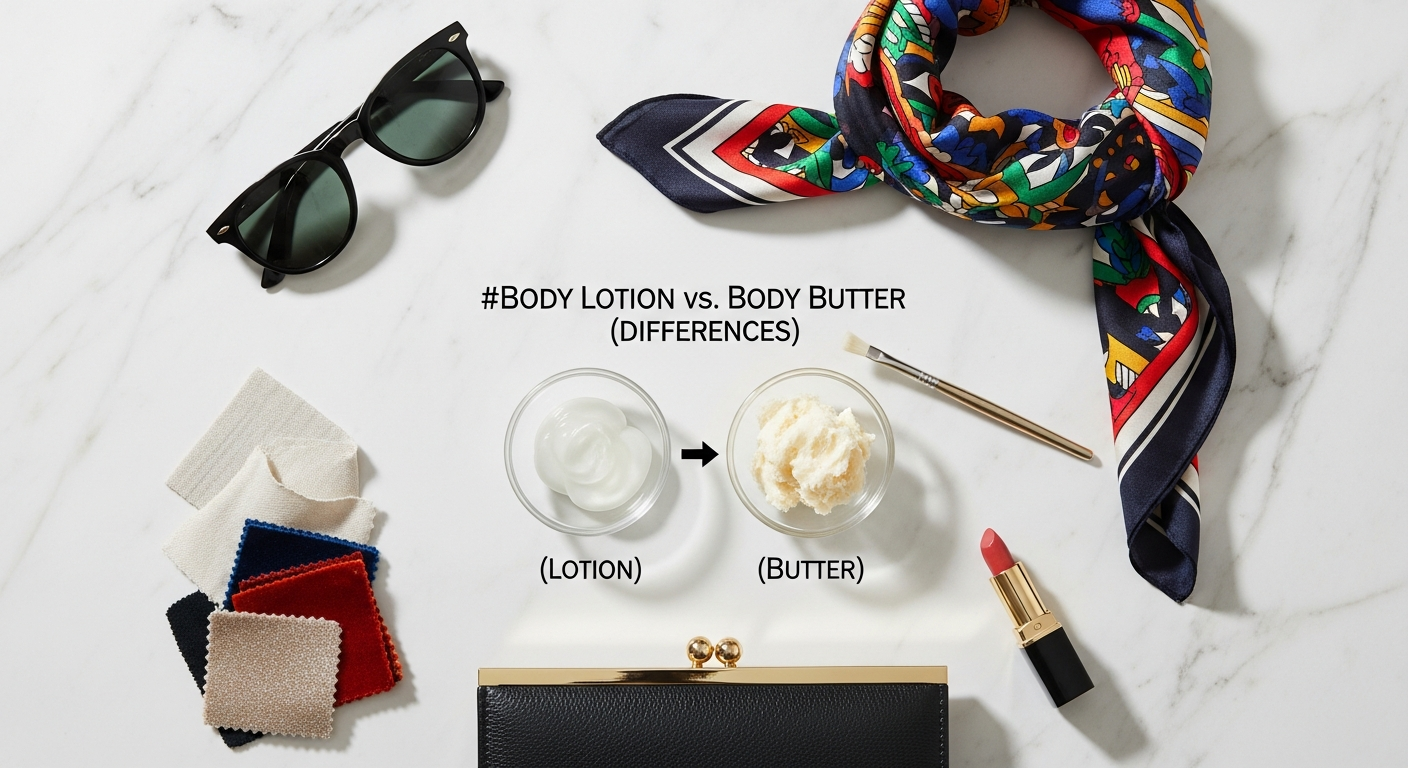
Moving to the other end of the moisturizing spectrum, we find body butter – a decadent, rich formulation designed for intensive hydration. If lotion is a refreshing glass of water for your skin, butter is a deeply nourishing, comforting meal. Its name itself evokes a sense of richness and density, and for good reason.
Body butter is characterized by its significantly higher concentration of oils and butters, with a much lower water content compared to lotion. While lotions are oil-in-water emulsions, body butters are often water-in-oil, or even anhydrous (containing no water at all), relying primarily on natural plant-derived fats. The dominant ingredients you’ll find in body butters are typically solid at room temperature, contributing to their thick, creamy consistency.
- Heavy Butters: The stars of body butter are ingredients like shea butter, cocoa butter, mango butter, and kokum butter. These are rich in fatty acids, vitamins, and antioxidants, providing deep nourishment and creating a robust protective barrier.
- Carrier Oils: Complementing the butters are heavier carrier oils such as coconut oil, avocado oil, or sunflower oil. These oils further enhance moisturization and provide skin-loving nutrients.
- Waxes: Sometimes, natural waxes like beeswax or candelilla wax are included to improve texture, stability, and enhance the occlusive properties.
- Emollients & Occlusives: These are present in high concentrations, working to deeply soften the skin and lock in moisture for extended periods, preventing transepidermal water loss (TEWL).
The texture of a body butter is thick, dense, and often solid or semi-solid at room temperature. It requires a bit more effort to apply, often needing to be warmed slightly between the palms before spreading. Due to its rich composition, it takes longer to absorb into the skin and may leave a noticeable protective layer on the surface, which is precisely its strength for certain skin needs.
Benefits of Body Butter:
- Intense Moisturization: Provides deep, long-lasting hydration for extremely dry or rough skin.
- Superior Barrier Protection: Creates a strong occlusive barrier that effectively seals in moisture and protects the skin from environmental stressors.
- Nourishment and Repair: Rich in vitamins and fatty acids that help to repair and rejuvenate the skin, improving elasticity and overall health.
- Targeted Treatment: Excellent for specific dry areas like elbows, knees, heels, and hands.
- Ideal for Harsh Climates: Offers robust protection against cold, wind, and dry air.
Body butter shines when your skin demands serious hydration and protection. It’s a lifesaver during harsh winter months, for those with chronically dry skin conditions like eczema, or for anyone needing to restore a healthy skin barrier. While it may not be your everyday go-to for a quick spritz and dash, its benefits for deep conditioning are unparalleled.
The Core Differences: Lotion vs. Butter – A Comparative Analysis
Now that we’ve explored each product individually, let’s lay out the key distinctions side-by-side. Understanding these differences is crucial for making an informed choice that caters to your unique skin needs and lifestyle. It’s akin to knowing the difference between a classic trench coat and a luxurious cashmere wrap – both serve a purpose, but for vastly different conditions and desired outcomes.
1. Consistency and Texture:
- Body Lotion: Light, fluid, and often pourable. It feels smooth and silky upon application, spreading easily and sinking quickly into the skin. Its texture is designed for rapid absorption and a non-greasy finish.
- Body Butter: Thick, dense, and typically solid or semi-solid at room temperature. It has a rich, creamy, almost balm-like feel. It requires more effort to apply and often needs to be warmed by body heat to melt and spread effectively.
2. Ingredient Profile and Water Content:
- Body Lotion: High water content (often the first ingredient), combined with lighter oils, humectants (like glycerin, hyaluronic acid), and emollients. It’s an oil-in-water emulsion.
- Body Butter: Low water content, or often anhydrous. Predominantly composed of heavy plant butters (shea, cocoa, mango), richer oils (coconut, avocado), and potent occlusives. It’s typically a water-in-oil emulsion or a balm.
3. Absorption Rate:
- Body Lotion: Absorbs very quickly into the skin, often within seconds to a minute. This is ideal for those who are in a hurry and want to avoid any residue.
- Body Butter: Absorbs slowly due to its dense, oil-rich composition. It forms a protective layer on the skin’s surface, which can take several minutes to fully sink in, leaving a more noticeable, long-lasting sheen.
4. Moisturization Intensity and Duration:
- Body Lotion: Provides good, everyday hydration that lasts for several hours. It’s effective for preventing dryness and maintaining skin’s moisture balance.
- Body Butter: Offers intensive, deep moisturization that can last for 24 hours or more. Its occlusive properties are superior at locking in moisture and repairing severely dry or compromised skin.
5. Ideal Skin Types:
- Body Lotion: Best suited for normal, combination, or slightly oily skin types that require daily maintenance hydration without feeling heavy. It’s also great for those who don’t experience extreme dryness.
- Body Butter: An absolute savior for very dry, rough, flaky, or mature skin. It’s also excellent for targeted treatment of areas prone to extreme dryness, such as elbows, knees, heels, and cuticles.
6. Seasonal Suitability:
- Body Lotion: Perfect for warmer, humid climates, or during spring and summer months when skin tends to be less dry and a lighter feel is preferred.
- Body Butter: Indispensable during colder, drier months (autumn and winter) when skin is more susceptible to moisture loss and needs robust protection against harsh environmental elements.
7. Application and Feel:
- Body Lotion: Effortless to apply, spreads easily, and leaves a fresh, often barely-there feeling. Ideal for quick, all-over body application.
- Body Butter: Requires more deliberate application, often melting into the skin. It leaves a richer, more substantial, and sometimes slightly oily or waxy feel initially, which eventually settles into deep softness.
Understanding these distinctions empowers you to become a more discerning consumer of skincare, much like understanding the fabric compositions and construction details that define a truly exceptional piece in your 2026 capsule wardrobe.
Choosing Your Champion: Factors to Consider When Selecting
With a clear understanding of the differences between body lotion and body butter, the next step is to determine which product, or perhaps combination of products, is best for you. This decision isn’t one-size-fits-all; it’s a personalized choice influenced by several key factors. Just as you wouldn’t choose a ballgown for a casual brunch, you wouldn’t select an ultra-rich body butter for a humid summer day if your skin tends towards oiliness.
1. Your Skin Type:
- Normal Skin: You’re lucky! You can generally use either, depending on your preference and the season. Lotions are excellent for daily maintenance, while butters can be a luxurious treat or used for specific dry patches.
- Dry to Very Dry Skin: Body butter will be your best friend. Its intensive moisturizing and occlusive properties are exactly what dry skin needs to feel comfortable, hydrated, and prevent flaking. Look for butters rich in shea, cocoa, or mango butter.
- Oily Skin: Opt for a lightweight body lotion. Rich butters can feel too heavy and potentially clog pores for oily skin types. Focus on lotions that are non-comedogenic and provide just enough hydration without excess oil.
- Combination Skin: You might benefit from using both! A lotion for your normal areas and a body butter for any particularly dry spots (like elbows or shins).
- Sensitive Skin: Regardless of whether you choose a lotion or butter, always look for fragrance-free and hypoallergenic formulas. Patch testing new products is also highly recommended.
2. Climate and Season:
- Cold, Dry Climates (Winter): This is prime time for body butter. The dry air and harsh winds strip moisture from the skin, and body butter provides the robust barrier needed to protect and intensely hydrate.
- Warm, Humid Climates (Summer): Body lotion is usually the preferred choice. Its lighter texture prevents that heavy, sticky feeling in high humidity, and it provides adequate hydration without overwhelming the skin.
- Temperate Climates: You might switch between the two or use them strategically. Lotion for daily use, butter for post-shave dryness or after sun exposure.
3. Specific Skin Concerns:
- Rough Patches (Elbows, Knees, Heels): Body butter is highly effective for softening and smoothing these notoriously dry and thick areas. Its concentrated formula can penetrate and provide lasting relief.
- Eczema or Psoriasis: Many individuals with these conditions find significant relief from the deep hydration and barrier protection offered by fragrance-free body butters. The thicker consistency can soothe irritation and prevent flare-ups.
- Stretch Marks or Scars: While neither can magically erase these, the rich emollients in body butter can help improve skin elasticity and the appearance of marks over time through consistent hydration and massage.
- Post-Shave or Sun Exposure: A soothing body lotion can be great for calming skin after shaving or mild sun exposure, while a rich butter can replenish lost moisture more intensely.
4. Personal Preference and Lifestyle:
- Scent: Both come in a myriad of scents. Consider whether you prefer a subtle fragrance or a more potent aroma that lingers. Remember, strong fragrances can sometimes be irritating for sensitive skin.
- Feel on Skin: Do you dislike any greasy residue, or do you enjoy the feeling of a rich, protective layer? Your tactile preference will heavily influence your choice.
- Application Time: If you’re always in a rush, a fast-absorbing lotion is practical. If you enjoy a mindful self-care ritual, a body butter allows for a more luxurious, slow application.
- Morning vs. Evening: Many people opt for a lighter lotion in the morning before dressing and a more indulgent body butter in the evening as part of their wind-down routine, similar to how a comprehensive Lip Care Routine Soft Lips might involve a balm during the day and a treatment at night.
By thoughtfully assessing these factors, you can confidently select the body moisturizer that not only meets your skin’s needs but also seamlessly integrates into your daily beauty and self-care practices. It’s all about creating a harmonious routine that supports your overall well-being and enhances your personal style.
Integrating Skincare into Your Fashion & Lifestyle Routine
At Fashion Goggled, we believe that true style extends beyond the clothes you wear; it encompasses your entire presentation, from your perfectly curated accessories to the health and radiance of your skin. Just as a well-chosen accessory can elevate a simple outfit, well-hydrated and nourished skin forms the ultimate foundation for any fashion statement. Integrating the right body moisturizer into your routine is not just about comfort; it’s an essential step towards achieving a polished, confident look, much like the strategic planning behind a How To Build Capsule Wardrobe 2026 or mastering the effortless elegance of the French Girl Style Guide Wardrobe Essentials.
The Synergy of Skincare and Style:
- Flawless Canvas for Fabrics: Smooth, well-moisturized skin allows fabrics to drape beautifully without clinging to dry patches. Imagine slipping into luxurious silk or a tailored dress; the experience is far more comfortable and elegant when your skin is supple. Dry, flaky skin can make even the most exquisite garments feel less comfortable and look less refined.
- Enhancing Your Glow: Hydrated skin reflects light better, creating a natural, healthy glow that complements any outfit. This radiance is a hallmark of effortless beauty and a key component of that coveted “French girl” chic. It means less reliance on heavy makeup and more confidence in your natural luminosity.
- Confidence Boost: When your skin feels good, you feel good. This inner confidence translates outwardly, making you carry yourself with more poise and assurance. A consistent body care routine, including the strategic use of lotions and butters, is an act of self-love that pays dividends in how you feel and present yourself.
- Longevity of Beauty: Just as investing in high-quality, timeless pieces for your capsule wardrobe ensures lasting style, investing in your skin health ensures lasting beauty. Proper hydration helps maintain skin elasticity and can minimize the appearance of fine lines, contributing to a youthful, vibrant appearance in the long run.
Strategic Application for Optimal Results:
The timing and method of applying your body lotion or body butter can significantly impact its effectiveness and how it integrates into your day. Think of it as a crucial step in your daily preparation, akin to selecting the right shoes or accessories for your outfit.
- Post-Shower/Bath: This is the golden rule for moisturization. Your skin is still damp, pores are open, and it’s primed to absorb product. Applying lotion or butter within three minutes of stepping out of the shower helps to lock in that crucial moisture before it evaporates. This is particularly effective for body butters, as the warmth and moisture help them spread more easily.
- Morning Routine: A lightweight body lotion is often preferred in the morning. Its quick absorption means you can get dressed without delay, making it perfect for busy weekdays. It provides a fresh start, leaving your skin feeling soft and ready for the day.
- Evening Ritual: This is where body butter truly shines. As part of your wind-down routine, after a warm bath or shower, a luxurious application of body butter can be a deeply relaxing and nourishing experience. Take your time to massage it into your skin, paying extra attention to dry areas. This allows the rich ingredients to work overnight, repairing and hydrating your skin while you sleep. Just as a thorough Lip Care Routine Soft Lips might involve a deep conditioning mask before bed, your body deserves similar nightly attention.
- Targeted Treatment: Keep a small pot of body butter by your bedside or in your purse for quick touch-ups on hands, cuticles, or any particularly dry spots throughout the day. This proactive approach ensures continuous hydration and protection.
Embracing a comprehensive body care routine with the right moisturizer is not just about skincare; it’s about cultivating a holistic approach to beauty and style. It’s about recognizing that every aspect of your self-care contributes to the confident, radiant woman you present to the world. In 2026, let your skin be as thoughtfully cared for as your wardrobe, reflecting an undeniable aura of sophistication and well-being.
Beyond the Basics: Advanced Tips and Product Pairings
Mastering the lotion vs. butter debate is just the beginning. To truly elevate your body care routine and achieve unparalleled skin health, consider these advanced tips and strategic product pairings. Much like how a capsule wardrobe isn’t just about individual pieces but how they work together, your body care regimen can be optimized through thoughtful layering and complementary practices.
1. The Power of Exfoliation:
No amount of moisturizer, whether lotion or butter, can perform at its best if it’s applied to a layer of dead skin cells. Regular exfoliation is crucial for allowing your chosen moisturizer to penetrate effectively and deliver its full benefits.
- Why it Matters: Exfoliation removes dead skin, unclogs pores, and stimulates cell turnover, revealing fresher, smoother skin underneath. This smooth canvas is far more receptive to hydration.
- How to Incorporate: Use a physical exfoliant (like a body scrub) or a chemical exfoliant (like a body wash with AHAs/BHAs) 1-3 times a week, depending on your skin sensitivity. Always follow immediately with your chosen body lotion or butter.
2. Layering for Maximum Impact:
Who says you have to choose just one? Strategic layering can provide customized hydration, addressing different needs across your body or throughout the day.
- Lotion First, Butter Second: For extremely dry skin, you might apply a lightweight, hydrating body lotion immediately after showering to provide initial humectant-driven moisture, and then follow with a rich body butter to seal it all in and create an occlusive barrier. This approach ensures both deep hydration and long-lasting protection.
- Targeted Application: Use a light lotion for your arms and décolletage, and reserve a rich body butter for areas prone to extreme dryness like your shins, knees, elbows, and feet. This customizes the level of hydration to where it’s most needed.
- Scent Layering: If you enjoy fragrance, consider using products from the same line (lotion and butter) to build a more lasting and harmonious scent profile without it being overwhelming.
3. Enhancing Absorption:
Warmth can significantly improve the spread and absorption of body butters, especially those that are very dense.
- Warm in Hands: Before applying body butter, scoop a small amount into your palms and rub your hands together for a few seconds. This melts the butter slightly, making it more pliable and easier to spread evenly over your skin.
- Post-Warm Shower: As mentioned, applying to slightly damp, warm skin straight out of the shower is ideal. The warmth helps open pores and enhance product penetration.
4. Ingredient Awareness and Customization:
Become an ingredient detective! Understanding what’s in your products allows you to make even more informed choices.
- Look for Actives: Beyond basic hydration, many lotions and butters now include active ingredients like Vitamin C for brightening, retinol for anti-aging, or ceramides for barrier repair. Tailor these to specific skin concerns.
- Natural vs. Synthetic: If you have allergies or prefer a specific type of formulation, pay attention to whether products are plant-based, synthetic-free, or cater to other preferences.
- DIY Options (with caution): For the adventurous, creating your own body butter from raw ingredients like shea butter and your favorite carrier oils can be a fun and customizable project, but always ensure proper hygiene and storage to prevent spoilage.
5. Sustainability and Ethical Considerations:
As conscious consumers, our choices extend beyond personal benefit to global impact. Consider brands that:
- Use Sustainable Sourcing: For ingredients like shea or cocoa butter, look for fair trade and ethically sourced options.
- Offer Eco-Friendly Packaging: Brands utilizing recyclable, refillable, or minimal packaging contribute to reducing environmental waste.
- Are Cruelty-Free: Support brands that do not test on animals.
By moving beyond the simple “lotion or butter?” question and embracing these advanced strategies, you transform your body care from a routine chore into a luxurious, effective, and mindful practice. This holistic approach to beauty ensures that your skin is not only intensely hydrated and healthy but also perfectly prepared to complement your impeccable style, whether you’re sporting a chic French girl look or the carefully curated pieces from your 2026 capsule wardrobe.
Ultimately, the choice between body lotion and body butter isn’t about one being inherently “better” than the other. It’s about understanding their unique strengths and aligning them with your individual skin type, concerns, lifestyle, and the prevailing climate. For daily, lightweight hydration, a body lotion is your dependable ally. For intensive nourishment, repair, and protection, especially for dry skin or harsh conditions, body butter is the undisputed champion. Many women find a harmonious balance by incorporating both into their routine, using them strategically to address varying needs across their body or throughout the year. By becoming an expert in your own skin’s needs, you empower yourself to make the best choices, ensuring your skin remains as radiant and beautiful as your fashion choices for 2026 and beyond. Happy moisturizing!
Frequently Asked Questions About Body Lotions and Body Butters
1. Can I use body butter on my face?
Generally, it’s not recommended. Body butters are typically much thicker and richer than facial moisturizers and can be too heavy for the delicate skin on your face, potentially leading to clogged pores or breakouts, especially if you have oily or acne-prone skin. Facial skin has different needs and sensitivities. Stick to products specifically formulated for the face.
2. Which is better for sensitive skin, body lotion or body butter?
For sensitive skin, the most important factor is the ingredient list, not necessarily whether it’s a lotion or a butter. Look for fragrance-free, dye-free, and hypoallergenic formulas. Both lotions and butters can be formulated for sensitive skin. However, some very rich butters might be too occlusive for certain sensitive skin types if they are prone to irritation from heavy products. Always patch test new products.
3. How often should I apply body lotion or body butter?
For most people, daily application is recommended, ideally after showering or bathing when your skin is still damp, to lock in moisture. If you have very dry skin, you might apply body butter twice a day (morning and evening), or use lotion in the morning and butter at night. Listen to your skin – if it feels tight or dry, it’s time to reapply.
4. Can I layer body lotion and body butter?
Yes, absolutely! Layering can be a highly effective strategy for very dry or compromised skin. You can apply a thinner body lotion first to provide immediate hydration and humectant benefits, then follow with a richer body butter to seal in that moisture and provide a long-lasting occlusive barrier. This technique ensures maximum hydration and protection.
5. What’s the best time to apply these products?
The ideal time to apply both body lotion and body butter is immediately after a shower or bath, while your skin is still damp. This helps to trap the water on your skin’s surface, enhancing hydration. Many prefer a lighter lotion in the morning for quick absorption before dressing, and a richer body butter in the evening as part of a relaxing bedtime routine, allowing the product to deeply nourish overnight.
6. Do body lotions and butters expire?
Yes, like all skincare products, body lotions and butters do expire. Look for a “period after opening” (PAO) symbol on the packaging, which is an open jar icon with a number followed by ‘M’ (e.g., ’12M’ means 12 months). This indicates how long the product is safe to use after opening. Unopened products typically have a shelf life of 2-3 years. Discard products if you notice changes in color, smell, or texture, as expired products can lose their efficacy and potentially harbor bacteria.
Recommended Resources
Explore Jewelry Gift Ideas For Women for additional insights.
Explore How To Do Your Nails At Home Like A Professional for additional insights.