

Cinch Your Style: The Best Belts for Women and How to Wear Them
At Fashion Goggled, we believe every woman deserves to harness the transformative power of a perfect belt. That’s why we’ve meticulously curated this comprehensive guide to help you discover the best belts for women, exploring everything from timeless classics to contemporary trends. We’ll delve into various styles, materials, and crucial styling techniques, ensuring you’re equipped with the knowledge to make informed choices and integrate these essential accessories seamlessly into your wardrobe. Prepare to elevate your style, one perfectly cinched waist at a time.
Why Do Women Need Belts? More Than Just a Cinch
The humble belt often gets overlooked, relegated to a utilitarian role. However, its true potential extends far beyond simply keeping your pants from falling down. A belt is a strategic fashion instrument, capable of drastically altering the perception of your figure and the overall vibe of an outfit. Consider it your secret weapon for creating balance, adding visual interest, and even extending the life of your wardrobe by offering new ways to wear existing pieces.
The primary function of a belt is, of course, to define the waist. This act alone can dramatically flatter various body types. For example, an A-line dress, while comfortable, can sometimes feel shapeless. Adding a belt instantly creates an hourglass illusion, drawing attention to the narrowest part of your torso. Similarly, oversized sweaters, blazers, or tunics can be given structure and a more tailored appearance with the addition of a well-placed belt. This strategic cinching not only creates a more feminine silhouette but also visually lengthens the legs, making you appear taller.
Beyond shaping, belts are unparalleled in their ability to inject personality and polish into an ensemble. Think of a minimalist black dress: it’s a blank canvas. A sleek leather belt with a statement buckle can elevate it to cocktail attire. A woven fabric belt in a vibrant hue can transform it into a relaxed, bohemian look. Belts can tie together disparate elements of an outfit, linking colors, textures, or themes. They can break up monochromatic looks, preventing them from appearing flat, or add a subtle touch of luxury with a designer logo belt or exquisite material.
Moreover, belts are incredibly practical for adjusting the fit of garments. A dress that’s a touch too loose, a skirt that sits a little low, or trousers that need a subtle adjustment – a belt can provide the perfect solution without requiring alterations. This extends the versatility of your clothing, allowing you to wear items across different seasons or as your body changes.
In essence, belts empower you to take control of your silhouette and express your individual style with precision. They are not just an afterthought; they are an integral component of a thoughtfully constructed outfit, offering endless possibilities for creative expression and sartorial refinement. Investing in a diverse collection of the best belts for women ensures you always have the right tool to perfect your look.
Actionable Tip: The “Rule of Thirds” with Belts
When styling with belts, consider the “rule of thirds” to create visually pleasing proportions. Aim to divide your torso into thirds, with the belt creating one of those divisions. For example, wearing a belt at your natural waist can create a 1/3 to 2/3 ratio, often elongating your lower body. Experiment with different placements – higher to shorten your torso and lengthen your legs, or lower for a more relaxed, hip-slung look – to see what flatters your specific proportions and the garment you’re wearing.
How to Decode Belt Styles: Finding Your Perfect Match Among the Best Belts for Women
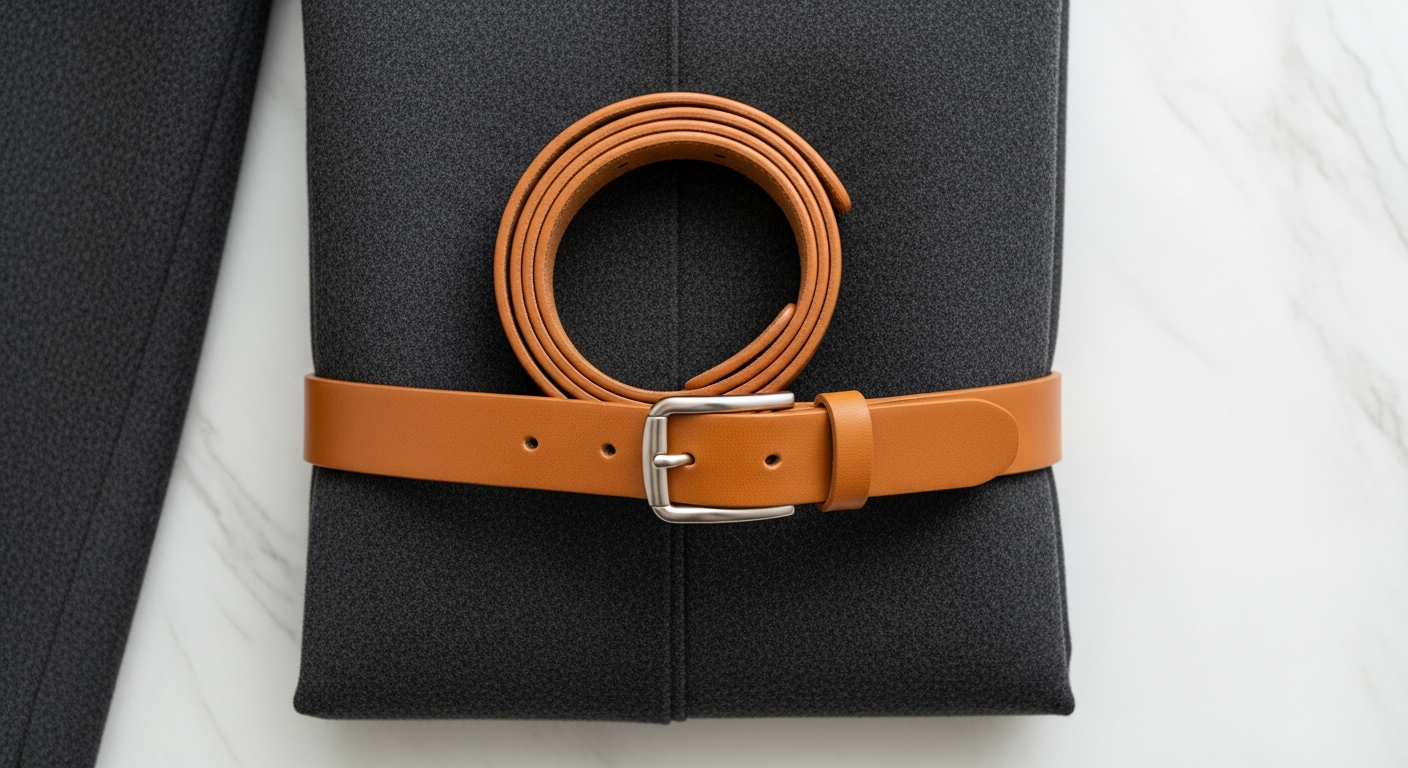
The world of belts is incredibly diverse, offering a style for every occasion, aesthetic, and body type. Understanding the characteristics of each type is crucial for building a versatile collection and choosing the best belts for women for your specific needs. Let’s break down the most popular and essential styles.
-
The Skinny Belt: Subtle Sophistication
- Characteristics: Typically 0.5 to 1 inch wide, often made of leather, vegan leather, or sometimes fabric. They usually feature delicate buckles.
- Best For: Cinching dresses, tunics, oversized blouses, and blazers without overwhelming the garment. Ideal for creating a subtle waist definition or adding a delicate accent. Perfect for those with petite frames or who prefer understated elegance.
- How to Wear: Wrap a skinny belt around the waist of a flowing midi dress to create an hourglass shape. Use it to add definition to a structured blazer, worn open or closed. It’s also excellent for layering over cardigans or lightweight coats.
-
The Medium-Width Belt: The Versatile Workhorse
- Characteristics: Ranging from 1 to 2 inches wide, this is arguably the most common and versatile belt style. Available in a vast array of materials and buckle designs.
- Best For: Everyday wear, jeans, trousers, skirts, and dresses. It strikes a balance, offering good waist definition without being too dramatic or too subtle. Suitable for most body types.
- How to Wear: The classic choice for pairing with jeans and a t-shirt. Use a medium-width leather belt to complete a tailored office look with trousers or a pencil skirt. A woven or braided version can add texture to a casual ensemble.
-
The Wide Belt (or Cinch Belt): The Statement Maker
- Characteristics: Generally 2 inches or wider, sometimes extending to 4-6 inches. Designed to make a significant impact, often featuring prominent buckles or unique textures. Can be elasticized for comfort.
- Best For: Defining the waist over coats, blazers, bulky knitwear, and loose-fitting dresses or tunics. Creates a strong, dramatic silhouette. Works well for curvier figures or those who want to emphasize a tiny waist.
- How to Wear: Cinch a wide belt over an oversized cardigan or a winter coat to create shape. Pair a wide elasticated belt with a flowing maxi dress for a bohemian-chic vibe. Be mindful of your torso length; very wide belts can shorten the appearance of a shorter torso.
-
The Obi Belt: East Meets West Flair
- Characteristics: Inspired by traditional Japanese kimono sashes, obi belts are typically wide in the front and narrow towards the back, often wrapping around the waist multiple times and tying in a knot or bow. Usually made from soft leather or fabric.
- Best For: Adding a sophisticated, artistic touch to simple dresses, tunics, and long blouses. Creates a dramatic, flattering waistline.
- How to Wear: Wrap an obi belt around a simple shift dress or a long, drapey tunic. The soft material allows for creative knotting and draping, adding movement and interest.
-
The Chain Belt: Glamour and Edge
- Characteristics: Made from interconnected metal links, often adorned with charms or embellishments. Can be delicate or chunky.
- Best For: Adding a touch of vintage glamour, edgy appeal, or a subtle sparkle. Less about cinching and more about decoration.
- How to Wear: Drape a delicate chain belt over a simple black dress or high-waisted trousers for a touch of elegance. A chunky chain belt can be worn over a sweater or tunic for a bolder statement, often sitting lower on the hips.
-
The Western Belt: Rustic Charm and Boldness
- Characteristics: Characterized by ornate buckles (often silver-toned with intricate engravings), tooling on the leather, and sometimes conchos.
- Best For: Adding a touch of rugged individualism, bohemian flair, or a nod to current trends. Works well with denim, flowy dresses, and casual outfits.
- How to Wear: Pair a classic western belt with high-waisted jeans and a tucked-in t-shirt. Use it to add an unexpected edge to a floral maxi dress or a simple white shirt.
-
The Woven/Braided Belt: Texture and Interest
- Characteristics: Made from interwoven strips of leather, fabric, or synthetic materials. Often features a buckle that can be fastened through any part of the weave, offering adjustable sizing.
- Best For: Adding texture and a relaxed, artisanal feel to casual outfits. Highly adjustable, making them very comfortable.
- How to Wear: Ideal for casual linen trousers, chino shorts, or a summer dress. A braided leather belt can elevate a simple denim look.
-
The Grommet/Studded Belt: Rebel Chic
- Characteristics: Features metal grommets, studs, or eyelets along the length of the belt, often in leather.
- Best For: Injecting an edgy, rock-and-roll vibe or a touch of punk into an outfit.
- How to Wear: Perfect with ripped jeans, band t-shirts, or to add contrast to a softer, more feminine dress.
When selecting the best belts for women, consider not just the style but also how it complements your existing wardrobe and personal aesthetic. A well-rounded collection will likely include a mix of these styles, allowing for versatility across various outfits and occasions.
Actionable Tip: Build Your Core Belt Collection
To start building a versatile belt collection, prioritize these three styles: a classic medium-width leather belt in black or brown (for everyday versatility), a chic skinny belt (for dresses and blazers), and a statement wide belt (for layering over outerwear or creating a bold silhouette). Once you have these foundations, you can experiment with more specialized styles like western or chain belts to express your unique personality.
What Materials Matter for Belts? Durability, Texture, and Shine for the Best Belts for Women
The material of a belt plays a crucial role not only in its durability and longevity but also in its aesthetic impact. Different materials offer distinct textures, finishes, and levels of formality, influencing how the belt complements an outfit. When seeking the best belts for women, paying attention to material quality is paramount.
-
Genuine Leather: The Timeless Classic
- Characteristics: Durable, supple, and develops a beautiful patina over time. Comes in various finishes (smooth, pebbled, distressed, suede).
- Why It’s Great: Offers superior longevity and resilience. Real leather belts exude quality and sophistication, making them suitable for both casual and formal wear. Full-grain leather is the highest quality, followed by top-grain, corrected-grain, and bonded leather (which is the lowest quality and least durable).
- Styling Impact: A smooth, polished leather belt elevates a professional look. A distressed leather belt adds a rugged, casual vibe. Suede offers a soft, luxurious texture perfect for autumnal outfits.
-
Vegan Leather (Faux Leather): Ethical and Versatile
- Characteristics: Made from synthetic materials (e.g., polyurethane, PVC) designed to mimic the look and feel of real leather. Quality can vary significantly.
- Why It’s Great: A cruelty-free and often more affordable alternative to genuine leather. High-quality vegan leather can be very convincing and durable.
- Styling Impact: Offers the same range of styles and colors as real leather. It’s an excellent choice for trendy pieces or if ethical considerations are a priority. Look for “PU leather” or “apple leather” for more sustainable and better quality options.
-
Fabric/Textile: Casual Comfort and Color Pop
- Characteristics: Includes cotton, canvas, linen, elasticized fabrics, and woven materials. Often more relaxed and colorful.
- Why It’s Great: Comfortable, lightweight, and perfect for adding a casual touch or a burst of color. Often more flexible in terms of fit.
- Styling Impact: A canvas belt with D-rings or a simple buckle is perfect for shorts, chinos, or casual skirts. An elasticized fabric belt can provide comfortable waist definition over a dress. Woven belts add a bohemian or resort-wear feel.
-
Metal: Glamour and Edge
- Characteristics: Chain belts, plated metal plates, or belts with significant metal embellishments. Can be gold, silver, bronze-toned, or feature mixed metals.
- Why It’s Great: Purely decorative, adding shine, texture, and a touch of luxury or edge.
- Styling Impact: A delicate gold chain belt draped over a simple black dress adds instant glamour. A wide metal plate belt cinching a tunic can create a futuristic or high-fashion statement.
-
Exotic Skins: Luxurious and Distinctive (with ethical considerations)
- Characteristics: Belts made from python, crocodile, alligator, or stingray skin. Highly textured and visually unique.
- Why It’s Great: Considered high-luxury items, offering a distinct texture and pattern that elevates an outfit. Often very durable.
- Styling Impact: A python-print belt (real or faux) can add a sophisticated, wild touch to a monochromatic outfit. Best used as a statement piece due to their bold appearance. Always consider the ethical sourcing of such materials.
Beyond the primary material, the buckle itself is a crucial component. Buckles come in various materials (metal, plastic, covered in fabric), shapes (rectangular, round, oval, abstract), and finishes (polished, matte, antiqued). A statement buckle can be the focal point of your outfit, while a subtle buckle allows the belt’s material or the outfit itself to shine. When selecting the best belts for women, always consider the interplay between the belt’s material and its buckle to ensure a cohesive and stylish accessory.
Actionable Tip: Match Your Metals (or Strategically Mix)
A classic styling rule is to match your belt buckle’s metal finish (gold, silver, rose gold) to your other jewelry or hardware on your handbag/shoes. This creates a polished, cohesive look. However, for a more modern and fashion-forward approach, don’t shy away from strategically mixing metals. For example, a silver-buckled belt can look edgy with gold jewelry, especially if other elements in your outfit bridge the two tones.
The Art of Styling: How to Wear the Best Belts for Women
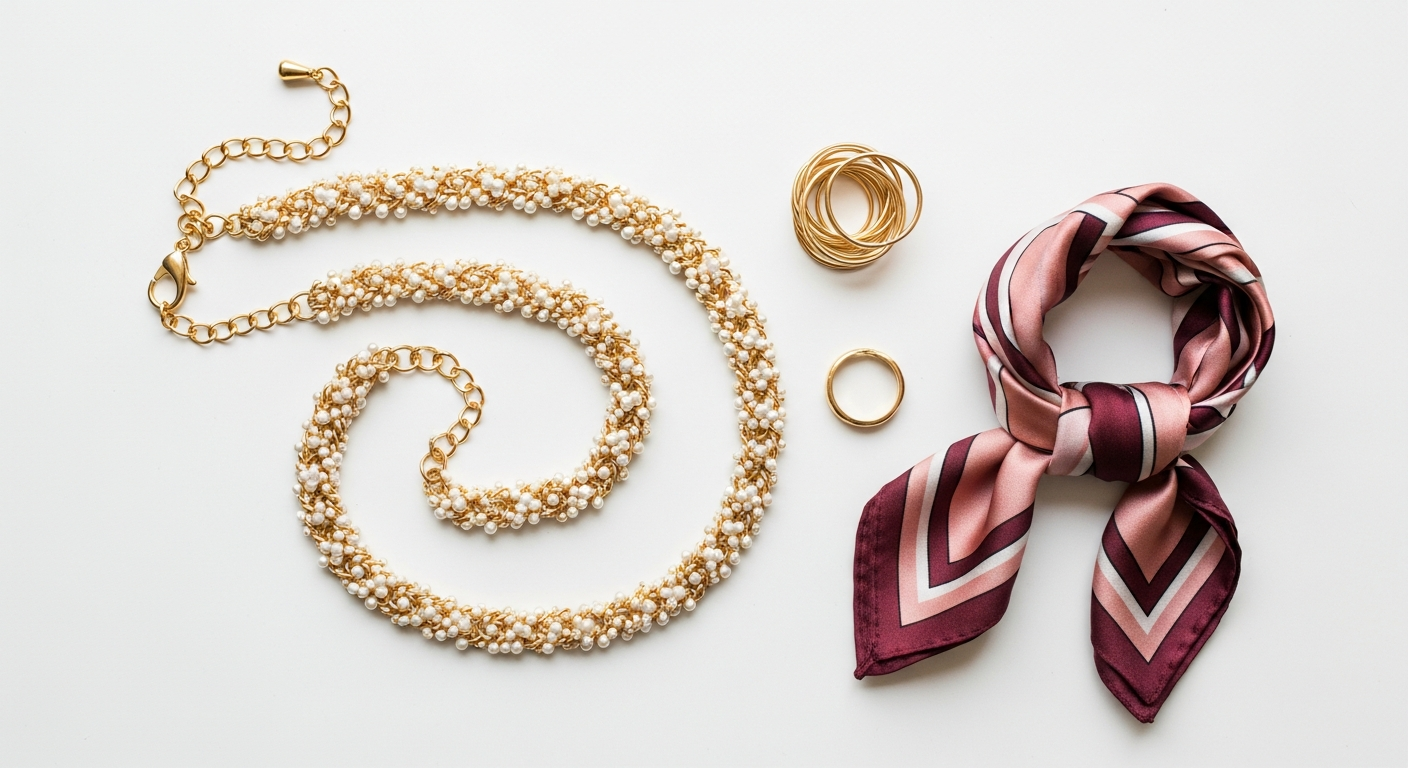
Now that we’ve explored the diverse styles and materials, let’s dive into the practical art of wearing belts. A belt’s magic lies not just in its individual beauty but in how it’s integrated into an outfit. Mastering these styling techniques will unlock the full potential of the best belts for women in your wardrobe.
-
Over Dresses and Skirts: Defining Your Silhouette
- Flowing Maxi/Midi Dresses: A medium-width or skinny belt at the natural waist can transform a loose dress into a defined silhouette. For a boho vibe, try a woven or braided belt. For more structure, opt for leather.
- Shift or A-Line Dresses: A wide cinch belt can create an hourglass shape, adding curves where they might not naturally exist. For a more subtle effect, a skinny belt positioned slightly above the natural waist can also work wonders.
- Skirts: For high-waisted skirts (pencil, A-line), tuck in your top and add a belt to emphasize the waist. For lower-waisted skirts, a medium-width belt can bridge the gap between your top and the skirt, creating a cohesive look.
- Styling Tip: When belting a dress, consider the dress’s fabric. A heavy knit might call for a wider, more substantial belt, while a delicate silk slip dress would pair better with a thin chain or skinny belt.
-
With Trousers and Jeans: The Foundation of Your Look
- High-Waisted Jeans/Trousers: These are a belt’s best friend. A classic medium-width leather belt (black, brown, or tan) is ideal. Consider a western belt for a fashion-forward casual look. Ensure your top is tucked in (fully or partially) to showcase the belt.
- Mid-Rise Jeans/Trousers: A versatile option. Match the belt’s formality to your overall outfit. A studded belt for an edgy look, a woven belt for a relaxed weekend outfit.
- Low-Rise Jeans/Trousers: While less common now, if you wear them, a delicate chain belt or a thin, decorative belt can sit perfectly on the hips without being functional.
- Styling Tip: For a monochromatic outfit (e.g., all black), use a belt in a contrasting color or texture (e.g., a tan leather belt) to break up the line and add visual interest.
-
Over Outerwear and Layers: Adding Structure and Polish
- Blazers: Cinching a blazer at the waist with a medium-width or wide belt is a power move. It instantly elevates the blazer, making it feel more tailored and fashion-forward. This works particularly well with oversized or boxy blazers.
- Coats: A wide belt over a winter coat (especially an unfitted one) can create a chic, defined silhouette. It’s a fantastic way to update an older coat or make a statement.
- Cardigans and Sweaters: Belt a long, open cardigan or a bulky knit sweater at the waist to add shape and prevent a shapeless look. Skinny or medium-width belts often work best here, depending on the thickness of the knit.
- Styling Tip: When belting outerwear, ensure the belt is substantial enough to hold the fabric without bunching excessively. Leather or a firm fabric belt works best.
-
Creative Knotting and Draping: Beyond the Buckle
- The Simple Knot: For longer, narrower belts, instead of using the buckle, pass the end through the loop and tie a simple knot. This creates a relaxed, effortless vibe.
- The Double Wrap: If you have a long skinny belt, wrap it around your waist twice before buckling or knotting. This adds dimension and can make a simple belt feel more luxurious.
- The Loose Drape: For decorative belts (like chain belts) or extra-long belts, let them hang slightly loose, or even let the end trail for a deliberate, stylized effect. This is more about adornment than cinching.
- Styling Tip: Experiment with different knot styles – a square knot, a half-bow, or a simple loop – to add a unique touch to your outfit.
-
Color and Texture Play: A Touch of Personality
- Pop of Color: Use a brightly colored belt to inject vibrancy into a neutral outfit. This is an easy way to incorporate current color trends without committing to a full garment.
- Texture Contrast: Pair a smooth leather belt with a chunky knit, or a woven belt with a silky dress. Contrasting textures add depth and interest to your look.
- Monochromatic Magic: For a sophisticated, elongated look, choose a belt that matches the color of your garment or is in a very similar tone. This creates a seamless line.
- Styling Tip: Don’t be afraid to mix and match. A belt doesn’t always have to perfectly match your shoes or bag. Instead, think about how it harmonizes with the overall color palette and mood of your outfit.
The key to mastering belt styling is experimentation. Play with different placements (at the natural waist, slightly higher, lower on the hips), buckle sizes, and belt widths. Pay attention to how a belt alters your proportions and the overall feel of your ensemble. With practice, you’ll intuitively know which of the best belts for women will complete and elevate any given outfit.
How to Size Up Belts: Getting the Right Fit Every Time for Your Best Belts for Women
One of the most common pitfalls when purchasing belts is choosing the wrong size. A perfectly stylish belt loses its appeal if it’s too tight, too loose, or doesn’t sit correctly. Unlike clothing sizes, belt sizing can be a bit counter-intuitive, often based on waist measurements rather than standard numeric sizes. Here’s how to ensure you get the best fit for the best belts for women.
Understanding Belt Sizing
Most women’s belts are sized in one of three ways:
- By Waist Measurement (in inches): This is the most accurate method. The size number (e.g., 30, 32, 34) typically corresponds to the measurement from the buckle’s pin to the middle hole of the belt.
- By Standard Clothing Sizes (S, M, L): Less precise, as clothing sizes vary between brands. A size chart will usually correlate these to actual waist measurements.
- By Total Length: Less common for women’s belts, but some brands list the full length of the belt.
How to Measure Yourself for a Belt
-
For Waist-Worn Belts (most common):
- Put on the pair of pants, skirt, or dress you intend to wear the belt with.
- Thread a flexible tape measure through the belt loops, or around the part of your waist where the belt will sit (e.g., natural waist, high waist).
- Note the measurement in inches.
- Rule of Thumb: Add 2-4 inches to this measurement. This accounts for the belt needing to go over fabric and ensures there’s enough length to pass through the buckle and have a comfortable “tail.” So, if your measurement is 30 inches, you’d likely look for a belt size 32 or 34.
-
For Hip-Worn Belts:
- Measure around your hips where you intend the belt to sit, typically lower than your natural waist.
- Again, add 2-4 inches to this measurement for comfort and style.
-
Using an Existing Belt:
- Lay flat a belt that fits you well.
- Measure from the end of the buckle (where the pin begins) to the hole you typically use. This measurement should be close to your actual waist/hip measurement for that specific garment.
- Use this number to compare against brand-specific sizing charts or to inform your new belt purchase.
Key Considerations for Fit
- The “Tail” Length: Ideally, when fastened in the middle hole, the belt’s “tail” (the part extending beyond the buckle) should extend a few inches past the first belt loop on your pants or dress, but not so long that it wraps around your side. Too long looks messy; too short looks strained.
- Multiple Holes: Aim for a belt that fastens comfortably in the middle hole. This gives you flexibility to tighten or loosen it depending on the garment you’re wearing, or if your weight fluctuates slightly.
- Stretchy Belts: For elasticized or fabric belts designed to cinch, you might want to opt for a slightly smaller size to ensure it provides adequate tension and definition.
- Width Matters: A wide belt over a thick sweater will need more length than a skinny belt over a thin dress. Always account for the bulk of the clothing underneath.
- Brand Variation: Always consult the brand’s specific sizing chart if available, as sizing can differ. When in doubt, it’s often better to size up slightly, as it’s easier to add an extra hole than to make a belt longer.
Getting the size right is fundamental for a belt to look its best and feel comfortable. A well-fitting belt not only enhances your outfit but also feels good to wear, making it a true asset in your collection of the best belts for women.
Actionable Tip: How to Add a Hole (Carefully!)
If your belt is slightly too large, you can carefully add an extra hole. Use a specialized leather punch tool (available at craft stores or online) for a clean, professional finish. If you don’t have one, a nail and a hammer can work in a pinch, but be very precise and place the belt on a sturdy, protective surface like a block of wood. Position the new hole exactly equidistant from the existing holes for a balanced look.
What Are the Best Investment Belts for Women?
While fast fashion offers quick trend fixes, investing in high-quality belts is a strategy that pays dividends in longevity, versatility, and enduring style. The best belts for women aren’t just about brand names; they’re about superior craftsmanship, durable materials, and timeless design that will elevate your wardrobe for years to come. Here, we outline the types of investment belts worth considering and what makes them stand out.
-
The Classic Black Leather Belt with Minimalist Hardware
- Why It’s an Investment: This is the cornerstone of any sophisticated wardrobe. A well-made black leather belt, often 1-1.5 inches wide, with a discreet silver or gold buckle, is endlessly versatile. It transitions seamlessly from office wear to casual chic, always adding a touch of polish. Look for full-grain or top-grain leather for maximum durability.
- What to Look For: Solid brass buckle (often plated), smooth or subtly textured leather, neatly finished edges (painted or folded), and robust stitching.
- Styling Potential: The ultimate chameleon. Pair it with tailored trousers, dark-wash jeans, or to cinch a monochrome dress. It’s the silent workhorse that pulls countless outfits together.
-
The Rich Tan/Brown Leather Belt with Substantial Buckle
- Why It’s an Investment: A warm-toned brown or tan leather belt offers a slightly softer, more approachable alternative to black, while still being incredibly versatile. A more substantial buckle (perhaps a classic rectangle or an oval shape) can add character without being overly ostentatious. This belt often develops a beautiful patina with age.
- What to Look For: High-quality aniline or semi-aniline leather that showcases the natural grain, sturdy hardware, and impeccable craftsmanship.
- Styling Potential: Perfect with blue jeans, cream linen trousers, or to add warmth to a white dress. It often pairs beautifully with gold-toned jewelry and earthy palettes.
-
The Statement Wide Cinch Belt (Leather or High-Quality Elastic)
- Why It’s an Investment: A dramatic wide belt isn’t just for trends; a well-designed one can define your figure and transform silhouettes for years. Look for one in a classic color (black, deep red, or a rich jewel tone) with architectural or minimalist hardware. A high-quality elasticized version will maintain its stretch and shape.
- What to Look For: Premium leather that holds its shape, or a robust elastic with a luxurious feel. The buckle or fastening mechanism should be secure and well-integrated into the design.
- Styling Potential: Cinch it over oversized blazers, winter coats, chunky knit dresses, or flowing tunics to create an instant hourglass. It’s an outfit-maker in itself.
-
The Designer Logo Belt (Subtle or Bold)
- Why It’s an Investment: A belt from a reputable designer can be a true investment, not just in brand appeal but often in the superior quality of materials and construction. Whether you opt for a subtle logo buckle or a more overt one, these pieces are often crafted to last and hold their value.
- What to Look For: Research brands known for their leather goods and enduring designs (e.g., Hermes, Gucci, Saint Laurent, Fendi for luxury; Coach, Michael Kors, Kate Spade for premium contemporary). Verify authenticity and inspect the quality of the leather, stitching, and hardware.
- Styling Potential: Can instantly elevate a simple denim-and-t-shirt look, add a touch of luxury to tailored separates, or provide a recognizable statement when worn over a minimalist dress. Explore our collection of designer belts.
-
The Distinctive Woven or Braided Leather Belt
- Why It’s an Investment: A finely crafted woven or braided leather belt offers textural interest and a relaxed sophistication that mass-produced versions often lack. The intricate craftsmanship ensures durability and a unique aesthetic.
- What to Look For: Evenly woven, supple leather that doesn’t fray. The buckle should complement the artisanal feel of the weave.
- Styling Potential: Adds a touch of bohemian chic to summer dresses, elevates casual linen pants, or brings a rustic charm to tailored shorts. Its adjustability is also a practical benefit.
When selecting investment pieces, think about your personal style, the colors that dominate your wardrobe, and the types of outfits you wear most often. The goal is to choose belts that you will genuinely use and cherish for years, rather than pieces that gather dust in your closet. The best belts for women are those that combine impeccable quality with timeless appeal, offering endless possibilities for elevating your style.
Actionable Tip: Prioritize Versatility and Quality Over Quantity
Instead of owning many cheap, flimsy belts that quickly wear out, focus on acquiring a few high-quality, versatile pieces. A well-chosen black leather belt and a brown one can cover a vast array of styling needs. Supplement with one or two statement belts in premium materials. This “less is more, but better” approach ensures your belt collection remains chic and functional for the long haul.
How to Care for Your Belts: Ensuring Longevity and Luster
To ensure your investment belts, especially the best belts for women crafted from quality materials, last for years and maintain their aesthetic appeal, proper care is essential. Neglecting your belts can lead to cracking, stretching, tarnishing, and premature wear. Here’s how to keep your belts in pristine condition.
-
Proper Storage: Prevent Bending and Creasing
- Hang Them Up: The ideal way to store leather belts is to hang them. Use specialized belt hangers, S-hooks, or even strong clothes hangers. This prevents creasing, bending, and deformation that can occur when belts are folded or piled.
- Roll Them Loosely: If hanging isn’t an option, roll your belts loosely (don’t fold tightly) and store them in a drawer. Ensure they’re not squashed or weighed down by other items.
- Protect from Light and Dust: Store belts away from direct sunlight, which can fade and dry out leather. Keep them in a relatively dust-free environment. For very delicate or high-value belts, consider individual dust bags.
- Avoid Over-Stuffing: Give your belts room to breathe. Over-stuffing a drawer or closet can lead to friction and damage.
-
Cleaning and Conditioning: Nurturing the Material
- Leather Belts:
- Wipe Down: Regularly wipe leather belts with a soft, damp cloth to remove surface dirt.
- Condition: Every few months (or more frequently if used often or in dry climates), apply a small amount of high-quality leather conditioner. This moisturizes the leather, preventing it from drying out and cracking. Always test on an inconspicuous area first.
- Avoid Water Saturation: If a leather belt gets wet, blot it dry immediately with a clean cloth and let it air dry completely, away from direct heat. Do not use a hairdryer.
- Vegan Leather Belts:
- Wipe Down: Usually easier to clean. Wipe with a damp cloth and mild soap if needed.
- Avoid Harsh Chemicals: Do not use leather conditioners or harsh chemical cleaners, as these can damage the synthetic material.
- Fabric Belts:
- Spot Clean: Spot clean with mild soap and water. For woven belts, a soft brush can help remove dirt from crevices.
- Machine Wash (if applicable): Check the care label. Some sturdy canvas belts might be machine washable on a delicate cycle, but most are best hand-washed.
- Metal Belts:
- Wipe Gently: Wipe metal buckles and chain belts with a soft, dry cloth to remove fingerprints and prevent tarnish.
- Polish (if needed): For tarnished silver or brass, use a specialized metal polish as directed, being careful to avoid getting it on any leather components.
- Leather Belts:
-
Handling and Use: Gentle Habits
- Avoid Over-Tightening: Constantly over-tightening your belt puts stress on the leather and the holes, leading to stretching and tearing. Ensure you’ve chosen the correct size.
- Fasten Carefully: Be gentle when pushing the pin through the belt hole. Forcing it can enlarge or damage the hole.
- Rotate Your Belts: If you have a few favorite belts, rotate their use. This gives each belt a break and prevents any single one from wearing out too quickly.
- Professional Repair: For significant damage (e.g., broken stitching, damaged buckle), consider taking your belt to a leather repair specialist. Many high-quality belts are worth the investment in professional repair.
By integrating these simple care practices into your routine, your collection of the best belts for women will not only look fantastic but will also serve as durable, stylish accessories that stand the test of time, proving their worth as truly valuable investment pieces.
Conclusion: Cinch Your Style with Confidence
From the subtle sophistication of a skinny belt to the bold statement of a wide cinch, and from the timeless elegance of genuine leather to the edgy appeal of a chain, belts are undeniably one of the most powerful and versatile accessories in a woman’s wardrobe. They are not merely functional; they are transformative tools that can define your silhouette, inject personality, and elevate an outfit with an unparalleled sense of polish and intention.
We’ve journeyed through the diverse landscape of belt styles, explored the impact of various materials, demystified the art of styling, provided essential sizing tips, and highlighted the value of investing in quality pieces. The knowledge you’ve gained about the best belts for women empowers you to make thoughtful choices that reflect your personal style and enhance your existing garments.
Remember, the perfect belt isn’t just an accessory; it’s an extension of your style narrative. It’s about confidence, proportion, and the subtle art of tying an entire look together. Don’t underestimate its power. Start experimenting, playing with different placements, and discovering how these humble yet mighty accessories can redefine your fashion repertoire.
Ready to elevate your look? Explore our curated collections and discover the perfect belt to cinch your style today!
Frequently Asked Questions