
By Sarah Davis, Licensed Esthetician & Skincare Expert
Published by FashionGoggled | Last Updated: July 26, 2024
Disclaimer: Product recommendations are based on expert analysis and widely recognized efficacy. Always consult a dermatologist for severe or persistent acne conditions.
Clear Skin Heroes: The Best Face Masks for Acne-Prone Skin in 2026
Understanding Acne-Prone Skin: Why Masks Are Essential
Before diving into product recommendations, it’s crucial to understand the underlying mechanisms of acne. Acne vulgaris is a common skin condition that occurs when hair follicles become clogged with oil (sebum) and dead skin cells. This creates a fertile breeding ground for bacteria, particularly Propionibacterium acnes (now often referred to as Cutibacterium acnes), leading to inflammation, redness, and the formation of pimples, blackheads, whiteheads, and cysts. Several factors contribute to acne, including hormonal fluctuations, genetics, diet, stress, and certain medications.
For acne-prone skin, a targeted approach is vital, and this is where face masks shine. Unlike daily cleansers or serums, masks are typically left on the skin for an extended period, allowing their active ingredients more time to penetrate and work their magic. This prolonged contact maximizes efficacy, providing a concentrated burst of treatment that can address multiple concerns simultaneously. Face masks can effectively:
- Deep Cleanse Pores: Ingredients like clay and charcoal draw out impurities, excess oil, and debris from deep within the pores, preventing blockages.
- Exfoliate Dead Skin Cells: Chemical exfoliants (AHAs, BHAs) gently slough away dead skin cells, promoting cell turnover and preventing them from clogging follicles.
- Reduce Inflammation: Soothing ingredients calm irritated skin, minimizing redness and discomfort associated with active breakouts.
- Kill Acne-Causing Bacteria: Certain antibacterial agents directly target and neutralize the bacteria responsible for infection.
- Regulate Sebum Production: Some masks help to balance oil glands, reducing overall greasiness and shine.
- Hydrate and Repair: While often overlooked, proper hydration is key even for oily skin, as it helps maintain the skin barrier and prevents compensatory oil production from dryness.
Incorporating the right face masks into your routine isn’t just a treat; it’s a strategic move to manage and prevent future breakouts, fostering a healthier, clearer complexion from the inside out.
The Core Ingredients to Look for in the Best Face Masks for Acne
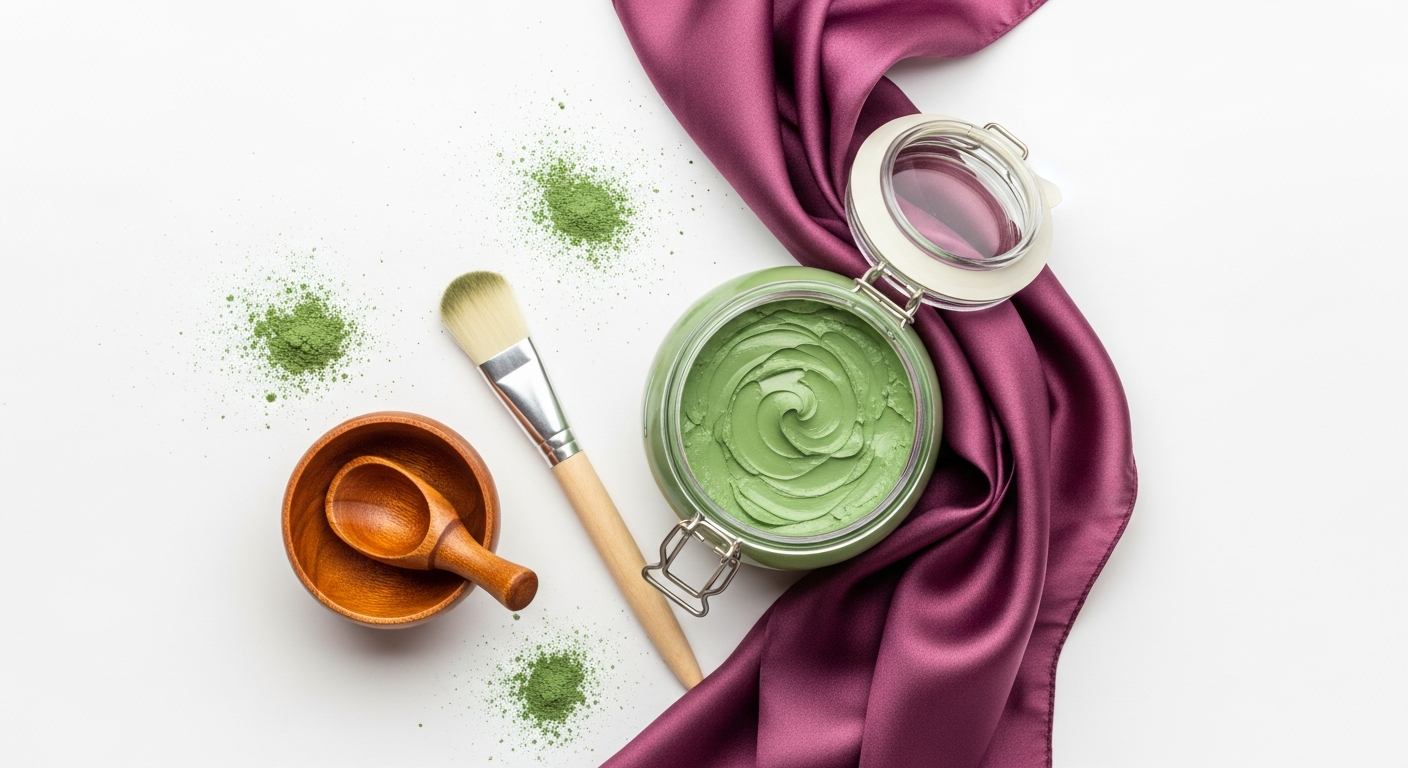
When selecting the best face masks for acne, familiarity with key active ingredients is your most powerful tool. Each component plays a specific role in combating acne, and understanding their functions will empower you to choose products tailored to your skin’s unique needs. Here are the heroes you should seek out on ingredient labels:
Salicylic Acid (BHA)
What it does: A beta-hydroxy acid (BHA), salicylic acid is oil-soluble, meaning it can penetrate through sebum and into the pore lining. This allows it to effectively exfoliate within the pore, dissolving dead skin cells and excess oil that contribute to blackheads, whiteheads, and mild breakouts. It also has anti-inflammatory properties.
Ideal for: Blackheads, whiteheads, congested pores, and mild inflammatory acne.
Tip: Concentrations typically range from 0.5% to 2%. Start with lower concentrations if you have sensitive skin.
Benzoyl Peroxide
What it does: A powerful antibacterial agent, benzoyl peroxide works by introducing oxygen into the pore, which kills the anaerobic C. acnes bacteria. It also has a mild exfoliating effect, helping to shed dead skin cells.
Ideal for: Inflammatory acne (red, pus-filled pimples) due to its bactericidal action.
Tip: Can be drying and irritating. Start with lower concentrations (2.5% or 5%) and apply as a spot treatment or short-contact mask to minimize side effects.
Clay (Kaolin, Bentonite, French Green Clay)
Ideal for: Oily skin, congested pores, blackheads, and general detoxification.
Tip: Bentonite clay is highly absorbent, great for very oily skin. Kaolin is gentler, suitable for sensitive types. French Green Clay offers a balance of absorption and mineral content.
Tea Tree Oil
Ideal for: Mild to moderate inflammatory acne, particularly as a soothing agent.
Tip: Always use diluted tea tree oil, as pure forms can be irritating. Look for masks where it’s formulated in appropriate concentrations.
Niacinamide (Vitamin B3)
What it does: A multi-tasking ingredient, niacinamide helps reduce inflammation, regulate sebum production, improve skin barrier function, and minimize the appearance of pores. It’s often praised for its gentle yet effective nature.
Ideal for: All acne types, especially sensitive or inflamed skin, and for general skin health and barrier repair.
Tip: Look for masks with 2-5% niacinamide. It pairs well with most other acne treatments.
Sulfur
What it does: Sulfur is a natural element with keratolytic (exfoliating), antibacterial, and anti-inflammatory properties. It helps to dry out blemishes and reduce excessive oiliness.
Ideal for: Spot treatments, whiteheads, and mild to moderate inflammatory acne.
Tip: It can have a distinctive smell and be slightly drying. Often used in conjunction with other ingredients.
Hyaluronic Acid & Glycerin
What it does: While not direct acne fighters, these humectants are vital for counteracting the drying effects of active acne ingredients. They draw moisture into the skin, keeping it hydrated, plump, and supporting a healthy skin barrier, which is crucial for overall skin health and healing.
Ideal for: All skin types, especially when using other potentially drying acne treatments.
Tip: Don’t skip hydration! A well-hydrated skin barrier is better equipped to fight breakouts and recover.
Centella Asiatica (Cica)
What it does: A botanical extract known for its powerful soothing, healing, and anti-inflammatory properties. Cica helps calm irritated skin, reduce redness, and promote wound healing, making it excellent for post-acne recovery.
Ideal for: Inflamed, irritated, or compromised skin barrier, and for reducing post-inflammatory erythema (PIE).
Tip: Excellent for pairing with more active ingredients to mitigate potential irritation.
When you’re perusing labels for the best face masks for acne, prioritize formulations that combine these synergistic ingredients to address multiple concerns simultaneously. For instance, a clay mask with added salicylic acid and niacinamide would be a power player for oily, congested, and inflamed skin.
Top Picks for Clay Masks: The Oil & Impurity Magnets
Clay masks have been a cornerstone of skincare for centuries, and for good reason. Their exceptional ability to absorb excess sebum and draw out impurities makes them indispensable for anyone battling breakouts. In 2026, formulations have become even more sophisticated, combining various clays with targeted botanical extracts and gentle exfoliants to provide a multi-benefit treatment. When considering the best face masks for acne that focus on oil control and detoxification, clay masks are often the first port of call.
Deep Dive into Clay Types:
- Bentonite Clay: Formed from volcanic ash, bentonite is highly absorbent and excellent for extremely oily skin. It has a strong negative charge, which helps it draw out positively charged toxins and heavy metals. When mixed with water, it expands like a porous sponge.
- Kaolin Clay: A milder clay, often white or pink, suitable for sensitive or drier acne-prone skin. It still absorbs oil but isn’t as intensely detoxifying as bentonite, making it less likely to strip the skin.
- French Green Clay (Illite Clay): Known for its vibrant green color due to its iron oxide and decomposed plant matter content. It has excellent absorbent properties, making it ideal for congested and oily skin, while also stimulating circulation.
Our Top Clay Mask Recommendations for 2026:
1. AuraClay Deep Pore Detox Mask (with Bentonite & Green Tea Extract)
- Key Ingredients: Bentonite Clay, Moroccan Lava Clay, Green Tea Extract, Salicylic Acid (0.5%).
- Why it’s a hero: This mask is a powerhouse for tackling severe oiliness and stubborn congestion. The combination of bentonite and Moroccan lava clay provides unparalleled drawing power, visibly reducing pore size and extracting impurities. Green Tea Extract offers antioxidant benefits and helps soothe inflammation, while a touch of salicylic acid provides mild exfoliation to prevent future blockages. Users report a significant reduction in blackheads and a noticeably mattified complexion after just a few uses.
- Best for: Very oily, congested skin prone to blackheads and enlarged pores.
2. GentleBloom Pink Clay Radiance Mask (with Kaolin & Rosehip Oil)
- Key Ingredients: Kaolin Clay, Pink Clay (Illite), Rosehip Oil, Niacinamide.
- Why it’s a hero: For those with sensitive or combination acne-prone skin who find stronger clays too harsh, the GentleBloom mask is a revelation. Its blend of kaolin and pink clay gently purifies without stripping the skin of essential moisture. Rosehip Oil, rich in vitamins and fatty acids, aids in skin regeneration and helps fade post-inflammatory hyperpigmentation (PIH), while niacinamide calms redness and refines skin texture. It leaves the skin feeling soft, balanced, and radiant, not tight or dry.
- Best for: Sensitive, combination, or dry acne-prone skin seeking gentle purification and improved radiance.
3. UrbanDefense French Clay & Probiotic Mask (with Illite & Prebiotics)
- Key Ingredients: French Green Clay, Zinc PCA, Prebiotic Complex (Oligosaccharides).
- Why it’s a hero: This innovative mask takes clay purification a step further by incorporating skin barrier support. French Green Clay powerfully absorbs excess sebum and detoxifies, while Zinc PCA helps regulate oil production and offers anti-inflammatory benefits. The star, however, is the prebiotic complex, which nurtures the skin’s microbiome, strengthening its natural defenses against acne-causing bacteria and environmental stressors. It’s ideal for urban dwellers facing pollution-induced breakouts.
- Best for: Oily, breakout-prone skin, especially those concerned with environmental damage and maintaining a healthy skin barrier.
Practical Tip for Clay Masks:
While incredibly effective, over-drying your skin with clay masks can trigger compensatory oil production, worsening acne. Limit usage to 1-2 times per week. Apply an even layer, and remove it before it completely dries and cracks – typically after 10-15 minutes. Always follow with a hydrating toner, serum, and non-comedogenic moisturizer to replenish moisture and soothe the skin.
Exfoliating & Purifying Masks: Salicylic Acid & BHAs Reign Supreme
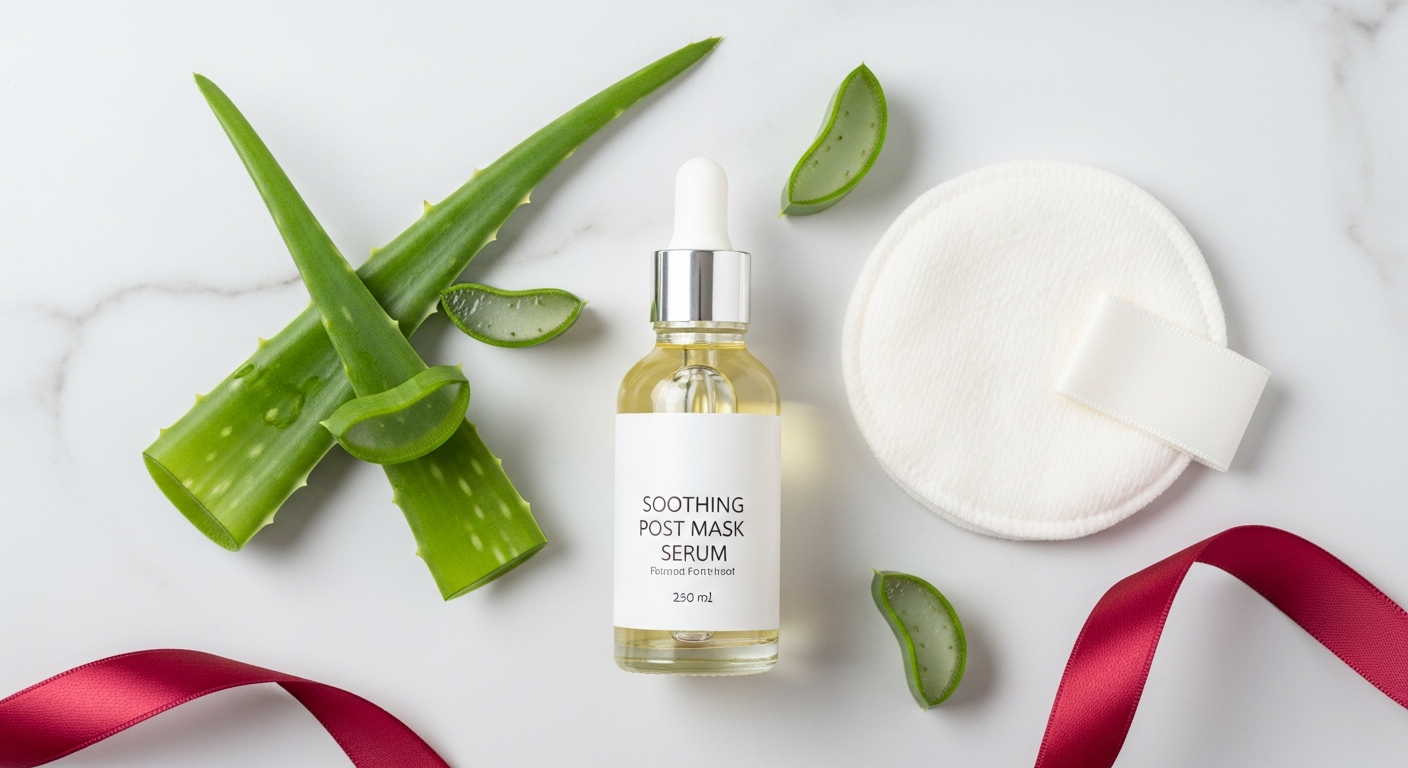
Exfoliation is a cornerstone of effective acne treatment. By removing dead skin cells and clearing out congested pores, exfoliating masks pave the way for clearer, smoother skin and prevent new breakouts from forming. Among the various types of exfoliants, Beta-Hydroxy Acids (BHAs), particularly Salicylic Acid, stand out as champions for acne-prone skin due to their unique oil-soluble properties. When searching for the best face masks for acne that target deep-seated clogs, look no further than BHA-infused formulas.
The Power of Salicylic Acid:
Other Exfoliating Acids to Consider (in lower concentrations for masks):
- Glycolic Acid (AHA): An alpha-hydroxy acid that works on the skin’s surface to loosen dead skin cells. While primarily water-soluble, lower concentrations can be beneficial for improving skin texture and fading post-acne marks, especially when combined with BHAs.
- Mandelic Acid (AHA): A larger molecular weight AHA, making it gentler than glycolic acid. It’s also known for its antibacterial properties and is often well-tolerated by sensitive acne-prone skin.
Our Top Exfoliating Mask Recommendations for 2026:
1. PorePerfect BHA Power Mask (2% Salicylic Acid & Zinc PCA)
- Key Ingredients: 2% Salicylic Acid, Zinc PCA, Willow Bark Extract, Green Tea Extract.
- Why it’s a hero: This mask is engineered for maximum pore purification. With a clinical-strength 2% salicylic acid, it dives deep to dissolve sebum plugs and debris, making it incredibly effective against blackheads and whiteheads. Zinc PCA helps control oil production and reduce bacterial proliferation, while willow bark extract (a natural source of salicylates) and green tea extract provide soothing anti-inflammatory benefits. Expect a tingling sensation, followed by noticeably clearer, smoother skin.
- Best for: Persistent blackheads, whiteheads, moderate congestion, and oily skin types.
2. ClearSkin AHA/BHA Resurfacing Mask (with Mandelic & Salicylic Acid)
- Key Ingredients: Mandelic Acid (5%), Salicylic Acid (1%), Lactic Acid, Hyaluronic Acid.
- Why it’s a hero: A balanced yet powerful option for those seeking both pore purification and overall skin texture improvement. The combination of Mandelic and Salicylic Acids works synergistically: Mandelic acid gently exfoliates the surface, addresses post-inflammatory hyperpigmentation, and has antibacterial properties, while salicylic acid deep cleanses pores. Lactic acid adds hydration and mild exfoliation. The inclusion of hyaluronic acid ensures the skin remains hydrated and comfortable, preventing excessive dryness.
- Best for: Acne-prone skin with uneven texture, mild breakouts, and concerns about post-acne marks, including sensitive types who need gentler exfoliation.
3. Detoxify & Renew Overnight BHA Mask (with Micro-encapsulated Salicylic Acid)
- Key Ingredients: Micro-encapsulated Salicylic Acid (1.5%), Niacinamide, Squalane.
- Why it’s a hero: For a hands-off approach to continuous exfoliation, this overnight mask is a game-changer. The micro-encapsulated salicylic acid provides a slow, sustained release of the active ingredient, minimizing irritation while working throughout the night to keep pores clear. Niacinamide reduces inflammation and redness, while squalane provides lightweight, non-comedogenic hydration, ensuring you wake up to calmer, clearer, and more balanced skin without feeling stripped.
- Best for: Consistent, mild to moderate breakouts, sensitive skin that reacts to strong exfoliants, and those who prefer overnight treatments.
Practical Tip for Exfoliating Masks:
Chemical exfoliants increase your skin’s sensitivity to the sun. Always use a broad-spectrum SPF 30+ daily, especially the day after using an exfoliating mask. Start with once a week to assess skin tolerance, gradually increasing to twice a week if your skin responds well. Avoid using other strong exfoliants (physical scrubs, retinoids) on the same day to prevent over-exfoliation and irritation.
Soothing & Healing Masks: Calming the Storm
Acne isn’t just about clogged pores; it’s also profoundly about inflammation. Redness, irritation, and discomfort are hallmark signs of active breakouts, and neglecting this aspect can exacerbate acne and prolong healing. Incorporating soothing and healing masks into your routine is crucial for calming angry blemishes, reducing redness, and fostering an environment where your skin can recover. In your search for the best face masks for acne, don’t overlook those designed to bring peace to your complexion.
Why Soothing is Essential:
- Reduces Redness and Swelling: Directly tackles the visible signs of inflammation.
- Prevents Post-Inflammatory Erythema (PIE) & Hyperpigmentation (PIH): By calming inflammation, you can significantly reduce the likelihood of lingering red or dark marks after a breakout.
- Supports Skin Barrier Repair: Many soothing ingredients also aid in strengthening the skin’s natural protective barrier, making it more resilient against future irritants.
- Provides Comfort: Relieves the itching, stinging, or tenderness often associated with active acne.
Key Soothing & Healing Ingredients:
- Niacinamide: As discussed, it’s a powerful anti-inflammatory and barrier-strengthening ingredient.
- Centella Asiatica (Cica): Known for its exceptional wound-healing, anti-inflammatory, and antioxidant properties. It’s a favorite in Korean skincare for calming irritated skin and promoting recovery.
- Aloe Vera: A classic botanical with anti-inflammatory, soothing, and hydrating benefits.
- Colloidal Oatmeal: Contains avenanthramides, compounds that reduce redness and irritation, often used in products for eczema and sensitive skin.
- Allantoin: Derived from the comfrey plant, it’s a gentle yet effective skin protectant with soothing and moisturizing properties.
- Hyaluronic Acid & Glycerin: Essential humectants that provide much-needed hydration without clogging pores, supporting a healthy skin barrier.
Our Top Soothing & Healing Mask Recommendations for 2026:
1. DermaCalm Cica Sheet Mask (with Niacinamide & Cica Complex)
- Key Ingredients: Centella Asiatica Extract (madecassoside, asiaticoside), Niacinamide, Panthenol (Vitamin B5), Ceramide Complex.
- Why it’s a hero: This bio-cellulose sheet mask is a true emergency rescue for inflamed skin. Saturated with a potent Cica complex, it immediately calms redness and irritation. Niacinamide works to reduce post-inflammatory marks, while Panthenol and Ceramides focus on repairing and strengthening the compromised skin barrier. The sheet mask format ensures even delivery and provides a cooling sensation, making it incredibly comforting post-breakout or after a harsh day.
- Best for: Active, inflamed breakouts, sensitive skin that flares easily, and reducing post-acne redness.
2. HydroHeal Overnight Acne Recovery Mask (with Ceramides & Allantoin)
- Key Ingredients: Allantoin, Ceramides, Squalane, Colloidal Oatmeal, Licorice Root Extract.
- Why it’s a hero: This luxurious cream-gel mask works its magic while you sleep. Designed to nourish and repair, it features a rich blend of ceramides and squalane to rebuild the skin barrier, essential for preventing moisture loss and protecting against irritants. Allantoin and colloidal oatmeal provide profound soothing, while licorice root extract helps calm redness and brighten the complexion. You wake up to visibly calmer, more supple, and less angry-looking skin.
- Best for: Irritated, compromised skin barrier, after active acne treatments, or for preventing and fading post-inflammatory marks.
3. Botanical Rescue Gel Mask (with Aloe Vera & Blue Tansy)
- Key Ingredients: Aloe Vera, Blue Tansy Oil, Hyaluronic Acid, Willow Herb Extract.
- Why it’s a hero: A refreshing gel mask that’s perfect for instant relief. Aloe vera and blue tansy oil are powerful anti-inflammatory agents that work in tandem to quickly reduce redness and cool down irritated skin. Hyaluronic acid provides essential, lightweight hydration, ensuring the skin feels comfortable and plump. Willow herb extract further contributes to soothing and anti-bacterial benefits. It’s particularly pleasant to use when skin feels hot or sensitive.
- Best for: Immediate relief from redness and irritation, hot/flushed skin, and sensitive skin types needing gentle care.
Practical Tip for Soothing Masks:
Soothing masks can be used more frequently than active treatment masks – up to 2-3 times a week, or whenever your skin feels irritated. For an extra cooling effect, store gel or sheet masks in the refrigerator before use. These masks are excellent for use after applying a more active treatment mask (like a clay or salicylic acid mask) to rebalance and calm the skin.
Specialized Treatments: Benzoyl Peroxide & Sulfur Masks
For more stubborn or recurrent breakouts, sometimes you need to bring out the heavy artillery. Benzoyl Peroxide and Sulfur are two tried-and-true ingredients that have stood the test of time in acne treatment, offering powerful solutions when other ingredients fall short. While potent, modern formulations have made these ingredients more tolerable and effective when included in specialized masks. When formulating your strategy for the best face masks for acne, consider these focused treatments for targeted impact.
Benzoyl Peroxide: The Bacteria Annihilator
Benzoyl peroxide is a superstar for killing C. acnes bacteria, the primary culprit behind inflammatory pimples. It works by releasing oxygen onto the skin, creating an environment hostile to anaerobic bacteria. It also has a mild exfoliating effect, helping to shed dead skin cells and clear pores. Its strength lies in its ability to directly target the bacterial component of acne, which can be particularly useful for pustules and cysts.
Sulfur: The Blemish Drier
Sulfur has been used for centuries for its medicinal properties. In skincare, it acts as a keratolytic agent, meaning it helps to shed dead skin cells and loosen pore blockages. It also has natural antibacterial and antifungal properties, and importantly, it helps to absorb excess oil and dry out active blemishes. Its distinctive smell has historically been a drawback, but modern formulations have largely mitigated this concern.
Our Top Specialized Mask Recommendations for 2026:
1. BlemishBanisher Sulfur Spot Treatment Mask (with Zinc Oxide)
- Key Ingredients: Micronized Sulfur (10%), Zinc Oxide, Salicylic Acid (0.5%), Tea Tree Oil.
- Why it’s a hero: This highly concentrated mask is designed for targeted application on individual blemishes or small breakout areas. The 10% micronized sulfur rapidly dries out pimples and reduces inflammation, while zinc oxide offers soothing and protective benefits. A hint of salicylic acid keeps pores clear, and tea tree oil provides additional antibacterial action. Its thick, paste-like consistency adheres well to spots, working overnight to significantly reduce the size and redness of active breakouts.
- Best for: Urgent spot treatment, drying out individual whiteheads and pustules, and reducing localized inflammation.
2. ClearFuture BP 2.5% Overnight Mask (with Allantoin & Glycerin)
- Key Ingredients: Benzoyl Peroxide (2.5%), Allantoin, Glycerin, Niacinamide.
- Why it’s a hero: Formulated as a gentle yet effective overnight treatment, this mask delivers a potent dose of 2.5% benzoyl peroxide to actively combat acne-causing bacteria. Unlike traditional harsh BP products, this mask is buffered with allantoin and glycerin to soothe and hydrate the skin, minimizing the typical dryness and irritation. Niacinamide further reduces inflammation and supports barrier function. It’s an excellent choice for consistent, moderate inflammatory acne that benefits from regular antibacterial action without excessive stripping.
- Best for: Moderate inflammatory acne, recurring breakouts, and users seeking an overnight solution to bacterial acne.
3. Volcanic Earth Detox & Clarify Mask (with Sulfur & Volcanic Ash)
- Key Ingredients: Sulfur (5%), Volcanic Ash, Kaolin Clay, Colloidal Oatmeal.
- Why it’s a hero: This unique mask combines the drying power of sulfur with the intensive purification of volcanic ash and kaolin clay. Volcanic ash, rich in minerals, helps to detoxify and draw out deep impurities, while sulfur targets bacteria and oil. Colloidal oatmeal is included to counteract potential irritation, ensuring a more comfortable experience. This mask is particularly effective for those with very oily skin prone to both inflammatory acne and deep congestion.
- Best for: Very oily skin, cystic tendencies (under dermatological guidance), and individuals who tolerate stronger treatments for detoxification.
Practical Tip for Benzoyl Peroxide & Sulfur Masks:
These ingredients can be quite potent. Always perform a patch test on a small, inconspicuous area of skin before applying to your entire face to check for irritation. Start by using them sparingly – perhaps 1-2 times a week – and gradually increase frequency if your skin tolerates it well. Always follow with a non-comedogenic moisturizer to mitigate dryness. Be aware that benzoyl peroxide can bleach fabrics, so use white towels and pillowcases!
Crafting Your Mask Routine for Optimal Results in 2026
Simply buying the best face masks for acne isn’t enough; integrating them intelligently into your overall skincare regimen is key to unlocking their full potential. A well-planned masking routine can address multiple concerns without overwhelming your skin, leading to a clearer, healthier complexion. Here’s how to build an effective strategy for 2026.
1. Assess Your Skin’s Needs:
Before you begin, take a moment to understand what your skin truly needs. Are you dealing with:
- Excess oil and blackheads? Focus on clay and salicylic acid masks.
- Red, inflamed pimples? Prioritize benzoyl peroxide, sulfur, and soothing masks.
- Post-acne marks and uneven texture? Incorporate gentle exfoliating and healing masks.
- Sensitive skin prone to irritation? Opt for gentler clays, niacinamide, and Cica masks.
2. Frequency is Key:
Most active treatment masks (clay, exfoliating, benzoyl peroxide, sulfur) should be used 1-3 times per week, depending on your skin’s tolerance and the mask’s potency. Soothing and hydrating masks can often be used more frequently, even daily if needed, as they support the skin barrier. Over-masking, especially with active ingredients, can lead to irritation, dryness, and a compromised skin barrier.
3. Consider Mask Layering & Alternating:
- Multi-Masking: Apply different masks to different areas of your face based on their specific needs. For example, a clay mask on your oily T-zone and a hydrating or soothing mask on your drier cheeks. This targeted approach maximizes benefits without over-treating any area.
- Alternating Masks: Instead of using multiple active masks on the same day, alternate them throughout the week. For instance, a salicylic acid mask on Monday, a clay mask on Wednesday, and a soothing sheet mask on Friday. This allows each mask to do its job without causing irritation from ingredient overload.
- Sequential Masking: For a deeper treatment, you might use a purifying mask first (e.g., clay), rinse it off, and then apply a soothing/hydrating mask to replenish and calm the skin. This can be especially beneficial after an intensive detox.
4. Pre-Mask Preparation:
Always start with a freshly cleansed face. Remove all makeup, dirt, and oil using a gentle cleanser. For an enhanced experience and better penetration of mask ingredients, you can gently steam your face for 5 minutes before applying the mask. This helps open up pores, but it’s optional and should be avoided if you have highly sensitive or inflamed skin.
5. Post-Mask Care:
Once you’ve rinsed off your mask, continue with your regular skincare routine:
- Toner: A hydrating or pH-balancing toner can help prepare your skin for subsequent products.
- Serums: Apply targeted serums (e.g., niacinamide, hyaluronic acid) to address specific concerns.
- Moisturizer: Always follow with a non-comedogenic moisturizer to lock in hydration and support your skin barrier, even if your skin is oily. This step is critical, especially after using active or drying masks.
- SPF (Daytime): If masking in the morning or daytime, never skip your broad-spectrum SPF 30+. Many mask ingredients, especially exfoliants, can increase sun sensitivity.
6. Listen to Your Skin:
Your skin is unique, and its needs can change based on hormones, weather, and stress. Pay attention to how your skin reacts to different masks and adjust your routine accordingly. If you experience excessive dryness, redness, or irritation, reduce frequency or switch to gentler formulations.
By thoughtfully integrating these masks into a coherent routine, you’re not just treating individual breakouts, but nurturing your skin towards sustained clarity and health. Consistency and patience are your allies in this journey. If you continue to struggle with severe or persistent acne, always consult a dermatologist for personalized advice and prescription treatments.
Conclusion: Your Path to Clearer Skin in 2026
The journey to clearer, healthier skin can be complex, but with the right tools and knowledge, it’s an entirely achievable goal. In 2026, the landscape of skincare offers an incredible array of best face masks for acne, each formulated with specific ingredients and innovative technologies to tackle every facet of breakouts – from deep-seated congestion to lingering inflammation. We’ve explored the power of oil-absorbing clays, the pore-purifying prowess of salicylic acid, the soothing comfort of cica and niacinamide, and the targeted strength of benzoyl peroxide and sulfur.
Remember that effective acne management is not about finding a single miracle product, but about building a cohesive routine that supports your skin’s unique needs. By understanding key ingredients, selecting the right mask types, and integrating them thoughtfully into your regimen through strategic layering or alternating, you can significantly transform your complexion. Consistency, patience, and a willingness to listen to your skin are your greatest assets.
Don’t let acne dictate your confidence. Empower yourself with these clear skin heroes, experiment to find your perfect match, and commit to a routine that nurtures your skin. Embrace the ritual of masking not just as a treatment, but as an act of self-care. Your journey to a calmer, clearer, and more radiant complexion starts now. Take the first step, and unlock the confident glow you’ve been searching for.
Frequently Asked Questions