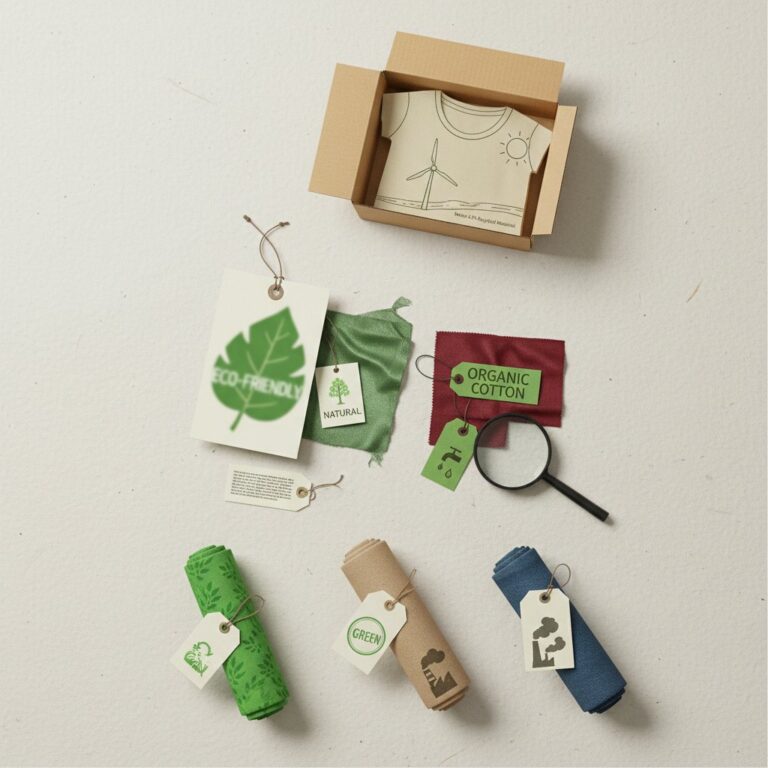

Redefining Elegance: The Definitive Guide to Eco-Friendly Luxury Brands in 2026
The definition of a status symbol has undergone a radical transformation. As we move through 2026, the discerning fashion enthusiast no longer measures luxury solely by a price tag or a recognizable monogram. Instead, the ultimate expression of sophistication lies in the intersection of impeccable craftsmanship, cutting-edge innovation, and a deep commitment to planetary health. The modern wardrobe is a curated collection of stories—of regenerative soil, bio-engineered textiles, and fair-wage artistry.
In 2026, “eco-friendly” is no longer a sub-category of the luxury market; it is the gold standard. High-net-worth consumers are increasingly seeking “conscious opulence,” where the rarity of a garment is defined by its ethical footprint and its longevity. This shift has forced legendary heritage houses to pivot and paved the way for a new generation of designers who view sustainability as a creative catalyst rather than a constraint. Whether you are building a professional capsule or seeking a statement piece for a gala, the leading brands of this era prove that you never have to choose between looking extraordinary and doing good. This guide explores the pinnacle of sustainable high-end fashion in 2026, offering inspiration for the mindful connoisseur.
The Evolution of Conscious Opulence: Why 2026 is the Year of the Mindful Closet
For decades, the luxury sector relied on an ethos of “more is more.” However, 2026 marks a definitive turning point toward a “better is more” philosophy. This evolution is driven by a sophisticated consumer base that demands radical transparency. We are seeing a move away from the frantic pace of seasonal trends toward a “timeless” aesthetic that prioritizes durability and emotional resonance.
In 2026, luxury is synonymous with stewardship. The leaders in the space are those who have mastered the art of the “slow release,” focusing on limited-run collections that minimize waste. These brands treat their garments as investments, often offering lifetime repair guarantees and buy-back programs that facilitate a circular economy. This shift has also redefined the tactile experience of luxury. The heavy, chemical-treated leathers of the past have been replaced by supple, plant-based alternatives and ethically sourced silks that feel better against the skin and carry a lighter weight on the soul. To wear an eco-friendly luxury brand in 2026 is to signal that you are not just a consumer, but a guardian of the future.
The Pioneers of Regenerative Fashion: Healing the Earth Through Style
One of the most exciting developments in 2026 is the rise of regenerative fashion. While “sustainable” implies maintaining the status quo, “regenerative” aims to actually improve the environment through the production process. Leading luxury brands are now investing directly in the farms where their raw materials are grown, ensuring that their wool, cotton, and silk production helps sequester carbon and restore biodiversity.
Brands like **Brunello Cucinelli** and **Stella McCartney** continue to lead this charge, but 2026 has seen the emergence of boutique labels that focus entirely on soil-to-closet systems. These brands utilize regenerative agriculture to produce fibers that are remarkably high in quality. For the fashion-conscious reader, this means that your favorite cashmere sweater or organic cotton shirt isn’t just “less bad”—it’s actively contributing to the health of the planet. When shopping in 2026, look for the “Regenerative Organic Certified” seal, which has become the new hallmark of true high-end quality. These pieces often possess a unique luster and strength that mass-produced luxury simply cannot replicate.
Bio-Tech Chic: Mushroom Leather, Spider Silk, and the Future of Fabric
In 2026, the laboratory is just as important as the atelier. The most coveted luxury items are no longer made solely from traditional animal hides, but from groundbreaking bio-materials that offer superior performance and a flawless finish. The “Lab-Grown Revolution” has reached its zenith, with mushroom-based leathers (such as Mylo) and lab-grown silks becoming staples in the collections of top-tier designers.
These materials are not “imitations”; they are high-performance textiles engineered for the 2026 lifestyle. Bio-fabricated leather is lighter, more breathable, and can be manipulated into textures that were previously impossible to achieve. Designers are using these materials to create structured handbags, sleek trench coats, and avant-garde footwear that defy traditional limitations. For the style enthusiast, this offers a chance to wear “impossible” colors and finishes that are entirely vegan and low-impact. The aesthetic of 2026 is sleek, futuristic, and deeply rooted in the genius of biology, proving that the most luxurious textures are those invented by nature and refined by science.
Circular Luxury: Investment Pieces that Last a Lifetime (and Beyond)
The hallmark of an eco-friendly luxury brand in 2026 is its commitment to circularity. The concept of “disposable fashion” has been completely eradicated from the luxury lexicon. Instead, brands are designing with the “end in mind,” ensuring that every component of a garment—from the biodegradable thread to the recyclable zippers—can be returned to the system.
Many 2026 luxury houses now include a digital “Product Passport” in every item. By scanning a discreet NFC tag embedded in the lining, owners can access the garment’s full history, care instructions, and authentic resale value. This has birthed a thriving secondary market where vintage pieces from five years ago are just as coveted as the current season. Choosing a circular brand means investing in a piece that holds its value. Whether it’s a perfectly tailored blazer or a hand-stitched silk gown, these items are designed to be passed down through generations or professionally refurbished, making them the ultimate sustainable assets in a modern wardrobe.
How to Style Your Sustainable Wardrobe: From Boardroom to Black Tie
Building a wardrobe with eco-friendly luxury brands in 2026 is about mastering the art of the “Conscious Edit.” The goal is to create a versatile, high-impact rotation that reflects your personal style while adhering to ethical principles. Here is how to style your 2026 sustainable finds for various occasions:
#
The Professional Power Look
In 2026, the boardroom aesthetic is defined by “Soft Tailoring.” Pair a structured blazer made from recycled ocean plastic fibers with a pair of wide-leg trousers in regenerative wool. Choose a palette of earth tones—deep moss, warm terracotta, or slate gray—to reflect the natural origin of the fabrics. Finish the look with a pair of bio-leather loafers and a minimalist tote that features a transparent supply chain.
#
The Weekend Effortless
For a casual yet elevated look, lean into the “Quiet Luxury” movement. A chunky knit sweater made from upcycled cashmere paired with vintage-wash denim (produced using waterless technology) is the 2026 standard. The key is in the texture; look for pieces that celebrate the natural variations in eco-friendly fibers. Add a pair of sneakers made from grape-skin leather for a touch of modern innovation.
#
The Conscious Gala
Evening wear in 2026 is all about the “Statement of Intent.” Opt for a gown or tuxedo crafted from lab-grown silk or recycled satin. Many designers are now using 3D-printing technology to create intricate, zero-waste lace and embellishments. Complement your attire with lab-grown diamonds or heirloom jewelry, which represent the pinnacle of ethical glamour.
The Digital Passport: Why Traceability is the New Designer Logo
In the past, luxury was often shrouded in mystery. In 2026, luxury is found in total clarity. The most prestigious brands are those that can prove exactly where their materials came from and who made them. This “Radical Traceability” has become the new status symbol; being able to tell the story of your garment’s journey is a mark of true discernment.
The 2026 consumer values the artisan’s signature over the corporate logo. Luxury brands are now highlighting the specific craftspeople—the weavers in Italy, the embroiderers in India, the leatherworkers in France—who bring their visions to life. This human connection adds a layer of “intangible luxury” that cannot be mass-produced. When you purchase an eco-friendly luxury item today, you are purchasing a verified history. This transparency not only ensures ethical labor practices but also guarantees the authenticity of the craftsmanship, protecting your investment from the rising tide of sophisticated counterfeits.
FAQ: Navigating Eco-Friendly Luxury in 2026
**1. Is “eco-friendly” luxury really as durable as traditional luxury?**
In many cases, it is more durable. By 2026, advancements in bio-textiles and material science have resulted in fabrics that are engineered for longevity. Regenerative fibers and high-tech recycled materials are often tested to higher standards of tensile strength and colorfastness than traditional luxury materials.
**2. How can I distinguish between genuine sustainable brands and “greenwashing”?**
The best way to identify genuine brands in 2026 is through third-party certifications (like B-Corp or Regenerative Organic) and the use of “Digital Product Passports.” Authentic luxury brands will provide granular data about their supply chain, carbon footprint, and labor practices directly through an app or a website.
**3. Are animal products like leather and wool still considered eco-friendly in 2026?**
Yes, provided they are sourced through regenerative farming practices. Regenerative wool and leather can be carbon-negative, meaning the process of raising the animals actually removes more carbon from the atmosphere than it produces. However, many brands also offer high-end vegan alternatives for those who prefer animal-free options.
**4. Why are eco-friendly luxury brands more expensive?**
The price reflects the true cost of production. This includes fair living wages for artisans, the high cost of developing new sustainable technologies, and the premium for materials grown using regenerative methods. In 2026, consumers view this price as an “ethical premium” that ensures the longevity and value of the garment.
**5. Can I find eco-friendly luxury at traditional department stores?**
Most major luxury retailers have pivoted their entire procurement strategies by 2026. You will find dedicated “Conscious Curations” in major stores, but many of the most innovative eco-friendly brands sell through their own boutiques or specialized digital platforms to maintain full control over their circularity programs.
Conclusion: The New Era of Style
As we look toward the remainder of 2026 and beyond, it is clear that the fusion of luxury and sustainability is not a passing trend—it is a total paradigm shift. The fashion industry has moved from a model of extraction to one of restoration, and the results are visually stunning, technologically impressive, and ethically sound.
Choosing eco-friendly luxury is an act of intentionality. It is an acknowledgment that true beauty cannot exist at the expense of others or the environment. By supporting brands that prioritize regenerative practices, bio-tech innovation, and circularity, you are participating in a global movement that celebrates the best of human creativity and planetary stewardship. In 2026, the most fashionable thing you can wear is a clear conscience and a garment that was built to last a lifetime. This is the era of the mindful wardrobe, where every stitch tells a story of hope, and every purchase is an investment in a more beautiful, sustainable world.