
Fabric Quality Indicators When Shopping Online Without Touching

Master the Digital Touch: How to Identify High-Quality Fabrics When Shopping Online

The modern fashion landscape has shifted from the tactile experience of boutique racks to the infinite scroll of the digital storefront. While the convenience of online shopping is unparalleled, it presents a significant challenge for the discerning style enthusiast: the inability to touch, stretch, or feel the weight of a garment before committing to a purchase. We have all experienced the disappointment of unboxing a dress that looked like liquid silk on screen, only to find it feels like structural polyester in person.

However, mastering the art of digital fabric detection is not just about luck; it is a skill that combines technical knowledge with a keen eye for visual cues. In an era where “fast fashion” often masks low-quality textiles with high-end photography, learning to decode product descriptions and analyze zoom-in shots is essential for building a long-lasting, sophisticated wardrobe. This guide will empower you to look past the styling and identify true quality through your screen, ensuring that every “Add to Cart” moment results in an investment piece you’ll cherish for seasons to come.

1. Decoding the Fiber Composition: The Label Tells the Truth
The most reliable indicator of how a garment will feel and age is its fiber composition. When shopping online, the “Product Details” or “Care & Composition” tab is your most valuable resource. For the fashion-conscious consumer, prioritizing natural fibers is almost always the gold standard for quality.

#
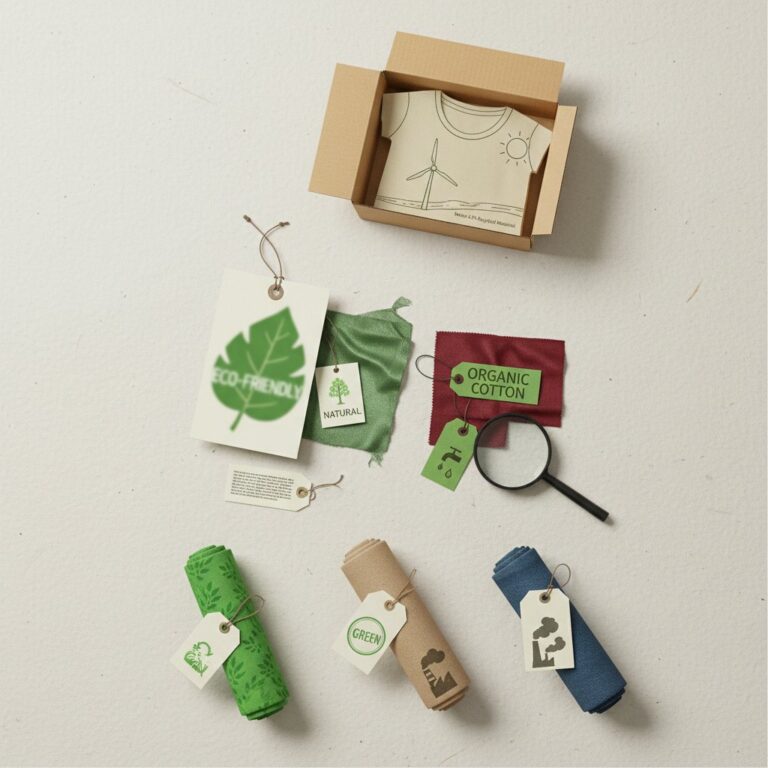
Natural Fibers: The Gold Standard
* **Silk:** Look for terms like “Mulberry silk” or “Crepe de Chine.” High-quality silk has a natural luster—not a metallic shine—and provides incredible temperature regulation.
* **Wool & Cashmere:** Check the percentage. A “Cashmere blend” might only contain 5% cashmere. For true longevity, look for 100% or high-percentage blends. In 2025, look for “merino” or “virgin wool” labels, which indicate fibers that haven’t been recycled from old rags, ensuring a softer hand-feel.
* **Linen:** This fiber is celebrated for its breathability. High-quality linen often has a distinct “slub” (small lumps in the weave), which is a sign of authenticity rather than a defect.
* **Cotton:** Look for “Long-staple” cotton, such as Pima or Egyptian cotton. These fibers are smoother and less prone to pilling than their short-staple counterparts.

#

The Role of Synthetics
While synthetics often get a bad reputation, they aren’t always a sign of low quality. A small percentage of elastane (1-5%) is essential for denim retention or form-fitting silhouettes. However, if a luxury-priced blouse is 100% polyester, you are likely paying for the brand name rather than the material quality. Polyester doesn’t breathe, traps odors, and has a tell-tale “crunchy” sound when it moves—something you can often anticipate by looking at how the fabric folds in photos.

2. Understanding Fabric Weight and GSM
One of the hardest things to judge online is the thickness of a garment. This is where the term **GSM (Grams per Square Meter)** becomes vital. While not every retailer lists the GSM, many high-end and sustainable brands are beginning to include it in their technical specs.

* **Lightweight (Under 150 GSM):** Ideal for summer t-shirts, chiffon scarves, or delicate camisoles. If a t-shirt is under 120 GSM, it will likely be sheer and prone to holes.
* **Medium Weight (150–250 GSM):** This is the sweet spot for high-quality t-shirts, linen trousers, and casual dresses. It offers enough structure to drape well without being overly heavy.
* **Heavyweight (Over 250 GSM):** Reserved for high-quality hoodies, denim, and outerwear. A high GSM in a sweatshirt suggests a dense, “loopback” cotton that will hold its shape after dozens of washes.

If the GSM isn’t listed, look at the garment’s “opacity.” Does the model’s skin tone or undergarment show through the fabric? If a white shirt looks slightly blue because of the dark jeans tucked underneath, the fabric is low-density and likely to lose its shape quickly.

3. The Visual “Drape” Test: Analyzing Movement in Media
High-resolution photography and video walkthroughs are a digital shopper’s best friends. Most premium retailers now include a video of the model walking. This is the ultimate “litmus test” for fabric quality.

#

How does the fabric move?
* **Fluidity vs. Rigidity:** High-quality silk and viscose should move like water. If the fabric “breaks” into sharp, stiff angles as the model moves, it is likely a cheap synthetic or a heavily treated low-grade cotton.
* **The “Bounce”:** Observe the hemline as the model walks. Quality wool or heavy jersey will have a slight “bounce” or “spring” to it. If the fabric hangs limp and lifeless, it lacks the fiber density required for a premium feel.
* **The Sit Test:** Look for photos of the model sitting down. Does the fabric bunch up into deep, stubborn wrinkles? While linen is expected to wrinkle, synthetic fabrics that crease sharply and hold that crease usually indicate a lack of resilience.

#

Zooming In on Details
Use the zoom tool to look at the edges. Raw or “distressed” edges are sometimes a stylistic choice, but in most cases, high-quality garments will feature clean, finished seams (like French seams) that don’t show fraying threads even under 4x magnification.

4. Weave and Texture: Identifying Sophistication
The way a fiber is woven determines its durability and aesthetic appeal. When reading online descriptions, look for specific weave names that indicate a higher level of craftsmanship.

* **Twill:** Identified by diagonal ribs. This weave is exceptionally durable and is a hallmark of high-quality chinos and heavy shirts.
* **Herringbone and Houndstooth:** These are complex weaves typically found in wool suiting and coats. Because they require more precision on the loom, they are rarely found in the lowest tiers of fast fashion.
* **Poplin vs. Oxford:** A poplin weave is smooth and crisp, perfect for formal shirts, while an Oxford weave is slightly heavier and more textured. Understanding these terms helps you visualize the “hand” of the fabric.

Texture can also be a red flag. If a “knit” sweater looks fuzzy or “hairy” in the close-up photo, it is already beginning to pill before it has even reached your door. Look for “clean” knits where the individual stitches are clearly defined.

5. The “Sheen” Test: Differentiating Luster from Cheap Shine
Light behaves differently on high-quality fabrics than it does on cheap ones. Studio lighting can be deceptive, but there are ways to see through the glare.

* **The Luster of Natural Fibers:** High-quality silk, mercerized cotton, and fine wool have a soft, “inner” glow. The light seems to sit *within* the fabric.
* **The Shine of Synthetics:** Low-grade polyester and nylon often have a harsh, “oily” shine that reflects light directly off the surface. If a garment looks shiny in a way that reminds you of a plastic bag, it will likely feel sweaty and uncomfortable against the skin.

Check the shadows in the product photos. In high-quality fabrics, the transition from light to shadow is soft and gradual. In cheap, stiff fabrics, the shadows appear harsh and jagged because the fabric isn’t supple enough to create smooth curves.

6. Price Points and Brand Philosophy: When Does Cost Equal Quality?
While a high price tag doesn’t *guarantee* quality, an impossibly low price almost certainly guarantees a lack of it. To maintain a $15 price point for a dress, a brand must cut corners on fiber length, weave density, and ethical labor.

#

The “Cost-Per-Wear” Mindset
For the fashion-conscious reader, the goal is to find the intersection of style and longevity. In 2025, we are seeing a rise in “Radical Transparency” brands that break down the cost of materials. If a brand hides its origin or fabric specs behind vague marketing terms like “soft-touch” or “silky feel” without mentioning the actual fiber, be wary.

#

Certifications to Look For
* **GOTS (Global Organic Textile Standard):** Ensures the cotton is organic and the processing is environmentally sound.
* **OEKO-TEX:** Guarantees the fabric is free from harmful chemicals.
* **RWS (Responsible Wool Standard):** Indicates higher quality wool and better animal welfare.
These certifications are rarely found on low-quality “throwaway” garments.

Frequently Asked Questions (FAQ)

**Q1: If a garment is a “blend” (e.g., 60% Cotton, 40% Polyester), is it bad quality?**
Not necessarily. Blends are often designed to combine the breathability of natural fibers with the durability or wrinkle resistance of synthetics. However, for a premium feel, try to keep the synthetic component under 30%. Anything more, and the garment will begin to take on the less desirable traits of the synthetic fiber (trapping heat and pilling).

**Q2: How can I tell if a white fabric will be see-through?**
Check the “shadow” of the model’s body. If you can see the outline of the pocket bags or the tucked-in hem of the shirt through the fabric, it is too thin. Also, look at the weight; a white t-shirt should ideally be 160 GSM or higher to ensure opacity.

**Q3: Does “Dry Clean Only” mean the fabric is high quality?**
Not always. Sometimes brands put “Dry Clean Only” on low-quality synthetics because they are afraid the seams will fall apart or the fabric will shrink uncontrollably in a washing machine. Conversely, many high-quality natural fibers like linen and certain wools can be hand-washed. Use the care label as a guide, but rely on the fiber composition for quality.

**Q4: Is “Viscose” or “Rayon” a good fabric?**
Viscose is a semi-synthetic made from wood pulp. It has a beautiful drape and is very breathable, making it a favorite for summer dresses. However, low-quality viscose shrinks easily and loses its strength when wet. Look for “Tencel” or “Lyocell,” which are higher-quality, more sustainable versions of viscose that hold their shape better.

**Q5: What is the most common sign of “fake” quality in online photos?**
Over-saturation and extreme smoothing. If the fabric looks perfectly smooth with zero natural creases or texture, the image has likely been heavily edited. Real, high-quality fabric has a natural “soul” and subtle irregularities that reflect its organic origins.

Conclusion: Building a Tactile Vocabulary
Navigating the world of online fashion requires more than just an eye for trends; it requires a technical understanding of the materials that bring those trends to life. By shifting your focus from the aesthetic of the “outfit” to the integrity of the “fabric,” you transform from a passive consumer into a sartorial expert.

Remember to prioritize the fiber list over the marketing fluff, analyze the way a garment moves in video, and look for the subtle luster that only high-quality materials possess. Shopping online without touching the fabric is a challenge, but by using these indicators, you can curate a wardrobe that feels as good as it looks. In the long run, investing in quality over quantity is not just a style choice—it’s a commitment to a more sustainable and sophisticated way of living. Next time you find yourself hovering over that “buy” button, take a moment to look deeper into the specs. Your skin—and your closet—will thank you.