
Fashion Trends Worth Adopting vs. Skipping in the New Era of Style
The fashion landscape is undergoing a seismic shift, moving away from the breakneck speed of weekly micro-trends toward a more intentional, tech-driven, and ecologically conscious philosophy. As we look toward the future of personal expression, the focus has pivoted from “what is new” to “what is meaningful.” This transition marks the end of the aesthetic-of-the-month club and the beginning of a period defined by longevity, narrative-driven dressing, and the integration of high-performance textiles.
For the fashion-conscious individual, navigating these changes requires a discerning eye. It is no longer enough to simply follow a runway report; one must understand the cultural currents driving the industry. We are seeing a rejection of the disposable and an embrace of the “phygital”—where digital precision meets physical craftsmanship. In this guide, we will explore the definitive movements that are worth integrating into your permanent rotation and the fading fads that are better left in the rearview mirror. By focusing on quality over quantity and innovation over imitation, you can build a wardrobe that feels both cutting-edge and timelessly relevant.
1. Adopt: The Biophilic Revolution and Lab-Grown Textures
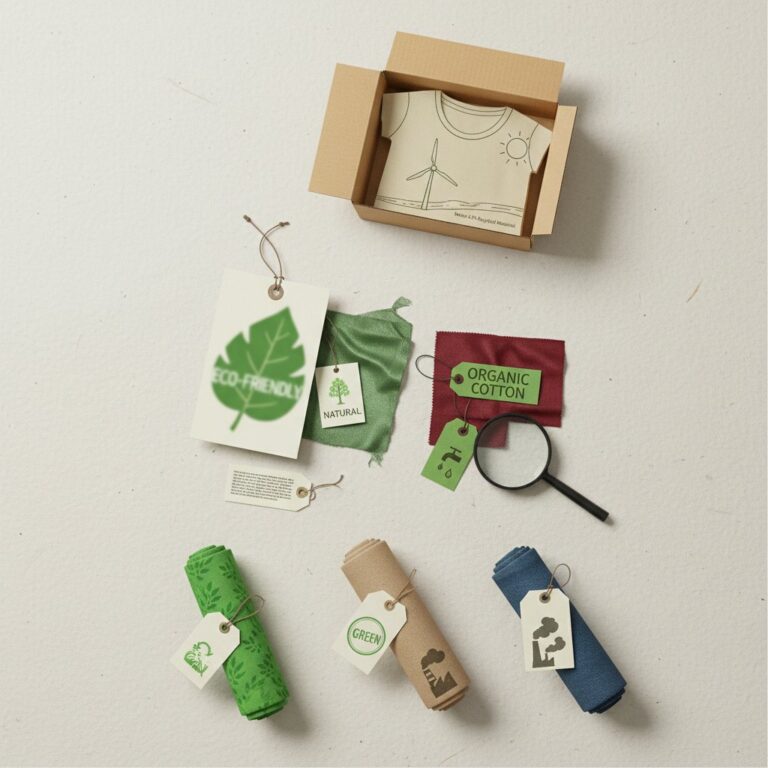
One of the most exciting shifts in the upcoming fashion cycle is the move toward biophilic design. This isn’t just about floral prints; it’s about a fundamental change in how our clothes are grown and manufactured. We are seeing an explosion of lab-grown materials that mimic the properties of leather, silk, and suede without the environmental toll. These “living textiles”—derived from mycelium, algae, and fermented proteins—offer a unique, organic aesthetic that feels deeply connected to the natural world.
**Why it’s worth adopting:**
Beyond the obvious sustainability benefits, these materials provide a tactile experience that traditional synthetics cannot match. Mycelium “leather,” for instance, has a warmth and breathability that makes it exceptionally comfortable for year-round wear. Incorporating these pieces into your wardrobe signals a commitment to the future of the planet while maintaining a high-fashion edge. Look for structured trench coats in mushroom-based materials or footwear that utilizes algae-foam soles.
**How to style it:**
Lean into the earthy, textured nature of these garments. Pair a bio-fabricated blazer with raw silk trousers or hemp-blend knits. The goal is to create a look that feels elemental yet sophisticated, utilizing a palette of moss greens, deep ochres, and slate grays.
2. Skip: The “Core” Obsession and Aesthetic Fatigue
For several seasons, fashion was dominated by the “core” phenomenon—Barbiecore, Gorpcore, Cottagecore, and an endless list of niche aesthetics that demanded a total wardrobe overhaul every few months. This era of hyper-segmented styling is officially over. The pursuit of a perfectly curated, social-media-friendly “aesthetic” has led to a homogenization of style that feels increasingly performative and hollow.
**Why you should skip it:**
Chasing “cores” is the antithesis of personal style. It encourages the mass consumption of low-quality garments that serve a temporary visual purpose but lack longevity. As the industry moves toward circularity, these costume-like trends are being replaced by “identity dressing”—a way of styling that pulls from various influences to create something uniquely yours.
**What to do instead:**
Instead of committing to a singular aesthetic, focus on “fragmented styling.” Mix technical outdoor gear with vintage tailoring, or pair romantic silhouettes with industrial accessories. This approach allows you to express different facets of your personality without becoming a caricature of a specific trend.
3. Adopt: Architectural Maximalism and the Return of Volume
After years of body-con silhouettes and “athleisure” dominance, we are witnessing a return to dramatic, architectural shapes. This trend celebrates the garment as a piece of three-dimensional art. Think oversized shoulders, ballooning sleeves, and sculptural hems that redefine the human silhouette. This isn’t just about wearing “big clothes”; it’s about intentional volume that creates a sense of presence and power.
**Why it’s worth adopting:**
Architectural maximalism allows for a level of drama and self-assurance that minimalist styles often lack. It provides a way to make a statement without relying on loud logos or flashy colors. The focus is on the cut and the drape of the fabric. High-quality wools, heavy poplins, and stiff organzas are being used to create shapes that hold their form, offering a futuristic take on traditional tailoring.
**How to style it:**
When working with volume, balance is key. If you are wearing a skirt with significant architectural flair, keep the top half more streamlined. A pair of wide-leg, structured trousers looks best when paired with a sharp, tucked-in bodysuit or a cropped, boxy jacket. Don’t be afraid to experiment with asymmetrical cuts that challenge the eye and create a dynamic sense of movement.
4. Skip: The Era of “Sad Beige” Minimalism
While minimalism will always have a place in the fashion pantheon, the specific brand of “sad beige” minimalism—characterized by an absence of color, texture, and personality—has reached its expiration date. This ultra-austere look, which prioritized a bland “clean girl” aesthetic above all else, is being replaced by a more vibrant and expressive form of dressing.
**Why you should skip it:**
Extreme minimalism often feels sterile and uninspired. In an era where we are seeking connection and joy, dressing in a monochrome palette of oatmeal and sand can feel restrictive. Furthermore, this trend has become so ubiquitous that it no longer feels like a stylistic choice, but rather a default setting for those afraid to take risks.
**What to do instead:**
Embrace “Dopamine Tailoring.” Keep the clean lines and high-quality fabrics of minimalism, but inject them with bold saturated hues—electric cobalt, deep saffron, or rich emerald. If you prefer neutrals, look for pieces with significant texture, such as heavy ribbing, fringe, or intricate weaving, to add depth and interest to your outfits.
5. Adopt: Modular Utility and “Transformer” Garments
As our lives become increasingly mobile and unpredictable, our clothing must adapt. Modular fashion—garments that can be altered, detached, or reconstructed by the wearer—is moving from the fringe of tech-wear into the mainstream. We are seeing coats with zip-off sections that turn them into vests, trousers with adjustable lengths, and bags that integrate seamlessly into jackets.
**Why it’s worth adopting:**
Modular utility is the ultimate expression of practical luxury. It allows a single garment to serve multiple purposes, reducing the need for an expansive wardrobe and making travel significantly easier. It appeals to the modern desire for efficiency and customization. When you invest in a modular piece, you are essentially getting three or four outfits in one.
**How to style it:**
Modular pieces often have a sleek, utilitarian look. To keep it fashion-forward, mix these high-tech items with traditional heritage fabrics. A modular technical parka looks incredible over a fine-gauge cashmere turtleneck and tailored wool trousers. The contrast between the “hard” utility and the “soft” luxury creates a sophisticated, balanced look.
6. Skip: Non-Recyclable Synthetics and Disposable Glamour
The fashion industry’s “dirty secret”—the reliance on blended synthetics that can never be recycled—is finally coming under intense scrutiny. As global regulations on textile waste tighten, garments made from cheap polyester-spandex blends or non-biodegradable sequins are becoming social and environmental liabilities.
**Why you should skip it:**
Beyond the ethical implications, these materials simply do not age well. They pill, lose their shape, and trap heat in ways that natural fibers do not. In a world that increasingly values “cost-per-wear” and resale value, these disposable items are a poor investment.
**What to do instead:**
Prioritize “monomaterial” dressing. Seek out garments made from 100% of a single fiber—100% organic cotton, 100% recycled nylon, or 100% wool. These items are significantly easier to recycle at the end of their life cycle. For evening wear, look for innovative embellishments made from glass or bio-plastics rather than traditional petroleum-based sequins.
***
FAQ: Navigating the Future of Fashion
**Q1: How can I stay trendy without contributing to the fast fashion cycle?**
Focus on “investment layering.” Instead of buying a new outfit for every event, invest in high-quality base layers (like silk slips or fine wool trousers) and use unique, modular accessories or statement outerwear to change your look. Rental platforms and high-end resale sites are also excellent ways to access “trend” pieces without the environmental footprint of new production.
**Q2: Is “Quiet Luxury” still relevant in the upcoming seasons?**
Quiet luxury is evolving into “Subtle Innovation.” The emphasis on high-quality, unbranded items remains, but the look is becoming more technical and experimental. It’s less about looking like “old money” and more about looking like a “forward thinker” who appreciates superior craftsmanship and smart materials.
**Q3: What colors should I focus on for a future-proof wardrobe?**
Move away from traditional pastels and toward “digital pigments.” These are colors that look vibrant both in person and on screen, such as hyper-pinks, deep teals, and luminous oranges. For neutrals, transition from beige to “concrete” grays and “midnight” navies, which offer a more modern, urban feel.
**Q4: How do I incorporate “architectural volume” if I have a petite frame?**
The key for petite frames is to maintain a visible waistline or a clear point of “narrowness.” If you wear a voluminous sleeve, ensure the cuff is tapered. If you wear wide-leg trousers, opt for a high-waisted cut to elongate the legs. Use volume in one specific area (like the shoulders) rather than all over.
**Q5: Are there any specific fabrics I should look for that define this new era?**
Keep an eye out for “Circular Synthetics” (like Econyl), Tencel Luxe (a vegan silk alternative), and regenerated cashmere. Additionally, fabrics with “smart” properties—such as temperature-regulating wool or UV-protective linens—are becoming the new standard for luxury.
***
Conclusion: The Path to Personal Style
As we move forward, the most important “trend” to adopt is a sense of agency over your own wardrobe. The coming seasons are not about adhering to a strict set of rules, but about utilizing new technologies and a more conscious mindset to express who you are. By choosing lab-grown materials and modular designs, you are participating in a creative revolution that prizes innovation and sustainability. By skipping the fleeting “cores” and the environmental drain of non-recyclable synthetics, you are making a statement that style should never come at the expense of the future.
True fashion-consciousness now lies in the ability to distinguish between a passing whim and a genuine evolution in design. As you curate your closet, ask yourself if a piece tells a story, if it serves a function, and if it is built to last. When you prioritize these qualities, you don’t just follow trends—you set the standard for what modern elegance looks like. Embrace the bold, the botanical, and the functional, and let your style be a reflection of a world that is becoming more thoughtful, more creative, and more resilient.