
The Ultimate Style Guide: Fast Fashion vs. Slow Fashion – Choosing Your Aesthetic in 2026
In the ever-evolving landscape of modern style, the modern woman finds herself at a fascinating crossroads. On one side, the dizzying speed of the digital age brings us “micro-trends” that vanish as quickly as they appear on our feeds. On the other, a growing movement toward intentionality, craftsmanship, and longevity is reshaping how we view our wardrobes. The “Fast Fashion vs. Slow Fashion” debate is no longer just a niche conversation for activists; it is the defining sartorial choice of 2026. Whether you are a minimalist seeking the perfect capsule collection or a trend-setter who loves the thrill of a new look, understanding the nuances between these two worlds is essential. This guide explores how to balance your desire for cutting-edge style with a conscious approach to consumption, ensuring your closet reflects not just who you are today, but the legacy you wish to leave behind.
Defining the Divide: What Exactly is Fast Fashion vs. Slow Fashion?
To navigate the 2026 fashion landscape, we must first define the players. **Fast fashion** is characterized by high-volume, low-cost production that mimics high-end runway trends at lightning speed. It relies on a “see now, buy now” model, where garments move from design to retail floor in as little as two weeks. The goal is obsolescence; the clothes are designed to be replaced by the next wave of trends within months.
Conversely, **slow fashion** is an approach to clothing that prioritizes quality over quantity. It encompasses ethical manufacturing, sustainable materials, and timeless design. Slow fashion brands often release limited “drops” or seasonal collections rather than a constant stream of new arrivals. This movement encourages the consumer to view clothing as an investment—pieces meant to be worn, repaired, and cherished for years. In 2026, slow fashion has moved beyond “crunchy” aesthetics into the realm of high luxury and avant-garde design, proving that ethics and high-style are not mutually exclusive.
The Thrill of the Trend: Why We Love (and Struggle With) Fast Fashion
It is impossible to discuss fast fashion without acknowledging its magnetic pull. For the fashion-conscious woman, fast fashion offers democratic access to style. It allowed a generation to experiment with different aesthetics—from “Coquette” to “Corporate Core”—without a massive financial commitment. In 2026, the inclusivity of fast fashion remains one of its strongest selling points, often offering a wider range of sizes than traditional heritage brands.
However, the struggle lies in the “disposable” nature of these garments. We’ve all experienced the frustration of a dress that loses its shape after two washes or a trendy blazer that feels dated by the time the next season rolls around. The psychological toll of the “constant scroll” can also lead to decision fatigue. While the low price point feels like a win for the wallet, the “price per wear” often tells a different story. When a $30 top is only worn twice, it is far more expensive than a $150 top worn fifty times.
The Art of the Capsule: Why Slow Fashion is the Ultimate Style Statement
In 2026, true luxury is increasingly defined by exclusivity and story-telling—two pillars of the slow fashion movement. Choosing slow fashion is an act of curation. It’s about finding that perfectly tailored trench coat in organic gabardine or a hand-knitted alpaca sweater that feels like a second skin.
The beauty of slow fashion lies in the **capsule wardrobe** philosophy. By focusing on high-quality basics and a few statement investment pieces, you create a cohesive aesthetic that transcends seasons. This doesn’t mean your style has to be boring or strictly neutral. Many slow fashion designers are leaning into vibrant dyes, architectural silhouettes, and innovative textures. The difference is the *intent*. When you buy a slow fashion piece, you are buying into the designer’s vision and the artisan’s skill. This creates a deeper emotional connection to your clothes, which is the ultimate style statement in an era of mass production.
Environmental and Ethical Impact: The Real Cost of Your Closet
As we move through 2026, the environmental impact of our clothing choices is impossible to ignore. The fast fashion industry is one of the world’s largest polluters, contributing significantly to water scarcity, microplastic pollution, and landfill waste. The sheer volume of unsold or discarded clothing has created a global crisis, with mountains of textile waste clogging ecosystems in the Global South.
Ethically, the “fast” in fast fashion often comes at the cost of human rights. Low prices are frequently subsidized by underpaid labor and unsafe working conditions in factories. Slow fashion aims to flip this script by ensuring fair wages, transparency in the supply chain, and the use of eco-friendly fabrics like Tencel, Piñatex (pineapple leather), and recycled wool. For the modern woman, being “well-dressed” now includes the peace of mind that her outfit didn’t come at the expense of someone else’s well-being or the planet’s health.
Building a Hybrid Wardrobe: How to Mix High-Street with Heritage Pieces
Transitioning to a 100% slow fashion wardrobe is a journey that doesn’t happen overnight, and for many, it isn’t financially feasible to do all at once. The most stylish women in 2026 are mastering the **”High-Low” hybrid approach**. This involves strategically mixing high-street pieces with heritage or sustainable items.
#
How to execute the hybrid look:
1. **Invest in the “Anchors”:** Spend your budget on items that take the most wear and tear—boots, coats, denim, and handbags. Look for slow fashion brands for these staples.
2. **Trend with Intention:** If there is a fleeting micro-trend you love, it’s okay to look to the high street, but ask yourself: “Will I wear this at least 30 times?”
3. **Prioritize Natural Fibers:** Even when shopping fast fashion, look for cotton, linen, or silk over polyester and acrylic. They last longer and feel more premium.
4. **The Tailoring Trick:** Take a fast-fashion blazer to a local tailor. Better fit immediately elevates a lower-cost item to look like a designer piece.
By blending these two worlds, you maintain your style edge while gradually shifting your wardrobe toward a more sustainable future.
The Future of Fashion: Emerging Trends in 2026 and Beyond
The fashion landscape of 2026 is being reshaped by technology and circularity. We are seeing the rise of **Digital Product Passports (DPPs)**, where a simple QR code on a garment’s tag tells you its entire history—from the farm where the fiber was grown to the factory where it was sewn. This transparency is making “greenwashing” much harder for brands to get away with.
Another major trend is the **Resale Revolution**. Platforms for pre-loved luxury and vintage finds have become as mainstream as traditional retail. In 2026, “thrifting” is no longer just for bargains; it’s a way to find unique, archival pieces that no one else has. Additionally, “Upcycling” has moved from a DIY hobby to a high-fashion category, with designers creating stunning new garments from textile scraps and deadstock fabric. The future of fashion isn’t just about buying new; it’s about keeping what already exists in circulation.
FAQ: Navigating Your Fashion Choices
**1. Is slow fashion always expensive?**
While the upfront cost is usually higher because it reflects fair wages and quality materials, slow fashion is often cheaper in the long run. By following the “cost-per-wear” rule, a well-made garment that lasts five years is a better financial decision than a cheap one that lasts five months. Additionally, the resale market for slow fashion is much stronger, allowing you to recoup some of your investment later.
**2. How can I tell if a brand is truly “slow” or just greenwashing?**
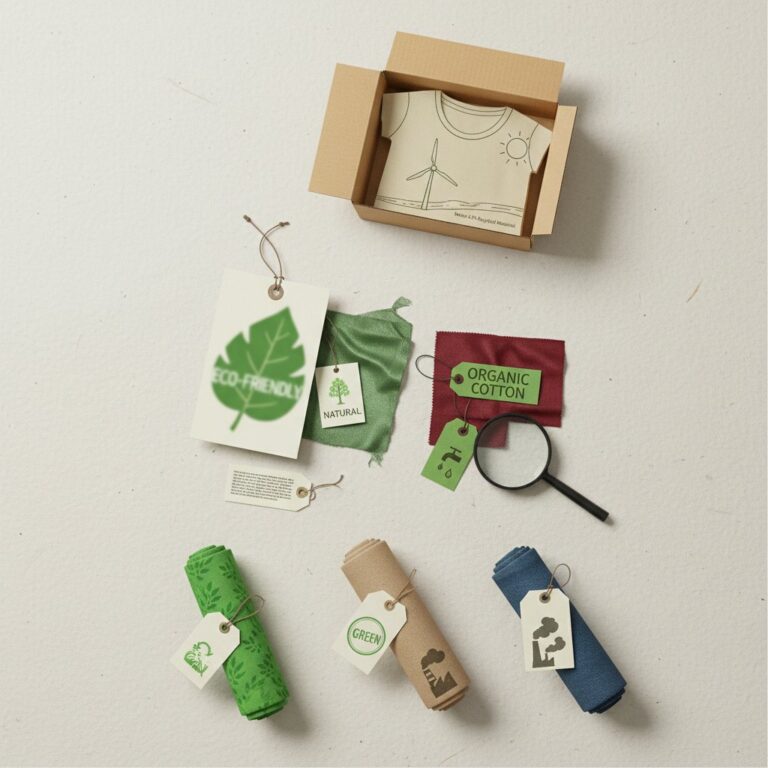
Look for transparency. Truly ethical brands will list their factories, provide certifications (like GOTS or Fair Trade), and be specific about their materials. If a brand uses vague terms like “eco-friendly” without data to back it up, proceed with caution. In 2026, most reputable brands have a dedicated sustainability impact report available on their website.
**3. Can fast fashion ever be truly sustainable?**
It is a paradox. The “fast” model is built on overproduction, which is inherently unsustainable. However, some large retailers are making strides by using recycled materials and implementing take-back programs. While they may never be “slow,” their efforts to reduce their massive footprint are a necessary part of the global solution.
**4. What are the best fabrics to look for in 2026?**
Look for “next-gen” materials. This includes lab-grown silk, recycled cashmere, organic hemp, and mushroom leather (Mylo). These fabrics offer the luxury feel of traditional textiles with a fraction of the environmental impact.
**5. How do I start a capsule wardrobe from scratch?**
Start by decluttering. Identify the pieces you reach for every day and notice the common themes (colors, silhouettes, fabrics). Build around those core “uniform” pieces. Aim for a palette of 3-4 coordinating colors so that every top goes with every bottom. Quality over quantity is your new mantra!
Conclusion: Your Style, Your Choice
The comparison between fast fashion and slow fashion isn’t about perfection; it’s about progress. In 2026, being a “fashion-conscious woman” means being aware of the power your purchase holds. It’s about the joy of discovering a unique vintage find, the satisfaction of saving up for a beautifully crafted investment piece, and the creativity of styling what you already own in new ways.
Fashion is one of the most potent forms of self-expression we have. Whether you choose to dive deep into the world of slow fashion or navigate a hybrid path, let your wardrobe be a reflection of your values as much as your aesthetic. By choosing quality, demanding transparency, and embracing your own unique style over fleeting trends, you aren’t just dressing for today—you are dressing for a more beautiful, sustainable tomorrow. Your closet is your canvas; make sure the story it tells is one you are proud of.