

The Foundational Pillars of Mix and Match: Color, Pattern, and Texture
Mastering the art of mixing and matching begins with a deep understanding of three fundamental elements: color, pattern, and texture. These are the building blocks that, when combined thoughtfully, create harmonious and visually engaging ensembles, turning your closet into a playground of possibilities.
Understanding Color Theory for Outfit Harmony
Color is the most immediate visual cue in any outfit. Learning to combine colors effectively is paramount for creating cohesive and appealing mixed-and-matched looks. It’s about more than just matching; it’s about creating balance and impact.
- Monochromatic Magic: Explore varying shades and tints of a single color for a sophisticated, elongated, and effortlessly chic look. This creates a powerful statement of unity and elegance.
- Analogous Allure: Combine colors adjacent on the color wheel (e.g., blue, blue-green, green) for a subtle yet rich and pleasing palette. These combinations are inherently harmonious and easy on the eye.
- Complementary Contrast: Utilize colors directly opposite on the color wheel (e.g., blue and orange, red and green) for a bold, high-impact statement. This pairing generates energy and draws attention, best used when you want a vibrant focal point.
- Neutral Ground: Black, white, grey, beige, and navy form the indispensable backbone of any versatile wardrobe. They provide a sophisticated canvas that allows brighter hues or intricate patterns to truly shine without overwhelming the eye.
- The 60-30-10 Rule: A classic styling principle suggesting proportions for your outfit: 60% dominant color, 30% secondary color, and 10% accent color. This simple guideline ensures visual balance and prevents any single color from overpowering the others.
Tip: Don’t shy away from experimenting with unexpected color pairings. Sometimes the most striking outfits emerge from breaking conventional rules, especially once you have a solid grasp of the underlying principles.
Mastering Patterns: From Subtle to Statement
Mixing patterns can seem daunting, but it’s a powerful tool for adding personality, depth, and a touch of sartorial daring to your outfits. The key is balance, intentionality, and finding a common thread that unifies disparate prints.
- Scale Play: A fundamental rule is to combine patterns of different scales. For instance, pair a large, bold floral print with a subtle pinstripe or a micro-dot. This contrast prevents the outfit from looking too busy.
- Color Connection: Ensure that one or more colors are shared between the patterns. This creates immediate visual cohesion, even if the patterns themselves are entirely different, making the mix look deliberate.
- Pattern Families: Some patterns naturally complement each other, offering an easier starting point. Think stripes and florals, polka dots and plaids, or even abstract prints with geometric designs.
- Neutral Buffer: Use a solid neutral piece (a plain tee, a denim jacket, a simple blazer) to break up two busy patterns. This offers a visual resting point and helps to ground the ensemble.
- One Dominant, One Accent: Let one pattern be the indisputable star of the show, allowing the other to act as a supporting role, perhaps on an accessory like a scarf, handbag, or a pair of shoes.
Confidence Booster: Start by mixing a neutral pattern (like stripes or subtle plaid) with a more colorful one. As your comfort grows, you can venture into bolder combinations.
The Tactile Dimension: Incorporating Texture
Texture adds a luxurious, intriguing, and often overlooked dimension to your outfits, making them feel richer, more complex, and visually appealing. Think beyond just the visual; consider how fabrics feel and drape.
- Contrast is Key: The most effective way to mix textures is through contrast. Pair smooth, refined fabrics (silk, satin, cashmere) with rougher, more tactile textures (tweed, denim, corduroy). Combine soft knits with crisp cottons or structured leather.
- Seasonal Textures: Velvets, wools, and heavy knits are perfect for winter, offering warmth and depth. Linens, light cottons, and silks are ideal for warmer months. Even within seasons, varying textures can significantly elevate a look.
- Adding Depth: A chunky knit sweater over a silky slip dress, or a leather skirt paired with a cashmere top, creates an appealing contrast that draws the eye and adds a sophisticated layer of complexity to your ensemble.
- Visual Interest: Textural differences create shadows and highlights, adding visual interest even in monochromatic outfits. A matte fabric next to a shiny one, or a smooth one next to a ribbed one, makes a simple outfit feel more considered.
Building Your Versatile Wardrobe: The Foundation for Endless Combinations
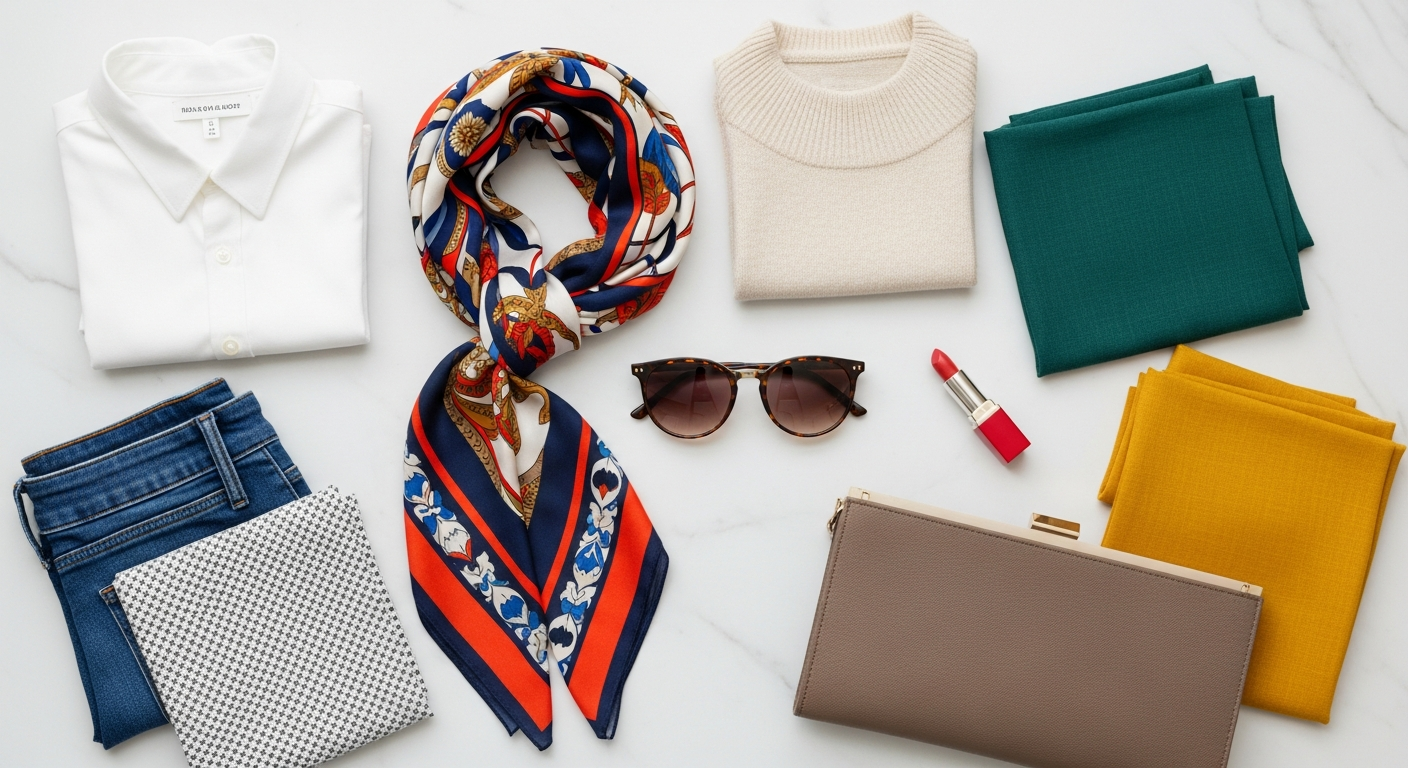
A successful mix-and-match strategy relies heavily on a well-curated wardrobe. It’s not about having countless items, but rather having the right items that can be interchanged effortlessly. This is where the concept of a capsule wardrobe truly shines, providing a streamlined yet powerful foundation for endless styling possibilities.
How To Build Capsule Wardrobe 2026: Your Smart Styling Solution
Creating a capsule wardrobe is a game-changer for anyone looking to simplify their style, reduce decision fatigue, and maximize their outfit potential. For 2026, the focus remains firmly on quality over quantity, timeless pieces, and personal relevance, with an increasing emphasis on sustainable and ethically sourced garments.
A capsule wardrobe consists of a limited number of essential, versatile items that can be easily mixed and matched to create numerous outfits. It’s designed to provide a comprehensive wardrobe with minimal pieces, ensuring you always have something stylish and appropriate to wear, regardless of the occasion.
- Define Your Style & Lifestyle: Before any purchases, deeply understand your personal aesthetic, your daily activities, and your professional needs. Are you classic, bohemian, minimalist, edgy, or a blend? What proportion of your wardrobe needs to be casual versus formal?
- Audit Your Current Wardrobe: Go through every single item. Keep what you genuinely love, what fits well, and what you wear often. Be ruthless in donating, selling, or repurposing items that no longer serve your style or fit.
- Choose a Core Color Palette: Select 2-3 versatile neutrals (e.g., black, white, navy, grey, beige, olive) and 1-2 accent colors that genuinely complement each other and your skin tone. This ensures everything can be easily combined.
- Invest in High-Quality Staples: These are the workhorses of your wardrobe, designed to last. Think well-fitting, classic denim, tailored blazers, versatile tops (t-shirts, blouses, sweaters), a timeless coat, and comfortable, stylish shoes. For 2026, prioritize durable fabrics and ethical production.
- Focus on Versatility: Every item should earn its place. Can it be dressed up or down? Can it be worn across multiple seasons with strategic layering? Prioritize pieces that offer maximum styling options and can transition seamlessly between different occasions.
- Accessorize Thoughtfully: Accessories are where you inject personality, individuality, and trendiness without overhauling your core wardrobe. Scarves, belts, jewelry, and bags can completely transform the same base outfit, offering endless variations.
- Seasonal Refresh: While the core remains consistent, allow for minor seasonal updates. This might involve swapping heavier knits for lighter blouses or adding a few Summer Dress Styles Women 2026 as the weather warms.
By diligently following these principles, your 2026 capsule wardrobe will become an incredibly powerful tool for effortless mix-and-match styling, ensuring every piece earns its keep and contributes to your cohesive personal style.
Essential Wardrobe Staples for Mix & Match Success
Beyond the capsule concept, certain items are universally beneficial and form the cornerstone of any mix-and-match friendly wardrobe. These are the pieces that can be endlessly reconfigured.
- Classic Denim: A well-fitting pair of jeans (straight leg, skinny, wide-leg, or a stylish flare) is an indispensable foundation for countless looks, easily dressed up or down.
- White Button-Down Shirt: Crisp and versatile, it can be styled formally with a skirt or tailored trousers, or casually with jeans and sleeves rolled up.
- Neutral T-shirts & Tanks: Essential for layering or as standalone pieces. Stock up on quality cotton or modal options in black, white, grey, and navy.
- Black Trousers/Pants: A tailored black pant is crucial for both professional settings and elevated casual looks. Consider different silhouettes like straight-leg or wide-leg.
- Versatile Skirts: A midi skirt (pencil, A-line, or flowy) offers numerous styling possibilities, transitioning from office to weekend with ease.
- Blazer: Instantly elevates virtually any outfit, from a simple tee and jeans to a formal dress, adding structure and polish.
- Little Black Dress (LBD): The ultimate chameleon, the LBD can be dressed up with heels and jewelry or dressed down with sneakers and a denim jacket.
- Comfortable, Stylish Shoes: A selection including white sneakers, classic pumps, versatile ankle boots, and elegant sandals ensures you have footwear for every occasion and outfit.
The Art of Outfit Assembly: Practical Strategies for Mixing and Matching
Start with a Hero Piece
Often, the easiest and most effective way to build a cohesive outfit is to select one “hero” or anchor item. This could be a statement skirt, a vividly patterned blouse, a unique pair of shoes, or a brightly colored bag. Once chosen, you build the rest of your look around it, allowing the hero piece to dictate the color palette, style, or overall mood of the ensemble, making subsequent choices much simpler.
- Example: Begin with a bold floral midi skirt. For a casual daytime look, pair it with a simple white tee, white sneakers, and a denim jacket. To transform it for an evening out, swap the tee for a silk camisole, add strappy heels, and a delicate clutch.
Layering Like a Pro
Layering is an incredibly powerful mix-and-match technique that adds depth, warmth, visual interest, and practicality to your outfits. It allows you to transition looks across different temperatures, occasions, and even seasons, maximizing the utility of each garment.
- Base Layer:
Recommended Resources
For more on how to mix, see How To Advance In Your Career As A Woman on Sometimes Daily.
Learn more about this topic in Statement Wall Ideas For Living Room at Rock Salt Plum.