
Mastering the Art of the Find: How to Shop Thrift Stores Like a Pro in 2026
The fashion landscape of 2026 is defined by a singular, powerful shift: the transition from mindless consumption to intentional curation. As we move further away from the era of disposable “ultra-fast” fashion, the thrift store has evolved from a budget-friendly secret into the ultimate destination for the style-conscious woman. Thrifting is no longer just about finding a bargain; it is about finding your identity. It’s about sourcing high-quality textiles, securing one-of-a-kind silhouettes, and building a wardrobe that tells a story rather than one that mirrors a viral social media feed.
However, walking into a crowded secondhand shop can be overwhelming. The racks are dense, the sizing is chaotic, and the treasures are often hidden behind layers of dated polyester. To shop like a pro, you need more than just luck; you need a strategy. This guide will walk you through the professional techniques required to navigate the aisles with precision, identifying designer gems and heirloom quality pieces that will elevate your personal style for years to come.
1. Cultivate a “Vision Board” Mindset Before You Enter
One of the biggest mistakes amateur thrifters make is walking into a store without a plan. Without a focused eye, you either leave empty-handed or walk out with five “okay” items that don’t fit your aesthetic. Professional thrifters shop with a mental—or digital—mood board.
In 2026, the trend cycle is moving toward “Personalized Minimalism” and “Eclectic Heritage.” Before you head out, browse platforms like Pinterest or specialized fashion apps to identify the silhouettes and colors that currently resonate with you. Are you looking for oversized 90s blazers, 70s bohemian silk scarves, or structured Victorian-inspired blouses?
When you have a specific list (e.g., “cream wool trousers,” “leather trench coat,” “gold statement belts”), your brain begins to filter out the noise. You won’t see a wall of random clothes; you’ll see shapes and textures that match your criteria. This “active searching” technique saves time and prevents the decision fatigue that often leads to poor purchases.
2. Decode the Fabric: Prioritizing “Quiet Luxury” Materials
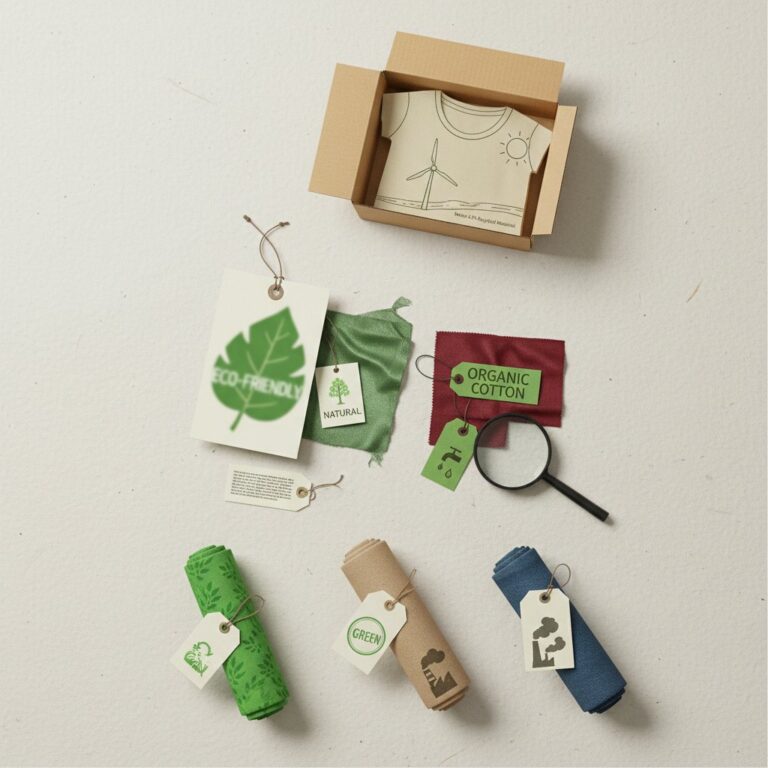
If you want to shop like a pro, you must stop looking at brands and start looking at labels. In the world of secondhand fashion, a generic brand made of 100% cashmere is infinitely more valuable than a “fast fashion” designer collaboration made of acrylic.
To elevate your wardrobe, focus on natural fibers. These materials not only last longer but also drape better on the body, providing that “quiet luxury” aesthetic that is so coveted in 2026. Look for:
* **Silk:** Feel for a cool, slippery, yet substantial texture. Silk blouses are thrift store staples that can be revitalized with a simple steam.
* **Wool and Cashmere:** Check the side seams for “100% Virgin Wool” or “Pure Cashmere.” Even if the item is pilled, a fabric shaver can make it look brand new.
* **Linen:** Perfect for a sustainable summer wardrobe. Linen only gets softer with age, making it an ideal thrift find.
* **Leather and Suede:** Genuine leather gains a beautiful patina over time. Look for heavy zippers and sturdy stitching as signs of high-end craftsmanship.
Pro Tip: Develop your “hand feel.” Walk down an aisle and run your hand across the garments. Your skin will eventually learn to skip over the scratchy synthetics and stop instinctively when it hits the softness of high-quality natural fibers.
3. Ignore the Size Tag—Shop the Silhouette
Sizing is a lie, especially in the world of vintage and secondhand fashion. A “Size 12” from 1970 might fit like a modern “Size 4,” and a contemporary “Size Small” might be intentionally oversized. If you only look at the tags, you will miss 70% of the potential gems in the store.
Pros shop by silhouette and measurement. Carry a small retractable measuring tape in your bag. Know your own measurements—specifically your waist, bust, and inseam. This allows you to measure a pair of vintage Levi’s or a tailored skirt on the rack to see if it has a chance of fitting before you ever head to the fitting room.
Furthermore, look at the potential for tailoring. A professional thrifter sees a stunning oversized wool coat and doesn’t see a “bad fit”—she sees a coat that needs the shoulders narrowed or the hem raised. In 2026, the most stylish women are those who invest in “Thrift-and-Tailor” culture. Buying a $20 blazer and spending $40 at the tailor results in a $60 custom-fit garment that looks like it cost $600.
4. Master the “Scan and Inspect” Technique
Thrifting is an endurance sport, but you can optimize your energy by mastering the “quick scan.” Instead of pulling out every single hanger, look at the edges of the garments. You are looking for specific indicators of quality:
* **The Hemline:** Is it a deep, hand-stitched hem or a cheap, surged edge?
* **The Print Alignment:** On patterned items (like plaid or stripes), does the pattern match up at the seams? This is a hallmark of high-end manufacturing.
* **The Hardware:** Metal zippers, heavy buttons, and reinforced buttonholes usually indicate a garment that was built to last.
Once you’ve pulled an item, perform a rigorous inspection. Move the garment toward natural light (windows are your friend). Check the underarms for discoloration, the crotch of trousers for wear, and the neckline for makeup stains. Look for “moth nibbles” in wool sweaters—small holes can sometimes be fixed, but they are often a dealbreaker. A pro knows when to walk away from a “project” that is beyond repair.
5. Strategic Timing and Location Scouting
Where and when you shop is just as important as how you shop. To find the best items, you need to understand the logistics of donations.
* **The “Wealthy Neighborhood” Myth:** While shopping in affluent areas can yield designer labels, these stores are often picked over by professional resellers. Don’t ignore the “middle-class” suburban stores or rural shops; these are often where high-quality, “boring” staples (like vintage LL Bean or high-end department store woolens) hide.
* **Mid-Week Magic:** Most people donate on weekends, and stores spend Monday and Tuesday processing that inventory. Wednesday and Thursday mornings are often the “sweet spot” for fresh inventory hitting the floor.
* **The “Bins” (Outlet Centers):** For the truly advanced thrifter, “The Bins” (where clothes are sold by the pound) offer the highest reward for the lowest price. This requires gloves, patience, and a keen eye for textiles amidst the chaos.
6. How to Authenticate Designer Finds on the Fly
In 2026, the market is flooded with both high-end vintage and high-quality “superfakes.” If you stumble upon a Chanel jacket or a Prada bag, don’t let the adrenaline cloud your judgment.
* **Check the Lining:** Designer garments almost always have a lining that is as beautiful as the exterior. Look for branded jacquard fabrics or hand-finished silk linings.
* **Weight Matters:** Real luxury hardware (zippers, chains, clasps) has weight. If the “gold” chain feels like light plastic, it’s a fake.
* **The Font and Logo:** Use your phone to quickly compare the logo on the tag to official brand archives. Pay attention to the spacing between letters and the thickness of the font.
* **Search the RN Number:** Most garments have a “Registered Identification Number” on the care tag. You can look this up in the FTC database to see which company manufactured the item.
FAQ: Professional Thrifting Secrets
**Q1: How do I get rid of that “thrift store smell”?**
A: That smell is usually a combination of dust and aged fibers. For most items, a wash with a specialized enzymatic detergent and an outdoor air-dry in the sun does wonders. For delicate items like wool or silk, a “vodka spray” (cheap vodka mixed with water in a spray bottle) effectively neutralizes odors without damaging the fabric.
**Q2: Should I buy items that need repairs?**
A: Only if you have a realistic plan to fix them. A missing button is an easy fix. A broken zipper or a large hole in a delicate fabric requires a professional. Before buying, ask yourself: “Will I actually take this to the tailor this week?” If the answer is no, leave it behind.
**Q3: Is thrifting still ethical if I can afford new clothes?**
A: Absolutely. In 2026, thrifting is a key component of the circular economy. By buying secondhand, you are keeping garments out of landfills and reducing the demand for new resource-intensive production. The only ethical consideration is to avoid “clearing out” essential items (like heavy winter coats) in low-income areas if you don’t truly need them.
**Q4: How often should I visit my favorite thrift stores?**
A: Consistency is key. Pros don’t find a treasure every time; they find a treasure because they go often. A quick 20-minute “walk-through” once a week is more effective than a five-hour marathon once every three months.
**Q5: What is the one item I should always look for at a thrift store?**
A: Blazers. The construction quality of a vintage blazer—especially those made in Italy, France, or the USA—is almost always superior to modern high-street versions. Look for structured shoulders and 100% wool or linen compositions.
Conclusion: Building a Legacy Wardrobe
Shopping thrift stores like a pro is a journey toward becoming a more conscious, creative, and stylish version of yourself. It requires a shift in perspective—moving away from the “instant gratification” of a shopping mall toward the “slow satisfaction” of the hunt.
By 2026, the most fashionable women aren’t the ones wearing the latest runway look; they are the ones wearing a perfectly tailored vintage trench coat, a 1990s silk slip dress, and a pair of perfectly broken-in leather boots. They are the women who know that style isn’t bought; it’s curated.
When you master these tips—focusing on fabric quality, ignoring size tags, and shopping with a clear vision—you stop “buying clothes” and start “building a collection.” You become a curator of your own life. So, grab your measuring tape, put on some comfortable shoes, and head to your local shop. Your next favorite piece of clothing is waiting for you to find it.