
Your Ultimate Guide to Transitioning to Natural Hair in 2026: Embrace Your Crown!
1. Understanding Your “Why” & Setting the Stage for Success
Before you even think about scissors or new conditioners, let’s talk about your “why.” What’s driving you to go natural? Is it a desire for healthier hair free from chemical damage, a longing for self-acceptance, or simply curiosity about your true texture? Understanding your motivation will be your anchor on days when you feel overwhelmed or impatient. Write it down, make it your mantra!
Next, it’s time for some crucial self-education. Your natural hair is unique, and learning about its specific needs will save you a lot of guesswork (and money!). Focus on these key characteristics:
* Curl Pattern: Are you a loose wave (2A-2C), a defined curl (3A-3C), or a coily wonder (4A-4C)? Resources like the Andre Walker Hair Typing System or similar charts can give you a starting point, but remember, most people have multiple patterns! Don’t get too hung up on a single number; focus on how your hair behaves.
* Porosity: This refers to your hair’s ability to absorb and retain moisture.
* Low Porosity: Cuticles are tightly bound, making it hard for moisture to get in, but once it’s in, it stays. Your hair might feel dry and products can sit on top. Heat helps open the cuticle for deep conditioning.
* Medium Porosity: Your hair absorbs and retains moisture well. It’s often considered the easiest to manage.
* High Porosity: Cuticles are raised (often due to damage or genetics), making it easy for moisture to get in and out. Your hair might feel dry, frizz easily, and crave heavy butters/oils to seal.
Test it:* Drop a clean strand of hair into a glass of water. If it floats, you likely have low porosity. If it sinks slowly, medium. If it sinks quickly, high.
* Density: How many individual strands do you have on your head? Is your hair thin, medium, or thick? This impacts how much product you’ll need and how full your styles appear.
Mentally preparing for this journey is just as important as physical preparation. It’s a marathon, not a sprint. There will be good hair days and challenging ones. Patience, self-compassion, and a sense of humor are your best friends. Connect with online communities, watch YouTube tutorials, and gather inspiration.
Initial Steps to Prepare Your Hair:
Start by giving your scalp and strands a fresh slate. Use a gentle, sulfate-free clarifying shampoo (like ACURE Curiously Clarifying Shampoo for an affordable option) to remove product buildup. Follow up with a super-hydrating, silicone-free deep conditioner. If your hair is currently chemically treated, begin a routine of regular trims to remove any severely damaged ends. This signals to your hair that you’re ready for a change!
2. The Two Paths: Big Chop vs. Transitioning Gradually
When it comes to ditching the processed hair and embracing your natural texture, you essentially have two main routes. Both are valid, beautiful, and lead to the same destination: your glorious natural hair. The choice depends on your comfort level, lifestyle, and patience.
Path 1: The Big Chop (BC) – An Instant Transformation
The Big Chop is exactly what it sounds like: cutting off all chemically treated hair at once, leaving only your natural growth. It’s a bold, liberating move that many women choose for a fresh start.
* Pros:
* Instant Gratification: You’re natural immediately! No more dealing with two textures.
* Healthier Hair: You start with a clean slate, free from any lingering chemical damage.
* Faster Growth Observation: It’s easier to track and appreciate your natural growth from day one.
* Cons:
* Length Adjustment: You’ll have very short hair, which can be a significant change if you’re used to length.
* Styling Learning Curve: You’ll need to learn how to style and care for short natural hair, which is different from long hair.
* Emotional Adjustment: It can be an emotional journey, letting go of length that might have been part of your identity.
Tips for Rocking Your Big Chop:
Short natural hair is incredibly chic and empowers you to highlight your facial features, neck, and shoulders.
* Accessorize! Headbands (wide, skinny, knotted – all look amazing!), scarves, statement earrings, and delicate necklaces become your new best friends.
* Play with Makeup: A bold lip, defined brows, or a pop of colorful eyeliner can beautifully complement short hair.
* Outfit Pairings: Think tailored pieces like a crisp blazer over a simple tee, high-waisted wide-leg trousers, or a chic midi dress. These styles create a sophisticated silhouette that beautifully frames your short, confident crown. Don’t shy away from playful prints or bright colors – let your personality shine!
* Product Focus: Focus on moisture and definition for your curls. A good curl cream (like Mielle Organics Pomegranate & Honey Curl Smoothie) and a light gel (like Eco Styler Professional Styling Gel) will be staples.
Path 2: Transitioning Gradually – The Slower, Steadfast Journey
If the thought of cutting off all your hair at once gives you pause, transitioning gradually might be for you. This involves growing out your natural hair while steadily trimming off the relaxed or permed ends over several months or even a year or two.
* Pros:
* Maintain Length: You get to keep your desired length for longer.
* Gradual Adjustment: It allows you to slowly get used to your natural texture and learn new styling techniques.
* Less Drastic Change: It can feel less intimidating than the Big Chop.
* Cons:
* Two Textures: The biggest challenge is managing the line of demarcation where your natural hair meets the processed hair. This point is very fragile and prone to breakage.
* Patience Required: This path requires significant patience as you wait for your natural hair to grow out.
* Styling Challenges: Blending two very different textures can be tricky.
Strategies for a Smooth Gradual Transition:
* Protective Styles are Key: These styles tuck away your fragile ends and reduce manipulation, preventing breakage. Think braids, twists, buns, bantu knots, and sew-ins or wigs (if you choose). Always ensure they are low-tension to protect your edges.
* Prioritize Moisture: Your processed ends will be drier and more prone to breakage. Your natural roots will also thrive with moisture. Invest in a good leave-in conditioner (SheaMoisture Jamaican Black Castor Oil Leave-In Conditioner is a cult favorite for a reason!) and deep conditioning treatments.
* Gentle Handling: Ditch harsh brushes. Opt for wide-tooth combs, detangling brushes designed for curly hair (like the EZ Detangler Brush), or finger detangling, always with conditioner in your hair.
* Regular Trims: Commit to regular trims (every 6-8 weeks) to snip off those relaxed ends as your natural hair grows. This is crucial for healthy progression.
3. Navigating the “Two Textures” Zone: Masterful Blending
For those on the gradual transition path, the “two textures” phase can be the most challenging, but also incredibly rewarding once you learn to manage it. This is where your natural hair meets your chemically altered hair, creating a fragile zone prone to breakage. The goal is to minimize stress on this area while encouraging healthy natural growth.
Your Toolkit for Two-Texture Triumphs:
1. Protective Styling – Your Best Friend:
* Braids & Twists: Box braids, Senegalese twists, Havana twists, flat twists, cornrows. These styles allow your new growth to flourish undisturbed. Ensure they aren’t too tight, especially around your hairline.
* Buns & Updos: Simple, elegant buns or intricate updos can beautifully conceal the line of demarcation and keep your ends tucked away. Use soft scrunchies or hair ties that won’t snag.
* Wigs & Weaves: If you want a complete break from styling your own hair, a wig or weave can be a fantastic option. Just remember to properly care for your hair underneath – cleanse, deep condition, and moisturize regularly.
* Twist-Outs & Braid-Outs: These are excellent for blending textures. The coiled or crimped pattern from the twists/braids helps to camouflage the straightness of the relaxed ends.
2. Moisture, Moisture, Moisture!
* Deep Conditioning: Make deep conditioning a non-negotiable part of your weekly or bi-weekly routine. Look for products rich in natural oils and butters. Applying heat (with a hooded dryer or steamer, or even just a warm towel) can help the conditioner penetrate better.
* Leave-In Conditioners: After every wash, apply a good leave-in. This adds a crucial layer of moisture and protection. Brands like Camille Rose Curl Love Moisture Milk or Aunt Jackie’s Curl La La Defining Curl Custard offer excellent hydration without weighing hair down.
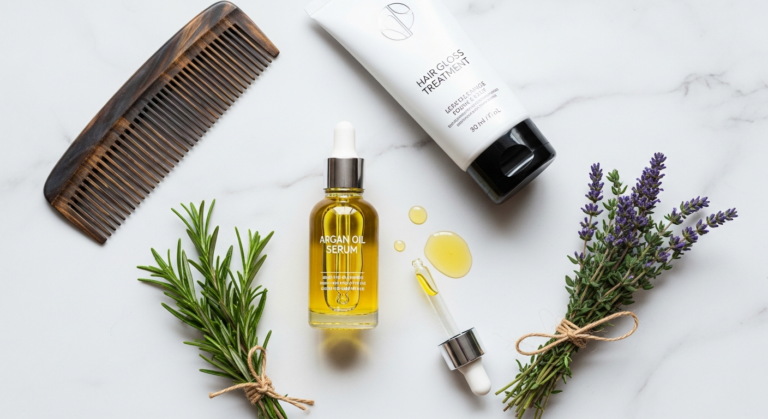
* Hair Oils: Seal in moisture with lightweight oils like jojoba, argan, or grapeseed oil. Apply a small amount to your ends and throughout your hair after applying your leave-in.
* Water-Based Products: Always look for water listed as the first ingredient in your moisturizers.
3. Gentle Handling – A Must:
* Detangle Wet/Damp Hair: Always detangle with conditioner in your hair, using your fingers or a wide-tooth comb. Start from the ends and work your way up.
* Limit Manipulation: The less you touch, pull, or brush your hair, the less breakage you’ll experience, especially at that fragile demarcation line.
* Satin Protection: Invest in a satin pillowcase or a satin-lined bonnet (Grace Eleyae Slap Cap is a cult favorite, but many affordable options exist online). This prevents friction and moisture loss overnight.
Budget-Friendly & Effective Brand Suggestions:
* SheaMoisture: Known for natural ingredients and catering to various hair needs. Try their Coconut & Hibiscus line for moisture and definition.
* Mielle Organics: Excellent for strengthening and growth. Their Rosemary Mint Strengthening Hair Masque is a game-changer.
* Cantu: Very accessible and affordable, with a wide range of products. Start with their Curl Activator Cream. (Always check ingredients to ensure they suit your hair’s specific needs, as some find certain ingredients too heavy.)
* The Mane Choice: Offers a variety of lines targeting different concerns, often with great natural ingredient lists.
* As I Am: Great for coily and kinky textures, with a focus on hydration. Their Coconut CoWash is perfect for gentle cleansing.
4. Building Your Natural Hair Regimen: Your Personal Power Routine
Once you’re fully natural or well into your transition, establishing a consistent regimen is crucial for healthy, thriving hair. This isn’t about rigid rules, but about understanding your hair’s needs and creating a routine that works for you.
Your Wash Day Routine (Typically once a week or every 10-14 days):
1. Pre-Poo (Optional but Recommended): Before shampooing, apply a conditioning treatment or oil (like coconut oil or a store-bought pre-poo like African Pride Moisture Miracle Pre-Shampoo) to dry hair. Leave it on for 15-30 minutes. This helps protect your hair from stripping during shampooing and aids in detangling.
2. Cleansing: Use a sulfate-free shampoo (like Trader Joe’s Tea Tree Tingle Shampoo for a super budget option, or SheaMoisture Curl & Shine Shampoo) to gently cleanse your scalp and hair. Focus on the scalp, letting the suds run down your strands.
3. Conditioning & Detangling: Apply a generous amount of nourishing conditioner. While the conditioner is in, use your fingers or a wide-tooth comb to gently detangle, starting from your ends and working your way up. Sectioning your hair can make this easier.
4. Deep Conditioning: After rinsing out your regular conditioner, apply a deep conditioner or hair mask. Cover your hair with a plastic cap and sit under a hooded dryer or use a warm towel for 15-30 minutes to help the product penetrate. Rinse thoroughly with cool water to seal the cuticle.
Your Styling Routine: The LOC/LCO Method
This method is incredibly popular for natural hair to ensure maximum moisture retention.
* L – Liquid (or Leave-in): On damp hair (after washing or refreshing with water), apply a water-based leave-in conditioner. This provides the initial layer of moisture.
* O – Oil: Next, apply a lightweight oil (like jojoba, argan, or sweet almond oil) to seal in that moisture. Focus on your ends.
* C – Cream: Finish with a curl cream or butter. This adds definition, further seals moisture, and helps with frizz control.
Step-by-Step: The Perfect Twist-Out for Defined Curls:
The twist-out is a fantastic style for definition and stretching your curls.
1. Start on Clean, Damp Hair: After your wash day, apply your leave-in conditioner.
2. Section Your Hair: Divide your hair into manageable sections (4-8 sections, depending on your hair’s density).
3. Apply Products: In each section, apply your oil, then a generous amount of curl cream/custard (like Cantu Shea Butter Coconut Curling Cream) or a light gel. Ensure even distribution.
4. Two-Strand Twist: Take a small subsection of hair (the smaller the subsection, the more defined your twists will be). Divide it into two strands and twist them around each other from root to tip. Ensure the ends are coiled around your finger to prevent unraveling.
5. Repeat: Continue twisting until your entire head is done.
6. Dry Thoroughly: Allow your twists to air dry completely (this can take several hours or overnight). You can also use a diffuser on low heat. Ensure they are bone dry to avoid frizz.
7. Unravel Gently: Once completely dry, lightly coat your fingertips with a little oil. Gently unravel each twist, starting from the ends. Separate carefully for volume.
8. Fluff & Style: Use an afro pick at the roots for added volume, being careful not to disturb your curl definition.
Maintenance: Keep Your Crown Happy
* Night Routine: “Pineapple” your hair (gather it loosely on top of your head with a satin scrunchie) and sleep on a satin pillowcase or with a satin bonnet. This preserves your style and prevents frizz.
* Refreshing: In between wash days, use a spray bottle with water (and a little leave-in conditioner) to re-moisturize and reactivate your curls.
* Regular Trims: Even if you’re fully natural, get micro-trims every 3-4 months to remove split ends and maintain healthy hair growth.
5. Styling Your Crown: Embracing Your Natural Beauty
Now for the fun part – truly owning and styling your beautiful natural hair! The world of natural hair styling is vast and exciting, offering endless possibilities for self-expression.
Styling Short Natural Hair (Post-Big Chop):
Your short natural hair is a statement in itself – confident, chic, and powerful.
* Wash-and-Gos: Embrace your natural curl pattern as it is! Use a good leave-in, curl cream, and gel for definition and hold.
* Finger Coils: For super defined, elongated curls, use a small amount of curl cream or gel and coil small sections of hair around your finger.
* Accessorize Boldly: Headbands, scarves, and intricate hairpins can elevate any short style. Don’t underestimate the power of a beautiful earring!
* Outfit Ideas: Short hair pairs wonderfully with high-necked tops, statement necklaces, and tailored silhouettes. Think a fitted turtleneck with wide-leg pants, a structured jumpsuit, or a classic trench coat. A bold printed scarf tied around your neck can also draw attention to your beautiful neckline.
Styling Medium to Long Natural Hair:
With more length comes even more versatility.
* Wash-and-Gos: Still a go-to for many!
* Twist-Outs & Braid-Outs: As detailed above, these create gorgeous, elongated curl patterns.
* Puffs & Updos: High puffs, low puffs, side puffs, elegant braided updos, or messy buns are perfect for various occasions. Use edge control (Ebin New York 24 Hour Edge Tamer is a budget-friendly option) for a polished finish.
* Half-Up/Half-Down Styles: Perfect for showcasing your length while keeping some hair off your face.
* Accessorizing: Hair scarves, headwraps, decorative clips, and even fresh flowers can add a touch of personality.
* Outfit Ideas: Medium to long natural hair often inspires a more bohemian, free-spirited, or dramatic aesthetic. Flowy maxi dresses, wide-brimmed hats, structured jumpsuits, or even a simple t-shirt and jeans can be elevated by your magnificent mane. Experiment with necklines that allow your hair to shine, like off-the-shoulder tops or deep V-necks.
Confidence is Your Best Accessory:
The most important styling tip is to wear your natural hair with confidence! Experiment, play, and don’t be afraid to try new things. Some styles will work better than others, and that’s okay. Your hair is unique, and learning what makes it shine is part of the beautiful journey. Embrace the frizz on humid days, the shrinkage that shows its health, and the sheer volume that makes you stand out.
6. Beyond Hair: Embracing Your Full Natural Transition
Transitioning to natural hair is rarely just about your strands; it’s often a catalyst for a deeper journey of self-discovery and empowerment. This is your chance to align your entire lifestyle with your authentic self.
Skincare & Makeup: Complementing Your New Look
With your natural hair taking center stage, you might find yourself gravitating towards a more natural or enhanced makeup look.
* Glowing Skin: Focus on a consistent skincare routine that gives you a radiant canvas. Think hydration, SPF, and a good vitamin C serum. Minimal foundation or a tinted moisturizer can let your skin breathe.
* Bold Brows: Well-groomed, defined eyebrows beautifully frame your face, drawing attention upwards and complementing your natural hair.
* Pop of Color: A vibrant lip color (red, berry, or even a bold nude) or a touch of shimmery eyeshadow can add a playful touch without overpowering your natural beauty.
* Embrace Your Features: Natural hair often encourages us to appreciate our unique facial features more. Play up your eyes, highlight your cheekbones, or experiment with different eyeliner styles.
Fashion & Personal Style: Redefining Your Wardrobe
Your hair is a major part of your aesthetic, and going natural can inspire a shift in your fashion choices.
* Authenticity First: You might find yourself drawn to clothing that feels more “you” – less about trends and more about personal expression.
* Effortless Chic: Natural hair often lends itself to an effortlessly chic vibe. Think comfortable yet stylish fabrics, relaxed fits, and pieces that move with you.
* Statement Pieces: With your hair as a statement, you might enjoy pairing it with simpler, more classic clothing, or you might find yourself gravitating towards bold prints and textures that mirror your hair’s dynamism.
* Consider Necklines: As mentioned earlier, explore necklines that beautifully frame your natural hair, whether it’s a high puff or a cascade of curls. Off-the-shoulder, scoop necks, and V-necks can all work wonders.
* Accessories: Your new hair might inspire a love for larger earrings, intricate necklaces, or stylish scarves that complement your texture.
Mindset: Patience, Self-Love, and Community
This journey is as much mental as it is physical.
* Patience: Your hair will grow at its own pace. Embrace every stage, even the awkward ones.
* Self-Love: Learn to appreciate your unique texture, its quirks, and its beauty. It’s a reflection of you.
* Community: Connect with other naturalistas! Join online groups, follow natural hair influencers, or attend local meetups. Sharing experiences, tips, and encouragement can make all the difference. You’ll find a supportive sisterhood cheering you on.
* Document Your Journey: Take pictures! Seeing your progress can be incredibly motivating and a beautiful reminder of how far you’ve come.
Your natural hair journey in 2026 is an invitation to fall deeper in love with yourself. It’s about embracing your true essence, from your roots to your ends, and letting your authentic beauty shine through every aspect of your life.