
The Ultimate Guide to Building a Timeless Neutral Color Palette Wardrobe
In the fast-paced world of fashion, where trends emerge and dissipate with the swipe of a thumb, there is a quiet revolution taking place. It is a movement away from the “maximalism” of neon hues and loud prints toward something more grounded, sophisticated, and enduring: the neutral color palette wardrobe. This approach to dressing isn’t just about minimalism; it’s about a strategic lifestyle choice that prioritizes quality over quantity and style over fleeting fashion. By curating a closet centered around shades of cream, beige, charcoal, navy, and camel, you create a seamless ecosystem of clothing where every piece speaks to the next.
For the modern fashion enthusiast, a neutral wardrobe is the ultimate tool for combating decision fatigue. Imagine waking up to a closet where every top complements every bottom, and where “quiet luxury” isn’t just a buzzword but a daily reality. This guide explores how to master the art of neutral dressing in 2026 and beyond, ensuring you look polished, professional, and effortlessly chic regardless of the occasion. Whether you are building your first capsule collection or refining a long-held aesthetic, understanding the nuances of tones, textures, and silhouettes is the key to unlocking a wardrobe that never goes out of style.
1. The Foundation: Defining Your Neutral Spectrum
When most people hear the word “neutral,” they immediately think of beige. However, a truly comprehensive neutral color palette is far more diverse and vibrant than it initially appears. To build a successful wardrobe, you must first identify which neutrals resonate with your skin tone and personal aesthetic.
The neutral spectrum can be divided into “warm” and “cool” categories. Warm neutrals include rich creams, camels, tans, and olives. These are perfect for those with golden or olive undertones. On the other hand, cool neutrals encompass stark whites, charcoals, slate greys, and deep navies, which beautifully complement cooler skin tones. The magic of a neutral wardrobe lies in its versatility—navy functions as a softer alternative to black, while oatmeal provides a warmth that pure white lacks.
Establishing a core palette of three to four primary neutrals allows you to mix and match with surgical precision. For instance, a wardrobe built on a base of navy, grey, and white offers a sharp, professional vibe, whereas a palette of camel, cream, and espresso feels soft, inviting, and luxurious. By defining this spectrum early, you avoid the “orphan garment” syndrome—that piece of clothing in your closet that doesn’t go with anything else you own.
2. Mastering the Art of Tonal Dressing
Tonal dressing, or monochromatic styling, is the hallmark of the sophisticated neutral wardrobe. It involves wearing different shades and tints of the same color family in a single outfit. This technique creates a long, lean silhouette and exudes an air of intentionality and “expensive” taste.
To master tonal dressing without looking flat, you must play with depth and saturation. If you are wearing a beige ensemble, don’t aim for an exact color match between your sweater and trousers. Instead, pair a light “sand” silk blouse with “camel” wool trousers and a deeper “cognac” leather belt. These subtle shifts in shade create visual dimensions that catch the eye and keep the outfit interesting.
The beauty of tonal dressing is its adaptability. In a professional setting, a charcoal grey suit paired with a light heather-grey turtleneck looks modern and authoritative. For a casual weekend, a cream-on-cream look—perhaps a chunky knit sweater over pleated linen trousers—looks relaxed yet incredibly refined. The goal is to look like you’ve put effort into your appearance without looking like you tried too hard.
3. Texture: The Secret Ingredient to Visual Interest
In the absence of bold patterns and bright colors, texture becomes your most powerful styling tool. A neutral outfit consisting of flat, identical fabrics can quickly look uniform or dull. To elevate your look, you must lean into the tactile qualities of different materials.
Texture adds what stylists call “visual weight.” Consider the difference between a white cotton t-shirt and a white silk camisole. One is structured and matte; the other is fluid and lustrous. By mixing these textures, you create contrast that replaces the need for color. In the cooler months of 2026, try pairing a heavy cable-knit wool sweater with a sleek satin midi skirt. The juxtaposition of the rugged wool against the delicate silk creates a high-fashion look that feels balanced and thoughtful.
Incorporate a variety of textures into your neutral capsule:
* **Natural Fibers:** Linen for breathability, wool for warmth, and silk for elegance.
* **Leather and Suede:** These provide a structured, “tougher” element to soft neutral palettes.
* **Denim:** A well-fitted pair of ecru or dark-wash denim adds a casual, rugged texture that grounds more formal pieces.
* **Sheer and Lace:** Subtle transparencies can add a layer of femininity and complexity to a monochrome black or white outfit.
4. Seasonal Adaptability: Neutrals for Every Climate
A common misconception is that neutral wardrobes are only for the fall (camel coats) or summer (white linens). In reality, a neutral palette is the most seasonally adaptable way to dress. The key lies in fabric choice and layering.
**Spring/Summer:** This is the time for “light neutrals.” Think ivory, stone, and pale grey in breathable fabrics. A beige linen suit is a summer staple that keeps you cool while looking impeccably tailored. White-on-white looks are quintessential for warmer months, but adding a straw hat or tan leather sandals provides the necessary contrast to keep the look grounded.
**Fall/Winter:** As the temperature drops, the palette shifts toward “heavy neutrals.” This is when espresso browns, deep charcoals, and forest-toned olives shine. Layering becomes an art form; a navy wool coat over a grey cashmere sweater and white button-down creates a sophisticated, multi-dimensional look. Neutral palettes also allow you to invest in high-quality outerwear—like a classic camel trench or a black shearling jacket—knowing they will complement everything you wear underneath for years to come.
5. The Role of Silhouettes and Tailoring
When color is minimized, the “cut” of your clothing takes center stage. A neutral color palette wardrobe relies heavily on silhouettes to communicate style. Whether you prefer the oversized, “Scandi-chic” look or a more structured, “Old Money” aesthetic, tailoring is non-negotiable.
Because neutral pieces are meant to be worn repeatedly, they should fit your body perfectly. A pair of off-white wide-leg trousers looks incredibly chic when they hit the floor at the right length, but they can look sloppy if they are ill-fitting. Similarly, a structured blazer in a neutral shade acts as an anchor for the body, providing shape and definition to even the simplest jeans-and-tee combination.
In 2026, we are seeing a move toward “relaxed tailoring”—pieces that have a professional structure but offer comfort and movement. Think of blazers with softened shoulders or trousers with elasticated back-waists that still feature a sharp front crease. These silhouettes allow your neutral pieces to transition from a remote work environment to a formal dinner effortlessly.
6. Accessorizing the Neutral Palette
Accessories are the “punctuation marks” of a neutral outfit. They provide the finishing touch that can either keep the look strictly minimal or add a hint of personality. In a neutral wardrobe, accessories often serve as the primary source of contrast.
**Hardware and Jewelry:** Gold jewelry is a classic companion for warm neutrals like cream, tan, and olive, as it enhances the warmth of the colors. Silver or white gold, conversely, looks striking against cool greys, navies, and blacks. Mixing metals is also a modern trend that adds an edgy, contemporary feel to a classic beige outfit.
**Leather Goods:** Your choice of footwear and handbags can define the vibe of your neutral look. A structured black leather bag adds a “boss” energy to a grey suit, while a tan suede tote keeps a white linen dress feeling bohemian and soft. Don’t be afraid to use a single “pop” of color in your accessories—such as a deep burgundy loafer or a forest green clutch—to break up a monochromatic look without compromising the overall neutral aesthetic.
7. Sustainability and the Longevity of Neutrals
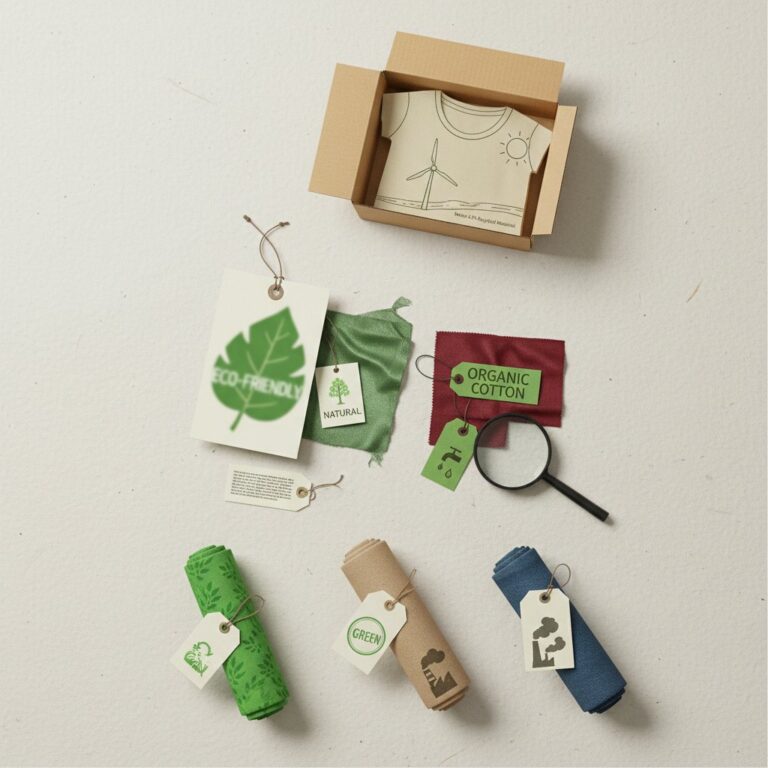
One of the most compelling reasons to adopt a neutral color palette wardrobe is its inherent sustainability. Fast fashion thrives on “micro-trends”—colors and patterns that are “in” one month and “out” the next (think “Barbiecore” pink or specific neon shades). When you buy into these trends, you are often left with clothes that feel dated within six months.
Neutrals, however, are immune to the trend cycle. A high-quality camel coat purchased today will be just as stylish in 2030 as it is in 2026. This longevity encourages a “buy less, buy better” mentality. By investing in premium fabrics like organic cotton, recycled cashmere, and traceable wool in neutral shades, you are building a wardrobe that lasts decades rather than seasons. This not only reduces your environmental footprint but also saves you money in the long run, as the “cost-per-wear” of a neutral staple is significantly lower than that of a trendy, one-off piece.
—
FAQ: Navigating the Neutral Wardrobe
**Q1: Won’t a neutral wardrobe look boring or plain?**
Not at all! A neutral wardrobe only looks “plain” if you ignore texture and silhouette. By mixing different fabrics (like leather with wool) and playing with proportions (like an oversized knit with slim trousers), you create a look that is visually rich and sophisticated.
**Q2: Can I still wear color if I have a neutral palette?**
Absolutely. A neutral wardrobe serves as a perfect “canvas.” You can easily integrate seasonal colors through small items like a scarf, a handbag, or even a bold lip color. The neutrals ensure that these pops of color look intentional rather than overwhelming.
**Q3: How do I keep my white and cream clothes clean?**
This is the biggest challenge of a neutral wardrobe! The key is proactive care. Always check care labels, treat stains immediately with a portable stain remover, and consider using a fabric protector spray on suede or light-colored canvas shoes.
**Q4: Is black considered a neutral?**
Yes, black is the “ultimate” neutral. However, some people find it too harsh for their skin tone. If black feels too dark, try “midnight navy” or “charcoal grey”—they offer the same slimming and professional benefits but with a slightly softer edge.
**Q5: How many pieces do I need for a neutral capsule wardrobe?**
There is no magic number, but most people find that 20 to 30 high-quality pieces (including tops, bottoms, outerwear, and shoes) can create over 100 different outfit combinations. Focus on versatility: every new piece you buy should work with at least three items you already own.
—
Conclusion: The Confidence of a Cohesive Closet
Building a neutral color palette wardrobe is more than just a fashion choice; it is an exercise in self-awareness and intentional living. It requires you to look past the fleeting “hype” of the runway and focus on what truly makes you feel comfortable, confident, and empowered. There is a unique kind of freedom that comes with knowing that you can reach into your closet in the dark and pull out an outfit that looks curated and polished.
As we navigate the style landscape of 2026, the shift toward timelessness and “quiet luxury” reflects a broader cultural desire for stability and quality. By mastering the balance of tones, the richness of textures, and the precision of tailoring, you transform your wardrobe from a collection of clothes into a powerful expression of your personal brand. A neutral palette doesn’t hide your personality; it provides the sophisticated backdrop against which your true self can shine. Embrace the calm, the versatility, and the enduring elegance of neutrals, and discover the joy of a wardrobe that truly stands the test of time.