
Building a Personal Style Identity Beyond Trend Cycles
In an era where the fashion industry moves at a breakneck pace, the concept of “personal style” has become increasingly overshadowed by the relentless churn of micro-trends. From the rapid rise of “aesthetic” cores to the viral shelf-life of fast-fashion items, the modern consumer is often caught in a cycle of purchasing for the moment rather than for the self. However, true style—the kind that transcends seasons and remains captivating over decades—isn’t found in a “must-have” list or a TikTok algorithm. It is an intentional, inward-looking process of self-discovery and curation.
Building a personal style identity beyond trend cycles is about reclaiming your agency as a wearer of clothes. It is the transition from being a passive consumer to becoming a curator of your own visual narrative. This journey requires a shift in mindset: moving away from the “newness” high and toward a deeper understanding of silhouette, fabrication, and personal comfort. By focusing on what resonates with your lifestyle and your soul, you can build a wardrobe that feels like home. This guide will walk you through the essential steps of cultivating a timeless style identity that remains unshakable, regardless of what is currently “in.”
The Psychology of Style: Breaking Free from the Trend Trap
To build an identity beyond trends, one must first understand why the trend cycle is so seductive. Fashion, in its commercialized form, thrives on “planned obsolescence”—not necessarily of the garment’s physical integrity, but of its social relevance. When we buy into a trend, we are often buying a temporary sense of belonging. However, this belonging is fleeting; as soon as the trend is replaced, the garment feels “wrong” or “dated,” leading to a cluttered closet and a fragmented sense of self.
Developing a personal style identity is a psychological act of defiance. It requires you to ask *why* you like a certain piece. Is it because you saw it on a specific influencer, or does it evoke a feeling you want to carry? When you decouple your self-worth from the speed of your consumption, you begin to notice patterns in what you actually wear. You might realize that while you admire the “boho-chic” trend on others, you personally feel most powerful in structured, minimalist blazers. Acknowledging this distinction is the first step toward style sovereignty. It allows you to view fashion as a tool for communication rather than a set of rules to follow.
Conducting a Radical Wardrobe Audit
Before you can build your future identity, you must reconcile with your past purchases. A wardrobe audit is not just about decluttering; it is about data collection. Open your closet and look at the pieces you reach for every single day. These are your “keepers,” and they hold the DNA of your personal style. Conversely, look at the items with tags still on them or the ones that make you feel uncomfortable or “costumed” when you put them on.
Ask yourself these questions for every item:
* **Does this fit my current lifestyle?** A wardrobe of evening gowns is useless for someone who works from a home office.
* **What is the “Three-Word” descriptor?** Many stylists suggest choosing three words to define your style (e.g., *Romantic, Architectural, Relaxed*). Do your most-worn items fit these words?
* **Is the fabric quality sustainable for my life?**
By identifying the common threads among your favorite clothes—perhaps they all share a specific neckline, a certain weight of denim, or a specific shade of navy—you begin to see the blueprint of your personal identity. This audit clears the mental and physical space needed to invite in pieces that actually serve you.
Defining Your Signature Silhouette and Color Palette
The most stylish individuals in history often had a “uniform” or a signature look. This isn’t about wearing the exact same outfit every day, but rather understanding the proportions that make you feel most confident. Some people thrive in oversized, voluminous shapes that provide a sense of mystery and ease. Others prefer sharp tailoring and defined waists that offer a sense of order and power.
To find your signature silhouette, experiment with proportions. Try the “big-small” rule (loose top, tight bottom or vice-versa) or the “monochrome” rule (same color throughout to elongate the frame). Once you find a formula that works, lean into it. This creates a cohesive visual identity that makes getting dressed effortless.
Similarly, a personal color palette is essential. While “color analysis” is a popular tool, your palette should also be informed by your emotional response to color. If neon green is “on-trend” but makes you feel anxious, omit it. A cohesive palette—perhaps based on earth tones, jewel tones, or a strict grayscale—ensures that almost everything in your wardrobe can be mixed and matched, increasing the longevity and versatility of every piece you own.
The Importance of Materiality: Investing in Longevity
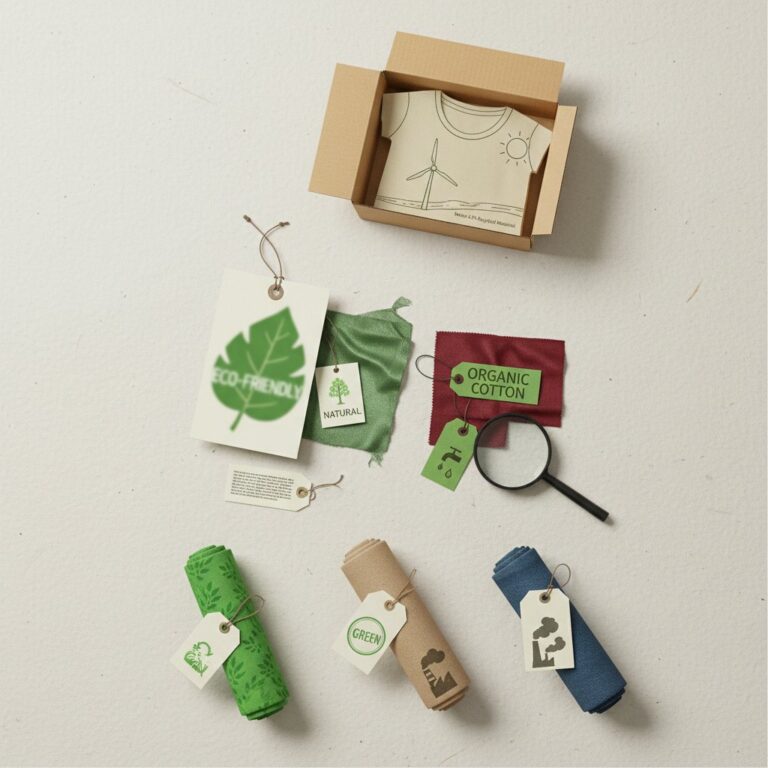
A significant hurdle in staying “on-trend” is the reliance on low-quality synthetic fabrics that lose their shape after three washes. Building a style identity beyond trends requires a pivot toward materiality. Natural fibers like wool, silk, linen, and organic cotton not only last longer but also age gracefully. They have a weight and a drape that synthetic fast-fashion pieces simply cannot replicate.
When you focus on quality, you move toward a “Cost Per Wear” (CPW) mindset. A $200 cashmere sweater that you wear 50 times a year has a much lower CPW than a $30 polyester top that you wear twice before it pills. Part of your style identity should be a commitment to craftsmanship. Look for finished seams, sturdy buttons, and high-quality linings. When your clothes are well-made, they provide a polished foundation that allows your personality to shine through, rather than the clothes wearing you. This focus on quality is inherently sustainable and protects you from the impulse to buy “disposable” fashion.
Curating Inspiration Without Mimicry
In the digital age, we are bombarded with imagery. The key to using platforms like Pinterest or Instagram for style development is to use them for *mood* rather than *shopping lists*. Instead of looking for a specific sweater to buy, look at how an outfit is put together. Is it the way the sleeves are rolled? Is it the unexpected color combination of red and camel? Is it the juxtaposition of a rugged boot with a feminine skirt?
Create a “Style North Star” board. Fill it with images of people, architecture, interiors, and landscapes that resonate with you. Over time, you will see a theme emerge. You might notice you’re drawn to the 1970s Parisian aesthetic or perhaps a mid-century modern minimalism. This high-level inspiration acts as a filter. When you see a new trend emerging, you can hold it up against your “North Star.” If it doesn’t align with that core aesthetic, you can safely pass it by, knowing it doesn’t fit your long-term identity.
Mastering the Art of the “Uniform” and Accessories
A personal style identity is often anchored by a “uniform”—a go-to outfit formula that works for 80% of your life. This could be a straight-leg jean, a white button-down, and a loafer, or a midi-dress paired with a leather jacket. Having a uniform isn’t boring; it’s an anchor. It reduces decision fatigue and ensures that even on your busiest days, you look like *yourself*.
The “identity” part of the outfit often comes through in the accessories. While the base of your outfit might be timeless and neutral, your accessories can be the place where you express your quirks. This is where you can incorporate vintage jewelry, a unique handbag, or a signature scent. Accessories are often the most “trend-proof” part of a wardrobe because they are less about body shape and more about personal storytelling. A vintage watch or a silk scarf passed down from a relative carries more stylistic weight than any trending accessory of the month.
FAQ
#
1. How do I know if I’m buying a trend or something I actually like?
A good rule of thumb is the “Wait and See” method. If you see something you love, wait at least two weeks before purchasing. If you are still thinking about how it fits into your existing wardrobe—rather than just how it looked on a model—it’s likely a genuine preference. Ask yourself: “Would I have liked this three years ago, and will I like it three years from now?”
#
2. Can I still wear trends if I want a “timeless” style?
Absolutely. Having a personal style identity doesn’t mean you have to be a luddite. The key is to incorporate trends as “accents” rather than the foundation of your look. If a trend happens to align with your personal silhouette or color palette, it’s a great time to pick up a high-quality version of that item.
#
3. I have a limited budget; how can I afford “quality” pieces?
Quality doesn’t always mean “luxury brand names.” The best way to build a high-quality wardrobe on a budget is through the secondhand market. Thrift stores, consignment shops, and online platforms like Depop or Vestiaire Collective are gold mines for natural fibers and vintage tailoring. Focus on the fabric composition tag rather than the brand name.
#
4. My body is changing. How do I maintain a style identity?
Style identity is more about “vibe” and “fabrication” than a specific size. If your body changes, look for the elements of your style that are adaptable—like your color palette or your love for certain textures. Opt for silhouettes that offer some flexibility, like wrap dresses, high-quality knitwear, or tailored pieces that can be let out or taken in by a professional tailor.
#
5. How do I avoid looking “dated” if I’m not following trends?
There is a big difference between “dated” and “classic.” A look feels dated when it is a head-to-toe recreation of a specific, narrow trend from the past. You avoid this by mixing elements. Pair a classic, non-trend blazer with modern, clean-lined sneakers. The goal is “timelessness,” which is achieved by focusing on fit and fabric rather than specific “must-have” items of the moment.
Conclusion: The Power of Self-Expression
Building a personal style identity is an ongoing project of self-curation that pays dividends in confidence and clarity. When you stop chasing the carrot of the “next big thing,” you reclaim the time, money, and emotional energy that the fast-fashion cycle consumes. You begin to see your wardrobe not as a source of stress or a mountain of “nothing to wear,” but as a carefully selected toolkit for self-expression.
A person who knows their style is a person who knows themselves. They move through the world with an ease that comes from being comfortable in their own skin—and their own clothes. Remember that style is not about perfection; it’s about alignment. It’s about ensuring that the person the world sees is a true reflection of the person you are inside. By prioritizing quality over quantity, intuition over algorithms, and longevity over novelty, you create a style identity that isn’t just “fashionable”—it is iconic. In the end, the most stylish thing you can be is yourself, consistently and unapologetically.