

Sparkle & Shine: Your Ultimate Guide to Cleaning and Caring for All Your Jewelry
By Sarah Jenkins, Jewelry Expert at Fashion Goggled
The Foundations of Jewelry Care: Understanding the Basics
Before diving into specific cleaning methods, it’s crucial to establish a foundational understanding of universal jewelry care principles. These guidelines serve as the bedrock for preserving the integrity and beauty of all your pieces, regardless of their material or value. Implementing these basic practices consistently will significantly reduce the need for intensive cleaning and repair down the line.
The “Last On, First Off” Rule: Your Golden Standard
This simple mantra is perhaps the most important rule in jewelry care. Cosmetics, perfumes, hairsprays, and lotions contain chemicals and oils that can dull gemstones, erode metal finishes, and accumulate in intricate settings. Always apply your beauty products and allow them to dry or set completely before putting on your jewelry. Conversely, remove your jewelry before washing your hands, showering, or engaging in any activity that might expose it to water, soap, or chemicals. This minimizes exposure to potentially harmful substances and prevents unnecessary build-up.
Intelligent Storage: A Haven for Your Treasures
Proper storage is paramount for preventing damage, scratches, and tarnish. Here’s how to create an ideal environment for your jewelry:
- Individual Compartments: Store each piece separately. This prevents items from rubbing against each other, especially harder gemstones like diamonds scratching softer metals or pearls. Soft pouches, lined jewelry boxes, or individual dividers are excellent choices.
- Cool, Dry, and Dark: Humidity is a major culprit for tarnish, particularly with sterling silver. Direct sunlight can also fade certain gemstones (like amethyst or topaz) and dry out organic materials (like pearls and opals). Keep your jewelry in a cool, dry place away from direct light and extreme temperature fluctuations.
- Anti-Tarnish Solutions: For silver, consider using anti-tarnish strips or cloths within your storage containers. These absorb airborne pollutants that cause tarnishing, significantly extending the time between cleanings.
- Secure Clasps: Before storing, always secure necklaces and bracelets. This prevents tangling, which can lead to frustrating knots and even breakage.
Regular Inspection: Your Eyes on the Prize
Make it a habit to regularly inspect your jewelry, especially pieces worn frequently. Look for:
- Loose Stones: Gently tap rings or earrings to see if any stones wobble or rattle.
- Worn Prongs: Check if the tiny metal claws holding your gemstones are bent, chipped, or thinned.
- Damaged Clasps: Ensure clasps are secure and functional, preventing accidental loss.
- General Wear: Look for any cracks, dents, or signs of weakening in the metal.
Catching these issues early can prevent a minor problem from escalating into a costly repair or, worse, the loss of a valuable gemstone.
By integrating these fundamental practices into your routine, you lay a solid groundwork for maintaining your jewelry’s pristine condition. This proactive approach to how to care for jewelry ensures that each piece remains a source of joy and beauty for years to come.
Decoding Materials: Specific Care for Different Metals
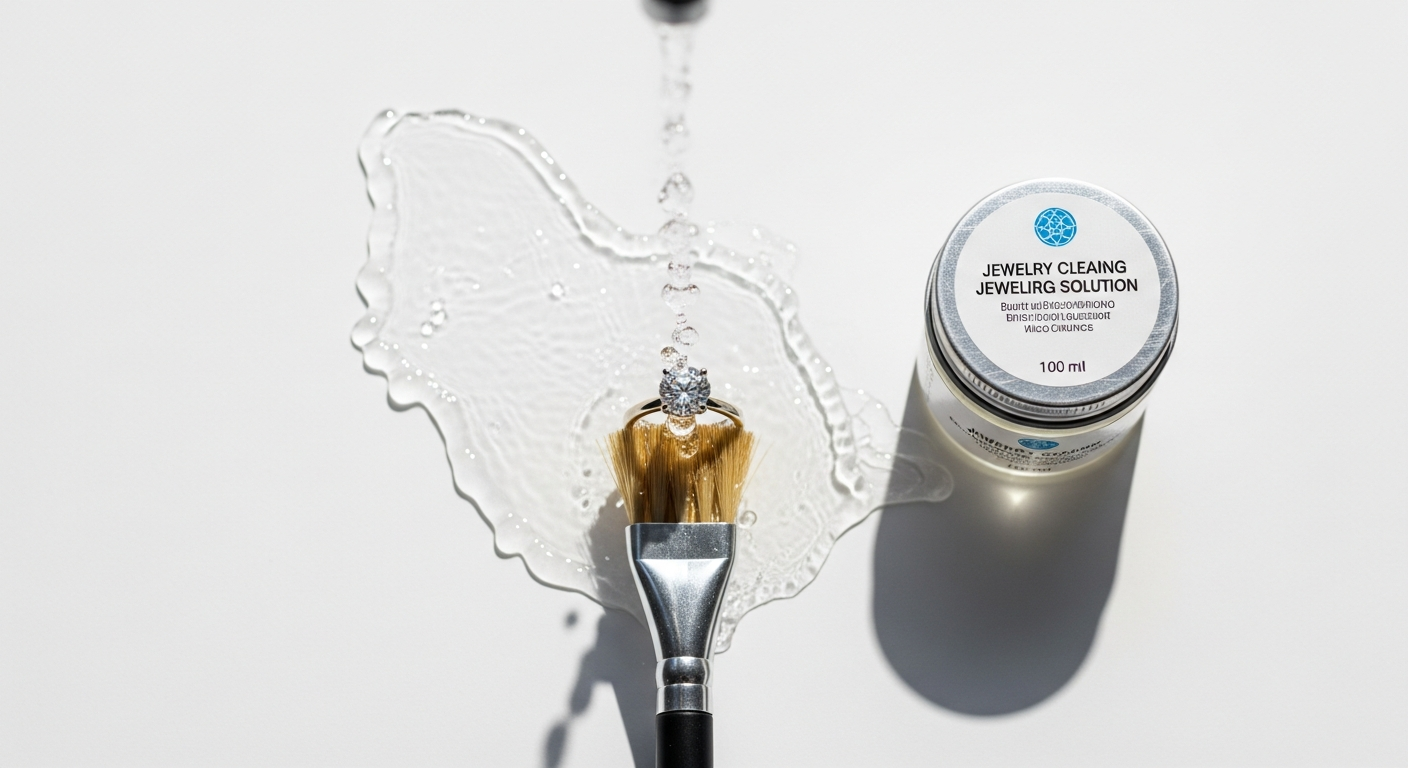
While general care principles apply to all jewelry, the specific metal of your piece dictates certain nuances in cleaning and maintenance. Understanding the unique properties of gold, silver, platinum, and costume jewelry is essential for providing tailored care that preserves their distinct characteristics and prevents damage.
Gold (Yellow, White, Rose)
Gold, in its various hues, is a popular choice for fine jewelry due to its beauty and durability. However, it still requires proper attention.
- Yellow Gold: Generally robust, yellow gold can be cleaned with a simple solution of warm water and a few drops of mild dish soap (like Dawn). Use a soft-bristled toothbrush to gently scrub away grime, paying attention to crevices. Rinse thoroughly under cool running water and dry with a soft, lint-free cloth.
- White Gold: Most white gold is plated with rhodium, a bright white metal that enhances its luster and whiteness. Over time, this plating can wear off, revealing the slightly yellowish hue of the white gold alloy beneath. Clean white gold like yellow gold, but be gentle to preserve the rhodium plating. Professional re-plating is recommended every 1-2 years, depending on wear, to restore its brilliance.
- Rose Gold: The copper content that gives rose gold its beautiful pinkish hue also makes it slightly more susceptible to tarnishing (oxidation) than yellow or white gold, though far less than silver. Clean with warm, soapy water and a soft cloth. Avoid harsh chemicals that could react with the copper.
Expert Tip: Always check for loose stones before cleaning gold jewelry. The vibrations of vigorous scrubbing could dislodge an already loose gem. For more insights on selecting the perfect piece, explore our guide on choosing the right gold jewelry.
Silver (Sterling Silver, Fine Silver)
Silver is renowned for its bright sheen but is highly prone to tarnishing, a natural chemical reaction to sulfur compounds in the air and on skin. Proper care for sterling silver is crucial for maintaining its brilliance.
- Tarnish Prevention: The best defense against tarnish is prevention. Store silver in airtight bags or cloths, ideally with anti-tarnish strips. Wear your silver regularly; the oils from your skin can actually help slow down tarnishing.
- Gentle Cleaning: For light tarnish, a silver polishing cloth is often sufficient. For heavier tarnish, a mild silver cleaning solution (specifically formulated for silver) can be effective. Follow product instructions carefully and rinse thoroughly.
- DIY Cleaning (with caution): A paste of baking soda and a little water can gently remove tarnish. Apply with a soft cloth, rub gently, then rinse and dry. Avoid abrasive scrubbing. For intricate pieces, a silver dip solution can be used, but avoid prolonged soaking and ensure it’s safe for any gemstones present.
Warning: Never use toothpaste to clean silver, as it is too abrasive and can scratch the surface.
Platinum
Platinum is celebrated for its incredible durability, natural white luster, and hypoallergenic properties. It’s denser and stronger than gold, making it an excellent choice for holding valuable gemstones securely.
- Durability vs. Scratches: While platinum is extremely durable and resistant to wear, it can still scratch. These scratches, however, primarily displace the metal rather than remove it, creating a soft “patina” finish. Many people appreciate this aged look.
- Cleaning: Platinum can be cleaned simply with warm water and mild soap, using a soft brush. For a professional shine, a jeweler can re-polish the piece to restore its original brilliance.
- Hypoallergenic: Platinum is naturally hypoallergenic, making it ideal for those with sensitive skin.
Costume Jewelry (Fashion Jewelry & Plated Jewelry)
Costume jewelry, often made from base metals (like brass, copper, or alloys) with plating (rhodium, gold, silver) and imitation stones, requires the most delicate handling due to its sensitive materials and often superficial finishes. The thin plating on these pieces makes them particularly vulnerable.
- Avoid Water and Chemicals: The plating on costume and plated jewelry is thin and can easily corrode, chip, or tarnish when exposed to water, perfumes, lotions, or cleaning solutions. This is because chemicals can react with the base metal beneath the plating, causing it to degrade.
- Wipe Clean: After each wear, gently wipe your costume jewelry with a dry, soft cloth to remove oils and residue.
- Airtight Storage: Store costume and plated jewelry in individual airtight bags or compartments to minimize exposure to air and humidity, which can accelerate tarnishing and damage to plating.
- Handle with Care: Be extremely gentle, as settings are often glued rather than prong-set, and imitation stones can be easily damaged or dislodged.
Knowing how to care for jewelry based on its metallic composition ensures that each piece receives the attention it deserves, maintaining its beauty and structural integrity for years of enjoyment. For tips on incorporating these pieces into your wardrobe, check out our guide on styling affordable fashion jewelry.
Gemstone Guardianship: Protecting Your Precious Stones
The dazzling array of gemstones adds unparalleled beauty and color to jewelry, but each stone has unique characteristics that demand specific care. From the unparalleled hardness of a diamond to the delicate porosity of a pearl, understanding these differences is key to preserving their brilliance and preventing irreversible damage. This section will guide you through the specialized care required for various types of gemstones, ensuring your precious stones remain captivating.
Diamonds: The Indestructible (Almost)
Diamonds are the hardest known natural substance, making them incredibly durable for everyday wear. However, “hard” doesn’t mean “indestructible.” They can still chip if hit at the right angle and will accumulate dirt and oils (from skin, lotions, and makeup), dulling their sparkle by creating a film that blocks light from entering and reflecting.
- Cleaning: The best method for diamonds is warm water, a few drops of mild dish soap (ammonia-free), and a soft toothbrush. Gently scrub the diamond and its setting, paying attention to the back where dirt accumulates. Rinse thoroughly under cool, running water and dry with a lint-free cloth.
- Ultrasonic Cleaners: While professional ultrasonic cleaners are excellent for diamonds, be cautious with home versions. Ensure your diamond is securely set and has no inclusions that could be exacerbated by vibrations. Always consult a jeweler if unsure.
- What to Avoid: Harsh chemicals like bleach or chlorine can damage the metal settings, even if they don’t harm the diamond itself.
Porous and Organic Gems: The Delicate Beauties (Pearls, Opals, Turquoise, Emeralds, Amber, Coral)
This category requires the most gentle handling due to their softness, porosity, or organic nature, making them susceptible to damage from chemicals, heat, and even changes in humidity. Knowing how to care for jewelry with these gems is vital.
- Pearls: These organic gems are highly sensitive to acids, chemicals, and perfumes. Their nacre (the iridescent coating) can be dulled or even dissolved by these substances. Wipe pearls with a soft, damp cloth after each wear to remove oils and cosmetics. Store them flat in a soft pouch away from other jewelry, as they can scratch easily. Never submerge pearls in water or use ultrasonic cleaners, as this can weaken the silk thread and damage the nacre. For more details, explore our guide on types of pearls and their value.
- Opals: Known for their captivating play-of-color, opals contain a significant amount of water and can crack or “craze” (develop tiny fissures) if they dry out or are exposed to sudden temperature changes. Clean opals with a soft, damp cloth only; never use chemicals or ultrasonics. Store them in a soft cloth or a very slightly damp cotton ball if kept for extended periods in dry conditions.
- Turquoise, Malachite, Lapis Lazuli: These opaque, porous stones can absorb oils, chemicals, and even body lotions, leading to discoloration. Clean only with a soft, dry or slightly damp cloth. Avoid submerging in water, harsh soaps, or chemicals.
- Emeralds: Often treated with oils or resins to fill surface-reaching fissures, emeralds are beautiful but relatively brittle. Harsh detergents, steam cleaners, or ultrasonics can strip away these oil treatments, making inclusions more visible and potentially weakening the stone. Clean with warm, soapy water and a very soft brush, but avoid these harsh methods.
- Amber and Coral: Both organic materials, they are soft and susceptible to scratching, heat, and chemicals. Wipe gently with a soft, damp cloth. Avoid chemicals, perfumes, and high heat.
Non-Porous Hard Stones: The Colorful Workhorses (Sapphires, Rubies, Amethysts, Topaz, Garnets)
Many of these stones are relatively hard and less porous than the delicate gems, making them more resilient, but still not invincible.
- General Cleaning: Most can be safely cleaned with warm water, mild dish soap, and a soft brush. Rinse well and dry thoroughly.
- Sapphires and Rubies: These are very hard (second only to diamonds) and durable. They tolerate ultrasonic cleaning well, provided their settings are secure and they have no significant inclusions.
- Amethysts, Topaz, Garnets, Peridot: These stones are generally safe for warm, soapy water cleaning. However, avoid extreme temperature changes and harsh chemicals. Some amethyst can fade with prolonged exposure to sunlight.
Important Note: Always err on the side of caution. If you are unsure about a specific gemstone, consult a professional jeweler. They can identify the stone and recommend the safest cleaning methods, preventing accidental damage to your cherished pieces. Understanding these distinctions is fundamental to ensuring your jewelry maintains its sparkle and integrity over time.
DIY Cleaning Solutions: Safe & Effective Home Methods
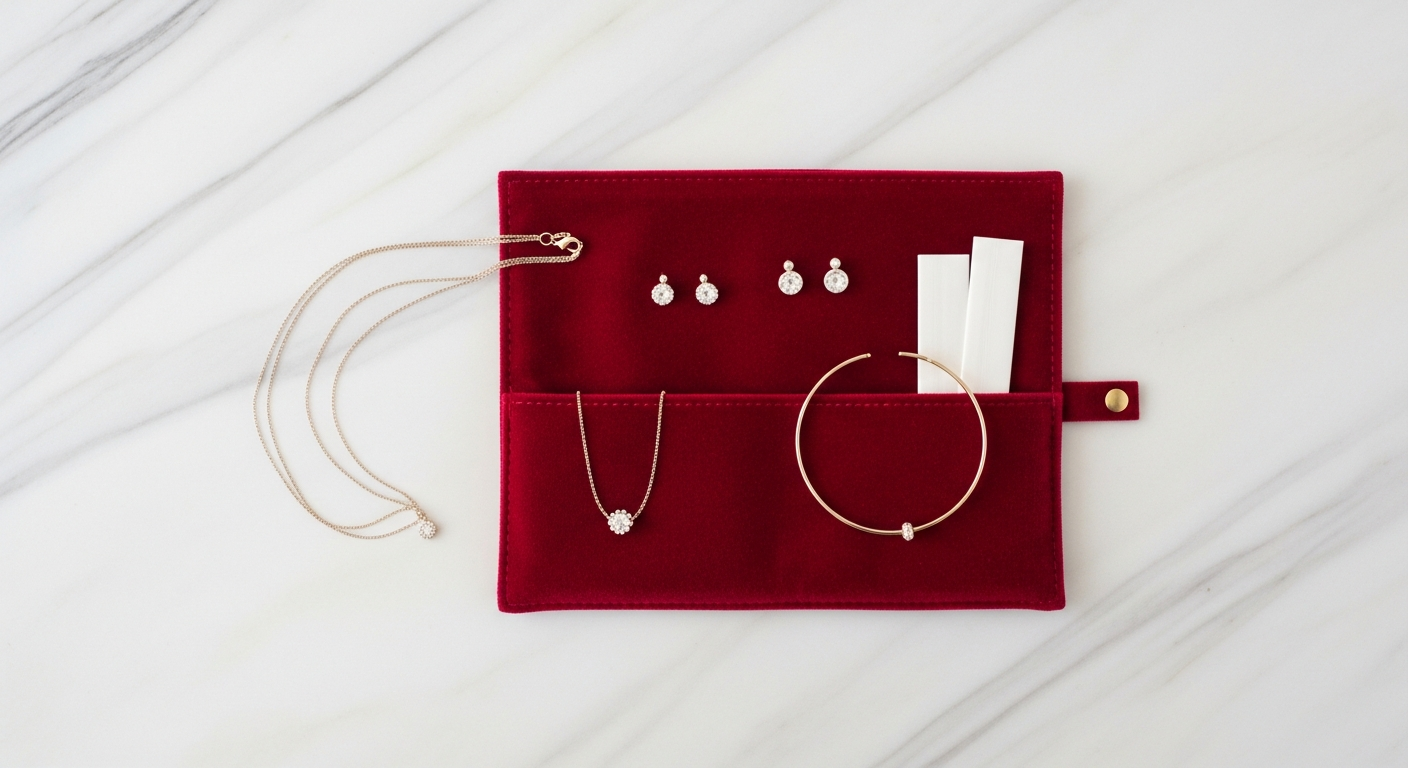
While professional cleaning offers the deepest level of care, many pieces of jewelry can be safely and effectively cleaned at home using common household items. These DIY methods are perfect for routine maintenance, keeping your jewelry sparkling between professional visits. However, it’s crucial to understand which solutions are appropriate for specific materials and when to avoid home cleaning altogether.
The Universal Gentle Soak (Safe for most non-porous metals and hard gemstones)
This is your go-to method for most gold, platinum, sterling silver (without heavy tarnish), and hard gemstone jewelry (like diamonds, sapphires, rubies, amethysts, topazes).
- Gather Your Supplies: You’ll need a small bowl, warm (not hot) water, a few drops of mild dish soap (ammonia-free, like Dawn), a soft-bristled toothbrush (a baby toothbrush works well), and a soft, lint-free cloth.
- Prepare the Solution: Fill the bowl with warm water and add 2-3 drops of mild dish soap. Stir gently to create a bubbly solution.
- Soak Your Jewelry: Place your jewelry in the solution and let it soak for 15-20 minutes. This helps loosen dirt and grime. For heavily soiled pieces, you can extend the soak time to 30 minutes, but avoid leaving it overnight.
- Gentle Scrubbing: Remove one piece at a time and gently scrub it with the soft toothbrush, paying extra attention to crevices, prong settings, and the back of stones where dirt often accumulates.
- Rinse Thoroughly: Rinse the jewelry under cool, running water. Ensure all soap residue is completely removed, as it can dull the shine if left behind.
- Dry Carefully: Pat the jewelry dry with a soft, lint-free cloth. For intricate pieces, you can use a hairdryer on a low, cool setting to ensure all moisture is removed, especially from settings.
Actionable Tip: Never rinse jewelry over an open drain without plugging it first! A dropped ring can quickly disappear.
Targeted Solutions for Specific Needs
- Sterling Silver Tarnish:
- Baking Soda Paste: For light to moderate tarnish, mix baking soda with a small amount of water to form a paste. Apply it to the silver with a soft cloth and gently rub. Rinse thoroughly and dry. This is less abrasive than toothpaste.
- Aluminum Foil and Baking Soda (for severe tarnish, use with caution): Line a glass bowl with aluminum foil, shiny side up. Place your tarnished silver on the foil. Sprinkle a few tablespoons of baking soda over the silver. Pour hot (not boiling) water over the jewelry until it’s fully submerged. A chemical reaction will occur, often bubbling, which removes the tarnish. Let it sit for 5-10 minutes. Remove, rinse well, and dry. This method is generally safe for plain silver but should be avoided for silver with gemstones, especially porous ones, or oxidized (darkened) details as it can strip them.
- Costume Jewelry: Since costume jewelry is highly susceptible to water damage and chemical reactions, the best “cleaning” is prevention. After each wear, gently wipe with a dry, soft cloth to remove oils and sweat. Avoid soaking or using any liquid solutions.
What to ABSOLUTELY AVOID with Home Cleaning
Knowing what not to do is as important as knowing what to do. Misguided cleaning attempts can lead to irreversible damage:
- Harsh Chemicals: Never use household cleaners like bleach, ammonia (unless very diluted for specific instances, and never near porous stones), chlorine, oven cleaner, or abrasive scrubs. These can corrode metals, dull finishes, and permanently damage gemstones. Chlorine, in particular, can weaken the structure of gold and silver alloys over time.
- Boiling Water: Extreme temperature changes, especially boiling water, can crack or shatter certain gemstones (like opals, pearls, emeralds) and weaken solder joints.
- Abrasive Materials: Toothpaste, scouring pads, or stiff brushes will scratch metals and softer gemstones.
- Ultrasonic Cleaners (Home Use with Caution): While effective for diamonds and hard, securely set stones, home ultrasonic cleaners can dislodge loose stones, damage porous gems, or crack stones with internal fractures. If you are unsure, do not use one.
By following these safe DIY methods for how to care for jewelry, you can maintain the beauty of your collection right from your home. Remember, when in doubt, consult a professional jeweler.
Professional Care: When to Call in the Experts
While home cleaning and preventative measures are essential for daily maintenance, there are times when your cherished jewelry pieces require the specialized attention only a professional jeweler can provide. Recognizing these moments is key to preserving the longevity, structural integrity, and exquisite beauty of your collection. Knowing how to care for jewelry often includes understanding when to step back and let the experts take over.
The Annual Check-Up: More Than Just Cleaning
Think of your jewelry like a car – it needs regular servicing to perform at its best and prevent major issues. Fashion Goggled recommends taking your fine jewelry to a reputable jeweler for a professional inspection and cleaning at least once a year, or more frequently for pieces worn daily like engagement rings.
During a professional inspection, a jeweler will:
- Examine Settings: They will meticulously check prongs for wear, looseness, or damage, ensuring gemstones are securely held. This is critical for preventing stone loss, which can be heartbreaking and costly.
- Inspect Clasps and Chains: Clasps can weaken over time, and chains can develop weak links. A jeweler will identify potential points of failure before they lead to loss.
- Assess Overall Condition: They can detect micro-cracks in metal, signs of metal fatigue, or other subtle issues that might be invisible to the untrained eye.
- Deep Clean: Professional jewelers use specialized equipment like industrial-grade ultrasonic cleaners and steam cleaners. These remove stubborn dirt and grime from intricate settings and surfaces that home methods can’t reach, restoring a brilliance that DIY cleaning simply can’t match.
Beyond the Sparkle: When Repairs Are Needed
Professional jewelers are skilled artisans capable of performing a wide range of repairs that are impossible to do at home:
- Prong Re-tipping or Rebuilding: If prongs are worn down or broken, a jeweler can restore them, securing your gemstones.
- Resizing Rings: Whether your fingers have changed size or you’ve inherited a ring, a jeweler can expertly resize it without compromising its integrity.
- Chain and Clasp Repair: Broken chains, bent clasps, or damaged earring posts can be skillfully repaired or replaced.
- Gemstone Re-setting or Replacement: If a stone is lost or needs to be re-set more securely, a professional can handle this delicate task.
- Pearl Re-stringing: Pearls strung on silk thread should be re-strung every 1-2 years if worn frequently, or if the thread shows signs of fraying. Jewelers will knot between each pearl to prevent all pearls from scattering if the strand breaks.
Specialized Treatments: Restoring Original Luster
Certain metals and finishes require specialized treatments to restore their original beauty:
- Rhodium Plating for White Gold: As mentioned, white gold often has a rhodium plating that wears off over time. A jeweler can re-plate your white gold jewelry, restoring its bright, silvery-white finish.
- Polishing and Buffing: Platinum and gold jewelry can develop a dull finish or minor scratches from daily wear. A jeweler can professionally polish and buff the metal, removing surface imperfections and bringing back its high shine. This is particularly noticeable with platinum, which develops a “patina” that can be polished back to a mirror finish.
- Refinishing Matte or Brushed Finishes: If your jewelry has a special finish other than high polish, a jeweler can expertly reapply it.
Engaging with a reputable professional jeweler is not just about cleaning; it’s about entrusting your valuable and sentimental pieces to experts who have the tools, knowledge, and experience to keep them in pristine condition. This ensures that your investment remains protected and your jewelry continues to tell its beautiful story for generations. When considering how to care for jewelry, remember that professional intervention is an indispensable part of a complete maintenance strategy.
Preventative Measures: Extending the Life of Your Sparkle
The adage “prevention is better than cure” holds immense truth when it comes to jewelry care. While cleaning and professional maintenance are vital, adopting a routine of preventative measures is arguably the most impactful way to safeguard your cherished pieces. By minimizing exposure to potential hazards and practicing mindful wearing and storage, you can significantly extend the life and brilliance of your jewelry, reducing the need for extensive repairs and costly cleanings. Mastering how to care for jewelry proactively is the ultimate secret to enduring sparkle.
The “Last On, First Off” Rule (Revisited for Emphasis)
This critical rule cannot be overstated. Cosmetics, perfumes, hairsprays, and lotions contain chemicals, alcohols, and oils that can not only dull the surface of your jewelry but also build up in crevices, attracting more dirt. For porous gemstones like pearls and opals, these substances can even cause irreversible damage or discoloration. Make it a strict habit: apply all your beauty products, let them dry, and then put on your jewelry. Remove your jewelry before washing your hands or showering.
Remove Jewelry Before Activities: A Non-Negotiable Practice
Many common daily activities pose a threat to your jewelry. Developing the habit of removing your pieces before certain tasks is a game-changer:
- Exercise/Sports: Sweat can accelerate tarnishing, and impact sports can bend rings, loosen stones, or even break delicate pieces.
- Swimming (Chlorine/Salt Water): Chlorine is extremely corrosive to metals like gold and silver, weakening their structure and causing discoloration. Saltwater can also damage metals and erode softer gemstones.
- Household Chores/Cleaning: Bleach, ammonia, and other harsh cleaning chemicals are detrimental to virtually all jewelry metals and gemstones. Even dish soap can dull finishes with prolonged exposure.
- Gardening/Manual Labor: Dirt and grime can get embedded in settings, and physical impact can scratch metals or damage stones.
- Showering/Bathing: Soaps and shampoos can leave a film that dulls your jewelry, and the warm, moist environment isn’t ideal for certain gems.
- Sleeping: Rings can catch on bedding, causing prongs to bend or stones to loosen. Necklaces can tangle or break.
Optimal Storage Practices: Your Jewelry’s Safe Haven
As previously discussed, how you store your jewelry is crucial for its longevity:
- Individual Protection: Keep pieces separate to prevent scratching. Soft pouches, fabric-lined jewelry boxes with compartments, or even small plastic baggies for costume jewelry work well.
- Away from Elements: Store jewelry in a cool, dry, dark place. Humidity is a primary cause of tarnish for silver. Direct sunlight can fade certain gemstones (e.g., amethyst, topaz) and dry out organic gems (e.g., pearls, opals).
- Anti-Tarnish Solutions: For sterling silver, include anti-tarnish strips in your storage containers or use anti-tarnish bags.
Regular Wiping and Inspection: Quick Maintenance Habits
- After Each Wear: For pieces worn against the skin, a quick wipe with a soft, lint-free cloth after each wear removes skin oils, sweat, and makeup residue before they can build up. This is especially important for pearls and costume jewelry.
- Frequent Checks: Make a habit of quickly checking your rings, earrings, and necklaces for loose stones or worn clasps before and after wearing. This can prevent a lost gem or an accidental drop.
Mindful Wearing: Be Conscious of Your Surroundings
- Avoid Stacking Rings: While fashionable, stacking rings made of different hardnesses can cause abrasion and wear over time. If you do stack, ensure the metals are similar in hardness and check for signs of rubbing.
- Be Aware of Your Hands: If wearing rings, be mindful when reaching into bags, doing dishes, or closing doors, as these are common ways rings get bumped or snagged.
By integrating these preventative measures into your daily routine, you are not just cleaning; you are actively extending the life and radiance of your jewelry. This proactive approach to how to care for jewelry is the most effective way to ensure your pieces remain beautiful and cherished for years, even decades, to come.
Conclusion: Preserve Your Sparkle, Cherish Your Legacy
Your jewelry collection is more than just an assortment of beautiful objects; it’s a tapestry woven with memories, milestones, and personal style. Each sparkle represents a moment, a gift, or an expression of who you are. Understanding how to care for jewelry is not merely a chore; it’s an act of preservation, a commitment to maintaining the beauty, integrity, and sentimental value of these cherished pieces for a lifetime and beyond.
Throughout this guide, we’ve explored the essential foundations of jewelry care, delving into specific techniques for various metals and gemstones, offering practical DIY cleaning methods, and outlining when professional expertise is indispensable. We’ve emphasized the power of preventative measures – from the simple “last on, first off” rule to mindful storage – as the cornerstone of long-term preservation.
By consistently applying these expert insights and actionable tips, you are not just cleaning your jewelry; you are actively protecting your investment, ensuring its brilliance, and safeguarding the stories each piece holds. Don’t let your treasured adornments lose their luster. Start implementing these practices today, and watch as your entire collection radiates with renewed life and sparkle.
For more expert advice on fashion, beauty, and accessories, explore other comprehensive guides on Fashion Goggled.
Frequently Asked Questions