

The Imperative of Sustainable Fashion in 2026: Why Your Choices Matter
The dawn of 2026 brings with it a heightened awareness of our collective impact, and nowhere is this more evident than in the fashion industry. For too long, the allure of fast fashion, with its rapid cycles and disposable garments, has masked a darker truth: immense environmental degradation and widespread social injustice. From the astronomical water consumption in cotton farming to the toxic chemical dyes polluting waterways, and from the overflowing landfills choked with discarded textiles to the exploitation of garment workers in unsafe conditions, the traditional fashion model has left a significant footprint.
However, 2026 marks a pivotal year where conscious consumerism isn’t just a niche interest; it’s becoming a mainstream expectation. Women today are not only seeking aesthetically pleasing clothing but also demanding transparency, ethical production, and environmental responsibility from the brands they support. They understand that every purchase is a vote for the kind of world we want to live in. This shift is driven by a desire for longevity, quality, and a connection to the story behind their clothes. It’s about investing in pieces that not only look good but also feel good because they align with a personal ethos of care and respect.
As regulations tighten and consumer awareness grows, brands are increasingly being held accountable for their supply chains and environmental practices. This guide aims to spotlight those brands that are genuinely committed to making a difference, allowing you to make informed decisions that contribute to a healthier planet and a more equitable society. Your choices in 2026 have the power to reshape the industry, proving that style and sustainability are not mutually exclusive but rather inextricably linked in the future of fashion.
Decoding Sustainable Fashion: Key Certifications and Practices to Look For
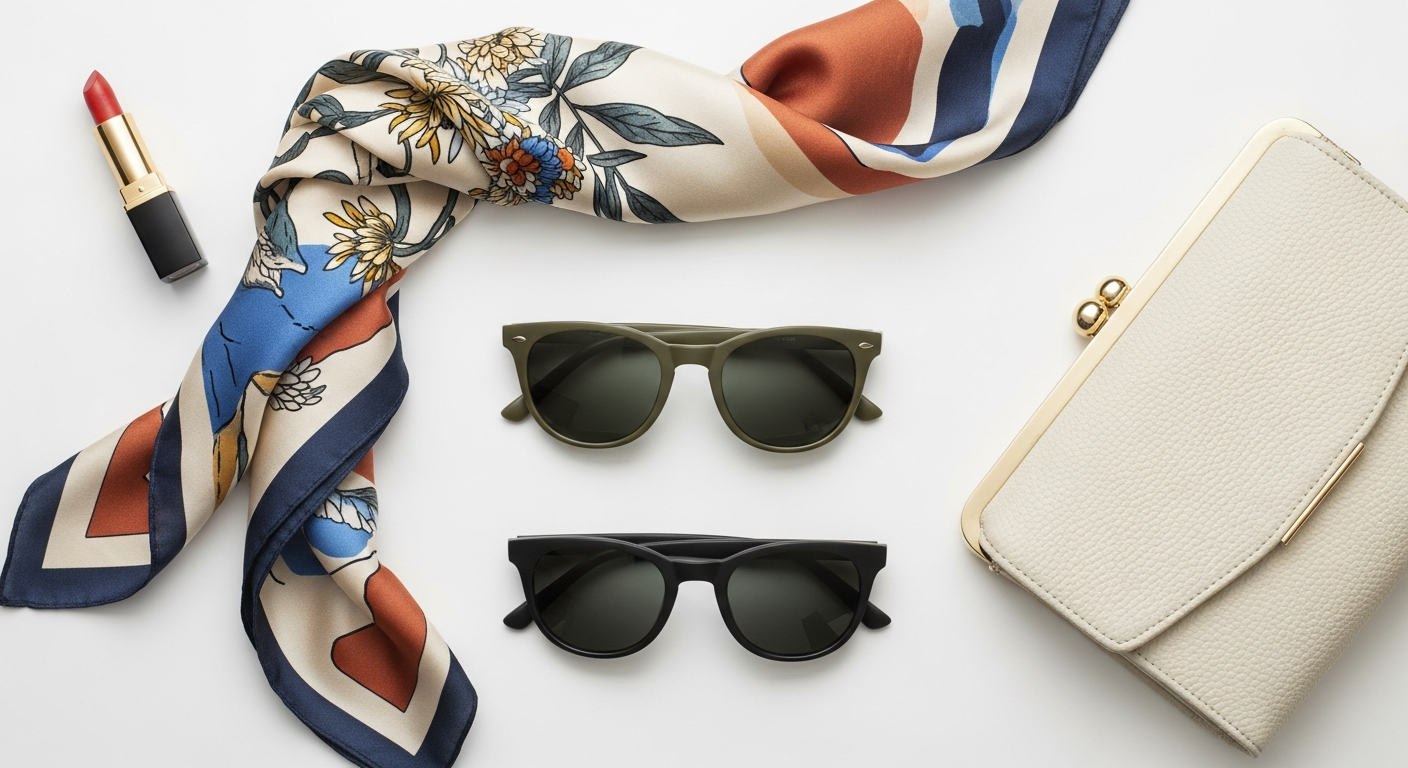
Navigating the world of sustainable fashion can sometimes feel like deciphering a complex code. With terms like “eco-friendly,” “ethical,” and “green” often used interchangeably, it’s crucial to understand what truly constitutes a sustainable brand. In 2026, discerning consumers look beyond marketing claims to verify genuine commitment. Here’s what to pay attention to:
- Ethical Labor Practices: This is fundamental. True sustainability encompasses fair wages, safe working conditions, reasonable hours, and the absence of child labor. Look for brands that are transparent about their manufacturing facilities and supply chains, often certified by organizations like Fair Trade or SA8000. These certifications ensure that human rights are protected throughout the production process.
- Eco-Friendly Materials: The choice of fabric significantly impacts environmental footprint.
- Organic Cotton: Grown without harmful pesticides or synthetic fertilizers, reducing water pollution and promoting soil health. Certified by GOTS (Global Organic Textile Standard).
- Recycled Materials: Repurposing existing fibers like recycled polyester (rPET) from plastic bottles or recycled cotton reduces waste and the demand for virgin resources. The Global Recycled Standard (GRS) verifies the recycled content.
- Innovative Sustainable Fibers: Look for materials like Tencel™ Lyocell and Modal™, derived from sustainably managed wood sources using closed-loop processes that minimize chemical and water waste. Lenzing (the producer of Tencel) has strong environmental credentials.
- Linen and Hemp: Naturally strong, durable, and require minimal water and pesticides. They are also biodegradable.
- Pinatex: An innovative leather alternative made from pineapple leaf fibers.
- Circular Economy Principles: A truly sustainable brand designs for longevity, repairability, and recyclability. This means creating garments that can be returned, repaired, or repurposed at the end of their life cycle, minimizing waste. Some brands offer take-back programs or partner with textile recycling initiatives.
- Reduced Water and Energy Consumption: Sustainable production methods prioritize efficiency, using less water and energy, and often employing renewable energy sources. Certifications like bluesign® ensure environmentally sound practices throughout the textile supply chain, particularly regarding chemical use.
- Transparency and Traceability: Brands committed to sustainability are open about their processes, from fiber sourcing to garment manufacturing. They provide detailed information about their factories, suppliers, and environmental impact reports. The B Corp certification is a rigorous standard that assesses a company’s entire social and environmental performance.
- Minimal Waste and Packaging: Avoiding excessive packaging, using recycled or compostable materials, and implementing zero-waste cutting techniques are all hallmarks of a brand committed to reducing its environmental footprint.
By seeking out brands that embody these principles and hold reputable certifications, you can be confident that your fashion choices in 2026 are genuinely contributing to a more sustainable future.
Top Sustainable Fashion Brands to Watch in 2026: Our Curated Guide
For Everyday Elevated Essentials: The Foundation of Your Wardrobe
Building a foundational wardrobe of versatile, high-quality pieces is key to sustainable living, especially when thinking about How To Build Capsule Wardrobe 2026. These brands excel at creating timeless staples from ethical materials.
- The Organic Comfort Collective: Specializing in luxurious organic cotton and Tencel basics. Think perfectly cut tees, soft joggers, and elegant knitwear designed to last. Their commitment to GOTS-certified organic cotton means no harmful pesticides, healthier soil, and a smaller water footprint. They are transparent about their supply chain, ensuring fair wages and safe conditions for all workers. Their neutral palettes and classic designs make them ideal for creating a cohesive and sustainable capsule wardrobe that transitions effortlessly from season to season.
- The Eco-Luxe Linen Label: This type of brand focuses on premium linen, a naturally sustainable fiber that thrives with minimal water and pesticides. Their collections often feature beautifully tailored trousers, flowing blouses, and sophisticated dresses that epitomize effortless elegance. They partner with European flax growers and ensure ethical production in small, family-owned factories. The durability and breathability of linen make their pieces perfect investments for a long-lasting and comfortable wardrobe, especially for warmer climates.
For Activewear with Purpose: Performance Meets Planet
Sustainable activewear is no longer a niche. Brands are innovating with recycled materials and ethical manufacturing to support both your workouts and the environment.
- The Recycled Performance Innovator: This brand category champions activewear made from recycled PET plastic bottles, transforming waste into high-performance leggings, sports bras, and outerwear. They often utilize advanced recycling technologies to create durable, moisture-wicking fabrics that stand up to rigorous activity. Beyond materials, they prioritize ethical manufacturing in certified factories and use low-impact dyeing processes. Their vibrant colors and inclusive sizing prove that sustainable activewear can be both functional and fashionable for 2026.
- The Bio-Based Activewear Pioneer: Looking beyond recycled synthetics, these brands explore cutting-edge bio-based materials like castor bean oil or wood pulp derivatives. Their collections offer a silky-soft feel, excellent breathability, and often biodegrade more readily than traditional synthetics. They are deeply invested in circular design, aiming for zero-waste production and offering repair services to extend the life of their garments.
For Chic and Conscious Occasion Wear: Sustainable Summer Dress Styles Women 2026
Finding sustainable options for special occasions, including stunning Summer Dress Styles Women 2026, is increasingly possible, with brands offering elegance without compromise.
- The Ethical Artisan Atelier: These brands collaborate directly with artisan communities around the world, preserving traditional craftsmanship while ensuring fair wages and empowering skilled workers. Their collections often feature intricate details, hand-block prints, or natural dyes on organic cotton, silk, or Tencel. For Summer Dress Styles Women 2026, expect to find breathtaking maxi dresses, midi slips, and elegant sundresses that are not only beautiful but also carry a story of heritage and ethical production. Each piece is unique, reflecting the artistry and cultural richness of its origins.
- The Reimagined Vintage & Upcycled Boutique: Moving beyond just new production, some brands specialize in curating and transforming vintage garments or using deadstock fabrics. They breathe new life into existing materials, preventing them from ending up in landfills. Their limited-edition collections often feature unique silhouettes, playful patterns, and one-of-a-kind pieces that celebrate individuality. This approach to special occasion wear, particularly for unique Summer Dress Styles Women 2026, offers a truly circular and impactful choice, proving that sustainable fashion can be both glamorous and innovative.
For Accessories with Integrity: The Finishing Touch
Sustainable fashion extends to accessories, ensuring every detail of your look is conscious.
- The Vegan Leather Visionary: Offering high-quality handbags, shoes, and belts made from innovative, animal-free materials like Pinatex (pineapple leaf fiber), mushroom leather, or apple leather. These brands prioritize durability and aesthetics, proving that ethical alternatives can be just as chic and long-lasting as traditional leather. They often focus on responsible manufacturing processes and transparent supply chains.
- The Recycled Jewellery & Adornment Studio: Crafting exquisite jewelry from recycled sterling silver, gold, or brass. These brands minimize the demand for newly mined metals, which often have significant environmental and social impacts. They often use ethically sourced gemstones or lab-grown diamonds, providing beautiful, conflict-free options for accessorizing your sustainable wardrobe.
By exploring these categories and the types of brands within them, you are well-equipped to make stylish and responsible choices in 2026, building a wardrobe that you can truly be proud of.
Building a Sustainable Wardrobe in 2026: Beyond Just Buying New
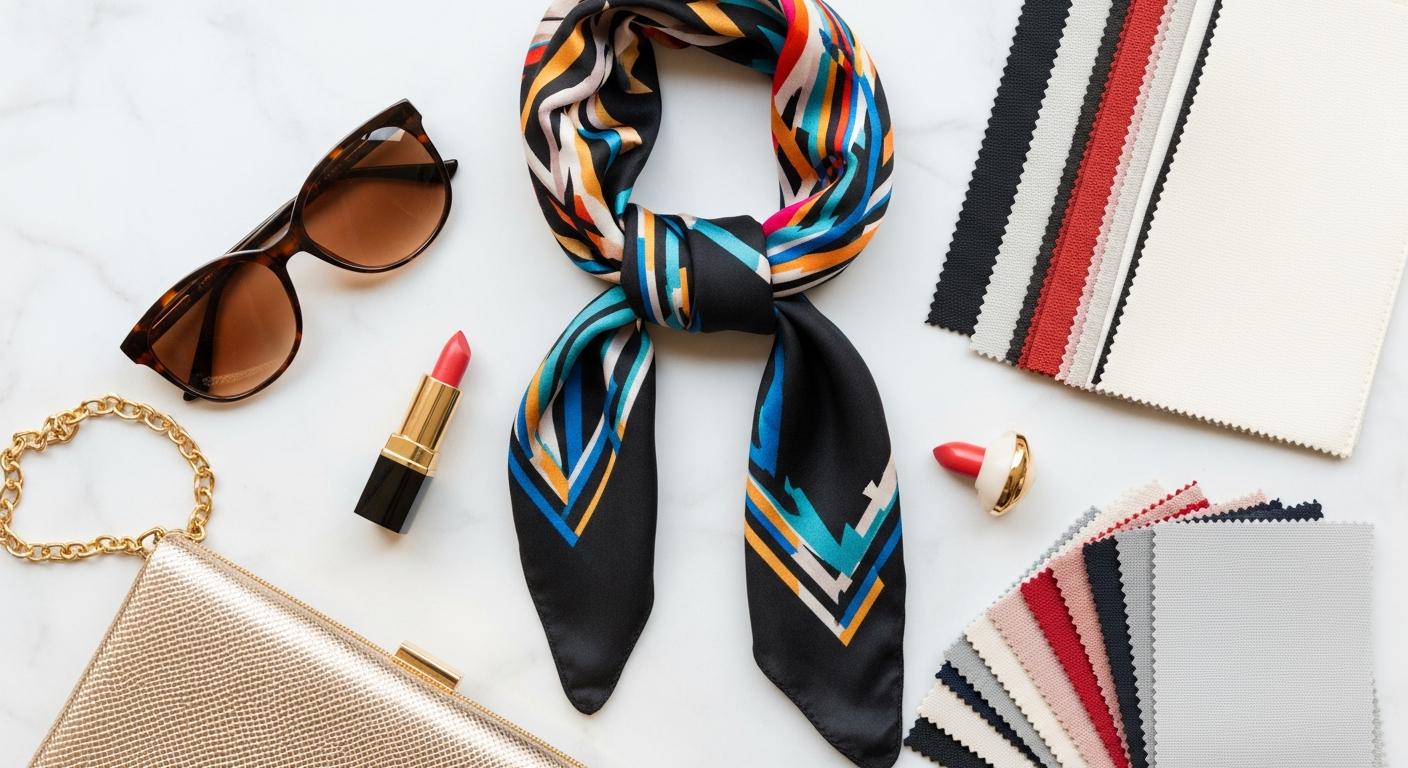
While discovering and supporting sustainable brands is a crucial step, truly embracing sustainable fashion in 2026 extends far beyond mere purchasing decisions. It’s about a holistic approach to your wardrobe, prioritizing longevity, versatility, and mindful consumption. This philosophy aligns perfectly with the principles of How To Build Capsule Wardrobe 2026, a strategy that champions fewer, higher-quality pieces over a constant influx of fast fashion.
Mastering the Capsule Wardrobe for 2026
A capsule wardrobe is a curated collection of versatile clothing items that can be mixed and matched to create numerous outfits. This approach naturally lends itself to sustainability:
- Invest in Quality: Sustainable brands often produce garments designed to last, using durable materials and superior craftsmanship. These pieces might have a higher upfront cost, but their extended lifespan reduces the need for frequent replacements, saving money and resources in the long run. When you’re building your capsule, prioritize pieces from the sustainable brands mentioned earlier.
- Timeless Over Trendy: Focus on classic silhouettes and neutral colors that won’t go out of style. While occasional trend-led pieces are fine, the core of your capsule should be timeless. This ensures your wardrobe remains relevant for years, rather than becoming obsolete with the changing seasons.
- Versatility is Key: Choose items that can be dressed up or down, layered, and worn for multiple occasions. A well-chosen sustainable dress, for instance, might serve as both office wear and a casual weekend outfit with simple styling adjustments.
- Mindful Selection: Before adding anything new, assess your current wardrobe. What do you truly need? What gaps exist? This prevents impulse buys and ensures every new item serves a purpose and integrates seamlessly with your existing collection.
Extending the Life of Your Garments
The most sustainable garment is the one you already own. In 2026, caring for your clothes is a powerful act of sustainability.
- Repair and Mend: Learn basic mending skills or support local tailors and repair shops. A small tear or a missing button shouldn’t mean the end of a garment’s life. Visible mending is also a rising trend, celebrating the story and longevity of your clothes.
- Proper Care: Follow washing instructions diligently. Wash less frequently, use cold water, air dry whenever possible, and use eco-friendly detergents. These practices prolong the life of your clothes and reduce environmental impact.
- Upcycling and Customization: Give old garments a new lease on life through creative alterations. Dyeing, embroidering, or restyling an item can transform it into something fresh and unique, avoiding waste.
Exploring Circular Fashion Alternatives
Beyond buying new or extending the life of what you own, the circular economy offers exciting options:
- Thrifting and Second-Hand: Explore local consignment stores, vintage shops, and online marketplaces. Buying pre-owned clothing is one of the most impactful ways to reduce fashion’s footprint, giving garments a second (or third) life.
- Clothing Swaps: Organize or participate in clothing swaps with friends. It’s a fun and free way to refresh your wardrobe without any new purchases.
- Rental Services: For special occasions or high-fashion items you only need temporarily, consider clothing rental services. This provides access to designer pieces sustainably and economically.
By embracing these strategies in 2026, you’re not just buying sustainable fashion; you’re living it, creating a truly mindful and impactful approach to your personal style.
Elevating Your Sustainable Style: Trends and Tips for 2026
Sustainable fashion in 2026 is far from dull or restrictive; it’s a dynamic, innovative, and incredibly stylish movement. The trends emerging for the year ahead beautifully blend aesthetic appeal with ethical consciousness, proving that you don’t have to sacrifice style for sustainability. This section offers insights into how to integrate these trends and enhance your look, including the most coveted Summer Dress Styles Women 2026.
Key Sustainable Style Trends for 2026
- The Rise of Natural Dyes and Earthy Palettes: Expect to see a proliferation of garments colored with natural dyes derived from plants, minerals, and insects. This not only reduces chemical pollution but also creates unique, subtly nuanced hues that often feel more organic and comforting. Earthy tones like terracotta, sage green, sandy beige, and soft indigos will dominate, offering a sophisticated and calming aesthetic.
- Modular and Transformable Designs: Innovation is key. Brands are increasingly creating garments with detachable elements, adjustable features, or reversible designs. Think dresses that convert into skirts, jackets with zip-off sleeves, or pieces that can be worn multiple ways. This maximizes versatility and longevity, aligning perfectly with the capsule wardrobe philosophy and reducing the need for multiple single-use items.
- Textural Play with Innovative Materials: Beyond organic cotton and linen, 2026 will see greater experimentation with materials like mushroom leather, algae-based fabrics, and recycled denim reimagined into new weaves. These offer exciting new textures – from sleek and structured to soft and fluid – adding depth and interest to sustainable outfits.
- Gender-Neutral Silhouettes with a Feminine Touch: The lines between traditional gendered clothing continue to blur, with many sustainable brands offering oversized blazers, relaxed trousers, and comfortable utilitarian jumpsuits that can be styled for any individual. For women, this means embracing comfortable, powerful silhouettes that can be softened with accessories or tailored details.
Styling Tips for Your Sustainable Wardrobe in 2026
Integrate your sustainable pieces with flair:
- Mix High-Quality Basics with Statement Pieces: Use your sustainable core pieces (like those from your capsule wardrobe) as a canvas. Layer with a unique pre-loved scarf, a statement piece of ethical jewelry, or a vibrant naturally dyed jacket.
- Embrace Mindful Layering: Layering adds depth and versatility. A sustainable slip dress can be worn alone in summer or over a fine knit and under a blazer in cooler months. This extends the wearability of each item.
- Personalize with Accessories: Accessories are your secret weapon. Invest in ethically made shoes, bags from vegan alternatives, or jewelry crafted from recycled metals. These can completely transform an outfit and reflect your personal style without contributing to fast fashion waste.
Spotlight on Summer Dress Styles Women 2026
For the warmer months, sustainable brands are offering breathtaking Summer Dress Styles Women 2026 that are both airy and elegant:
- The Organic Cotton Maxi: Flowing maxi dresses made from GOTS-certified organic cotton, often featuring natural dyes and relaxed silhouettes. These are perfect for beach days, garden parties, or relaxed evenings, offering comfort without compromising on style. Look for subtle embroidery or tiered designs.
- Linen Sundresses with Artisan Details: Lightweight linen sundresses, often in a midi or ankle length, will be popular. Expect delicate straps, square necklines, and perhaps hand-block printed patterns or subtle cut-out details, celebrating craftsmanship and natural fibers.
- Tencel Slip Dresses: For a more refined look, Tencel slip dresses offer a beautiful drape and silky feel. They are incredibly versatile, easily dressed up with heels and ethical jewelry for an evening out, or down with sandals for a chic daytime ensemble.
The Finishing Touches: Holistic Wellness for a Conscious Look
Beyond garments, a truly sustainable lifestyle extends to all aspects of personal care. As we embrace ethical fashion, our beauty routines also shift towards conscious choices. Just as we care for our sustainable garments, maintaining a simple yet effective lip care routine for soft lips, using natural, ethically sourced ingredients, completes a truly holistic approach to personal style and well-being in 2026. Look for lip balms and treatments with ingredients like shea butter, coconut oil, and beeswax from sustainable sources, ensuring your beauty choices are as kind to the planet as your wardrobe.
The Future of Fashion is Green: Looking Ahead to 2026 and Beyond
As we conclude this comprehensive sustainable fashion brands guide 2026, it’s clear that the future of fashion is undeniably green. The shift towards sustainability is not merely a trend; it’s a profound and necessary transformation, driven by innovative brands, evolving technologies, and, most importantly, the conscious choices of consumers like you. In 2026, the industry is at an exciting crossroads, with an increasing number of designers and manufacturers committing to ethical practices, circular models, and environmental stewardship.
The power to accelerate this positive change lies squarely in our hands. Every decision, from choosing an organic cotton summer dress to opting for a pre-loved vintage find, contributes to a collective impact. By supporting brands that prioritize fair labor, eco-friendly materials, and transparent supply chains, you are casting a vote for a fashion ecosystem that respects both people and the planet. You are demonstrating that style, quality, and ethics can coexist beautifully, creating a wardrobe that truly reflects your values.
Looking beyond 2026, we anticipate even greater innovation in sustainable materials, more robust recycling infrastructures, and a continued push towards full circularity where waste is eliminated, and resources are continually reused. The journey towards a fully sustainable fashion industry is ongoing, but with guides like this and your unwavering commitment, we are collectively moving towards a brighter, more responsible future for style. Embrace the change, make informed choices, and wear your values with pride.
Frequently Asked Questions
Recommended Resources
Explore How To Apply Makeup For Beginners Step By Step for additional insights.
Related reading: How To Do A Gua Sha Facial Massage At Home (The Contextual Life).