
The Ultimate Trench Coat Buying Guide: Timeless Alternatives Beyond Burberry
The trench coat is more than just a piece of outerwear; it is a sartorial icon that has successfully navigated the transition from the muddy trenches of World War I to the rain-slicked streets of modern fashion capitals. For decades, the name Burberry has been synonymous with this silhouette, serving as the undisputed gold standard for luxury gabardine. However, as the fashion landscape evolves, discerning shoppers are increasingly looking beyond the Equestrian Knight to discover brands that offer unique perspectives on this classic. Whether you are seeking a minimalist silhouette that echoes contemporary Scandinavian design, a heavy-duty technical garment for unpredictable weather, or a vintage-inspired piece that offers heritage quality without the four-figure price tag, the world of trench coats is vast and varied.
Finding the perfect trench coat requires a balance of understanding traditional craftsmanship and identifying your personal style needs. This guide is designed to navigate you through the sea of options, highlighting the best alternatives to the heritage heavyweights. We will explore the nuances of fabric, the importance of historical details, and the brands currently defining the new era of the trench. By shifting your focus beyond the obvious, you can find a piece that offers superior value, distinct aesthetics, and a timeless appeal that remains relevant for seasons to come.
Why Look Beyond the Heritage Icons?
For many, a Burberry trench is a “bucket list” fashion item. However, the modern market offers several compelling reasons to broaden your horizons. Firstly, the democratization of luxury and the rise of “quiet luxury” have allowed contemporary labels to produce coats that match—and sometimes exceed—the quality of traditional heritage houses at a more accessible price point. When you shop beyond the biggest names, you are often paying for construction and materials rather than global marketing campaigns.
Furthermore, style preferences have shifted. While the classic “Chelsea” or “Kensington” fits are iconic, they can feel overly formal or restrictive for a modern, casual wardrobe. Many contemporary brands are experimenting with proportions, offering oversized “dad” fits, dropped shoulders, and ankle-grazing lengths that feel more aligned with current aesthetics. Additionally, looking beyond the mainstays allows you to explore different fabrications. While cotton gabardine is the standard, you might find that a heavy wool-blend trench for winter or a lightweight, liquid-silk version for spring better suits your local climate and lifestyle.
The Anatomy of a High-Quality Trench Coat
Before diving into brand recommendations, it is essential to know what to look for. A trench coat is defined by its details, many of which serve functional purposes rooted in military history.
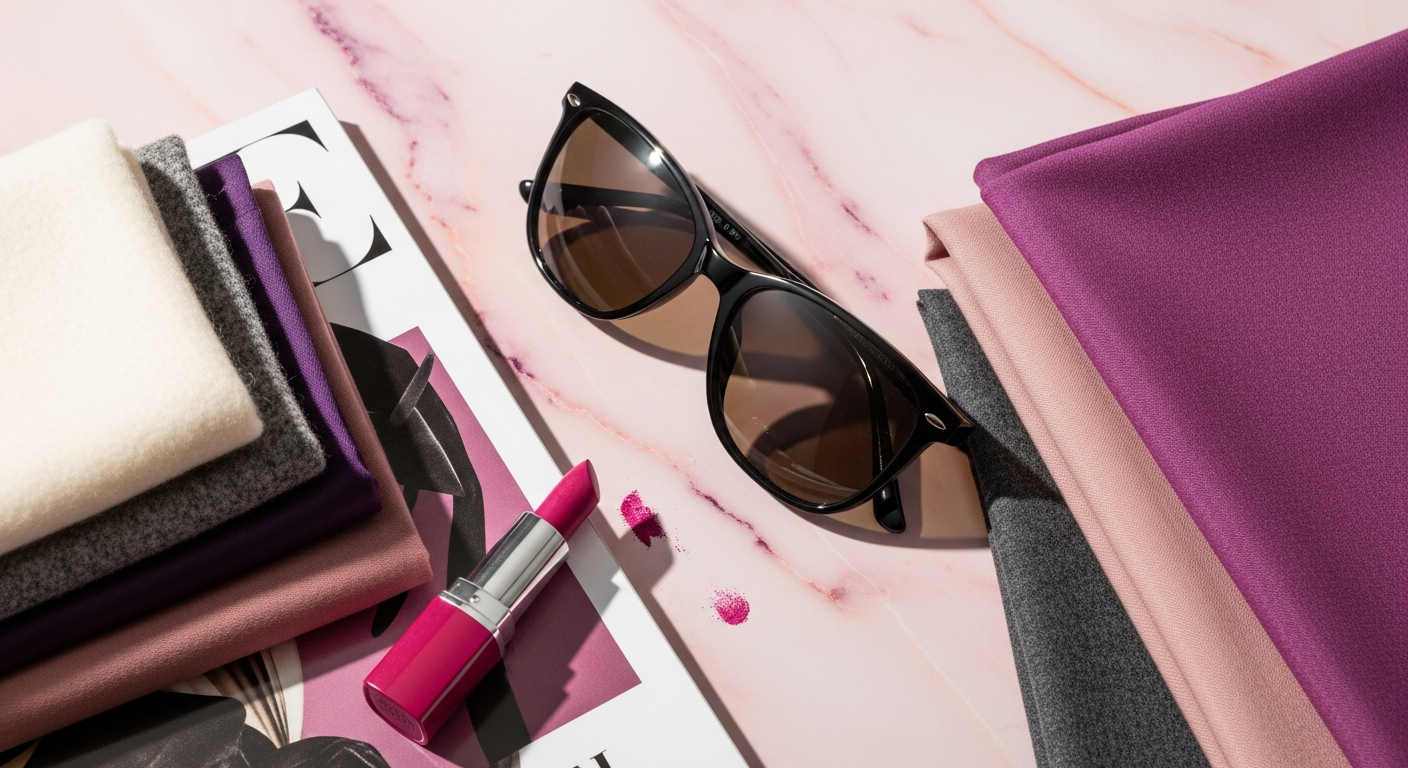
* **The Fabric:** Traditional trenches use cotton gabardine—a tightly woven, water-resistant fabric. When shopping for alternatives, check the weight. A high-quality coat should feel substantial. Look for 100% cotton or high-performance technical blends. Avoid high percentages of cheap polyester, which lacks breathability and can have an unflattering “shiny” finish.
* **The Storm Flap (Gun Flap):** This is the extra layer of fabric on the chest (usually the right side). Historically, it prevented water from seeping into the jacket when a soldier held a rifle. Today, it adds visual interest and a layer of protection.
* **The Epaulettes:** The shoulder straps originally used to display rank or secure binocular straps. In modern fashion, they help structure the shoulders and prevent handbag straps from sliding off.
* **The Throat Latch:** A small strap that buttons across the neck. This is a sign of a well-made coat, designed to keep the wind and rain out during harsh conditions.
* **The D-Rings:** Found on the belt, these were originally for carrying grenades or equipment. Now, they are a hallmark of “full-spec” heritage design.
* **Construction:** Turn the coat inside out. High-end alternatives will feature “bound seams” (edges wrapped in fabric) or a high-quality lining that doesn’t feel static-heavy.
Heritage Contenders: The British and French Rivals
If you love the heritage feel but want something slightly different from the mainstream choice, several brands offer deep historical roots and exceptional craftsmanship.
**Mackintosh:** Often credited with creating the first waterproof fabric (rubberized cotton), this Scottish brand is the ultimate purist’s choice. Their “Macs” are more minimalist than a traditional trench, often lacking the belts and buckles, but their bonded cotton trenches are virtually indestructible and completely waterproof. They offer a clinical, sharp aesthetic that is perfect for professional environments.
**Aquascutum:** Historically the biggest rival to Burberry, Aquascutum (Latin for ‘water shield’) actually developed waterproof cloth earlier. Their coats often feature a slightly different check pattern (the Club Check) and a fit that many enthusiasts find more generous and comfortable than other luxury brands. They represent the peak of traditional British tailoring.
**A.P.C.:** For those who prefer a French touch, A.P.C. creates the “ideal” Parisian trench. It is often stripped of excess hardware—no D-rings or aggressive epaulettes—focusing instead on a perfect A-line silhouette and high-quality Italian gabardine. It is the quintessential choice for someone who wants to look like they aren’t trying too hard.
The Minimalist & Contemporary Leaders

In recent years, the fashion world has leaned heavily into minimalism, and a new wave of brands has redefined the trench coat for the modern minimalist.
**Toteme:** This Swedish brand has become the go-to for the “Scandi-chic” aesthetic. Their signature trench coats often feature exaggerated collars, ultra-wide sleeves, and a draped silhouette that looks incredibly expensive. They move away from the “military” look and toward something that feels like high-fashion architectural art.
**The Row:** At the highest end of the spectrum, Mary-Kate and Ashley Olsen’s label produces trench coats that are masterpieces of understatement. Using the world’s finest silks and cottons, these coats are defined by their movement. They are investment pieces that rely on perfect cutting rather than branding.
**ARKET and COS:** On the high street, these H&M-owned subsidiaries are the gold standard for value. They consistently produce heavyweight, 100% cotton trenches with internal pockets and classic detailing that punch far above their price bracket. If you want the look of a $1,000 coat for a fraction of the cost, these are the first places to check.
Technical and Performance-Driven Options
If you live in a city where it actually rains—and rains hard—you might find that a traditional cotton trench eventually soaks through. This is where technical brands shine, blending the silhouette of a classic coat with the technology of outdoor gear.
**Norwegian Rain:** Based in Bergen (the rainiest city in Europe), this brand creates “tailored rainwear.” Their coats look like luxury wool or heavy cotton but are actually made from recycled high-tech Japanese fabrics that are completely waterproof and breathable. They often feature heat-sealed seams and detachable hoods, making them the most practical choice for commuters.
**Rains:** Known for their matte, rubberized finish, Rains offers a contemporary, unisex take on the trench. These are lightweight, affordable, and completely waterproof. While they lack the “breathability” of cotton, they are perfect for layering over knits during a downpour.
**Arc’teryx (Veilance):** For the ultimate “techwear” enthusiast, the Veilance line offers a minimalist trench made from GORE-TEX. It is crisp, silent, and features ergonomic patterning that allows for a full range of motion. It is the trench coat reimagined for the year 2030 and beyond.
How to Style Your Trench Coat for Maximum Impact
The beauty of the trench coat lies in its versatility. It is one of the few items in a wardrobe that can be worn to a black-tie event or a grocery run.
1. **The “Off-Duty” Model Look:** Pair an oversized trench with a grey hoodie, straight-leg blue jeans, and clean white sneakers. The structure of the coat elevates the casual nature of the hoodie, creating a balanced, intentional outfit.
2. **The Corporate Power Move:** Wear a sharply tailored trench over a monochromatic suit or a pencil skirt and silk blouse. To keep it modern, leave the coat unbuttoned and tie the belt in a knot at the back to pull the waist in and show off the outfit underneath.
3. **The Evening Layer:** For a night out, drape a long trench over a slip dress. The contrast between the rugged, masculine fabric of the coat and the delicate silk of the dress is a classic fashion “high-low” combination. Finish with pointed-toe boots or strappy heels.
4. **The Art of the Belt:** Never use the buckle. To look like a seasoned stylist, either tie the belt in a loose, casual knot at the front or tie it behind your back to create a “cinched” waistcoat effect that keeps the front of the coat open and breezy.
FAQ
**Q: Should I size up when buying a trench coat?**
A: It depends on your intended use. If you plan to wear it over heavy blazers or chunky knitwear, sizing up is recommended. However, many modern “oversized” styles are already cut quite large, so check the shoulder measurements. Ideally, the shoulder seam should sit just at the edge of your natural shoulder.
**Q: Is a trench coat warm enough for winter?**
A: Generally, no. A standard trench is a windbreaker and rain shield. To wear it in winter, look for versions with a detachable wool lining, or ensure it is roomy enough to layer a thin down vest or a cashmere sweater underneath.
**Q: How do I clean a trench coat without ruining the water resistance?**
A: Avoid frequent dry cleaning, as the chemicals can strip the water-repellent coating. Spot clean small marks with a damp cloth. If it requires a full clean, take it to a specialist who understands gabardine or technical fabrics. You can also buy “re-proofer” sprays to restore water resistance after cleaning.
**Q: What is the most versatile color?**
A: Honey or “Stone” (a pale beige) is the most traditional and versatile. It reflects light and works well with both black and brown leather accessories. However, Navy is a fantastic alternative for those who find beige washes out their skin tone, while Black offers a more “Matrix-esque,” edgy aesthetic.
**Q: Can a trench coat be shortened?**
A: Yes, but it is a complex job for a tailor because of the back vent and the internal lining. Always try to find the right length off the rack. A classic length hits just below the knee, while a modern “statement” length hits mid-calf or the ankle.
Final Thoughts: Investing in Your Forever Coat
Choosing a trench coat is an exercise in identifying who you want to be when the weather turns grey. Whether you opt for the rigid, waterproof perfection of a Mackintosh, the flowy, artistic drape of a Toteme, or the rugged utility of a technical GORE-TEX piece, the “perfect” coat is the one that fits your lifestyle.
By looking beyond the usual suspects, you open yourself up to a world of superior fabrics, unique silhouettes, and better value. The trench coat remains a staple because it solves a problem while making the wearer look instantly more “put together.” As you hunt for your next piece of outerwear, remember that the best trench isn’t necessarily the one with the most famous label—it’s the one that makes you feel invincible, rain or shine. Take your time, feel the weight of the fabric, and choose a silhouette that will stand the test of time, well beyond the current season.