
The Art of the Find: A Comprehensive Vintage Shopping Strategy for Every Era and Aesthetic
In an era of mass-produced fast fashion and fleeting micro-trends, the allure of vintage clothing has never been more potent. For the fashion-conscious individual, vintage shopping is not merely a hobby; it is a strategic pursuit of individuality, quality, and sustainability. It is the sartorial equivalent of time travel, allowing you to inhabit the silhouettes of the past while crafting a future-forward personal brand. However, walking into a packed thrift store or scrolling through an endless digital marketplace can be overwhelming without a clear roadmap.
Successful vintage sourcing requires more than just a keen eye—it demands a deep understanding of historical contexts, garment construction, and the specific nuances of different fashion eras. Whether you are hunting for the structured elegance of the 1950s, the bohemian rebellion of the 1970s, or the gritty minimalism of the 1990s, having a targeted strategy is the difference between a wardrobe full of “costumes” and a curated collection of timeless treasures. This guide will provide you with the technical knowledge and stylistic insight needed to navigate the complex world of vintage fashion, ensuring every acquisition is an investment in your unique aesthetic.
1. Defining Your Aesthetic: The Foundation of Strategic Sourcing
Before you step foot in a boutique or open a resale app, you must define the “visual language” of your wardrobe. Vintage shopping without a plan often leads to “magpie syndrome”—buying beautiful but disconnected pieces that never actually get worn. A strategic approach begins with identifying which eras resonate with your body type, lifestyle, and existing wardrobe.
Start by creating a digital mood board. Are you drawn to the sharp shoulders and power suits of the 1980s, or do you prefer the delicate laces and Edwardian influences that resurfaced in the 1970s? Once you identify your primary era, look for the “bridge” pieces. These are items that connect vintage aesthetics with modern staples. For example, if your aesthetic is “90s Minimalist,” look for silk slip dresses that can be layered over contemporary organic cotton tees.
Understanding color palettes is also vital. The 1960s favored psych-rock neons and stark monochromatic bicolors, while the 1940s utilized muted earth tones due to wartime fabric rations. By narrowing your focus to a specific color story and silhouette, you transform the chaotic search into a targeted mission. This discipline ensures that your vintage finds feel like a cohesive extension of your personality rather than a random assortment of old clothes.
2. Navigating the Mid-Century: 1950s Sophistication and 1960s Mod
The mid-century period offers some of the most meticulously constructed garments in fashion history. When shopping for the 1950s, the strategy is centered on architecture. This was the era of “The New Look,” characterized by cinched waists and voluminous skirts. When sourcing 50s pieces, look for internal structures: built-in corsetry, petticoat layers, and heavy-duty metal zippers. These garments were designed to shape the body, so the fit in the torso is non-negotiable.
As the decade turned into the 1960s, the silhouette shifted from the “hourglass” to the “column” and the “A-line.” This is the era of the Youthquake. To shop this aesthetic successfully, focus on texture and hemline. Look for “Space Age” materials—vinyl, crimplene, and heavy bonded wools. The Mod aesthetic relies on geometry; seek out shift dresses with Peter Pan collars or bold, op-art prints.
The strategy for this era also involves checking for authenticity through labels. Look for union stamps (often in blue ink on a white tag) which indicate American-made quality from this period. Because 50s and 60s sizing is significantly smaller than modern vanity sizing, always ignore the number on the tag and shop by your actual inch measurements. A “Size 14” from 1960 often translates to a modern “Size 4 or 6.”
3. The Free-Spirited 1970s: Sourcing Boho-Chic and Disco Glamour
The 1970s is perhaps the most diverse decade for vintage enthusiasts, offering everything from earthy, handcrafted folk styles to the high-octane glamour of Studio 54. To shop the 70s strategically, you must decide which sub-culture you are channeling.
For the Bohemian look, focus on natural fibers. Seek out “Made in India” cotton gauze dresses, which were staples of the era and remain highly collectible. Look for intricate embroidery, crochet detailing, and suede vests. The key here is the “drape.” Synthetic fabrics like polyester became mainstream in the 70s, and while they are durable, they lack the breathability of the decade’s earlier cotton and silk pieces.
If you are hunting for Disco-era glamour, the strategy shifts to eveningwear. Look for labels like Halston (or Halston IV) and Diane von Furstenberg. The 70s saw the birth of the wrap dress and the jersey jumpsuit. When inspecting these pieces, pay close attention to the elasticity. Synthetic jerseys can “dry rot” over time, losing their stretch and becoming brittle. Give the fabric a gentle tug; if you hear a faint cracking sound, the elastic fibers have perished, and the garment should be avoided.
4. The 1990s and Y2K: Minimalist Grunge and Maximalist Energy
The late 20th and early 21st centuries have seen a massive resurgence, particularly among younger collectors. Shopping for the 1990s requires an eye for “anti-fashion.” The aesthetic is split between the gritty grunge movement and the ultra-sleek minimalism of designers like Helmut Lang and Calvin Klein.
When sourcing 90s grunge, look for high-quality oversized flannels (check the weight of the cotton) and floral “babydoll” dresses. The strategy here is all about layering. For 90s minimalism, focus on the fabric composition. This was the golden age of microfiber, silk blends, and high-quality Italian wool. A 90s blazer is often superior in cut and fabric to a modern high-street version; look for “Made in Italy” or “Made in France” tags to find the best tailoring.
Moving into the Y2K era, the aesthetic becomes loud, tech-focused, and unapologetically plastic. The strategy for Y2K is “brand spotting.” Look for “logomania” pieces—early 2000s Dior, Fendi, and Juicy Couture. Authenticity is a major hurdle here, as this was the era when high-quality “super-fakes” began to flood the market. Check the hardware; authentic Y2K luxury goods will have heavy, branded zippers (like YKK or Lampo) and consistent stitching. This era is about “kitsch,” so don’t be afraid of rhinestones, butterfly motifs, and asymmetrical hems.
5. The Technical Strategy: Sizing, Fabrics, and Authentication
Beyond the “look” of an era, a professional vintage shopper employs a technical checklist to ensure value and longevity.
* **The Measurement Rule:** Never shop without a fabric measuring tape. Because vintage sizes are inconsistent across decades, you must know your bust, waist, and hip measurements in inches. When shopping online, ask the seller for the “garment laying flat” measurements and compare them to a similar item you already own.
* **The Fabric Burn Test:** If you are unsure of a fabric’s content and there is a raw edge or a loose thread, a burn test can help. Natural fibers like silk and wool will smell like burning hair and turn to ash. Synthetics like polyester will smell like sweet chemicals and melt into a hard plastic bead.
* **The “Union Tag” Detective Work:** In American vintage, the presence of an ILGWU (International Ladies’ Garment Workers’ Union) tag is a goldmine for dating. The style of the logo changed every few years, allowing you to pinpoint a garment’s production within a five-year window.
* **Condition Assessment:** Learn to distinguish between “patina” and “damage.” A small tea stain on a 1920s slip might be removable with professional cleaning, but “shattered silk” (where the fabric literally splits due to age and metallic salts) is irreparable. Always check the underarms for perspiration stains and the crotch of trousers for thinning fabric.
6. Integrating Vintage into a Modern Wardrobe
The final step in a successful vintage strategy is the “The Mix.” To avoid looking like you are wearing a costume, you must balance your vintage finds with modern elements. This creates a look that is “timeless” rather than “retro.”
A high-low approach is usually most effective. Pair a 1950s beaded cardigan with modern high-waisted denim and sleek leather loafers. Take a 1980s power-shoulder blazer and wear it over a simple contemporary bodysuit and leggings. The contrast between the historical weight of the vintage piece and the clean lines of modern basics creates a sophisticated tension.
Tailoring is your secret weapon. Rare is the vintage piece that fits perfectly off the rack. Budget an extra $20–$50 for a tailor to nip in a waist or shorten a hem. Modernizing the fit of an old garment is the most effective way to make it look expensive and intentional. Additionally, pay attention to footwear and hair. Modern styling—a clean bob or contemporary sneakers—acts as an anchor, preventing the vintage pieces from feeling dated.
***
FAQ: Mastering the Vintage Market
**Q1: How do I tell the difference between “vintage” and “antique”?**
**A:** In the fashion world, “vintage” typically refers to items that are between 20 and 100 years old. Anything older than 100 years (currently items from the early 1920s and prior) is classified as “antique.” Items less than 20 years old are generally categorized as “modern resale” or “contemporary second-hand.”
**Q2: What are the red flags to look for when buying vintage online?**
**A:** Beware of sellers who do not provide measurements or who use “stock photos” instead of photos of the actual item. High shipping costs can also be a red flag for “drop-shipping” scams. Always look for photos of the labels, the interior seams, and any noted flaws like pinholes or moth damage.
**Q3: Is vintage clothing always more sustainable than new clothing?**
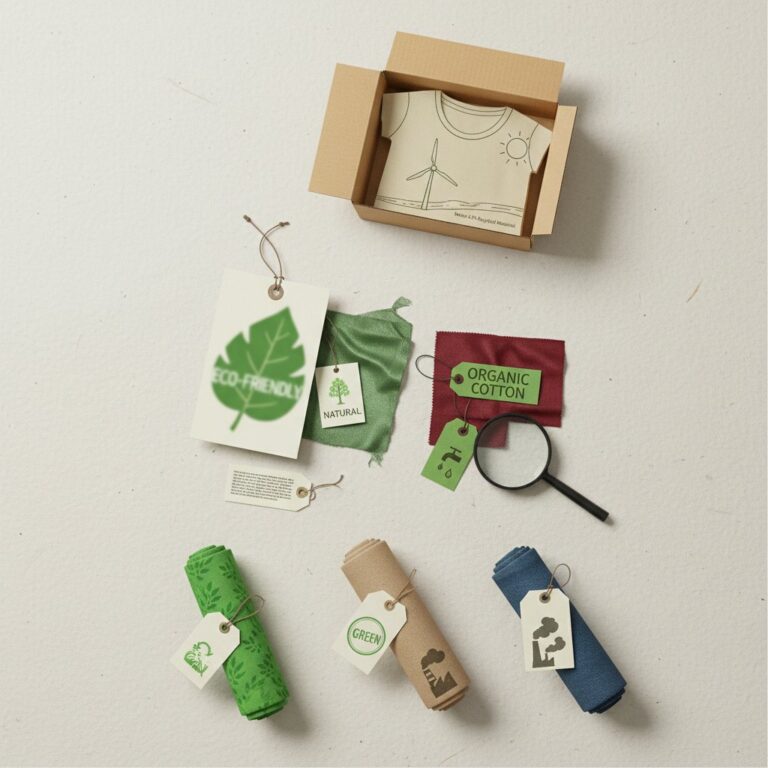
**A:** Generally, yes. By purchasing vintage, you are extending the lifecycle of a garment and reducing the demand for new resource-intensive production. However, be mindful of the “vintage-to-landfill” pipeline; buying poor-quality vintage that you won’t actually wear still contributes to waste.
**Q4: How should I clean and store my vintage finds?**
**A:** Never put vintage in a standard washing machine unless it is sturdy cotton or denim. Dry cleaning is safest for structured pieces, while hand-washing in cold water with a gentle detergent works for silks and rayons. Store vintage on padded hangers (never wire) or fold heavy knits to prevent stretching.
**Q5: Can I find designer vintage at thrift stores, or should I go to curated boutiques?**
**A:** While “the big score” at a Goodwill is possible, it is increasingly rare. Curated boutiques and specialized online platforms (like 1stDibs or Vestiaire Collective) do the authentication and repair work for you, but you will pay a premium. For a strategy that balances cost and quality, look for local estate sales or “by-the-pound” warehouses.
***
Conclusion: The Power of the Curated Past
Strategic vintage shopping is an act of sartorial rebellion. It rejects the “disposable” nature of the modern fashion industry in favor of garments that have a soul, a history, and a level of craftsmanship that is rarely seen in today’s ready-to-wear market. By understanding the silhouettes of the 1950s, the textures of the 1970s, and the branding of the 1990s, you arm yourself with the tools to build a wardrobe that is truly one-of-a-kind.
The journey of a vintage collector is one of constant learning. It requires patience, a bit of detective work, and an adventurous spirit. But the reward—that perfect-fitting 1960s coat or the silk slip dress that fits like a second skin—is worth every hour spent in the racks. As you refine your strategy, you’ll find that vintage shopping isn’t just about the clothes; it’s about discovering a version of yourself that is untethered from the present moment, grounded in quality, and styled with intention.