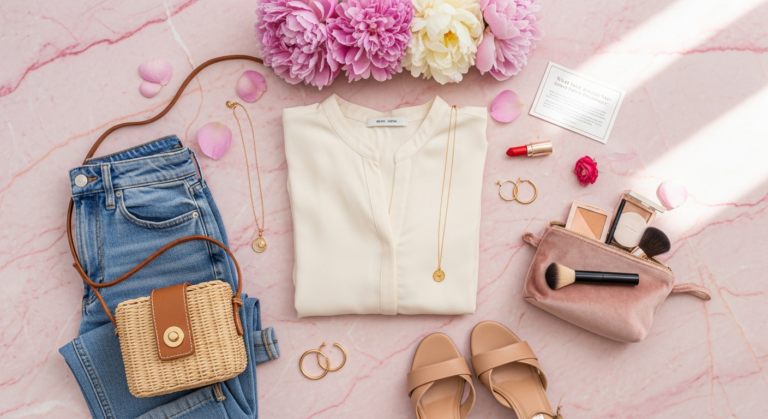
The Future is Now: Your Ultimate Guide to Sustainable Fashion Brands for 2026
The fashion landscape is transforming at a breathtaking pace, and by 2026, the lines between ‘sustainable’ and ‘simply chic’ are beautifully blurring. More than ever, designers are proving that style and responsibility can not only coexist but thrive together, creating garments that tell a richer story. This isn’t just a trend; it’s a movement towards a more thoughtful, transparent, and ultimately more exciting way to dress. So, if you’re ready to update your style playbook, discover brands that align with your values, and build a closet that truly reflects the vibrant, empowered woman you are, you’ve come to the right place. Consider this your definitive, no-nonsense, incredibly stylish guide to the sustainable fashion brands leading the charge in 2026, alongside practical tips to make conscious choices feel utterly effortless.
The Conscious Closet Revolution: Why 2026 is Your Year to Shine Sustainably
The buzzwords are everywhere: eco-friendly, ethical, circular, green. But what does “sustainable fashion” truly mean, and why is it so crucial for us, as modern women, to embrace it by 2026? It’s more than just a passing fad; it’s a profound shift in how we create, consume, and even care for our clothes. Think of it as fashion with a conscience, where every stitch tells a story of respect – for the planet, for the people who make our clothes, and for our own style journey.
What “Sustainable Fashion” Really Means (and Why We Care)
At its heart, sustainable fashion aims to minimize the negative environmental and social impacts of the clothing industry, while maximizing positive ones. By 2026, this encompasses a holistic approach:
- Environmental Stewardship: Reducing waste, conserving water, minimizing pollution, and cutting carbon emissions throughout the entire supply chain. This means using innovative, low-impact materials, embracing renewable energy, and designing for longevity.
- Ethical Labor Practices: Ensuring fair wages, safe working conditions, and respect for human rights for everyone involved in making our clothes, from cotton pickers to factory workers.
- Circularity: Moving away from the linear “take-make-dispose” model. Circular fashion designs products to be used longer, repaired, reused, recycled, or biodegraded, ensuring resources are kept in use for as long as possible.
- Transparency: Brands openly sharing information about their supply chains, materials, and production processes, allowing consumers to make informed choices.
Why does this matter to you? Because by choosing sustainable brands, you’re not just buying a garment; you’re investing in a better future. You’re supporting innovation, empowering workers, and sending a clear message that you value quality, integrity, and beauty in equal measure. It’s about aligning your fashion choices with your values, making every outfit a declaration of thoughtful elegance and vibrant purpose.
Decoding the Jargon: Certifications, Materials, and Ethics
- Materials Matter: Look for natural, renewable, or recycled fibers.
- Organic Cotton: Grown without harmful pesticides or synthetic fertilizers, conserving water and protecting soil health.
- Linen & Hemp: Highly durable, require minimal water and pesticides, and soften beautifully with age.
- TENCEL™ Lyocell & Modal: Derived from sustainably sourced wood pulp, produced in a closed-loop system that recycles water and solvents. Luxuriously soft and breathable.
- Recycled Polyester (rPET): Made from plastic bottles, reducing plastic waste and energy consumption.
- Innovative Bio-materials: By 2026, expect to see more mycelium (mushroom leather), pineapple leather (Piñatex), and lab-grown silks gaining traction.
- Certifications to Trust: These third-party validations cut through the greenwashing.
- GOTS (Global Organic Textile Standard): The gold standard for organic fibers, ensuring ecological and social criteria throughout the supply chain.
- Fair Trade Certified™: Guarantees fair wages, safe conditions, and community development for workers.
- Bluesign®: Focuses on minimizing environmental impact throughout the textile production process, from raw materials to finished product.
- OEKO-TEX®: Ensures products are free from harmful chemicals.
- B Corp Certification: A rigorous standard for social and environmental performance, accountability, and transparency across a company’s entire operations.
- Ethical Production: Beyond certifications, look for brands that openly discuss their factories, audit their supply chains, and prioritize the well-being of their artisans and workers. This might include living wages, safe environments, and opportunities for skill development.
Understanding these elements empowers you to make truly informed choices, ensuring your wardrobe is not just stylish but also deeply aligned with your values. It’s about more than just looking good; it’s about feeling incredible knowing you’re part of a positive change.
Your Curated Guide: Top Sustainable Fashion Brands to Watch in 2026
Now for the exciting part! Let’s dive into the brands that are truly making waves, blending impeccable style with unwavering commitment to sustainability. These are the labels that will help you build a wardrobe that’s both chic and conscious, reflecting that vibrant, confident spirit we adore.
Everyday Elegance & Timeless Staples
Building a sustainable wardrobe starts with a foundation of high-quality, versatile basics that stand the test of time. These brands excel at creating elevated essentials you’ll reach for again and again, pieces that exude quiet luxury and effortless style.
- Everlane (Evolving for Good): While Everlane has faced scrutiny in the past, they continue to be a significant player, and by 2026, their commitments to transparency and ethical production are more refined. They focus on “Radical Transparency” – sharing factory details, material breakdown, and even the true cost of production. Look for their 100% organic cotton tees, recycled cashmere, and responsibly sourced denim. Their minimalist aesthetic makes them perfect for building a capsule wardrobe.
- Kotn: Specializing in luxurious, ultra-soft Egyptian cotton basics, Kotn is all about farm-to-closet transparency. They directly partner with cotton farmers in Egypt, ensuring fair prices and investing in local communities, building schools for children in the Nile Delta. Their tees, sweats, and loungewear are incredibly comfortable, durable, and ethically made, offering that perfect blend of comfort and understated elegance.
- Pact: The go-to for affordable organic cotton basics, Pact offers everything from super-soft underwear and socks to everyday tees, dresses, and activewear. They are GOTS Certified Organic and Fair Trade Certified, meaning every step of their supply chain meets rigorous environmental and social standards. Perfect for updating your everyday essentials with peace of mind.
- Boody: Crafted from incredibly soft, breathable, and sustainable bamboo viscose, Boody offers comfortable everyday basics, activewear, and baby clothing. Bamboo is a rapidly renewable resource, and Boody ensures their processes are gentle on the planet. Their pieces feel like a second skin – perfect for layering or lounging.
Statement Makers & Elevated Aesthetics
Who says sustainable fashion can’t be utterly glamorous, bold, and fashion-forward? These brands are shattering that myth, delivering show-stopping pieces that make a serious style statement while upholding the highest ethical and environmental standards.
- Reformation: A true pioneer in making sustainable sexy, Reformation is known for its effortlessly chic dresses, sophisticated separates, and denim, often with a playful, feminine edge. They prioritize sustainable materials like TENCEL™, organic cotton, and recycled fabrics, and track the environmental footprint of every garment. Their “RefScale” shows the water, waste, and carbon savings of each item. By 2026, they continue to lead with innovative textile development and circular initiatives.
- Ganni (B Corp Certified): The beloved Danish brand has become a global phenomenon, celebrated for its playful, accessible luxury. Ganni, now a B Corp, is deeply committed to circularity, transparency, and reducing its environmental impact. While not 100% sustainable (they are refreshingly honest about their journey), they are constantly innovating with responsible materials, take-back programs, and designing for longevity. Their bold prints, unique silhouettes, and confident aesthetic are perfect for the woman who loves to stand out.
- Stella McCartney: The undisputed queen of luxury sustainable fashion, Stella McCartney has been an icon in the space for decades. Committed to cruelty-free fashion, she never uses leather, feathers, or fur, instead pioneering innovative alternatives. Her collections feature cutting-edge bio-materials, recycled fabrics, and highly ethical supply chains, all while maintaining a signature blend of sharp tailoring, feminine silhouettes, and playful details. Her pieces are an investment in timeless style and unwavering values.
- Mara Hoffman: For those who adore vibrant colors, unique prints, and resort-inspired elegance, Mara Hoffman is a must-know. The brand is deeply committed to sustainable and ethical practices, using organic cotton, linen, hemp, and recycled content. They prioritize fair labor and transparency, ensuring their beautiful, often artistic pieces are made with integrity. Her swim and resort wear, in particular, are iconic and designed to last.
Activewear That Moves with the Planet
Get ready to sweat it out, stretch, and move with purpose, knowing your activewear supports a healthier planet. These brands prove that high-performance gear can also be high-impact for good, using recycled materials and ethical production to keep you comfortable and stylish.
- Girlfriend Collective: A cult favorite for a reason, Girlfriend Collective creates stylish, size-inclusive activewear from recycled plastic bottles. Their leggings, bras, and shorts are incredibly soft, supportive, and come in a gorgeous array of colors (often that deep pink hue!). They are Oeko-Tex certified and operate with transparent, SA8000 certified factories, ensuring fair wages and safe conditions. Plus, their packaging is 100% recycled and recyclable.
- Allbirds (Apparel & Footwear): While famous for their sustainable shoes, Allbirds has successfully branched into apparel, applying the same eco-conscious principles. Their activewear uses innovative natural materials like merino wool and TENCEL™ for superior comfort, breathability, and performance. They are a B Corp, dedicated to reducing their carbon footprint and creating versatile, minimalist pieces perfect for both workouts and everyday wear.
- Outdoor Voices (Conscious Initiatives): Known for their “Doing Things” mantra and playful, colorful aesthetic, Outdoor Voices has been actively working to improve its sustainability profile. While historically focused on recycled polyester, by 2026, they are expanding their use of eco-friendly materials and increasing transparency in their supply chain. Their pieces are designed for movement and joy, encouraging an active lifestyle with a lighter footprint.
Denim Done Right: Eco-Friendly Jeans
The denim industry is notoriously resource-intensive, but these brands are revolutionizing how jeans are made, offering stylish, durable pairs that use less water, fewer chemicals, and ethical labor practices. Get ready for your new favorite pair of jeans, made with integrity.
- Nudie Jeans: A leader in sustainable denim, Nudie Jeans is committed to 100% organic cotton and transparent production. They offer free repairs for life, encouraging circularity and longevity. Their styles range from classic slim fits to relaxed straight legs, all with that authentic, lived-in feel. Investing in Nudie Jeans means investing in a pair that will last, and be loved, for years.
- Levi’s (Water<Less & Wellthread): An iconic brand making significant strides. Levi’s “Water<Less” techniques have saved billions of liters of water, and their “Wellthread” collection pushes the boundaries of circular design, often using organic cotton and hemp blends that are designed for easier recycling. By 2026, their efforts in sustainable sourcing and innovative production are deeply integrated, offering classic styles with a modern, responsible twist.
- Citizens of Humanity (Sustainable Initiatives): Known for their premium denim and impeccable fit, Citizens of Humanity has been increasing its sustainable efforts. They utilize an innovative facility that recycles 100% of its water, uses less energy, and incorporates ozone technology to reduce chemical use. Their commitment to craftsmanship and environmental responsibility makes them a top choice for high-quality, eco-conscious denim.
Accessories & Footwear with Impact
No outfit is complete without the perfect accessories! These brands offer stylish bags, jewelry, and shoes that elevate your look while minimizing your environmental footprint and supporting ethical craftsmanship.
- Veja (Sneakers): The quintessential sustainable sneaker brand, Veja has captured hearts with its minimalist designs and unwavering commitment to ethical sourcing. They use organic cotton, wild rubber from the Amazon (protecting the forest and supporting local communities), and recycled plastic bottles for their innovative materials. Every pair is made in fair trade factories in Brazil. Stylish, comfortable, and conscious – what’s not to love?
- Matt & Nat (Bags & Accessories): “Matt & Nat” stands for MAT(erial) & NAT(ure), and this vegan brand creates beautiful, high-quality bags, wallets, and shoes from recycled materials. Their linings are made from 100% recycled plastic bottles, and they experiment with innovative vegan leathers like cork and rubber. Their sleek, modern designs prove that vegan accessories can be both chic and durable.
- Soko (Jewelry): For exquisite, ethically made jewelry, look no further than Soko. They connect Kenyan artisans directly to the global market using mobile technology, ensuring fair wages and economic empowerment. Their stunning pieces are handcrafted from recycled brass, reclaimed horn, and other sustainable materials, blending modern design with traditional African craftsmanship. Each piece tells a story of empowerment and artistry.
Beyond the Brand: Cultivating Your Sustainable Style Philosophy
Choosing sustainable brands is a fantastic start, but true conscious living extends beyond the shopping cart. It’s about cultivating a mindset, a philosophy that embraces longevity, creativity, and mindful consumption. By 2026, this holistic approach is key to a truly sustainable wardrobe.
The Art of Mindful Shopping
Before you even click “add to cart” or step into a boutique, pause and reflect. Mindful shopping is about intention, not impulse.
- Quality Over Quantity: Invest in fewer, higher-quality pieces that are made to last. These items often have better resale value and reduce the need for constant replacements. Think about cost-per-wear rather than just the initial price tag.
- Know Your Style: Understand what truly works for you – your body shape, your preferred colors, your lifestyle. This reduces regrettable purchases and ensures every new piece integrates seamlessly into your existing wardrobe.
- Research, Research, Research: Take a moment to look into a brand’s sustainability claims. Does it align with your values? Are they transparent about their supply chain? Tools like the Good On You app can be incredibly helpful.
- Needs vs. Wants: Before buying, ask yourself: Do I truly need this? Does it fill a gap in my wardrobe? Will I wear it at least 30 times? The “30 Wears Test” is a great way to challenge impulse buys.
Embrace the Circular Economy: Second-Hand, Rental, Repair, Upcycling
The most sustainable garment is often the one that already exists. By 2026, the circular fashion movement is booming, offering endless stylish possibilities.
- Thrift & Vintage: Explore local consignment stores, vintage shops, and online platforms like The RealReal, Vestiaire Collective, and Depop. You can find unique, high-quality pieces with character, extending their life and reducing demand for new production.
- Rent, Don’t Own: For special occasions or to experiment with trends without commitment, consider fashion rental services like Rent the Runway or Nuuly. It’s a fantastic way to access designer pieces responsibly.
- Repair & Alter: Don’t discard a beloved item because of a small tear or a loose button. Learn basic mending skills or support local tailors and cobblers. Alterations can also give an old garment a fresh, modern update.
- Upcycle & DIY: Get creative! Transform old jeans into shorts, dye a faded dress, or add embellishments to a simple top. Upcycling breathes new life into textiles and reduces waste.
Care for Your Clothes, Care for the Planet
The way you care for your clothes significantly impacts their lifespan and environmental footprint. Extend the life of your garments and reduce your energy consumption with these simple tips.
- Wash Less: Many items, especially denim and outerwear, don’t need to be washed after every wear. Airing them out can often be enough.
- Cold Wash & Air Dry: Use cold water whenever possible to save energy. Skip the dryer and air dry your clothes to prevent shrinkage, preserve fabric integrity, and reduce energy consumption.
- Gentle Cycle & Eco-Friendly Detergents: A gentle wash cycle protects delicate fabrics. Opt for biodegradable, phosphate-free detergents to minimize water pollution.
- Store Properly: Protect your clothes from dust, pests, and sunlight. Use proper hangers for structured garments and fold knits to prevent stretching.
By integrating these practices into your routine, you not only reduce your environmental impact but also cultivate a deeper appreciation for the clothes you own, making your style journey even more meaningful.
The Future is Bright: What’s Next in Sustainable Fashion for 2026 and Beyond
The landscape of sustainable fashion is constantly evolving, driven by incredible innovation and a collective desire for change. As we look towards 2026 and beyond, we can anticipate exciting advancements that will redefine what’s possible in conscious style, making that vibrant, confident future even more tangible.
Innovative Materials & Technologies
The science of sustainable fashion is advancing at lightning speed, moving beyond traditional eco-fabrics to truly revolutionary alternatives.
- Mycelium Leather: Derived from mushrooms, this innovative material offers a biodegradable, animal-free alternative to traditional leather, with a luxurious feel and impressive durability. By 2026, expect to see it in high-end accessories and footwear.
- Lab-Grown Fabrics: Scientists are developing methods to grow textiles like cotton and silk in labs, using far less water and land than traditional agriculture. This could revolutionize material sourcing.
- Bio-inks & Natural Dyes: Moving away from toxic chemical dyes, brands are investing in innovative bio-inks derived from plants, algae, and even microbes, offering a spectrum of vibrant colors with minimal environmental impact.
- Carbon Capture Fabrics: Imagine clothing made from captured carbon emissions! This cutting-edge technology is in its early stages but holds immense promise for creating materials that actively clean the air.
Transparency & Traceability
Consumers are demanding more information about where and how their clothes are made. By 2026, technology will play a crucial role in providing unprecedented levels of transparency.
- Blockchain Technology: This secure, distributed ledger can track a garment’s journey from raw material to finished product, providing verifiable information about its origin, materials, and ethical certifications. This combats greenwashing and builds trust.
- Digital Product Passports: Imagine scanning a QR code on a garment and instantly accessing a wealth of information about its environmental impact, repair instructions, and recycling options. These digital passports will empower consumers and facilitate circularity.
- AI-Powered Supply Chain Mapping: Artificial intelligence will help brands identify and mitigate risks in their supply chains, ensuring ethical labor practices and environmental compliance across complex global networks.
The Rental & Resale Boom
The shift from ownership to access continues to gain momentum. By 2026, rental and resale platforms will be fully integrated into mainstream fashion consumption, offering stylish and sustainable alternatives.
- Mainstream Rental Services: Beyond occasion wear, rental services will expand to include everyday workwear, seasonal capsules, and even children’s clothing, making fashion more accessible and less wasteful.
- Brand-Owned Resale Platforms: More brands will launch their own take-back and resale programs, embracing circularity and maintaining control over their products’ lifecycle. This creates new revenue streams and strengthens brand loyalty.
- Hyper-Local Resale: Community-driven initiatives and apps will make it easier than ever to buy, sell, and swap clothes locally, fostering a more connected and sustainable fashion ecosystem.
These innovations paint a picture of a fashion future that is not only more responsible but also more exciting, diverse, and responsive to our planet’s needs. The vibrant energy of sustainable fashion is only going to grow, offering endless possibilities for personal style and positive impact.
Your Style, Your Impact: Making Sustainable Choices Your Own
Ultimately, the journey to a more sustainable wardrobe is deeply personal. There’s no single right way to do it, and it’s certainly not about striving for unattainable perfection. It’s about making conscious choices, one step at a time, that align with your values and enhance your unique style. We at Fashion Goggled believe that true style comes from confidence, authenticity, and feeling good in your own skin – and in your own clothes.
Embrace the vibrant process of discovery. Experiment with new brands, explore the treasure trove of second-hand finds, and fall in love with caring for the clothes you already own. Let your sustainable choices be an extension of your personality – bold, thoughtful, and utterly radiant, just like that striking #be185d deep pink hue that defines our spirit. Don’t feel pressured to overhaul your entire closet overnight; even small changes create a ripple effect. Choose one area to focus on first, whether it’s investing in organic cotton basics, trying a rental service for an event, or simply committing to mending a beloved item instead of replacing it.
Your style is your voice, and by choosing sustainable fashion, you’re amplifying a message of hope, innovation, and respect. You’re proving that fashion can be a force for good, a creative expression that uplifts both people and planet. So go forth, fashionista! Explore, discover, and build a wardrobe that not only turns heads but also warms your heart, knowing every choice you make contributes to a more beautiful, sustainable world.