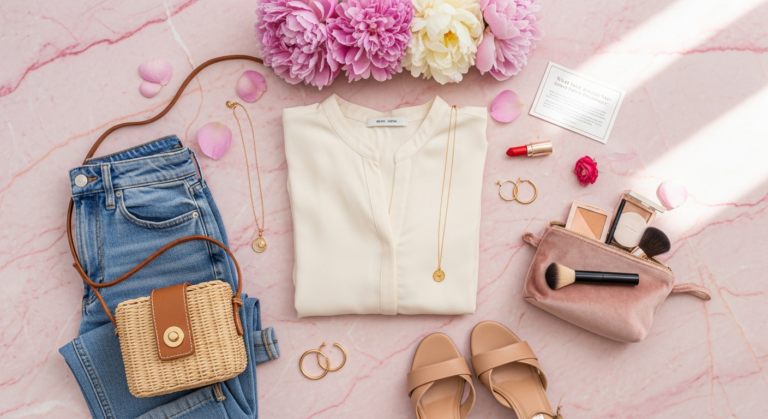
What is a Capsule Wardrobe? Your Ultimate Guide to Simplified Style and Sustainable Living
By fashiongoggled Editorial Team — Senior editors with 10+ years of subject-matter experience.
Published 2026-05-26 · Last Updated 2026-05-26
Affiliate disclosure: This article may contain affiliate links. Recommendations are independent and editorially driven.
In a world overflowing with fast fashion trends and an endless array of clothing options, the concept of the capsule wardrobe has emerged as a beacon of clarity, style, and sustainability. For many, the idea of having fewer clothes yet always feeling perfectly dressed seems almost contradictory. However, the capsule wardrobe isn’t about deprivation; it’s about liberation. It’s a strategic approach to curating a collection of essential, versatile, and high-quality clothing items that can be mixed and matched to create a multitude of outfits for any occasion.
At fashiongoggled, we believe that true style isn’t about owning the most pieces, but about owning the right pieces. This comprehensive guide will demystify the capsule wardrobe, exploring its philosophy, benefits, and practical steps to help you build one that perfectly reflects your personal style and lifestyle. Whether you’re a seasoned fashionista looking to streamline your closet or a newcomer eager to embrace a more intentional approach to dressing, read on to discover how a capsule wardrobe can transform your relationship with fashion.
Demystifying the Capsule Wardrobe: Core Principles and Philosophy
To truly understand what a capsule wardrobe is, we must delve beyond the simple definition of “fewer clothes.” It’s a philosophy, a lifestyle choice, and a powerful tool for self-expression that prioritizes quality, versatility, and intentionality over quantity and fleeting trends.
The Genesis of Minimalist Dressing
The term “capsule wardrobe” was popularized in the 1970s by Susie Faux, owner of a London boutique called Wardrobe. Faux envisioned a core collection of essential items — such as skirts, trousers, coats, and sweaters — that could be augmented with seasonal pieces to create a cohesive and functional wardrobe. Later, in the 1980s, American designer Donna Karan further cemented the concept with her “7 Easy Pieces” collection, demonstrating how a few fundamental items could be combined to form an entire professional wardrobe. While the specific numbers and styles have evolved, the underlying principle remains the same: create a curated collection that empowers effortless dressing.
Defining the Modern Capsule Wardrobe
Today, a capsule wardrobe typically refers to a compact collection of clothing items that are carefully chosen because they:
- Are high-quality and durable, designed to last multiple seasons.
- Are versatile and can be mixed and matched with almost every other item in the capsule.
- Reflect your personal style and fit your lifestyle needs.
- Adhere to a cohesive color palette, making coordination simple.
- Are well-fitting and flattering to your body type.
The exact number of items in a capsule wardrobe is not rigidly defined and can vary greatly from person to person. Some popular challenges suggest 33 items (Project 333), while others might opt for 50 or more. The critical takeaway is not the count, but the intentionality behind each piece. Every item earns its place, contributing to a functional and aesthetically pleasing whole.
Beyond the Numbers: It’s About Intentionality
The true essence of a capsule wardrobe lies in its focus on intentionality. It encourages you to think critically about what you own, why you own it, and how it serves you. Instead of impulse purchases driven by fleeting trends or emotional buying, a capsule wardrobe promotes thoughtful consideration, leading to a closet filled with items you genuinely love and wear. This shift in mindset extends beyond fashion, often inspiring a more minimalist and mindful approach to other areas of life.
It’s about making conscious choices that align with your values, whether those values are sustainability, financial prudence, reduced stress, or simply wanting to look effortlessly chic every day. By understanding these core principles, you’re not just reorganizing your closet; you’re cultivating a more deliberate and fulfilling relationship with your style.
The Multifaceted Benefits of Embracing a Capsule Wardrobe
Adopting a capsule wardrobe extends far beyond just decluttering your closet. It offers a cascade of tangible benefits that can positively impact your finances, mental well-being, and even your environmental footprint. Understanding these advantages can provide the motivation needed to embark on your own capsule journey.
[INLINE IMAGE 1: place after second H2 | alt=”what is a capsule wardrobe concept illustration”]
Financial Savings: Investing in Quality Over Quantity
One of the most immediate benefits of a capsule wardrobe is the significant financial savings it can offer. While the initial investment in higher-quality, durable pieces might seem like an upfront cost, it drastically reduces the need for frequent purchases of cheap, disposable clothing. Fast fashion cycles encourage constant buying, leading to a closet full of items that quickly wear out or go out of style. A capsule wardrobe encourages you to:
- Buy Less, Buy Better: Instead of ten trendy tops that last a season, you invest in two or three classic, well-made tops that endure for years.
- Reduced Impulse Purchases: With a clear understanding of what you already have and what genuinely fits your style, you’re less likely to fall prey to spontaneous, unnecessary buys.
- Cost Per Wear: High-quality items, worn repeatedly, have a much lower cost per wear than cheap items worn only a few times. This makes your fashion budget work smarter, not harder.
This strategic shift ensures that your money is spent on items that truly add value to your wardrobe, providing long-term satisfaction and style.
Time Efficiency: Streamlining Your Morning Routine
The dreaded “I have nothing to wear!” lament despite a closet bursting with clothes is a common morning struggle. A capsule wardrobe virtually eliminates this problem. When every item in your closet coordinates effortlessly with others, selecting an outfit becomes a breeze. Imagine:
- No more agonizing over mismatched pieces.
- Less time spent rummaging through piles of clothes.
- More minutes to enjoy your coffee, exercise, or simply relax before starting your day.
This newfound efficiency is a powerful motivator for many, demonstrating how a simple wardrobe change can reclaim valuable time and reduce daily stress.
Reducing Decision Fatigue
Decision fatigue is a real phenomenon, where the quality of decisions deteriorates after a long session of decision-making. From what to eat for breakfast to what to wear, every choice saps a bit of mental energy. By simplifying your wardrobe, you drastically reduce the number of fashion-related decisions you need to make each day. This frees up mental bandwidth for more important tasks and creative endeavors, leading to greater clarity and focus throughout your day.
Enhanced Personal Style and Confidence
Paradoxically, having fewer clothes can actually enhance your personal style. When you’re forced to be intentional about each piece, you develop a deeper understanding of what truly flatters your body, reflects your personality, and aligns with your aesthetic preferences. This process encourages you to:
- Define Your Signature Look: You identify the silhouettes, colors, and textures that make you feel best.
- Become a Styling Expert: You learn to maximize the versatility of each item, experimenting with different combinations and accessories.
- Boost Confidence: Knowing that every outfit you put together looks good and feels authentic can significantly boost your self-assurance.
A capsule wardrobe is a tool for self-discovery, helping you articulate and express your unique style with confidence and ease. For more insights on developing your unique fashion sense, check out our guide on how to define your personal style.
Environmental Impact: A Step Towards Sustainable Fashion
The fashion industry is a major contributor to environmental pollution, from excessive water usage and textile waste to carbon emissions. A capsule wardrobe directly addresses many of these issues, making it a powerful tool for sustainable living:
- Reduces Waste: By buying fewer items and extending the lifespan of your clothes, you contribute less to landfills.
- Combats Overproduction: A decreased demand for fast fashion pieces can pressure brands to adopt more sustainable production practices.
- Promotes Ethical Consumption: Investing in high-quality, ethically produced garments supports brands committed to fair labor and environmental stewardship.
Embracing a capsule wardrobe is a tangible way to align your fashion choices with environmental responsibility, proving that style and sustainability can indeed go hand-in-hand.
How to Build Your Perfect Capsule Wardrobe: A Step-by-Step Guide
The idea of paring down your wardrobe can feel daunting, but with a structured approach, it becomes an exciting journey towards a more intentional and stylish closet. Here’s a step-by-step guide to building your ideal capsule wardrobe.
Step 1: Define Your Lifestyle and Needs
Before you even touch your current clothes, take stock of your life. Your capsule wardrobe must reflect your reality, not an idealized version. Ask yourself:
- What does a typical week look like for you? (e.g., 5 days at an office, 2 days casual; mostly working from home; active outdoor lifestyle; frequent formal events).
- What activities do you engage in most frequently? (e.g., professional meetings, gym, social gatherings, running errands, creative work).
- What are the primary climates you dress for? (e.g., four distinct seasons, year-round warm weather, mostly indoors).
- What kind of image do you want to project? (e.g., sophisticated, creative, casual, sporty, edgy).
This honest assessment will guide your choices and ensure your capsule is practical and functional for your daily life. For instance, someone with a corporate job will need more tailored pieces than someone who works from home and enjoys hiking.
Step 2: Conduct a Wardrobe Audit and Declutter
This is where the real work begins. Take everything out of your closet and drawers. Yes, *everything*. Lay it all out where you can see it. Now, go through each item and create four piles:
- Love It & Wear It: These are your absolute favorites, they fit well, make you feel great, and you wear them regularly. These are your capsule contenders.
- Maybe/Seasonal: Items you like but don’t wear often, or items for a different season (e.g., heavy winter coat in summer). Store seasonal items properly and reconsider the “maybes.”
- Alterations/Repairs: Items you love but need a minor fix (hem, button, tear). Get these done promptly or they’ll languish.
- Donate/Sell/Discard: Items that don’t fit, are damaged beyond repair, you haven’t worn in over a year, or simply don’t make you feel good. Be ruthless but realistic.
The goal here is to identify your existing gems and clear out the clutter that’s holding you back. Don’t worry about numbers at this stage; focus on eliminating items that don’t serve your defined lifestyle or style goals.
Step 3: Identify Your Core Color Palette
A cohesive color palette is the secret sauce of a successful capsule wardrobe. It ensures that almost all your items can be mixed and matched effortlessly. Choose:
- 2-3 Neutrals: These form the foundation (e.g., black, white, navy, gray, beige, olive green).
- 2-3 Accent Colors: These are colors you love, that flatter you, and that add personality (e.g., dusty rose, emerald green, cobalt blue, mustard yellow).
Your accent colors should complement your neutrals. If you’re unsure, look at your “Love It & Wear It” pile – are there recurring colors? These are likely your natural choices. Stick to colors that work well together and can be interchanged to create various moods and looks.
Step 4: List Your Essential Pieces
Based on your lifestyle assessment (Step 1) and your curated “Love It & Wear It” pile (Step 2), start making a list of the essential items you need for your capsule. Think categories:
- Tops: Basic tees, shirts, blouses, sweaters.
- Bottoms: Jeans, trousers, skirts, shorts.
- Outerwear: Blazers, jackets, coats.
- Dresses/Jumpsuits: Versatile options for various occasions.
- Shoes: Everyday, dressy, casual, athletic.
- Accessories: Scarves, belts, bags, jewelry.
Don’t forget layering pieces and activewear if they’re a significant part of your life. This list will become your shopping guide for filling gaps.
Step 5: Fill the Gaps Thoughtfully
Now, compare your list of essentials with the items in your “Love It & Wear It” pile. What’s missing? These are the items you’ll need to acquire. When purchasing new pieces, adhere to these guidelines:
- Quality Over Quantity: Invest in durable fabrics and good construction.
- Versatility: Can it be worn in multiple ways? Does it mix with at least 3-5 other items?
- Fit: Does it fit well and flatter your body?
- Color Palette: Does it align with your chosen color scheme?
- Needs, Not Wants: Focus on what truly fills a gap and serves a purpose.
Consider shopping secondhand, supporting sustainable brands, or borrowing before buying new. Avoid the temptation to buy a lot at once; build your capsule gradually.
Step 6: Regular Review and Seasonal Updates
A capsule wardrobe is not a static entity; it’s dynamic and evolves with your life. Plan to review your capsule seasonally (e.g., every 3 months) or at least twice a year. During a review:
- Evaluate: What did you wear consistently? What didn’t work?
- Refresh: Swap out seasonal items (e.g., heavy sweaters for lighter blouses).
- Reassess: Have your lifestyle or preferences changed? Do you need to add or remove anything?
This ongoing process ensures your capsule remains relevant, functional, and reflective of your current style. It’s an opportunity to adapt and refine, keeping your wardrobe fresh without constant consumption.
Key Components of a Functional Capsule Wardrobe
While the exact items in a capsule wardrobe will vary by individual, certain categories and types of pieces are universally valuable for their versatility and foundational role. Thinking in these categories helps ensure a well-rounded and functional collection.
[INLINE IMAGE 2: place after fourth H2 | alt=”what is a capsule wardrobe comparison illustration”]
Tops: Versatility is Key
Tops are arguably the most frequently changed items and often carry the most visible impact in an outfit. Focus on a mix of basics and a few slightly dressier options:
- Basic T-shirts (3-5): High-quality tees in your core neutrals (white, black, grey, navy) are indispensable. Opt for different necklines (crew, V-neck) and sleeve lengths (short, long) for variety.
- Button-Down Shirts (2-3): A crisp white or light blue button-down is a timeless classic. A denim or chambray shirt adds a casual yet stylish layer.
- Blouses/Dressy Tops (2-3): Choose elegant blouses in solid colors or subtle prints that can be dressed up for work or a night out. Silk, satin, or a nice crepe are good options.
- Sweaters/Cardigans (2-4): Depending on your climate, include a mix of lightweight knits (merino wool, cashmere blend) and heavier options. A classic cardigan or crewneck sweater in a neutral color provides warmth and layering potential.
- Tank Tops/Camisoles (2-3): Essential for layering under sheer tops, sweaters, or blazers, and for warmer weather.
Bottoms: Foundation for Many Looks
Bottoms form the structural backbone of your outfits, so choose durable, comfortable, and highly versatile pieces.
- Jeans (1-3 pairs): A well-fitting pair of classic blue jeans (straight leg, slim fit) is non-negotiable. Consider a black or dark wash pair for a dressier option, and perhaps a lighter wash for casual looks.
- Tailored Trousers (1-2 pairs): A pair of black or navy tailored trousers is perfect for professional settings or dressing up. Wide-leg or slim-fit options, depending on your preference.
- Casual Trousers (1-2 pairs): Chinos, linen pants, or comfortable ponte pants in a neutral color offer a relaxed yet polished alternative to jeans.
- Skirts (1-2): A versatile midi skirt (pleated, A-line, or pencil) in a neutral or accent color, and perhaps a classic denim skirt.
- Shorts (1-2, if applicable): Well-fitting shorts in denim, chino, or tailored fabric for warmer climates.
Outerwear: Layering for Style and Function
Outerwear pieces are crucial for adapting to different temperatures and adding polish to an outfit.
- Blazer (1-2): A classic black or navy blazer instantly elevates any outfit, from jeans and a tee to tailored trousers. A lighter-colored blazer can add a fresh touch.
- Jacket (1-2): A denim jacket for casual layering, a leather jacket for an edgy touch, or a trench coat for timeless sophistication and weather protection.
- Coat (1-2, seasonal): A high-quality wool coat for colder months and a lighter peacoat or packable puffer for transitional weather.
Dresses & Jumpsuits: Effortless Elegance
These one-and-done pieces are perfect for easy styling.
- Little Black Dress (LBD) or Versatile Midi Dress (1-2): A simple, well-fitting dress that can be dressed up with heels and jewelry or down with sneakers and a denim jacket. A knit midi dress can be incredibly versatile.
- Casual Dress/Jumpsuit (1): A comfortable, breathable dress or jumpsuit for warmer days or relaxed outings.
Footwear: Comfort Meets Style
Choose footwear that is comfortable, versatile, and suitable for your lifestyle.
- Everyday Sneakers (1 pair): Classic white or neutral-colored sneakers for comfort and casual styling.
- Flats/Loafers (1-2 pairs): Ballet flats, loafers, or elegant mules for polished casual or professional looks.
- Heels/Dressy Shoes (1-2 pairs): Nude or black pumps, block heels, or elegant sandals for formal occasions.
- Boots (1-2 pairs, seasonal): Ankle boots in a neutral color for fall/winter, and knee-high boots if they suit your style.
- Sandals (1 pair, seasonal): Versatile flat or low-heeled sandals for warm weather.
Accessories: The Power of Personalization
Accessories are where you can inject personality and keep your capsule fresh without adding too many clothing items.
- Handbags (2-3): A versatile everyday bag (tote or crossbody) in a neutral color, a smaller clutch or shoulder bag for evenings, and perhaps a casual canvas or straw bag for summer.
- Belts (1-2): A classic leather belt in black or brown, and perhaps a more decorative one.
- Scarves (2-3): Silk scarves, chunky knit scarves, or lightweight wraps can add color, texture, and warmth.
- Jewelry: A few staple pieces (hoop earrings, delicate necklace, classic watch) and a few statement pieces to elevate outfits.
- Sunglasses (1-2): Classic frames that suit your face shape.
Remember, the goal is not to strictly adhere to a number but to select items that genuinely serve multiple purposes and resonate with your personal style. By carefully curating these components, you build a wardrobe that is both efficient and inspiring.
| Item Category | Professional/Corporate Capsule | Casual/Creative Capsule | Active/Outdoorsy Capsule |
|---|---|---|---|
| Tops | 3-4 tailored blouses, 2 silk shirts, 2 fine-knit sweaters | 3-4 basic tees, 2 chambray shirts, 2 cozy knits | 3-4 moisture-wicking tees, 2 long-sleeve performance tops, 1 fleece jacket |
| Bottoms | 2 tailored trousers, 1 pencil skirt, 1 dark-wash denim | 2 jeans (various washes), 1 midi skirt, 1 relaxed chino | 2 hiking pants, 1 yoga leggings, 1 durable shorts |
| Outerwear | 1 structured blazer, 1 trench coat, 1 wool coat | 1 denim jacket, 1 utility jacket, 1 lightweight parka | 1 waterproof shell jacket, 1 insulated puffer, 1 rain poncho |
| Dresses/Jumpsuits | 1 versatile sheath dress, 1 elegant midi dress | 1 knit midi dress, 1 casual jumpsuit | N/A (focus on functional separates) |
| Footwear | 2 heels, 1 flats, 1 ankle boots | 1 stylish sneakers, 1 loafers, 1 casual boots | 1 hiking boots, 1 trail running shoes, 1 comfortable sandals |
| Accessories | 1 leather tote, 1 delicate jewelry set, 2 silk scarves | 1 crossbody bag, 1 statement necklace, 2 patterned scarves | 1 technical backpack, 1 sun hat, 1 durable water bottle |
This table illustrates how the core categories remain, but the specific items shift dramatically based on lifestyle demands. Always prioritize what genuinely fits your daily activities and aesthetic preferences.
Common Misconceptions and Addressing the “Boredom” Factor
The concept of a capsule wardrobe often comes with preconceived notions and fears, particularly the idea that it leads to a monotonous and uninspired personal style. Let’s debunk some common myths and show how a capsule wardrobe can actually ignite creativity.
Myth 1: It’s Only for Minimalists or Monochromatic Styles
One of the biggest misconceptions is that a capsule wardrobe means dressing in head-to-toe beige or black, sacrificing all color and personality. This couldn’t be further from the truth. While many minimalists do embrace neutral palettes, a capsule wardrobe can be vibrant and expressive. It’s about choosing a *cohesive* color palette that works for *you*. If you love bold colors, incorporate them as your accent shades. If you adore patterns, select a few versatile pieces with prints that complement your solids. The goal is intentionality, not austerity. Your capsule should reflect your unique personality, whether that’s classic elegance, bohemian chic, or avant-garde flair.
Myth 2: You Can Never Buy New Clothes
A capsule wardrobe is not a vow of sartorial celibacy. It’s about conscious consumption, not abstinence. The idea is to move away from impulse buying and fast fashion’s endless cycles. You will still purchase new items, but with greater deliberation. You might buy a new piece to replace a worn-out item, to fill a specific gap identified during a seasonal review, or to introduce a new accent color or trend you genuinely love and that integrates seamlessly into your existing collection. The difference is that each new item is a thoughtful addition, not a fleeting acquisition.
Myth 3: It’s Restrictive and Limits Creativity
Many worry that a limited wardrobe stifles creativity. In reality, it often does the opposite. When faced with fewer choices, you’re encouraged to think more creatively about how to style and combine your existing pieces. It forces you to:
- Experiment with layering: How can a simple dress be transformed with a blazer, a scarf, or a different top underneath?
- Utilize accessories: Jewelry, belts, bags, and shoes become powerful tools for changing the entire mood of an outfit.
- Discover new combinations: You’ll start seeing your clothes in fresh ways, finding pairings you might never have considered when overwhelmed with options.
This “constraint breeds creativity” approach is a well-known phenomenon, and it certainly applies to fashion. It’s like a chef with a limited pantry forced to invent delicious new dishes – the results can be surprisingly innovative.
Myth 4: You Must Stick to a Fixed Number of Items
The 33-item challenge (Project 333) is a popular starting point for many, but it’s not a rigid rule. The “perfect” number of items is highly personal and depends entirely on your lifestyle, climate, and personal needs. A professional who requires distinct workwear might need more items than a student. Someone living in a region with extreme seasonal variations might need larger capsules for each season. The number is a guideline, not a dogma. Focus on having enough items to feel well-dressed and versatile, without feeling overwhelmed or having unused pieces.
How to Keep Your Capsule Exciting: The Role of Accessories and Seasonal Swaps
To combat any potential “boredom,” remember these key strategies:
- Embrace Accessories: As mentioned, accessories are your secret weapon. A change of shoes, a bold necklace, a statement belt, or a colorful scarf can completely alter an outfit.
- Seasonal Swaps: Don’t keep all your clothes out all year. Store off-season items. This makes your current capsule feel fresh and new when you rotate pieces back in.
- Introduce “Trend” Pieces Thoughtfully: If there’s a trend you love, consider how a single, high-quality piece (e.g., a specific style of top, a unique accessory) can be integrated without disrupting your capsule’s core.
- Texture and Fabric Play: Varying textures (silk, linen, cashmere, denim, leather) adds depth and interest to even a monochromatic outfit.
- Personalization: Remember, your capsule is *yours*. Infuse it with pieces that genuinely make you happy and confident, regardless of current trends.
By understanding and addressing these common concerns, you can approach building your capsule wardrobe with an open mind and embrace its potential for joyful, effortless, and creative dressing. For practical tips on refreshing your look, explore our article on simple ways to refresh your wardrobe.
Advanced Capsule Wardrobe Strategies for the Savvy Stylist
Once you’ve mastered the basics of building a core capsule, you can explore more advanced strategies to fine-tune your wardrobe, address specific needs, and elevate your styling game. These techniques allow for greater flexibility and sophistication within the capsule framework.
The Seasonal Capsule Approach
For those living in regions with distinct seasons, maintaining a single, year-round capsule can be challenging. The seasonal capsule approach involves creating four separate, smaller capsules that are rotated throughout the year. For example:
- Spring Capsule: Focus on lighter layers, transitional outerwear, and fresh colors.
- Summer Capsule: Prioritize breathable fabrics, sleeveless tops, shorts, and dresses.
- Fall Capsule: Incorporate warmer layers, rich colors, and foundational pieces for cooler weather.
- Winter Capsule: Heavy knits, insulated outerwear, and warmer fabrics dominate.
At the end of each season, you’ll “store away” the current capsule and bring out the next. Some core items (e.g., classic jeans, basic tees) might remain in every capsule, while others are swapped. This method keeps your choices fresh and seasonally appropriate without needing a massive closet year-round.
Building a Work/Professional Capsule
Many individuals have a distinct need for professional attire separate from their casual or weekend wear. Creating a dedicated work capsule can simplify dressing for the office. This capsule would focus on:
- Tailored trousers and skirts.
- Blouses and button-down shirts suitable for a professional environment.
- Blazers, cardigans, and professional outerwear.
- Classic pumps, loafers, or elegant flats.
- Professional handbags and subtle accessories.
These pieces should still align with your core color palette to allow for easy mixing and matching, but their function is specific. Elements of your work capsule might occasionally overlap with your casual capsule (e.g., a blazer dressed down with jeans), but the primary purpose is distinct.
Travel Capsules: Packing Smart, Traveling Light
The principles of a capsule wardrobe are perfectly suited for travel. A travel capsule involves selecting a limited number of items that can create multiple outfits for your trip, regardless of duration or destination. Key considerations for a travel capsule:
- Destination & Activities: Will you be exploring cities, lounging on a beach, or hiking mountains?
- Climate: Check the weather forecast and pack accordingly, focusing on layers.
- Versatility: Every item should be able to serve at least two purposes or be worn in multiple outfit combinations.
- Fabric Choices: Prioritize wrinkle-resistant, quick-drying, and lightweight fabrics.
- Color Palette: Stick to a very tight color scheme to maximize mixing and matching.
By pre-planning your travel outfits and packing only what’s essential, you can avoid overpacking, reduce luggage stress, and ensure you always have appropriate attire.
Incorporating Trends Thoughtfully
A capsule wardrobe doesn’t mean ignoring trends entirely. Instead, it means being selective and strategic about how you incorporate them. When considering a trend:
- Evaluate Longevity: Is it a fleeting fad or a trend with potential staying power?
- Consider Integration: Does it fit seamlessly with your existing capsule? Can it be styled with at least three other items?
- Opt for Accessories: Often, the easiest way to embrace a trend without overhauling your wardrobe is through accessories like a trendy bag, a specific shoe style, or statement jewelry.
- Choose One or Two Pieces: Don’t buy every trendy item; pick one or two high-quality pieces that truly resonate with you.
This approach allows your capsule to feel current and stylish without succumbing to the wasteful cycle of fast fashion.
The Art of Mixing and Matching: Maximizing Your Pieces
The true magic of a capsule wardrobe lies in its ability to create numerous outfits from a limited number of pieces. To master this:
- Utilize a Color Matrix: Visually map out how your tops, bottoms, and outerwear interact within your chosen palette.
- Think in “Outfits,” Not “Items”: When you buy a new piece, envision at least three full outfits you can create with it using items you already own.
- Layering: Experiment with different layering combinations – a t-shirt under a slip dress, a cardigan over a blouse, a blazer over a sweater.
- Accessorize Up or Down: Learn to transform an outfit from day to night or casual to formal simply by changing shoes, jewelry, or a bag.
By actively practicing mixing and matching, you’ll unlock the full potential of your capsule and discover endless styling possibilities. Dive deeper into styling techniques with our guide on mastering outfit combinations.
The Interconnection: Capsule Wardrobes and Sustainable Fashion
In the global conversation about environmental responsibility and ethical consumption, the capsule wardrobe stands out as a powerful personal action. It’s not just a trend; it’s a practical embodiment of many core principles of sustainable fashion.
Combating Fast Fashion
The rise of “fast fashion” has led to unprecedented levels of clothing consumption and waste. Brands churn out thousands of new styles weekly, encouraging consumers to buy cheap, trendy items that are often discarded after only a few wears. This cycle has devastating environmental and social impacts:
- Overproduction: Leading to massive landfill waste.
- Resource Depletion: Intensive use of water, energy, and raw materials.
- Pollution: Dyes, microplastics, and carbon emissions from manufacturing and transport.
- Unethical Labor: Pressure for cheap production often comes at the expense of garment workers’ wages and conditions.
A capsule wardrobe directly counters this by advocating for thoughtful purchases, longer wear-times, and a rejection of disposable clothing culture. It’s a deliberate choice to step off the fast-fashion treadmill.
Promoting Ethical Consumption
By encouraging investment in high-quality pieces, a capsule wardrobe naturally steers consumers towards brands that often have better ethical and sustainable practices. When you’re buying fewer items, you’re more likely to spend time researching a brand’s supply chain, labor practices, and environmental policies. This shift supports companies committed to:
- Fair wages and safe working conditions for their employees.
- Using sustainable materials (organic cotton, recycled polyester, Tencel, linen).
- Minimizing waste and pollution in their manufacturing processes.
- Transparency in their operations.
Your capsule wardrobe becomes a tool for conscious consumerism, allowing your purchasing power to support positive change in the fashion industry.
The Lifespan of Garments: Repair, Reuse, Recycle
A key tenet of sustainable fashion is maximizing the lifespan of clothing. A capsule wardrobe fosters this by:
- Prioritizing Durability: You choose items designed to withstand repeated wear and washing
What is a Capsule Wardrobe? Your Ultimate Guide to Simplified Style and Sustainable Living
By fashiongoggled Editorial Team — Senior editors with 10+ years of subject-matter experience.
Published 2026-05-26 · Last Updated 2026-05-26Affiliate disclosure: This article may contain affiliate links. Recommendations are independent and editorially driven.
In a world overflowing with fast fashion trends and an endless array of clothing options, the concept of the capsule wardrobe has emerged as a beacon of clarity, style, and sustainability. For many, the idea of having fewer clothes yet always feeling perfectly dressed seems almost contradictory. However, the capsule wardrobe isn’t about deprivation; it’s about liberation. It’s a strategic approach to curating a collection of essential, versatile, and high-quality clothing items that can be mixed and matched to create a multitude of outfits for any occasion.
At fashiongoggled, we believe that true style isn’t about owning the most pieces, but about owning the right pieces. This comprehensive guide will demystify the capsule wardrobe, exploring its philosophy, benefits, and practical steps to help you build one that perfectly reflects your personal style and lifestyle. Whether you’re a seasoned fashionista looking to streamline your closet or a newcomer eager to embrace a more intentional approach to dressing, read on to discover how a capsule wardrobe can transform your relationship with fashion.
Demystifying the Capsule Wardrobe: Core Principles and Philosophy
To truly understand what a capsule wardrobe is, we must delve beyond the simple definition of “fewer clothes.” It’s a philosophy, a lifestyle choice, and a powerful tool for self-expression that prioritizes quality, versatility, and intentionality over quantity and fleeting trends.
The Genesis of Minimalist Dressing
The term “capsule wardrobe” was popularized in the 1970s by Susie Faux, owner of a London boutique called Wardrobe. Faux envisioned a core collection of essential items — such as skirts, trousers, coats, and sweaters — that could be augmented with seasonal pieces to create a cohesive and functional wardrobe. Later, in the 1980s, American designer Donna Karan further cemented the concept with her “7 Easy Pieces” collection, demonstrating how a few fundamental items could be combined to form an entire professional wardrobe. While the specific numbers and styles have evolved, the underlying principle remains the same: create a curated collection that empowers effortless dressing.
Defining the Modern Capsule Wardrobe
Today, a capsule wardrobe typically refers to a compact collection of clothing items that are carefully chosen because they:
- Are high-quality and durable, designed to last multiple seasons.
- Are versatile and can be mixed and matched with almost every other item in the capsule.
- Reflect your personal style and fit your lifestyle needs.
- Adhere to a cohesive color palette, making coordination simple.
- Are well-fitting and flattering to your body type.
The exact number of items in a capsule wardrobe is not rigidly defined and can vary greatly from person to person. Some popular challenges suggest 33 items (Project 333), while others might opt for 50 or more. The critical takeaway is not the count, but the intentionality behind each piece. Every item earns its place, contributing to a functional and aesthetically pleasing whole.
Beyond the Numbers: It’s About Intentionality
The true essence of a capsule wardrobe lies in its focus on intentionality. It encourages you to think critically about what you own, why you own it, and how it serves you. Instead of impulse purchases driven by fleeting trends or emotional buying, a capsule wardrobe promotes thoughtful consideration, leading to a closet filled with items you genuinely love and wear. This shift in mindset extends beyond fashion, often inspiring a more minimalist and mindful approach to other areas of life.
It’s about making conscious choices that align with your values, whether those values are sustainability, financial prudence, reduced stress, or simply wanting to look effortlessly chic every day. By understanding these core principles, you’re not just reorganizing your closet; you’re cultivating a more deliberate and fulfilling relationship with your style.
The Multifaceted Benefits of Embracing a Capsule Wardrobe
Adopting a capsule wardrobe extends far beyond just decluttering your closet. It offers a cascade of tangible benefits that can positively impact your finances, mental well-being, and even your environmental footprint. Understanding these advantages can provide the motivation needed to embark on your own capsule journey.
[INLINE IMAGE 1: place after second H2 | alt=”what is a capsule wardrobe concept illustration”]
Financial Savings: Investing in Quality Over Quantity
One of the most immediate benefits of a capsule wardrobe is the significant financial savings it can offer. While the initial investment in higher-quality, durable pieces might seem like an upfront cost, it drastically reduces the need for frequent purchases of cheap, disposable clothing. Fast fashion cycles encourage constant buying, leading to a closet full of items that quickly wear out or go out of style. A capsule wardrobe encourages you to:
- Buy Less, Buy Better: Instead of ten trendy tops that last a season, you invest in two or three classic, well-made tops that endure for years.
- Reduced Impulse Purchases: With a clear understanding of what you already have and what genuinely fits your style, you’re less likely to fall prey to spontaneous, unnecessary buys.
- Cost Per Wear: High-quality items, worn repeatedly, have a much lower cost per wear than cheap items worn only a few times. This makes your fashion budget work smarter, not harder.
This strategic shift ensures that your money is spent on items that truly add value to your wardrobe, providing long-term satisfaction and style.
Time Efficiency: Streamlining Your Morning Routine
The dreaded “I have nothing to wear!” lament despite a closet bursting with clothes is a common morning struggle. A capsule wardrobe virtually eliminates this problem. When every item in your closet coordinates effortlessly with others, selecting an outfit becomes a breeze. Imagine:
- No more agonizing over mismatched pieces.
- Less time spent rummaging through piles of clothes.
- More minutes to enjoy your coffee, exercise, or simply relax before starting your day.
This newfound efficiency is a powerful motivator for many, demonstrating how a simple wardrobe change can reclaim valuable time and reduce daily stress.
Reducing Decision Fatigue
Decision fatigue is a real phenomenon, where the quality of decisions deteriorates after a long session of decision-making. From what to eat for breakfast to what to wear, every choice saps a bit of mental energy. By simplifying your wardrobe, you drastically reduce the number of fashion-related decisions you need to make each day. This frees up mental bandwidth for more important tasks and creative endeavors, leading to greater clarity and focus throughout your day.
Enhanced Personal Style and Confidence
Paradoxically, having fewer clothes can actually enhance your personal style. When you’re forced to be intentional about each piece, you develop a deeper understanding of what truly flatters your body, reflects your personality, and aligns with your aesthetic preferences. This process encourages you to:
- Define Your Signature Look: You identify the silhouettes, colors, and textures that make you feel best.
- Become a Styling Expert: You learn to maximize the versatility of each item, experimenting with different combinations and accessories.
- Boost Confidence: Knowing that every outfit you put together looks good and feels authentic can significantly boost your self-assurance.
A capsule wardrobe is a tool for self-discovery, helping you articulate and express your unique style with confidence and ease. For more insights on developing your unique fashion sense, check out our guide on how to define your personal style.
Environmental Impact: A Step Towards Sustainable Fashion
The fashion industry is a major contributor to environmental pollution, from excessive water usage and textile waste to carbon emissions. A capsule wardrobe directly addresses many of these issues, making it a powerful tool for sustainable living:
- Reduces Waste: By buying fewer items and extending the lifespan of your clothes, you contribute less to landfills.
- Combats Overproduction: A decreased demand for fast fashion pieces can pressure brands to adopt more sustainable production practices.
- Promotes Ethical Consumption: Investing in high-quality, ethically produced garments supports brands committed to fair labor and environmental stewardship.
Embracing a capsule wardrobe is a tangible way to align your fashion choices with environmental responsibility, proving that style and sustainability can indeed go hand-in-hand.
How to Build Your Perfect Capsule Wardrobe: A Step-by-Step Guide
The idea of paring down your wardrobe can feel daunting, but with a structured approach, it becomes an exciting journey towards a more intentional and stylish closet. Here’s a step-by-step guide to building your ideal capsule wardrobe.
Step 1: Define Your Lifestyle and Needs
Before you even touch your current clothes, take stock of your life. Your capsule wardrobe must reflect your reality, not an idealized version. Ask yourself:
- What does a typical week look like for you? (e.g., 5 days at an office, 2 days casual; mostly working from home; active outdoor lifestyle; frequent formal events).
- What activities do you engage in most frequently? (e.g., professional meetings, gym, social gatherings, running errands, creative work).
- What are the primary climates you dress for? (e.g., four distinct seasons, year-round warm weather, mostly indoors).
- What kind of image do you want to project? (e.g., sophisticated, creative, casual, sporty, edgy).
This honest assessment will guide your choices and ensure your capsule is practical and functional for your daily life. For instance, someone with a corporate job will need more tailored pieces than someone who works from home and enjoys hiking.
Step 2: Conduct a Wardrobe Audit and Declutter
This is where the real work begins. Take everything out of your closet and drawers. Yes, *everything*. Lay it all out where you can see it. Now, go through each item and create four piles:
- Love It & Wear It: These are your absolute favorites, they fit well, make you feel great, and you wear them regularly. These are your capsule contenders.
- Maybe/Seasonal: Items you like but don’t wear often, or items for a different season (e.g., heavy winter coat in summer). Store seasonal items properly and reconsider the “maybes.”
- Alterations/Repairs: Items you love but need a minor fix (hem, button, tear). Get these done promptly or they’ll languish.
- Donate/Sell/Discard: Items that don’t fit, are damaged beyond repair, you haven’t worn in over a year, or simply don’t make you feel good. Be ruthless but realistic.
The goal here is to identify your existing gems and clear out the clutter that’s holding you back. Don’t worry about numbers at this stage; focus on eliminating items that don’t serve your defined lifestyle or style goals.
Step 3: Identify Your Core Color Palette
A cohesive color palette is the secret sauce of a successful capsule wardrobe. It ensures that almost all your items can be mixed and matched effortlessly. Choose:
- 2-3 Neutrals: These form the foundation (e.g., black, white, navy, gray, beige, olive green).
- 2-3 Accent Colors: These are colors you love, that flatter you, and that add personality (e.g., dusty rose, emerald green, cobalt blue, mustard yellow).
Your accent colors should complement your neutrals. If you’re unsure, look at your “Love It & Wear It” pile – are there recurring colors? These are likely your natural choices. Stick to colors that work well together and can be interchanged to create various moods and looks.
Step 4: List Your Essential Pieces
Based on your lifestyle assessment (Step 1) and your curated “Love It & Wear It” pile (Step 2), start making a list of the essential items you need for your capsule. Think categories:
- Tops: Basic tees, shirts, blouses, sweaters.
- Bottoms: Jeans, trousers, skirts, shorts.
- Outerwear: Blazers, jackets, coats.
- Dresses/Jumpsuits: Versatile options for various occasions.
- Shoes: Everyday, dressy, casual, athletic.
- Accessories: Scarves, belts, bags, jewelry.
Don’t forget layering pieces and activewear if they’re a significant part of your life. This list will become your shopping guide for filling gaps.
Step 5: Fill the Gaps Thoughtfully
Now, compare your list of essentials with the items in your “Love It & Wear It” pile. What’s missing? These are the items you’ll need to acquire. When purchasing new pieces, adhere to these guidelines:
- Quality Over Quantity: Invest in durable fabrics and good construction.
- Versatility: Can it be worn in multiple ways? Does it mix with at least 3-5 other items?
- Fit: Does it fit well and flatter your body?
- Color Palette: Does it align with your chosen color scheme?
- Needs, Not Wants: Focus on what truly fills a gap and serves a purpose.
Consider shopping secondhand, supporting sustainable brands, or borrowing before buying new. Avoid the temptation to buy a lot at once; build your capsule gradually.
Step 6: Regular Review and Seasonal Updates
A capsule wardrobe is not a static entity; it’s dynamic and evolves with your life. Plan to review your capsule seasonally (e.g., every 3 months) or at least twice a year. During a review:
- Evaluate: What did you wear consistently? What didn’t work?
- Refresh: Swap out seasonal items (e.g., heavy sweaters for lighter blouses).
- Reassess: Have your lifestyle or preferences changed? Do you need to add or remove anything?
This ongoing process ensures your capsule remains relevant, functional, and reflective of your current style. It’s an opportunity to adapt and refine, keeping your wardrobe fresh without constant consumption.
Key Components of a Functional Capsule Wardrobe
While the exact items in a capsule wardrobe will vary by individual, certain categories and types of pieces are universally valuable for their versatility and foundational role. Thinking in these categories helps ensure a well-rounded and functional collection.
[INLINE IMAGE 2: place after fourth H2 | alt=”what is a capsule wardrobe comparison illustration”]
Tops: Versatility is Key
Tops are arguably the most frequently changed items and often carry the most visible impact in an outfit. Focus on a mix of basics and a few slightly dressier options:
- Basic T-shirts (3-5): High-quality tees in your core neutrals (white, black, grey, navy) are indispensable. Opt for different necklines (crew, V-neck) and sleeve lengths (short, long) for variety.
- Button-Down Shirts (2-3): A crisp white or light blue button-down is a timeless classic. A denim or chambray shirt adds a casual yet stylish layer.
- Blouses/Dressy Tops (2-3): Choose elegant blouses in solid colors or subtle prints that can be dressed up for work or a night out. Silk, satin, or a nice crepe are good options.
- Sweaters/Cardigans (2-4): Depending on your climate, include a mix of lightweight knits (merino wool, cashmere blend) and heavier options. A classic cardigan or crewneck sweater in a neutral color provides warmth and layering potential.
- Tank Tops/Camisoles (2-3): Essential for layering under sheer tops, sweaters, or blazers, and for warmer weather.
Bottoms: Foundation for Many Looks
Bottoms form the structural backbone of your outfits, so choose durable, comfortable, and highly versatile pieces.
- Jeans (1-3 pairs): A well-fitting pair of classic blue jeans (straight leg, slim fit) is non-negotiable. Consider a black or dark wash pair for a dressier option, and perhaps a lighter wash for casual looks.
- Tailored Trousers (1-2 pairs): A pair of black or navy tailored trousers is perfect for professional settings or dressing up. Wide-leg or slim-fit options, depending on your preference.
- Casual Trousers (1-2 pairs): Chinos, linen pants, or comfortable ponte pants in a neutral color offer a relaxed yet polished alternative to jeans.
- Skirts (1-2): A versatile midi skirt (pleated, A-line, or pencil) in a neutral or accent color, and perhaps a classic denim skirt.
- Shorts (1-2, if applicable): Well-fitting shorts in denim, chino, or tailored fabric for warmer climates.
Outerwear: Layering for Style and Function
Outerwear pieces are crucial for adapting to different temperatures and adding polish to an outfit.
- Blazer (1-2): A classic black or navy blazer instantly elevates any outfit, from jeans and a tee to tailored trousers. A lighter-colored blazer can add a fresh touch.
- Jacket (1-2): A denim jacket for casual layering, a leather jacket for an edgy touch, or a trench coat for timeless sophistication and weather protection.
- Coat (1-2, seasonal): A high-quality wool coat for colder months and a lighter peacoat or packable puffer for transitional weather.
Dresses & Jumpsuits: Effortless Elegance
These one-and-done pieces are perfect for easy styling.
- Little Black Dress (LBD) or Versatile Midi Dress (1-2): A simple, well-fitting dress that can be dressed up with heels and jewelry or down with sneakers and a denim jacket. A knit midi dress can be incredibly versatile.
- Casual Dress/Jumpsuit (1): A comfortable, breathable dress or jumpsuit for warmer days or relaxed outings.
Footwear: Comfort Meets Style
Choose footwear that is comfortable, versatile, and suitable for your lifestyle.
- Everyday Sneakers (1 pair): Classic white or neutral-colored sneakers for comfort and casual styling.
- Flats/Loafers (1-2 pairs): Ballet flats, loafers, or elegant mules for polished casual or professional looks.
- Heels/Dressy Shoes (1-2 pairs): Nude or black pumps, block heels, or elegant sandals for formal occasions.
- Boots (1-2 pairs, seasonal): Ankle boots in a neutral color for fall/winter, and knee-high boots if they suit your style.
- Sandals (1 pair, seasonal): Versatile flat or low-heeled sandals for warm weather.
Accessories: The Power of Personalization
Accessories are where you can inject personality and keep your capsule fresh without adding too many clothing items.
- Handbags (2-3): A versatile everyday bag (tote or crossbody) in a neutral color, a smaller clutch or shoulder bag for evenings, and perhaps a casual canvas or straw bag for summer.
- Belts (1-2): A classic leather belt in black or brown, and perhaps a more decorative one.
- Scarves (2-3): Silk scarves, chunky knit scarves, or lightweight wraps can add color, texture, and warmth.
- Jewelry: A few staple pieces (hoop earrings, delicate necklace, classic watch) and a few statement pieces to elevate outfits.
- Sunglasses (1-2): Classic frames that suit your face shape.
Remember, the goal is not to strictly adhere to a number but to select items that genuinely serve multiple purposes and resonate with your personal style. By carefully curating these components, you build a wardrobe that is both efficient and inspiring.
Essential Capsule Wardrobe Pieces for Different Lifestyles (Examples) Item Category Professional/Corporate Capsule Casual/Creative Capsule Active/Outdoorsy Capsule Tops 3-4 tailored blouses, 2 silk shirts, 2 fine-knit sweaters 3-4 basic tees, 2 chambray shirts, 2 cozy knits 3-4 moisture-wicking tees, 2 long-sleeve performance tops, 1 fleece jacket Bottoms 2 tailored trousers, 1 pencil skirt, 1 dark-wash denim 2 jeans (various washes), 1 midi skirt, 1 relaxed chino 2 hiking pants, 1 yoga leggings, 1 durable shorts Outerwear 1 structured blazer, 1 trench coat, 1 wool coat 1 denim jacket, 1 utility jacket, 1 lightweight parka 1 waterproof shell jacket, 1 insulated puffer, 1 rain poncho Dresses/Jumpsuits 1 versatile sheath dress, 1 elegant midi dress 1 knit midi dress, 1 casual jumpsuit N/A (focus on functional separates) Footwear 2 heels, 1 flats, 1 ankle boots 1 stylish sneakers, 1 loafers, 1 casual boots 1 hiking boots, 1 trail running shoes, 1 comfortable sandals Accessories 1 leather tote, 1 delicate jewelry set, 2 silk scarves 1 crossbody bag, 1 statement necklace, 2 patterned scarves 1 technical backpack, 1 sun hat, 1 durable water bottle This table illustrates how the core categories remain, but the specific items shift dramatically based on lifestyle demands. Always prioritize what genuinely fits your daily activities and aesthetic preferences.
Common Misconceptions and Addressing the “Boredom” Factor
The concept of a capsule wardrobe often comes with preconceived notions and fears, particularly the idea that it leads to a monotonous and uninspired personal style. Let’s debunk some common myths and show how a capsule wardrobe can actually ignite creativity.
Myth 1: It’s Only for Minimalists or Monochromatic Styles
One of the biggest misconceptions is that a capsule wardrobe means dressing in head-to-toe beige or black, sacrificing all color and personality. This couldn’t be further from the truth. While many minimalists do embrace neutral palettes, a capsule wardrobe can be vibrant and expressive. It’s about choosing a *cohesive* color palette that works for *you*. If you love bold colors, incorporate them as your accent shades. If you adore patterns, select a few versatile pieces with prints that complement your solids. The goal is intentionality, not austerity. Your capsule should reflect your unique personality, whether that’s classic elegance, bohemian chic, or avant-garde flair.
Myth 2: You Can Never Buy New Clothes
A capsule wardrobe is not a vow of sartorial celibacy. It’s about conscious consumption, not abstinence. The idea is to move away from impulse buying and fast fashion’s endless cycles. You will still purchase new items, but with greater deliberation. You might buy a new piece to replace a worn-out item, to fill a specific gap identified during a seasonal review, or to introduce a new accent color or trend you genuinely love and that integrates seamlessly into your existing collection. The difference is that each new item is a thoughtful addition, not a fleeting acquisition.
Myth 3: It’s Restrictive and Limits Creativity
Many worry that a limited wardrobe stifles creativity. In reality, it often does the opposite. When faced with fewer choices, you’re encouraged to think more creatively about how to style and combine your existing pieces. It forces you to:
- Experiment with layering: How can a simple dress be transformed with a blazer, a scarf, or a different top underneath?
- Utilize accessories: Jewelry, belts, bags, and shoes become powerful tools for changing the entire mood of an outfit.
- Discover new combinations: You’ll start seeing your clothes in fresh ways, finding pairings you might never have considered when overwhelmed with options.
This “constraint breeds creativity” approach is a well-known phenomenon, and it certainly applies to fashion. It’s like a chef with a limited pantry forced to invent delicious new dishes – the results can be surprisingly innovative.
Myth 4: You Must Stick to a Fixed Number of Items
The 33-item challenge (Project 333) is a popular starting point for many, but it’s not a rigid rule. The “perfect” number of items is highly personal and depends entirely on your lifestyle, climate, and personal needs. A professional who requires distinct workwear might need more items than a student. Someone living in a region with extreme seasonal variations might need larger capsules for each season. The number is a guideline, not a dogma. Focus on having enough items to feel well-dressed and versatile, without feeling overwhelmed or having unused pieces.
How to Keep Your Capsule Exciting: The Role of Accessories and Seasonal Swaps
To combat any potential “boredom,” remember these key strategies:
- Embrace Accessories: As mentioned, accessories are your secret weapon. A change of shoes, a bold necklace, a statement belt, or a colorful scarf can completely alter an outfit.
- Seasonal Swaps: Don’t keep all your clothes out all year. Store off-season items. This makes your current capsule feel fresh and new when you rotate pieces back in.
- Introduce “Trend” Pieces Thoughtfully: If there’s a trend you love, consider how a single, high-quality piece (e.g., a specific style of top, a unique accessory) can be integrated without disrupting your capsule’s core.
- Texture and Fabric Play: Varying textures (silk, linen, cashmere, denim, leather) adds depth and interest to even a monochromatic outfit.
- Personalization: Remember, your capsule is *yours*. Infuse it with pieces that genuinely make you happy and confident, regardless of current trends.
By understanding and addressing these common concerns, you can approach building your capsule wardrobe with an open mind and embrace its potential for joyful, effortless, and creative dressing. For practical tips on refreshing your look, explore our article on simple ways to refresh your wardrobe.
Advanced Capsule Wardrobe Strategies for the Savvy Stylist
Once you’ve mastered the basics of building a core capsule, you can explore more advanced strategies to fine-tune your wardrobe, address specific needs, and elevate your styling game. These techniques allow for greater flexibility and sophistication within the capsule framework.
The Seasonal Capsule Approach
For those living in regions with distinct seasons, maintaining a single, year-round capsule can be challenging. The seasonal capsule approach involves creating four separate, smaller capsules that are rotated throughout the year. For example:
- Spring Capsule: Focus on lighter layers, transitional outerwear, and fresh colors.
- Summer Capsule: Prioritize breathable fabrics, sleeveless tops, shorts, and dresses.
- Fall Capsule: Incorporate warmer layers, rich colors, and foundational pieces for cooler weather.
- Winter Capsule: Heavy knits, insulated outerwear, and warmer fabrics dominate.
At the end of each season, you’ll “store away” the current capsule and bring out the next. Some core items (e.g., classic jeans, basic tees) might remain in every capsule, while others are swapped. This method keeps your choices fresh and seasonally appropriate without needing a massive closet year-round.
Building a Work/Professional Capsule
Many individuals have a distinct need for professional attire separate from their casual or weekend wear. Creating a dedicated work capsule can simplify dressing for the office. This capsule would focus on:
- Tailored trousers and skirts.
- Blouses and button-down shirts suitable for a professional environment.
- Blazers, cardigans, and professional outerwear.
- Classic pumps, loafers, or elegant flats.
- Professional handbags and subtle accessories.
These pieces should still align with your core color palette to allow for easy mixing and matching, but their function is specific. Elements of your work capsule might occasionally overlap with your casual capsule (e.g., a blazer dressed down with jeans), but the primary purpose is distinct.
Travel Capsules: Packing Smart, Traveling Light
The principles of a capsule wardrobe are perfectly suited for travel. A travel capsule involves selecting a limited number of items that can create multiple outfits for your trip, regardless of duration or destination. Key considerations for a travel capsule:
- Destination & Activities: Will you be exploring cities, lounging on a beach, or hiking mountains?
- Climate: Check the weather forecast and pack accordingly, focusing on layers.
- Versatility: Every item should be able to serve at least two purposes or be worn in multiple outfit combinations.
- Fabric Choices: Prioritize wrinkle-resistant, quick-drying, and lightweight fabrics.
- Color Palette: Stick to a very tight color scheme to maximize mixing and matching.
By pre-planning your travel outfits and packing only what’s essential, you can avoid overpacking, reduce luggage stress, and ensure you always have appropriate attire.
Incorporating Trends Thoughtfully
A capsule wardrobe doesn’t mean ignoring trends entirely. Instead, it means being selective and strategic about how you incorporate them. When considering a trend:
- Evaluate Longevity: Is it a fleeting fad or a trend with potential staying power?
- Consider Integration: Does it fit seamlessly with your existing capsule? Can it be styled with at least three other items?
- Opt for Accessories: Often, the easiest way to embrace a trend without overhauling your wardrobe is through accessories like a trendy bag, a specific shoe style, or statement jewelry.
- Choose One or Two Pieces: Don’t buy every trendy item; pick one or two high-quality pieces that truly resonate with you.
This approach allows your capsule to feel current and stylish without succumbing to the wasteful cycle of fast fashion.
The Art of Mixing and Matching: Maximizing Your Pieces
The true magic of a capsule wardrobe lies in its ability to create numerous outfits from a limited number of pieces. To master this:
- Utilize a Color Matrix: Visually map out how your tops, bottoms, and outerwear interact within your chosen palette.
- Think in “Outfits,” Not “Items”: When you buy a new piece, envision at least three full outfits you can create with it using items you already own.
- Layering: Experiment with different layering combinations – a t-shirt under a slip dress, a cardigan over a blouse, a blazer over a sweater.
- Accessorize Up or Down: Learn to transform an outfit from day to night or casual to formal simply by changing shoes, jewelry, or a bag.
By actively practicing mixing and matching, you’ll unlock the full potential of your capsule and discover endless styling possibilities. Dive deeper into styling techniques with our guide on mastering outfit combinations.
The Interconnection: Capsule Wardrobes and Sustainable Fashion
In the global conversation about environmental responsibility and ethical consumption, the capsule wardrobe stands out as a powerful personal action. It’s not just a trend; it’s a practical embodiment of many core principles of sustainable fashion.
Combating Fast Fashion
The rise of “fast fashion” has led to unprecedented levels of clothing consumption and waste. Brands churn out thousands of new styles weekly, encouraging consumers to buy cheap, trendy items that are often discarded after only a few wears. This cycle has devastating environmental and social impacts:
- Overproduction: Leading to massive landfill waste.
- Resource Depletion: Intensive use of water, energy, and raw materials.
- Pollution: Dyes, microplastics, and carbon emissions from manufacturing and transport.
- Unethical Labor: Pressure for cheap production often comes at the expense of garment workers’ wages and conditions.
A capsule wardrobe directly counters this by advocating for thoughtful purchases, longer wear-times, and a rejection of disposable clothing culture. It’s a deliberate choice to step off the fast-fashion treadmill.
Promoting Ethical Consumption
By encouraging investment in high-quality pieces, a capsule wardrobe naturally steers consumers towards brands that often have better ethical and sustainable practices. When you’re buying fewer items, you’re more likely to spend time researching a brand’s supply chain, labor practices, and environmental policies. This shift supports companies committed to:
- Fair wages and safe working conditions for their employees.
- Using sustainable materials (organic cotton, recycled polyester, Tencel, linen).
- Minimizing waste and pollution in their manufacturing processes.
- Transparency in their operations.
Your capsule wardrobe becomes a tool for conscious consumerism, allowing your purchasing power to support positive change in the fashion industry.
The Lifespan of Garments: Repair, Reuse, Recycle
A key tenet of sustainable fashion is maximizing the lifespan of clothing. A capsule wardrobe fosters this by:
- Prioritizing Durability: You choose items designed to withstand repeated wear and washing