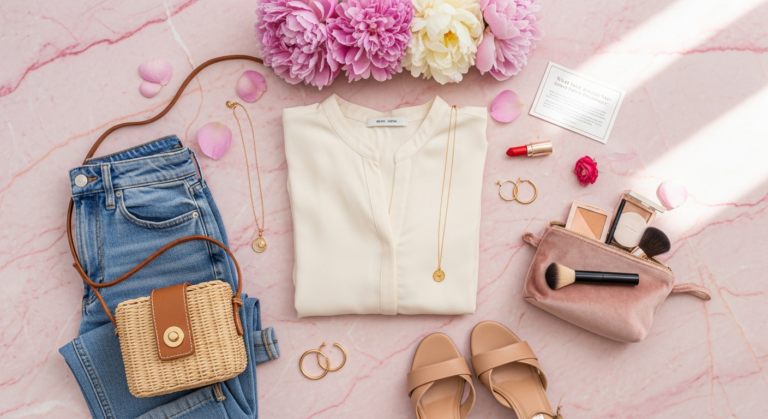
Capsule Wardrobe Essentials


The Ultimate Guide to Capsule Wardrobe Essentials: Curating Your Timeless Style for 2026 and Beyond

Affiliate disclosure: This article may contain affiliate links. Recommendations are independent and editorially driven.

In a world brimming with fast fashion trends and overwhelming choices, the concept of a capsule wardrobe has emerged as a beacon of mindful consumption and enduring style. For the discerning woman of 2026, understanding and implementing a capsule wardrobe isn’t just about owning fewer clothes; it’s about owning the *right* clothes. It’s about cultivating a collection of versatile, high-quality pieces that mix and match effortlessly, empowering you to feel confident and stylish every day, regardless of the occasion or season. This comprehensive guide from fashiongoggled will demystify the art of building a capsule wardrobe, focusing on the fundamental capsule wardrobe essentials that form the backbone of a truly functional and fashionable closet.

Imagine a closet where every item sparks joy, fits impeccably, and can be combined with multiple other pieces to create endless outfit possibilities. This isn’t a fantasy; it’s the reality a well-curated capsule wardrobe offers. We’ll delve into the philosophy behind this transformative approach, break down the core components, provide actionable advice for selecting your personal staples, and explore how to adapt your collection to reflect your unique lifestyle and the ever-evolving landscape of women’s fashion. Prepare to streamline your style, save time and money, and embrace a more sustainable approach to fashion that truly serves you.

What is a Capsule Wardrobe and Why Does it Matter in 2026?

At its core, a capsule wardrobe is a collection of a limited number of interchangeable clothing items that are carefully chosen to maximize versatility. The goal is to have a cohesive set of garments that can be mixed and matched to create a multitude of outfits suitable for various occasions, without requiring a vast amount of individual pieces. While the exact number of items can vary based on personal preference and lifestyle (some aim for 30-40 items including shoes and accessories per season, others even fewer), the underlying principle remains the same: quality over quantity, versatility over fleeting trends.

The concept gained significant traction in the 1970s, popularized by Susie Faux, owner of a London boutique called Wardrobe. Donna Karan further cemented its place in fashion history with her “Seven Easy Pieces” collection in 1985. Today, in 2026, its relevance is more pronounced than ever, driven by several key factors:

  • Sustainability: With growing awareness of fashion’s environmental impact, a capsule wardrobe encourages conscious consumption, reducing waste and promoting longevity of garments. It champions buying fewer, better-made items.
  • Simplicity and Efficiency: In our fast-paced lives, decision fatigue is real. A capsule wardrobe simplifies getting dressed, saving precious time and mental energy each morning. No more staring at a full closet with “nothing to wear.”
  • Financial Prudence: Investing in high-quality, versatile capsule wardrobe essentials often leads to long-term savings. You buy less frequently and focus your budget on durable pieces that stand the test of time, reducing the need for constant replacements.
  • Personal Style Development: By limiting choices, you’re forced to truly understand what works for you, what you feel good in, and what genuinely reflects your personal aesthetic. It refines your eye and strengthens your style identity.
  • Adaptability: A well-constructed capsule can easily adapt to different seasons, travel needs, or lifestyle changes with minimal additions or swaps.

Embracing a capsule wardrobe in 2026 is a statement. It signifies a commitment to intentionality, sustainability, and personal empowerment in your sartorial choices. It’s about curating a lifestyle, not just a closet.

The Foundational Principles of Capsule Building

Before diving into specific items, understanding these principles will guide your choices:

  • Define Your Lifestyle: Your wardrobe should reflect your daily life. Do you work in a corporate office, a creative studio, or from home? Are you frequently social, traveling, or highly active?
  • Identify Your Color Palette: Choose a core neutral palette (black, white, grey, navy, beige) and 1-3 accent colors that flatter you and complement each other. This ensures maximum mix-and-match potential.
  • Prioritize Quality Over Quantity: Invest in well-made fabrics and construction. These pieces will last longer, look better, and often feel more comfortable.
  • Focus on Versatility: Each item should ideally be wearable in multiple contexts – dressed up or down, layered, or worn solo.
  • Know Your Personal Style: What makes you feel confident and authentic? Your capsule should be a reflection of you, not just a generic list.

[INLINE IMAGE 1: place after second H2 | alt=”capsule wardrobe essentials concept illustration”]

Building Your Core Foundation: Essential Capsule Wardrobe Pieces

capsule wardrobe essentials - photo 2 illustration

The heart of any successful capsule wardrobe lies in its foundational pieces. These are the versatile, high-quality items that serve as the building blocks for countless outfits. While personalization is key, there are undeniable capsule wardrobe essentials that consistently appear in well-curated collections. Here, we break down these core categories and specific items to consider.

Tops: The Workhorses of Your Wardrobe

Tops are arguably the most frequently seen items in your outfits. Opt for classic cuts, quality fabrics, and a mix of formal and casual options that can be layered or worn on their own.

  • The Perfect White T-Shirt (2-3): This is non-negotiable. Look for a flattering fit (crew neck, V-neck, or scoop), opaque fabric, and excellent drape. Materials like organic cotton or a cotton-modal blend offer comfort and longevity.
    • Styling Tip: Pair with jeans for a casual look, tuck into tailored trousers for understated elegance, or layer under a blazer.
  • Striped Long-Sleeve Top (1-2): A classic Breton stripe adds a touch of Parisian chic. Navy and white or black and white are timeless. Cotton or a cotton blend is ideal.
    • Styling Tip: Great with denim, under a trench coat, or tied at the waist over a simple dress.
  • Neutral Blouses/Shirts (2-3): Think crisp white button-down, a soft silk camisole, or a relaxed linen shirt in a neutral color (e.g., beige, black, navy). These elevate any outfit.
    • Styling Tip: The button-down can be worn tucked, untucked, open over a cami, or tied. A camisole is perfect for layering under blazers or cardigans.
  • Knitted Jumpers/Sweaters (2-3): Depending on your climate, include a fine-gauge knit for layering (e.g., merino wool, cashmere blend) and a chunkier knit for warmth and texture. Neutrals are best.
    • Styling Tip: Layer over shirts or dresses, or wear with trousers for a cozy yet chic look.

Bottoms: The Foundation of Your Lower Half

Investing in well-fitting, versatile bottoms is crucial. They should offer comfort, style, and the ability to transition between various dress codes.

  • Classic Denim Jeans (1-2 pairs): A well-fitting pair of dark-wash or mid-wash straight-leg or slim-fit jeans is indispensable. Consider a style that flatters your body type and can be dressed up or down. Avoid excessive distressing for maximum versatility.
    • Styling Tip: Pair with a t-shirt and sneakers for casual, or a blouse, blazer, and heels for a smart-casual ensemble.
  • Tailored Trousers (1-2 pairs): A black, navy, or charcoal grey tailored trouser is a must for professional settings or dressier occasions. Look for a flattering cut – wide-leg, slim-fit, or cigarette style. A quality fabric like wool blend or crepe will drape beautifully.
    • Styling Tip: Essential for office wear, but can also be dressed down with a white tee and sneakers for an elevated casual look.
  • Versatile Skirt (1-2): A knee-length or midi skirt in a neutral color and classic style (e.g., A-line, pencil, slip skirt) offers elegance and adaptability.
    • Styling Tip: Pair with blouses for work, or t-shirts and sneakers for a relaxed weekend vibe.
  • Comfortable & Chic Leggings/Joggers (1): For activewear or ultra-casual days, a high-quality pair of black leggings or stylish joggers can be incorporated, especially if your lifestyle includes a lot of movement or relaxation at home.
    • Styling Tip: Combine with an oversized sweater or a long tunic for comfort.

Dresses & Jumpsuits: Effortless One-and-Done Outfits

These pieces offer instant outfits, making them incredibly valuable for a capsule wardrobe. Choose styles that can be accessorized to fit different vibes.

  • The Little Black Dress (LBD) (1): A truly iconic capsule wardrobe essential. Find one that flatters your figure and can be dressed up for formal events or down for casual outings. A simple silhouette allows for maximum styling flexibility.
    • Styling Tip: Change shoes, jewelry, and layering pieces (blazer, cardigan, denim jacket) to transform its look entirely.
  • Versatile Day Dress (1): A comfortable, chic dress in a solid neutral or a subtle print that works for everyday wear. Think a shirt dress, wrap dress, or a simple knit midi dress.
    • Styling Tip: Wear with sandals in summer, or tights, boots, and a jacket in cooler weather.
  • Jumpsuit (Optional 1): A well-tailored jumpsuit in a neutral color can be a fantastic alternative to a dress, offering a modern, sophisticated single-piece outfit solution.
    • Styling Tip: Add a belt to define the waist, and switch between sneakers, heels, or flats.

Outerwear & Layering: The Finishing Touches

These pieces are essential for practicality, style, and adding dimension to your outfits. They can significantly alter the look of your core pieces.

  • Classic Blazer (1-2): A well-fitting blazer in black, navy, or a neutral check is indispensable. It instantly elevates any outfit, from jeans and a tee to tailored trousers.
    • Styling Tip: Wear over anything – dresses, blouses, t-shirts. Roll up the sleeves for a relaxed vibe.
  • Trench Coat (1): The quintessential transitional outerwear piece. A classic beige trench is timeless, water-resistant, and perfect for spring and autumn.
    • Styling Tip: Belt it over any outfit for instant chic.
  • Versatile Jacket (1): A denim jacket for casual days, a leather jacket for an edgy touch, or a chic utility jacket. Choose one that suits your personal style and climate.
    • Styling Tip: Denim jackets pair well with dresses and skirts, while leather jackets add edge to basic tees.
  • Winter Coat (1, if applicable): If you experience cold winters, a warm, high-quality wool or puffer coat in a neutral color is essential.
    • Styling Tip: Choose a style that complements your overall aesthetic and provides sufficient warmth.

For more insights into sustainable fashion practices that align with capsule building, explore our dedicated guides.

Seasonal Adaptations: Tailoring Your Capsule Wardrobe Essentials

While the core capsule wardrobe essentials remain relatively consistent, adapting your selection for different seasons is crucial for comfort and practicality. This doesn’t mean building an entirely new wardrobe every few months, but rather swapping out certain items and introducing seasonal specifics.

Spring/Summer Capsule Considerations

As temperatures rise, focus shifts to lighter fabrics, brighter colors (if they fit your palette), and breathable designs. The goal is to stay cool, comfortable, and stylish.

  • Fabrics: Prioritize linen, cotton, modal, Tencel, and light silk blends. These materials are breathable and allow for airflow.
  • Color Palette: While neutrals remain foundational, this is an excellent time to introduce lighter neutrals like crisp white, cream, sand, and pale grey. You can also incorporate brighter accent colors from your chosen palette.
  • Key Swaps:
    • Replace heavy wool sweaters with lightweight cardigans or cotton knits.
    • Swap tailored wool trousers for linen trousers or wide-leg palazzo pants.
    • Introduce more dresses and skirts, especially in midi and maxi lengths, which offer comfort and style.
    • Swap closed-toe shoes and boots for sandals, espadrilles, and lightweight sneakers.
    • A denim jacket or a light utility jacket replaces heavier coats.
  • New Additions (Optional):
    • Chic Shorts (1-2): Tailored shorts or stylish denim shorts for warm days.
    • Swimwear (1-2): A versatile swimsuit or bikini if your lifestyle includes beach trips or pool days.
    • Sun Hat: Both practical and stylish.

Autumn/Winter Capsule Considerations

When the weather turns chilly, layering becomes paramount. Focus on warmth, texture, and richer tones while maintaining versatility.

  • Fabrics: Embrace wool, cashmere, merino, flannel, corduroy, and heavier cotton blends. These provide insulation and comfort.
  • Color Palette: Deeper neutrals like charcoal, forest green, burgundy, and deep navy complement the cooler temperatures. Earthy tones and jewel tones can also be integrated as accent colors.
  • Key Swaps:
    • Swap lightweight tops for long-sleeve t-shirts, turtlenecks, and heavier knit sweaters.
    • Reintroduce tailored wool trousers, dark-wash denim, and possibly leather or faux leather trousers/skirts for added warmth and texture.
    • Layering pieces like cardigans, sweater vests, and heavier blazers become essential.
    • Closed-toe shoes, ankle boots, and knee-high boots replace summer footwear.
    • Introduce a robust winter coat (wool, puffer) and a warm scarf, gloves, and hat.
  • New Additions (Optional):
    • Thermal Layers: For extremely cold climates, thin thermal tops and leggings can be worn under clothes.
    • Weather-Resistant Boots: Practical and stylish boots that can handle rain or snow.

[INLINE IMAGE 2: place after fourth H2 | alt=”capsule wardrobe essentials comparison illustration”]

Beyond the Basics: Accessories, Footwear, and Outerwear Essentials

capsule wardrobe essentials - infographic 4 illustration

While clothing forms the foundation, accessories, footwear, and specialized outerwear are the elements that truly complete an outfit, add personality, and cater to functional needs. These items are just as crucial to your capsule wardrobe essentials as your core garments, as they significantly multiply your outfit possibilities.

Footwear: The Groundwork of Your Style

A well-chosen selection of shoes ensures you’re prepared for any occasion, from casual outings to formal events, without cluttering your closet. Focus on comfort, quality, and versatility.

  • Everyday Sneakers (1-2 pairs): A clean, minimalist pair of white or neutral-colored sneakers (e.g., leather or canvas) is essential for casual comfort. Consider a second pair if your lifestyle is very active.
    • Styling Tip: Pair with jeans, trousers, skirts, or casual dresses for a comfortable, chic look.
  • Classic Flats (1 pair): Ballet flats, loafers, or elegant pointed-toe flats in black or nude are perfect for adding polish without heels.
    • Styling Tip: Ideal for office wear, running errands, or casual evenings.
  • Versatile Heels (1 pair): A comfortable pair of block heels or pumps in black or nude that can be dressed up for formal events or down for smart-casual. The heel height should be manageable for you.
    • Styling Tip: Elevate a simple dress, tailored trousers, or even dark-wash jeans.
  • Ankle Boots (1 pair): A pair of leather or suede ankle boots in black or brown is invaluable for cooler weather, adding edge and warmth.
    • Styling Tip: Perfect with jeans, skirts, and dresses in autumn and winter.
  • Sandals (1 pair, seasonal): For warmer months, a stylish and comfortable pair of sandals (flat or low wedge) in a neutral color.
    • Styling Tip: Essential for spring and summer with dresses, skirts, and shorts.

Bags: Functional Style Statements

You don’t need a bag for every outfit. A few key bags that serve different purposes are more than enough.

  • Everyday Tote Bag/Shoulder Bag (1): A sturdy, versatile bag in a neutral color (black, brown, tan) that can hold your daily essentials and potentially a laptop. Quality leather or a durable vegan alternative is ideal.
    • Styling Tip: Your go-to for work, errands, and daily life.
  • Crossbody Bag (1): For hands-free convenience, especially on weekends, travel, or quick outings. Choose a compact yet practical size in a complementary neutral.
    • Styling Tip: Great for casual outfits, concerts, or when you need to be unencumbered.
  • Clutch/Evening Bag (1): A small, elegant bag for formal events or nights out. Again, a neutral metallic or black will cover most needs.
    • Styling Tip: Pairs seamlessly with your LBD or dressy trousers.

Accessories: The Personal Touch

Accessories are where your personality truly shines. They can completely transform a basic outfit and are a cost-effective way to update your look without buying new clothes.

  • Scarves (2-3): A mix of lightweight silk or cotton scarves for spring/summer and warmer wool or cashmere blend scarves for autumn/winter. They add color, texture, and warmth.
    • Styling Tip: Wear around your neck, in your hair, tied to a bag, or as a belt.
  • Belts (2-3): A classic leather belt in black and brown, and perhaps a more decorative or statement belt to cinch dresses or add a focal point.
    • Styling Tip: Define your waist, add polish to jeans, or elevate a simple dress.
  • Jewelry: Focus on a few quality, timeless pieces that you love and wear frequently.
    • Everyday Staples: Simple stud earrings, a delicate necklace, a watch, and perhaps a few rings.
    • Statement Pieces: One or two bolder necklaces, earrings, or bracelets that can be brought out for special occasions.
  • Eyewear: Stylish sunglasses that flatter your face shape.

Discover our top picks for timeless accessories to complete your capsule wardrobe.

Here’s a comparison of versatile footwear options that can elevate your capsule wardrobe:

Versatile Footwear for Your Capsule Wardrobe
Footwear Type Primary Function/Style Best Season(s) Key Styling Opportunities
White Sneakers Casual, comfortable, minimalist chic All-year Jeans, tailored trousers, casual dresses, midi skirts
Black Loafers Smart casual, polished, comfortable Spring, Autumn, mild Winter Tailored trousers, dark denim, skirts, professional settings
Nude Block Heels Elevated, versatile, leg-lengthening All-year Dresses, skirts, tailored trousers, dressy occasions
Black Ankle Boots Edgy, warm, stylish Autumn, Winter, early Spring Jeans, midi skirts, dresses, leather trousers
Tan Flat Sandals Casual, breathable, summer essential Summer, late Spring Sundresses, shorts, linen trousers, beachwear

Curating Your Collection: The Editing Process

Building a capsule wardrobe isn’t just about adding new pieces; it’s crucially about editing what you already own. This decluttering phase is often the most challenging but also the most rewarding. It requires honesty, self-reflection, and a willingness to let go.

The “Love It or Leave It” Audit

  1. Empty Your Closet: Take everything out. Yes, *everything*. This gives you a fresh perspective and helps you see the true volume of your clothing.
  2. Sort into Piles: Create four distinct piles:
    • Love & Wear Often: These are your absolute favorites, they fit perfectly, and you feel great wearing them. These are strong candidates for your capsule wardrobe essentials.
    • Maybe: Items you like but rarely wear, items that need minor alterations, or items you’re unsure about.
    • Seasonal/Sentimental: Items that are out of season but you’ll wear again, or pieces with sentimental value that you don’t necessarily want in your active capsule. These can be stored separately.
    • Donate/Sell/Discard: Items that don’t fit, are damaged beyond repair, no longer suit your style, or simply don’t make you feel good. Be ruthless here.
  3. Evaluate the “Maybe” Pile: For each item in the “Maybe” pile, ask yourself:
    • When was the last time I wore this? (If over a year, strongly consider letting it go).
    • Does it fit my current lifestyle and personal style?
    • Does it fit well and flatter my body?
    • Does it truly complement at least 3-5 other items in my “Love” pile?
    • If I saw this in a store today, would I buy it?

    Be honest. If there’s persistent doubt, it’s likely time to part ways.

Filling the Gaps Strategically

Once you’ve pared down your existing wardrobe, you’ll identify gaps – items you genuinely need to complete your capsule. This is where strategic shopping comes in.

  • Make a Detailed List: Don’t just think “I need a top.” Be specific: “I need a high-quality, opaque white cotton t-shirt with a crew neck.”
  • Research and Plan: Before buying, research brands known for quality and sustainability. Read reviews, consider fabrics, and understand sizing.
  • Shop Intentionally: Stick to your list. Avoid impulse buys. Look for items that fulfill multiple criteria: versatile, high-quality, comfortable, and align with your style and color palette.
  • One In, One Out Rule: As you introduce new items, especially after the initial build, consider adopting a “one in, one out” policy to maintain your desired capsule size.

The Importance of Quality and Fit

This cannot be overstated when building a capsule wardrobe. Investing in quality pieces means they will:

  • Last Longer: Reducing the need for frequent replacements, which is both sustainable and economical in the long run.
  • Look Better: Quality fabrics drape well and hold their shape, making your outfits appear more polished and sophisticated.
  • Feel Better: Comfortable clothes contribute to confidence and well-being.

Similarly, fit is paramount. Even the most expensive garment won’t look good if it doesn’t fit properly. Don’t shy away from tailoring; a few adjustments can transform an “okay” piece into a “perfect” one.

Maintaining and Evolving Your Capsule: A Long-Term Commitment

capsule wardrobe essentials - chart 6 illustration

A capsule wardrobe is not a static concept; it’s a living, breathing collection that should evolve with your life, style, and the seasons. Maintaining it effectively ensures it remains functional and inspiring year after year.

Seasonal Refresh and Review

At the beginning of each new season, perform a mini-audit:

  1. Swap In/Out: Store away items that are clearly out of season (e.g., heavy coats in summer, linen trousers in winter) and bring forward seasonal items.
  2. Assess Condition: Check each item for wear and tear. Are there holes, stains, or fading? Decide if it can be repaired, needs to be replaced, or should be retired.
  3. Re-evaluate Fit & Style: Do items still fit well? Do they still align with your current personal style? Our tastes and bodies change, and your capsule should adapt.
  4. Identify Gaps/Overlaps: Notice if you consistently find yourself needing a certain item or if you have too many similar pieces. This informs future purchasing decisions.

Proper Care and Storage

Extending the life of your capsule wardrobe essentials is key to sustainability and value. Proper care is non-negotiable.

  • Follow Care Labels: Different fabrics require different treatments. Learn what your garments need.
  • Spot Clean: Address spills and small stains immediately to prevent them from setting.
  • Wash Less: Many items don’t need washing after every wear. Airing them out can often suffice, preserving fabric integrity.
  • Air Dry When Possible: Tumble drying can damage fibers and cause shrinkage.
  • Store Properly:
    • Hang delicate items, blazers, dresses, and trousers on appropriate hangers (padded for knits, sturdy for coats).
    • Fold heavy knits to prevent stretching.
    • Use drawer dividers for smaller items like underwear, socks, and accessories.
    • Store out-of-season clothes in breathable garment bags or containers in a cool, dry place.
    • Use cedar blocks or lavender sachets to deter moths.
  • Repair, Don’t Replace: Learn basic mending skills (sewing on buttons, fixing a hem) or find a trusted tailor. Small repairs can save beloved items.

Mindful Consumption and Sustainability

The capsule wardrobe philosophy inherently promotes sustainability, but we can do even more:

  • Choose Sustainable Fabrics: Opt for natural, durable, or recycled materials (organic cotton, linen, Tencel, recycled polyester, wool, cashmere).
  • Support Ethical Brands: Research companies that prioritize fair labor practices and environmentally conscious manufacturing.
  • Shop Secondhand: Thrift stores, consignment shops, and online resale platforms are excellent sources for unique, high-quality pieces, extending their lifespan.
  • Consider Renting: For special occasions or specific trend pieces you don’t want to commit to, clothing rental services offer a sustainable alternative.
  • Educate Yourself: Stay informed about the fashion industry’s impact and how your choices can make a difference.

For an in-depth look at making truly sustainable style choices, read our comprehensive guide.

Personalizing Your Capsule: Expressing Your Unique Style

While the concept of capsule wardrobe essentials provides a fantastic framework, it’s crucial that your capsule reflects *your* individual personality and aesthetic. A truly successful capsule isn’t about rigid rules; it’s about intelligent curation that empowers self-expression.

Understanding Your Personal Style Archetype

Before you can infuse personality, you need to understand it. Take time to explore what genuinely resonates with you:

  • Identify Your Inspirations: Who are your style icons? What aesthetics (e.g., minimalist, bohemian, classic, edgy, romantic) do you gravitate towards? Create a mood board (digital or physical).
  • Analyze Your Favorites: Look at the clothes you consistently reach for. What do they have in common? (e.g., specific silhouettes, colors, fabrics, comfort levels).
  • Consider Your Lifestyle Needs: As mentioned, your style needs to work for your actual life. A creative freelancer’s capsule will differ significantly from a corporate executive’s.
  • Define Your “Signature Elements”: Do you love a particular print, a specific type of neckline, or a unique accessory? These are the elements that make your style distinctly yours.

For example, if you lean towards a minimalist aesthetic, your capsule might emphasize clean lines, neutral colors, and subtle textures. If you’re more bohemian, you might include flowing silhouettes, natural fabrics, and unique embroidered pieces. If your style is classic, timeless cuts, crisp fabrics, and structured pieces will be paramount.

Infusing Personality Through Color, Print, and Texture

Even with a foundation of neutrals, there’s ample room for personal expression:

  • Accent Colors: While your core is neutral, choose 1-3 accent colors that you love and that flatter you. These can be integrated through a few tops, a dress, a scarf, or shoes. Ensure these accent colors complement each other and your neutrals.
  • Strategic Prints: A well-chosen print can be a powerful style statement. This could be a classic stripe, a subtle floral, an animal print, or a geometric pattern. Limit prints to a few versatile pieces (e.g., a blouse, a skirt, a scarf) to maintain mix-and-match potential.
  • Texture Play: Incorporating different textures adds depth and interest without relying on color or print. Think about pairing a chunky knit sweater with sleek leather trousers, or a soft silk blouse with structured denim. Bouclé, corduroy, satin, linen, and wool all offer distinct tactile experiences.

Accessorizing as an Expression of Self

As previously discussed, accessories are the easiest and most impactful way to personalize your capsule without adding numerous clothing items. They are the punctuation marks of your outfit.

  • Statement Jewelry: A bold necklace, unique earrings, or an armful of bangles can transform a basic outfit.
  • Scarves: As versatile as they are, scarves can introduce color, print, and a different vibe.
  • Belts: A belt can cinch a dress, add polish to trousers, or provide a pop of color/texture.
  • Bags: While you’ll have core functional bags, an occasional, more playful or colorful bag can add personality for specific outings.
  • Eyewear: Sunglasses and prescription glasses are functional items that significantly impact your overall look.

The key is to select accessories that truly reflect your taste and can be mixed and matched with your core clothing items to create diverse looks. Don’t be afraid to experiment and find what feels authentic to you.

Budgeting and Shopping Smart for Your Capsule Wardrobe

Building a high-quality capsule wardrobe is an investment, but it doesn’t have to break the bank. Smart budgeting and intentional shopping strategies are key to curating a timeless collection that offers excellent value over time.

Setting a Realistic Budget

  1. Assess Your Current Spending: Look at your past fashion purchases. How much do you typically spend on clothing in a year? This gives you a baseline.
  2. Prioritize and Allocate: Understand that you’ll be buying fewer items, but potentially at a higher price point per item. Allocate more of your budget to foundational pieces (e.g., quality denim, a classic blazer, well-made shoes) that will get the most wear. Less expensive items can be dedicated to seasonal accents or trendier accessories if desired.
  3. Long-Term vs. Short-Term Value: Frame your purchases as investments. A well-made wool coat might cost more upfront, but if it lasts for 10+ years, its cost-per-wear is significantly lower than a cheap, seasonal coat replaced annually.

Smart Shopping Strategies

  • Shop Your Own Closet First: Before buying anything new, thoroughly audit what you already own. You might be surprised by the gems you rediscover.
  • Create a Wish List, Not Just a Shopping List: Differentiate between immediate needs and items you aspire to own. Prioritize needs.
  • Wait for Sales: If you have a specific item in mind, be patient. Many high-quality brands have seasonal sales that can offer significant savings. Sign up for newsletters to be notified.
  • Invest in the Best You Can Afford: This doesn’t mean buying the most expensive item, but rather the best quality within your budget for core pieces. Consider materials, construction, and brand reputation.
  • The Cost-Per-Wear Metric: Calculate the value of an item by dividing its price by the number of times you expect to wear it. A $200 blazer worn 200 times costs $1 per wear, while a $50 trend top worn 5 times costs $10 per wear.
  • Consider Secondhand and Vintage: Shopping at consignment stores, thrift shops, and online resale platforms (e.g., The RealReal, Vestiaire Collective, thredUP) is an excellent way to acquire high-quality, often designer, pieces at a fraction of the retail price. It’s also a highly sustainable choice.
  • Support Local and Independent Brands: Often, smaller brands prioritize craftsmanship and ethical production, offering unique pieces that stand out from mass-produced items.
  • Avoid Impulse Buys: Give yourself a 24-48 hour cool-down period before purchasing. Ask yourself if the item aligns with your capsule vision and if you truly need it.

By approaching shopping with a strategic mindset, you can build a robust capsule wardrobe filled with high-quality, versatile pieces that serve you well for years to come, all while staying within your financial comfort zone.

The Evolution of Your Capsule: Embracing Change and Growth

Your capsule wardrobe, much like your personal style, is not a fixed entity. It’s a dynamic system designed to adapt and evolve as you do. The beauty of the capsule approach lies in its flexibility, allowing for growth and change without requiring a complete overhaul.

Adapting to Life Changes

Life is full of transitions, and your wardrobe should seamlessly transition with you:

  • Career Shifts: Moving from a casual startup to a corporate environment, or vice-versa, will necessitate changes. You might need more tailored pieces or, conversely, more relaxed options.
  • Motherhood: Pregnancy and postpartum periods often require a temporary or permanent adjustment to clothing sizes and styles, prioritizing comfort and practicality.
  • Geographical Moves: Relocating to a different climate will naturally influence your seasonal capsule, requiring new outerwear, footwear, or fabric choices.
  • Age and Body Changes: As we age, our bodies change, and so do our preferences for fit and style. Embrace these changes and adjust your


    The Ultimate Guide to Capsule Wardrobe Essentials: Curating Your Timeless Style for 2026 and Beyond

    Affiliate disclosure: This article may contain affiliate links. Recommendations are independent and editorially driven.

    In a world brimming with fast fashion trends and overwhelming choices, the concept of a capsule wardrobe has emerged as a beacon of mindful consumption and enduring style. For the discerning woman of 2026, understanding and implementing a capsule wardrobe isn’t just about owning fewer clothes; it’s about owning the *right* clothes. It’s about cultivating a collection of versatile, high-quality pieces that mix and match effortlessly, empowering you to feel confident and stylish every day, regardless of the occasion or season. This comprehensive guide from fashiongoggled will demystify the art of building a capsule wardrobe, focusing on the fundamental capsule wardrobe essentials that form the backbone of a truly functional and fashionable closet.

    Imagine a closet where every item sparks joy, fits impeccably, and can be combined with multiple other pieces to create endless outfit possibilities. This isn’t a fantasy; it’s the reality a well-curated capsule wardrobe offers. We’ll delve into the philosophy behind this transformative approach, break down the core components, provide actionable advice for selecting your personal staples, and explore how to adapt your collection to reflect your unique lifestyle and the ever-evolving landscape of women’s fashion. Prepare to streamline your style, save time and money, and embrace a more sustainable approach to fashion that truly serves you.

    What is a Capsule Wardrobe and Why Does it Matter in 2026?

    At its core, a capsule wardrobe is a collection of a limited number of interchangeable clothing items that are carefully chosen to maximize versatility. The goal is to have a cohesive set of garments that can be mixed and matched to create a multitude of outfits suitable for various occasions, without requiring a vast amount of individual pieces. While the exact number of items can vary based on personal preference and lifestyle (some aim for 30-40 items including shoes and accessories per season, others even fewer), the underlying principle remains the same: quality over quantity, versatility over fleeting trends.

    The concept gained significant traction in the 1970s, popularized by Susie Faux, owner of a London boutique called Wardrobe. Donna Karan further cemented its place in fashion history with her “Seven Easy Pieces” collection in 1985. Today, in 2026, its relevance is more pronounced than ever, driven by several key factors:

    • Sustainability: With growing awareness of fashion’s environmental impact, a capsule wardrobe encourages conscious consumption, reducing waste and promoting longevity of garments. It champions buying fewer, better-made items.
    • Simplicity and Efficiency: In our fast-paced lives, decision fatigue is real. A capsule wardrobe simplifies getting dressed, saving precious time and mental energy each morning. No more staring at a full closet with “nothing to wear.”
    • Financial Prudence: Investing in high-quality, versatile capsule wardrobe essentials often leads to long-term savings. You buy less frequently and focus your budget on durable pieces that stand the test of time, reducing the need for constant replacements.
    • Personal Style Development: By limiting choices, you’re forced to truly understand what works for you, what you feel good in, and what genuinely reflects your personal aesthetic. It refines your eye and strengthens your style identity.
    • Adaptability: A well-constructed capsule can easily adapt to different seasons, travel needs, or lifestyle changes with minimal additions or swaps.

    Embracing a capsule wardrobe in 2026 is a statement. It signifies a commitment to intentionality, sustainability, and personal empowerment in your sartorial choices. It’s about curating a lifestyle, not just a closet.

    The Foundational Principles of Capsule Building

    Before diving into specific items, understanding these principles will guide your choices:

    • Define Your Lifestyle: Your wardrobe should reflect your daily life. Do you work in a corporate office, a creative studio, or from home? Are you frequently social, traveling, or highly active?
    • Identify Your Color Palette: Choose a core neutral palette (black, white, grey, navy, beige) and 1-3 accent colors that flatter you and complement each other. This ensures maximum mix-and-match potential.
    • Prioritize Quality Over Quantity: Invest in well-made fabrics and construction. These pieces will last longer, look better, and often feel more comfortable.
    • Focus on Versatility: Each item should ideally be wearable in multiple contexts – dressed up or down, layered, or worn solo.
    • Know Your Personal Style: What makes you feel confident and authentic? Your capsule should be a reflection of you, not just a generic list.

    [INLINE IMAGE 1: place after second H2 | alt=”capsule wardrobe essentials concept illustration”]

    Building Your Core Foundation: Essential Capsule Wardrobe Pieces

    The heart of any successful capsule wardrobe lies in its foundational pieces. These are the versatile, high-quality items that serve as the building blocks for countless outfits. While personalization is key, there are undeniable capsule wardrobe essentials that consistently appear in well-curated collections. Here, we break down these core categories and specific items to consider.

    Tops: The Workhorses of Your Wardrobe

    Tops are arguably the most frequently seen items in your outfits. Opt for classic cuts, quality fabrics, and a mix of formal and casual options that can be layered or worn on their own.

    • The Perfect White T-Shirt (2-3): This is non-negotiable. Look for a flattering fit (crew neck, V-neck, or scoop), opaque fabric, and excellent drape. Materials like organic cotton or a cotton-modal blend offer comfort and longevity.
      • Styling Tip: Pair with jeans for a casual look, tuck into tailored trousers for understated elegance, or layer under a blazer.
    • Striped Long-Sleeve Top (1-2): A classic Breton stripe adds a touch of Parisian chic. Navy and white or black and white are timeless. Cotton or a cotton blend is ideal.
      • Styling Tip: Great with denim, under a trench coat, or tied at the waist over a simple dress.
    • Neutral Blouses/Shirts (2-3): Think crisp white button-down, a soft silk camisole, or a relaxed linen shirt in a neutral color (e.g., beige, black, navy). These elevate any outfit.
      • Styling Tip: The button-down can be worn tucked, untucked, open over a cami, or tied. A camisole is perfect for layering under blazers or cardigans.
    • Knitted Jumpers/Sweaters (2-3): Depending on your climate, include a fine-gauge knit for layering (e.g., merino wool, cashmere blend) and a chunkier knit for warmth and texture. Neutrals are best.
      • Styling Tip: Layer over shirts or dresses, or wear with trousers for a cozy yet chic look.

    Bottoms: The Foundation of Your Lower Half

    Investing in well-fitting, versatile bottoms is crucial. They should offer comfort, style, and the ability to transition between various dress codes.

    • Classic Denim Jeans (1-2 pairs): A well-fitting pair of dark-wash or mid-wash straight-leg or slim-fit jeans is indispensable. Consider a style that flatters your body type and can be dressed up or down. Avoid excessive distressing for maximum versatility.
      • Styling Tip: Pair with a t-shirt and sneakers for casual, or a blouse, blazer, and heels for a smart-casual ensemble.
    • Tailored Trousers (1-2 pairs): A black, navy, or charcoal grey tailored trouser is a must for professional settings or dressier occasions. Look for a flattering cut – wide-leg, slim-fit, or cigarette style. A quality fabric like wool blend or crepe will drape beautifully.
      • Styling Tip: Essential for office wear, but can also be dressed down with a white tee and sneakers for an elevated casual look.
    • Versatile Skirt (1-2): A knee-length or midi skirt in a neutral color and classic style (e.g., A-line, pencil, slip skirt) offers elegance and adaptability.
      • Styling Tip: Pair with blouses for work, or t-shirts and sneakers for a relaxed weekend vibe.
    • Comfortable & Chic Leggings/Joggers (1): For activewear or ultra-casual days, a high-quality pair of black leggings or stylish joggers can be incorporated, especially if your lifestyle includes a lot of movement or relaxation at home.
      • Styling Tip: Combine with an oversized sweater or a long tunic for comfort.

    Dresses & Jumpsuits: Effortless One-and-Done Outfits

    These pieces offer instant outfits, making them incredibly valuable for a capsule wardrobe. Choose styles that can be accessorized to fit different vibes.

    • The Little Black Dress (LBD) (1): A truly iconic capsule wardrobe essential. Find one that flatters your figure and can be dressed up for formal events or down for casual outings. A simple silhouette allows for maximum styling flexibility.
      • Styling Tip: Change shoes, jewelry, and layering pieces (blazer, cardigan, denim jacket) to transform its look entirely.
    • Versatile Day Dress (1): A comfortable, chic dress in a solid neutral or a subtle print that works for everyday wear. Think a shirt dress, wrap dress, or a simple knit midi dress.
      • Styling Tip: Wear with sandals in summer, or tights, boots, and a jacket in cooler weather.
    • Jumpsuit (Optional 1): A well-tailored jumpsuit in a neutral color can be a fantastic alternative to a dress, offering a modern, sophisticated single-piece outfit solution.
      • Styling Tip: Add a belt to define the waist, and switch between sneakers, heels, or flats.

    Outerwear & Layering: The Finishing Touches

    These pieces are essential for practicality, style, and adding dimension to your outfits. They can significantly alter the look of your core pieces.

    • Classic Blazer (1-2): A well-fitting blazer in black, navy, or a neutral check is indispensable. It instantly elevates any outfit, from jeans and a tee to tailored trousers.
      • Styling Tip: Wear over anything – dresses, blouses, t-shirts. Roll up the sleeves for a relaxed vibe.
    • Trench Coat (1): The quintessential transitional outerwear piece. A classic beige trench is timeless, water-resistant, and perfect for spring and autumn.
      • Styling Tip: Belt it over any outfit for instant chic.
    • Versatile Jacket (1): A denim jacket for casual days, a leather jacket for an edgy touch, or a chic utility jacket. Choose one that suits your personal style and climate.
      • Styling Tip: Denim jackets pair well with dresses and skirts, while leather jackets add edge to basic tees.
    • Winter Coat (1, if applicable): If you experience cold winters, a warm, high-quality wool or puffer coat in a neutral color is essential.
      • Styling Tip: Choose a style that complements your overall aesthetic and provides sufficient warmth.

    For more insights into sustainable fashion practices that align with capsule building, explore our dedicated guides.

    Seasonal Adaptations: Tailoring Your Capsule Wardrobe Essentials

    While the core capsule wardrobe essentials remain relatively consistent, adapting your selection for different seasons is crucial for comfort and practicality. This doesn’t mean building an entirely new wardrobe every few months, but rather swapping out certain items and introducing seasonal specifics.

    Spring/Summer Capsule Considerations

    As temperatures rise, focus shifts to lighter fabrics, brighter colors (if they fit your palette), and breathable designs. The goal is to stay cool, comfortable, and stylish.

    • Fabrics: Prioritize linen, cotton, modal, Tencel, and light silk blends. These materials are breathable and allow for airflow.
    • Color Palette: While neutrals remain foundational, this is an excellent time to introduce lighter neutrals like crisp white, cream, sand, and pale grey. You can also incorporate brighter accent colors from your chosen palette.
    • Key Swaps:
      • Replace heavy wool sweaters with lightweight cardigans or cotton knits.
      • Swap tailored wool trousers for linen trousers or wide-leg palazzo pants.
      • Introduce more dresses and skirts, especially in midi and maxi lengths, which offer comfort and style.
      • Swap closed-toe shoes and boots for sandals, espadrilles, and lightweight sneakers.
      • A denim jacket or a light utility jacket replaces heavier coats.
    • New Additions (Optional):
      • Chic Shorts (1-2): Tailored shorts or stylish denim shorts for warm days.
      • Swimwear (1-2): A versatile swimsuit or bikini if your lifestyle includes beach trips or pool days.
      • Sun Hat: Both practical and stylish.

    Autumn/Winter Capsule Considerations

    When the weather turns chilly, layering becomes paramount. Focus on warmth, texture, and richer tones while maintaining versatility.

    • Fabrics: Embrace wool, cashmere, merino, flannel, corduroy, and heavier cotton blends. These provide insulation and comfort.
    • Color Palette: Deeper neutrals like charcoal, forest green, burgundy, and deep navy complement the cooler temperatures. Earthy tones and jewel tones can also be integrated as accent colors.
    • Key Swaps:
      • Swap lightweight tops for long-sleeve t-shirts, turtlenecks, and heavier knit sweaters.
      • Reintroduce tailored wool trousers, dark-wash denim, and possibly leather or faux leather trousers/skirts for added warmth and texture.
      • Layering pieces like cardigans, sweater vests, and heavier blazers become essential.
      • Closed-toe shoes, ankle boots, and knee-high boots replace summer footwear.
      • Introduce a robust winter coat (wool, puffer) and a warm scarf, gloves, and hat.
    • New Additions (Optional):
      • Thermal Layers: For extremely cold climates, thin thermal tops and leggings can be worn under clothes.
      • Weather-Resistant Boots: Practical and stylish boots that can handle rain or snow.

    [INLINE IMAGE 2: place after fourth H2 | alt=”capsule wardrobe essentials comparison illustration”]

    Beyond the Basics: Accessories, Footwear, and Outerwear Essentials

    While clothing forms the foundation, accessories, footwear, and specialized outerwear are the elements that truly complete an outfit, add personality, and cater to functional needs. These items are just as crucial to your capsule wardrobe essentials as your core garments, as they significantly multiply your outfit possibilities.

    Footwear: The Groundwork of Your Style

    A well-chosen selection of shoes ensures you’re prepared for any occasion, from casual outings to formal events, without cluttering your closet. Focus on comfort, quality, and versatility.

    • Everyday Sneakers (1-2 pairs): A clean, minimalist pair of white or neutral-colored sneakers (e.g., leather or canvas) is essential for casual comfort. Consider a second pair if your lifestyle is very active.
      • Styling Tip: Pair with jeans, trousers, skirts, or casual dresses for a comfortable, chic look.
    • Classic Flats (1 pair): Ballet flats, loafers, or elegant pointed-toe flats in black or nude are perfect for adding polish without heels.
      • Styling Tip: Ideal for office wear, running errands, or casual evenings.
    • Versatile Heels (1 pair): A comfortable pair of block heels or pumps in black or nude that can be dressed up for formal events or down for smart-casual. The heel height should be manageable for you.
      • Styling Tip: Elevate a simple dress, tailored trousers, or even dark-wash jeans.
    • Ankle Boots (1 pair): A pair of leather or suede ankle boots in black or brown is invaluable for cooler weather, adding edge and warmth.
      • Styling Tip: Perfect with jeans, skirts, and dresses in autumn and winter.
    • Sandals (1 pair, seasonal): For warmer months, a stylish and comfortable pair of sandals (flat or low wedge) in a neutral color.
      • Styling Tip: Essential for spring and summer with dresses, skirts, and shorts.

    Bags: Functional Style Statements

    You don’t need a bag for every outfit. A few key bags that serve different purposes are more than enough.

    • Everyday Tote Bag/Shoulder Bag (1): A sturdy, versatile bag in a neutral color (black, brown, tan) that can hold your daily essentials and potentially a laptop. Quality leather or a durable vegan alternative is ideal.
      • Styling Tip: Your go-to for work, errands, and daily life.
    • Crossbody Bag (1): For hands-free convenience, especially on weekends, travel, or quick outings. Choose a compact yet practical size in a complementary neutral.
      • Styling Tip: Great for casual outfits, concerts, or when you need to be unencumbered.
    • Clutch/Evening Bag (1): A small, elegant bag for formal events or nights out. Again, a neutral metallic or black will cover most needs.
      • Styling Tip: Pairs seamlessly with your LBD or dressy trousers.

    Accessories: The Personal Touch

    Accessories are where your personality truly shines. They can completely transform a basic outfit and are a cost-effective way to update your look without buying new clothes.

    • Scarves (2-3): A mix of lightweight silk or cotton scarves for spring/summer and warmer wool or cashmere blend scarves for autumn/winter. They add color, texture, and warmth.
      • Styling Tip: Wear around your neck, in your hair, tied to a bag, or as a belt.
    • Belts (2-3): A classic leather belt in black and brown, and perhaps a more decorative or statement belt to cinch dresses or add a focal point.
      • Styling Tip: Define your waist, add polish to jeans, or elevate a simple dress.
    • Jewelry: Focus on a few quality, timeless pieces that you love and wear frequently.
      • Everyday Staples: Simple stud earrings, a delicate necklace, a watch, and perhaps a few rings.
      • Statement Pieces: One or two bolder necklaces, earrings, or bracelets that can be brought out for special occasions.
    • Eyewear: Stylish sunglasses that flatter your face shape.

    Discover our top picks for timeless accessories to complete your capsule wardrobe.

    Here’s a comparison of versatile footwear options that can elevate your capsule wardrobe:

    Versatile Footwear for Your Capsule Wardrobe
    Footwear Type Primary Function/Style Best Season(s) Key Styling Opportunities
    White Sneakers Casual, comfortable, minimalist chic All-year Jeans, tailored trousers, casual dresses, midi skirts
    Black Loafers Smart casual, polished, comfortable Spring, Autumn, mild Winter Tailored trousers, dark denim, skirts, professional settings
    Nude Block Heels Elevated, versatile, leg-lengthening All-year Dresses, skirts, tailored trousers, dressy occasions
    Black Ankle Boots Edgy, warm, stylish Autumn, Winter, early Spring Jeans, midi skirts, dresses, leather trousers
    Tan Flat Sandals Casual, breathable, summer essential Summer, late Spring Sundresses, shorts, linen trousers, beachwear

    Curating Your Collection: The Editing Process

    Building a capsule wardrobe isn’t just about adding new pieces; it’s crucially about editing what you already own. This decluttering phase is often the most challenging but also the most rewarding. It requires honesty, self-reflection, and a willingness to let go.

    The “Love It or Leave It” Audit

    1. Empty Your Closet: Take everything out. Yes, *everything*. This gives you a fresh perspective and helps you see the true volume of your clothing.
    2. Sort into Piles: Create four distinct piles:
      • Love & Wear Often: These are your absolute favorites, they fit perfectly, and you feel great wearing them. These are strong candidates for your capsule wardrobe essentials.
      • Maybe: Items you like but rarely wear, items that need minor alterations, or items you’re unsure about.
      • Seasonal/Sentimental: Items that are out of season but you’ll wear again, or pieces with sentimental value that you don’t necessarily want in your active capsule. These can be stored separately.
      • Donate/Sell/Discard: Items that don’t fit, are damaged beyond repair, no longer suit your style, or simply don’t make you feel good. Be ruthless here.
    3. Evaluate the “Maybe” Pile: For each item in the “Maybe” pile, ask yourself:
      • When was the last time I wore this? (If over a year, strongly consider letting it go).
      • Does it fit my current lifestyle and personal style?
      • Does it fit well and flatter my body?
      • Does it truly complement at least 3-5 other items in my “Love” pile?
      • If I saw this in a store today, would I buy it?

      Be honest. If there’s persistent doubt, it’s likely time to part ways.

    Filling the Gaps Strategically

    Once you’ve pared down your existing wardrobe, you’ll identify gaps – items you genuinely need to complete your capsule. This is where strategic shopping comes in.

    • Make a Detailed List: Don’t just think “I need a top.” Be specific: “I need a high-quality, opaque white cotton t-shirt with a crew neck.”
    • Research and Plan: Before buying, research brands known for quality and sustainability. Read reviews, consider fabrics, and understand sizing.
    • Shop Intentionally: Stick to your list. Avoid impulse buys. Look for items that fulfill multiple criteria: versatile, high-quality, comfortable, and align with your style and color palette.
    • One In, One Out Rule: As you introduce new items, especially after the initial build, consider adopting a “one in, one out” policy to maintain your desired capsule size.

    The Importance of Quality and Fit

    This cannot be overstated when building a capsule wardrobe. Investing in quality pieces means they will:

    • Last Longer: Reducing the need for frequent replacements, which is both sustainable and economical in the long run.
    • Look Better: Quality fabrics drape well and hold their shape, making your outfits appear more polished and sophisticated.
    • Feel Better: Comfortable clothes contribute to confidence and well-being.

    Similarly, fit is paramount. Even the most expensive garment won’t look good if it doesn’t fit properly. Don’t shy away from tailoring; a few adjustments can transform an “okay” piece into a “perfect” one.

    Maintaining and Evolving Your Capsule: A Long-Term Commitment

    A capsule wardrobe is not a static concept; it’s a living, breathing collection that should evolve with your life, style, and the seasons. Maintaining it effectively ensures it remains functional and inspiring year after year.

    Seasonal Refresh and Review

    At the beginning of each new season, perform a mini-audit:

    1. Swap In/Out: Store away items that are clearly out of season (e.g., heavy coats in summer, linen trousers in winter) and bring forward seasonal items.
    2. Assess Condition: Check each item for wear and tear. Are there holes, stains, or fading? Decide if it can be repaired, needs to be replaced, or should be retired.
    3. Re-evaluate Fit & Style: Do items still fit well? Do they still align with your current personal style? Our tastes and bodies change, and your capsule should adapt.
    4. Identify Gaps/Overlaps: Notice if you consistently find yourself needing a certain item or if you have too many similar pieces. This informs future purchasing decisions.

    Proper Care and Storage

    Extending the life of your capsule wardrobe essentials is key to sustainability and value. Proper care is non-negotiable.

    • Follow Care Labels: Different fabrics require different treatments. Learn what your garments need.
    • Spot Clean: Address spills and small stains immediately to prevent them from setting.
    • Wash Less: Many items don’t need washing after every wear. Airing them out can often suffice, preserving fabric integrity.
    • Air Dry When Possible: Tumble drying can damage fibers and cause shrinkage.
    • Store Properly:
      • Hang delicate items, blazers, dresses, and trousers on appropriate hangers (padded for knits, sturdy for coats).
      • Fold heavy knits to prevent stretching.
      • Use drawer dividers for smaller items like underwear, socks, and accessories.
      • Store out-of-season clothes in breathable garment bags or containers in a cool, dry place.
      • Use cedar blocks or lavender sachets to deter moths.
    • Repair, Don’t Replace: Learn basic mending skills (sewing on buttons, fixing a hem) or find a trusted tailor. Small repairs can save beloved items.

    Mindful Consumption and Sustainability

    The capsule wardrobe philosophy inherently promotes sustainability, but we can do even more:

    • Choose Sustainable Fabrics: Opt for natural, durable, or recycled materials (organic cotton, linen, Tencel, recycled polyester, wool, cashmere).
    • Support Ethical Brands: Research companies that prioritize fair labor practices and environmentally conscious manufacturing.
    • Shop Secondhand: Thrift stores, consignment shops, and online resale platforms are excellent sources for unique, high-quality pieces, extending their lifespan.
    • Consider Renting: For special occasions or specific trend pieces you don’t want to commit to, clothing rental services offer a sustainable alternative.
    • Educate Yourself: Stay informed about the fashion industry’s impact and how your choices can make a difference.

    For an in-depth look at making truly sustainable style choices, read our comprehensive guide.

    Personalizing Your Capsule: Expressing Your Unique Style

    While the concept of capsule wardrobe essentials provides a fantastic framework, it’s crucial that your capsule reflects *your* individual personality and aesthetic. A truly successful capsule isn’t about rigid rules; it’s about intelligent curation that empowers self-expression.

    Understanding Your Personal Style Archetype

    Before you can infuse personality, you need to understand it. Take time to explore what genuinely resonates with you:

    • Identify Your Inspirations: Who are your style icons? What aesthetics (e.g., minimalist, bohemian, classic, edgy, romantic) do you gravitate towards? Create a mood board (digital or physical).
    • Analyze Your Favorites: Look at the clothes you consistently reach for. What do they have in common? (e.g., specific silhouettes, colors, fabrics, comfort levels).
    • Consider Your Lifestyle Needs: As mentioned, your style needs to work for your actual life. A creative freelancer’s capsule will differ significantly from a corporate executive’s.
    • Define Your “Signature Elements”: Do you love a particular print, a specific type of neckline, or a unique accessory? These are the elements that make your style distinctly yours.

    For example, if you lean towards a minimalist aesthetic, your capsule might emphasize clean lines, neutral colors, and subtle textures. If you’re more bohemian, you might include flowing silhouettes, natural fabrics, and unique embroidered pieces. If your style is classic, timeless cuts, crisp fabrics, and structured pieces will be paramount.

    Infusing Personality Through Color, Print, and Texture

    Even with a foundation of neutrals, there’s ample room for personal expression:

    • Accent Colors: While your core is neutral, choose 1-3 accent colors that you love and that flatter you. These can be integrated through a few tops, a dress, a scarf, or shoes. Ensure these accent colors complement each other and your neutrals.
    • Strategic Prints: A well-chosen print can be a powerful style statement. This could be a classic stripe, a subtle floral, an animal print, or a geometric pattern. Limit prints to a few versatile pieces (e.g., a blouse, a skirt, a scarf) to maintain mix-and-match potential.
    • Texture Play: Incorporating different textures adds depth and interest without relying on color or print. Think about pairing a chunky knit sweater with sleek leather trousers, or a soft silk blouse with structured denim. Bouclé, corduroy, satin, linen, and wool all offer distinct tactile experiences.

    Accessorizing as an Expression of Self

    As previously discussed, accessories are the easiest and most impactful way to personalize your capsule without adding numerous clothing items. They are the punctuation marks of your outfit.

    • Statement Jewelry: A bold necklace, unique earrings, or an armful of bangles can transform a basic outfit.
    • Scarves: As versatile as they are, scarves can introduce color, print, and a different vibe.
    • Belts: A belt can cinch a dress, add polish to trousers, or provide a pop of color/texture.
    • Bags: While you’ll have core functional bags, an occasional, more playful or colorful bag can add personality for specific outings.
    • Eyewear: Sunglasses and prescription glasses are functional items that significantly impact your overall look.

    The key is to select accessories that truly reflect your taste and can be mixed and matched with your core clothing items to create diverse looks. Don’t be afraid to experiment and find what feels authentic to you.

    Budgeting and Shopping Smart for Your Capsule Wardrobe

    Building a high-quality capsule wardrobe is an investment, but it doesn’t have to break the bank. Smart budgeting and intentional shopping strategies are key to curating a timeless collection that offers excellent value over time.

    Setting a Realistic Budget

    1. Assess Your Current Spending: Look at your past fashion purchases. How much do you typically spend on clothing in a year? This gives you a baseline.
    2. Prioritize and Allocate: Understand that you’ll be buying fewer items, but potentially at a higher price point per item. Allocate more of your budget to foundational pieces (e.g., quality denim, a classic blazer, well-made shoes) that will get the most wear. Less expensive items can be dedicated to seasonal accents or trendier accessories if desired.
    3. Long-Term vs. Short-Term Value: Frame your purchases as investments. A well-made wool coat might cost more upfront, but if it lasts for 10+ years, its cost-per-wear is significantly lower than a cheap, seasonal coat replaced annually.

    Smart Shopping Strategies

    • Shop Your Own Closet First: Before buying anything new, thoroughly audit what you already own. You might be surprised by the gems you rediscover.
    • Create a Wish List, Not Just a Shopping List: Differentiate between immediate needs and items you aspire to own. Prioritize needs.
    • Wait for Sales: If you have a specific item in mind, be patient. Many high-quality brands have seasonal sales that can offer significant savings. Sign up for newsletters to be notified.
    • Invest in the Best You Can Afford: This doesn’t mean buying the most expensive item, but rather the best quality within your budget for core pieces. Consider materials, construction, and brand reputation.
    • The Cost-Per-Wear Metric: Calculate the value of an item by dividing its price by the number of times you expect to wear it. A $200 blazer worn 200 times costs $1 per wear, while a $50 trend top worn 5 times costs $10 per wear.
    • Consider Secondhand and Vintage: Shopping at consignment stores, thrift shops, and online resale platforms (e.g., The RealReal, Vestiaire Collective, thredUP) is an excellent way to acquire high-quality, often designer, pieces at a fraction of the retail price. It’s also a highly sustainable choice.
    • Support Local and Independent Brands: Often, smaller brands prioritize craftsmanship and ethical production, offering unique pieces that stand out from mass-produced items.
    • Avoid Impulse Buys: Give yourself a 24-48 hour cool-down period before purchasing. Ask yourself if the item aligns with your capsule vision and if you truly need it.

    By approaching shopping with a strategic mindset, you can build a robust capsule wardrobe filled with high-quality, versatile pieces that serve you well for years to come, all while staying within your financial comfort zone.

    The Evolution of Your Capsule: Embracing Change and Growth

    Your capsule wardrobe, much like your personal style, is not a fixed entity. It’s a dynamic system designed to adapt and evolve as you do. The beauty of the capsule approach lies in its flexibility, allowing for growth and change without requiring a complete overhaul.

    Adapting to Life Changes

    Life is full of transitions, and your wardrobe should seamlessly transition with you:

    • Career Shifts: Moving from a casual startup to a corporate environment, or vice-versa, will necessitate changes. You might need more tailored pieces or, conversely, more relaxed options.
    • Motherhood: Pregnancy and postpartum periods often require a temporary or permanent adjustment to clothing sizes and styles, prioritizing comfort and practicality.
    • Geographical Moves: Relocating to a different climate will naturally influence your seasonal capsule, requiring new outerwear, footwear, or fabric choices.
    • Age and Body Changes: As we age, our bodies change, and so do our preferences for fit and style. Embrace these changes and adjust your