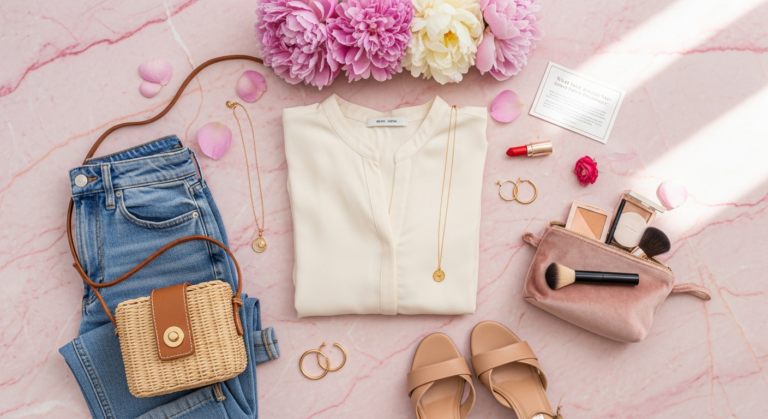
20 Major Capsule Wardrobe Mistakes to Avoid in 2026 for Effortless Style
By fashiongoggled Editorial Team — Senior editors with 10+ years of subject-matter experience.
Published 2026-05-26 · Last Updated 2026-05-26
Affiliate disclosure: This article may contain affiliate links. Recommendations are independent and editorially driven.
The concept of a capsule wardrobe has revolutionized how many women approach fashion. Promising simplicity, sustainability, and effortless style, it’s a seductive idea: a curated collection of versatile clothing items that can be mixed and matched to create a multitude of outfits. The dream is to open your closet and always have something perfect to wear, free from decision fatigue and overflowing drawers.
However, despite its elegant premise, the path to a truly functional and fulfilling capsule wardrobe is often paved with good intentions and, unfortunately, common missteps. Many enthusiastic minimalists-in-training find themselves feeling more restricted than liberated, or accumulating a new kind of clutter rather than achieving clarity. From misinterpreting the core philosophy to making poor purchasing decisions, the journey can quickly devolve into frustration.
At fashiongoggled, we believe a successful capsule wardrobe isn’t just about owning fewer clothes; it’s about owning the right clothes for you. It’s a powerful tool for self-expression, conscious consumption, and intelligent styling. But to truly reap its benefits, you must navigate around the prevalent pitfalls. In this comprehensive guide, we’ll expose the 20 most common capsule wardrobe mistakes women make, offering actionable advice and expert insights to help you build a wardrobe that genuinely serves your lifestyle, enhances your personal style, and brings you joy every single day in 2026 and beyond.
Misunderstanding the Core Philosophy: Setting the Wrong Foundation
One of the most significant reasons capsule wardrobes fail is a fundamental misunderstanding of what they truly entail. It’s not just a trend; it’s a shift in mindset and approach to consumption and personal style. Building a successful capsule requires a clear understanding of its underlying principles.
Mistake 1: Equating Capsule Wardrobe with Extreme Minimalism
Many assume a capsule wardrobe means owning a ridiculously small number of items, often conjuring images of stark, monochromatic closets with just a handful of identical shirts. This misconception is a huge deterrent and can lead to immediate frustration.
- The Reality: While minimalism often inspires the capsule concept, they are not synonymous. A capsule wardrobe is about intentionality and versatility, not deprivation. The “right” number of items is highly personal, ranging from 30 to 70 pieces (excluding underwear, sleepwear, and activewear for many). The goal is to have a functional wardrobe that suits your life, not to win a contest for the fewest items.
- Solution: Focus on purpose over numbers. Start by understanding your lifestyle needs and building a collection that comfortably covers all your activities. Allow for flexibility and don’t feel pressured to conform to someone else’s definition of minimalism.
Mistake 2: Copying Someone Else’s Capsule Wardrobe
It’s easy to be inspired by social media influencers or bloggers showcasing their “perfect” capsule wardrobes. They might have a chic collection of neutral blazers, silk camisoles, and wide-leg trousers that look incredible on them. However, what works for one person rarely translates perfectly to another.
- The Reality: Your lifestyle, body shape, skin tone, personal preferences, and even local climate are unique. A capsule built for a remote worker in Scandinavia will look drastically different from one for a public relations manager in Miami.
- Solution: Use others’ capsules for inspiration, not as a blueprint. Identify why their items work for them (e.g., quality fabrics, versatile colors, specific silhouettes) and then apply those principles to your own context. Prioritize self-discovery over direct replication.
[INLINE IMAGE 1: place after second H2 | alt=”capsule wardrobe mistakes concept illustration”]
Faulty Planning: Pitfalls in the Preparation Phase
The success of any capsule wardrobe hinges heavily on the planning stage. Skipping this crucial step or approaching it incorrectly can doom your efforts before you even begin.
Mistake 3: Skipping a Thorough Wardrobe Audit
Many people jump straight into shopping or purging without truly understanding what they already own. This leads to duplicate purchases, overlooked gems, and an incomplete picture of their current style.
- The Reality: Your existing wardrobe is the best starting point. An audit reveals what you wear, what you don’t, what fits, what’s damaged, and what truly makes you feel good. It helps identify gaps and redundancies.
- Solution: Dedicate time to a full closet clean-out. Try on everything. Sort items into “love and wear,” “keep but needs mending/alteration,” “donate/sell,” and “maybe/seasonal storage.” Be honest about what truly serves you.
Mistake 4: Not Defining Personal Style and Color Palette
Without a clear sense of your personal style or a cohesive color palette, your capsule will feel disjointed and difficult to mix and match. You’ll end up with a collection of nice individual pieces that don’t play well together.
- The Reality: A strong personal style acts as your compass, guiding all purchasing decisions. A defined color palette ensures harmony and maximizes outfit combinations.
- Solution: Spend time identifying your style adjectives (e.g., classic, bohemian, edgy, minimalist). Create a mood board. Research color theory for fashion; choose a core of 2-3 neutrals (black, navy, grey, camel, white) and 2-3 accent colors that flatter you and complement each other.
Mistake 5: Ignoring Your Lifestyle Needs
A capsule wardrobe must reflect your actual life, not an idealized version of it. If you primarily work from home, a closet full of structured suits won’t be functional. If you’re a busy mom, delicate dry-clean-only items will be impractical.
- The Reality: Your clothing should support your daily activities. An imbalance between casual, professional, formal, or active wear will leave you feeling unprepared for various occasions.
- Solution: Make a list of your most frequent activities and the clothing required for each. Calculate the percentage of time you spend in different settings (e.g., 70% casual, 20% work, 10% special occasions) and allocate your capsule items accordingly.
Mistake 6: Buying Too Many “Trendy” Items
Chasing every fleeting trend is antithetical to the capsule philosophy. While trends can be fun, building a capsule entirely around them ensures its rapid obsolescence.
- The Reality: The foundation of a capsule should be timeless, versatile pieces. Trends can be incorporated strategically, but they shouldn’t form the bulk of your wardrobe.
- Solution: Focus on classic silhouettes and enduring styles for your core pieces. If you want to integrate a trend, do so with one or two inexpensive, easily replaceable items or through accessories. Avoid investing heavily in pieces that will look dated in a year.
Wardrobe Workflow Woes: Errors in Execution
Even with excellent planning, the actual implementation and ongoing management of your capsule can present challenges. These execution errors often lead to frustration and the feeling that “capsule wardrobes just don’t work for me.”
Mistake 7: Prioritizing Quantity Over Quality (or vice-versa)
Some fall into the trap of buying many cheap items just to fill the numbers, leading to a wardrobe that quickly falls apart. Others over-invest in a few expensive pieces that don’t truly fit their needs or lifestyle.
- The Reality: Quality is crucial for longevity and appearance in a capsule, but it must be balanced with practicality and budget. Not every item needs to be luxury, but aim for the best quality you can afford for core pieces that will see heavy rotation.
- Solution: Invest strategically. Prioritize quality for foundational items like coats, well-fitting jeans, versatile blazers, and sturdy shoes. For trendier items or pieces you wear less frequently, a mid-range price point might be sufficient. Focus on fabric composition, construction, and care instructions.
Mistake 8: Neglecting Garment Care and Maintenance
A smaller wardrobe means your clothes are worn more frequently. If you don’t care for them properly, they’ll look worn out quickly, defeating the purpose of a curated, high-quality collection.
- The Reality: Proper care extends the life of your garments, maintains their appearance, and ensures they remain a joy to wear. Ignoring care instructions leads to pilling, fading, stretching, and premature disposal.
- Solution: Understand care labels. Invest in good hangers, appropriate detergents, and a fabric shaver. Learn basic mending skills (button sewing, minor seam repairs). Air dry delicate items. Store clothes properly to prevent damage and wrinkles. Consider professional cleaning for specific items.
Check out our latest outfit ideas for inspiration!
Mistake 9: Forgetting the Power of Accessories
A common complaint about capsule wardrobes is that they can feel “boring” or “repetitive.” This often stems from underestimating the transformative power of accessories.
- The Reality: Accessories (jewelry, scarves, belts, bags, shoes) are the secret sauce of a capsule. They can completely change the vibe of an outfit, adding personality, color, and texture without requiring a large clothing inventory.
- Solution: Curate a small but mighty collection of versatile accessories. A few statement necklaces, a colorful scarf, a classic belt, and a couple of different bags and shoes can elevate even the simplest combination of basics. Don’t underestimate their ability to make your outfits feel fresh and unique.
Mistake 10: Not Regularly Evaluating and Adapting Your Capsule
A capsule wardrobe is not a static entity; it’s a living, breathing system that needs periodic review. Life changes, preferences evolve, and garments wear out.
- The Reality: Failing to adjust your capsule leads to stagnation, ill-fitting clothes, and a sense of dissatisfaction. What worked last year might not work this year.
- Solution: Schedule seasonal or bi-annual reviews. Assess what you’ve worn, what you haven’t, what needs replacing, and if your lifestyle has shifted. Be prepared to remove items that no longer serve you and thoughtfully add new ones as needed. This iterative process ensures your capsule remains relevant and effective.
[INLINE IMAGE 2: place after fourth H2 | alt=”capsule wardrobe mistakes comparison illustration”]
The Emotional Traps: Mindset Mistakes That Derail Your Capsule
Beyond the practical errors, many women struggle with the psychological and emotional aspects of maintaining a capsule wardrobe. These mindset pitfalls can be just as, if not more, damaging than poor planning or execution.
Mistake 11: Comparing Your Capsule to Others’
In the age of social media, it’s almost impossible not to compare ourselves to others. When it comes to capsule wardrobes, this can manifest as feeling inadequate if your collection doesn’t look as aesthetically pleasing or minimalist as someone else’s curated feed.
- The Reality: Everyone’s journey and context are different. The goal of a capsule is personal liberation and functionality, not public validation. Comparing yourself inevitably leads to dissatisfaction and a distorted view of your own progress.
- Solution: Remind yourself that your capsule is for you. Unfollow accounts that make you feel inadequate. Celebrate your own progress and the unique benefits your tailored wardrobe brings to your life. Focus on your personal goals, not external metrics.
Mistake 12: Feeling Restricted Instead of Liberated
The promise of a capsule is freedom from choice paralysis and a simplified morning routine. If you find yourself constantly feeling limited, bored, or like you have “nothing to wear,” something is off.
- The Reality: A well-constructed capsule should feel empowering. If it feels restrictive, it likely means your capsule doesn’t truly reflect your style, lifestyle, or sufficient versatility. It might be too small, too rigid, or simply contains the wrong items for you.
- Solution: Revisit your personal style and lifestyle assessment. Are there enough items for variety? Are your pieces truly versatile? Perhaps you need more color, texture, or different silhouettes. A capsule should be flexible enough to accommodate your needs while providing structure.
Mistable 13: Guilt Over “Non-Capsule” Purchases
Many women feel immense guilt if they buy an item that doesn’t strictly adhere to their capsule rules, or if they deviate from a self-imposed number limit. This guilt can tarnish the entire experience.
- The Reality: Capsule wardrobes are frameworks, not unbreakable laws. It’s okay to make occasional, thoughtful purchases outside your core capsule, especially for unique occasions or if an item truly enhances your life and style.
- Solution: Be kind to yourself. View your capsule as a guideline, not a prison. If you make a purchase that feels right and brings you joy, embrace it. The goal is conscious consumption, not punitive restriction. Learn from deviations – did this purchase fill a genuine gap or was it an impulse? Adjust your framework accordingly.
Mistake 14: Seeking Instant Perfection
The idea of a “perfect” capsule wardrobe can be alluring, but it’s an unrealistic expectation. Building a functional and beautiful capsule is an ongoing process of refinement.
- The Reality: A capsule wardrobe evolves with you. There will be trial and error, items you regret buying, and pieces you realize you need. It’s a journey, not a destination.
- Solution: Embrace the learning process. Start small, experiment, and be patient. Don’t expect your first iteration to be flawless. Each season or year offers an opportunity to learn more about your preferences and refine your collection.
Beyond the Basics: Advanced Capsule Considerations
Once you’ve mastered the fundamentals, there are deeper considerations that can elevate your capsule wardrobe from merely functional to truly exceptional, ensuring it aligns with broader values like sustainability and adaptability.
Mistake 15: Overlooking the Importance of Fit and Alterations
Even high-quality pieces can look sloppy if they don’t fit well. A common mistake is buying clothes that are “good enough” without considering how tailoring can transform them.
- The Reality: Fit is paramount in making any outfit look polished and expensive. In a capsule, where every piece is meant to shine, impeccable fit is non-negotiable.
- Solution: When buying new clothes, prioritize fit in the shoulders, waist, and length. Don’t shy away from professional alterations for trousers, blazers, or dresses. A well-tailored piece will look far better and last longer than an ill-fitting designer item.
Mistake 16: Neglecting Seasonal Rotations (Where Applicable)
For those living in climates with distinct seasons, attempting to cram all year-round clothing into one small capsule is impractical and inefficient. This leads to pieces being unworn for months, taking up valuable space.
- The Reality: A common and effective capsule strategy involves rotating seasonal items. This allows you to focus on relevant pieces while keeping off-season clothing safely stored.
- Solution: Create a system for seasonal swaps. Invest in good quality storage solutions for off-season items (e.g., vacuum bags for bulky sweaters, garment bags for delicate dresses). When rotating, take the opportunity to reassess items before bringing them back into active rotation.
Learn more about building a sustainable wardrobe here.
Mistake 17: Ignoring Sustainable and Ethical Practices
While a capsule wardrobe inherently reduces consumption, many still overlook the ethical implications of their purchases. Buying fast fashion for capsule pieces defeats part of the conscious consumption goal.
- The Reality: True conscious consumption extends to sourcing. Supporting brands with ethical labor practices and sustainable material use amplifies the positive impact of your capsule.
- Solution: Research brands before you buy. Look for certifications, transparency reports, and commitments to fair wages and eco-friendly production. Consider buying pre-owned, vintage, or from small, artisan brands. View your capsule as an opportunity to align your values with your style.
Mistake 18: Forgetting “Special Occasion” Wear
A capsule is designed for daily wear, but life inevitably throws curveballs in the form of weddings, formal events, or unique themed parties. Neglecting these needs can lead to last-minute panic purchases that don’t fit your capsule philosophy.
- The Reality: Most capsule guides focus on everyday wear, but a truly comprehensive system acknowledges that a few “occasion” items might be necessary, either within the capsule count or as a separate mini-collection.
- Solution: Identify your typical “special occasion” needs. Can you adapt existing capsule items with accessories? Do you need one versatile formal dress or suit? Consider renting for extremely rare events. The key is thoughtful inclusion, not frantic exclusion.
Rectifying Mistakes and Building a Successful Capsule
It’s never too late to course-correct. If you recognize any of these common pitfalls in your own capsule journey, take heart! The beauty of the capsule concept is its adaptability. Here’s how to reset and build a truly successful wardrobe.
Step-by-Step Guide to Resetting Your Capsule
- Restart with a Full Audit: Pull everything out. Yes, everything. Sort into categories: love, maybe, repair, donate/sell, sentimental. Be ruthless with the “maybe” pile.
- Define Your Lifestyle & Needs: Re-evaluate your daily routines, work requirements, social life, and climate. How much time do you spend in each category?
- Identify Your Personal Style & Color Palette: Revisit mood boards, Pinterest, and style inspiration. What colors truly flatter you? What silhouettes make you feel confident?
- Establish Your Core: Based on your style, lifestyle, and color palette, identify your essential foundational pieces. Think versatile neutrals that can be mixed and matched endlessly.
- Fill Gaps Thoughtfully: Make a shopping list for missing items. Prioritize quality over quantity. Stick to your defined palette and style. Consider a “one in, one out” rule for new purchases.
- Integrate Accessories: Select accessories that complement your core wardrobe and add personality.
- Test and Refine: Wear your capsule for a month or a season. Take notes. What worked? What didn’t? What do you reach for constantly? What sits unworn?
- Plan for Maintenance: Establish a routine for garment care and regular seasonal reviews.
Tools and Resources for Capsule Success
You don’t have to go it alone. Several tools and approaches can aid your capsule wardrobe journey.
- Style Apps & Planners: Digital apps like Stylebook or Cladwell can help you digitize your wardrobe, plan outfits, and track wear.
- Professional Stylists: If you’re struggling to define your style or make objective choices, a personal stylist can provide invaluable guidance.
- Sustainable Fashion Guides: Websites and resources dedicated to ethical and sustainable fashion can help you make informed purchasing decisions.
- Wardrobe Tracking: Simply keeping a journal of what you wear can reveal patterns and help you identify true wardrobe heroes.
Explore our comprehensive style guides for deeper insights.
Capsule Wardrobe Philosophies: Finding Your Fit
There isn’t a single “right” way to do a capsule wardrobe. Different philosophies offer varying degrees of structure and flexibility. Understanding these can help you choose an approach that aligns with your personality and goals.
| Philosophy/Approach | Key Characteristics | Pros | Cons |
|---|---|---|---|
| Project 333 (Strict Minimalism) | 33 items (clothing, accessories, jewelry, outerwear, shoes) for 3 months. Excludes underwear, sleepwear, activewear. | Extremely clear boundaries, forces creativity, profound lesson in needs vs. wants, ideal for beginners needing structure. | Can feel highly restrictive, may not suit varied lifestyles, limits fashion experimentation. |
| Seasonal Capsule (Flexible) | Curate 30-50 items per season, rotating items in and out of storage. | Adapts to climate and trends, allows for more variety, reduces closet clutter for current season. | Requires storage space, seasonal effort for rotation, potential for “out of sight, out of mind.” |
| Work/Play Capsule (Lifestyle-Oriented) | Separate capsules or distinct sections for different life roles (e.g., professional, casual, formal). | Highly practical for diverse lifestyles, ensures appropriate attire for all occasions. | Can result in a larger overall wardrobe, requires careful category management. |
| Color-Coordinated Capsule | Focus on a very specific, limited color palette to maximize mix-and-match possibilities. | Extremely versatile, visually cohesive, easy to build outfits. | Can become monotonous for some, limits expression for those who love bold colors, finding perfect color matches can be hard. |
| “Curated Maximalism” Capsule | Not about numbers, but about intentionality; every item is deeply loved, high quality, and versatile, even if the total count is higher. | Honors personal style deeply, avoids feeling restrictive, promotes conscious buying of beloved items. | Lacks strict quantitative guidance, can be prone to accumulation if not truly intentional. |
Discover more about sustainable fashion practices for your wardrobe.
Conclusion: Embracing the Journey to a Smarter Wardrobe
The journey to a perfect capsule wardrobe is rarely linear. It’s an iterative process of learning, experimenting, and refining what works best for your unique life. By understanding and actively avoiding these 20 common capsule wardrobe mistakes, you’re not just decluttering your closet; you’re decluttering your mind, simplifying your routine, and rediscovering the joy of intentional self-expression.
Remember, the ultimate goal of a capsule wardrobe isn’t rigid adherence to rules, but rather finding a system that brings you confidence, ease, and a deeper connection to your personal style. It’s about making smarter choices, investing in quality, and appreciating the versatility of fewer, better things. In 2026, let go of the pressure to be “perfect” and instead embrace the powerful, liberating potential of a wardrobe that truly serves you. With these insights, you’re well-equipped to build a capsule that is not just functional, but profoundly fulfilling.
Frequently Asked Questions
Q1: How many items should be in a capsule wardrobe?
A1: There is no universal “right” number, as it heavily depends on your lifestyle, climate, and personal preferences. Common ranges suggest between 30-50 items per season, often excluding underwear, sleepwear, and activewear. Some stricter approaches like Project 333 advocate for 33 items for three months. The key is functionality and versatility for your life, not adhering to an arbitrary number.
Q2: Can I include accessories and shoes in my capsule wardrobe count?
A2: Yes, typically accessories (like jewelry, scarves, belts) and shoes are included in the overall capsule count, especially in stricter approaches like Project 333. However, many people opt to count only clothing items and keep a separate, smaller collection of accessories and shoes that complement the clothing. Be consistent with your chosen method.
Q3: What if I have a very specific job that requires a uniform or highly specialized clothing?
A3: If your job requires a uniform or specific professional attire (e.g., medical scrubs, safety gear, formal suits daily), these items are often treated as a separate “work capsule” or excluded from your general lifestyle capsule count. The idea is to manage your personal, non-work wardrobe as a capsule, ensuring your leisure and social life are covered, while your work attire serves its distinct purpose.
Q4: How do I deal with sentimental items that I don’t wear but can’t part with?
A4: Sentimental items that you don’t wear regularly should be stored separately from your active capsule wardrobe. Dedicate a special box or container for these pieces. The purpose of the capsule is functionality and wearability, so keeping non-worn items within it creates clutter and decision fatigue. Revisit them occasionally, but keep them out of your daily rotation.
Q5: Is it okay to buy new clothes when building a capsule wardrobe?
A5: Yes, absolutely! Building a capsule often involves thoughtfully replacing worn-out items, filling genuine gaps in your wardrobe, or investing in higher-quality, more versatile pieces. The goal is conscious consumption, not a complete ban on shopping. Prioritize purchasing durable, well-fitting items that align with your defined style and color palette to ensure they integrate seamlessly into your new, intentional wardrobe.
20 Major Capsule Wardrobe Mistakes to Avoid in 2026 for Effortless Style
By fashiongoggled Editorial Team — Senior editors with 10+ years of subject-matter experience.
Published 2026-05-26 · Last Updated 2026-05-26
Affiliate disclosure: This article may contain affiliate links. Recommendations are independent and editorially driven.
The concept of a capsule wardrobe has revolutionized how many women approach fashion. Promising simplicity, sustainability, and effortless style, it’s a seductive idea: a curated collection of versatile clothing items that can be mixed and matched to create a multitude of outfits. The dream is to open your closet and always have something perfect to wear, free from decision fatigue and overflowing drawers.
However, despite its elegant premise, the path to a truly functional and fulfilling capsule wardrobe is often paved with good intentions and, unfortunately, common missteps. Many enthusiastic minimalists-in-training find themselves feeling more restricted than liberated, or accumulating a new kind of clutter rather than achieving clarity. From misinterpreting the core philosophy to making poor purchasing decisions, the journey can quickly devolve into frustration.
At fashiongoggled, we believe a successful capsule wardrobe isn’t just about owning fewer clothes; it’s about owning the right clothes for you. It’s a powerful tool for self-expression, conscious consumption, and intelligent styling. But to truly reap its benefits, you must navigate around the prevalent pitfalls. In this comprehensive guide, we’ll expose the 20 most common capsule wardrobe mistakes women make, offering actionable advice and expert insights to help you build a wardrobe that genuinely serves your lifestyle, enhances your personal style, and brings you joy every single day in 2026 and beyond.
Misunderstanding the Core Philosophy: Setting the Wrong Foundation
One of the most significant reasons capsule wardrobes fail is a fundamental misunderstanding of what they truly entail. It’s not just a trend; it’s a shift in mindset and approach to consumption and personal style. Building a successful capsule requires a clear understanding of its underlying principles.
Mistake 1: Equating Capsule Wardrobe with Extreme Minimalism
Many assume a capsule wardrobe means owning a ridiculously small number of items, often conjuring images of stark, monochromatic closets with just a handful of identical shirts. This misconception is a huge deterrent and can lead to immediate frustration.
- The Reality: While minimalism often inspires the capsule concept, they are not synonymous. A capsule wardrobe is about intentionality and versatility, not deprivation. The “right” number of items is highly personal, ranging from 30 to 70 pieces (excluding underwear, sleepwear, and activewear for many). The goal is to have a functional wardrobe that suits your life, not to win a contest for the fewest items.
- Solution: Focus on purpose over numbers. Start by understanding your lifestyle needs and building a collection that comfortably covers all your activities. Allow for flexibility and don’t feel pressured to conform to someone else’s definition of minimalism.
Mistake 2: Copying Someone Else’s Capsule Wardrobe
It’s easy to be inspired by social media influencers or bloggers showcasing their “perfect” capsule wardrobes. They might have a chic collection of neutral blazers, silk camisoles, and wide-leg trousers that look incredible on them. However, what works for one person rarely translates perfectly to another.
- The Reality: Your lifestyle, body shape, skin tone, personal preferences, and even local climate are unique. A capsule built for a remote worker in Scandinavia will look drastically different from one for a public relations manager in Miami.
- Solution: Use others’ capsules for inspiration, not as a blueprint. Identify why their items work for them (e.g., quality fabrics, versatile colors, specific silhouettes) and then apply those principles to your own context. Prioritize self-discovery over direct replication.
[INLINE IMAGE 1: place after second H2 | alt=”capsule wardrobe mistakes concept illustration”]
Faulty Planning: Pitfalls in the Preparation Phase
The success of any capsule wardrobe hinges heavily on the planning stage. Skipping this crucial step or approaching it incorrectly can doom your efforts before you even begin.
Mistake 3: Skipping a Thorough Wardrobe Audit
Many people jump straight into shopping or purging without truly understanding what they already own. This leads to duplicate purchases, overlooked gems, and an incomplete picture of their current style.
- The Reality: Your existing wardrobe is the best starting point. An audit reveals what you wear, what you don’t, what fits, what’s damaged, and what truly makes you feel good. It helps identify gaps and redundancies.
- Solution: Dedicate time to a full closet clean-out. Try on everything. Sort items into “love and wear,” “keep but needs mending/alteration,” “donate/sell,” and “maybe/seasonal storage.” Be honest about what truly serves you.
Mistake 4: Not Defining Personal Style and Color Palette
Without a clear sense of your personal style or a cohesive color palette, your capsule will feel disjointed and difficult to mix and match. You’ll end up with a collection of nice individual pieces that don’t play well together.
- The Reality: A strong personal style acts as your compass, guiding all purchasing decisions. A defined color palette ensures harmony and maximizes outfit combinations.
- Solution: Spend time identifying your style adjectives (e.g., classic, bohemian, edgy, minimalist). Create a mood board. Research color theory for fashion; choose a core of 2-3 neutrals (black, navy, grey, camel, white) and 2-3 accent colors that flatter you and complement each other.
Mistake 5: Ignoring Your Lifestyle Needs
A capsule wardrobe must reflect your actual life, not an idealized version of it. If you primarily work from home, a closet full of structured suits won’t be functional. If you’re a busy mom, delicate dry-clean-only items will be impractical.
- The Reality: Your clothing should support your daily activities. An imbalance between casual, professional, formal, or active wear will leave you feeling unprepared for various occasions.
- Solution: Make a list of your most frequent activities and the clothing required for each. Calculate the percentage of time you spend in different settings (e.g., 70% casual, 20% work, 10% special occasions) and allocate your capsule items accordingly.
Mistake 6: Buying Too Many “Trendy” Items
Chasing every fleeting trend is antithetical to the capsule philosophy. While trends can be fun, building a capsule entirely around them ensures its rapid obsolescence.
- The Reality: The foundation of a capsule should be timeless, versatile pieces. Trends can be incorporated strategically, but they shouldn’t form the bulk of your wardrobe.
- Solution: Focus on classic silhouettes and enduring styles for your core pieces. If you want to integrate a trend, do so with one or two inexpensive, easily replaceable items or through accessories. Avoid investing heavily in pieces that will look dated in a year.
Wardrobe Workflow Woes: Errors in Execution
Even with excellent planning, the actual implementation and ongoing management of your capsule can present challenges. These execution errors often lead to frustration and the feeling that “capsule wardrobes just don’t work for me.”
Mistake 7: Prioritizing Quantity Over Quality (or vice-versa)
Some fall into the trap of buying many cheap items just to fill the numbers, leading to a wardrobe that quickly falls apart. Others over-invest in a few expensive pieces that don’t truly fit their needs or lifestyle.
- The Reality: Quality is crucial for longevity and appearance in a capsule, but it must be balanced with practicality and budget. Not every item needs to be luxury, but aim for the best quality you can afford for core pieces that will see heavy rotation.
- Solution: Invest strategically. Prioritize quality for foundational items like coats, well-fitting jeans, versatile blazers, and sturdy shoes. For trendier items or pieces you wear less frequently, a mid-range price point might be sufficient. Focus on fabric composition, construction, and care instructions.
Mistake 8: Neglecting Garment Care and Maintenance
A smaller wardrobe means your clothes are worn more frequently. If you don’t care for them properly, they’ll look worn out quickly, defeating the purpose of a curated, high-quality collection.
- The Reality: Proper care extends the life of your garments, maintains their appearance, and ensures they remain a joy to wear. Ignoring care instructions leads to pilling, fading, stretching, and premature disposal.
- Solution: Understand care labels. Invest in good hangers, appropriate detergents, and a fabric shaver. Learn basic mending skills (button sewing, minor seam repairs). Air dry delicate items. Store clothes properly to prevent damage and wrinkles. Consider professional cleaning for specific items.
Check out our latest outfit ideas for inspiration!
Mistake 9: Forgetting the Power of Accessories
A common complaint about capsule wardrobes is that they can feel “boring” or “repetitive.” This often stems from underestimating the transformative power of accessories.
- The Reality: Accessories (jewelry, scarves, belts, bags, shoes) are the secret sauce of a capsule. They can completely change the vibe of an outfit, adding personality, color, and texture without requiring a large clothing inventory.
- Solution: Curate a small but mighty collection of versatile accessories. A few statement necklaces, a colorful scarf, a classic belt, and a couple of different bags and shoes can elevate even the simplest combination of basics. Don’t underestimate their ability to make your outfits feel fresh and unique.
Mistake 10: Not Regularly Evaluating and Adapting Your Capsule
A capsule wardrobe is not a static entity; it’s a living, breathing system that needs periodic review. Life changes, preferences evolve, and garments wear out.
- The Reality: Failing to adjust your capsule leads to stagnation, ill-fitting clothes, and a sense of dissatisfaction. What worked last year might not work this year.
- Solution: Schedule seasonal or bi-annual reviews. Assess what you’ve worn, what you haven’t, what needs replacing, and if your lifestyle has shifted. Be prepared to remove items that no longer serve you and thoughtfully add new ones as needed. This iterative process ensures your capsule remains relevant and effective.
[INLINE IMAGE 2: place after fourth H2 | alt=”capsule wardrobe mistakes comparison illustration”]
The Emotional Traps: Mindset Mistakes That Derail Your Capsule
Beyond the practical errors, many women struggle with the psychological and emotional aspects of maintaining a capsule wardrobe. These mindset pitfalls can be just as, if not more, damaging than poor planning or execution.
Mistake 11: Comparing Your Capsule to Others’
In the age of social media, it’s almost impossible not to compare ourselves to others. When it comes to capsule wardrobes, this can manifest as feeling inadequate if your collection doesn’t look as aesthetically pleasing or minimalist as someone else’s curated feed.
- The Reality: Everyone’s journey and context are different. The goal of a capsule is personal liberation and functionality, not public validation. Comparing yourself inevitably leads to dissatisfaction and a distorted view of your own progress.
- Solution: Remind yourself that your capsule is for you. Unfollow accounts that make you feel inadequate. Celebrate your own progress and the unique benefits your tailored wardrobe brings to your life. Focus on your personal goals, not external metrics.
Mistake 12: Feeling Restricted Instead of Liberated
The promise of a capsule is freedom from choice paralysis and a simplified morning routine. If you find yourself constantly feeling limited, bored, or like you have “nothing to wear,” something is off.
- The Reality: A well-constructed capsule should feel empowering. If it feels restrictive, it likely means your capsule doesn’t truly reflect your style, lifestyle, or sufficient versatility. It might be too small, too rigid, or simply contains the wrong items for you.
- Solution: Revisit your personal style and lifestyle assessment. Are there enough items for variety? Are your pieces truly versatile? Perhaps you need more color, texture, or different silhouettes. A capsule should be flexible enough to accommodate your needs while providing structure.
Mistable 13: Guilt Over “Non-Capsule” Purchases
Many women feel immense guilt if they buy an item that doesn’t strictly adhere to their capsule rules, or if they deviate from a self-imposed number limit. This guilt can tarnish the entire experience.
- The Reality: Capsule wardrobes are frameworks, not unbreakable laws. It’s okay to make occasional, thoughtful purchases outside your core capsule, especially for unique occasions or if an item truly enhances your life and style.
- Solution: Be kind to yourself. View your capsule as a guideline, not a prison. If you make a purchase that feels right and brings you joy, embrace it. The goal is conscious consumption, not punitive restriction. Learn from deviations – did this purchase fill a genuine gap or was it an impulse? Adjust your framework accordingly.
Mistake 14: Seeking Instant Perfection
The idea of a “perfect” capsule wardrobe can be alluring, but it’s an unrealistic expectation. Building a functional and beautiful capsule is an ongoing process of refinement.
- The Reality: A capsule wardrobe evolves with you. There will be trial and error, items you regret buying, and pieces you realize you need. It’s a journey, not a destination.
- Solution: Embrace the learning process. Start small, experiment, and be patient. Don’t expect your first iteration to be flawless. Each season or year offers an opportunity to learn more about your preferences and refine your collection.
Beyond the Basics: Advanced Capsule Considerations
Once you’ve mastered the fundamentals, there are deeper considerations that can elevate your capsule wardrobe from merely functional to truly exceptional, ensuring it aligns with broader values like sustainability and adaptability.
Mistake 15: Overlooking the Importance of Fit and Alterations
Even high-quality pieces can look sloppy if they don’t fit well. A common mistake is buying clothes that are “good enough” without considering how tailoring can transform them.
- The Reality: Fit is paramount in making any outfit look polished and expensive. In a capsule, where every piece is meant to shine, impeccable fit is non-negotiable.
- Solution: When buying new clothes, prioritize fit in the shoulders, waist, and length. Don’t shy away from professional alterations for trousers, blazers, or dresses. A well-tailored piece will look far better and last longer than an ill-fitting designer item.
Mistake 16: Neglecting Seasonal Rotations (Where Applicable)
For those living in climates with distinct seasons, attempting to cram all year-round clothing into one small capsule is impractical and inefficient. This leads to pieces being unworn for months, taking up valuable space.
- The Reality: A common and effective capsule strategy involves rotating seasonal items. This allows you to focus on relevant pieces while keeping off-season clothing safely stored.
- Solution: Create a system for seasonal swaps. Invest in good quality storage solutions for off-season items (e.g., vacuum bags for bulky sweaters, garment bags for delicate dresses). When rotating, take the opportunity to reassess items before bringing them back into active rotation.
Learn more about building a sustainable wardrobe here.
Mistake 17: Ignoring Sustainable and Ethical Practices
While a capsule wardrobe inherently reduces consumption, many still overlook the ethical implications of their purchases. Buying fast fashion for capsule pieces defeats part of the conscious consumption goal.
- The Reality: True conscious consumption extends to sourcing. Supporting brands with ethical labor practices and sustainable material use amplifies the positive impact of your capsule.
- Solution: Research brands before you buy. Look for certifications, transparency reports, and commitments to fair wages and eco-friendly production. Consider buying pre-owned, vintage, or from small, artisan brands. View your capsule as an opportunity to align your values with your style.
Mistake 18: Forgetting “Special Occasion” Wear
A capsule is designed for daily wear, but life inevitably throws curveballs in the form of weddings, formal events, or unique themed parties. Neglecting these needs can lead to last-minute panic purchases that don’t fit your capsule philosophy.
- The Reality: Most capsule guides focus on everyday wear, but a truly comprehensive system acknowledges that a few “occasion” items might be necessary, either within the capsule count or as a separate mini-collection.
- Solution: Identify your typical “special occasion” needs. Can you adapt existing capsule items with accessories? Do you need one versatile formal dress or suit? Consider renting for extremely rare events. The key is thoughtful inclusion, not frantic exclusion.
Rectifying Mistakes and Building a Successful Capsule
It’s never too late to course-correct. If you recognize any of these common pitfalls in your own capsule journey, take heart! The beauty of the capsule concept is its adaptability. Here’s how to reset and build a truly successful wardrobe.
Step-by-Step Guide to Resetting Your Capsule
- Restart with a Full Audit: Pull everything out. Yes, everything. Sort into categories: love, maybe, repair, donate/sell, sentimental. Be ruthless with the “maybe” pile.
- Define Your Lifestyle & Needs: Re-evaluate your daily routines, work requirements, social life, and climate. How much time do you spend in each category?
- Identify Your Personal Style & Color Palette: Revisit mood boards, Pinterest, and style inspiration. What colors truly flatter you? What silhouettes make you feel confident?
- Establish Your Core: Based on your style, lifestyle, and color palette, identify your essential foundational pieces. Think versatile neutrals that can be mixed and matched endlessly.
- Fill Gaps Thoughtfully: Make a shopping list for missing items. Prioritize quality over quantity. Stick to your defined palette and style. Consider a “one in, one out” rule for new purchases.
- Integrate Accessories: Select accessories that complement your core wardrobe and add personality.
- Test and Refine: Wear your capsule for a month or a season. Take notes. What worked? What didn’t? What do you reach for constantly? What sits unworn?
- Plan for Maintenance: Establish a routine for garment care and regular seasonal reviews.
Tools and Resources for Capsule Success
You don’t have to go it alone. Several tools and approaches can aid your capsule wardrobe journey.
- Style Apps & Planners: Digital apps like Stylebook or Cladwell can help you digitize your wardrobe, plan outfits, and track wear.
- Professional Stylists: If you’re struggling to define your style or make objective choices, a personal stylist can provide invaluable guidance.
- Sustainable Fashion Guides: Websites and resources dedicated to ethical and sustainable fashion can help you make informed purchasing decisions.
- Wardrobe Tracking: Simply keeping a journal of what you wear can reveal patterns and help you identify true wardrobe heroes.
Explore our comprehensive style guides for deeper insights.
Capsule Wardrobe Philosophies: Finding Your Fit
There isn’t a single “right” way to do a capsule wardrobe. Different philosophies offer varying degrees of structure and flexibility. Understanding these can help you choose an approach that aligns with your personality and goals.
| Philosophy/Approach | Key Characteristics | Pros | Cons |
|---|---|---|---|
| Project 333 (Strict Minimalism) | 33 items (clothing, accessories, jewelry, outerwear, shoes) for 3 months. Excludes underwear, sleepwear, activewear. | Extremely clear boundaries, forces creativity, profound lesson in needs vs. wants, ideal for beginners needing structure. | Can feel highly restrictive, may not suit varied lifestyles, limits fashion experimentation. |
| Seasonal Capsule (Flexible) | Curate 30-50 items per season, rotating items in and out of storage. | Adapts to climate and trends, allows for more variety, reduces closet clutter for current season. | Requires storage space, seasonal effort for rotation, potential for “out of sight, out of mind.” |
| Work/Play Capsule (Lifestyle-Oriented) | Separate capsules or distinct sections for different life roles (e.g., professional, casual, formal). | Highly practical for diverse lifestyles, ensures appropriate attire for all occasions. | Can result in a larger overall wardrobe, requires careful category management. |
| Color-Coordinated Capsule | Focus on a very specific, limited color palette to maximize mix-and-match possibilities. | Extremely versatile, visually cohesive, easy to build outfits. | Can become monotonous for some, limits expression for those who love bold colors, finding perfect color matches can be hard. |
| “Curated Maximalism” Capsule | Not about numbers, but about intentionality; every item is deeply loved, high quality, and versatile, even if the total count is higher. | Honors personal style deeply, avoids feeling restrictive, promotes conscious buying of beloved items. | Lacks strict quantitative guidance, can be prone to accumulation if not truly intentional. |
Discover more about sustainable fashion practices for your wardrobe.
Conclusion: Embracing the Journey to a Smarter Wardrobe
The journey to a perfect capsule wardrobe is rarely linear. It’s an iterative process of learning, experimenting, and refining what works best for your unique life. By understanding and actively avoiding these 20 common capsule wardrobe mistakes, you’re not just decluttering your closet; you’re decluttering your mind, simplifying your routine, and rediscovering the joy of intentional self-expression.
Remember, the ultimate goal of a capsule wardrobe isn’t rigid adherence to rules, but rather finding a system that brings you confidence, ease, and a deeper connection to your personal style. It’s about making smarter choices, investing in quality, and appreciating the versatility of fewer, better things. In 2026, let go of the pressure to be “perfect” and instead embrace the powerful, liberating potential of a wardrobe that truly serves you. With these insights, you’re well-equipped to build a capsule that is not just functional, but profoundly fulfilling.
Frequently Asked Questions
Q1: How many items should be in a capsule wardrobe?
A1: There is no universal “right” number, as it heavily depends on your lifestyle, climate, and personal preferences. Common ranges suggest between 30-50 items per season, often excluding underwear, sleepwear, and activewear. Some stricter approaches like Project 333 advocate for 33 items for three months. The key is functionality and versatility for your life, not adhering to an arbitrary number.
Q2: Can I include accessories and shoes in my capsule wardrobe count?
A2: Yes, typically accessories (like jewelry, scarves, belts) and shoes are included in the overall capsule count, especially in stricter approaches like Project 333. However, many people opt to count only clothing items and keep a separate, smaller collection of accessories and shoes that complement the clothing. Be consistent with your chosen method.
Q3: What if I have a very specific job that requires a uniform or highly specialized clothing?
A3: If your job requires a uniform or specific professional attire (e.g., medical scrubs, safety gear, formal suits daily), these items are often treated as a separate “work capsule” or excluded from your general lifestyle capsule count. The idea is to manage your personal, non-work wardrobe as a capsule, ensuring your leisure and social life are covered, while your work attire serves its distinct purpose.
Q4: How do I deal with sentimental items that I don’t wear but can’t part with?
A4: Sentimental items that you don’t wear regularly should be stored separately from your active capsule wardrobe. Dedicate a special box or container for these pieces. The purpose of the capsule is functionality and wearability, so keeping non-worn items within it creates clutter and decision fatigue. Revisit them occasionally, but keep them out of your daily rotation.
Q5: Is it okay to buy new clothes when building a capsule wardrobe?
A5: Yes, absolutely! Building a capsule often involves thoughtfully replacing worn-out items, filling genuine gaps in your wardrobe, or investing in higher-quality, more versatile pieces. The goal is conscious consumption, not a complete ban on shopping. Prioritize purchasing durable, well-fitting items that align with your defined style and color palette to ensure they integrate seamlessly into your new, intentional wardrobe.