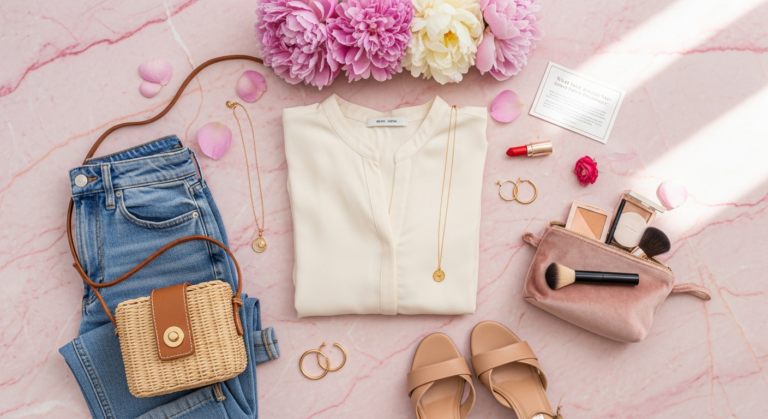
Define Personal Style


Unlock Your Authentic Self: How to Define Personal Style for Lasting Confidence and Expression

Affiliate disclosure: This article may contain affiliate links. Recommendations are independent and editorially driven.

In the vast, ever-evolving landscape of fashion, where trends come and go with dizzying speed, there’s one constant that truly endures: your personal style. It’s more than just the clothes you wear; it’s a profound form of self-expression, a visual narrative of who you are, what you value, and how you wish to present yourself to the world. For many, the concept of defining personal style can feel elusive, a daunting task in a sea of options. However, it’s a journey of self-discovery that promises not just a more cohesive wardrobe, but a deeper understanding of your identity and a significant boost in confidence.

At fashiongoggled, we believe that understanding how to define personal style is a foundational step in building a wardrobe that serves you, rather than the other way around. It liberates you from the endless chase of fleeting fads and empowers you to make intentional choices that resonate with your authentic self. This comprehensive guide will take you through every facet of this transformative process, from introspection and inspiration gathering to practical wardrobe curation and sustained style evolution. Prepare to embark on an exciting adventure that will not only redefine your closet but also refine your sense of self.

More Than Just Clothes: What Does It Truly Mean to Define Personal Style?

Before diving into the “how-to,” it’s crucial to grasp the true essence of what it means to define personal style. It’s a concept frequently misunderstood, often conflated with merely following trends or mimicking celebrities. In reality, personal style is a nuanced and deeply individual expression, a unique synthesis of internal and external factors that culminates in your distinct aesthetic.

The Core Essence of Personal Style

At its core, personal style is your visual identity. It’s the way you communicate your personality, values, and lifestyle without uttering a single word. Think of it as your personal brand, articulated through clothing, accessories, hair, and makeup. It’s not about having an unlimited budget or owning designer labels; it’s about intentionality and authenticity. When you successfully define personal style, every item in your wardrobe feels like an extension of yourself, contributing to a coherent and comfortable overall look.

Consider the difference between simply buying clothes and consciously building a style. Someone who just buys clothes might accumulate a disparate collection based on impulse purchases, sales, or what’s currently popular. Their closet might be full, yet they often feel like they “have nothing to wear.” In contrast, someone with a defined personal style approaches their wardrobe with purpose. They understand what silhouettes flatter them, what colors make them feel vibrant, and what textures align with their comfort and aesthetic preferences. Their choices are deliberate, resulting in a wardrobe that is not only functional but also deeply satisfying and expressive.

Why Bother Defining Your Style? Beyond the Superficial

The benefits of defining your personal style extend far beyond looking good. They touch upon aspects of mental well-being, financial prudence, and even environmental responsibility.

  • Enhanced Self-Confidence: When you feel good in what you’re wearing, it directly impacts how you carry yourself and interact with the world. A well-defined style allows you to present your best self consistently, fostering a sense of assurance and poise.
  • Authentic Self-Expression: Your clothes become a powerful tool for self-expression, allowing you to convey your creativity, professionalism, or unique spirit. This authenticity builds stronger connections and a clearer sense of self.
  • Streamlined Decision-Making: A clear understanding of your style simplifies getting dressed each day. No more staring blankly into a crowded closet. You know what works, what fits, and what makes you feel great, saving precious time and mental energy.
  • Financial Savings: By making intentional purchases that align with your style, you avoid impulse buys and accumulating clothes you’ll never wear. This leads to a more curated, functional wardrobe and significant long-term savings.
  • Reduced Environmental Impact: A wardrobe built around a defined personal style often translates to fewer, higher-quality items that are cherished and worn repeatedly. This mindful consumption is a cornerstone of sustainable fashion practices, reducing textile waste and promoting longevity.
  • Increased Wardrobe Versatility: When pieces are chosen with your style in mind, they tend to mix and match effortlessly, creating a multitude of outfits from a smaller collection of items. This foundational approach can lead to a highly effective capsule wardrobe.

The Inner Mirror: Starting Your Personal Style Journey with Self-Reflection

define personal style - photo 2 illustration

The most authentic personal style originates from within. Before you even think about fabrics or silhouettes, you need to understand the person wearing them. This introspection is the bedrock of a truly genuine and lasting style.

Identifying Your Values and Passions

What truly matters to you? Your core values and passions are powerful indicators of your innate style preferences. For example:

  • If you value sustainability and ethical production, your style might lean towards natural fibers, secondhand treasures, and timeless pieces.
  • If creativity and artistic expression are important, your wardrobe might feature bold colors, unique prints, and experimental silhouettes.
  • If practicality and efficiency are key, you might gravitate towards functional, comfortable, and minimalist designs.
  • If you’re passionate about travel, your style might reflect global influences, easy-care fabrics, and versatile items.

Take some time to list your top 3-5 values. Then, consider how these values might translate into the clothing you choose. For instance, someone who values “comfort” above all else might prioritize soft fabrics, relaxed fits, and practical footwear, regardless of current trends.

Understanding Your Lifestyle Demands

Your clothes need to work for your life, not against it. Your lifestyle dictates the practical requirements of your wardrobe. Ask yourself:

  • What is your typical day like? Are you in a corporate office, working from home, running errands, or pursuing active hobbies?
  • What are your primary activities? Do you frequently attend formal events, spend time outdoors, or have a highly physical job?
  • What climates do you live in? Do you need extensive seasonal wardrobes, or are you in a temperate zone?

If you spend most of your time in casual settings but have a closet full of formal wear, there’s a mismatch. Your style should effortlessly support your daily routines and activities. For example, a busy parent might prioritize durable, washable fabrics and comfortable yet chic pieces, while a creative professional might require more avant-garde or statement-making options.

Decoding Your Comfort Zones and Preferences

Comfort is paramount. If you’re constantly fidgeting or feeling restricted, your outfit, no matter how stylish, will detract from your confidence. Beyond physical comfort, consider your psychological comfort zones:

  • Colors: Which colors make you feel vibrant, calm, or powerful? Which ones do you instinctively avoid?
  • Fabrics: Do you prefer soft knits, crisp cottons, fluid silks, or structured denim?
  • Silhouettes: Do you feel best in fitted garments, oversized pieces, flowing dresses, or tailored trousers?
  • Coverage: How much skin do you prefer to show? What necklines and hemlines make you feel most at ease?

Don’t just think about what looks good on others; think about what genuinely makes YOU feel good. This internal compass is your most reliable guide to defining personal style.

[INLINE IMAGE 1: place after second H2 | alt=”define personal style concept illustration”]

Drawing Inspiration: External Cues and Influences

While the core of your style comes from within, external inspiration plays a vital role in refining and articulating your aesthetic. The world around us is brimming with ideas, from historical fashion to contemporary icons, all of which can inform your unique expression.

Analyzing Your Fashion Idols and Aspirations

Who do you admire for their style? It could be celebrities, fictional characters, artists, or even friends and colleagues. Don’t aim to copy them wholesale, but rather to understand what specifically you admire about their look. Ask yourself:

  • What colors do they often wear that you love?
  • What silhouettes do they favor?
  • Do they have a signature accessory, like bold eyewear or a specific type of jewelry?
  • What is the overall “mood” or “vibe” they project through their style (e.g., sophisticated, bohemian, edgy, classic)?

Create a mental or physical list of these elements. This exercise helps you pinpoint specific stylistic preferences you might wish to incorporate into your own wardrobe. Perhaps you’re drawn to the effortless elegance of French women, or the bold experimentation of street style stars. Identifying these magnetic pulls is key.

Exploring Cultural and Historical Fashion Movements

Sometimes, the greatest inspiration comes from the past or from diverse cultures. A dive into fashion history can reveal timeless aesthetics that resonate with you. Are you drawn to the romanticism of the Victorian era, the rebellious spirit of the 1960s, the power dressing of the 1980s, or the minimalist chic of the 1990s?

  • Bohemian chic: Rooted in counter-culture movements, drawing from global influences, natural materials, and flowing silhouettes.
  • Classic elegance: Often inspired by mid-century Hollywood or European royalty, focusing on tailored pieces, quality fabrics, and understated sophistication.
  • Androgynous style: Blurring traditional gender lines, often taking cues from menswear, with sharp tailoring and minimalist aesthetics.

Understanding these broader movements can help you categorize and articulate your own leanings, providing a rich vocabulary for your style narrative. This isn’t about dressing in period costumes, but about appreciating and extracting elements that feel authentic to your own aesthetic.

Utilizing Current Trends as a Springboard, Not a Rulebook

Trends can be a fun way to refresh your look, but they should never dictate your entire style. Think of them as seasoning, not the main course. When a trend emerges, consider:

  • Does it align with your existing style and values?
  • Can you incorporate it in a way that feels authentic to you?
  • Is it something you genuinely love, or are you just feeling pressure to conform?

For example, if oversized blazers are trending, and your style is typically structured and classic, you might opt for a slightly oversized, well-tailored blazer in a neutral color, rather than a brightly colored, extremely voluminous one. Trends can offer new ideas for colors, textures, or silhouettes, but they should always be filtered through the lens of your personal style.

Practical Frameworks: Actionable Steps to Define Personal Style

define personal style - infographic 4 illustration

With introspection and inspiration under your belt, it’s time to translate those insights into tangible actions. This phase is about experimentation, auditing, and intentional curation.

The Wardrobe Audit: Decluttering with Purpose

The first practical step is to understand what you already own. A thorough wardrobe audit is crucial. Take everything out of your closet and drawers. Create three piles:

  1. Love It & Wear It: These are items that fit well, make you feel great, and genuinely represent your burgeoning style. These are your foundational pieces.
  2. Maybe/Question Mark: Items that don’t quite fit, you haven’t worn in ages, or you’re unsure about. Try them on, assess their condition, and consider if they align with your values, lifestyle, and comfort.
  3. Discard: Items that are damaged, ill-fitting, or that you absolutely despise. Donate, sell, or repurpose them responsibly. Be ruthless here. The goal is clarity.

During this process, pay attention to patterns. What do the items in your “Love It” pile have in common? What colors, fabrics, silhouettes, or styles dominate? What’s missing that would make your “Love It” items even more versatile? This audit provides a clear snapshot of your current style and highlights gaps or inconsistencies.

Curating a Mood Board or Digital Vision Board

A visual representation of your desired style is incredibly powerful. Whether you prefer a physical corkboard with magazine clippings or a digital board on Pinterest or Canva, a mood board helps solidify your aesthetic. Include:

  • Images of outfits you love (not just specific items, but entire looks).
  • Color palettes that resonate with you.
  • Textures and fabrics you find appealing.
  • Architectural details, art, or landscapes that inspire you.
  • Words and phrases that describe your desired style (e.g., “effortless chic,” “bold and artistic,” “minimalist comfort”).

Don’t overthink it at first; just collect everything that sparks joy or inspiration. Over time, you’ll start to see themes emerge. This board becomes your north star, guiding your shopping decisions and outfit planning.

Experimentation and Play: Trying New Silhouettes and Textures

Once you have a clearer vision, it’s time to experiment. This doesn’t mean buying a whole new wardrobe. Instead:

  • Shop your closet: Try combining existing pieces in new ways. Pair something formal with something casual.
  • Visit thrift stores or consignment shops: These are fantastic places to try out new styles or brands without a big financial commitment. It allows you to explore different facets of your evolving style.
  • Borrow from friends: If a friend has a piece you admire, ask to borrow it for an evening to see how it feels and looks on you.
  • Focus on fit: Try on different cuts of jeans, different types of blouses, or various skirt lengths to see what truly flatters your body shape and makes you feel confident.

The key here is playfulness. Fashion should be fun! Don’t be afraid to make “mistakes”; they’re just learning opportunities. Document your experiments with photos to see what truly works for you.

The Power of Signature Pieces and Accessories

A truly defined personal style often includes signature elements that make it uniquely yours. These aren’t necessarily expensive items, but pieces that you return to again and again because they perfectly encapsulate your aesthetic. They could be:

  • A specific type of jewelry (e.g., chunky gold hoops, delicate layered necklaces).
  • A particular color you wear frequently.
  • A beloved type of shoe (e.g., white sneakers, statement boots, classic ballet flats).
  • A unique handbag or scarf.
  • A specific silhouette (e.g., a perfect-fitting tailored blazer, a dramatic wide-leg pant).

Accessories, in particular, are powerful tools for expressing your style without a major wardrobe overhaul. They can elevate a simple outfit or inject a pop of personality. Consider what accessories you consistently gravitate towards and how they contribute to your overall look.

[INLINE IMAGE 2: place after fourth H2 | alt=”define personal style comparison illustration”]

Translating Style into Your Wardrobe: Building a Cohesive Collection

With your vision clear and your experiments underway, the next step is to build a wardrobe that reflects your defined personal style. This isn’t about accumulating more, but about curating thoughtfully and strategically.

Identifying Your Core Color Palette

A cohesive color palette is a hallmark of a well-defined personal style. It ensures that most of your clothes will mix and match effortlessly, maximizing your outfit options. Your palette should include:

  • Neutrals: 2-3 core neutrals (e.g., black, white, navy, grey, camel, olive green) that form the backbone of your wardrobe.
  • Accent Colors: 2-3 colors that you love and that flatter your complexion, used for tops, dresses, or accessories.
  • Optional Pop Color: One bold color for occasional statements or accessories.

Consider your skin tone, hair color, and eye color when choosing your palette. Warm undertones might gravitate towards earthy tones, creams, and golden yellows, while cool undertones might shine in blues, greens, fuchsias, and true whites. Understanding your seasonal color analysis can be incredibly helpful here. Stick to your palette when shopping to ensure everything you buy complements what you already own, making outfit creation almost automatic.

Understanding Fabric and Fit: The Foundation of Comfort and Confidence

No matter how beautiful an item is, if the fabric is uncomfortable or the fit is off, you won’t wear it. Paying attention to these details is crucial for building a wardrobe you love.

  • Fabric: Understand different fabric properties. Do you prefer natural fibers like cotton, linen, wool, or silk for breathability and durability? Or do you lean towards synthetic blends for stretch, wrinkle resistance, or specific textures? Your lifestyle and comfort preferences will guide this.
  • Fit: A garment that fits well is transformative. It flatters your body, makes you feel polished, and exudes confidence. Learn your measurements and pay attention to how clothes feel on you, not just the size on the label. Don’t be afraid to utilize a tailor – a simple alteration can make an off-the-rack item look custom-made. Understanding your body shape (e.g., hourglass, rectangle, pear, apple, inverted triangle) can also help you identify silhouettes that best enhance your natural proportions.

These two elements are often overlooked but are foundational to feeling good in your clothes. Prioritizing them will dramatically improve your overall style perception.

Investing in Quality Over Quantity: The Sustainable Approach

A defined personal style naturally leads to a more sustainable wardrobe. When you know what you like and what works for you, you’re less likely to make impulse purchases that end up unworn. This shifts your focus from fast fashion to thoughtful investment.

  • Longevity: High-quality garments made from durable fabrics with strong construction will last longer, reducing the need for constant replacement.
  • Cost Per Wear: A more expensive, well-made item that you wear 100 times has a lower cost per wear than a cheap item you wear 5 times.
  • Ethical Production: Investing in quality often means supporting brands with more ethical and sustainable production practices.

This doesn’t mean everything needs to be designer. It means choosing items that are well-made within your budget, and prioritizing versatility and timelessness over fleeting trends. A classic cashmere sweater, a well-tailored pair of trousers, or a versatile trench coat are examples of items that can form the backbone of a high-quality, sustainable wardrobe.

The Art of Outfit Formulae and Versatility

Once you have a collection of pieces aligned with your style, creating outfits becomes much easier. Develop a few “outfit formulae” – go-to combinations that you know work well. For example:

  • Tailored trousers + silk blouse + ballet flats + delicate jewelry
  • Dark wash jeans + crisp white tee + blazer + statement sneakers
  • Midi skirt + fitted knit top + ankle boots + cross-body bag

These formulae become your building blocks, allowing you to quickly assemble stylish outfits. Focus on pieces that can be dressed up or down, and that pair well with multiple other items in your wardrobe. The goal is maximum versatility with minimum fuss. This approach greatly enhances the functionality of your wardrobe and ensures that your personal style is consistently expressed. By strategically planning your purchases around these versatile pieces, you can effectively build a streamlined capsule wardrobe that truly reflects your defined aesthetic.

Comparing Common Style Archetypes for Inspiration
Style Archetype Key Characteristics & Aesthetic Signature Pieces & Elements Mood & Impression
Classic/Timeless Understated elegance, sophisticated, enduring, clean lines, traditional. Focus on quality over trends. Tailored blazer, trench coat, white button-down, dark wash jeans, pencil skirt, pearls, leather loafers. Polished, professional, refined, dependable.
Bohemian/Free-Spirited Earthy, artistic, relaxed, non-conformist, global influences, natural textures, flowy silhouettes. Maxi dresses, wide-leg pants, embroidered tops, fringe details, denim, woven bags, chunky jewelry, sandals. Creative, adventurous, relaxed, individualistic.
Minimalist/Modern Clean, uncluttered, simple forms, neutral palette, functional, intentional design, focus on fit and fabric. Structured black blazer, white tee, tailored black trousers, simple knitwear, sleek midi skirt, minimalist sneakers, delicate jewelry. Sleek, sophisticated, effortless, intentional.
Romantic/Feminine Soft, graceful, delicate, pretty, often vintage-inspired, gentle colors, intricate details. Floral prints, lace, ruffles, puff sleeves, midi dresses, delicate blouses, pastel colors, dainty jewelry, ballet flats. Sweet, charming, elegant, dreamy.
Edgy/Rebellious Bold, strong, unconventional, often with a rock-and-roll or punk influence, dark colors, sharp lines. Leather jacket, ripped jeans, band tees, combat boots, studs, metallics, graphic prints, dark makeup. Confident, daring, strong, individualistic.
Athleisure/Comfort-Focused Sporty, comfortable, practical, functional, relaxed silhouettes, technical fabrics, versatile. Leggings, hoodies, sneakers, joggers, performance jackets, elevated loungewear, baseball caps. Effortless, casual, active, modern comfort.

Style Evolution: Embracing Change and Growth

define personal style - chart 6 illustration

Defining personal style is not a one-time event; it’s an ongoing journey. Just as you evolve as a person, your style will naturally evolve with you. Embracing this dynamism is key to maintaining a wardrobe that always feels current and authentic.

Your Style is a Living Entity, Not a Fixed Decree

Many people fall into the trap of thinking once they’ve “found their style,” it’s set in stone. This couldn’t be further from the truth. Your personal style is a living, breathing entity that adapts and grows with your experiences, knowledge, and preferences. It’s perfectly normal, and even desirable, for your style to shift over time. What felt right in your twenties might not resonate in your forties, and that’s okay. The goal is not to find a static identity, but to maintain a continuous dialogue with your evolving self through your clothing choices.

This acceptance of fluidity prevents you from feeling stuck or bored with your wardrobe. It opens the door to new inspirations and allows for experimentation without losing the core sense of who you are. Think of it as refining your signature, adding new flourishes, or adapting it to new contexts, rather than abandoning it entirely.

Adapting to Life Stages and Body Changes

Life brings inevitable changes, and your style needs to adapt to them gracefully. Major life events like career shifts, motherhood, geographical moves, or simply the natural process of aging can all influence your lifestyle and, consequently, your clothing needs and preferences.

  • Career Transitions: Moving from a creative field to a corporate one, or vice-versa, will necessitate a re-evaluation of your professional wardrobe. Your style might need to become more formal, more casual, or require specific functional elements.
  • Motherhood: For many women, motherhood brings a significant shift towards comfort, practicality, and ease of movement, often without sacrificing style. This might involve a preference for washable fabrics, easy-access clothing, and durable materials.
  • Body Changes: Our bodies naturally change over time due to age, hormones, fitness, and lifestyle. Instead of trying to fit into old clothes, embrace your current body shape and adjust your wardrobe accordingly. Focus on silhouettes and fits that flatter and make you feel confident today, not five or ten years ago.

These changes are not limitations but opportunities to deepen your understanding of your style and make it even more reflective of your current self. It’s about dressing for the woman you are right now, not the woman you used to be or think you should be.

Re-evaluating and Refining Your Aesthetic Periodically

To ensure your personal style remains authentic and effective, schedule periodic check-ins. This could be annually, or whenever you feel a shift in your preferences or needs. During this re-evaluation:

  • Review your mood board: Does it still resonate? Add new images, remove old ones.
  • Conduct a mini-wardrobe audit: What pieces are no longer serving you? What gaps exist?
  • Reflect on recent purchases: Which items have you loved wearing? Which have been neglected? Why?
  • Consider new inspirations: Have any new trends or style icons caught your eye that you could authentically integrate?

This ongoing process of reflection and refinement keeps your style fresh, relevant, and deeply connected to your evolving identity. It’s how you ensure that defining personal style is not just a destination, but a continuous and enriching journey.

Navigating Challenges: Overcoming Obstacles to Your Unique Style

The path to defining personal style isn’t always smooth. There are common hurdles that many women face, from external pressures to internal doubts. Recognizing these challenges and having strategies to overcome them is crucial for staying true to your authentic aesthetic.

Breaking Free from Comparison and External Pressure

In the age of social media, it’s easy to fall into the trap of comparing your style to others. Influencers, celebrities, and even friends can create a sense of inadequacy or pressure to conform to certain aesthetics. This comparison trap is detrimental to developing an authentic personal style.

  • Unfollow accounts that make you feel inadequate: Curate your social media feed to show only content that inspires you and makes you feel good about yourself.
  • Remember authenticity over aspiration: While it’s great to be inspired, your goal is to dress like the best version of YOU, not an imitation of someone else. Their life and body are different from yours.
  • Practice self-compassion: Acknowledge that everyone’s journey is unique. Your style is a reflection of your individual story, not a competition. Focus on what makes you feel good and confident, rather than seeking external validation.

True style radiates from confidence in your own choices, not from adherence to external expectations.

Conquering Wardrobe Ruts and Decision Fatigue

Even with a well-defined style, it’s possible to experience wardrobe ruts or decision fatigue, where getting dressed feels like a chore. This often happens when:

  • You have too many options that don’t truly align.
  • You fall into a habit of wearing the same few outfits.
  • Your wardrobe lacks versatility or key foundational pieces.

Strategies to combat this:

  • Implement a capsule wardrobe approach: A curated selection of versatile items makes decision-making simpler. Learn how to build a foundational capsule wardrobe that works for your lifestyle.
  • Create outfit uniforms: Identify 2-3 combinations that you know work perfectly for different occasions (e.g., your work uniform, your weekend uniform, your dressy uniform).
  • Rotate your wardrobe: Store out-of-season clothes or items you’re temporarily bored with. Reintroducing them later can make them feel new again.
  • Seek fresh inspiration within your style: Look at your mood board, experiment with new styling techniques for existing pieces, or add a new accessory.

The goal is to make getting dressed an enjoyable, empowering act, not a source of stress.

Budgeting for Style: Smart Shopping Strategies

A common misconception is that a great personal style requires a massive budget. This is simply not true. Smart budgeting and conscious shopping are integral to building a sustainable and effective wardrobe.

  • Prioritize quality over quantity: As discussed, investing in fewer, better-made items will save you money in the long run.
  • Create a shopping list: Based on your wardrobe audit and style vision, identify specific gaps or needs. Stick to this list to avoid impulse buys.
  • Set a budget: Allocate a realistic amount of money for clothing each month or season.
  • Explore secondhand options: Thrift stores, consignment shops, and online resale platforms (e.g., The RealReal, Poshmark, ThredUp) are excellent sources for unique, high-quality, and often designer pieces at a fraction of the retail price. This is also a fantastic way to engage in more sustainable fashion.
  • Wait for sales strategically: If there’s a specific item you’ve identified, wait for seasonal sales or promotional events to purchase it.
  • Learn basic care: Proper garment care extends the life of your clothes, protecting your investments.

Building a stylish wardrobe is about smart choices, not endless spending. By being intentional with your purchases, you can achieve a sophisticated look on any budget.

Addressing Body Image and Self-Acceptance

Perhaps the most profound obstacle to defining personal style is often internal: issues with body image and self-acceptance. Many women struggle to find clothes that flatter their bodies because they haven’t fully accepted their current shape and size. This can lead to buying clothes that are too small, too big, or simply not suited to their frame.

  • Dress for the body you have now: Let go of the “someday” clothes. Focus on finding clothes that fit and flatter your current body. When clothes fit well, they instantly look better, regardless of size.
  • Focus on fit and fabric, not size: Sizes vary wildly between brands. Ignore the number on the tag and prioritize how a garment feels and looks on you.
  • Identify your best features: Instead of dwelling on perceived flaws, identify parts of your body you love and choose clothing that highlights them. Do you love your décolletage? Opt for flattering necklines. Do you have great legs? Show them off!
  • Cultivate a positive self-dialogue: Your thoughts about your body impact your clothing choices. Practice gratitude for your body and recognize its capabilities.
  • Seek professional help if needed: If body image issues are significantly impacting your life, don’t hesitate to consult a therapist or counselor.

True style is an outward manifestation of inner confidence. By cultivating self-acceptance, you lay the most crucial groundwork for a personal style that truly shines.

The Ripple Effect: The Broader Impact of a Defined Personal Style

As you successfully navigate the journey to define personal style, you’ll discover that its benefits extend far beyond your wardrobe. It creates a positive ripple effect, influencing various aspects of your life and empowering you in ways you might not have anticipated.

Enhanced Self-Confidence and Authenticity

This is perhaps the most significant and immediate benefit. When you dress in a way that truly reflects who you are, it builds an unshakeable sense of self-assurance. You stop worrying about what others think and instead focus on how you feel. This confidence translates into every interaction:

  • Improved posture and presence: You carry yourself with greater poise when you feel good in your clothes.
  • Clearer communication: Your authentic style sends a clear, non-verbal message about your personality and professionalism, enhancing your interactions.
  • Reduced anxiety: The daily stress of “what to wear” diminishes, freeing up mental energy for more important things.

Authenticity breeds confidence, and a well-defined personal style is a powerful tool for manifesting that authenticity daily. You become congruent – your inner self aligning with your outer presentation – which is incredibly liberating.

Streamlined Decision-Making and Reduced Consumerism

The act of defining personal style forces you to be more intentional about your purchases. This critical shift has profound impacts:

  • Efficient shopping: You know exactly what you need and what fits your aesthetic, making shopping trips quicker and more successful. No more aimless browsing or impulse buys that sit unworn.
  • Less waste: By investing in pieces you truly love and wear frequently, you contribute less to the fast fashion cycle and textile waste. This aligns with a more ethical and sustainable lifestyle.
  • Financial prudence: You save money by avoiding unnecessary purchases and by maximizing the wear of your existing items. Your wardrobe becomes an asset, not a revolving door of discarded clothes.

This minimalist yet curated approach to your wardrobe streamlines your life and liberates you from the endless pursuit of “the next big thing,” fostering a deeper appreciation for what you already own.

A Powerful Form of Non-Verbal Communication

Your clothing speaks volumes before you even utter a word. It communicates your personality, your mood, your professional standing, and even your creativity. When you define personal style, you gain control over this non-verbal narrative.

  • Professional presence: In a professional setting, your style can convey competence, creativity, authority, or approachability, depending on your goals.
  • Social signaling: Your clothes can indicate your alignment with certain groups, your cultural preferences, or simply your readiness for a particular social event.
  • Personal branding: For entrepreneurs and public figures, a consistent and distinctive personal style becomes an integral part of their personal brand, making them memorable and recognizable.

By consciously curating your style, you become the author of your own visual story, ensuring that the message you send to the world is always accurate, intentional, and authentically YOU. This mastery of non-verbal communication is an invaluable asset in both personal and professional spheres.

Frequently Asked Questions

Q1: How long does it take to truly define personal style?

A1: Defining personal style is less a destination and more an ongoing journey. For some, initial clarity might come within a few months of focused self-reflection and experimentation. However, true mastery and evolution can take years. It’s a continuous process of learning about yourself, adapting to life changes, and refining your aesthetic. Embrace the journey and enjoy the process of discovery, rather than rushing to a final “answer.”

Q2: Can my personal style change over time?

A2: Absolutely, and it’s completely normal and healthy for it to do so! Your personal style is deeply intertwined with your identity, values, lifestyle, and even your body shape, all of which evolve. Career changes, motherhood, aging, new hobbies, or geographical moves can all influence your preferences. Embrace these shifts as opportunities to refine and deepen your style, ensuring it always remains an authentic reflection of who you are in the present moment.

Q3: Do I need a lot of money to have a defined personal style?

A3: Not at all. Defining personal style is about intentionality and authenticity, not about budget or brand names. In fact, a well-defined style often leads to *less* spending, as you make fewer impulse purchases and invest in versatile, high-quality pieces that last. Smart shopping strategies like utilizing secondhand stores, waiting for sales, and focusing on cost-per-wear can help you build a stylish wardrobe on any budget. It’s about curation and mindful consumption, not luxury.

Q4: How can I find inspiration without just copying someone else’s style?

A4: Inspiration should be a springboard, not a blueprint. When you see a style you admire, instead of trying to replicate the exact outfit,


Unlock Your Authentic Self: How to Define Personal Style for Lasting Confidence and Expression

Affiliate disclosure: This article may contain affiliate links. Recommendations are independent and editorially driven.

In the vast, ever-evolving landscape of fashion, where trends come and go with dizzying speed, there’s one constant that truly endures: your personal style. It’s more than just the clothes you wear; it’s a profound form of self-expression, a visual narrative of who you are, what you value, and how you wish to present yourself to the world. For many, the concept of defining personal style can feel elusive, a daunting task in a sea of options. However, it’s a journey of self-discovery that promises not just a more cohesive wardrobe, but a deeper understanding of your identity and a significant boost in confidence.

At fashiongoggled, we believe that understanding how to define personal style is a foundational step in building a wardrobe that serves you, rather than the other way around. It liberates you from the endless chase of fleeting fads and empowers you to make intentional choices that resonate with your authentic self. This comprehensive guide will take you through every facet of this transformative process, from introspection and inspiration gathering to practical wardrobe curation and sustained style evolution. Prepare to embark on an exciting adventure that will not only redefine your closet but also refine your sense of self.

More Than Just Clothes: What Does It Truly Mean to Define Personal Style?

Before diving into the “how-to,” it’s crucial to grasp the true essence of what it means to define personal style. It’s a concept frequently misunderstood, often conflated with merely following trends or mimicking celebrities. In reality, personal style is a nuanced and deeply individual expression, a unique synthesis of internal and external factors that culminates in your distinct aesthetic.

The Core Essence of Personal Style

At its core, personal style is your visual identity. It’s the way you communicate your personality, values, and lifestyle without uttering a single word. Think of it as your personal brand, articulated through clothing, accessories, hair, and makeup. It’s not about having an unlimited budget or owning designer labels; it’s about intentionality and authenticity. When you successfully define personal style, every item in your wardrobe feels like an extension of yourself, contributing to a coherent and comfortable overall look.

Consider the difference between simply buying clothes and consciously building a style. Someone who just buys clothes might accumulate a disparate collection based on impulse purchases, sales, or what’s currently popular. Their closet might be full, yet they often feel like they “have nothing to wear.” In contrast, someone with a defined personal style approaches their wardrobe with purpose. They understand what silhouettes flatter them, what colors make them feel vibrant, and what textures align with their comfort and aesthetic preferences. Their choices are deliberate, resulting in a wardrobe that is not only functional but also deeply satisfying and expressive.

Why Bother Defining Your Style? Beyond the Superficial

The benefits of defining your personal style extend far beyond looking good. They touch upon aspects of mental well-being, financial prudence, and even environmental responsibility.

  • Enhanced Self-Confidence: When you feel good in what you’re wearing, it directly impacts how you carry yourself and interact with the world. A well-defined style allows you to present your best self consistently, fostering a sense of assurance and poise.
  • Authentic Self-Expression: Your clothes become a powerful tool for self-expression, allowing you to convey your creativity, professionalism, or unique spirit. This authenticity builds stronger connections and a clearer sense of self.
  • Streamlined Decision-Making: A clear understanding of your style simplifies getting dressed each day. No more staring blankly into a crowded closet. You know what works, what fits, and what makes you feel great, saving precious time and mental energy.
  • Financial Savings: By making intentional purchases that align with your style, you avoid impulse buys and accumulating clothes you’ll never wear. This leads to a more curated, functional wardrobe and significant long-term savings.
  • Reduced Environmental Impact: A wardrobe built around a defined personal style often translates to fewer, higher-quality items that are cherished and worn repeatedly. This mindful consumption is a cornerstone of sustainable fashion practices, reducing textile waste and promoting longevity.
  • Increased Wardrobe Versatility: When pieces are chosen with your style in mind, they tend to mix and match effortlessly, creating a multitude of outfits from a smaller collection of items. This foundational approach can lead to a highly effective capsule wardrobe.

The Inner Mirror: Starting Your Personal Style Journey with Self-Reflection

The most authentic personal style originates from within. Before you even think about fabrics or silhouettes, you need to understand the person wearing them. This introspection is the bedrock of a truly genuine and lasting style.

Identifying Your Values and Passions

What truly matters to you? Your core values and passions are powerful indicators of your innate style preferences. For example:

  • If you value sustainability and ethical production, your style might lean towards natural fibers, secondhand treasures, and timeless pieces.
  • If creativity and artistic expression are important, your wardrobe might feature bold colors, unique prints, and experimental silhouettes.
  • If practicality and efficiency are key, you might gravitate towards functional, comfortable, and minimalist designs.
  • If you’re passionate about travel, your style might reflect global influences, easy-care fabrics, and versatile items.

Take some time to list your top 3-5 values. Then, consider how these values might translate into the clothing you choose. For instance, someone who values “comfort” above all else might prioritize soft fabrics, relaxed fits, and practical footwear, regardless of current trends.

Understanding Your Lifestyle Demands

Your clothes need to work for your life, not against it. Your lifestyle dictates the practical requirements of your wardrobe. Ask yourself:

  • What is your typical day like? Are you in a corporate office, working from home, running errands, or pursuing active hobbies?
  • What are your primary activities? Do you frequently attend formal events, spend time outdoors, or have a highly physical job?
  • What climates do you live in? Do you need extensive seasonal wardrobes, or are you in a temperate zone?

If you spend most of your time in casual settings but have a closet full of formal wear, there’s a mismatch. Your style should effortlessly support your daily routines and activities. For example, a busy parent might prioritize durable, washable fabrics and comfortable yet chic pieces, while a creative professional might require more avant-garde or statement-making options.

Decoding Your Comfort Zones and Preferences

Comfort is paramount. If you’re constantly fidgeting or feeling restricted, your outfit, no matter how stylish, will detract from your confidence. Beyond physical comfort, consider your psychological comfort zones:

  • Colors: Which colors make you feel vibrant, calm, or powerful? Which ones do you instinctively avoid?
  • Fabrics: Do you prefer soft knits, crisp cottons, fluid silks, or structured denim?
  • Silhouettes: Do you feel best in fitted garments, oversized pieces, flowing dresses, or tailored trousers?
  • Coverage: How much skin do you prefer to show? What necklines and hemlines make you feel most at ease?

Don’t just think about what looks good on others; think about what genuinely makes YOU feel good. This internal compass is your most reliable guide to defining personal style.

[INLINE IMAGE 1: place after second H2 | alt=”define personal style concept illustration”]

Drawing Inspiration: External Cues and Influences

While the core of your style comes from within, external inspiration plays a vital role in refining and articulating your aesthetic. The world around us is brimming with ideas, from historical fashion to contemporary icons, all of which can inform your unique expression.

Analyzing Your Fashion Idols and Aspirations

Who do you admire for their style? It could be celebrities, fictional characters, artists, or even friends and colleagues. Don’t aim to copy them wholesale, but rather to understand what specifically you admire about their look. Ask yourself:

  • What colors do they often wear that you love?
  • What silhouettes do they favor?
  • Do they have a signature accessory, like bold eyewear or a specific type of jewelry?
  • What is the overall “mood” or “vibe” they project through their style (e.g., sophisticated, bohemian, edgy, classic)?

Create a mental or physical list of these elements. This exercise helps you pinpoint specific stylistic preferences you might wish to incorporate into your own wardrobe. Perhaps you’re drawn to the effortless elegance of French women, or the bold experimentation of street style stars. Identifying these magnetic pulls is key.

Exploring Cultural and Historical Fashion Movements

Sometimes, the greatest inspiration comes from the past or from diverse cultures. A dive into fashion history can reveal timeless aesthetics that resonate with you. Are you drawn to the romanticism of the Victorian era, the rebellious spirit of the 1960s, the power dressing of the 1980s, or the minimalist chic of the 1990s?

  • Bohemian chic: Rooted in counter-culture movements, drawing from global influences, natural materials, and flowing silhouettes.
  • Classic elegance: Often inspired by mid-century Hollywood or European royalty, focusing on tailored pieces, quality fabrics, and understated sophistication.
  • Androgynous style: Blurring traditional gender lines, often taking cues from menswear, with sharp tailoring and minimalist aesthetics.

Understanding these broader movements can help you categorize and articulate your own leanings, providing a rich vocabulary for your style narrative. This isn’t about dressing in period costumes, but about appreciating and extracting elements that feel authentic to your own aesthetic.

Utilizing Current Trends as a Springboard, Not a Rulebook

Trends can be a fun way to refresh your look, but they should never dictate your entire style. Think of them as seasoning, not the main course. When a trend emerges, consider:

  • Does it align with your existing style and values?
  • Can you incorporate it in a way that feels authentic to you?
  • Is it something you genuinely love, or are you just feeling pressure to conform?

For example, if oversized blazers are trending, and your style is typically structured and classic, you might opt for a slightly oversized, well-tailored blazer in a neutral color, rather than a brightly colored, extremely voluminous one. Trends can offer new ideas for colors, textures, or silhouettes, but they should always be filtered through the lens of your personal style.

Practical Frameworks: Actionable Steps to Define Personal Style

With introspection and inspiration under your belt, it’s time to translate those insights into tangible actions. This phase is about experimentation, auditing, and intentional curation.

The Wardrobe Audit: Decluttering with Purpose

The first practical step is to understand what you already own. A thorough wardrobe audit is crucial. Take everything out of your closet and drawers. Create three piles:

  1. Love It & Wear It: These are items that fit well, make you feel great, and genuinely represent your burgeoning style. These are your foundational pieces.
  2. Maybe/Question Mark: Items that don’t quite fit, you haven’t worn in ages, or you’re unsure about. Try them on, assess their condition, and consider if they align with your values, lifestyle, and comfort.
  3. Discard: Items that are damaged, ill-fitting, or that you absolutely despise. Donate, sell, or repurpose them responsibly. Be ruthless here. The goal is clarity.

During this process, pay attention to patterns. What do the items in your “Love It” pile have in common? What colors, fabrics, silhouettes, or styles dominate? What’s missing that would make your “Love It” items even more versatile? This audit provides a clear snapshot of your current style and highlights gaps or inconsistencies.

Curating a Mood Board or Digital Vision Board

A visual representation of your desired style is incredibly powerful. Whether you prefer a physical corkboard with magazine clippings or a digital board on Pinterest or Canva, a mood board helps solidify your aesthetic. Include:

  • Images of outfits you love (not just specific items, but entire looks).
  • Color palettes that resonate with you.
  • Textures and fabrics you find appealing.
  • Architectural details, art, or landscapes that inspire you.
  • Words and phrases that describe your desired style (e.g., “effortless chic,” “bold and artistic,” “minimalist comfort”).

Don’t overthink it at first; just collect everything that sparks joy or inspiration. Over time, you’ll start to see themes emerge. This board becomes your north star, guiding your shopping decisions and outfit planning.

Experimentation and Play: Trying New Silhouettes and Textures

Once you have a clearer vision, it’s time to experiment. This doesn’t mean buying a whole new wardrobe. Instead:

  • Shop your closet: Try combining existing pieces in new ways. Pair something formal with something casual.
  • Visit thrift stores or consignment shops: These are fantastic places to try out new styles or brands without a big financial commitment. It allows you to explore different facets of your evolving style.
  • Borrow from friends: If a friend has a piece you admire, ask to borrow it for an evening to see how it feels and looks on you.
  • Focus on fit: Try on different cuts of jeans, different types of blouses, or various skirt lengths to see what truly flatters your body shape and makes you feel confident.

The key here is playfulness. Fashion should be fun! Don’t be afraid to make “mistakes”; they’re just learning opportunities. Document your experiments with photos to see what truly works for you.

The Power of Signature Pieces and Accessories

A truly defined personal style often includes signature elements that make it uniquely yours. These aren’t necessarily expensive items, but pieces that you return to again and again because they perfectly encapsulate your aesthetic. They could be:

  • A specific type of jewelry (e.g., chunky gold hoops, delicate layered necklaces).
  • A particular color you wear frequently.
  • A beloved type of shoe (e.g., white sneakers, statement boots, classic ballet flats).
  • A unique handbag or scarf.
  • A specific silhouette (e.g., a perfect-fitting tailored blazer, a dramatic wide-leg pant).

Accessories, in particular, are powerful tools for expressing your style without a major wardrobe overhaul. They can elevate a simple outfit or inject a pop of personality. Consider what accessories you consistently gravitate towards and how they contribute to your overall look.

[INLINE IMAGE 2: place after fourth H2 | alt=”define personal style comparison illustration”]

Translating Style into Your Wardrobe: Building a Cohesive Collection

With your vision clear and your experiments underway, the next step is to build a wardrobe that reflects your defined personal style. This isn’t about accumulating more, but about curating thoughtfully and strategically.

Identifying Your Core Color Palette

A cohesive color palette is a hallmark of a well-defined personal style. It ensures that most of your clothes will mix and match effortlessly, maximizing your outfit options. Your palette should include:

  • Neutrals: 2-3 core neutrals (e.g., black, white, navy, grey, camel, olive green) that form the backbone of your wardrobe.
  • Accent Colors: 2-3 colors that you love and that flatter your complexion, used for tops, dresses, or accessories.
  • Optional Pop Color: One bold color for occasional statements or accessories.

Consider your skin tone, hair color, and eye color when choosing your palette. Warm undertones might gravitate towards earthy tones, creams, and golden yellows, while cool undertones might shine in blues, greens, fuchsias, and true whites. Understanding your seasonal color analysis can be incredibly helpful here. Stick to your palette when shopping to ensure everything you buy complements what you already own, making outfit creation almost automatic.

Understanding Fabric and Fit: The Foundation of Comfort and Confidence

No matter how beautiful an item is, if the fabric is uncomfortable or the fit is off, you won’t wear it. Paying attention to these details is crucial for building a wardrobe you love.

  • Fabric: Understand different fabric properties. Do you prefer natural fibers like cotton, linen, wool, or silk for breathability and durability? Or do you lean towards synthetic blends for stretch, wrinkle resistance, or specific textures? Your lifestyle and comfort preferences will guide this.
  • Fit: A garment that fits well is transformative. It flatters your body, makes you feel polished, and exudes confidence. Learn your measurements and pay attention to how clothes feel on you, not just the size on the label. Don’t be afraid to utilize a tailor – a simple alteration can make an off-the-rack item look custom-made. Understanding your body shape (e.g., hourglass, rectangle, pear, apple, inverted triangle) can also help you identify silhouettes that best enhance your natural proportions.

These two elements are often overlooked but are foundational to feeling good in your clothes. Prioritizing them will dramatically improve your overall style perception.

Investing in Quality Over Quantity: The Sustainable Approach

A defined personal style naturally leads to a more sustainable wardrobe. When you know what you like and what works for you, you’re less likely to make impulse purchases that end up unworn. This shifts your focus from fast fashion to thoughtful investment.

  • Longevity: High-quality garments made from durable fabrics with strong construction will last longer, reducing the need for constant replacement.
  • Cost Per Wear: A more expensive, well-made item that you wear 100 times has a lower cost per wear than a cheap item you wear 5 times.
  • Ethical Production: Investing in quality often means supporting brands with more ethical and sustainable production practices.

This doesn’t mean everything needs to be designer. It means choosing items that are well-made within your budget, and prioritizing versatility and timelessness over fleeting trends. A classic cashmere sweater, a well-tailored pair of trousers, or a versatile trench coat are examples of items that can form the backbone of a high-quality, sustainable wardrobe.

The Art of Outfit Formulae and Versatility

Once you have a collection of pieces aligned with your style, creating outfits becomes much easier. Develop a few “outfit formulae” – go-to combinations that you know work well. For example:

  • Tailored trousers + silk blouse + ballet flats + delicate jewelry
  • Dark wash jeans + crisp white tee + blazer + statement sneakers
  • Midi skirt + fitted knit top + ankle boots + cross-body bag

These formulae become your building blocks, allowing you to quickly assemble stylish outfits. Focus on pieces that can be dressed up or down, and that pair well with multiple other items in your wardrobe. The goal is maximum versatility with minimum fuss. This approach greatly enhances the functionality of your wardrobe and ensures that your personal style is consistently expressed. By strategically planning your purchases around these versatile pieces, you can effectively build a streamlined capsule wardrobe that truly reflects your defined aesthetic.

Comparing Common Style Archetypes for Inspiration
Style Archetype Key Characteristics & Aesthetic Signature Pieces & Elements Mood & Impression
Classic/Timeless Understated elegance, sophisticated, enduring, clean lines, traditional. Focus on quality over trends. Tailored blazer, trench coat, white button-down, dark wash jeans, pencil skirt, pearls, leather loafers. Polished, professional, refined, dependable.
Bohemian/Free-Spirited Earthy, artistic, relaxed, non-conformist, global influences, natural textures, flowy silhouettes. Maxi dresses, wide-leg pants, embroidered tops, fringe details, denim, woven bags, chunky jewelry, sandals. Creative, adventurous, relaxed, individualistic.
Minimalist/Modern Clean, uncluttered, simple forms, neutral palette, functional, intentional design, focus on fit and fabric. Structured black blazer, white tee, tailored black trousers, simple knitwear, sleek midi skirt, minimalist sneakers, delicate jewelry. Sleek, sophisticated, effortless, intentional.
Romantic/Feminine Soft, graceful, delicate, pretty, often vintage-inspired, gentle colors, intricate details. Floral prints, lace, ruffles, puff sleeves, midi dresses, delicate blouses, pastel colors, dainty jewelry, ballet flats. Sweet, charming, elegant, dreamy.
Edgy/Rebellious Bold, strong, unconventional, often with a rock-and-roll or punk influence, dark colors, sharp lines. Leather jacket, ripped jeans, band tees, combat boots, studs, metallics, graphic prints, dark makeup. Confident, daring, strong, individualistic.
Athleisure/Comfort-Focused Sporty, comfortable, practical, functional, relaxed silhouettes, technical fabrics, versatile. Leggings, hoodies, sneakers, joggers, performance jackets, elevated loungewear, baseball caps. Effortless, casual, active, modern comfort.

Style Evolution: Embracing Change and Growth

Defining personal style is not a one-time event; it’s an ongoing journey. Just as you evolve as a person, your style will naturally evolve with you. Embracing this dynamism is key to maintaining a wardrobe that always feels current and authentic.

Your Style is a Living Entity, Not a Fixed Decree

Many people fall into the trap of thinking once they’ve “found their style,” it’s set in stone. This couldn’t be further from the truth. Your personal style is a living, breathing entity that adapts and grows with your experiences, knowledge, and preferences. It’s perfectly normal, and even desirable, for your style to shift over time. What felt right in your twenties might not resonate in your forties, and that’s okay. The goal is not to find a static identity, but to maintain a continuous dialogue with your evolving self through your clothing choices.

This acceptance of fluidity prevents you from feeling stuck or bored with your wardrobe. It opens the door to new inspirations and allows for experimentation without losing the core sense of who you are. Think of it as refining your signature, adding new flourishes, or adapting it to new contexts, rather than abandoning it entirely.

Adapting to Life Stages and Body Changes

Life brings inevitable changes, and your style needs to adapt to them gracefully. Major life events like career shifts, motherhood, geographical moves, or simply the natural process of aging can all influence your lifestyle and, consequently, your clothing needs and preferences.

  • Career Transitions: Moving from a creative field to a corporate one, or vice-versa, will necessitate a re-evaluation of your professional wardrobe. Your style might need to become more formal, more casual, or require specific functional elements.
  • Motherhood: For many women, motherhood brings a significant shift towards comfort, practicality, and ease of movement, often without sacrificing style. This might involve a preference for washable fabrics, easy-access clothing, and durable materials.
  • Body Changes: Our bodies naturally change over time due to age, hormones, fitness, and lifestyle. Instead of trying to fit into old clothes, embrace your current body shape and adjust your wardrobe accordingly. Focus on silhouettes and fits that flatter and make you feel confident today, not five or ten years ago.

These changes are not limitations but opportunities to deepen your understanding of your style and make it even more reflective of your current self. It’s about dressing for the woman you are right now, not the woman you used to be or think you should be.

Re-evaluating and Refining Your Aesthetic Periodically

To ensure your personal style remains authentic and effective, schedule periodic check-ins. This could be annually, or whenever you feel a shift in your preferences or needs. During this re-evaluation:

  • Review your mood board: Does it still resonate? Add new images, remove old ones.
  • Conduct a mini-wardrobe audit: What pieces are no longer serving you? What gaps exist?
  • Reflect on recent purchases: Which items have you loved wearing? Which have been neglected? Why?
  • Consider new inspirations: Have any new trends or style icons caught your eye that you could authentically integrate?

This ongoing process of reflection and refinement keeps your style fresh, relevant, and deeply connected to your evolving identity. It’s how you ensure that defining personal style is not just a destination, but a continuous and enriching journey.

Navigating Challenges: Overcoming Obstacles to Your Unique Style

The path to defining personal style isn’t always smooth. There are common hurdles that many women face, from external pressures to internal doubts. Recognizing these challenges and having strategies to overcome them is crucial for staying true to your authentic aesthetic.

Breaking Free from Comparison and External Pressure

In the age of social media, it’s easy to fall into the trap of comparing your style to others. Influencers, celebrities, and even friends can create a sense of inadequacy or pressure to conform to certain aesthetics. This comparison trap is detrimental to developing an authentic personal style.

  • Unfollow accounts that make you feel inadequate: Curate your social media feed to show only content that inspires you and makes you feel good about yourself.
  • Remember authenticity over aspiration: While it’s great to be inspired, your goal is to dress like the best version of YOU, not an imitation of someone else. Their life and body are different from yours.
  • Practice self-compassion: Acknowledge that everyone’s journey is unique. Your style is a reflection of your individual story, not a competition. Focus on what makes you feel good and confident, rather than seeking external validation.

True style radiates from confidence in your own choices, not from adherence to external expectations.

Conquering Wardrobe Ruts and Decision Fatigue

Even with a well-defined style, it’s possible to experience wardrobe ruts or decision fatigue, where getting dressed feels like a chore. This often happens when:

  • You have too many options that don’t truly align.
  • You fall into a habit of wearing the same few outfits.
  • Your wardrobe lacks versatility or key foundational pieces.

Strategies to combat this:

  • Implement a capsule wardrobe approach: A curated selection of versatile items makes decision-making simpler. Learn how to build a foundational capsule wardrobe that works for your lifestyle.
  • Create outfit uniforms: Identify 2-3 combinations that you know work perfectly for different occasions (e.g., your work uniform, your weekend uniform, your dressy uniform).
  • Rotate your wardrobe: Store out-of-season clothes or items you’re temporarily bored with. Reintroducing them later can make them feel new again.
  • Seek fresh inspiration within your style: Look at your mood board, experiment with new styling techniques for existing pieces, or add a new accessory.

The goal is to make getting dressed an enjoyable, empowering act, not a source of stress.

Budgeting for Style: Smart Shopping Strategies

A common misconception is that a great personal style requires a massive budget. This is simply not true. Smart budgeting and conscious shopping are integral to building a sustainable and effective wardrobe.

  • Prioritize quality over quantity: As discussed, investing in fewer, better-made items will save you money in the long run.
  • Create a shopping list: Based on your wardrobe audit and style vision, identify specific gaps or needs. Stick to this list to avoid impulse buys.
  • Set a budget: Allocate a realistic amount of money for clothing each month or season.
  • Explore secondhand options: Thrift stores, consignment shops, and online resale platforms (e.g., The RealReal, Poshmark, ThredUp) are excellent sources for unique, high-quality, and often designer pieces at a fraction of the retail price. This is also a fantastic way to engage in more sustainable fashion.
  • Wait for sales strategically: If there’s a specific item you’ve identified, wait for seasonal sales or promotional events to purchase it.
  • Learn basic care: Proper garment care extends the life of your clothes, protecting your investments.

Building a stylish wardrobe is about smart choices, not endless spending. By being intentional with your purchases, you can achieve a sophisticated look on any budget.

Addressing Body Image and Self-Acceptance

Perhaps the most profound obstacle to defining personal style is often internal: issues with body image and self-acceptance. Many women struggle to find clothes that flatter their bodies because they haven’t fully accepted their current shape and size. This can lead to buying clothes that are too small, too big, or simply not suited to their frame.

  • Dress for the body you have now: Let go of the “someday” clothes. Focus on finding clothes that fit and flatter your current body. When clothes fit well, they instantly look better, regardless of size.
  • Focus on fit and fabric, not size: Sizes vary wildly between brands. Ignore the number on the tag and prioritize how a garment feels and looks on you.
  • Identify your best features: Instead of dwelling on perceived flaws, identify parts of your body you love and choose clothing that highlights them. Do you love your décolletage? Opt for flattering necklines. Do you have great legs? Show them off!
  • Cultivate a positive self-dialogue: Your thoughts about your body impact your clothing choices. Practice gratitude for your body and recognize its capabilities.
  • Seek professional help if needed: If body image issues are significantly impacting your life, don’t hesitate to consult a therapist or counselor.

True style is an outward manifestation of inner confidence. By cultivating self-acceptance, you lay the most crucial groundwork for a personal style that truly shines.

The Ripple Effect: The Broader Impact of a Defined Personal Style

As you successfully navigate the journey to define personal style, you’ll discover that its benefits extend far beyond your wardrobe. It creates a positive ripple effect, influencing various aspects of your life and empowering you in ways you might not have anticipated.

Enhanced Self-Confidence and Authenticity

This is perhaps the most significant and immediate benefit. When you dress in a way that truly reflects who you are, it builds an unshakeable sense of self-assurance. You stop worrying about what others think and instead focus on how you feel. This confidence translates into every interaction:

  • Improved posture and presence: You carry yourself with greater poise when you feel good in your clothes.
  • Clearer communication: Your authentic style sends a clear, non-verbal message about your personality and professionalism, enhancing your interactions.
  • Reduced anxiety: The daily stress of “what to wear” diminishes, freeing up mental energy for more important things.

Authenticity breeds confidence, and a well-defined personal style is a powerful tool for manifesting that authenticity daily. You become congruent – your inner self aligning with your outer presentation – which is incredibly liberating.

Streamlined Decision-Making and Reduced Consumerism

The act of defining personal style forces you to be more intentional about your purchases. This critical shift has profound impacts:

  • Efficient shopping: You know exactly what you need and what fits your aesthetic, making shopping trips quicker and more successful. No more aimless browsing or impulse buys that sit unworn.
  • Less waste: By investing in pieces you truly love and wear frequently, you contribute less to the fast fashion cycle and textile waste. This aligns with a more ethical and sustainable lifestyle.
  • Financial prudence: You save money by avoiding unnecessary purchases and by maximizing the wear of your existing items. Your wardrobe becomes an asset, not a revolving door of discarded clothes.

This minimalist yet curated approach to your wardrobe streamlines your life and liberates you from the endless pursuit of “the next big thing,” fostering a deeper appreciation for what you already own.

A Powerful Form of Non-Verbal Communication

Your clothing speaks volumes before you even utter a word. It communicates your personality, your mood, your professional standing, and even your creativity. When you define personal style, you gain control over this non-verbal narrative.

  • Professional presence: In a professional setting, your style can convey competence, creativity, authority, or approachability, depending on your goals.
  • Social signaling: Your clothes can indicate your alignment with certain groups, your cultural preferences, or simply your readiness for a particular social event.
  • Personal branding: For entrepreneurs and public figures, a consistent and distinctive personal style becomes an integral part of their personal brand, making them memorable and recognizable.

By consciously curating your style, you become the author of your own visual story, ensuring that the message you send to the world is always accurate, intentional, and authentically YOU. This mastery of non-verbal communication is an invaluable asset in both personal and professional spheres.

Frequently Asked Questions

Q1: How long does it take to truly define personal style?

A1: Defining personal style is less a destination and more an ongoing journey. For some, initial clarity might come within a few months of focused self-reflection and experimentation. However, true mastery and evolution can take years. It’s a continuous process of learning about yourself, adapting to life changes, and refining your aesthetic. Embrace the journey and enjoy the process of discovery, rather than rushing to a final “answer.”

Q2: Can my personal style change over time?

A2: Absolutely, and it’s completely normal and healthy for it to do so! Your personal style is deeply intertwined with your identity, values, lifestyle, and even your body shape, all of which evolve. Career changes, motherhood, aging, new hobbies, or geographical moves can all influence your preferences. Embrace these shifts as opportunities to refine and deepen your style, ensuring it always remains an authentic reflection of who you are in the present moment.

Q3: Do I need a lot of money to have a defined personal style?

A3: Not at all. Defining personal style is about intentionality and authenticity, not about budget or brand names. In fact, a well-defined style often leads to *less* spending, as you make fewer impulse purchases and invest in versatile, high-quality pieces that last. Smart shopping strategies like utilizing secondhand stores, waiting for sales, and focusing on cost-per-wear can help you build a stylish wardrobe on any budget. It’s about curation and mindful consumption, not luxury.

Q4: How can I find inspiration without just copying someone else’s style?

A4: Inspiration should be a springboard, not a blueprint. When you see a style you admire, instead of trying to replicate the exact outfit,