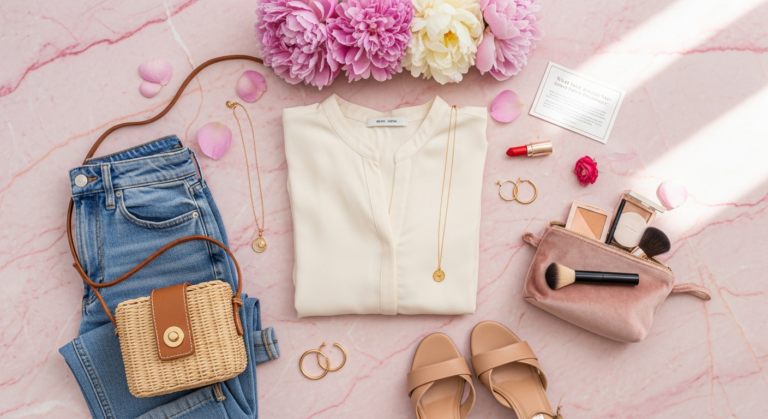
Seasonal Capsule Wardrobe


Mastering Your Seasonal Capsule Wardrobe: Effortless Style for Every Climate and Occasion in 2026

Affiliate disclosure: This article may contain affiliate links. Recommendations are independent and editorially driven.

Welcome to the ultimate guide for creating your perfect seasonal capsule wardrobe for 2026! In a world of fast fashion and overwhelming choices, embracing a seasonal capsule wardrobe offers a refreshing path to simplified style, intentional living, and sustainable choices. Imagine a closet where every piece sparks joy, fits perfectly, and can be effortlessly mixed and matched to create countless outfits suitable for the current weather and your lifestyle. No more frantic searches, no more unworn garments gathering dust – just a curated collection that empowers you to dress with confidence and ease, all year round.

This comprehensive guide from fashiongoggled will walk you through every step of building a functional, stylish, and adaptable seasonal capsule. We’ll explore the core philosophy, practical strategies for curating your items, specific recommendations for spring/summer and fall/winter, and tips for seamless transitions. Whether you’re a minimalist at heart or simply looking to streamline your daily dressing routine, preparing a seasonal capsule wardrobe is an invaluable skill. Get ready to transform your approach to fashion, save time and money, and discover a sustainable way to enjoy your personal style.

Table of Contents

Why Embrace a Seasonal Capsule Wardrobe? The Transformative Benefits

Adopting a seasonal capsule wardrobe is more than just a trend; it’s a strategic approach to fashion that yields numerous benefits, impacting not only your daily routine but also your finances and the environment. Moving beyond the concept of a single, year-round capsule, a seasonal approach acknowledges the practical realities of changing climates and evolving style needs. This flexibility allows for greater relevance and functionality in your daily dressing.

Reducing Decision Fatigue and Saving Time

One of the most immediate and profound benefits of a curated wardrobe is the drastic reduction in decision fatigue. When your closet is filled with versatile, beloved pieces that all coordinate, choosing an outfit becomes a quick, enjoyable process rather than a daily struggle. This frees up mental energy for more important decisions, giving you back precious minutes each morning. Imagine effortlessly assembling a chic ensemble in minutes, ready to tackle your day with confidence.

Saving Money and Shopping More Intentionally

A seasonal capsule wardrobe encourages a shift from impulse buying to intentional shopping. By identifying specific gaps in your seasonal collection, you’re less likely to purchase unnecessary items. This disciplined approach means investing in high-quality, durable pieces that will last for multiple seasons, ultimately saving money in the long run. No more wasted purchases or clothes with tags still on them; every item serves a purpose.

Cultivating Personal Style and Confidence

The process of building a seasonal capsule forces you to deeply consider your personal style, preferences, and lifestyle needs. This self-reflection leads to a more authentic wardrobe that truly reflects who you are. When every item in your closet is a reflection of your best self, your confidence naturally soars. You’ll feel comfortable, stylish, and put-together, no matter the occasion or the weather.

Promoting Sustainability and Ethical Consumption

In an era of increasing environmental awareness, a seasonal capsule wardrobe is a powerful tool for sustainable living. By reducing consumption, extending the life of garments, and investing in ethically produced pieces, you minimize your fashion footprint. This approach combats textile waste, supports fair labor practices, and lessens the demand for resource-intensive fast fashion. It’s a tangible way to make a positive impact through your everyday choices.

Enhancing Closet Organization and Decluttering

A smaller, more focused wardrobe naturally leads to a more organized closet. Each item has its place, making it easier to see what you own and maintain order. The seasonal rotation also provides regular opportunities to declutter, ensuring that only items relevant to the current season and your style remain accessible. This organized space creates a sense of calm and efficiency.

[INLINE IMAGE 1: place after second H2 | alt=”seasonal capsule wardrobe concept illustration”]

Laying the Foundations: Principles of a Seasonal Capsule Wardrobe

Building a successful seasonal capsule wardrobe starts with a solid understanding of its core principles. These aren’t rigid rules but rather guiding philosophies that will help you curate a collection that truly serves your individual needs and style. The key is thoughtfulness and intentionality at every stage.

Defining Your Personal Style and Lifestyle

Before you even think about clothes, take time to understand yourself. What colors, silhouettes, and fabrics do you feel best in? What adjectives would you use to describe your ideal style? More importantly, consider your lifestyle: your work environment, hobbies, social activities, and climate. Your wardrobe should reflect your actual life, not an aspirational one.

  • Analyze Your Current Wardrobe: What do you wear most often? What makes you feel great? What pieces are always left unworn? Identify patterns in successful outfits.
  • Create a Mood Board: Collect images from magazines, Pinterest, or Instagram that inspire you. Look for common themes in colors, textures, and aesthetics. This helps visualize your desired look.
  • Identify Your Color Palette: Choose 2-3 neutral colors (black, white, grey, navy, beige) as your base, and 2-3 accent colors that you love and that flatter you. Ensure these colors can easily mix and match.

The Wardrobe Audit: Decluttering and Assessing

The most crucial step in starting any capsule is a thorough wardrobe audit. This isn’t just about throwing things out; it’s about understanding what you have and what you truly need. Set aside a significant block of time for this process.

  1. Empty Your Closet: Take every single item of clothing, shoes, and accessories out of your closet and drawers. Seeing everything at once can be eye-opening.
  2. Sort into Piles: Create four distinct piles for each item:
    • Keep: Items you love, wear regularly, fit well, and are in good condition. These are your capsule contenders.
    • Store (Off-Season): Items that are perfect but simply not suitable for the upcoming season. Pack these away carefully.
    • Donate/Sell: Items that don’t fit, are damaged beyond repair, or no longer align with your style.
    • Maybe/Alter: Items you’re unsure about. Try them on, think about how they fit into your defined style. If they need minor alterations, set them aside to be fixed. If not, consider donating.
  3. Evaluate Seasonally: As you go through the “Keep” pile, mentally categorize them by season. This helps you identify what you already have for Spring/Summer vs. Fall/Winter.

Core Pieces vs. Seasonal Staples

A successful seasonal capsule integrates a stable base with flexible, weather-appropriate additions. Think of it as a pyramid structure:

Foundation (Year-Round Core):

These are the workhorses of your wardrobe, often in neutral colors, that transcend seasons. They form the majority of your capsule and are chosen for their versatility and durability. Examples include:

  • Well-fitting jeans or tailored trousers
  • Classic white or neutral t-shirts/long-sleeved tops
  • A versatile blazer or cardigan
  • Basic skirts or dresses that can be layered
  • Comfortable, classic sneakers or flats

These pieces should make up roughly 50-60% of your total capsule and remain in your closet year-round, possibly with some lighter/heavier versions depending on your climate.

Seasonal Staples (Rotating Elements):

These are the items that define your capsule for a specific season, making up the remaining 40-50%. They introduce seasonal colors, fabrics, and silhouettes. These are stored when off-season.

  • Spring/Summer: Lightweight dresses, linen trousers, denim shorts, tank tops, sandals, light jackets.
  • Fall/Winter: Wool sweaters, thermal tops, heavy coats, boots, scarves, flannel shirts.

This approach allows for freshness and adaptability without having to rebuild your entire wardrobe from scratch every few months. It’s about smart curation and strategic swapping.
An excellent way to deepen your understanding is by checking out our guide on how to build a capsule wardrobe checklist for a detailed, printable resource.

Crafting Your Spring/Summer 2026 Capsule: Lightness, Layers & Lively Hues

As the days lengthen and temperatures rise, your spring/summer seasonal capsule wardrobe should embrace lightness, breathability, and a sense of effortless style. This capsule typically focuses on natural fibers, vibrant or pastel colors, and versatile pieces that can withstand both sunny days and cooler evenings. The goal is comfort without compromising on elegance.

Key Characteristics of a Spring/Summer Capsule

  • Breathable Fabrics: Prioritize cotton, linen, silk, rayon, tencel, and light blends.
  • Lighter Color Palette: Incorporate brighter neutrals (white, cream, beige), pastels, and pops of vivid color.
  • Layering for Versatility: Light jackets, cardigans, and scarves are essential for fluctuating temperatures.
  • Comfortable Footwear: Sandals, espadrilles, sneakers, and lightweight flats.
  • Protection from the Elements: Sunglasses, wide-brimmed hats, and light rain jackets.

Essential Pieces for Your Spring/Summer 2026 Capsule

Here’s a breakdown of must-have items to consider for your warm-weather collection. Remember, these are suggestions; tailor them to your personal style and needs.

Tops (6-8 pieces)

  • Basic T-shirts: 2-3 in white, black, or your core neutral.
  • Tank Tops/Camisoles: 2-3 for layering or standalone wear.
  • Linen Shirt: 1-2 breathable button-downs, ideal for casual and slightly dressier occasions.
  • Stylish Blouse: 1-2 in a favorite color or print for elevated looks.

Bottoms (4-5 pieces)

  • Linen Trousers: 1-2 pairs for comfort and chic warm-weather style.
  • Denim Shorts or Skirt: 1-2 casual options.
  • Versatile Skirt: 1 midi or maxi skirt in a lightweight fabric.
  • Tailored Shorts: 1 pair for dressier casual outings.

Dresses & Jumpsuits (2-3 pieces)

  • Everyday Dress: 1-2 breathable, comfortable dresses (e.g., t-shirt dress, sundress).
  • Elevated Dress/Jumpsuit: 1 for special occasions or evening wear.

Outerwear (2-3 pieces)

  • Light Denim Jacket: A classic, versatile layer.
  • Cardigan/Light Knit: 1-2 for cooler evenings or air-conditioned spaces.
  • Trench Coat or Light Rain Jacket: Essential for unpredictable weather.

Shoes (3-4 pairs)

  • Comfortable Sandals: 1 pair (flat or low wedge).
  • Stylish Sneakers: 1 pair for walking and casual outfits.
  • Espadrilles/Flats: 1 pair for dressier comfort.
  • Heeled Sandals (optional): 1 pair for formal events.

Accessories (Essential but not counted in main numbers)

  • Handbags: 1-2 versatile bags (e.g., tote, crossbody).
  • Belts: 1-2 to cinch dresses or trousers.
  • Scarves: 1-2 light scarves for style or sun protection.
  • Jewelry: Minimalist pieces that complement most outfits.
  • Hats/Sunglasses: Practical and stylish additions.

Spring/Summer Outfit Formulas

The magic of a capsule is in the mixing and matching. Here are some ideas:

  • Linen Trousers + Tank Top + Linen Shirt (open as a layer) + Sandals
  • Sundress + Denim Jacket + Sneakers
  • Versatile Skirt + Blouse + Espadrilles + Statement Earrings
  • Tailored Shorts + T-shirt + Cardigan + Loafers

Consider the varying demands of your daily life. For instance, if your work environment is casual, you might lean more into chic linen sets and versatile dresses. If it’s more formal, a tailored linen blazer or a silk blouse might take precedence. The adaptability of your choices is paramount. Selecting fabrics that are easy to care for and resist wrinkling will also make your life significantly easier, especially for travel.

Comparison of Common Spring/Summer Fabric Properties

Choosing the right fabrics is crucial for comfort and longevity in your seasonal capsule wardrobe. Here’s a comparison to help you make informed decisions:

Fabric Type Pros for Spring/Summer Cons for Spring/Summer Best Use Cases
Cotton Breathable, soft, absorbent, durable, easy to care for, versatile. Can wrinkle easily, can feel heavy when wet, takes time to dry. T-shirts, dresses, denim, casual shirts, everyday wear.
Linen Extremely breathable, absorbent, quick-drying, gets softer with wear, naturally antimicrobial. Wrinkles very easily (part of its charm for some!), can feel stiff initially. Trousers, shirts, dresses, blazers – perfect for hot, humid climates.
Rayon (Viscose) Soft, drapes beautifully, breathable, feels silky, takes dye well. Prone to wrinkling, can shrink if not cared for properly, less durable when wet. Flowy dresses, blouses, skirts, elegant tops.
Tencel (Lyocell) Very soft, smooth, excellent drape, breathable, sustainable, wrinkle-resistant. Can be more expensive, requires gentle care (often hand wash or delicate cycle). High-quality blouses, dresses, trousers, activewear.
Silk Luxurious feel, good drape, breathable, regulates temperature, hypoallergenic. Delicate, requires dry cleaning or hand washing, susceptible to sweat stains, expensive. Elegant blouses, scarves, evening wear, special occasion dresses.

For sustainable options, consider organic cotton, linen, and Tencel. These offer excellent performance while minimizing environmental impact. Investing in quality pieces made from these materials will ensure your seasonal capsule wardrobe is both stylish and responsible. To truly master your warm-weather looks, explore specific outfit inspirations and styling tips in our Spring/Summer Outfit Ideas 2026 guide.

[INLINE IMAGE 2: place after fourth H2 | alt=”seasonal capsule wardrobe comparison illustration”]

Designing Your Fall/Winter 2026 Capsule: Warmth, Texture & Timeless Elegance

When autumn leaves begin to fall and winter’s chill sets in, your seasonal capsule wardrobe shifts to focus on warmth, cozy textures, and rich color palettes. This capsule emphasizes layering, durable fabrics, and pieces that offer both comfort and sophisticated style, capable of withstanding colder temperatures and diverse weather conditions.

Key Characteristics of a Fall/Winter Capsule

  • Warm & Durable Fabrics: Wool, cashmere, merino, flannel, corduroy, heavy cotton, leather, down, fleece.
  • Deeper Color Palette: Earth tones, jewel tones, classic neutrals (black, grey, navy, camel, burgundy, forest green).
  • Strategic Layering: Base layers, mid-layers (sweaters, cardigans), and robust outer layers (coats, jackets).
  • Practical Footwear: Boots (ankle, knee-high), sturdy flats, water-resistant options.
  • Essential Accessories: Scarves, hats, gloves for added warmth and style.

Essential Pieces for Your Fall/Winter 2026 Capsule

Here’s a breakdown of foundational items for your cold-weather collection. Adapt these suggestions to your local climate and personal aesthetic.

Tops (6-8 pieces)

  • Long-sleeved T-shirts/Thermal Tops: 2-3 in neutral colors for layering.
  • Knit Sweaters: 2-3 versatile options (e.g., crew neck, V-neck, turtleneck) in wool, cashmere, or a warm blend.
  • Button-down Shirt: 1-2 flannel or thicker cotton shirts for layering or standalone wear.
  • Elevated Blouse: 1 for dressier occasions, perhaps in silk or a rich fabric.

Bottoms (4-5 pieces)

  • Dark Wash Jeans: 1-2 pairs, versatile and durable.
  • Tailored Trousers: 1-2 pairs in wool, corduroy, or a heavy blend.
  • Warm Skirt: 1 midi or maxi skirt in wool, corduroy, or a thicker knit.
  • Leather/Vegan Leather Pants (optional): 1 for a modern, edgy look.

Dresses & Jumpsuits (2-3 pieces)

  • Knit Dress: 1-2 warm, versatile dresses that can be layered with tights and boots.
  • Tailored Jumpsuit/Dress: 1 for more formal events, in a heavier fabric.

Outerwear (2-3 pieces)

  • Warm Coat: 1 high-quality wool or puffer coat for true warmth.
  • Blazer/Cardigan: 1-2 structured blazers or chunky cardigans for mid-layers.
  • Trench Coat or Water-Resistant Jacket: A classic for transitional weather or light rain/snow.

Shoes (3-4 pairs)

  • Ankle Boots: 1 pair, versatile for everyday wear.
  • Knee-High or Tall Boots: 1 pair for extra warmth and style.
  • Stylish Loafers/Flats: 1 pair for indoor wear or milder days.
  • Weatherproof Boots (optional): 1 pair for heavy rain or snow.

Accessories (Essential but not counted in main numbers)

  • Scarves: 2-3 warm scarves in wool, cashmere, or a soft blend.
  • Hats & Gloves: Essential for cold weather.
  • Handbags: 1-2 structured bags in leather or a durable material.
  • Belts: 1-2 to define waists over chunky knits or dresses.
  • Jewelry: Statement pieces or elegant everyday items.
  • Tights/Leggings: For layering under skirts and dresses.

Fall/Winter Outfit Formulas

Layering is your best friend in colder months. Experiment with textures and proportions:

  • Long-sleeved Thermal + Knit Sweater + Tailored Trousers + Ankle Boots + Wool Coat
  • Knit Dress + Thick Tights + Knee-High Boots + Belt + Oversized Cardigan
  • Flannel Shirt (open over a tank) + Dark Wash Jeans + Sneakers + Puffer Vest
  • Warm Skirt + Blouse + Blazer + Loafers + Statement Scarf

The beauty of a well-planned fall/winter seasonal capsule wardrobe lies in its ability to provide warmth without sacrificing style. Investing in quality fabrics like wool and cashmere ensures longevity and timeless appeal. These pieces not only stand up to the elements but also elevate your everyday looks, making you feel chic and comfortable through the colder months. When considering your overall wardrobe, remember to integrate sustainable winter fashion choices to minimize your environmental footprint.

Seamless Transitions & Adaptations: Making Your Capsule Work Year-Round

The true genius of a seasonal capsule wardrobe lies not just in its individual seasonal efficiency, but in its ability to transition smoothly between climates and adapt to various lifestyle demands. Mastering these transitions ensures your wardrobe remains functional and stylish throughout the year, minimizing the need for constant shopping and maximizing the versatility of your existing pieces.

Strategies for Seasonal Wardrobe Swapping

Instead of a drastic overhaul, think of your seasonal transition as a thoughtful rotation. This typically happens twice a year – once in spring (moving from fall/winter to spring/summer) and once in fall (reversing the process).

  1. The “Swap Out” Phase:
    • As the weather changes, identify which items from the current season are no longer appropriate. Pack away heavy coats, chunky knits, and winter boots when spring arrives. Similarly, store light dresses, sandals, and linen pieces as fall approaches.
    • Before storing, inspect each item. Mend any small tears, replace missing buttons, and clean everything thoroughly. Storing dirty clothes can lead to stains setting and attracting pests.
    • Fold or hang items carefully in breathable garment bags or storage bins. Use cedar balls or sachets to deter moths. Store in a cool, dry, dark place.
  2. The “Bring In” Phase:
    • Unpack your items for the upcoming season. Give them a refresh – a quick steam or iron, and air them out.
    • As you bring them out, reassess. Do they still fit? Do they align with your current style? This is a mini-audit that helps keep your capsule fresh and relevant.
    • Integrate these seasonal items with your year-round core pieces.
  3. Mid-Season Adjustments: Don’t be afraid to make minor adjustments. If an unusually cold spell hits in spring, temporarily pull out a lighter sweater from storage. Flexibility is key.

Maximizing Versatility with Layering

Layering is the cornerstone of a truly adaptable wardrobe. It allows you to adjust your outfit to changing temperatures throughout the day and extend the wearability of many items across seasons.

  • Base Layers: Thin, breathable tops (t-shirts, camisoles, thermal tops) worn closest to the skin.
  • Mid-Layers: Sweaters, cardigans, blouses, or light jackets that provide warmth and style.
  • Outer Layers: Coats, blazers, or heavier jackets that offer protection from the elements and complete the look.

Think about how a simple white t-shirt can be a base layer under a chunky knit sweater in winter, or worn on its own with linen shorts in summer. A trench coat can layer over a spring dress or a fall sweater.

Adapting Your Capsule for Different Lifestyles

Your seasonal capsule should be a reflection of your life. While the core principles remain, the specific items will vary greatly based on your daily activities.

Work Capsule Considerations:

  • Professional Settings: Focus on tailored trousers, blazers, sophisticated blouses, midi skirts, and classic dresses. Choose materials that resist wrinkles and hold their shape.
  • Business Casual: Integrate dark wash jeans (if appropriate), elevated knitwear, smart shirts, and versatile loafers or ankle boots.
  • Creative/Casual Office: More flexibility with stylish tops, unique accessories, and comfortable yet polished pieces.

Travel Capsule Adaptations:

A seasonal capsule is inherently travel-friendly. When packing, focus on:

  • Multi-functional Pieces: Items that can be dressed up or down, or serve multiple purposes (e.g., a scarf that’s also a wrap


    Mastering Your Seasonal Capsule Wardrobe: Effortless Style for Every Climate and Occasion in 2026

    Affiliate disclosure: This article may contain affiliate links. Recommendations are independent and editorially driven.

    Welcome to the ultimate guide for creating your perfect seasonal capsule wardrobe for 2026! In a world of fast fashion and overwhelming choices, embracing a seasonal capsule wardrobe offers a refreshing path to simplified style, intentional living, and sustainable choices. Imagine a closet where every piece sparks joy, fits perfectly, and can be effortlessly mixed and matched to create countless outfits suitable for the current weather and your lifestyle. No more frantic searches, no more unworn garments gathering dust – just a curated collection that empowers you to dress with confidence and ease, all year round.

    This comprehensive guide from fashiongoggled will walk you through every step of building a functional, stylish, and adaptable seasonal capsule. We’ll explore the core philosophy, practical strategies for curating your items, specific recommendations for spring/summer and fall/winter, and tips for seamless transitions. Whether you’re a minimalist at heart or simply looking to streamline your daily dressing routine, preparing a seasonal capsule wardrobe is an invaluable skill. Get ready to transform your approach to fashion, save time and money, and discover a sustainable way to enjoy your personal style.

    Table of Contents

    Why Embrace a Seasonal Capsule Wardrobe? The Transformative Benefits

    Adopting a seasonal capsule wardrobe is more than just a trend; it’s a strategic approach to fashion that yields numerous benefits, impacting not only your daily routine but also your finances and the environment. Moving beyond the concept of a single, year-round capsule, a seasonal approach acknowledges the practical realities of changing climates and evolving style needs. This flexibility allows for greater relevance and functionality in your daily dressing.

    Reducing Decision Fatigue and Saving Time

    One of the most immediate and profound benefits of a curated wardrobe is the drastic reduction in decision fatigue. When your closet is filled with versatile, beloved pieces that all coordinate, choosing an outfit becomes a quick, enjoyable process rather than a daily struggle. This frees up mental energy for more important decisions, giving you back precious minutes each morning. Imagine effortlessly assembling a chic ensemble in minutes, ready to tackle your day with confidence.

    Saving Money and Shopping More Intentionally

    A seasonal capsule wardrobe encourages a shift from impulse buying to intentional shopping. By identifying specific gaps in your seasonal collection, you’re less likely to purchase unnecessary items. This disciplined approach means investing in high-quality, durable pieces that will last for multiple seasons, ultimately saving money in the long run. No more wasted purchases or clothes with tags still on them; every item serves a purpose.

    Cultivating Personal Style and Confidence

    The process of building a seasonal capsule forces you to deeply consider your personal style, preferences, and lifestyle needs. This self-reflection leads to a more authentic wardrobe that truly reflects who you are. When every item in your closet is a reflection of your best self, your confidence naturally soars. You’ll feel comfortable, stylish, and put-together, no matter the occasion or the weather.

    Promoting Sustainability and Ethical Consumption

    In an era of increasing environmental awareness, a seasonal capsule wardrobe is a powerful tool for sustainable living. By reducing consumption, extending the life of garments, and investing in ethically produced pieces, you minimize your fashion footprint. This approach combats textile waste, supports fair labor practices, and lessens the demand for resource-intensive fast fashion. It’s a tangible way to make a positive impact through your everyday choices.

    Enhancing Closet Organization and Decluttering

    A smaller, more focused wardrobe naturally leads to a more organized closet. Each item has its place, making it easier to see what you own and maintain order. The seasonal rotation also provides regular opportunities to declutter, ensuring that only items relevant to the current season and your style remain accessible. This organized space creates a sense of calm and efficiency.

    [INLINE IMAGE 1: place after second H2 | alt=”seasonal capsule wardrobe concept illustration”]

    Laying the Foundations: Principles of a Seasonal Capsule Wardrobe

    Building a successful seasonal capsule wardrobe starts with a solid understanding of its core principles. These aren’t rigid rules but rather guiding philosophies that will help you curate a collection that truly serves your individual needs and style. The key is thoughtfulness and intentionality at every stage.

    Defining Your Personal Style and Lifestyle

    Before you even think about clothes, take time to understand yourself. What colors, silhouettes, and fabrics do you feel best in? What adjectives would you use to describe your ideal style? More importantly, consider your lifestyle: your work environment, hobbies, social activities, and climate. Your wardrobe should reflect your actual life, not an aspirational one.

    • Analyze Your Current Wardrobe: What do you wear most often? What makes you feel great? What pieces are always left unworn? Identify patterns in successful outfits.
    • Create a Mood Board: Collect images from magazines, Pinterest, or Instagram that inspire you. Look for common themes in colors, textures, and aesthetics. This helps visualize your desired look.
    • Identify Your Color Palette: Choose 2-3 neutral colors (black, white, grey, navy, beige) as your base, and 2-3 accent colors that you love and that flatter you. Ensure these colors can easily mix and match.

    The Wardrobe Audit: Decluttering and Assessing

    The most crucial step in starting any capsule is a thorough wardrobe audit. This isn’t just about throwing things out; it’s about understanding what you have and what you truly need. Set aside a significant block of time for this process.

    1. Empty Your Closet: Take every single item of clothing, shoes, and accessories out of your closet and drawers. Seeing everything at once can be eye-opening.
    2. Sort into Piles: Create four distinct piles for each item:
      • Keep: Items you love, wear regularly, fit well, and are in good condition. These are your capsule contenders.
      • Store (Off-Season): Items that are perfect but simply not suitable for the upcoming season. Pack these away carefully.
      • Donate/Sell: Items that don’t fit, are damaged beyond repair, or no longer align with your style.
      • Maybe/Alter: Items you’re unsure about. Try them on, think about how they fit into your defined style. If they need minor alterations, set them aside to be fixed. If not, consider donating.
    3. Evaluate Seasonally: As you go through the “Keep” pile, mentally categorize them by season. This helps you identify what you already have for Spring/Summer vs. Fall/Winter.

    Core Pieces vs. Seasonal Staples

    A successful seasonal capsule integrates a stable base with flexible, weather-appropriate additions. Think of it as a pyramid structure:

    Foundation (Year-Round Core):

    These are the workhorses of your wardrobe, often in neutral colors, that transcend seasons. They form the majority of your capsule and are chosen for their versatility and durability. Examples include:

    • Well-fitting jeans or tailored trousers
    • Classic white or neutral t-shirts/long-sleeved tops
    • A versatile blazer or cardigan
    • Basic skirts or dresses that can be layered
    • Comfortable, classic sneakers or flats

    These pieces should make up roughly 50-60% of your total capsule and remain in your closet year-round, possibly with some lighter/heavier versions depending on your climate.

    Seasonal Staples (Rotating Elements):

    These are the items that define your capsule for a specific season, making up the remaining 40-50%. They introduce seasonal colors, fabrics, and silhouettes. These are stored when off-season.

    • Spring/Summer: Lightweight dresses, linen trousers, denim shorts, tank tops, sandals, light jackets.
    • Fall/Winter: Wool sweaters, thermal tops, heavy coats, boots, scarves, flannel shirts.

    This approach allows for freshness and adaptability without having to rebuild your entire wardrobe from scratch every few months. It’s about smart curation and strategic swapping.
    An excellent way to deepen your understanding is by checking out our guide on how to build a capsule wardrobe checklist for a detailed, printable resource.

    Crafting Your Spring/Summer 2026 Capsule: Lightness, Layers & Lively Hues

    As the days lengthen and temperatures rise, your spring/summer seasonal capsule wardrobe should embrace lightness, breathability, and a sense of effortless style. This capsule typically focuses on natural fibers, vibrant or pastel colors, and versatile pieces that can withstand both sunny days and cooler evenings. The goal is comfort without compromising on elegance.

    Key Characteristics of a Spring/Summer Capsule

    • Breathable Fabrics: Prioritize cotton, linen, silk, rayon, tencel, and light blends.
    • Lighter Color Palette: Incorporate brighter neutrals (white, cream, beige), pastels, and pops of vivid color.
    • Layering for Versatility: Light jackets, cardigans, and scarves are essential for fluctuating temperatures.
    • Comfortable Footwear: Sandals, espadrilles, sneakers, and lightweight flats.
    • Protection from the Elements: Sunglasses, wide-brimmed hats, and light rain jackets.

    Essential Pieces for Your Spring/Summer 2026 Capsule

    Here’s a breakdown of must-have items to consider for your warm-weather collection. Remember, these are suggestions; tailor them to your personal style and needs.

    Tops (6-8 pieces)

    • Basic T-shirts: 2-3 in white, black, or your core neutral.
    • Tank Tops/Camisoles: 2-3 for layering or standalone wear.
    • Linen Shirt: 1-2 breathable button-downs, ideal for casual and slightly dressier occasions.
    • Stylish Blouse: 1-2 in a favorite color or print for elevated looks.

    Bottoms (4-5 pieces)

    • Linen Trousers: 1-2 pairs for comfort and chic warm-weather style.
    • Denim Shorts or Skirt: 1-2 casual options.
    • Versatile Skirt: 1 midi or maxi skirt in a lightweight fabric.
    • Tailored Shorts: 1 pair for dressier casual outings.

    Dresses & Jumpsuits (2-3 pieces)

    • Everyday Dress: 1-2 breathable, comfortable dresses (e.g., t-shirt dress, sundress).
    • Elevated Dress/Jumpsuit: 1 for special occasions or evening wear.

    Outerwear (2-3 pieces)

    • Light Denim Jacket: A classic, versatile layer.
    • Cardigan/Light Knit: 1-2 for cooler evenings or air-conditioned spaces.
    • Trench Coat or Light Rain Jacket: Essential for unpredictable weather.

    Shoes (3-4 pairs)

    • Comfortable Sandals: 1 pair (flat or low wedge).
    • Stylish Sneakers: 1 pair for walking and casual outfits.
    • Espadrilles/Flats: 1 pair for dressier comfort.
    • Heeled Sandals (optional): 1 pair for formal events.

    Accessories (Essential but not counted in main numbers)

    • Handbags: 1-2 versatile bags (e.g., tote, crossbody).
    • Belts: 1-2 to cinch dresses or trousers.
    • Scarves: 1-2 light scarves for style or sun protection.
    • Jewelry: Minimalist pieces that complement most outfits.
    • Hats/Sunglasses: Practical and stylish additions.

    Spring/Summer Outfit Formulas

    The magic of a capsule is in the mixing and matching. Here are some ideas:

    • Linen Trousers + Tank Top + Linen Shirt (open as a layer) + Sandals
    • Sundress + Denim Jacket + Sneakers
    • Versatile Skirt + Blouse + Espadrilles + Statement Earrings
    • Tailored Shorts + T-shirt + Cardigan + Loafers

    Consider the varying demands of your daily life. For instance, if your work environment is casual, you might lean more into chic linen sets and versatile dresses. If it’s more formal, a tailored linen blazer or a silk blouse might take precedence. The adaptability of your choices is paramount. Selecting fabrics that are easy to care for and resist wrinkling will also make your life significantly easier, especially for travel.

    Comparison of Common Spring/Summer Fabric Properties

    Choosing the right fabrics is crucial for comfort and longevity in your seasonal capsule wardrobe. Here’s a comparison to help you make informed decisions:

    Fabric Type Pros for Spring/Summer Cons for Spring/Summer Best Use Cases
    Cotton Breathable, soft, absorbent, durable, easy to care for, versatile. Can wrinkle easily, can feel heavy when wet, takes time to dry. T-shirts, dresses, denim, casual shirts, everyday wear.
    Linen Extremely breathable, absorbent, quick-drying, gets softer with wear, naturally antimicrobial. Wrinkles very easily (part of its charm for some!), can feel stiff initially. Trousers, shirts, dresses, blazers – perfect for hot, humid climates.
    Rayon (Viscose) Soft, drapes beautifully, breathable, feels silky, takes dye well. Prone to wrinkling, can shrink if not cared for properly, less durable when wet. Flowy dresses, blouses, skirts, elegant tops.
    Tencel (Lyocell) Very soft, smooth, excellent drape, breathable, sustainable, wrinkle-resistant. Can be more expensive, requires gentle care (often hand wash or delicate cycle). High-quality blouses, dresses, trousers, activewear.
    Silk Luxurious feel, good drape, breathable, regulates temperature, hypoallergenic. Delicate, requires dry cleaning or hand washing, susceptible to sweat stains, expensive. Elegant blouses, scarves, evening wear, special occasion dresses.

    For sustainable options, consider organic cotton, linen, and Tencel. These offer excellent performance while minimizing environmental impact. Investing in quality pieces made from these materials will ensure your seasonal capsule wardrobe is both stylish and responsible. To truly master your warm-weather looks, explore specific outfit inspirations and styling tips in our Spring/Summer Outfit Ideas 2026 guide.

    [INLINE IMAGE 2: place after fourth H2 | alt=”seasonal capsule wardrobe comparison illustration”]

    Designing Your Fall/Winter 2026 Capsule: Warmth, Texture & Timeless Elegance

    When autumn leaves begin to fall and winter’s chill sets in, your seasonal capsule wardrobe shifts to focus on warmth, cozy textures, and rich color palettes. This capsule emphasizes layering, durable fabrics, and pieces that offer both comfort and sophisticated style, capable of withstanding colder temperatures and diverse weather conditions.

    Key Characteristics of a Fall/Winter Capsule

    • Warm & Durable Fabrics: Wool, cashmere, merino, flannel, corduroy, heavy cotton, leather, down, fleece.
    • Deeper Color Palette: Earth tones, jewel tones, classic neutrals (black, grey, navy, camel, burgundy, forest green).
    • Strategic Layering: Base layers, mid-layers (sweaters, cardigans), and robust outer layers (coats, jackets).
    • Practical Footwear: Boots (ankle, knee-high), sturdy flats, water-resistant options.
    • Essential Accessories: Scarves, hats, gloves for added warmth and style.

    Essential Pieces for Your Fall/Winter 2026 Capsule

    Here’s a breakdown of foundational items for your cold-weather collection. Adapt these suggestions to your local climate and personal aesthetic.

    Tops (6-8 pieces)

    • Long-sleeved T-shirts/Thermal Tops: 2-3 in neutral colors for layering.
    • Knit Sweaters: 2-3 versatile options (e.g., crew neck, V-neck, turtleneck) in wool, cashmere, or a warm blend.
    • Button-down Shirt: 1-2 flannel or thicker cotton shirts for layering or standalone wear.
    • Elevated Blouse: 1 for dressier occasions, perhaps in silk or a rich fabric.

    Bottoms (4-5 pieces)

    • Dark Wash Jeans: 1-2 pairs, versatile and durable.
    • Tailored Trousers: 1-2 pairs in wool, corduroy, or a heavy blend.
    • Warm Skirt: 1 midi or maxi skirt in wool, corduroy, or a thicker knit.
    • Leather/Vegan Leather Pants (optional): 1 for a modern, edgy look.

    Dresses & Jumpsuits (2-3 pieces)

    • Knit Dress: 1-2 warm, versatile dresses that can be layered with tights and boots.
    • Tailored Jumpsuit/Dress: 1 for more formal events, in a heavier fabric.

    Outerwear (2-3 pieces)

    • Warm Coat: 1 high-quality wool or puffer coat for true warmth.
    • Blazer/Cardigan: 1-2 structured blazers or chunky cardigans for mid-layers.
    • Trench Coat or Water-Resistant Jacket: A classic for transitional weather or light rain/snow.

    Shoes (3-4 pairs)

    • Ankle Boots: 1 pair, versatile for everyday wear.
    • Knee-High or Tall Boots: 1 pair for extra warmth and style.
    • Stylish Loafers/Flats: 1 pair for indoor wear or milder days.
    • Weatherproof Boots (optional): 1 pair for heavy rain or snow.

    Accessories (Essential but not counted in main numbers)

    • Scarves: 2-3 warm scarves in wool, cashmere, or a soft blend.
    • Hats & Gloves: Essential for cold weather.
    • Handbags: 1-2 structured bags in leather or a durable material.
    • Belts: 1-2 to define waists over chunky knits or dresses.
    • Jewelry: Statement pieces or elegant everyday items.
    • Tights/Leggings: For layering under skirts and dresses.

    Fall/Winter Outfit Formulas

    Layering is your best friend in colder months. Experiment with textures and proportions:

    • Long-sleeved Thermal + Knit Sweater + Tailored Trousers + Ankle Boots + Wool Coat
    • Knit Dress + Thick Tights + Knee-High Boots + Belt + Oversized Cardigan
    • Flannel Shirt (open over a tank) + Dark Wash Jeans + Sneakers + Puffer Vest
    • Warm Skirt + Blouse + Blazer + Loafers + Statement Scarf

    The beauty of a well-planned fall/winter seasonal capsule wardrobe lies in its ability to provide warmth without sacrificing style. Investing in quality fabrics like wool and cashmere ensures longevity and timeless appeal. These pieces not only stand up to the elements but also elevate your everyday looks, making you feel chic and comfortable through the colder months. When considering your overall wardrobe, remember to integrate sustainable winter fashion choices to minimize your environmental footprint.

    Seamless Transitions & Adaptations: Making Your Capsule Work Year-Round

    The true genius of a seasonal capsule wardrobe lies not just in its individual seasonal efficiency, but in its ability to transition smoothly between climates and adapt to various lifestyle demands. Mastering these transitions ensures your wardrobe remains functional and stylish throughout the year, minimizing the need for constant shopping and maximizing the versatility of your existing pieces.

    Strategies for Seasonal Wardrobe Swapping

    Instead of a drastic overhaul, think of your seasonal transition as a thoughtful rotation. This typically happens twice a year – once in spring (moving from fall/winter to spring/summer) and once in fall (reversing the process).

    1. The “Swap Out” Phase:
      • As the weather changes, identify which items from the current season are no longer appropriate. Pack away heavy coats, chunky knits, and winter boots when spring arrives. Similarly, store light dresses, sandals, and linen pieces as fall approaches.
      • Before storing, inspect each item. Mend any small tears, replace missing buttons, and clean everything thoroughly. Storing dirty clothes can lead to stains setting and attracting pests.
      • Fold or hang items carefully in breathable garment bags or storage bins. Use cedar balls or sachets to deter moths. Store in a cool, dry, dark place.
    2. The “Bring In” Phase:
      • Unpack your items for the upcoming season. Give them a refresh – a quick steam or iron, and air them out.
      • As you bring them out, reassess. Do they still fit? Do they align with your current style? This is a mini-audit that helps keep your capsule fresh and relevant.
      • Integrate these seasonal items with your year-round core pieces.
    3. Mid-Season Adjustments: Don’t be afraid to make minor adjustments. If an unusually cold spell hits in spring, temporarily pull out a lighter sweater from storage. Flexibility is key.

    Maximizing Versatility with Layering

    Layering is the cornerstone of a truly adaptable wardrobe. It allows you to adjust your outfit to changing temperatures throughout the day and extend the wearability of many items across seasons.

    • Base Layers: Thin, breathable tops (t-shirts, camisoles, thermal tops) worn closest to the skin.
    • Mid-Layers: Sweaters, cardigans, blouses, or light jackets that provide warmth and style.
    • Outer Layers: Coats, blazers, or heavier jackets that offer protection from the elements and complete the look.

    Think about how a simple white t-shirt can be a base layer under a chunky knit sweater in winter, or worn on its own with linen shorts in summer. A trench coat can layer over a spring dress or a fall sweater.

    Adapting Your Capsule for Different Lifestyles

    Your seasonal capsule should be a reflection of your life. While the core principles remain, the specific items will vary greatly based on your daily activities.

    Work Capsule Considerations:

    • Professional Settings: Focus on tailored trousers, blazers, sophisticated blouses, midi skirts, and classic dresses. Choose materials that resist wrinkles and hold their shape.
    • Business Casual: Integrate dark wash jeans (if appropriate), elevated knitwear, smart shirts, and versatile loafers or ankle boots.
    • Creative/Casual Office: More flexibility with stylish tops, unique accessories, and comfortable yet polished pieces.

    Travel Capsule Adaptations:

    A seasonal capsule is inherently travel-friendly. When packing, focus on:

    • Multi-functional Pieces: Items that can be dressed up or down, or serve multiple purposes (e.g., a scarf that’s also a wrap