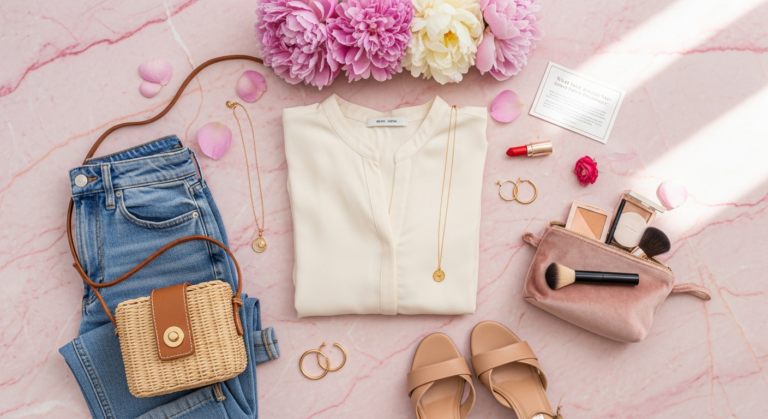
Embrace Ethical Elegance: Discovering the Best Sustainable Clothing Brands for Your 2026 Wardrobe
By fashiongoggled Editorial Team — Senior editors with 10+ years of subject-matter experience.
Published 2026-05-26 · Last Updated 2026-05-26
Affiliate disclosure: This article may contain affiliate links. Recommendations are independent and editorially driven.
The landscape of women’s fashion is undergoing a profound transformation. As consumers become increasingly aware of the environmental and social impacts of their purchasing decisions, the demand for truly sustainable clothing brands has surged. For fashiongoggled, a platform dedicated to demystifying style, embracing capsule wardrobes, and championing conscious choices, exploring the best sustainable clothing brands isn’t just a trend—it’s a mission.
In 2026, building a wardrobe that aligns with your values no longer means sacrificing style or quality. From innovative materials to ethical labor practices and transparent supply chains, a new generation of designers and retailers is proving that fashion can be both beautiful and responsible. This comprehensive guide will navigate you through the world of sustainable fashion, offering a meticulously curated list of brands that are leading the charge, alongside practical advice for integrating these principles into your everyday style.
Whether you’re looking to refresh your basics, invest in timeless statement pieces, or simply understand how to make more eco-conscious choices, we’re here to equip you with the knowledge and resources to build a wardrobe you can feel good about, inside and out. Join us as we explore the brands redefining what it means to be fashionable in the 21st century.
Decoding Sustainable Fashion: What It Truly Means for Your Wardrobe
The term “sustainable fashion” is often thrown around, sometimes without a clear understanding of its multifaceted implications. For us at fashiongoggled, it’s not just a buzzword; it’s a holistic approach to designing, manufacturing, consuming, and disposing of clothing that minimizes environmental harm and maximizes social well-being. It encompasses everything from the fibers used to the hands that craft the garments, and ultimately, how long those garments remain cherished parts of your life.
Beyond Greenwashing: Separating Fact from Fiction
In an effort to appeal to conscious consumers, many brands engage in “greenwashing”—making unsubstantiated or misleading claims about their environmental practices. True sustainable fashion requires transparency and a commitment to verifiable standards. It’s about a deep, systemic change, not just a marketing ploy. When we talk about the best sustainable clothing brands, we’re looking for those that demonstrate genuine, measurable efforts across multiple dimensions.
Key Pillars of Sustainable Style
To truly understand sustainability in fashion, it’s essential to grasp its core components:
- Environmental Responsibility: This includes using eco-friendly materials (organic, recycled, biodegradable), minimizing water and energy consumption, reducing waste (e.g., through circular design), avoiding toxic chemicals, and decreasing carbon footprints throughout the supply chain.
- Social Equity & Ethical Production: This pillar ensures fair wages, safe working conditions, and respect for human rights for all individuals involved in the production process, from farmers to factory workers. It also opposes child labor and forced labor.
- Longevity & Quality: Sustainable garments are designed to last. They are made from durable materials and constructed with care, encouraging consumers to buy fewer, higher-quality items that can be worn for years, thus reducing textile waste. This aligns perfectly with the capsule wardrobe philosophy.
- Transparency & Traceability: Truly sustainable brands are open about their supply chains, allowing consumers to understand where and how their clothes are made. Certifications from reputable third-party organizations play a crucial role here.
- Circularity: Moving away from the linear “take-make-dispose” model, circular fashion aims to keep resources in use for as long as possible, extracting maximum value from them while in use, then recovering and regenerating products and materials at the end of each service life. This includes practices like recycling, upcycling, and designing for disassembly.
Understanding these pillars empowers you to look beyond surface-level claims and identify brands that are genuinely committed to making a difference. It’s a journey, not a destination, but every conscious choice contributes to a more responsible fashion future.
The Imperative for Change: Why Your Choices Matter More Than Ever

The fashion industry is one of the world’s largest polluters, and its impact stretches far beyond just environmental degradation. From overflowing landfills to exploitative labor practices, the hidden costs of “fast fashion” are immense. As conscious consumers, our purchasing power holds significant weight, making our choices critical in driving positive change.
[INLINE IMAGE 1: place after second H2 | alt=”best sustainable clothing brands concept illustration”]
Unpacking the Environmental Cost of Fast Fashion
The rapid production cycles and low prices of fast fashion come at an alarming environmental expense:
- Resource Depletion: Conventional cotton farming is incredibly water-intensive and relies heavily on pesticides. Synthetic fibers like polyester are derived from fossil fuels.
- Water Pollution: Dyeing and finishing processes release toxic chemicals into waterways, devastating ecosystems and harming communities.
- Microplastic Pollution: Synthetic fabrics shed microplastics when washed, which end up in our oceans and food chain.
- Waste Accumulation: The sheer volume of clothing produced and discarded annually is staggering. Landfills worldwide are overflowing with textiles, many of which are never recycled or biodegrade slowly, releasing methane.
- Carbon Emissions: Manufacturing, transportation, and even the end-of-life disposal of clothing contribute significantly to greenhouse gas emissions.
The Human Cost: Ethical Concerns in the Supply Chain
Beyond environmental damage, the conventional fashion industry often thrives on social injustice:
- Unsafe Working Conditions: Factory fires, collapses, and exposure to hazardous chemicals are grim realities for many garment workers.
- Exploitative Wages: Millions of workers, predominantly women, are paid poverty wages that are insufficient to cover basic living expenses.
- Child and Forced Labor: Instances of child labor and forced labor persist in various stages of the supply chain, particularly in raw material production.
- Lack of Rights: Workers often lack union representation or basic labor rights, leaving them vulnerable to exploitation.
The Rise of Conscious Consumerism: A Force for Good
The good news is that awareness is growing, and with it, the power of the conscious consumer. Every purchase is a vote for the kind of world we want to live in. By choosing the best sustainable clothing brands, you are:
- Supporting Ethical Practices: Directing your money to companies committed to fair wages, safe conditions, and human rights.
- Minimizing Environmental Impact: Opting for products made with fewer resources, less pollution, and a smaller carbon footprint.
- Investing in Quality: Choosing garments that last longer, reducing the need for frequent replacements and decreasing waste.
- Encouraging Innovation: Driving demand for new, eco-friendly materials and circular design models.
- Setting an Example: Inspiring friends, family, and even broader communities to think more critically about their consumption habits.
Learn more about the environmental impact of fast fashion and how to make a difference.
Your journey towards a more sustainable wardrobe is a powerful act of defiance against the status quo, proving that style and ethics can not only coexist but flourish together.
Beyond Buzzwords: Identifying Genuinely Sustainable Brands
With so much noise around “eco-friendly” and “green” products, how can you discern which brands truly walk the talk? It requires a discerning eye and an understanding of the key indicators of genuine sustainability. At fashiongoggled, we evaluate brands based on stringent criteria that go deep into their operations, not just their marketing claims.
Material Matters: The Foundation of Sustainable Fashion
The fibers used in your clothing have a massive impact. Sustainable brands prioritize:
- Organic & Natural Fibers:
- Organic Cotton: Grown without harmful pesticides or synthetic fertilizers, significantly reducing water pollution and promoting soil health. Look for GOTS (Global Organic Textile Standard) certification.
- Linen & Hemp: Highly durable, require minimal water and pesticides, and grow quickly. They soften beautifully with age.
- Tencel™ Lyocell/Modal: Regenerated cellulosic fibers made from sustainably sourced wood pulp, produced in a closed-loop system that recycles water and solvents.
- Organic Wool/Cashmere: Sourced from animals raised humanely, without harmful chemicals, and often certified by standards like RWS (Responsible Wool Standard).
- Recycled & Upcycled Materials:
- Recycled Polyester (rPET): Made from post-consumer plastic bottles, diverting waste from landfills and reducing reliance on virgin fossil fuels.
- Recycled Cotton: Made from textile waste, saving resources and reducing landfill burden.
- Upcycled Fabrics: Brands using discarded textiles or remnants from other productions to create new garments, minimizing waste.
- Innovative & Bio-based Materials:
- Pinatex (Pineapple Leather): A natural, non-woven material made from pineapple leaf fibers, offering a vegan leather alternative.
- Mylo™ (Mushroom Leather): A material grown from mycelium (the root structure of fungi), presenting another promising vegan leather substitute.
- Econyl®: Regenerated nylon made from discarded fishing nets and other nylon waste, often used in swimwear and activewear.
Manufacturing with Integrity: Fair Labor and Low-Impact Processes
Where and how clothes are made is just as crucial as what they’re made from. We look for brands that ensure:
- Fair Labor Practices: Adherence to fair wages (a living wage, not just minimum wage), safe and healthy working conditions, reasonable working hours, and no child or forced labor. Certifications like Fair Trade, SA8000, or being a B Corp indicate strong commitments.
- Reduced Water & Energy Use: Brands employing water-saving dyeing techniques (e.g., air dye, digital printing), wastewater treatment, and renewable energy sources in their factories.
- Chemical Management: Avoiding hazardous chemicals in production, opting for non-toxic dyes and finishes. Standards like OEKO-TEX® are important here.
- Waste Reduction: Implementing lean manufacturing, zero-waste cutting techniques, and recycling textile scraps.
Transparency and Certifications: The Markers of Trust
Truly sustainable brands are not shy about sharing their journey and proof points. Look for:
- Supply Chain Transparency: Detailed information about their factories, material suppliers, and even raw material origins. Many brands publish their factory lists.
- Third-Party Certifications: These independent audits verify a brand’s claims. Key certifications include:
- GOTS (Global Organic Textile Standard): For organic fibers, covering ecological and social criteria.
- OEKO-TEX®: Ensures products are free from harmful substances.
- Fair Trade Certified™: Guarantees fair wages and safe conditions for workers.
- B Corp Certification: Indicates a company meets rigorous standards of social and environmental performance, accountability, and transparency.
- Bluesign®: Focuses on sustainable textile production, eliminating harmful substances from the beginning of the manufacturing process.
- RWS (Responsible Wool Standard): Ensures the welfare of sheep and the land they graze on.
- Impact Reports: Many leading sustainable brands publish annual reports detailing their environmental footprint and social impact, often setting measurable goals for improvement.
Explore our guide on deciphering fashion certifications for confident ethical shopping.
By scrutinizing these factors, you can confidently identify brands that are genuinely committed to sustainability, making it easier to build a wardrobe that reflects your values without compromising on style or quality.
Our Curated List: Discover the Best Sustainable Clothing Brands for 2026
At fashiongoggled, we believe that sustainable style is accessible, beautiful, and empowering. Our editorial team has meticulously researched and evaluated numerous brands to bring you a comprehensive list of the best sustainable clothing brands for 2026. These brands excel in various aspects of sustainability, offering high-quality, stylish options for every part of your wardrobe and budget.
Everyday Essentials & Elevated Basics
Building a sustainable capsule wardrobe often starts with reliable, ethically made basics. These brands master the art of everyday wear that lasts.
- Everlane (The Conscious Collection): While Everlane has faced scrutiny for past claims, their “Conscious Collection” and transparent pricing model remain a valuable resource. They focus on ethical factories, durable materials like organic cotton and recycled synthetics, and detailed cost breakdowns.
- Sustainability Focus: Transparency, ethical factories, organic & recycled materials.
- Key Offerings: Organic cotton tees, denim, knitwear, activewear.
- Patagonia: A pioneer in outdoor and activewear, Patagonia is renowned for its commitment to environmental activism, repair programs, and use of recycled materials. Their Worn Wear program encourages repair and resale.
- Sustainability Focus: Environmental activism, recycled content, fair trade, repair & reuse.
- Key Offerings: Jackets, fleece, activewear, base layers.
- Organic Basics: As the name suggests, this brand is all about sustainable basics. They use certified organic cotton, Tencel, and recycled materials for underwear, activewear, and simple apparel, focusing on durability and comfort.
- Sustainability Focus: Certified organic materials, low-impact production, transparency.
- Key Offerings: Underwear, socks, activewear, simple tees.
- Pact: Specializing in 100% organic cotton clothing for the whole family, Pact offers soft, comfortable basics, loungewear, and activewear. They are Fair Trade Certified and focus on a transparent supply chain.
- Sustainability Focus: 100% organic cotton, Fair Trade Certified, GOTS Certified.
- Key Offerings: Loungewear, activewear, tees, baby clothes.
Elevated Style & Contemporary Fashion
For those seeking sophisticated pieces, workwear, and modern designs without compromising ethics, these brands deliver.
- Reformation: Known for its effortlessly chic dresses and commitment to sustainability, Reformation makes clothing from low-impact materials like Tencel, recycled fabrics, and deadstock textiles. They provide detailed impact reports for each garment.
- Sustainability Focus: Sustainable materials (Tencel, recycled, deadstock), water saving, carbon offsetting.
- Key Offerings: Dresses, skirts, tops, denim.
- Girlfriend Collective: Specializing in activewear, Girlfriend Collective creates stylish leggings, sports bras, and outerwear from recycled plastic bottles and fishing nets. They are renowned for their inclusive sizing and ethical factories.
- Sustainability Focus: Recycled materials (rPET, Econyl), ethical manufacturing, transparent supply chain.
- Key Offerings: Leggings, sports bras, shorts, outerwear.
- Boden: A British brand that has significantly increased its sustainability efforts, Boden offers vibrant, high-quality clothing for women, men, and children. They are committed to using preferred fibers (organic cotton, recycled polyester), reducing waste, and ensuring ethical sourcing.
- Sustainability Focus: Preferred fibers, ethical sourcing, circularity initiatives, B Corp certification (pending).
- Key Offerings: Dresses, knitwear, sophisticated separates, swimwear.
Luxury & Investment Pieces
Investing in higher-end sustainable fashion means acquiring timeless pieces crafted with exceptional care and ethical integrity.
- Stella McCartney: A pioneer in luxury sustainable fashion, Stella McCartney has never used leather, fur, or feathers. Her brand is synonymous with innovative vegan alternatives, recycled materials, and a strong commitment to circularity and animal welfare.
- Sustainability Focus: Vegan, circular design, innovative materials, animal welfare, supply chain transparency.
- Key Offerings: Ready-to-wear, accessories, shoes.
- Eileen Fisher: Dedicated to timeless design, responsible materials, and ethical manufacturing, Eileen Fisher is a leader in sustainable luxury. They emphasize organic fibers, circularity through their “Renew” and “Waste No More” programs, and fair labor.
- Sustainability Focus: Organic materials, circular design, fair labor, take-back programs.
- Key Offerings: Timeless foundational pieces, knitwear, linen.
The Best Sustainable Clothing Brands: At a Glance (2026)
To help you navigate these excellent choices, here’s a quick comparison of some of our top picks:
| Brand | Sustainability Focus | Key Offerings | Price Point | Style Aesthetic |
|---|---|---|---|---|
| Everlane (Conscious Collection) | Transparency, ethical factories, organic & recycled materials | Organic cotton tees, denim, knitwear | Mid-Range | Modern, Minimalist Basics |
| Patagonia | Environmental activism, recycled content, Fair Trade, repair & reuse | Outdoor gear, activewear, base layers | Mid-High | Adventure-Ready, Casual |
| Reformation | Sustainable materials (Tencel, recycled, deadstock), water saving, carbon offsetting | Dresses, skirts, tops, denim | High-Mid | Effortlessly Chic, Feminine |
| Girlfriend Collective | Recycled materials (rPET, Econyl), ethical manufacturing, inclusive sizing | Leggings, sports bras, activewear | Mid-Range | Active & Athleisure, Modern |
| Pact | 100% Organic Cotton, Fair Trade Certified, GOTS Certified | Loungewear, activewear, tees, baby clothes | Affordable-Mid | Comfort-Focused, Casual Basics |
| Eileen Fisher | Organic materials, circular design, fair labor, take-back programs | Timeless foundational pieces, knitwear, linen | Luxury | Sophisticated, Minimalist, Comfort |
| Boden | Preferred fibers, ethical sourcing, circularity initiatives | Dresses, knitwear, swimwear, separates | Mid-High | Vibrant, Classic British Style |
[INLINE IMAGE 2: place after fourth H2 | alt=”best sustainable clothing brands comparison illustration”]
This selection represents a blend of well-established pioneers and exciting newcomers, all united by a strong commitment to a more sustainable and ethical fashion industry. Choosing from these brands means investing in quality, style, and a better future for the planet and its people.
Smart Sustainable Shopping: Tips for Building an Ethical Wardrobe
Navigating the world of sustainable fashion can feel overwhelming, but with a few strategic approaches, you can build an ethical wardrobe that truly reflects your values and personal style. At fashiongoggled, we advocate for conscious consumption, emphasizing quality over quantity and mindful choices.
Do Your Research (and Then Some!)
Before making a purchase, take a few minutes to investigate the brand. Look for:
- Transparency Pages: Most genuinely sustainable brands have dedicated sections on their websites detailing their environmental policies, supply chains, and social initiatives.
- Certifications: As discussed earlier, third-party certifications like GOTS, Fair Trade, OEKO-TEX, and B Corp are strong indicators of authenticity.
- Impact Reports: Some brands publish annual impact reports. While these can be dense, they offer invaluable insights into a company’s performance and goals.
- News & Reviews: A quick search for “brand name + sustainability review” can often uncover independent analyses or consumer experiences that shed light on a brand’s practices.
Check out our detailed guide on how to vet ethical fashion brands before you buy.
Embrace the “Buy Less, Choose Well, Make It Last” Mantra
This philosophy is at the heart of sustainable fashion and capsule wardrobing:
- Prioritize Quality over Quantity: Investing in durable, well-made items means they’ll last longer, reducing the need for constant replacement. Consider cost-per-wear rather than just the upfront price.
- Define Your Style: Understand what truly suits you and your lifestyle. This helps prevent impulse buys and ensures every new piece seamlessly integrates into your existing wardrobe.
- Resist Trends: While keeping an eye on current styles is fun, chasing every fleeting trend often leads to a wardrobe full of items that quickly feel outdated. Opt for timeless pieces that transcend seasons.
Explore Secondhand and Rental Options
The most sustainable garment is often the one that already exists:
- Thrift Stores & Consignment Shops: A treasure trove for unique finds and pre-loved garments that reduce textile waste.
- Online Resale Platforms: Sites like ThredUp, Poshmark, eBay, and Vestiaire Collective make it easy to buy and sell secondhand clothing, extending the life cycle of garments.
- Clothing Rental Services: For special occasions or trying out new styles without commitment, rental services like Rent the Runway offer a sustainable alternative to buying new.
Master the Art of Clothing Care
Extending the life of your clothes dramatically reduces their environmental impact:
- Read Care Labels: Follow washing and drying instructions carefully. Proper care prevents shrinkage, fading, and damage.
- Wash Less: Only wash clothes when they are truly dirty. Airing out garments can often suffice for a refresh.
- Cold Water & Air Dry: Washing in cold water and line-drying saves energy and is gentler on fabrics.
- Repair, Don’t Replace: Learn basic mending skills (sewing on a button, patching a small tear) or take items to a local tailor. Many brands, like Patagonia, offer repair services.
Support Circular Initiatives
Look for brands that offer take-back programs, where you can return old garments for recycling or resale. This closes the loop and prevents clothes from ending up in landfills. Your actions as a consumer are powerful, and by adopting these smart shopping habits, you become an active participant in building a more ethical and sustainable fashion future.
The Sustainable Capsule Wardrobe: Effortless Style, Minimal Impact
The concept of a capsule wardrobe perfectly complements the principles of sustainable fashion. It’s about curating a collection of versatile, high-quality pieces that can be mixed and matched to create numerous outfits, minimizing waste and decision fatigue. Integrating the best sustainable clothing brands into your capsule is the ultimate expression of conscious style.
Principles of a Powerful Capsule Wardrobe
Before diving into brand specifics, let’s revisit the core tenets of a successful capsule:
- Less is More: Focus on a select number of well-chosen items (typically 30-50, including shoes and accessories, but excluding sleepwear, activewear, and underwear).
- Versatility is Key: Each item should be able to pair with at least 3-5 other items in your capsule.
- Quality over Quantity: Investing in durable, well-made pieces ensures they stand the test of time and repeated wear.
- Cohesive Color Palette: Choose a primary neutral palette (black, white, navy, grey, beige) and add a few accent colors that complement each other.
- Reflect Your Lifestyle: Your capsule should cater to your daily needs – work, casual, special occasions – in appropriate proportions.
Integrating Sustainable Pieces into Your Capsule
When building a sustainable capsule, the focus shifts to sourcing those versatile, high-quality pieces from brands committed to ethical and eco-friendly practices. Here’s how to approach it:
1. Start with Sustainable Staples:
These are the foundational pieces that form the backbone of your capsule. Look for brands excelling in ethical basics:
- Organic Cotton Tees & Tanks: Brands like Pact, Organic Basics, or Everlane’s Conscious Collection offer soft, durable, and ethically produced organic cotton basics in various cuts and colors.
- High-Quality Denim: Seek out brands that use less water and chemicals in their denim production, and offer organic or recycled cotton blends. Reformation and Everlane have strong denim offerings.
- Timeless Knitwear: Invest in sweaters and cardigans made from responsibly sourced wool (RWS certified) or organic cotton. Eileen Fisher and some Boden pieces are excellent choices here.
- Versatile Trousers/Skirts: Look for pieces made from Tencel, organic linen, or recycled blends that can be dressed up or down.
2. Add Sustainable Statement Pieces:
These are the items that add personality and flair, chosen for their longevity and unique design.
- A Sustainable Dress: Reformation is renowned for its beautiful dresses made from eco-friendly materials that can transition from day to night.
- Ethical Outerwear: A classic trench coat from an ethical brand, or a versatile jacket from Patagonia, will serve you for years.
- Conscious Activewear: Girlfriend Collective offers stylish and comfortable activewear made from recycled plastic bottles, perfect for your workout needs.
3. Accessorize Thoughtfully:
Accessories can transform an outfit, and sustainable options are abundant.
- Sustainable Footwear: Brands like Veja (known for ethical sneakers) or other brands using vegan leathers or recycled materials are great choices.
- Ethical Handbags: Stella McCartney pioneered luxury vegan bags, but many smaller brands now offer beautiful options made from innovative plant-based materials or recycled leather.
- Jewelry: Look for brands using recycled metals, ethically sourced stones, or unique upcycled components.
Benefits of a Sustainable Capsule Wardrobe
Beyond the environmental and ethical advantages, adopting a sustainable capsule wardrobe brings numerous personal benefits:
- Reduced Decision Fatigue: With fewer, well-matched items, getting dressed becomes quicker and less stressful.
- Cost-Effectiveness (Long-Term): While individual sustainable items might have a higher upfront cost, their durability and versatility mean you buy less frequently, saving money over time.
- Enhanced Personal Style: A curated wardrobe allows you to truly define and refine your unique aesthetic, leading to more confident and authentic self-expression.
- Peace of Mind: Knowing your clothes were made ethically and sustainably brings a sense of pride and comfort.
- Reduced Waste: By buying less and making items last, you significantly reduce your contribution to textile waste.
Embracing a sustainable capsule wardrobe is a powerful step towards mindful living, allowing you to enjoy effortless style with a minimal impact on the planet and its people.
The Future is Circular: Innovations Driving Sustainable Style
The journey towards truly sustainable fashion is an ongoing evolution, driven by incredible innovation and a collective commitment to change. Looking ahead to 2026 and beyond, the industry is increasingly embracing circularity, new material science, and technological advancements to reshape how clothes are made, used, and re-used.
Revolutionary Materials: Beyond Organic and Recycled
While organic and recycled fibers are crucial, the future promises even more groundbreaking materials:
- Lab-Grown & Bio-Engineered Fabrics: Scientists are developing materials like spider silk (without the spiders!), mushroom leather (Mylo™), and bacterial cellulose. These innovations promise high-performance fabrics with significantly reduced environmental footprints.
- Algae and Plant-Based Dyes: Moving away from toxic synthetic dyes, new technologies are harnessing natural pigments from algae, agricultural waste, and various plant sources to color fabrics sustainably.
- Carbon-Negative Materials: Some emerging materials are designed to capture more carbon than they emit during their lifecycle, offering a truly restorative approach.
Advanced Manufacturing & Supply Chain Technologies
Technology is streamlining ethical production and transparency:
- 3D Printing & On-Demand Manufacturing: This reduces waste by producing garments only when needed, minimizing overproduction. It also allows for hyper-customization.
- Blockchain for Transparency: This technology can create an immutable record of a garment’s journey from raw material to finished product, offering unprecedented traceability and verifying ethical claims.
- AI and Data Analytics: Being used to optimize supply chains, predict demand more accurately to reduce waste, and identify areas for energy and water conservation.
Closing the Loop: Enhanced Circularity Models
The goal is to keep materials in use, moving away from landfills entirely:
- Improved Textile Recycling Infrastructure: New technologies are making it easier to recycle mixed-fiber garments, overcoming previous limitations that sent many textiles to waste. Chemical recycling processes are gaining traction.
- Repair & Resale Services as Standard: More brands are following Patagonia and Eileen Fisher’s lead, offering in-house repair services and facilitating resale platforms for their pre-owned items.
- Design for Disassembly: Clothes are being designed from the outset with their end-of-life in mind, ensuring they can be easily taken apart and their components recycled or composted.
- Product-as-a-Service (Rentals & Subscriptions): The growth of clothing rental and subscription services for everyday wear is accelerating, promoting access over ownership and extending garment utility.
The collective vision is a fashion industry where waste is eliminated, resources are continuously circulated, and the environmental impact is dramatically reduced. As consumers, supporting the best sustainable clothing brands that invest in these innovations helps accelerate this vital transition.
Making a Lasting Impact: Your Role in the Sustainable Fashion Movement
While the fashion industry works towards systemic change, your individual choices as a consumer wield significant power. Every conscious decision you make contributes to the growing momentum of the sustainable fashion movement, helping to shape a more ethical and eco-friendly future for style. At fashiongoggled, we believe in empowering our community to be agents of change.
Be an Informed and Advocate Consumer
- Ask Questions: Don’t hesitate to reach out to brands about their sustainability practices if the information isn’t readily available. Your queries signal consumer demand.
- Share Your Knowledge: Talk to friends and family about sustainable fashion. Recommend the best sustainable clothing brands you’ve discovered. Word-of-mouth is incredibly influential.
- Support Policy Changes: Stay informed about legislative efforts aimed at holding fashion companies accountable for their environmental and social impact. Support organizations that advocate for these changes.
- Engage on Social Media: Follow and support sustainable fashion influencers, brands, and organizations. Use your platform to amplify important messages and spread awareness.
Embrace and Promote Longevity
Counter the fast fashion narrative by championing the value of durability and timelessness:
- Celebrate Secondhand: Show off your thrift store finds and rented outfits. Normalizing these choices makes them more appealing to others.
- Repair and Re-wear: Share your mending projects or stories of how you’ve breathed new life into an old garment. This inspires others to repair rather than discard.
- Curate Your Wardrobe: Demonstrate how a well-curated capsule wardrobe leads to effortless style, proving that less truly can be more.
Support Certified and Purpose-Driven Businesses
When you choose brands that are B Corp Certified, Fair Trade Certified, or carry other reputable certifications, you are directly supporting businesses that prioritize people and planet alongside profit. These certifications provide independent verification of a company’s commitment, making your choices more impactful.
The cumulative effect of individual choices is immense. While one purchase might seem small, a global shift in consumer behavior can force even the largest corporations to rethink their practices. By consciously choosing the best sustainable clothing brands, caring for your clothes, and advocating for change, you become an integral part of creating a fashion industry that is truly beautiful, inside and out. Your style, indeed, can change the world.
Frequently Asked Questions
Q1: What exactly makes a clothing brand “sustainable”?
A1: A sustainable clothing brand is one that minimizes environmental harm and maximizes social well-being throughout its entire lifecycle, from design to disposal. This typically involves using eco-friendly materials (organic, recycled, innovative bio-based), employing ethical labor practices (fair wages, safe conditions), reducing waste and pollution in manufacturing, ensuring transparency in its supply chain, and often promoting longevity or circularity for its products. It’s a holistic approach, not just a single green claim.
Q2: Are sustainable clothing brands always more expensive?
A2: Sustainable clothing often has a higher upfront cost due to ethical labor practices, investment in eco-friendly materials and technologies, and generally higher quality that’s designed to last. However, when considering the “cost per wear,” sustainable garments can be more economical in the long run because they are more durable and don’t need to be replaced as frequently. It’s an investment in quality, longevity, and ethical production rather than disposable fashion.
Q3: How can I tell if a brand is genuinely sustainable and not “greenwashing”?
A3: Look for transparency and third-party certifications. Genuine sustainable brands are open about their supply chains, factory locations, material sources, and environmental impact data. Look for certifications like GOTS (Global Organic Textile Standard), Fair Trade, OEKO-TEX®, and B Corp. These independent verifications signal a brand’s commitment. Be wary of vague claims like “eco-friendly” without specific details or proof points.
Q4: What are the best materials to look for in sustainable clothing?
A4: Prioritize materials like GOTS-certified organic cotton, Tencel™ Lyocell, hemp, linen, recycled polyester (rPET) made from plastic bottles, recycled cotton, and innovative bio-based alternatives like Piñate
Embrace Ethical Elegance: Discovering the Best Sustainable Clothing Brands for Your 2026 Wardrobe
By fashiongoggled Editorial Team — Senior editors with 10+ years of subject-matter experience.
Published 2026-05-26 · Last Updated 2026-05-26
Affiliate disclosure: This article may contain affiliate links. Recommendations are independent and editorially driven.
The landscape of women’s fashion is undergoing a profound transformation. As consumers become increasingly aware of the environmental and social impacts of their purchasing decisions, the demand for truly sustainable clothing brands has surged. For fashiongoggled, a platform dedicated to demystifying style, embracing capsule wardrobes, and championing conscious choices, exploring the best sustainable clothing brands isn’t just a trend—it’s a mission.
In 2026, building a wardrobe that aligns with your values no longer means sacrificing style or quality. From innovative materials to ethical labor practices and transparent supply chains, a new generation of designers and retailers is proving that fashion can be both beautiful and responsible. This comprehensive guide will navigate you through the world of sustainable fashion, offering a meticulously curated list of brands that are leading the charge, alongside practical advice for integrating these principles into your everyday style.
Whether you’re looking to refresh your basics, invest in timeless statement pieces, or simply understand how to make more eco-conscious choices, we’re here to equip you with the knowledge and resources to build a wardrobe you can feel good about, inside and out. Join us as we explore the brands redefining what it means to be fashionable in the 21st century.
Decoding Sustainable Fashion: What It Truly Means for Your Wardrobe
The term “sustainable fashion” is often thrown around, sometimes without a clear understanding of its multifaceted implications. For us at fashiongoggled, it’s not just a buzzword; it’s a holistic approach to designing, manufacturing, consuming, and disposing of clothing that minimizes environmental harm and maximizes social well-being. It encompasses everything from the fibers used to the hands that craft the garments, and ultimately, how long those garments remain cherished parts of your life.
Beyond Greenwashing: Separating Fact from Fiction
In an effort to appeal to conscious consumers, many brands engage in “greenwashing”—making unsubstantiated or misleading claims about their environmental practices. True sustainable fashion requires transparency and a commitment to verifiable standards. It’s about a deep, systemic change, not just a marketing ploy. When we talk about the best sustainable clothing brands, we’re looking for those that demonstrate genuine, measurable efforts across multiple dimensions.
Key Pillars of Sustainable Style
To truly understand sustainability in fashion, it’s essential to grasp its core components:
- Environmental Responsibility: This includes using eco-friendly materials (organic, recycled, biodegradable), minimizing water and energy consumption, reducing waste (e.g., through circular design), avoiding toxic chemicals, and decreasing carbon footprints throughout the supply chain.
- Social Equity & Ethical Production: This pillar ensures fair wages, safe working conditions, and respect for human rights for all individuals involved in the production process, from farmers to factory workers. It also opposes child labor and forced labor.
- Longevity & Quality: Sustainable garments are designed to last. They are made from durable materials and constructed with care, encouraging consumers to buy fewer, higher-quality items that can be worn for years, thus reducing textile waste. This aligns perfectly with the capsule wardrobe philosophy.
- Transparency & Traceability: Truly sustainable brands are open about their supply chains, allowing consumers to understand where and how their clothes are made. Certifications from reputable third-party organizations play a crucial role here.
- Circularity: Moving away from the linear “take-make-dispose” model, circular fashion aims to keep resources in use for as long as possible, extracting maximum value from them while in use, then recovering and regenerating products and materials at the end of each service life. This includes practices like recycling, upcycling, and designing for disassembly.
Understanding these pillars empowers you to look beyond surface-level claims and identify brands that are genuinely committed to making a difference. It’s a journey, not a destination, but every conscious choice contributes to a more responsible fashion future.
The Imperative for Change: Why Your Choices Matter More Than Ever
The fashion industry is one of the world’s largest polluters, and its impact stretches far beyond just environmental degradation. From overflowing landfills to exploitative labor practices, the hidden costs of “fast fashion” are immense. As conscious consumers, our purchasing power holds significant weight, making our choices critical in driving positive change.
[INLINE IMAGE 1: place after second H2 | alt=”best sustainable clothing brands concept illustration”]
Unpacking the Environmental Cost of Fast Fashion
The rapid production cycles and low prices of fast fashion come at an alarming environmental expense:
- Resource Depletion: Conventional cotton farming is incredibly water-intensive and relies heavily on pesticides. Synthetic fibers like polyester are derived from fossil fuels.
- Water Pollution: Dyeing and finishing processes release toxic chemicals into waterways, devastating ecosystems and harming communities.
- Microplastic Pollution: Synthetic fabrics shed microplastics when washed, which end up in our oceans and food chain.
- Waste Accumulation: The sheer volume of clothing produced and discarded annually is staggering. Landfills worldwide are overflowing with textiles, many of which are never recycled or biodegrade slowly, releasing methane.
- Carbon Emissions: Manufacturing, transportation, and even the end-of-life disposal of clothing contribute significantly to greenhouse gas emissions.
The Human Cost: Ethical Concerns in the Supply Chain
Beyond environmental damage, the conventional fashion industry often thrives on social injustice:
- Unsafe Working Conditions: Factory fires, collapses, and exposure to hazardous chemicals are grim realities for many garment workers.
- Exploitative Wages: Millions of workers, predominantly women, are paid poverty wages that are insufficient to cover basic living expenses.
- Child and Forced Labor: Instances of child labor and forced labor persist in various stages of the supply chain, particularly in raw material production.
- Lack of Rights: Workers often lack union representation or basic labor rights, leaving them vulnerable to exploitation.
The Rise of Conscious Consumerism: A Force for Good
The good news is that awareness is growing, and with it, the power of the conscious consumer. Every purchase is a vote for the kind of world we want to live in. By choosing the best sustainable clothing brands, you are:
- Supporting Ethical Practices: Directing your money to companies committed to fair wages, safe conditions, and human rights.
- Minimizing Environmental Impact: Opting for products made with fewer resources, less pollution, and a smaller carbon footprint.
- Investing in Quality: Choosing garments that last longer, reducing the need for frequent replacements and decreasing waste.
- Encouraging Innovation: Driving demand for new, eco-friendly materials and circular design models.
- Setting an Example: Inspiring friends, family, and even broader communities to think more critically about their consumption habits.
Learn more about the environmental impact of fast fashion and how to make a difference.
Your journey towards a more sustainable wardrobe is a powerful act of defiance against the status quo, proving that style and ethics can not only coexist but flourish together.
Beyond Buzzwords: Identifying Genuinely Sustainable Brands
With so much noise around “eco-friendly” and “green” products, how can you discern which brands truly walk the talk? It requires a discerning eye and an understanding of the key indicators of genuine sustainability. At fashiongoggled, we evaluate brands based on stringent criteria that go deep into their operations, not just their marketing claims.
Material Matters: The Foundation of Sustainable Fashion
The fibers used in your clothing have a massive impact. Sustainable brands prioritize:
- Organic & Natural Fibers:
- Organic Cotton: Grown without harmful pesticides or synthetic fertilizers, significantly reducing water pollution and promoting soil health. Look for GOTS (Global Organic Textile Standard) certification.
- Linen & Hemp: Highly durable, require minimal water and pesticides, and grow quickly. They soften beautifully with age.
- Tencel™ Lyocell/Modal: Regenerated cellulosic fibers made from sustainably sourced wood pulp, produced in a closed-loop system that recycles water and solvents.
- Organic Wool/Cashmere: Sourced from animals raised humanely, without harmful chemicals, and often certified by standards like RWS (Responsible Wool Standard).
- Recycled & Upcycled Materials:
- Recycled Polyester (rPET): Made from post-consumer plastic bottles, diverting waste from landfills and reducing reliance on virgin fossil fuels.
- Recycled Cotton: Made from textile waste, saving resources and reducing landfill burden.
- Upcycled Fabrics: Brands using discarded textiles or remnants from other productions to create new garments, minimizing waste.
- Innovative & Bio-based Materials:
- Pinatex (Pineapple Leather): A natural, non-woven material made from pineapple leaf fibers, offering a vegan leather alternative.
- Mylo™ (Mushroom Leather): A material grown from mycelium (the root structure of fungi), presenting another promising vegan leather substitute.
- Econyl®: Regenerated nylon made from discarded fishing nets and other nylon waste, often used in swimwear and activewear.
Manufacturing with Integrity: Fair Labor and Low-Impact Processes
Where and how clothes are made is just as crucial as what they’re made from. We look for brands that ensure:
- Fair Labor Practices: Adherence to fair wages (a living wage, not just minimum wage), safe and healthy working conditions, reasonable working hours, and no child or forced labor. Certifications like Fair Trade, SA8000, or being a B Corp indicate strong commitments.
- Reduced Water & Energy Use: Brands employing water-saving dyeing techniques (e.g., air dye, digital printing), wastewater treatment, and renewable energy sources in their factories.
- Chemical Management: Avoiding hazardous chemicals in production, opting for non-toxic dyes and finishes. Standards like OEKO-TEX® are important here.
- Waste Reduction: Implementing lean manufacturing, zero-waste cutting techniques, and recycling textile scraps.
Transparency and Certifications: The Markers of Trust
Truly sustainable brands are not shy about sharing their journey and proof points. Look for:
- Supply Chain Transparency: Detailed information about their factories, material suppliers, and even raw material origins. Many brands publish their factory lists.
- Third-Party Certifications: These independent audits verify a brand’s claims. Key certifications include:
- GOTS (Global Organic Textile Standard): For organic fibers, covering ecological and social criteria.
- OEKO-TEX®: Ensures products are free from harmful substances.
- Fair Trade Certified™: Guarantees fair wages and safe conditions for workers.
- B Corp Certification: Indicates a company meets rigorous standards of social and environmental performance, accountability, and transparency.
- Bluesign®: Focuses on sustainable textile production, eliminating harmful substances from the beginning of the manufacturing process.
- RWS (Responsible Wool Standard): Ensures the welfare of sheep and the land they graze on.
- Impact Reports: Many leading sustainable brands publish annual reports detailing their environmental footprint and social impact, often setting measurable goals for improvement.
Explore our guide on deciphering fashion certifications for confident ethical shopping.
By scrutinizing these factors, you can confidently identify brands that are genuinely committed to sustainability, making it easier to build a wardrobe that reflects your values without compromising on style or quality.
Our Curated List: Discover the Best Sustainable Clothing Brands for 2026
At fashiongoggled, we believe that sustainable style is accessible, beautiful, and empowering. Our editorial team has meticulously researched and evaluated numerous brands to bring you a comprehensive list of the best sustainable clothing brands for 2026. These brands excel in various aspects of sustainability, offering high-quality, stylish options for every part of your wardrobe and budget.
Everyday Essentials & Elevated Basics
Building a sustainable capsule wardrobe often starts with reliable, ethically made basics. These brands master the art of everyday wear that lasts.
- Everlane (The Conscious Collection): While Everlane has faced scrutiny for past claims, their “Conscious Collection” and transparent pricing model remain a valuable resource. They focus on ethical factories, durable materials like organic cotton and recycled synthetics, and detailed cost breakdowns.
- Sustainability Focus: Transparency, ethical factories, organic & recycled materials.
- Key Offerings: Organic cotton tees, denim, knitwear, activewear.
- Patagonia: A pioneer in outdoor and activewear, Patagonia is renowned for its commitment to environmental activism, repair programs, and use of recycled materials. Their Worn Wear program encourages repair and resale.
- Sustainability Focus: Environmental activism, recycled content, fair trade, repair & reuse.
- Key Offerings: Jackets, fleece, activewear, base layers.
- Organic Basics: As the name suggests, this brand is all about sustainable basics. They use certified organic cotton, Tencel, and recycled materials for underwear, activewear, and simple apparel, focusing on durability and comfort.
- Sustainability Focus: Certified organic materials, low-impact production, transparency.
- Key Offerings: Underwear, socks, activewear, simple tees.
- Pact: Specializing in 100% organic cotton clothing for the whole family, Pact offers soft, comfortable basics, loungewear, and activewear. They are Fair Trade Certified and focus on a transparent supply chain.
- Sustainability Focus: 100% organic cotton, Fair Trade Certified, GOTS Certified.
- Key Offerings: Loungewear, activewear, tees, baby clothes.
Elevated Style & Contemporary Fashion
For those seeking sophisticated pieces, workwear, and modern designs without compromising ethics, these brands deliver.
- Reformation: Known for its effortlessly chic dresses and commitment to sustainability, Reformation makes clothing from low-impact materials like Tencel, recycled fabrics, and deadstock textiles. They provide detailed impact reports for each garment.
- Sustainability Focus: Sustainable materials (Tencel, recycled, deadstock), water saving, carbon offsetting.
- Key Offerings: Dresses, skirts, tops, denim.
- Girlfriend Collective: Specializing in activewear, Girlfriend Collective creates stylish leggings, sports bras, and outerwear from recycled plastic bottles and fishing nets. They are renowned for their inclusive sizing and ethical factories.
- Sustainability Focus: Recycled materials (rPET, Econyl), ethical manufacturing, transparent supply chain.
- Key Offerings: Leggings, sports bras, shorts, outerwear.
- Boden: A British brand that has significantly increased its sustainability efforts, Boden offers vibrant, high-quality clothing for women, men, and children. They are committed to using preferred fibers (organic cotton, recycled polyester), reducing waste, and ensuring ethical sourcing.
- Sustainability Focus: Preferred fibers, ethical sourcing, circularity initiatives, B Corp certification (pending).
- Key Offerings: Dresses, knitwear, sophisticated separates, swimwear.
Luxury & Investment Pieces
Investing in higher-end sustainable fashion means acquiring timeless pieces crafted with exceptional care and ethical integrity.
- Stella McCartney: A pioneer in luxury sustainable fashion, Stella McCartney has never used leather, fur, or feathers. Her brand is synonymous with innovative vegan alternatives, recycled materials, and a strong commitment to circularity and animal welfare.
- Sustainability Focus: Vegan, circular design, innovative materials, animal welfare, supply chain transparency.
- Key Offerings: Ready-to-wear, accessories, shoes.
- Eileen Fisher: Dedicated to timeless design, responsible materials, and ethical manufacturing, Eileen Fisher is a leader in sustainable luxury. They emphasize organic fibers, circularity through their “Renew” and “Waste No More” programs, and fair labor.
- Sustainability Focus: Organic materials, circular design, fair labor, take-back programs.
- Key Offerings: Timeless foundational pieces, knitwear, linen.
The Best Sustainable Clothing Brands: At a Glance (2026)
To help you navigate these excellent choices, here’s a quick comparison of some of our top picks:
| Brand | Sustainability Focus | Key Offerings | Price Point | Style Aesthetic |
|---|---|---|---|---|
| Everlane (Conscious Collection) | Transparency, ethical factories, organic & recycled materials | Organic cotton tees, denim, knitwear | Mid-Range | Modern, Minimalist Basics |
| Patagonia | Environmental activism, recycled content, Fair Trade, repair & reuse | Outdoor gear, activewear, base layers | Mid-High | Adventure-Ready, Casual |
| Reformation | Sustainable materials (Tencel, recycled, deadstock), water saving, carbon offsetting | Dresses, skirts, tops, denim | High-Mid | Effortlessly Chic, Feminine |
| Girlfriend Collective | Recycled materials (rPET, Econyl), ethical manufacturing, inclusive sizing | Leggings, sports bras, activewear | Mid-Range | Active & Athleisure, Modern |
| Pact | 100% Organic Cotton, Fair Trade Certified, GOTS Certified | Loungewear, activewear, tees, baby clothes | Affordable-Mid | Comfort-Focused, Casual Basics |
| Eileen Fisher | Organic materials, circular design, fair labor, take-back programs | Timeless foundational pieces, knitwear, linen | Luxury | Sophisticated, Minimalist, Comfort |
| Boden | Preferred fibers, ethical sourcing, circularity initiatives | Dresses, knitwear, swimwear, separates | Mid-High | Vibrant, Classic British Style |
[INLINE IMAGE 2: place after fourth H2 | alt=”best sustainable clothing brands comparison illustration”]
This selection represents a blend of well-established pioneers and exciting newcomers, all united by a strong commitment to a more sustainable and ethical fashion industry. Choosing from these brands means investing in quality, style, and a better future for the planet and its people.
Smart Sustainable Shopping: Tips for Building an Ethical Wardrobe
Navigating the world of sustainable fashion can feel overwhelming, but with a few strategic approaches, you can build an ethical wardrobe that truly reflects your values and personal style. At fashiongoggled, we advocate for conscious consumption, emphasizing quality over quantity and mindful choices.
Do Your Research (and Then Some!)
Before making a purchase, take a few minutes to investigate the brand. Look for:
- Transparency Pages: Most genuinely sustainable brands have dedicated sections on their websites detailing their environmental policies, supply chains, and social initiatives.
- Certifications: As discussed earlier, third-party certifications like GOTS, Fair Trade, OEKO-TEX, and B Corp are strong indicators of authenticity.
- Impact Reports: Some brands publish annual impact reports. While these can be dense, they offer invaluable insights into a company’s performance and goals.
- News & Reviews: A quick search for “brand name + sustainability review” can often uncover independent analyses or consumer experiences that shed light on a brand’s practices.
Check out our detailed guide on how to vet ethical fashion brands before you buy.
Embrace the “Buy Less, Choose Well, Make It Last” Mantra
This philosophy is at the heart of sustainable fashion and capsule wardrobing:
- Prioritize Quality over Quantity: Investing in durable, well-made items means they’ll last longer, reducing the need for constant replacement. Consider cost-per-wear rather than just the upfront price.
- Define Your Style: Understand what truly suits you and your lifestyle. This helps prevent impulse buys and ensures every new piece seamlessly integrates into your existing wardrobe.
- Resist Trends: While keeping an eye on current styles is fun, chasing every fleeting trend often leads to a wardrobe full of items that quickly feel outdated. Opt for timeless pieces that transcend seasons.
Explore Secondhand and Rental Options
The most sustainable garment is often the one that already exists:
- Thrift Stores & Consignment Shops: A treasure trove for unique finds and pre-loved garments that reduce textile waste.
- Online Resale Platforms: Sites like ThredUp, Poshmark, eBay, and Vestiaire Collective make it easy to buy and sell secondhand clothing, extending the life cycle of garments.
- Clothing Rental Services: For special occasions or trying out new styles without commitment, rental services like Rent the Runway offer a sustainable alternative to buying new.
Master the Art of Clothing Care
Extending the life of your clothes dramatically reduces their environmental impact:
- Read Care Labels: Follow washing and drying instructions carefully. Proper care prevents shrinkage, fading, and damage.
- Wash Less: Only wash clothes when they are truly dirty. Airing out garments can often suffice for a refresh.
- Cold Water & Air Dry: Washing in cold water and line-drying saves energy and is gentler on fabrics.
- Repair, Don’t Replace: Learn basic mending skills (sewing on a button, patching a small tear) or take items to a local tailor. Many brands, like Patagonia, offer repair services.
Support Circular Initiatives
Look for brands that offer take-back programs, where you can return old garments for recycling or resale. This closes the loop and prevents clothes from ending up in landfills. Your actions as a consumer are powerful, and by adopting these smart shopping habits, you become an active participant in building a more ethical and sustainable fashion future.
The Sustainable Capsule Wardrobe: Effortless Style, Minimal Impact
The concept of a capsule wardrobe perfectly complements the principles of sustainable fashion. It’s about curating a collection of versatile, high-quality pieces that can be mixed and matched to create numerous outfits, minimizing waste and decision fatigue. Integrating the best sustainable clothing brands into your capsule is the ultimate expression of conscious style.
Principles of a Powerful Capsule Wardrobe
Before diving into brand specifics, let’s revisit the core tenets of a successful capsule:
- Less is More: Focus on a select number of well-chosen items (typically 30-50, including shoes and accessories, but excluding sleepwear, activewear, and underwear).
- Versatility is Key: Each item should be able to pair with at least 3-5 other items in your capsule.
- Quality over Quantity: Investing in durable, well-made pieces ensures they stand the test of time and repeated wear.
- Cohesive Color Palette: Choose a primary neutral palette (black, white, navy, grey, beige) and add a few accent colors that complement each other.
- Reflect Your Lifestyle: Your capsule should cater to your daily needs – work, casual, special occasions – in appropriate proportions.
Integrating Sustainable Pieces into Your Capsule
When building a sustainable capsule, the focus shifts to sourcing those versatile, high-quality pieces from brands committed to ethical and eco-friendly practices. Here’s how to approach it:
1. Start with Sustainable Staples:
These are the foundational pieces that form the backbone of your capsule. Look for brands excelling in ethical basics:
- Organic Cotton Tees & Tanks: Brands like Pact, Organic Basics, or Everlane’s Conscious Collection offer soft, durable, and ethically produced organic cotton basics in various cuts and colors.
- High-Quality Denim: Seek out brands that use less water and chemicals in their denim production, and offer organic or recycled cotton blends. Reformation and Everlane have strong denim offerings.
- Timeless Knitwear: Invest in sweaters and cardigans made from responsibly sourced wool (RWS certified) or organic cotton. Eileen Fisher and some Boden pieces are excellent choices here.
- Versatile Trousers/Skirts: Look for pieces made from Tencel, organic linen, or recycled blends that can be dressed up or down.
2. Add Sustainable Statement Pieces:
These are the items that add personality and flair, chosen for their longevity and unique design.
- A Sustainable Dress: Reformation is renowned for its beautiful dresses made from eco-friendly materials that can transition from day to night.
- Ethical Outerwear: A classic trench coat from an ethical brand, or a versatile jacket from Patagonia, will serve you for years.
- Conscious Activewear: Girlfriend Collective offers stylish and comfortable activewear made from recycled plastic bottles, perfect for your workout needs.
3. Accessorize Thoughtfully:
Accessories can transform an outfit, and sustainable options are abundant.
- Sustainable Footwear: Brands like Veja (known for ethical sneakers) or other brands using vegan leathers or recycled materials are great choices.
- Ethical Handbags: Stella McCartney pioneered luxury vegan bags, but many smaller brands now offer beautiful options made from innovative plant-based materials or recycled leather.
- Jewelry: Look for brands using recycled metals, ethically sourced stones, or unique upcycled components.
Benefits of a Sustainable Capsule Wardrobe
Beyond the environmental and ethical advantages, adopting a sustainable capsule wardrobe brings numerous personal benefits:
- Reduced Decision Fatigue: With fewer, well-matched items, getting dressed becomes quicker and less stressful.
- Cost-Effectiveness (Long-Term): While individual sustainable items might have a higher upfront cost, their durability and versatility mean you buy less frequently, saving money over time.
- Enhanced Personal Style: A curated wardrobe allows you to truly define and refine your unique aesthetic, leading to more confident and authentic self-expression.
- Peace of Mind: Knowing your clothes were made ethically and sustainably brings a sense of pride and comfort.
- Reduced Waste: By buying less and making items last, you significantly reduce your contribution to textile waste.
Embracing a sustainable capsule wardrobe is a powerful step towards mindful living, allowing you to enjoy effortless style with a minimal impact on the planet and its people.
The Future is Circular: Innovations Driving Sustainable Style
The journey towards truly sustainable fashion is an ongoing evolution, driven by incredible innovation and a collective commitment to change. Looking ahead to 2026 and beyond, the industry is increasingly embracing circularity, new material science, and technological advancements to reshape how clothes are made, used, and re-used.
Revolutionary Materials: Beyond Organic and Recycled
While organic and recycled fibers are crucial, the future promises even more groundbreaking materials:
- Lab-Grown & Bio-Engineered Fabrics: Scientists are developing materials like spider silk (without the spiders!), mushroom leather (Mylo™), and bacterial cellulose. These innovations promise high-performance fabrics with significantly reduced environmental footprints.
- Algae and Plant-Based Dyes: Moving away from toxic synthetic dyes, new technologies are harnessing natural pigments from algae, agricultural waste, and various plant sources to color fabrics sustainably.
- Carbon-Negative Materials: Some emerging materials are designed to capture more carbon than they emit during their lifecycle, offering a truly restorative approach.
Advanced Manufacturing & Supply Chain Technologies
Technology is streamlining ethical production and transparency:
- 3D Printing & On-Demand Manufacturing: This reduces waste by producing garments only when needed, minimizing overproduction. It also allows for hyper-customization.
- Blockchain for Transparency: This technology can create an immutable record of a garment’s journey from raw material to finished product, offering unprecedented traceability and verifying ethical claims.
- AI and Data Analytics: Being used to optimize supply chains, predict demand more accurately to reduce waste, and identify areas for energy and water conservation.
Closing the Loop: Enhanced Circularity Models
The goal is to keep materials in use, moving away from landfills entirely:
- Improved Textile Recycling Infrastructure: New technologies are making it easier to recycle mixed-fiber garments, overcoming previous limitations that sent many textiles to waste. Chemical recycling processes are gaining traction.
- Repair & Resale Services as Standard: More brands are following Patagonia and Eileen Fisher’s lead, offering in-house repair services and facilitating resale platforms for their pre-owned items.
- Design for Disassembly: Clothes are being designed from the outset with their end-of-life in mind, ensuring they can be easily taken apart and their components recycled or composted.
- Product-as-a-Service (Rentals & Subscriptions): The growth of clothing rental and subscription services for everyday wear is accelerating, promoting access over ownership and extending garment utility.
The collective vision is a fashion industry where waste is eliminated, resources are continuously circulated, and the environmental impact is dramatically reduced. As consumers, supporting the best sustainable clothing brands that invest in these innovations helps accelerate this vital transition.
Making a Lasting Impact: Your Role in the Sustainable Fashion Movement
While the fashion industry works towards systemic change, your individual choices as a consumer wield significant power. Every conscious decision you make contributes to the growing momentum of the sustainable fashion movement, helping to shape a more ethical and eco-friendly future for style. At fashiongoggled, we believe in empowering our community to be agents of change.
Be an Informed and Advocate Consumer
- Ask Questions: Don’t hesitate to reach out to brands about their sustainability practices if the information isn’t readily available. Your queries signal consumer demand.
- Share Your Knowledge: Talk to friends and family about sustainable fashion. Recommend the best sustainable clothing brands you’ve discovered. Word-of-mouth is incredibly influential.
- Support Policy Changes: Stay informed about legislative efforts aimed at holding fashion companies accountable for their environmental and social impact. Support organizations that advocate for these changes.
- Engage on Social Media: Follow and support sustainable fashion influencers, brands, and organizations. Use your platform to amplify important messages and spread awareness.
Embrace and Promote Longevity
Counter the fast fashion narrative by championing the value of durability and timelessness:
- Celebrate Secondhand: Show off your thrift store finds and rented outfits. Normalizing these choices makes them more appealing to others.
- Repair and Re-wear: Share your mending projects or stories of how you’ve breathed new life into an old garment. This inspires others to repair rather than discard.
- Curate Your Wardrobe: Demonstrate how a well-curated capsule wardrobe leads to effortless style, proving that less truly can be more.
Support Certified and Purpose-Driven Businesses
When you choose brands that are B Corp Certified, Fair Trade Certified, or carry other reputable certifications, you are directly supporting businesses that prioritize people and planet alongside profit. These certifications provide independent verification of a company’s commitment, making your choices more impactful.
The cumulative effect of individual choices is immense. While one purchase might seem small, a global shift in consumer behavior can force even the largest corporations to rethink their practices. By consciously choosing the best sustainable clothing brands, caring for your clothes, and advocating for change, you become an integral part of creating a fashion industry that is truly beautiful, inside and out. Your style, indeed, can change the world.
Frequently Asked Questions
Q1: What exactly makes a clothing brand “sustainable”?
A1: A sustainable clothing brand is one that minimizes environmental harm and maximizes social well-being throughout its entire lifecycle, from design to disposal. This typically involves using eco-friendly materials (organic, recycled, innovative bio-based), employing ethical labor practices (fair wages, safe conditions), reducing waste and pollution in manufacturing, ensuring transparency in its supply chain, and often promoting longevity or circularity for its products. It’s a holistic approach, not just a single green claim.
Q2: Are sustainable clothing brands always more expensive?
A2: Sustainable clothing often has a higher upfront cost due to ethical labor practices, investment in eco-friendly materials and technologies, and generally higher quality that’s designed to last. However, when considering the “cost per wear,” sustainable garments can be more economical in the long run because they are more durable and don’t need to be replaced as frequently. It’s an investment in quality, longevity, and ethical production rather than disposable fashion.
Q3: How can I tell if a brand is genuinely sustainable and not “greenwashing”?
A3: Look for transparency and third-party certifications. Genuine sustainable brands are open about their supply chains, factory locations, material sources, and environmental impact data. Look for certifications like GOTS (Global Organic Textile Standard), Fair Trade, OEKO-TEX®, and B Corp. These independent verifications signal a brand’s commitment. Be wary of vague claims like “eco-friendly” without specific details or proof points.
Q4: What are the best materials to look for in sustainable clothing?
A4: Prioritize materials like GOTS-certified organic cotton, Tencel™ Lyocell, hemp, linen, recycled polyester (rPET) made from plastic bottles, recycled cotton, and innovative bio-based alternatives like Piñate