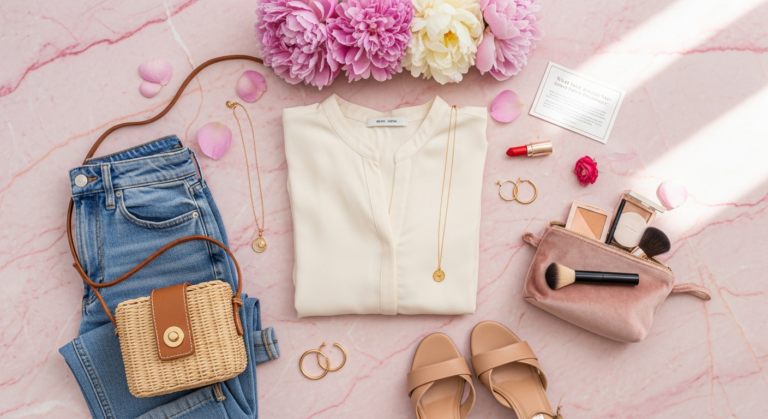
Affordable Sustainable Fashion: Your Ultimate Guide to Eco-Chic Style on a Budget
By fashiongoggled Editorial Team — Senior editors with 10+ years of subject-matter experience.
Published 2026-05-26 · Last Updated 2026-05-26
Affiliate disclosure: This article may contain affiliate links. Recommendations are independent and editorially driven.
In the dynamic world of women’s fashion, a powerful movement is taking root, transforming how we think about our wardrobes: affordable sustainable fashion. For too long, the narrative has been that ethical choices come with a hefty price tag, making them inaccessible to the average consumer. However, at fashiongoggled, we believe that looking good and doing good should never be mutually exclusive, nor should they break the bank. This comprehensive guide will demystify affordable sustainable fashion, empowering you to make conscious choices that align with your values, enhance your personal style, and respect your budget.
The allure of fast fashion, with its ever-changing trends and rock-bottom prices, has long dominated the industry. Yet, its true cost—environmental degradation, inhumane labor practices, and mountains of textile waste—is becoming increasingly clear. Consumers are waking up, seeking alternatives that offer both style and substance. The good news? The landscape of sustainable fashion is evolving rapidly, with more brands, resources, and strategies emerging to make it genuinely affordable and accessible.
From mastering the art of secondhand shopping to discovering innovative eco-friendly brands that won’t empty your wallet, we’ll equip you with the knowledge and tools to curate a wardrobe that is not only stylish and on-trend but also kind to the planet and its people. Get ready to embark on a journey towards a more mindful, beautiful, and budget-friendly fashion future. This isn’t just about clothes; it’s about a lifestyle—a commitment to conscious consumption that ripples far beyond your closet.
The Imperative: Why Affordable Sustainable Fashion is More Than a Trend
Sustainable fashion isn’t a fleeting fad; it’s a critical response to the profound challenges posed by the conventional fashion industry. The demand for affordable sustainable fashion is growing because consumers are increasingly aware of the hidden costs behind their clothing, and they want better options that align with their ethical and environmental concerns. Understanding the “why” behind this movement is the first step towards embracing it fully.
The Environmental Toll of Fast Fashion: A Crisis in Threads
The scale of environmental damage caused by fast fashion is staggering. From raw material extraction to manufacturing, transportation, and disposal, every stage of a garment’s lifecycle leaves a significant ecological footprint.
- Water Depletion and Pollution: Textile production is incredibly water-intensive. Growing conventional cotton, for instance, requires vast amounts of water, often in drought-prone regions. Dyeing and finishing processes also consume enormous quantities of water, discharging toxic wastewater directly into rivers and ecosystems, harming biodiversity and human health.
- Excessive Waste: The rapid cycle of trends encouraged by fast fashion leads to an astronomical amount of textile waste. Millions of tons of clothing end up in landfills annually, where synthetic fabrics can take hundreds of years to decompose, leaching harmful chemicals into the soil and groundwater. Even natural fibers decompose, but they produce methane, a potent greenhouse gas, in anaerobic landfill conditions.
- Carbon Emissions: The global supply chain of fashion, from manufacturing plants powered by fossil fuels to international shipping and frequent air freight, is a major contributor to greenhouse gas emissions, exacerbating climate change. Synthetic fabrics like polyester are derived from petroleum, further linking the industry to fossil fuel dependency.
- Chemical Use: Conventional textile production relies heavily on hazardous chemicals—pesticides for cotton farming, dyes, bleaches, and finishing agents. These chemicals pose risks to agricultural workers, factory employees, local communities, and ultimately, consumers.
- Microplastic Pollution: Synthetic garments release tiny plastic fibers, known as microplastics, every time they are washed. These microplastics travel through wastewater systems, entering oceans and rivers, where they are ingested by marine life and eventually make their way up the food chain, impacting ecosystems and potentially human health.
Ethical Concerns: Human Rights in the Supply Chain
Beyond environmental damage, the conventional fashion industry is plagued by widespread human rights abuses, often hidden deep within complex global supply chains. The drive for ever-cheaper clothing pushes production costs down, often at the expense of garment workers.
- Exploitative Labor Practices: Millions of garment workers, predominantly women, are subjected to poverty wages, forced overtime, and unsafe working conditions. Many earn less than a living wage, making it impossible to meet basic needs for themselves and their families.
- Child Labor: Despite international conventions, child labor remains a persistent problem in some parts of the fashion supply chain, particularly in raw material production and informal factories.
- Unsafe Working Environments: Factories can be poorly constructed, lack proper ventilation, and expose workers to dangerous chemicals without adequate protection. Tragic incidents, like the Rana Plaza factory collapse, underscore the dire need for improved safety standards and transparency.
- Lack of Transparency: The intricate and often opaque nature of global supply chains makes it difficult for consumers and even brands themselves to track where their clothes are made and under what conditions. This lack of transparency allows unethical practices to persist unchecked.
Economic Accessibility: Why Sustainability Needs to Be for Everyone
For too long, sustainable fashion has been perceived as a luxury, accessible only to those with significant disposable income. This perception is a major barrier to widespread adoption and contradicts the very spirit of sustainability, which aims for equity and universal well-being. Affordable sustainable fashion seeks to dismantle this barrier.
- Bridging the Price Gap: The goal is to make ethical and eco-friendly clothing available at price points comparable to, or even lower than, quality fast fashion items. This involves innovative business models, economies of scale for sustainable materials, and a shift in consumer behavior towards valuing longevity over disposability.
- Democratizing Ethical Choices: If sustainable options remain exclusive, the movement cannot achieve its full potential. Affordable options empower a broader demographic to participate, fostering a collective shift towards more responsible consumption.
- Long-Term Value: While some sustainable pieces might have a higher initial cost, they are often designed for durability and timelessness, meaning they last longer and offer better cost-per-wear. Investing in fewer, higher-quality items reduces the need for frequent replacements, saving money in the long run.
- Beyond New Purchases: Affordability in sustainable fashion extends beyond purchasing new items from ethical brands. It encompasses strategies like secondhand shopping, clothing swaps, DIY repairs, and capsule wardrobes, all of which are inherently budget-friendly and reduce demand for new production.
Embracing affordable sustainable fashion is not just a personal choice for style; it’s a powerful act of defiance against an unsustainable system. It’s about demanding a fashion industry that respects both people and the planet, proving that conscious style doesn’t have to come at an exorbitant price.
Decoding Sustainable Fashion: Core Principles for Smart Choices

Navigating the world of sustainable fashion can feel overwhelming with its jargon and myriad claims. To truly embrace affordable sustainable fashion, it’s crucial to understand the foundational principles that define ethical and eco-conscious clothing. This knowledge empowers you to cut through the “greenwashing” and make truly informed decisions.
[INLINE IMAGE 1: place after second H2 | alt=”affordable sustainable fashion concept illustration”]
Understanding Certifications and Labels: Your Guiding Stars
Certifications provide third-party verification that a product or process meets specific environmental, social, or ethical standards. While not exhaustive, they offer a trustworthy starting point for identifying genuinely sustainable items.
- GOTS (Global Organic Textile Standard): One of the most respected certifications for organic fibers. GOTS ensures that textiles are produced organically from fiber to finished product, including strict ecological and social criteria throughout the supply chain (e.g., no toxic dyes, fair labor practices). If a garment is GOTS certified, you can be confident in its organic integrity and ethical production.
- Fair Trade Certified: Focuses specifically on social criteria, ensuring fair wages, safe working conditions, and community development for workers in the supply chain. While not directly an environmental certification, fair labor practices often go hand-in-hand with more responsible production methods.
- OEKO-TEX Standard 100: This certification guarantees that products (and all their components, including threads, buttons, and other accessories) have been tested for harmful substances and are therefore harmless for human health. It doesn’t certify organic origin or ethical labor, but it ensures chemical safety.
- B Corp Certification: While not specific to fashion, B Corporations are businesses that meet high standards of verified social and environmental performance, public transparency, and legal accountability to balance profit and purpose. A B Corp fashion brand is likely to have a holistic commitment to sustainability.
- Bluesign® System: This system provides solutions for sustainable textile production. It eliminates harmful substances from the beginning of the manufacturing process and sets standards for environmentally friendly and safe production.
- Recycled Content Standards (e.g., GRS – Global Recycled Standard): Certifies products made with recycled materials, verifying the recycled content and ensuring responsible social, environmental, and chemical practices in their production.
When shopping, look for these labels. They indicate a brand’s commitment beyond mere marketing claims, offering a layer of assurance for your affordable sustainable fashion choices.
Prioritizing Materials: The Foundation of Sustainability
The type of fabric a garment is made from significantly impacts its environmental footprint. Choosing sustainable materials is a cornerstone of an eco-conscious wardrobe.
- Natural Fibers (Low Impact):
- Organic Cotton: Grown without harmful pesticides, synthetic fertilizers, or GMOs. It uses significantly less water and energy than conventional cotton and promotes healthier soil. Look for GOTS certified organic cotton.
- Linen: Made from flax plants, linen is naturally strong, durable, and requires minimal water and pesticides to grow. It’s also fully biodegradable.
- Hemp: Similar to flax, hemp is a highly sustainable crop. It grows quickly, requires little water, enriches the soil, and produces strong, long-lasting fibers.
- Ramie: Another natural bast fiber, often compared to linen, with good strength and luster. Requires minimal chemicals to grow.
- Regenerated Cellulosic Fibers (Innovative & Closed-Loop):
- Tencel™ Lyocell and Modal: Brand names for lyocell and modal fibers produced by Lenzing AG. These are made from sustainably sourced wood pulp through a closed-loop process that recovers and reuses solvents, minimizing waste and pollution. They are known for their softness, breathability, and durability.
- ECONYL® (Recycled Nylon): Made from regenerated nylon waste (fishing nets, carpet scraps, industrial plastic), ECONYL® offers a circular solution, diverting waste from landfills and oceans while performing like virgin nylon.
- Recycled Fibers:
- Recycled Polyester (rPET): Made from recycled plastic bottles, rPET diverts plastic waste from landfills and reduces the need for virgin petroleum. While it’s still a synthetic, it’s a better alternative to new polyester.
- Recycled Cotton: Made from pre-consumer (fabric scraps) or post-consumer (old clothes) cotton waste, reducing textile landfill waste and conserving resources.
- Materials to Approach with Caution or Avoid (Conventional):
- Conventional Cotton: Extremely water-intensive and heavily reliant on pesticides.
- Virgin Polyester, Nylon, Acrylic: Petroleum-based synthetics that are not biodegradable, contribute to microplastic pollution, and require significant energy to produce.
- Conventional Rayon/Viscose: While made from wood pulp, conventional rayon production often involves highly polluting chemical processes and deforestation. Look for certified eco-friendly versions like Tencel™ or Lenzing™ EcoVero™.
- Conventional Leather: Often involves polluting tanning processes and raises ethical concerns about animal welfare. Look for plant-based alternatives or chrome-free tanned leather.
Circularity and Longevity: Design for a Sustainable Future
True sustainability extends beyond initial production to the entire lifecycle of a garment. Circular fashion aims to keep resources in use for as long as possible, extracting maximum value from them, and then recovering and regenerating products and materials at the end of their service life.
- Design for Durability: Sustainable garments are made to last. This means high-quality construction, strong seams, durable fabrics, and timeless designs that won’t quickly go out of style. Investing in well-made items reduces the need for frequent replacements.
- Repairability: Can a garment be easily repaired? Are spare buttons provided? Is the design simple enough to be mended? Brands committed to longevity often consider repairability in their design process.
- Recyclability and Upcyclability: At the very end of its life, can a garment be recycled into new fibers or upcycled into a new product? Monomaterial garments (made from a single type of fiber) are generally easier to recycle than blends.
- Minimizing Waste (Pre- and Post-Consumer): Sustainable brands strive to minimize waste at every stage—from efficient pattern cutting that reduces fabric scraps to take-back programs that recycle old garments.
- Timelessness and Versatility: A truly sustainable wardrobe leans towards classic, versatile pieces that can be mixed and matched, styled in various ways, and transcend seasonal trends. This reduces the urge to constantly buy new items.
By understanding these core principles, you can confidently navigate the vast world of fashion and make choices that support affordable sustainable fashion practices, benefiting both your wardrobe and the planet.
Your Wallet-Friendly Guide to Building a Sustainable Wardrobe
One of the biggest misconceptions about sustainable fashion is that it’s prohibitively expensive. This couldn’t be further from the truth. In fact, many of the most impactful sustainable practices are inherently budget-friendly. Building an affordable sustainable wardrobe is not about replacing everything you own with expensive new ethical brands; it’s about shifting your mindset, maximizing what you have, and making smarter purchasing decisions. Here’s how to do it.
Thrifting and Secondhand Shopping: A Treasure Hunter’s Paradise
Secondhand shopping is arguably the most sustainable and affordable way to acquire clothing. By extending the life of existing garments, you prevent them from ending up in landfills, reduce demand for new production, and often find unique, high-quality pieces at a fraction of their original cost.
- Online Marketplaces:
- Poshmark: Great for finding branded items, from high-street to designer, often with good discounts. You can negotiate prices and bundles.
- Depop: Popular among younger generations, Depop is known for vintage, streetwear, and unique pre-loved items. It’s very visually driven, like Instagram for fashion.
- ThredUp: An online consignment and thrift store that curates items. You can filter by brand, size, style, and condition, making it easy to find specific pieces. They also offer “rescue boxes” for deep discounts.
- Ebay: The original online marketplace, still a powerhouse for finding specific items, vintage gems, and designer steals. Patience and good search terms are key.
- The RealReal / Vestiaire Collective: For pre-owned luxury and designer items. While not always “affordable” in the typical sense, they offer significant savings on high-end pieces, making luxury more accessible and sustainable.
- Local Options:
- Thrift Stores (Goodwill, Salvation Army, local charities): The classic option for budget-friendly finds. Success often depends on location and timing, but the potential for incredible deals is high.
- Consignment Shops: Often more curated than traditional thrift stores, offering higher-quality, sometimes designer, items. Prices are typically higher than thrift stores but still a great value.
- Vintage Boutiques: Specializing in older, unique pieces. Prices can vary widely depending on the era and condition of the garment.
- Flea Markets & Garage Sales: Requires patience and a keen eye, but can yield unexpected treasures at rock-bottom prices.
- Tips for Successful Secondhand Shopping:
- Know Your Measurements: Sizes can be inconsistent across brands and eras. Rely on measurements.
- Inspect Thoroughly: Check for stains, holes, missing buttons, broken zippers, and signs of wear.
- Have an Open Mind: Be willing to try different styles or sizes, as you might find something you love unexpectedly.
- Visualize Potential: Can a piece be easily altered, dyed, or accessorized to fit your style?
- Wash Immediately: Always wash secondhand items before wearing them.
Mastering Sales and Discounts: Ethical Deals Await
Even ethical and sustainable brands hold sales and offer discounts. Patience and strategic shopping can significantly reduce the cost of new, conscientiously made clothing.
- Seasonal Sales: Keep an eye out for end-of-season sales (e.g., winter clearance, summer discounts). Many sustainable brands offer 20-50% off to clear inventory.
- Newsletter Sign-ups: Subscribe to the email newsletters of your favorite sustainable brands. You’ll often receive exclusive discounts, early access to sales, and welcome offers.
- Black Friday/Cyber Monday (with caution): While these sales periods encourage consumption, they can be an opportunity to purchase a high-quality, long-lasting item you genuinely need from a brand you trust, rather than impulse buying.
- Sample Sales & Outlet Stores: Some ethical brands host sample sales or have online outlet sections where you can find past-season items, samples, or slightly imperfect pieces at reduced prices.
- Student/Key Worker Discounts: Check if brands offer special discounts for students or healthcare workers.
- Bundle Deals: Some brands offer discounts when you purchase multiple items (e.g., two for a certain price, or a discount on a set).
Remember, the goal isn’t to buy more, but to buy smarter and make genuinely needed purchases more affordable.
The Art of Swapping and Borrowing: Community & Circularity
Clothing swaps and rental services offer exciting, low-cost, and low-impact ways to refresh your wardrobe without buying anything new.
- Clothing Swaps:
- Host Your Own: Gather friends and family, everyone brings gently used clothes they no longer want, and you swap! It’s a fun, social, and free way to find new-to-you pieces.
- Local Swap Events: Check community centers, local eco-groups, or online platforms for organized clothing swap events in your area.
- Clothing Rental Services:
- Rent the Runway, Nuuly, etc.: These services allow you to rent high-quality and even designer garments for special occasions or to experiment with new styles without the commitment of purchase. It’s an excellent way to access luxury items sustainably and affordably.
- Local Libraries of Things: Some communities have “libraries of things” where you can borrow tools, kitchen appliances, and sometimes even clothing or accessories for events.
DIY and Upcycling: Unleash Your Inner Designer
Transforming what you already own is not only incredibly affordable but also deeply creative and fulfilling. It breathes new life into neglected garments.
- Repair:
- Basic Mending: Learn how to sew on a button, mend a small tear, or re-hem a skirt. These basic skills can significantly extend the life of your clothes.
- Visible Mending: Embrace the art of visible mending (e.g., sashiko stitching). It’s a beautiful way to repair items and add character.
- Professional Repairs: For more complex issues, a local tailor or seamstress can work wonders, often at a reasonable cost, saving a beloved garment from the landfill.
- Upcycling & Alterations:
- Reshaping: Turn a long dress into a midi, a maxi skirt into a mini, or a pair of jeans into shorts.
- Dyeing: Give new life to faded or stained items with fabric dye. Natural dyes offer an even more sustainable option.
- Embellishment: Add embroidery, patches, new buttons, or lace to personalize and refresh an old item.
- Re-purposing: Turn old t-shirts into cleaning rags, tote bags, or even yarn for knitting. Old denim can become quilts or accessories.
By integrating these strategies into your approach to fashion, you’ll discover that building an affordable sustainable wardrobe is not only achievable but also incredibly rewarding. It’s a journey of mindful consumption that empowers your style and supports a healthier planet.
Spotlight on Brands: Where Affordability Meets Ethics
The landscape of ethical fashion is continuously evolving, with more brands emerging that prioritize both sustainability and accessible pricing. While “affordable” can be subjective, here we focus on brands that offer a better cost-per-wear value, utilize sustainable practices, and generally fall into a mid-range price bracket, making them more attainable than high-end luxury ethical labels. Finding truly affordable sustainable fashion requires a bit of research, but the rewards are well worth the effort.
[INLINE IMAGE 2: place after fourth H2 | alt=”affordable sustainable fashion comparison illustration”]
Emerging Brands to Watch: Innovation and Values
Many smaller, innovative brands are leading the charge in making sustainable fashion more accessible. They often have transparent supply chains and a strong commitment to their mission.
- For Basics & Loungewear: Look for brands specializing in organic cotton basics or Tencel™ loungewear. They often prioritize comfort, durability, and a clean aesthetic.
- Example: Brands that focus on organic cotton tees, leggings, and underwear. These foundations are crucial for a sustainable wardrobe and often come at reasonable price points, especially during sales.
- For Activewear: A growing number of brands are using recycled polyester or natural fibers for activewear.
- Example: Companies creating stylish and functional leggings and tops from recycled plastic bottles, proving performance doesn’t have to compromise sustainability.
- For Unique Pieces: Some brands specialize in upcycled or deadstock fabric garments, offering limited runs of truly unique items.
- Example: Small businesses creating unique dresses or skirts from remnant fabrics, reducing textile waste and offering distinct styles.
The key with emerging brands is to verify their claims. Look for detailed “About Us” or “Sustainability” pages on their websites, check for certifications, and read reviews.
Established Brands Making Strides: Shifting Towards Sustainability
Even larger, more established retailers are beginning to incorporate sustainable practices into their collections, often offering more budget-friendly options due to economies of scale. While their entire operation might not be 100% sustainable, their dedicated eco-conscious lines can be a good entry point for affordable sustainable fashion.
- H&M Conscious / Zara Join Life (Approach with caution): While these initiatives are a step in the right direction, utilizing organic cotton or recycled materials, it’s important to remember they are still part of fast fashion giants. Their overall business model still encourages high consumption. However, for those on a very strict budget, choosing an item from these lines made with more sustainable materials is a better choice than their conventional offerings.
- Everlane: Known for “radical transparency,” Everlane aims to show customers the true cost of their products. They use sustainable materials like organic cotton, recycled cashmere, and recycled polyester, and partner with ethical factories. Their price points are generally mid-range, offering good value for quality basics.
- PACT: Specializing in organic cotton basics, loungewear, and activewear, PACT is GOTS Certified and Fair Trade Certified. Their prices are very competitive for organic clothing, making them an excellent choice for everyday essentials.
- REFORMATION (Mid-range to higher-end affordable): While leaning towards the higher end of “affordable,” Reformation is known for its beautiful, trend-conscious designs made with sustainable materials (Tencel, linen, recycled fabrics) and transparent supply chain. They offer excellent cost-per-wear for stylish pieces.
- Target’s Sustainably Made collections (Specific brands/lines): Target has been increasing its offerings of “sustainably made” products, often in collaboration with eco-conscious brands or through their own lines using recycled content or organic materials.
Navigating “Greenwashing”: How to Spot Genuine Efforts
As sustainable fashion gains traction, so does “greenwashing”—the practice of making unsubstantiated or misleading claims about the environmental benefits of a product or company. Being able to identify greenwashing is crucial for making truly informed choices in affordable sustainable fashion.
- Vague Buzzwords: Be wary of terms like “eco-friendly,” “natural,” “green,” or “sustainable” without specific details or certifications to back them up. What exactly makes it “eco-friendly”?
- Lack of Transparency: A truly sustainable brand will be open about its supply chain, factory locations, material sourcing, and labor practices. If a brand is secretive about these details, it’s a red flag. Look for detailed sustainability reports, factory lists, and material breakdowns.
- Focus on a Single Green Attribute: A brand might highlight one positive aspect (e.g., “uses organic cotton”) while ignoring other problematic areas (e.g., poor labor conditions, high carbon footprint). Holistic sustainability considers the entire lifecycle and supply chain.
- False Certifications or Labels: Some companies create their own “certifications” that have no external validation. Always check if a certification is from a reputable third-party organization (like GOTS, Fair Trade, OEKO-TEX).
- Misleading Imagery: Pictures of lush green fields or smiling workers don’t automatically mean ethical practices. Look beyond the aesthetic to the substance of their claims.
- Price Too Good to Be True: If a garment from an “ethical” brand is priced similarly to fast fashion, especially for complex items, question how they manage to achieve that price while maintaining fair wages and sustainable production costs. Sustainable production often costs more, even if it aims for affordability.
To avoid greenwashing, do your research. Check independent review sites, sustainability directories, and platforms like Good On You, which rates brands based on their impact on people, the planet, and animals.
Comparison Table: Affordable Sustainable Fashion Brands
Here’s a comparison of some brands that offer a balance of sustainability and affordability, helping you navigate your choices.
| Brand | Sustainability Focus | Typical Price Point (of single items) | Key Products / Strengths | What to Look For |
|---|---|---|---|---|
| Pact | GOTS Organic Cotton, Fair Trade Certified, Recycled packaging | $$ (affordable basics) | Organic cotton basics, underwear, loungewear, activewear for women, men, and kids | Excellent for everyday essentials, frequent sales make it even more affordable. |
| Everlane | Radical Transparency, Ethical Factories, Organic Cotton, Recycled Materials | $$-$$$ (mid-range for quality) | Classic, minimalist styles, denim, cashmere, outerwear, essentials | Quality basics designed to last, transparent pricing, good sales. |
| ThredUp (Secondhand) | Circular Fashion, Waste Reduction, Reuse | $ (variable, very affordable) | Wide range of pre-owned clothing from various brands, all styles | Best for budget and maximum sustainability, requires sifting, but great finds possible. |
| Tentree | Sustainable materials (Tencel, organic cotton, recycled poly), Plants 10 trees per item | $$-$$$ (mid-range, conscious casual) | Casual wear, activewear, outerwear with a focus on comfortable, durable fabrics | Strong environmental mission, excellent quality for active and casual wear. |
| Quince | Sustainable materials (organic cotton, linen, silk, cashmere), Factory partnerships | $$ (affordable luxury) | Direct-to-consumer model for cashmere, linen, silk, leather, and jewelry | Offers high-quality, sustainable materials at surprisingly low prices by cutting out middlemen. |
| Girlfriend Collective | Recycled materials (PET bottles, fishing nets), SA8000 Certified factory, Recyclable packaging | $$-$$$ (mid-range activewear) | Activewear (leggings, bras, shorts) and loungewear made from recycled plastics | Sustainable activewear with inclusive sizing, vibrant colors, and good quality. |
This table highlights how diverse the landscape of affordable sustainable fashion has become. By focusing on brands with clear commitments and transparent practices, you can build a wardrobe that feels good in every sense.
Cultivating Longevity: Care, Repair, and Mindful Consumption
One of the most powerful and often overlooked aspects of affordable sustainable fashion lies not in what you buy, but in how you treat what you already own. Extending the lifespan of your clothing significantly reduces its environmental impact, saves you money, and fosters a more meaningful connection with your wardrobe. Cultivating longevity is a cornerstone of true sustainability.
The Power of Proper Garment Care: Extending Life Through Simple Habits
Many garments are discarded prematurely due to improper care. Adopting mindful laundry habits can dramatically increase the lifespan of your clothes and reduce your environmental footprint.
- Wash Less Frequently: Not every item needs to be washed after every wear. Outerwear, jeans, and sweaters can often be worn multiple times before needing a wash. Spot clean minor spills, and air out garments between wears to refresh them.
- Use Cold Water: Washing in cold water consumes significantly less energy than hot water, reducing your electricity bill and carbon emissions. It also helps prevent colors from fading and fabrics from shrinking or degrading.
- Choose Gentle Cycles and Detergents: Harsh detergents and aggressive wash cycles can damage fibers over time. Opt for eco-friendly, biodegradable detergents and select gentle or delicate cycles, especially for sensitive fabrics.
- Air Dry Whenever Possible: Tumble dryers are energy hogs and can be harsh on fabrics, causing shrinkage, fading, and wear. Air drying (on a line or rack) saves energy, is gentler on clothes, and helps them last longer. If you must tumble dry, use a low heat setting and consider wool dryer balls to speed up drying time and reduce static.
- Proper Storage: Store clothes correctly to maintain their shape and condition. Fold sweaters to prevent stretching, hang structured items on appropriate hangers, and keep clothes in a clean, dry, and moth-free environment.
- Read Care Labels: While often overlooked, care labels provide specific instructions from the manufacturer tailored to the garment’s material and construction. Following them is the best way to preserve your clothing.
Embracing Repair: Mending as a Revolutionary Act
In a disposable society, repairing clothes is a quiet act of rebellion. It challenges the throwaway culture and empowers you to be an active participant in your wardrobe’s longevity. It’s also incredibly cost-effective compared to buying new.
- Basic Mending Skills:
- Sewing on Buttons: A loose or missing button is one of the easiest fixes. Keep a needle, thread, and spare buttons handy.
- Mending Seams: A simple hand stitch or a quick run on a sewing machine can reinforce a popped seam.
- Patching Small Holes: For small tears or holes, especially in jeans or casual wear, a simple patch can extend life. Consider visible mending techniques for a creative touch.
- Hemming: A fallen hem is a quick fix that makes a garment look tidy again.
- Seeking Professional Help: For more complex repairs, alterations, or tailoring, don’t hesitate to visit a local seamstress or tailor. They can often work wonders, transforming ill-fitting clothes or making significant repairs at a fraction of the cost of a new garment. Investing in professional alteration can also make a garment you thrifted fit you perfectly, making it feel brand new.
- Repair Cafes and Workshops: Look for local “repair cafes” or workshops where volunteers teach mending skills and help fix items for free or a small fee. These community initiatives promote repair culture and combat waste.
- Embrace Imperfection: A repaired garment tells a story. Embrace the visible mends as part of its unique character, a testament to its longevity and your commitment to sustainability.
Rethinking Your Relationship with Clothes: Beyond Transactional
At the heart of affordable sustainable fashion is a fundamental shift in how we perceive and interact with our clothes. It moves beyond a purely transactional relationship to one of appreciation, mindfulness, and stewardship.
- Value Over Volume: Instead of chasing fleeting trends and accumulating vast quantities of inexpensive items, focus on acquiring fewer, higher-quality pieces that you truly love and that will last. This “cost-per-wear” philosophy means a more expensive but durable item can be more affordable in the long run than multiple cheap items that quickly fall apart.
- Mindful Purchasing: Before buying, ask yourself: Do I truly need this? Does it fit my existing wardrobe? Will I wear it at least 30 times (the #30Wears challenge)? Is it made ethically and sustainably? These questions help curb impulse purchases.
- Emotional Connection: Develop a stronger emotional connection to your clothes. Appreciate the craftsmanship, the story behind the garment, and the memories you make in it. When you value your clothes, you’re more likely to care for them and keep them longer.
- Define Your Personal Style: Understand what truly suits you, what makes you feel confident, and what aligns with your lifestyle. This clarity reduces the desire to buy into every trend and helps you curate a cohesive, long-lasting wardrobe.
- Re-wear and Re-style: Challenge yourself to re-wear items in different ways. Experiment with accessories, layering, and styling tricks to create fresh looks from your existing wardrobe. This creativity reduces the perceived need for new clothes.
By integrating mindful care, embracing repair, and fostering a deeper appreciation for your garments, you transform your approach to fashion into a powerful force for sustainability and personal financial well-being. This shift is integral to making affordable sustainable fashion a reality in your daily life.
The Capsule Wardrobe: A Sustainable Staple for Every Budget
The concept of a capsule wardrobe aligns perfectly with affordable sustainable fashion. It’s a minimalist approach to dressing that involves curating a small collection of versatile, high-quality items that can be mixed and matched to create numerous outfits. This strategy not only simplifies decision-making and fosters personal style but also dramatically reduces consumption, saves money, and minimizes fashion’s environmental impact.
Defining Your Style and Needs: The Foundation of Your Capsule
Before you start decluttering or shopping, it’s crucial to understand your current lifestyle, preferences, and what truly makes you feel good. This self-assessment forms the bedrock of a successful and sustainable capsule wardrobe.
- Assess Your Lifestyle: What does your typical week look like? Do you need mostly professional attire, casual wear, activewear, or a mix? How much time do you spend at home versus out? Your wardrobe should serve your actual life, not an aspirational one.
- Identify Your Color Palette: Choose a core set of neutral colors (black, white, navy, grey, beige) that form the base of your wardrobe. Then, select 2-3 accent colors that you love and that complement your neutrals. This ensures everything mixes and matches seamlessly.
- Understand Your Body Shape and Personal Style: What silhouettes flatter you most? What styles make you feel confident and comfortable? Identifying your preferred aesthetic (e.g., minimalist, bohemian, classic, edgy)
Affordable Sustainable Fashion: Your Ultimate Guide to Eco-Chic Style on a Budget
By fashiongoggled Editorial Team — Senior editors with 10+ years of subject-matter experience.
Published 2026-05-26 · Last Updated 2026-05-26Affiliate disclosure: This article may contain affiliate links. Recommendations are independent and editorially driven.
In the dynamic world of women’s fashion, a powerful movement is taking root, transforming how we think about our wardrobes: affordable sustainable fashion. For too long, the narrative has been that ethical choices come with a hefty price tag, making them inaccessible to the average consumer. However, at fashiongoggled, we believe that looking good and doing good should never be mutually exclusive, nor should they break the bank. This comprehensive guide will demystify affordable sustainable fashion, empowering you to make conscious choices that align with your values, enhance your personal style, and respect your budget.
The allure of fast fashion, with its ever-changing trends and rock-bottom prices, has long dominated the industry. Yet, its true cost—environmental degradation, inhumane labor practices, and mountains of textile waste—is becoming increasingly clear. Consumers are waking up, seeking alternatives that offer both style and substance. The good news? The landscape of sustainable fashion is evolving rapidly, with more brands, resources, and strategies emerging to make it genuinely affordable and accessible.
From mastering the art of secondhand shopping to discovering innovative eco-friendly brands that won’t empty your wallet, we’ll equip you with the knowledge and tools to curate a wardrobe that is not only stylish and on-trend but also kind to the planet and its people. Get ready to embark on a journey towards a more mindful, beautiful, and budget-friendly fashion future. This isn’t just about clothes; it’s about a lifestyle—a commitment to conscious consumption that ripples far beyond your closet.
The Imperative: Why Affordable Sustainable Fashion is More Than a Trend
Sustainable fashion isn’t a fleeting fad; it’s a critical response to the profound challenges posed by the conventional fashion industry. The demand for affordable sustainable fashion is growing because consumers are increasingly aware of the hidden costs behind their clothing, and they want better options that align with their ethical and environmental concerns. Understanding the “why” behind this movement is the first step towards embracing it fully.
The Environmental Toll of Fast Fashion: A Crisis in Threads
The scale of environmental damage caused by fast fashion is staggering. From raw material extraction to manufacturing, transportation, and disposal, every stage of a garment’s lifecycle leaves a significant ecological footprint.
- Water Depletion and Pollution: Textile production is incredibly water-intensive. Growing conventional cotton, for instance, requires vast amounts of water, often in drought-prone regions. Dyeing and finishing processes also consume enormous quantities of water, discharging toxic wastewater directly into rivers and ecosystems, harming biodiversity and human health.
- Excessive Waste: The rapid cycle of trends encouraged by fast fashion leads to an astronomical amount of textile waste. Millions of tons of clothing end up in landfills annually, where synthetic fabrics can take hundreds of years to decompose, leaching harmful chemicals into the soil and groundwater. Even natural fibers decompose, but they produce methane, a potent greenhouse gas, in anaerobic landfill conditions.
- Carbon Emissions: The global supply chain of fashion, from manufacturing plants powered by fossil fuels to international shipping and frequent air freight, is a major contributor to greenhouse gas emissions, exacerbating climate change. Synthetic fabrics like polyester are derived from petroleum, further linking the industry to fossil fuel dependency.
- Chemical Use: Conventional textile production relies heavily on hazardous chemicals—pesticides for cotton farming, dyes, bleaches, and finishing agents. These chemicals pose risks to agricultural workers, factory employees, local communities, and ultimately, consumers.
- Microplastic Pollution: Synthetic garments release tiny plastic fibers, known as microplastics, every time they are washed. These microplastics travel through wastewater systems, entering oceans and rivers, where they are ingested by marine life and eventually make their way up the food chain, impacting ecosystems and potentially human health.
Ethical Concerns: Human Rights in the Supply Chain
Beyond environmental damage, the conventional fashion industry is plagued by widespread human rights abuses, often hidden deep within complex global supply chains. The drive for ever-cheaper clothing pushes production costs down, often at the expense of garment workers.
- Exploitative Labor Practices: Millions of garment workers, predominantly women, are subjected to poverty wages, forced overtime, and unsafe working conditions. Many earn less than a living wage, making it impossible to meet basic needs for themselves and their families.
- Child Labor: Despite international conventions, child labor remains a persistent problem in some parts of the fashion supply chain, particularly in raw material production and informal factories.
- Unsafe Working Environments: Factories can be poorly constructed, lack proper ventilation, and expose workers to dangerous chemicals without adequate protection. Tragic incidents, like the Rana Plaza factory collapse, underscore the dire need for improved safety standards and transparency.
- Lack of Transparency: The intricate and often opaque nature of global supply chains makes it difficult for consumers and even brands themselves to track where their clothes are made and under what conditions. This lack of transparency allows unethical practices to persist unchecked.
Economic Accessibility: Why Sustainability Needs to Be for Everyone
For too long, sustainable fashion has been perceived as a luxury, accessible only to those with significant disposable income. This perception is a major barrier to widespread adoption and contradicts the very spirit of sustainability, which aims for equity and universal well-being. Affordable sustainable fashion seeks to dismantle this barrier.
- Bridging the Price Gap: The goal is to make ethical and eco-friendly clothing available at price points comparable to, or even lower than, quality fast fashion items. This involves innovative business models, economies of scale for sustainable materials, and a shift in consumer behavior towards valuing longevity over disposability.
- Democratizing Ethical Choices: If sustainable options remain exclusive, the movement cannot achieve its full potential. Affordable options empower a broader demographic to participate, fostering a collective shift towards more responsible consumption.
- Long-Term Value: While some sustainable pieces might have a higher initial cost, they are often designed for durability and timelessness, meaning they last longer and offer better cost-per-wear. Investing in fewer, higher-quality items reduces the need for frequent replacements, saving money in the long run.
- Beyond New Purchases: Affordability in sustainable fashion extends beyond purchasing new items from ethical brands. It encompasses strategies like secondhand shopping, clothing swaps, DIY repairs, and capsule wardrobes, all of which are inherently budget-friendly and reduce demand for new production.
Embracing affordable sustainable fashion is not just a personal choice for style; it’s a powerful act of defiance against an unsustainable system. It’s about demanding a fashion industry that respects both people and the planet, proving that conscious style doesn’t have to come at an exorbitant price.
Decoding Sustainable Fashion: Core Principles for Smart Choices
Navigating the world of sustainable fashion can feel overwhelming with its jargon and myriad claims. To truly embrace affordable sustainable fashion, it’s crucial to understand the foundational principles that define ethical and eco-conscious clothing. This knowledge empowers you to cut through the “greenwashing” and make truly informed decisions.
[INLINE IMAGE 1: place after second H2 | alt=”affordable sustainable fashion concept illustration”]
Understanding Certifications and Labels: Your Guiding Stars
Certifications provide third-party verification that a product or process meets specific environmental, social, or ethical standards. While not exhaustive, they offer a trustworthy starting point for identifying genuinely sustainable items.
- GOTS (Global Organic Textile Standard): One of the most respected certifications for organic fibers. GOTS ensures that textiles are produced organically from fiber to finished product, including strict ecological and social criteria throughout the supply chain (e.g., no toxic dyes, fair labor practices). If a garment is GOTS certified, you can be confident in its organic integrity and ethical production.
- Fair Trade Certified: Focuses specifically on social criteria, ensuring fair wages, safe working conditions, and community development for workers in the supply chain. While not directly an environmental certification, fair labor practices often go hand-in-hand with more responsible production methods.
- OEKO-TEX Standard 100: This certification guarantees that products (and all their components, including threads, buttons, and other accessories) have been tested for harmful substances and are therefore harmless for human health. It doesn’t certify organic origin or ethical labor, but it ensures chemical safety.
- B Corp Certification: While not specific to fashion, B Corporations are businesses that meet high standards of verified social and environmental performance, public transparency, and legal accountability to balance profit and purpose. A B Corp fashion brand is likely to have a holistic commitment to sustainability.
- Bluesign® System: This system provides solutions for sustainable textile production. It eliminates harmful substances from the beginning of the manufacturing process and sets standards for environmentally friendly and safe production.
- Recycled Content Standards (e.g., GRS – Global Recycled Standard): Certifies products made with recycled materials, verifying the recycled content and ensuring responsible social, environmental, and chemical practices in their production.
When shopping, look for these labels. They indicate a brand’s commitment beyond mere marketing claims, offering a layer of assurance for your affordable sustainable fashion choices.
Prioritizing Materials: The Foundation of Sustainability
The type of fabric a garment is made from significantly impacts its environmental footprint. Choosing sustainable materials is a cornerstone of an eco-conscious wardrobe.
- Natural Fibers (Low Impact):
- Organic Cotton: Grown without harmful pesticides, synthetic fertilizers, or GMOs. It uses significantly less water and energy than conventional cotton and promotes healthier soil. Look for GOTS certified organic cotton.
- Linen: Made from flax plants, linen is naturally strong, durable, and requires minimal water and pesticides to grow. It’s also fully biodegradable.
- Hemp: Similar to flax, hemp is a highly sustainable crop. It grows quickly, requires little water, enriches the soil, and produces strong, long-lasting fibers.
- Ramie: Another natural bast fiber, often compared to linen, with good strength and luster. Requires minimal chemicals to grow.
- Regenerated Cellulosic Fibers (Innovative & Closed-Loop):
- Tencel™ Lyocell and Modal: Brand names for lyocell and modal fibers produced by Lenzing AG. These are made from sustainably sourced wood pulp through a closed-loop process that recovers and reuses solvents, minimizing waste and pollution. They are known for their softness, breathability, and durability.
- ECONYL® (Recycled Nylon): Made from regenerated nylon waste (fishing nets, carpet scraps, industrial plastic), ECONYL® offers a circular solution, diverting waste from landfills and oceans while performing like virgin nylon.
- Recycled Fibers:
- Recycled Polyester (rPET): Made from recycled plastic bottles, rPET diverts plastic waste from landfills and reduces the need for virgin petroleum. While it’s still a synthetic, it’s a better alternative to new polyester.
- Recycled Cotton: Made from pre-consumer (fabric scraps) or post-consumer (old clothes) cotton waste, reducing textile landfill waste and conserving resources.
- Materials to Approach with Caution or Avoid (Conventional):
- Conventional Cotton: Extremely water-intensive and heavily reliant on pesticides.
- Virgin Polyester, Nylon, Acrylic: Petroleum-based synthetics that are not biodegradable, contribute to microplastic pollution, and require significant energy to produce.
- Conventional Rayon/Viscose: While made from wood pulp, conventional rayon production often involves highly polluting chemical processes and deforestation. Look for certified eco-friendly versions like Tencel™ or Lenzing™ EcoVero™.
- Conventional Leather: Often involves polluting tanning processes and raises ethical concerns about animal welfare. Look for plant-based alternatives or chrome-free tanned leather.
Circularity and Longevity: Design for a Sustainable Future
True sustainability extends beyond initial production to the entire lifecycle of a garment. Circular fashion aims to keep resources in use for as long as possible, extracting maximum value from them, and then recovering and regenerating products and materials at the end of their service life.
- Design for Durability: Sustainable garments are made to last. This means high-quality construction, strong seams, durable fabrics, and timeless designs that won’t quickly go out of style. Investing in well-made items reduces the need for frequent replacements.
- Repairability: Can a garment be easily repaired? Are spare buttons provided? Is the design simple enough to be mended? Brands committed to longevity often consider repairability in their design process.
- Recyclability and Upcyclability: At the very end of its life, can a garment be recycled into new fibers or upcycled into a new product? Monomaterial garments (made from a single type of fiber) are generally easier to recycle than blends.
- Minimizing Waste (Pre- and Post-Consumer): Sustainable brands strive to minimize waste at every stage—from efficient pattern cutting that reduces fabric scraps to take-back programs that recycle old garments.
- Timelessness and Versatility: A truly sustainable wardrobe leans towards classic, versatile pieces that can be mixed and matched, styled in various ways, and transcend seasonal trends. This reduces the urge to constantly buy new items.
By understanding these core principles, you can confidently navigate the vast world of fashion and make choices that support affordable sustainable fashion practices, benefiting both your wardrobe and the planet.
Your Wallet-Friendly Guide to Building a Sustainable Wardrobe
One of the biggest misconceptions about sustainable fashion is that it’s prohibitively expensive. This couldn’t be further from the truth. In fact, many of the most impactful sustainable practices are inherently budget-friendly. Building an affordable sustainable wardrobe is not about replacing everything you own with expensive new ethical brands; it’s about shifting your mindset, maximizing what you have, and making smarter purchasing decisions. Here’s how to do it.
Thrifting and Secondhand Shopping: A Treasure Hunter’s Paradise
Secondhand shopping is arguably the most sustainable and affordable way to acquire clothing. By extending the life of existing garments, you prevent them from ending up in landfills, reduce demand for new production, and often find unique, high-quality pieces at a fraction of their original cost.
- Online Marketplaces:
- Poshmark: Great for finding branded items, from high-street to designer, often with good discounts. You can negotiate prices and bundles.
- Depop: Popular among younger generations, Depop is known for vintage, streetwear, and unique pre-loved items. It’s very visually driven, like Instagram for fashion.
- ThredUp: An online consignment and thrift store that curates items. You can filter by brand, size, style, and condition, making it easy to find specific pieces. They also offer “rescue boxes” for deep discounts.
- Ebay: The original online marketplace, still a powerhouse for finding specific items, vintage gems, and designer steals. Patience and good search terms are key.
- The RealReal / Vestiaire Collective: For pre-owned luxury and designer items. While not always “affordable” in the typical sense, they offer significant savings on high-end pieces, making luxury more accessible and sustainable.
- Local Options:
- Thrift Stores (Goodwill, Salvation Army, local charities): The classic option for budget-friendly finds. Success often depends on location and timing, but the potential for incredible deals is high.
- Consignment Shops: Often more curated than traditional thrift stores, offering higher-quality, sometimes designer, items. Prices are typically higher than thrift stores but still a great value.
- Vintage Boutiques: Specializing in older, unique pieces. Prices can vary widely depending on the era and condition of the garment.
- Flea Markets & Garage Sales: Requires patience and a keen eye, but can yield unexpected treasures at rock-bottom prices.
- Tips for Successful Secondhand Shopping:
- Know Your Measurements: Sizes can be inconsistent across brands and eras. Rely on measurements.
- Inspect Thoroughly: Check for stains, holes, missing buttons, broken zippers, and signs of wear.
- Have an Open Mind: Be willing to try different styles or sizes, as you might find something you love unexpectedly.
- Visualize Potential: Can a piece be easily altered, dyed, or accessorized to fit your style?
- Wash Immediately: Always wash secondhand items before wearing them.
Mastering Sales and Discounts: Ethical Deals Await
Even ethical and sustainable brands hold sales and offer discounts. Patience and strategic shopping can significantly reduce the cost of new, conscientiously made clothing.
- Seasonal Sales: Keep an eye out for end-of-season sales (e.g., winter clearance, summer discounts). Many sustainable brands offer 20-50% off to clear inventory.
- Newsletter Sign-ups: Subscribe to the email newsletters of your favorite sustainable brands. You’ll often receive exclusive discounts, early access to sales, and welcome offers.
- Black Friday/Cyber Monday (with caution): While these sales periods encourage consumption, they can be an opportunity to purchase a high-quality, long-lasting item you genuinely need from a brand you trust, rather than impulse buying.
- Sample Sales & Outlet Stores: Some ethical brands host sample sales or have online outlet sections where you can find past-season items, samples, or slightly imperfect pieces at reduced prices.
- Student/Key Worker Discounts: Check if brands offer special discounts for students or healthcare workers.
- Bundle Deals: Some brands offer discounts when you purchase multiple items (e.g., two for a certain price, or a discount on a set).
Remember, the goal isn’t to buy more, but to buy smarter and make genuinely needed purchases more affordable.
The Art of Swapping and Borrowing: Community & Circularity
Clothing swaps and rental services offer exciting, low-cost, and low-impact ways to refresh your wardrobe without buying anything new.
- Clothing Swaps:
- Host Your Own: Gather friends and family, everyone brings gently used clothes they no longer want, and you swap! It’s a fun, social, and free way to find new-to-you pieces.
- Local Swap Events: Check community centers, local eco-groups, or online platforms for organized clothing swap events in your area.
- Clothing Rental Services:
- Rent the Runway, Nuuly, etc.: These services allow you to rent high-quality and even designer garments for special occasions or to experiment with new styles without the commitment of purchase. It’s an excellent way to access luxury items sustainably and affordably.
- Local Libraries of Things: Some communities have “libraries of things” where you can borrow tools, kitchen appliances, and sometimes even clothing or accessories for events.
DIY and Upcycling: Unleash Your Inner Designer
Transforming what you already own is not only incredibly affordable but also deeply creative and fulfilling. It breathes new life into neglected garments.
- Repair:
- Basic Mending: Learn how to sew on a button, mend a small tear, or re-hem a skirt. These basic skills can significantly extend the life of your clothes.
- Visible Mending: Embrace the art of visible mending (e.g., sashiko stitching). It’s a beautiful way to repair items and add character.
- Professional Repairs: For more complex issues, a local tailor or seamstress can work wonders, often at a reasonable cost, saving a beloved garment from the landfill.
- Upcycling & Alterations:
- Reshaping: Turn a long dress into a midi, a maxi skirt into a mini, or a pair of jeans into shorts.
- Dyeing: Give new life to faded or stained items with fabric dye. Natural dyes offer an even more sustainable option.
- Embellishment: Add embroidery, patches, new buttons, or lace to personalize and refresh an old item.
- Re-purposing: Turn old t-shirts into cleaning rags, tote bags, or even yarn for knitting. Old denim can become quilts or accessories.
By integrating these strategies into your approach to fashion, you’ll discover that building an affordable sustainable wardrobe is not only achievable but also incredibly rewarding. It’s a journey of mindful consumption that empowers your style and supports a healthier planet.
Spotlight on Brands: Where Affordability Meets Ethics
The landscape of ethical fashion is continuously evolving, with more brands emerging that prioritize both sustainability and accessible pricing. While “affordable” can be subjective, here we focus on brands that offer a better cost-per-wear value, utilize sustainable practices, and generally fall into a mid-range price bracket, making them more attainable than high-end luxury ethical labels. Finding truly affordable sustainable fashion requires a bit of research, but the rewards are well worth the effort.
[INLINE IMAGE 2: place after fourth H2 | alt=”affordable sustainable fashion comparison illustration”]
Emerging Brands to Watch: Innovation and Values
Many smaller, innovative brands are leading the charge in making sustainable fashion more accessible. They often have transparent supply chains and a strong commitment to their mission.
- For Basics & Loungewear: Look for brands specializing in organic cotton basics or Tencel™ loungewear. They often prioritize comfort, durability, and a clean aesthetic.
- Example: Brands that focus on organic cotton tees, leggings, and underwear. These foundations are crucial for a sustainable wardrobe and often come at reasonable price points, especially during sales.
- For Activewear: A growing number of brands are using recycled polyester or natural fibers for activewear.
- Example: Companies creating stylish and functional leggings and tops from recycled plastic bottles, proving performance doesn’t have to compromise sustainability.
- For Unique Pieces: Some brands specialize in upcycled or deadstock fabric garments, offering limited runs of truly unique items.
- Example: Small businesses creating unique dresses or skirts from remnant fabrics, reducing textile waste and offering distinct styles.
The key with emerging brands is to verify their claims. Look for detailed “About Us” or “Sustainability” pages on their websites, check for certifications, and read reviews.
Established Brands Making Strides: Shifting Towards Sustainability
Even larger, more established retailers are beginning to incorporate sustainable practices into their collections, often offering more budget-friendly options due to economies of scale. While their entire operation might not be 100% sustainable, their dedicated eco-conscious lines can be a good entry point for affordable sustainable fashion.
- H&M Conscious / Zara Join Life (Approach with caution): While these initiatives are a step in the right direction, utilizing organic cotton or recycled materials, it’s important to remember they are still part of fast fashion giants. Their overall business model still encourages high consumption. However, for those on a very strict budget, choosing an item from these lines made with more sustainable materials is a better choice than their conventional offerings.
- Everlane: Known for “radical transparency,” Everlane aims to show customers the true cost of their products. They use sustainable materials like organic cotton, recycled cashmere, and recycled polyester, and partner with ethical factories. Their price points are generally mid-range, offering good value for quality basics.
- PACT: Specializing in organic cotton basics, loungewear, and activewear, PACT is GOTS Certified and Fair Trade Certified. Their prices are very competitive for organic clothing, making them an excellent choice for everyday essentials.
- REFORMATION (Mid-range to higher-end affordable): While leaning towards the higher end of “affordable,” Reformation is known for its beautiful, trend-conscious designs made with sustainable materials (Tencel, linen, recycled fabrics) and transparent supply chain. They offer excellent cost-per-wear for stylish pieces.
- Target’s Sustainably Made collections (Specific brands/lines): Target has been increasing its offerings of “sustainably made” products, often in collaboration with eco-conscious brands or through their own lines using recycled content or organic materials.
Navigating “Greenwashing”: How to Spot Genuine Efforts
As sustainable fashion gains traction, so does “greenwashing”—the practice of making unsubstantiated or misleading claims about the environmental benefits of a product or company. Being able to identify greenwashing is crucial for making truly informed choices in affordable sustainable fashion.
- Vague Buzzwords: Be wary of terms like “eco-friendly,” “natural,” “green,” or “sustainable” without specific details or certifications to back them up. What exactly makes it “eco-friendly”?
- Lack of Transparency: A truly sustainable brand will be open about its supply chain, factory locations, material sourcing, and labor practices. If a brand is secretive about these details, it’s a red flag. Look for detailed sustainability reports, factory lists, and material breakdowns.
- Focus on a Single Green Attribute: A brand might highlight one positive aspect (e.g., “uses organic cotton”) while ignoring other problematic areas (e.g., poor labor conditions, high carbon footprint). Holistic sustainability considers the entire lifecycle and supply chain.
- False Certifications or Labels: Some companies create their own “certifications” that have no external validation. Always check if a certification is from a reputable third-party organization (like GOTS, Fair Trade, OEKO-TEX).
- Misleading Imagery: Pictures of lush green fields or smiling workers don’t automatically mean ethical practices. Look beyond the aesthetic to the substance of their claims.
- Price Too Good to Be True: If a garment from an “ethical” brand is priced similarly to fast fashion, especially for complex items, question how they manage to achieve that price while maintaining fair wages and sustainable production costs. Sustainable production often costs more, even if it aims for affordability.
To avoid greenwashing, do your research. Check independent review sites, sustainability directories, and platforms like Good On You, which rates brands based on their impact on people, the planet, and animals.
Comparison Table: Affordable Sustainable Fashion Brands
Here’s a comparison of some brands that offer a balance of sustainability and affordability, helping you navigate your choices.
Brand Sustainability Focus Typical Price Point (of single items) Key Products / Strengths What to Look For Pact GOTS Organic Cotton, Fair Trade Certified, Recycled packaging $$ (affordable basics) Organic cotton basics, underwear, loungewear, activewear for women, men, and kids Excellent for everyday essentials, frequent sales make it even more affordable. Everlane Radical Transparency, Ethical Factories, Organic Cotton, Recycled Materials $$-$$$ (mid-range for quality) Classic, minimalist styles, denim, cashmere, outerwear, essentials Quality basics designed to last, transparent pricing, good sales. ThredUp (Secondhand) Circular Fashion, Waste Reduction, Reuse $ (variable, very affordable) Wide range of pre-owned clothing from various brands, all styles Best for budget and maximum sustainability, requires sifting, but great finds possible. Tentree Sustainable materials (Tencel, organic cotton, recycled poly), Plants 10 trees per item $$-$$$ (mid-range, conscious casual) Casual wear, activewear, outerwear with a focus on comfortable, durable fabrics Strong environmental mission, excellent quality for active and casual wear. Quince Sustainable materials (organic cotton, linen, silk, cashmere), Factory partnerships $$ (affordable luxury) Direct-to-consumer model for cashmere, linen, silk, leather, and jewelry Offers high-quality, sustainable materials at surprisingly low prices by cutting out middlemen. Girlfriend Collective Recycled materials (PET bottles, fishing nets), SA8000 Certified factory, Recyclable packaging $$-$$$ (mid-range activewear) Activewear (leggings, bras, shorts) and loungewear made from recycled plastics Sustainable activewear with inclusive sizing, vibrant colors, and good quality. This table highlights how diverse the landscape of affordable sustainable fashion has become. By focusing on brands with clear commitments and transparent practices, you can build a wardrobe that feels good in every sense.
Cultivating Longevity: Care, Repair, and Mindful Consumption
One of the most powerful and often overlooked aspects of affordable sustainable fashion lies not in what you buy, but in how you treat what you already own. Extending the lifespan of your clothing significantly reduces its environmental impact, saves you money, and fosters a more meaningful connection with your wardrobe. Cultivating longevity is a cornerstone of true sustainability.
The Power of Proper Garment Care: Extending Life Through Simple Habits
Many garments are discarded prematurely due to improper care. Adopting mindful laundry habits can dramatically increase the lifespan of your clothes and reduce your environmental footprint.
- Wash Less Frequently: Not every item needs to be washed after every wear. Outerwear, jeans, and sweaters can often be worn multiple times before needing a wash. Spot clean minor spills, and air out garments between wears to refresh them.
- Use Cold Water: Washing in cold water consumes significantly less energy than hot water, reducing your electricity bill and carbon emissions. It also helps prevent colors from fading and fabrics from shrinking or degrading.
- Choose Gentle Cycles and Detergents: Harsh detergents and aggressive wash cycles can damage fibers over time. Opt for eco-friendly, biodegradable detergents and select gentle or delicate cycles, especially for sensitive fabrics.
- Air Dry Whenever Possible: Tumble dryers are energy hogs and can be harsh on fabrics, causing shrinkage, fading, and wear. Air drying (on a line or rack) saves energy, is gentler on clothes, and helps them last longer. If you must tumble dry, use a low heat setting and consider wool dryer balls to speed up drying time and reduce static.
- Proper Storage: Store clothes correctly to maintain their shape and condition. Fold sweaters to prevent stretching, hang structured items on appropriate hangers, and keep clothes in a clean, dry, and moth-free environment.
- Read Care Labels: While often overlooked, care labels provide specific instructions from the manufacturer tailored to the garment’s material and construction. Following them is the best way to preserve your clothing.
Embracing Repair: Mending as a Revolutionary Act
In a disposable society, repairing clothes is a quiet act of rebellion. It challenges the throwaway culture and empowers you to be an active participant in your wardrobe’s longevity. It’s also incredibly cost-effective compared to buying new.
- Basic Mending Skills:
- Sewing on Buttons: A loose or missing button is one of the easiest fixes. Keep a needle, thread, and spare buttons handy.
- Mending Seams: A simple hand stitch or a quick run on a sewing machine can reinforce a popped seam.
- Patching Small Holes: For small tears or holes, especially in jeans or casual wear, a simple patch can extend life. Consider visible mending techniques for a creative touch.
- Hemming: A fallen hem is a quick fix that makes a garment look tidy again.
- Seeking Professional Help: For more complex repairs, alterations, or tailoring, don’t hesitate to visit a local seamstress or tailor. They can often work wonders, transforming ill-fitting clothes or making significant repairs at a fraction of the cost of a new garment. Investing in professional alteration can also make a garment you thrifted fit you perfectly, making it feel brand new.
- Repair Cafes and Workshops: Look for local “repair cafes” or workshops where volunteers teach mending skills and help fix items for free or a small fee. These community initiatives promote repair culture and combat waste.
- Embrace Imperfection: A repaired garment tells a story. Embrace the visible mends as part of its unique character, a testament to its longevity and your commitment to sustainability.
Rethinking Your Relationship with Clothes: Beyond Transactional
At the heart of affordable sustainable fashion is a fundamental shift in how we perceive and interact with our clothes. It moves beyond a purely transactional relationship to one of appreciation, mindfulness, and stewardship.
- Value Over Volume: Instead of chasing fleeting trends and accumulating vast quantities of inexpensive items, focus on acquiring fewer, higher-quality pieces that you truly love and that will last. This “cost-per-wear” philosophy means a more expensive but durable item can be more affordable in the long run than multiple cheap items that quickly fall apart.
- Mindful Purchasing: Before buying, ask yourself: Do I truly need this? Does it fit my existing wardrobe? Will I wear it at least 30 times (the #30Wears challenge)? Is it made ethically and sustainably? These questions help curb impulse purchases.
- Emotional Connection: Develop a stronger emotional connection to your clothes. Appreciate the craftsmanship, the story behind the garment, and the memories you make in it. When you value your clothes, you’re more likely to care for them and keep them longer.
- Define Your Personal Style: Understand what truly suits you, what makes you feel confident, and what aligns with your lifestyle. This clarity reduces the desire to buy into every trend and helps you curate a cohesive, long-lasting wardrobe.
- Re-wear and Re-style: Challenge yourself to re-wear items in different ways. Experiment with accessories, layering, and styling tricks to create fresh looks from your existing wardrobe. This creativity reduces the perceived need for new clothes.
By integrating mindful care, embracing repair, and fostering a deeper appreciation for your garments, you transform your approach to fashion into a powerful force for sustainability and personal financial well-being. This shift is integral to making affordable sustainable fashion a reality in your daily life.
The Capsule Wardrobe: A Sustainable Staple for Every Budget
The concept of a capsule wardrobe aligns perfectly with affordable sustainable fashion. It’s a minimalist approach to dressing that involves curating a small collection of versatile, high-quality items that can be mixed and matched to create numerous outfits. This strategy not only simplifies decision-making and fosters personal style but also dramatically reduces consumption, saves money, and minimizes fashion’s environmental impact.
Defining Your Style and Needs: The Foundation of Your Capsule
Before you start decluttering or shopping, it’s crucial to understand your current lifestyle, preferences, and what truly makes you feel good. This self-assessment forms the bedrock of a successful and sustainable capsule wardrobe.
- Assess Your Lifestyle: What does your typical week look like? Do you need mostly professional attire, casual wear, activewear, or a mix? How much time do you spend at home versus out? Your wardrobe should serve your actual life, not an aspirational one.
- Identify Your Color Palette: Choose a core set of neutral colors (black, white, navy, grey, beige) that form the base of your wardrobe. Then, select 2-3 accent colors that you love and that complement your neutrals. This ensures everything mixes and matches seamlessly.
- Understand Your Body Shape and Personal Style: What silhouettes flatter you most? What styles make you feel confident and comfortable? Identifying your preferred aesthetic (e.g., minimalist, bohemian, classic, edgy)