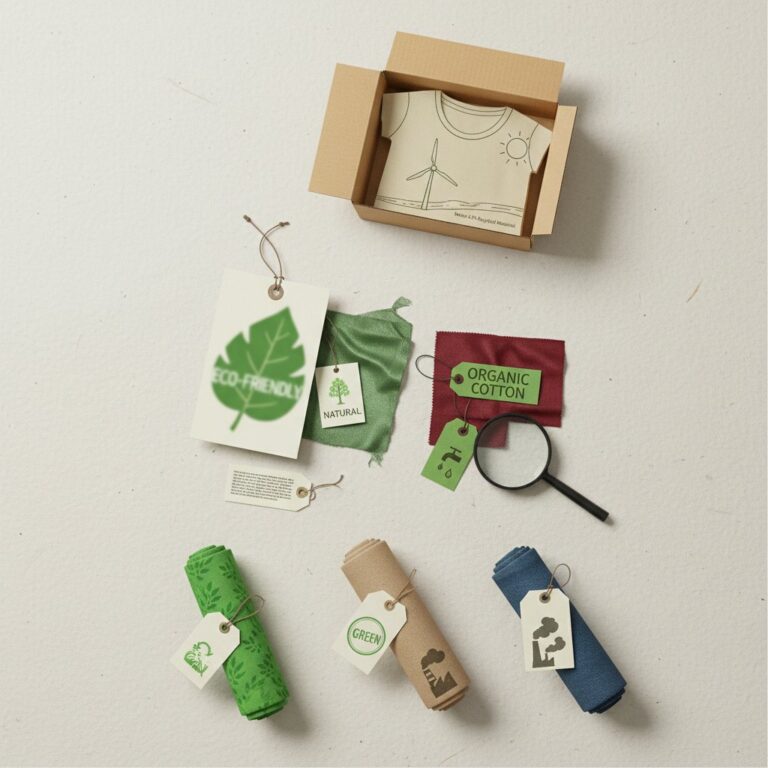

The Definitive Guide to the Best Sustainable Fashion Brands of 2026
The fashion landscape has undergone a radical transformation. As we step into 2026, the conversation has shifted from “reducing harm” to “active restoration.” For the modern, fashion-conscious woman, style is no longer just about the silhouette or the shade of the season; it is an expression of values, a commitment to the planet, and an investment in craftsmanship. We have moved past the era of disposable micro-trends and entered a golden age of conscious consumption where “quality over quantity” is the ultimate status symbol.
In 2026, sustainability is no longer a niche sub-sector of the industry—it is the blueprint for luxury and high-street fashion alike. From lab-grown silks to blockchain-verified supply chains, the brands leading the charge are those that marry cutting-edge innovation with timeless aesthetics. This guide explores the best sustainable fashion brands of 2026, offering style inspiration for the woman who refuses to compromise on her ethics or her elegance.
1. The Pioneers of Circularity: Closing the Loop
In 2026, the most prestigious labels are those that take responsibility for the entire lifecycle of their garments. Circular fashion—the concept that every piece should be designed to be reused, repaired, or recycled back into the system—has become the gold standard.
Leading the pack is **Eileen Fisher**, a brand that has spent decades perfecting the art of the “take-back” program. By 2026, their *Renew* initiative has evolved into a masterclass in upcycling, where old garments are transformed into high-fashion felted coats and artisanal accessories. For the woman seeking a sophisticated, minimalist wardrobe, their organic linen trousers and silk tunics remain unmatched.
Joining the circular movement is **For Days**, which has revolutionized the “basics” market. Their closed-loop system allows customers to swap out worn-out tees for fresh ones, ensuring that no cotton ever hits a landfill. This isn’t just about utility; it’s about a streamlined, clutter-free lifestyle that resonates with the 2026 ethos of “less but better.”
2. Bio-Fabrication: The New Frontier of Luxury Materials
The year 2026 marks a turning point in textile science. We are seeing a move away from petroleum-based synthetics and even traditional animal leathers toward bio-fabricated alternatives that are both more durable and more beautiful.
**Stella McCartney** continues to be the visionary at the helm of this movement. In 2026, her collections feature high-performance “leather” made from mycelium (the root structure of mushrooms) and “silk” engineered from yeast proteins. These pieces offer the same tactile richness as traditional luxury materials but with a fraction of the environmental footprint.
Furthermore, brands like **Another Tomorrow** are setting new benchmarks for material integrity. Their use of sea-cell (a fiber made from seaweed) and FSC-certified viscose ensures that every dress and blazer feels like a second skin. For the fashion-forward woman, these bio-materials represent the pinnacle of 2026 innovation—offering unique textures and drapes that traditional fabrics simply cannot replicate.
3. Regenerative Agriculture: Fashion That Heals the Earth
While “organic” was the buzzword of the last decade, 2026 is all about “regenerative.” This approach to farming doesn’t just sustain the land; it actively restores soil health and sequesters carbon.
**Christy Dawn** is perhaps the most iconic brand in this space. Their “Land Stewardship” program has turned thousands of acres of depleted land into thriving ecosystems. Their 2026 collection features ethereal, vintage-inspired dresses made from cotton grown in these regenerative plots. Wearing a Christy Dawn piece is a literal connection to the earth, making it a favorite for women who find beauty in nature and story-driven design.
Similarly, **Mara Hoffman** has transitioned her entire supply chain to prioritize climate-beneficial fibers. Her bold, architectural swimwear and vibrant ready-to-wear pieces prove that sustainable fashion can be incredibly high-energy and visually arresting. In 2026, choosing a brand that practices regenerative agriculture is the most direct way for a consumer to contribute to climate cooling.
4. The Rise of “Slow Fashion” Artisans and Heritage Craft
As the world becomes increasingly digital, there is a profound yearning for the human touch. In 2026, the best sustainable brands are those that celebrate heritage techniques and provide fair, dignified work to global artisans.
**Bode** has become a powerhouse in this category, known for its use of antique textiles, Victorian quilts, and traditional appliqué. Each piece is unique, carrying the history of the materials used. This “slow fashion” approach appeals to the woman who views her wardrobe as a curated gallery of wearable art.
On the accessories front, **Brother Vellies** continues to champion African craft. Their 2026 collection of shoes and handbags—made by artisans in Kenya, South Africa, and Morocco—utilizes vegetable-tanned leathers and hand-carved wood. These aren’t just accessories; they are cultural artifacts. By investing in these brands, fashion-conscious women are ensuring that traditional skills are preserved for future generations while supporting economic empowerment.
5. Radical Transparency and the Digital Product Passport
By 2026, the “Digital Product Passport” (DPP) has become a standard feature for top-tier sustainable brands. By scanning a QR code on a garment’s care label, consumers can see the entire journey of their piece—from the farm where the fiber was grown to the factory where it was sewn.
**Sheep Inc.** is a leader in this transparent tech space. Known for their carbon-negative knitwear made from New Zealand merino wool, each sweater comes with a digital tag that links you to the specific sheep your wool came from. It’s whimsical yet deeply serious about accountability.
**Patagonia**, long the “north star” of ethical apparel, has also integrated advanced tracing technology into its 2026 outerwear line. For the woman who enjoys an active, outdoor lifestyle, Patagonia provides the peace of mind that her technical gear is PFC-free and produced under the highest fair-trade standards. Transparency in 2026 is the ultimate luxury; it is the luxury of knowing exactly what you are wearing and who it helped along the way.
6. Curated Vintage and the High-End Resale Revolution
No list of the best sustainable fashion brands of 2026 would be complete without mentioning the brands that have embraced the secondary market. Resale is no longer an afterthought; it is a core business model.
Labels like **Ganni** and **Chloé** have launched their own internal resale platforms, allowing customers to trade in past-season pieces for credit. This ensures that their designs stay in circulation and provides a gateway for more women to access luxury fashion sustainably.
Furthermore, the 2026 fashion scene is dominated by “curated vintage” boutiques that treat second-hand clothing with the same reverence as a new collection. This trend reflects a shift in the feminine psyche: the desire for individuality. When you wear a high-quality vintage piece from a brand like **The RealReal** or a specialized archival boutique, you are guaranteed a look that is entirely your own, all while keeping a garment out of a landfill.
***
FAQ: Navigating Sustainable Fashion in 2026
**Q1: Is sustainable fashion more expensive than fast fashion in 2026?**
While the initial price tag of a sustainable garment is often higher than fast fashion, the “cost per wear” is significantly lower. In 2026, women are looking at clothing as an investment. These pieces are built to last for years, not weeks. Additionally, many sustainable brands now offer repair services or have high resale value, making them more economical in the long run.
**Q2: How can I tell if a brand is truly sustainable or just “greenwashing”?**
In 2026, look for the Digital Product Passport or third-party certifications like B-Corp, GOTS (Global Organic Textile Standard), and Fair Trade. Truly sustainable brands will be transparent about their supply chain, carbon footprint, and labor practices. If a brand uses vague terms like “eco-friendly” without data to back it up, proceed with caution.
**Q3: What are the best fabrics to look for in 2026?**
Keep an eye out for regenerative cotton, Tencel (lyocell), hemp, recycled cashmere, and bio-fabricated materials like Mylo (mushroom leather) or Piñatex (pineapple leather). Avoid virgin synthetics like polyester or nylon unless they are recycled and the brand provides a solution for microplastic shedding.
**Q4: Can I build a professional wardrobe solely from sustainable brands?**
Absolutely. Brands like **Theory**, **The Row**, and **Cuyana** have significantly expanded their sustainable offerings by 2026. From impeccably tailored blazers to sophisticated silk blouses, it is easier than ever to maintain a polished, professional aesthetic while adhering to ethical standards.
**Q5: How do I care for my sustainable clothes to make them last longer?**
Sustainable fashion is often made from natural fibers that require gentle care. In 2026, the trend is toward “low-impact laundry.” Wash in cold water, use eco-friendly detergents, and air-dry whenever possible. Many sustainable brands also offer specialized repair kits or in-house mending services to help extend the life of your favorite pieces.
***
Conclusion: The Future is Conscious and Chic
As we navigate the vibrant fashion world of 2026, it is clear that the industry has reached a point of no return—and that is a beautiful thing. The brands highlighted in this guide represent the pinnacle of what is possible when creativity meets conscience. They prove that we do not have to choose between looking stunning and protecting the planet.
For the fashion-conscious woman of 2026, the “best” brand is the one that tells a story of restoration, respect, and timeless beauty. Whether you are investing in a mushroom-leather tote, a regeneratively grown cotton sundress, or a piece of heritage knitwear, you are participating in a movement that transcends aesthetics.
The future of fashion isn’t just about what we wear; it’s about how we live. By supporting these sustainable pioneers, we are dressing for the world we want to see—a world where style is a force for good. As you curate your 2026 wardrobe, remember that the most stylish thing you can wear is a clear conscience and a garment that was made to last a lifetime.