
The Ultimate 2026 Guide to Building a Sustainable Wardrobe: Style Without Compromise
In 2026, the conversation surrounding fashion has shifted from “what’s new” to “what’s meaningful.” For the modern, fashion-conscious woman, style is no longer just about the silhouette or the shade of the season; it’s about the story behind the garment. As we move further into an era of conscious consumerism, building a sustainable wardrobe has evolved from a niche trend into a fundamental lifestyle choice. We’ve moved past the era of disposable “fast fashion” and entered a period where quality, ethics, and environmental impact are the ultimate luxuries.
Creating a sustainable closet doesn’t mean sacrificing your sartorial edge or wearing drab, shapeless linens (unless that’s your aesthetic!). Instead, it is an empowering journey toward curation, intentionality, and self-expression. It’s about discovering pieces that reflect your values while making you look and feel incredible. This guide is your roadmap to navigating the 2026 fashion landscape, helping you bridge the gap between high-style inspiration and ecological responsibility. Let’s dive into how you can build a wardrobe that respects the planet as much as it respects your personal flair.
1. The Audit: Rediscovering the Treasures You Already Own
Before you browse a single boutique or add an “eco-friendly” item to your cart, the most sustainable step you can take happens right in your own bedroom. The mantra for 2026 is: *the most sustainable garment is the one already in your closet.* Building a conscious wardrobe begins with a comprehensive audit. Many of us suffer from “closet blindness,” where we feel we have nothing to wear despite a rail full of clothes.
Start by dedicating an afternoon to the “Three Pile Method.” Sort your items into: **The Loves** (pieces you wear constantly), **The Maybes** (items that fit but lack inspiration), and **The Projects** (items that need a tailor or a deep clean).
The goal of the audit isn’t just to declutter; it’s to understand your patterns. Why do you love your favorite blazer? Is it the fabric, the cut, or the way it makes you feel powerful? Understanding these triggers helps you avoid “impulse filler” purchases in the future. Furthermore, the “Maybe” pile is where your creativity shines. Try styling those forgotten pieces in new ways—layering a turtleneck under a summer dress or cinching an oversized coat with a vintage belt. In 2026, “shopping your closet” is the ultimate fashion-forward move.
2. Defining Your 2026 Signature Aesthetic
Sustainability and personal style are deeply intertwined. Fast fashion thrives on “micro-trends” that disappear in weeks, forcing consumers to buy more to stay relevant. To break this cycle, you must define a signature aesthetic that transcends the algorithm. When you know exactly who you are sartorially, you are less likely to buy into a trend that doesn’t serve you.
In 2026, we are seeing a move toward “Seasonless Styling.” Ask yourself: if I could only wear ten outfits for the rest of my life, what would they be? Are you drawn to the sharp lines of Scandinavian minimalism, the romantic textures of “Cottagecore” evolved, or the bold, eclectic energy of 70s-inspired silhouettes?
Once you identify your core aesthetic, use it as a filter for every potential purchase. If a garment doesn’t fit your “style DNA,” it shouldn’t enter your wardrobe. This doesn’t mean your style can’t evolve, but it ensures that every addition is intentional. By focusing on a cohesive look, your pieces will naturally mix and match more easily, allowing you to create more outfits with fewer items.
3. Investing in High-Quality Fabrics and Conscious Materials
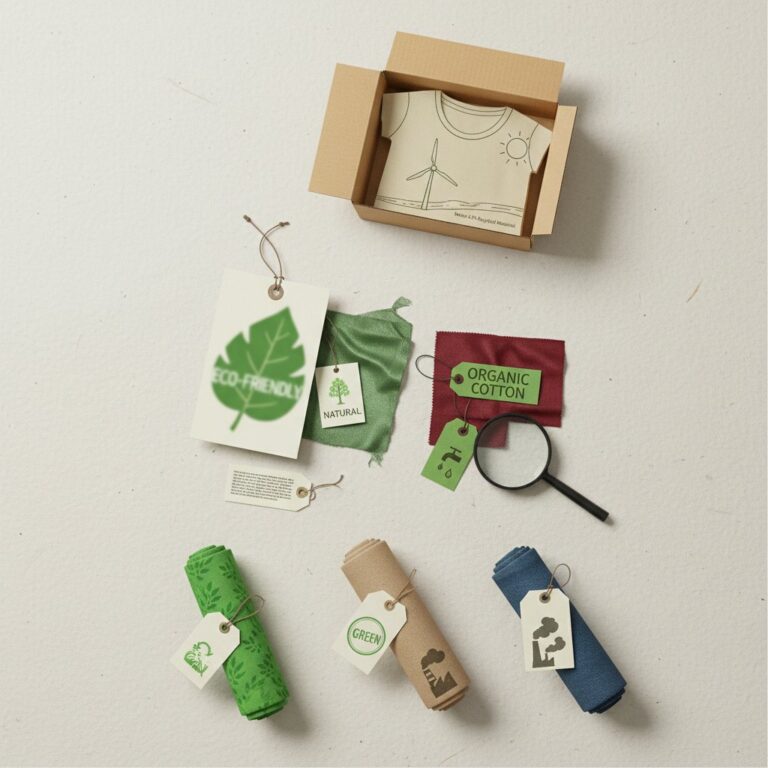
The “feel” of a wardrobe is often dictated by its composition. In 2026, luxury is defined by the integrity of the fiber. As a conscious consumer, learning to read labels is your greatest superpower. To build a wardrobe that lasts decades rather than seasons, you must prioritize natural, biodegradable, and recycled materials.
* **Organic Cotton & Hemp:** Unlike conventional cotton, organic cotton uses significantly less water and no toxic pesticides. Hemp is even more impressive, requiring minimal land and acting as a carbon sink.
* **Tencel™ and Lyocell:** These are cellulose fibers derived from wood pulp. They are celebrated for their silky drape, breathability, and closed-loop production process where solvents are recycled.
* **Traceable Wool and Cashmere:** Look for certifications like the Responsible Wool Standard (RWS). High-quality wool is durable, odor-resistant, and naturally temperature-regulating.
* **Innovative Recyclables:** By 2026, recycled ocean plastics and “bio-leathers” made from mushrooms or pineapple have become mainstream alternatives for accessories and outerwear.
Investing in these materials often comes with a higher price tag, but the “cost-per-wear” is significantly lower. A $200 organic silk blouse that lasts ten years is a far better investment than a $30 polyester top that palls after three washes.
4. The Art of the Curated Capsule Wardrobe
The “Capsule Wardrobe” concept has been refined for 2026. It’s no longer about having a strict limit of 30 pieces in shades of beige. Instead, the modern capsule is about **versatility and modularity.** It’s a collection of high-quality essentials that can be styled for various occasions, from the boardroom to a weekend gallery opening.
To build your 2026 capsule, focus on these five pillars:
1. **The Perfect Tailoring:** A well-fitted blazer or a pair of wide-leg trousers in a neutral wool crepe.
2. **The Elevators:** Statement jewelry or a silk scarf that can transform a basic outfit.
3. **The Foundations:** Organic cotton tees and premium denim that fits your body perfectly.
4. **The Hero Piece:** One high-impact item (like a sculptural trench coat or a vibrant midi dress) that reflects your unique personality.
5. **The Transitionals:** Lightweight knits and layers that allow you to wear your clothes through all four seasons.
A sustainable wardrobe isn’t about restriction; it’s about liberation. When every piece in your closet works together, getting dressed becomes a joyful, effortless ritual rather than a stressful chore.
5. Mastering the Second-Hand and Resale Market
The 2026 fashion landscape is circular. The stigma once associated with “used” clothing has completely vanished, replaced by the prestige of finding a unique vintage gem. Building a sustainable wardrobe is significantly easier—and more affordable—when you master the resale market.
Digital platforms have revolutionized how we shop pre-loved. From luxury authentication sites to peer-to-peer apps, the world’s best closets are now at your fingertips. When shopping second-hand, keep a “wish list” of specific items you need to fill gaps in your wardrobe. This prevents mindless scrolling and ensures you’re looking for quality over quantity.
Don’t forget the tactile experience of local vintage boutiques and consignment shops. These spaces offer the opportunity to feel fabrics and check the construction of vintage garments, which were often made to much higher standards than today’s mass-produced items. Look for “vintage-modern” pieces—items from the 80s or 90s that have timeless silhouettes but superior craftsmanship.
6. Maintenance: The Secret to Wardrobe Longevity
The final, and perhaps most overlooked, pillar of a sustainable wardrobe is maintenance. How you care for your clothes determines their lifespan. In 2026, “mending” is a badge of honor. A visible repair on a beloved knit sweater or a professionally tailored hem on a vintage find adds character and history to your style.
To keep your wardrobe in pristine condition, adopt these eco-conscious habits:
* **Wash Less, Refresh More:** Not every garment needs a wash after one wear. Use a clothes brush to remove dust or a steamer to kill bacteria and remove odors.
* **Cold Water and Air Drying:** High heat is the enemy of elasticity and fiber integrity. Washing on cold and line-drying protects your clothes and saves energy.
* **Proper Storage:** Invest in cedar blocks to deter moths and padded hangers to maintain the shape of your blazers. Store heavy knits folded rather than hanging to prevent stretching.
* **The “Cobbler and Tailor” Connection:** Find a local professional who can resole your boots or take in a waistline. These small investments can add decades to the life of your favorite pieces.
—
#
FAQ: Common Questions About Sustainable Fashion
**Q1: Is building a sustainable wardrobe more expensive?**
A: Initially, it can seem that way because ethical brands pay fair wages and use premium materials. However, because these pieces last longer and don’t need frequent replacement, you actually save money over time. Furthermore, shopping second-hand is often cheaper than buying new fast fashion.
**Q2: How do I know if a brand is actually sustainable or just “greenwashing”?**
A: Look for transparency and third-party certifications like B Corp, GOTS (Global Organic Textile Standard), or Fair Trade. A truly sustainable brand will provide detailed information about their supply chain, factory conditions, and environmental impact on their website.
**Q3: Can I still follow trends if I want a sustainable wardrobe?**
A: Absolutely! The key is to interpret trends through the lens of sustainability. Instead of buying a cheap version of a “trendy” item, look for a high-quality vintage version, or see if you can style your existing pieces to reflect the trend’s essence.
**Q4: What should I do with clothes that are too worn out to be donated?**
A: Never throw them in the trash, as they will end up in a landfill. Look for textile recycling programs in your city. Many brands now offer take-back schemes where they turn old fibers into insulation, carpet padding, or new recycled yarn.
**Q5: Is it better to buy a sustainable new item or a non-sustainable second-hand item?**
A: Generally, second-hand is the most sustainable choice because it utilizes existing resources and prevents waste. However, buying from an ethical brand supports the growth of a better fashion industry. Both have a place in a conscious wardrobe.
—
#
Conclusion: Your Style, Your Impact
Building a sustainable wardrobe is a marathon, not a sprint. It is a continuous process of learning, curating, and refining. As we navigate 2026, the modern woman knows that her power lies in her choices. Every time you choose a pre-loved blazer over a mass-produced one, or an organic linen dress over a synthetic alternative, you are voting for the kind of world you want to live in.
Style has always been a form of communication. By embracing sustainability, your wardrobe communicates a message of respect—for the artisans who made your clothes, for the resources of our planet, and for yourself. You don’t need a closet overflowing with options to be the best-dressed woman in the room. You only need a few perfectly chosen pieces that resonate with your soul. Start small, shop intentionally, and enjoy the journey of creating a wardrobe that is as beautiful on the inside as it is on the outside.