
Capsule vs Minimalist Wardrobe: Unlocking Your Intentional Style for 2026
Affiliate disclosure: This article may contain affiliate links. Recommendations are independent and editorially driven.
In the evolving landscape of women’s fashion, where conscious consumption and personal expression intersect, the terms “capsule wardrobe” and “minimalist wardrobe” have become cornerstones of intentional style. Both philosophies champion a curated approach to clothing, aiming to reduce clutter, simplify daily dressing, and foster a deeper connection with one’s personal aesthetic. Yet, despite their shared goals, they possess distinct foundational principles, practical applications, and ultimate visions.
For many women navigating the complexities of modern style – from staying abreast of trends to embracing sustainable practices – understanding the nuances between a capsule wardrobe and a minimalist wardrobe is crucial. It’s not merely about owning fewer clothes; it’s about owning the *right* clothes for *you*. This comprehensive guide by fashiongoggled will deep-dive into each concept, meticulously compare their differences, explore their profound benefits, and provide actionable insights to help you determine which path, or perhaps a unique hybrid, will best empower your style journey in 2026 and beyond.
Understanding the Core Concepts: Defining Your Closet Philosophy
Before we embark on a detailed comparison, it’s essential to lay a solid foundation by clearly defining what each wardrobe approach entails. While they often overlap in their practical outcomes, their underlying philosophies diverge significantly, shaping how you build, maintain, and interact with your clothing collection.
What is a Capsule Wardrobe?
A capsule wardrobe is a highly curated collection of versatile clothing items that can be mixed and matched to create a multitude of outfits. The core idea is to intentionally select a limited number of high-quality, complementary pieces (typically 30-50 items, including shoes and outerwear but often excluding intimates, sleepwear, and activewear) that are suitable for a specific season or period. The concept was popularized by Susie Faux in the 1970s and later brought into mainstream awareness by Donna Karan’s “7 Easy Pieces” collection.
- Key Principles:
- Intentionality: Every item is chosen with purpose, considering its versatility and how it integrates with existing pieces.
- Quality Over Quantity: Emphasis on well-made garments that last, reducing the need for frequent replacements.
- Versatility: Pieces can be dressed up or down, layered, and combined in numerous ways.
- Complementary Color Palette: Often built around a core set of neutrals, with accent colors that work harmoniously together.
- Seasonal Rotation: Common practice to refresh the capsule each season, storing off-season items.
- Defined Scope: A capsule typically has a clear start and end point (e.g., “my Summer 2026 capsule”).
- Benefits of a Capsule Wardrobe:
- Simplified Dressing: Reduces decision fatigue by limiting choices and ensuring everything “goes” together.
- Cost-Effective: Investing in fewer, higher-quality pieces can save money in the long run.
- Sustainable: Promotes conscious consumption and reduces textile waste.
- Personal Style Development: Encourages a deeper understanding of what truly flatters and expresses you.
- Reduced Clutter: A tidy, organized closet that sparks joy rather than anxiety.
What is a Minimalist Wardrobe?
A minimalist wardrobe is an extension of the broader minimalist lifestyle philosophy, which advocates for living with less to focus on what truly adds value. In the context of clothing, a minimalist wardrobe is characterized by a radical reduction in the number of items owned, often fewer than a typical capsule, but without the strict seasonal rotation or fixed numerical limits. It’s less about a specific number of items and more about a mindset of detachment from material possessions, prioritizing function, timelessness, and personal values.
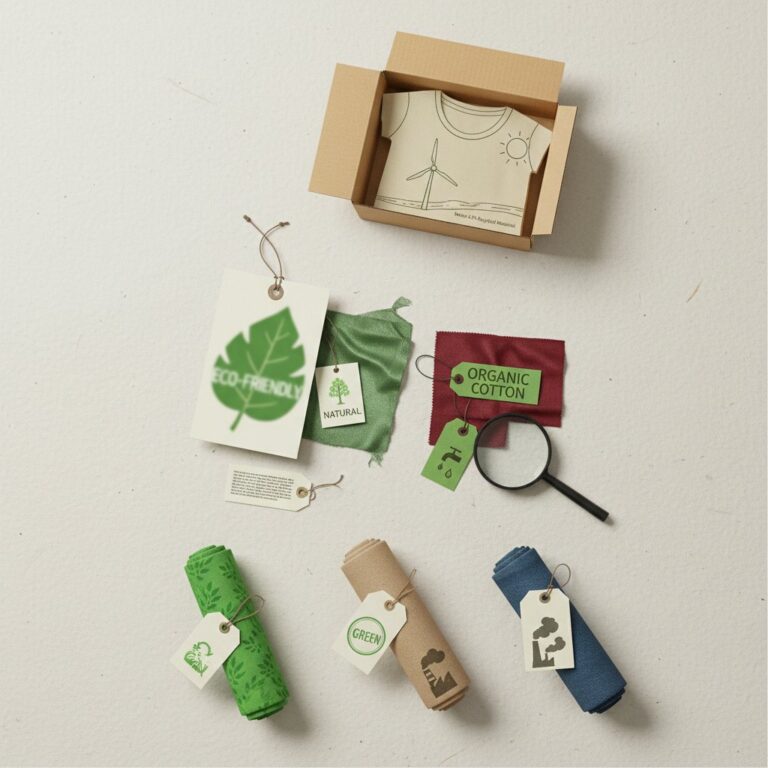
[INLINE IMAGE 1: place after second H2 | alt=”capsule vs minimalist wardrobe concept illustration”]
- Key Principles:
- Radical Reduction: Owning only essential items that are frequently worn and truly loved.
- Timelessness and Functionality: Strong preference for classic styles, durable fabrics, and pieces that serve multiple purposes across various occasions and seasons.
- Values-Driven Consumption: Clothes are chosen to align with personal ethics, such as sustainability, ethical production, or local craftsmanship.
- Long-Term Vision: Building a wardrobe designed to last for years, avoiding trends.
- Emotional Detachment: Overcoming the desire for “more” and finding contentment with “enough.”
- No Fixed Numbers or Seasons: The exact quantity varies per individual, and there’s less emphasis on seasonal swaps; items are meant to be worn year-round as much as possible.
- Benefits of a Minimalist Wardrobe:
- Ultimate Simplicity: Takes decision-making to the extreme, freeing up mental space.
- Deepened Self-Awareness: Forces introspection about personal needs, values, and true style.
- Financial Freedom: Significantly reduces clothing expenditure, allowing funds for experiences or other investments.
- Environmental Prowess: Minimizes fashion’s ecological footprint through extreme conscious consumption.
- Portability: A smaller wardrobe is easier to manage, pack, and move.
- Freedom from Trends: Liberates you from the pressure to constantly update your look.
Key Differences in Philosophy and Practice
While both capsule and minimalist wardrobes share the overarching goal of simplifying style, their approaches, motivations, and practical implementations reveal distinct differences. Understanding these will be pivotal in choosing the path that resonates most with your lifestyle and fashion aspirations.
Intent and Purpose
- Capsule Wardrobe: The primary intent of a capsule wardrobe is often practical efficiency and style enhancement. It’s about creating a functional, stylish, and adaptable collection for a specific period (e.g., a season, a trip, or a particular professional role). The goal is to make daily dressing easier, ensure you always look put-together, and manage fashion trends within a controlled framework. It can be a temporary solution or a stepping stone to further decluttering.
- Minimalist Wardrobe: The intent behind a minimalist wardrobe is deeply rooted in a broader lifestyle philosophy. It’s not just about clothes but about conscious living, reducing excess, and prioritizing experiences over material possessions. The wardrobe becomes a reflection of this values-driven life, aiming for ultimate freedom from consumerism, mental clutter, and decision fatigue across all aspects of life, not just fashion.
Approach to Quantity
- Capsule Wardrobe: Typically operates with a defined, though flexible, numerical limit (e.g., 30-50 items). This number is often a target to make the process manageable and to ensure versatility within the collection. The focus is on having *enough* variety to create diverse outfits for a set period.
- Minimalist Wardrobe: Has no prescribed number. The quantity is determined by individual need and the principle of owning the absolute minimum required. This could be 10 items for one person and 40 for another, but the underlying motivation is always to strip away anything deemed non-essential. It’s about what brings genuine value and utility, not hitting a specific count.
Focus on Trends vs. Timelessness
- Capsule Wardrobe: Can incorporate trends strategically. While built on a foundation of timeless pieces, a capsule often allows for a few on-trend items each season to keep the look current and exciting. These trend pieces are rotated out with new capsules, allowing for stylistic evolution.
- Minimalist Wardrobe: Heavily emphasizes timelessness, durability, and versatility. Trends are generally avoided as they encourage consumption and quick obsolescence. The focus is on classic silhouettes, neutral colors, and high-quality construction that will remain relevant and wearable for many years, transcending seasonal fads.
Flexibility and Evolution
- Capsule Wardrobe: Designed for periodic rotation. As seasons change or lifestyles shift, a capsule is typically refreshed. Off-season items are stored, and new pieces may be introduced, allowing for a degree of controlled flexibility and adaptation. This structured evolution is a hallmark of the capsule approach.
- Minimalist Wardrobe: Tends to be more static and enduring. Once established, it requires less frequent overhaul. Any additions are very carefully considered, often only replacing worn-out items or filling a genuine, long-term void. The goal is to build a “forever wardrobe” that requires minimal intervention.
Discover the art of creating a personalized color palette for your wardrobe.
Building Your Wardrobe: A Practical Guide
Embarking on either a capsule or minimalist wardrobe journey requires strategic planning and a shift in mindset. Here, we delve into the practical steps and considerations for each approach, providing a roadmap for transforming your closet.
Starting a Capsule Wardrobe
Building a capsule wardrobe is a methodical process that typically follows these steps:
- Define Your Lifestyle & Needs: Consider your daily activities (work, social, casual, fitness), climate, and personal style preferences. What do you *actually* wear most often?
- Declutter & Inventory: Go through your entire closet. Remove anything that doesn’t fit, is damaged, or hasn’t been worn in a year. Be honest about what truly serves you. Take stock of what you have that fits your current needs.
- Choose Your Color Palette: Select 2-3 neutral base colors (e.g., black, white, navy, grey, camel) and 1-3 accent colors that complement your skin tone and personal preference. This ensures everything mixes and matches easily.
- Select Core Essentials: Identify versatile foundational pieces that can be worn across multiple outfits.
- Tops: Basic tees, blouses, button-downs, sweaters (mix of short/long sleeve, varying necklines).
- Bottoms: Jeans, tailored trousers, skirts, shorts (depending on season/lifestyle).
- Outerwear: Jacket, blazer, coat (suitable for the season).
- Dresses/Jumpsuits: Versatile options that can be styled differently.
- Shoes: Everyday flats/sneakers, heels/boots, sandals (seasonal).
- Set a Number (Optional but Recommended): Aim for a range like 30-50 items (excluding intimates, PJs, activewear, and jewelry). This helps focus your choices.
- Fill the Gaps Strategically: Once you’ve identified your core, make a concise shopping list for any missing pieces that would complete your capsule. Focus on quality and versatility.
- Implement & Evaluate: Live with your capsule for the designated period (e.g., 3 months). Note what worked, what didn’t, and what you genuinely missed. This feedback is crucial for your next capsule.
- Seasonal Rotation: At the end of the period, store off-season items and begin curating your next capsule based on new seasonal needs and your learnings.
Embracing a Minimalist Wardrobe
Moving towards a minimalist wardrobe is more about a complete mindset shift than a numerical goal. It’s a journey of continuous refinement.
- Deep Dive into Values: Before touching any clothes, reflect on your core values. Why do you want a minimalist wardrobe? Is it for sustainability, financial freedom, mental clarity, or something else? This clarity will guide every decision.
- Radical Decluttering: This step goes beyond simply removing ill-fitting items. Ask yourself: “Do I *truly* need this? Does it add significant value to my life *right now*? Is it a workhorse item I wear constantly?” Be prepared to let go of sentimental items that don’t serve a practical purpose.
- Identify Your “Uniform”: Minimalists often gravitate towards a personal uniform or a highly consistent aesthetic. This doesn’t mean wearing the exact same outfit every day, but rather understanding a specific style, silhouette, and color palette that makes you feel consistently good.
- Prioritize Durability & Timelessness: When adding new items (which should be rare), seek out exceptionally high-quality garments made from sustainable, durable materials that will last for years. Focus on classic cuts and neutral colors that won’t go out of style.
- One-In, One-Out (or No-In): Adopt a strict policy for new purchases. If something new comes in, something old must go. Ideally, a minimalist approach aims to minimize new purchases altogether, focusing on repair and reuse.
- Embrace Versatility to the Extreme: Every single item should be capable of serving multiple functions and being styled in numerous ways. A single dress might be worn for work, a casual weekend, and a formal event with different accessories.
- Mindful Maintenance: Care for your clothes meticulously to extend their lifespan. Learn basic mending skills.
- Continuous Reflection: Minimalism is an ongoing practice. Regularly reassess your wardrobe, asking if each item still aligns with your values and needs. This isn’t about seasonal swaps but about ensuring your collection remains lean and functional for the long term.
Learn more about sustainable fashion practices for your everyday choices.
Benefits Beyond the Closet: Impact on Your Life
Both capsule and minimalist wardrobes offer advantages that extend far beyond simply having a tidy closet. They are tools for greater intentionality, financial freedom, and even environmental stewardship, reshaping your relationship with fashion and consumption.
Environmental Impact and Sustainability
The fashion industry is a major contributor to environmental degradation, from resource-intensive production to vast amounts of textile waste. Both intentional wardrobe approaches directly combat this.
- Capsule Wardrobe: By prioritizing quality over quantity and making thoughtful purchases, capsule enthusiasts significantly reduce their individual consumption footprint. Less impulsive buying means less contribution to fast fashion cycles. The focus on versatile pieces also maximizes the utility of each garment, extending its lifespan before disposal. When items are rotated out, they are often stored, sold, donated, or repaired rather than immediately discarded, promoting a more circular fashion economy.
- Minimalist Wardrobe: Takes sustainability to its extreme. By owning the fewest possible items and selecting them for maximum durability and timelessness, minimalists drastically reduce demand for new production. This approach inherently supports slow fashion, ethical brands, and second-hand shopping, prioritizing the planet over fleeting trends. The inherent desire for “less” directly translates into less waste, fewer resources consumed, and a smaller carbon footprint associated with clothing.
Financial Savings
The immediate allure of a new purchase often overshadows the cumulative cost of an expansive, uncurated wardrobe. Both methods offer compelling financial benefits.
- Capsule Wardrobe: While the initial investment in higher-quality items might seem greater, the long-term savings are substantial. Fewer items mean fewer purchases overall. By planning purchases strategically for each capsule, impulse buying is minimized, and money is saved on items that would otherwise sit unworn. The shift to quality also means clothes last longer, reducing replacement costs over time.
- Minimalist Wardrobe: Represents the ultimate in financial frugality when it comes to clothing. With a strong aversion to excess and a focus on essentials, spending on fashion becomes a rare and highly considered event. This frees up significant disposable income for other life goals, investments, or experiences, aligning perfectly with the minimalist philosophy of valuing experiences over possessions. The focus on timeless pieces also means you’re not constantly chasing new trends, further reducing expenditure.
Mental Clarity and Decision Fatigue
The modern world bombards us with choices, leading to what psychologists call “decision fatigue.” Your wardrobe can be a hidden source of this exhaustion.
- Capsule Wardrobe: By limiting your options to a curated collection that seamlessly mixes and matches, the capsule wardrobe dramatically simplifies the daily act of getting dressed. The mental load associated with choosing an outfit is significantly reduced, freeing up valuable cognitive energy for more important decisions throughout the day. This clarity extends to a decluttered physical space, which can positively impact overall mental well-being.
- Minimalist Wardrobe: Elevates this benefit to an even higher level. With a truly minimal collection, outfit choices become almost automatic. The reduced mental clutter from a sparse closet allows for greater focus, creativity, and peace of mind. It reinforces a broader minimalist lifestyle, where reducing choices in one area (like clothing) encourages simplification in others, leading to a pervasive sense of calm and control.
Expressing Personal Style
Contrary to popular belief, having fewer clothes doesn’t mean sacrificing personal style; it often means refining and amplifying it.
- Capsule Wardrobe: Encourages you to deeply understand what truly reflects your personal style. By intentionally selecting pieces, you’re forced to identify colors, silhouettes, and fabrics that flatter you and make you feel confident. This process helps you articulate your aesthetic, moving away from trend-following towards genuine self-expression within a curated framework. Each capsule becomes a deliberate statement of your current style.
- Minimalist Wardrobe: Demands an even more profound understanding of personal style. When you own so few items, each one must be a perfect reflection of who you are. This process strips away external influences, pushing you to define your core aesthetic. It cultivates a unique, authentic style that isn’t dependent on variety or trends but on the inherent quality, fit, and emotional connection to each chosen piece. It’s about owning fewer clothes but having each one be a powerful extension of your identity.
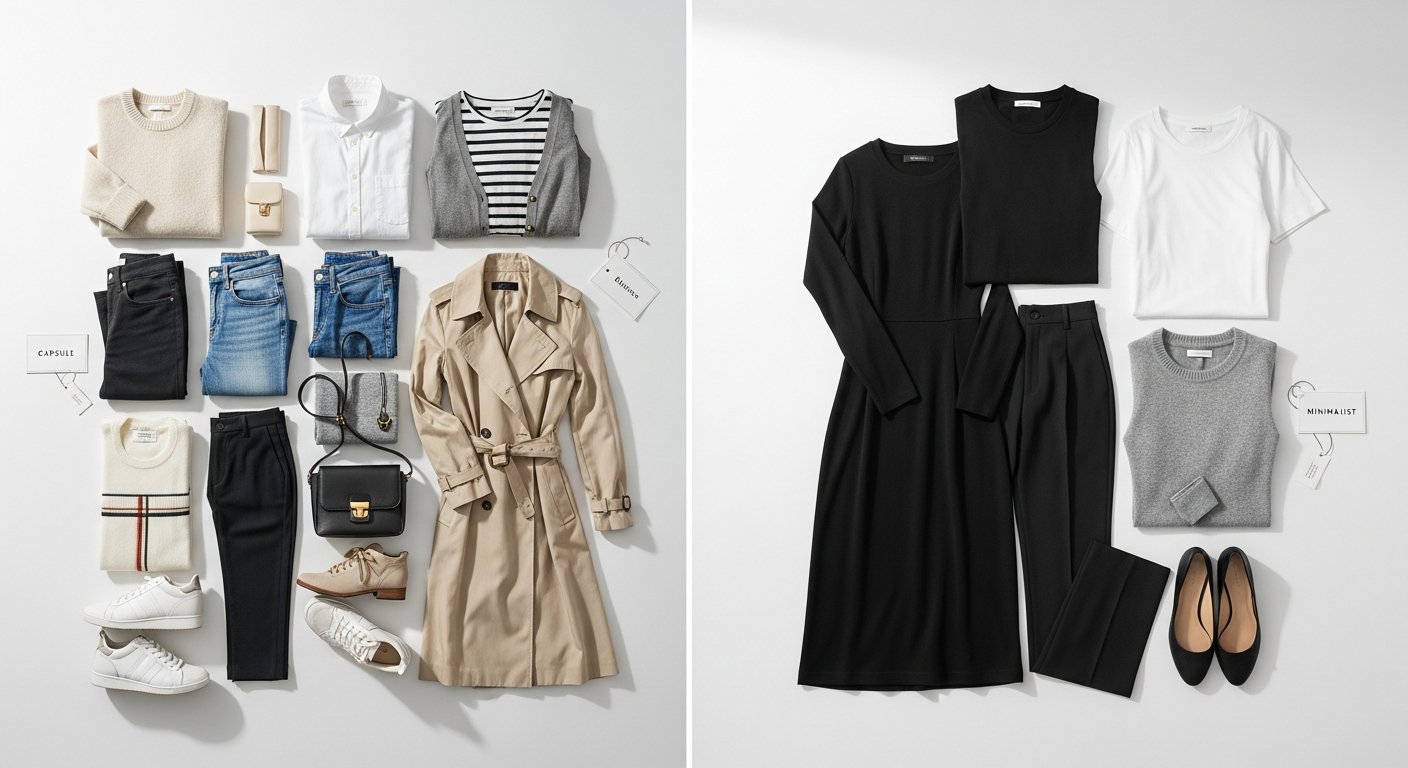
[INLINE IMAGE 2: place after fourth H2 | alt=”capsule vs minimalist wardrobe comparison illustration”]
Common Misconceptions and Overlaps
The terms “capsule” and “minimalist” are often used interchangeably, leading to confusion. It’s crucial to address common misconceptions and understand where these two philosophies intersect and diverge.
Are They Mutually Exclusive?
A common misconception is that you must choose one path and completely abandon the other. In reality, they are not strictly mutually exclusive. Many individuals find that a capsule wardrobe serves as an excellent gateway to a more minimalist lifestyle.
- Capsule as a Stepping Stone: For those overwhelmed by a maximalist closet, creating a capsule wardrobe offers a structured, less intimidating way to begin decluttering and practicing intentionality. The seasonal rotation allows for gradual adjustment and learning what truly works before committing to a radical reduction.
- Minimalism as an Evolution: Some individuals who start with capsules naturally evolve into a minimalist approach as they realize they can live with even less, value timelessness over seasonal updates, and embrace the deeper philosophical tenets of minimalism.
Can a Capsule Wardrobe Be Minimalist?
Yes, absolutely. A minimalist capsule wardrobe combines the principles of both. It would involve:
- Very Low Item Count: A minimalist capsule might aim for 15-30 items, significantly lower than a typical capsule.
- Extreme Versatility: Every piece would be designed to be worn across multiple seasons and occasions.
- Timelessness Focus: Heavy emphasis on classic, neutral pieces that do not adhere to trends.
- Limited or No Seasonal Swaps: The goal would be a year-round collection with minimal or no rotation, ensuring items are always available.
This hybrid approach is perfect for someone who appreciates the structure of a capsule but is deeply committed to the “less is more” ethos of minimalism.
Can a Minimalist Wardrobe Be a Capsule?
The answer is generally no, in the strict sense of a seasonal capsule. A traditional minimalist wardrobe typically does not involve seasonal rotation or a defined “capsule” for a specific period. Instead, it aims for a consistent, year-round collection that remains relatively stable.
- While a minimalist wardrobe is inherently “curated” and “limited,” it lacks the cyclical nature and the intention to refresh or swap out items seasonally that defines a capsule wardrobe.
- A minimalist might have a very small, cohesive collection, but they wouldn’t necessarily refer to it as their “winter capsule” because the expectation is that those items serve them year-round, not just for a season.
Explore our guide to decluttering your closet for good.
Who is Each Approach For? Tailoring Your Choice
Choosing between a capsule and minimalist wardrobe isn’t about right or wrong; it’s about finding the approach that aligns best with your personality, lifestyle, and fashion goals. Both offer immense benefits, but they cater to different needs and inclinations.
The Capsule Wardrobe Enthusiast
This approach is likely for you if:
- You Enjoy Variety, Within Limits: You appreciate having fresh options each season or for different life phases but want to avoid the overwhelm of too many choices.
- You Like Structure and Planning: The idea of creating a specific collection for a defined period appeals to your organizational instincts.
- You’re Fashion-Conscious: You like to incorporate some current trends into your style, but thoughtfully and without excessive spending.
- You’re New to Decluttering: The capsule method provides a manageable entry point into conscious consumption without requiring a radical lifestyle overhaul. It’s less intimidating than going fully minimalist.
- Your Lifestyle Changes Seasonally: If your climate shifts drastically or your activities vary significantly throughout the year (e.g., teaching during school year, then traveling in summer), seasonal capsules offer practical adaptability.
- You Appreciate Experimentation: A capsule allows you to try different styles or palettes for a season without long-term commitment.
Examples: A young professional who needs diverse outfits for work and social events but wants to simplify her morning routine. A parent who appreciates practicality and easy mixing-and-matching for daily life with children. Someone who lives in a climate with distinct seasons and enjoys refreshing their style.
The Minimalist Lifestyle Advocate
This approach is likely for you if:
- You Seek Radical Simplicity: You crave ultimate freedom from consumerism and derive joy from having very few, highly curated possessions.
- You Prioritize Values Above All: Sustainability, ethical consumption, and freedom from material attachment are core to your life philosophy.
- You Prefer Timeless Over Trendy: Your style leans towards classic, durable pieces that transcend seasonal fluctuations.
- You Want to Minimize Decision-Making: You desire an almost “uniform” approach to dressing, where choices are virtually eliminated.
- You’re Prepared for a Deeper Dive: You’re ready to critically examine every item you own and challenge its necessity.
- You Desire Financial Freedom: Reducing clothing expenditure significantly aligns with your broader financial goals.
- You Have a Stable Lifestyle/Climate: Your daily needs and climate don’t fluctuate wildly, making a year-round collection highly feasible.
Examples: A digital nomad who needs a highly portable and versatile wardrobe. Someone deeply committed to eco-friendly living and reducing their footprint. An individual who finds mental peace in extreme decluttering across all areas of their life.
Finding Your Hybrid Path
It’s important to remember that these are frameworks, not rigid rules. Many women find their ideal style solution by drawing inspiration from both worlds.
- You might adopt a minimalist mindset for your core foundational pieces (e.g., quality denim, basic tees, classic blazers) that you wear year-round.
- Then, you could apply a capsule approach to a smaller selection of seasonal or trendy items (e.g., a few seasonal tops, an on-trend accessory) that you rotate.
- This allows for a stable, intentional base while permitting controlled flexibility and expression. The key is to be intentional and consistent with whatever system you design for yourself.
Comparison Table: Capsule vs. Minimalist Wardrobe
To further clarify the distinctions, here’s a side-by-side comparison of key aspects:
| Feature | Capsule Wardrobe | Minimalist Wardrobe |
|---|---|---|
| Primary Goal | Simplified, versatile, and stylish seasonal dressing. | Radical reduction of possessions for overall life simplicity. |
| Typical Item Count | 30-50 items (including shoes/outerwear) per season. | Highly variable, often 10-30 items total, no fixed seasonal count. |
| Relationship with Trends | Can strategically incorporate a few trends each season. | Actively avoids trends, focusing solely on timeless pieces. |
| Seasonal Rotation | Yes, items are typically swapped/stored seasonally. | No, aims for a consistent, year-round collection. |
| Shopping Frequency | Planned purchases a few times a year for new capsules. | Very infrequent, only for replacements or essential gaps. |
| Underlying Philosophy | Practicality, efficiency, managing fashion choices. | Broader life philosophy of “less is more,” conscious living. |
| Flexibility | Flexible within defined capsules, adaptable to new seasons/trends. | Less flexible once established, focused on enduring utility. |
| Effort Level (Ongoing) | Moderate (seasonal planning, occasional shopping). | Low (minimal maintenance, rare shopping). |
| Best For | Fashion-conscious individuals, those new to decluttering, diverse lifestyles. | Deeply values-driven individuals, seeking ultimate simplicity, stable lifestyles. |
Practical Application and Maintenance: Sustaining Your Chosen Path
Deciding on an approach is only the first step; successful implementation and long-term maintenance are crucial for reaping the full benefits. Consistency and mindfulness are key, regardless of whether you choose a capsule or minimalist path.
Seasonal Updates for Capsule Wardrobes
The cyclical nature is a defining characteristic of a capsule wardrobe. To keep your capsule fresh and functional:
- Review and Refresh: As a season ends, take out all items from your current capsule. Evaluate each piece: Did you wear it often? Did it serve its purpose? Is it still in good condition? Did you miss any essential items?
- Store Off-Season Items: Neatly fold or hang items that won’t be worn in the upcoming season and store them properly to maintain their condition. Use garment bags for delicate items and breathable containers for knitwear.
- Plan Your Next Capsule: Based on your review, lifestyle changes, and upcoming weather, begin planning your next 30-50 items. This is your opportunity to introduce new colors, incorporate a couple of judiciously chosen trends, or fill any identified gaps with intentional purchases. Remember to check what you already own in storage before buying new.
- Shop Strategically: Make a list of any needed additions and stick to it. Prioritize quality, versatility, and how well new items integrate with your existing capsule pieces. Avoid impulse buys.
- Embrace Mending & Care: Extend the life of your capsule items by mending small tears, replacing buttons, and following care instructions diligently.
Long-term Vision for Minimalist Wardrobes
A minimalist wardrobe, by its nature, requires less frequent overhaul but demands continuous mindfulness.
- The “One In, One Out” (or “No In”) Rule: For most minimalists, a strict replacement policy is essential. If an item wears out or no longer serves its purpose, only then is a replacement considered. Ideally, new items are rarely brought in.
- Repair, Don’t Replace: Before even thinking about purchasing, assess if an item can be repaired. Learning basic sewing or seeking professional mending services prolongs garment life and reinforces a values-driven approach.
- Regular “Edit” Sessions: While not seasonal, periodic checks (e.g., twice a year) are still beneficial. Ask yourself: “Do I truly love and frequently use this item?” “Does it still align with my values and lifestyle?” “Could I live without it?” Be ruthless but kind in your assessment.
- Focus on Versatility & Durability: Any new item considered must be exceptionally versatile and built to last. It should integrate seamlessly with your existing, limited collection and serve multiple purposes.
- Resist Temptation: The biggest maintenance challenge for a minimalist is resisting the allure of new trends or promotional sales. Cultivate contentment with what you have and remind yourself of your core values.
- Conscious Cleaning & Storage: Proper care is paramount when you have so few items. Clean clothes according to their specific needs and store them thoughtfully to prevent damage and prolong their lifespan.
The Role of Accessories and Outerwear
In both approaches, accessories and outerwear play a disproportionately powerful role in transforming and extending the utility of a limited clothing collection.
- Capsule Wardrobe: Accessories (scarves, jewelry, belts, handbags) are crucial for creating varied looks from a small number of core garments. They add personality, color, and texture, allowing the same outfit to feel completely different. Outerwear is selected for its versatility, offering warmth, style, and protection across different outfits and occasions within a season.
- Minimalist Wardrobe: Accessories are even more carefully chosen. Each piece must be highly versatile, timeless, and genuinely loved. A minimalist might own just a couple of bags, a few pieces of jewelry, and perhaps one or two scarves that can elevate any of their core outfits. Outerwear is typically limited to a few essential, high-quality pieces (e.g., a classic trench, a warm wool coat) that perform across seasons and styles.
Shopping Strategically
Whether you’re building a capsule or refining a minimalist wardrobe, conscious shopping is non-negotiable.
- Make a List and Stick to It: This prevents impulse purchases.
- Prioritize Quality: Invest in well-made items that will endure. Research brands for ethical practices and material sourcing.
- Check Second-Hand First: Explore thrift stores, consignment shops, and online marketplaces for high-quality pre-owned items. This is both sustainable and budget-friendly.
- Consider Cost Per Wear: A more expensive, durable item that you wear hundreds of times is ultimately cheaper and more sustainable than a cheap item worn only a few times.
- Avoid Sales Traps: Don’t buy something just because it’s on sale if it’s not on your list and doesn’t genuinely fit your wardrobe philosophy.
Read our expert tips on shopping sustainably and ethically in 2026.
Making the Choice: Which Path Suits You?
Ultimately, the decision between a capsule and minimalist wardrobe, or even a blend of both, is a deeply personal one. There’s no universal “best” approach; the most effective one is the one that brings you joy, simplifies your life, and aligns with your values. To help you make an informed decision, consider these steps for self-assessment and practical experimentation.
Self-Assessment Questions
Before committing, ask yourself these introspective questions:
- What is my primary motivation for reducing my wardrobe? Is it primarily for practical efficiency (capsule) or a deeper philosophical shift towards owning less in general (minimalist)?
- How much variety do I truly crave in my daily style? Am I content with a very consistent look, or do I enjoy incorporating new elements seasonally?
- How much time and mental energy am I willing to invest in wardrobe planning? Am I okay with periodic seasonal planning (capsule) or do I prefer a “set it and forget it” approach (minimalist)?
- What is my relationship with fashion trends? Do I enjoy playing with them in a limited way, or do I prefer to completely ignore them in favor of timeless pieces?
- What is my current lifestyle like? Is it stable and consistent, or does it involve frequent changes (e.g., career shifts, extensive travel, varying social demands) that might require more adaptability?
- What are my financial priorities? Am I looking for significant long-term savings, or am I comfortable with a moderate, planned budget for occasional wardrobe updates?
- What is my comfort level with decluttering? Am I ready for a radical purge, or do I prefer a more gradual, structured reduction?
- How much storage space do I have? A minimalist wardrobe often requires very little, while a capsule might involve some off-season storage.
Trial and Error: The Best Teacher
You don’t have to jump into either approach headfirst. Consider starting with an experimental phase:
- Try a “Mini-Capsule”: Start by creating a small capsule (e.g., 10 items for a week, or a 20-item capsule for a single month) to see how it feels. This low-commitment experiment can reveal a lot about your needs and preferences.
- The “Uniform” Challenge: For a week or two, try wearing a variation of the same core outfit (e.g., jeans and a white tee, styled differently each day). This gives a taste of the extreme simplicity often found in minimalist wardrobes.
- “Project 333”: A popular micro-capsule challenge where you dress with only 33 items (including clothes, accessories, jewelry, outerwear, and shoes) for 3 months. This is an excellent way to experience the benefits of a strict capsule.
- Document Your Journey: Keep a style diary. Note what outfits you loved, what felt challenging, what you missed, and what you discovered about your personal style during your trial period.
Adapting to Life Changes
Remember that your wardrobe, regardless of its philosophy, should serve *you*. Life is dynamic, and your style needs will naturally evolve.
- Capsule Flexibility: A capsule wardrobe is inherently designed to adapt to changes. A new job, a move to a different climate, or a significant life event can all be accommodated by simply refreshing your capsule with new intentions.
- Minimalist Evolution: Even a minimalist wardrobe can adapt. While the core remains timeless, a shift in lifestyle might warrant a carefully considered addition or a slight re-evaluation of your essential items. The underlying principle of “value” remains, but what constitutes “value” might shift over time.
The journey towards an intentional wardrobe is continuous. It’s about cultivating a mindful relationship with your clothes, understanding what truly serves you, and building a collection that empowers you to express your authentic self with ease and confidence. Whether you lean towards the seasonal structure of a capsule, the radical simplicity of minimalism, or a unique blend of both, fashiongoggled encourages you to embark on this liberating path towards a more conscious and stylish future in 2026.
Frequently Asked Questions
Q1: What’s the biggest difference between a capsule and a minimalist wardrobe?
A1: The biggest difference lies in their core philosophy and application. A capsule wardrobe is primarily a practical tool for simplifying seasonal dressing, often involving a defined number of versatile items that rotate seasonally. A minimalist wardrobe, however, is a deeper lifestyle commitment, advocating for the absolute fewest possessions possible across all areas of life, including clothing, with a focus on timeless pieces worn year-round, not seasonal rotation.
Q2: Can I start with a capsule wardrobe and transition to a minimalist one?
A2: Absolutely! Many individuals find a capsule wardrobe to be an excellent stepping stone towards minimalism. The process of decluttering, curating, and learning about your personal style through a capsule can naturally lead to the realization that you can live with even fewer items, eventually embracing the broader principles of a minimalist lifestyle and wardrobe.
Q3: Do both approaches save money in the long run?
A3: Yes, both capsule and minimalist wardrobes are designed to save money over time. By prioritizing quality over quantity, making intentional purchases, and reducing impulse buys, you spend less frequently on clothing. While the initial investment in higher-quality pieces might be more, their longevity and versatility mean a significantly lower “cost per wear” and fewer replacement purchases compared to fast fashion cycles.
Q4: Does having a small wardrobe mean I’ll look boring or always wear the same thing?
A4: Not at all! In fact, both approaches often lead to a more refined and intentional personal style. With a capsule
Capsule vs Minimalist Wardrobe: Unlocking Your Intentional Style for 2026
Affiliate disclosure: This article may contain affiliate links. Recommendations are independent and editorially driven.
In the evolving landscape of women’s fashion, where conscious consumption and personal expression intersect, the terms “capsule wardrobe” and “minimalist wardrobe” have become cornerstones of intentional style. Both philosophies champion a curated approach to clothing, aiming to reduce clutter, simplify daily dressing, and foster a deeper connection with one’s personal aesthetic. Yet, despite their shared goals, they possess distinct foundational principles, practical applications, and ultimate visions.
For many women navigating the complexities of modern style – from staying abreast of trends to embracing sustainable practices – understanding the nuances between a capsule wardrobe and a minimalist wardrobe is crucial. It’s not merely about owning fewer clothes; it’s about owning the *right* clothes for *you*. This comprehensive guide by fashiongoggled will deep-dive into each concept, meticulously compare their differences, explore their profound benefits, and provide actionable insights to help you determine which path, or perhaps a unique hybrid, will best empower your style journey in 2026 and beyond.
Understanding the Core Concepts: Defining Your Closet Philosophy
Before we embark on a detailed comparison, it’s essential to lay a solid foundation by clearly defining what each wardrobe approach entails. While they often overlap in their practical outcomes, their underlying philosophies diverge significantly, shaping how you build, maintain, and interact with your clothing collection.
What is a Capsule Wardrobe?
A capsule wardrobe is a highly curated collection of versatile clothing items that can be mixed and matched to create a multitude of outfits. The core idea is to intentionally select a limited number of high-quality, complementary pieces (typically 30-50 items, including shoes and outerwear but often excluding intimates, sleepwear, and activewear) that are suitable for a specific season or period. The concept was popularized by Susie Faux in the 1970s and later brought into mainstream awareness by Donna Karan’s “7 Easy Pieces” collection.
- Key Principles:
- Intentionality: Every item is chosen with purpose, considering its versatility and how it integrates with existing pieces.
- Quality Over Quantity: Emphasis on well-made garments that last, reducing the need for frequent replacements.
- Versatility: Pieces can be dressed up or down, layered, and combined in numerous ways.
- Complementary Color Palette: Often built around a core set of neutrals, with accent colors that work harmoniously together.
- Seasonal Rotation: Common practice to refresh the capsule each season, storing off-season items.
- Defined Scope: A capsule typically has a clear start and end point (e.g., “my Summer 2026 capsule”).
- Benefits of a Capsule Wardrobe:
- Simplified Dressing: Reduces decision fatigue by limiting choices and ensuring everything “goes” together.
- Cost-Effective: Investing in fewer, higher-quality pieces can save money in the long run.
- Sustainable: Promotes conscious consumption and reduces textile waste.
- Personal Style Development: Encourages a deeper understanding of what truly flatters and expresses you.
- Reduced Clutter: A tidy, organized closet that sparks joy rather than anxiety.
What is a Minimalist Wardrobe?
A minimalist wardrobe is an extension of the broader minimalist lifestyle philosophy, which advocates for living with less to focus on what truly adds value. In the context of clothing, a minimalist wardrobe is characterized by a radical reduction in the number of items owned, often fewer than a typical capsule, but without the strict seasonal rotation or fixed numerical limits. It’s less about a specific number of items and more about a mindset of detachment from material possessions, prioritizing function, timelessness, and personal values.
[INLINE IMAGE 1: place after second H2 | alt=”capsule vs minimalist wardrobe concept illustration”]
- Key Principles:
- Radical Reduction: Owning only essential items that are frequently worn and truly loved.
- Timelessness and Functionality: Strong preference for classic styles, durable fabrics, and pieces that serve multiple purposes across various occasions and seasons.
- Values-Driven Consumption: Clothes are chosen to align with personal ethics, such as sustainability, ethical production, or local craftsmanship.
- Long-Term Vision: Building a wardrobe designed to last for years, avoiding trends.
- Emotional Detachment: Overcoming the desire for “more” and finding contentment with “enough.”
- No Fixed Numbers or Seasons: The exact quantity varies per individual, and there’s less emphasis on seasonal swaps; items are meant to be worn year-round as much as possible.
- Benefits of a Minimalist Wardrobe:
- Ultimate Simplicity: Takes decision-making to the extreme, freeing up mental space.
- Deepened Self-Awareness: Forces introspection about personal needs, values, and true style.
- Financial Freedom: Significantly reduces clothing expenditure, allowing funds for experiences or other investments.
- Environmental Prowess: Minimizes fashion’s ecological footprint through extreme conscious consumption.
- Portability: A smaller wardrobe is easier to manage, pack, and move.
- Freedom from Trends: Liberates you from the pressure to constantly update your look.
Key Differences in Philosophy and Practice
While both capsule and minimalist wardrobes share the overarching goal of simplifying style, their approaches, motivations, and practical implementations reveal distinct differences. Understanding these will be pivotal in choosing the path that resonates most with your lifestyle and fashion aspirations.
Intent and Purpose
- Capsule Wardrobe: The primary intent of a capsule wardrobe is often practical efficiency and style enhancement. It’s about creating a functional, stylish, and adaptable collection for a specific period (e.g., a season, a trip, or a particular professional role). The goal is to make daily dressing easier, ensure you always look put-together, and manage fashion trends within a controlled framework. It can be a temporary solution or a stepping stone to further decluttering.
- Minimalist Wardrobe: The intent behind a minimalist wardrobe is deeply rooted in a broader lifestyle philosophy. It’s not just about clothes but about conscious living, reducing excess, and prioritizing experiences over material possessions. The wardrobe becomes a reflection of this values-driven life, aiming for ultimate freedom from consumerism, mental clutter, and decision fatigue across all aspects of life, not just fashion.
Approach to Quantity
- Capsule Wardrobe: Typically operates with a defined, though flexible, numerical limit (e.g., 30-50 items). This number is often a target to make the process manageable and to ensure versatility within the collection. The focus is on having *enough* variety to create diverse outfits for a set period.
- Minimalist Wardrobe: Has no prescribed number. The quantity is determined by individual need and the principle of owning the absolute minimum required. This could be 10 items for one person and 40 for another, but the underlying motivation is always to strip away anything deemed non-essential. It’s about what brings genuine value and utility, not hitting a specific count.
Focus on Trends vs. Timelessness
- Capsule Wardrobe: Can incorporate trends strategically. While built on a foundation of timeless pieces, a capsule often allows for a few on-trend items each season to keep the look current and exciting. These trend pieces are rotated out with new capsules, allowing for stylistic evolution.
- Minimalist Wardrobe: Heavily emphasizes timelessness, durability, and versatility. Trends are generally avoided as they encourage consumption and quick obsolescence. The focus is on classic silhouettes, neutral colors, and high-quality construction that will remain relevant and wearable for many years, transcending seasonal fads.
Flexibility and Evolution
- Capsule Wardrobe: Designed for periodic rotation. As seasons change or lifestyles shift, a capsule is typically refreshed. Off-season items are stored, and new pieces may be introduced, allowing for a degree of controlled flexibility and adaptation. This structured evolution is a hallmark of the capsule approach.
- Minimalist Wardrobe: Tends to be more static and enduring. Once established, it requires less frequent overhaul. Any additions are very carefully considered, often only replacing worn-out items or filling a genuine, long-term void. The goal is to build a “forever wardrobe” that requires minimal intervention.
Discover the art of creating a personalized color palette for your wardrobe.
Building Your Wardrobe: A Practical Guide
Embarking on either a capsule or minimalist wardrobe journey requires strategic planning and a shift in mindset. Here, we delve into the practical steps and considerations for each approach, providing a roadmap for transforming your closet.
Starting a Capsule Wardrobe
Building a capsule wardrobe is a methodical process that typically follows these steps:
- Define Your Lifestyle & Needs: Consider your daily activities (work, social, casual, fitness), climate, and personal style preferences. What do you *actually* wear most often?
- Declutter & Inventory: Go through your entire closet. Remove anything that doesn’t fit, is damaged, or hasn’t been worn in a year. Be honest about what truly serves you. Take stock of what you have that fits your current needs.
- Choose Your Color Palette: Select 2-3 neutral base colors (e.g., black, white, navy, grey, camel) and 1-3 accent colors that complement your skin tone and personal preference. This ensures everything mixes and matches easily.
- Select Core Essentials: Identify versatile foundational pieces that can be worn across multiple outfits.
- Tops: Basic tees, blouses, button-downs, sweaters (mix of short/long sleeve, varying necklines).
- Bottoms: Jeans, tailored trousers, skirts, shorts (depending on season/lifestyle).
- Outerwear: Jacket, blazer, coat (suitable for the season).
- Dresses/Jumpsuits: Versatile options that can be styled differently.
- Shoes: Everyday flats/sneakers, heels/boots, sandals (seasonal).
- Set a Number (Optional but Recommended): Aim for a range like 30-50 items (excluding intimates, PJs, activewear, and jewelry). This helps focus your choices.
- Fill the Gaps Strategically: Once you’ve identified your core, make a concise shopping list for any missing pieces that would complete your capsule. Focus on quality and versatility.
- Implement & Evaluate: Live with your capsule for the designated period (e.g., 3 months). Note what worked, what didn’t, and what you genuinely missed. This feedback is crucial for your next capsule.
- Seasonal Rotation: At the end of the period, store off-season items and begin curating your next capsule based on new seasonal needs and your learnings.
Embracing a Minimalist Wardrobe
Moving towards a minimalist wardrobe is more about a complete mindset shift than a numerical goal. It’s a journey of continuous refinement.
- Deep Dive into Values: Before touching any clothes, reflect on your core values. Why do you want a minimalist wardrobe? Is it for sustainability, financial freedom, mental clarity, or something else? This clarity will guide every decision.
- Radical Decluttering: This step goes beyond simply removing ill-fitting items. Ask yourself: “Do I *truly* need this? Does it add significant value to my life *right now*? Is it a workhorse item I wear constantly?” Be prepared to let go of sentimental items that don’t serve a practical purpose.
- Identify Your “Uniform”: Minimalists often gravitate towards a personal uniform or a highly consistent aesthetic. This doesn’t mean wearing the exact same outfit every day, but rather understanding a specific style, silhouette, and color palette that makes you feel consistently good.
- Prioritize Durability & Timelessness: When adding new items (which should be rare), seek out exceptionally high-quality garments made from sustainable, durable materials that will last for years. Focus on classic cuts and neutral colors that won’t go out of style.
- One-In, One-Out (or No-In): Adopt a strict policy for new purchases. If something new comes in, something old must go. Ideally, a minimalist approach aims to minimize new purchases altogether, focusing on repair and reuse.
- Embrace Versatility to the Extreme: Every single item should be capable of serving multiple functions and being styled in numerous ways. A single dress might be worn for work, a casual weekend, and a formal event with different accessories.
- Mindful Maintenance: Care for your clothes meticulously to extend their lifespan. Learn basic mending skills.
- Continuous Reflection: Minimalism is an ongoing practice. Regularly reassess your wardrobe, asking if each item still aligns with your values and needs. This isn’t about seasonal swaps but about ensuring your collection remains lean and functional for the long term.
Learn more about sustainable fashion practices for your everyday choices.
Benefits Beyond the Closet: Impact on Your Life
Both capsule and minimalist wardrobes offer advantages that extend far beyond simply having a tidy closet. They are tools for greater intentionality, financial freedom, and even environmental stewardship, reshaping your relationship with fashion and consumption.
Environmental Impact and Sustainability
The fashion industry is a major contributor to environmental degradation, from resource-intensive production to vast amounts of textile waste. Both intentional wardrobe approaches directly combat this.
- Capsule Wardrobe: By prioritizing quality over quantity and making thoughtful purchases, capsule enthusiasts significantly reduce their individual consumption footprint. Less impulsive buying means less contribution to fast fashion cycles. The focus on versatile pieces also maximizes the utility of each garment, extending its lifespan before disposal. When items are rotated out, they are often stored, sold, donated, or repaired rather than immediately discarded, promoting a more circular fashion economy.
- Minimalist Wardrobe: Takes sustainability to its extreme. By owning the fewest possible items and selecting them for maximum durability and timelessness, minimalists drastically reduce demand for new production. This approach inherently supports slow fashion, ethical brands, and second-hand shopping, prioritizing the planet over fleeting trends. The inherent desire for “less” directly translates into less waste, fewer resources consumed, and a smaller carbon footprint associated with clothing.
Financial Savings
The immediate allure of a new purchase often overshadows the cumulative cost of an expansive, uncurated wardrobe. Both methods offer compelling financial benefits.
- Capsule Wardrobe: While the initial investment in higher-quality items might seem greater, the long-term savings are substantial. Fewer items mean fewer purchases overall. By planning purchases strategically for each capsule, impulse buying is minimized, and money is saved on items that would otherwise sit unworn. The shift to quality also means clothes last longer, reducing replacement costs over time.
- Minimalist Wardrobe: Represents the ultimate in financial frugality when it comes to clothing. With a strong aversion to excess and a focus on essentials, spending on fashion becomes a rare and highly considered event. This frees up significant disposable income for other life goals, investments, or experiences, aligning perfectly with the minimalist philosophy of valuing experiences over possessions. The focus on timeless pieces also means you’re not constantly chasing new trends, further reducing expenditure.
Mental Clarity and Decision Fatigue
The modern world bombards us with choices, leading to what psychologists call “decision fatigue.” Your wardrobe can be a hidden source of this exhaustion.
- Capsule Wardrobe: By limiting your options to a curated collection that seamlessly mixes and matches, the capsule wardrobe dramatically simplifies the daily act of getting dressed. The mental load associated with choosing an outfit is significantly reduced, freeing up valuable cognitive energy for more important decisions throughout the day. This clarity extends to a decluttered physical space, which can positively impact overall mental well-being.
- Minimalist Wardrobe: Elevates this benefit to an even higher level. With a truly minimal collection, outfit choices become almost automatic. The reduced mental clutter from a sparse closet allows for greater focus, creativity, and peace of mind. It reinforces a broader minimalist lifestyle, where reducing choices in one area (like clothing) encourages simplification in others, leading to a pervasive sense of calm and control.
Expressing Personal Style
Contrary to popular belief, having fewer clothes doesn’t mean sacrificing personal style; it often means refining and amplifying it.
- Capsule Wardrobe: Encourages you to deeply understand what truly reflects your personal style. By intentionally selecting pieces, you’re forced to identify colors, silhouettes, and fabrics that flatter you and make you feel confident. This process helps you articulate your aesthetic, moving away from trend-following towards genuine self-expression within a curated framework. Each capsule becomes a deliberate statement of your current style.
- Minimalist Wardrobe: Demands an even more profound understanding of personal style. When you own so few items, each one must be a perfect reflection of who you are. This process strips away external influences, pushing you to define your core aesthetic. It cultivates a unique, authentic style that isn’t dependent on variety or trends but on the inherent quality, fit, and emotional connection to each chosen piece. It’s about owning fewer clothes but having each one be a powerful extension of your identity.
[INLINE IMAGE 2: place after fourth H2 | alt=”capsule vs minimalist wardrobe comparison illustration”]
Common Misconceptions and Overlaps
The terms “capsule” and “minimalist” are often used interchangeably, leading to confusion. It’s crucial to address common misconceptions and understand where these two philosophies intersect and diverge.
Are They Mutually Exclusive?
A common misconception is that you must choose one path and completely abandon the other. In reality, they are not strictly mutually exclusive. Many individuals find that a capsule wardrobe serves as an excellent gateway to a more minimalist lifestyle.
- Capsule as a Stepping Stone: For those overwhelmed by a maximalist closet, creating a capsule wardrobe offers a structured, less intimidating way to begin decluttering and practicing intentionality. The seasonal rotation allows for gradual adjustment and learning what truly works before committing to a radical reduction.
- Minimalism as an Evolution: Some individuals who start with capsules naturally evolve into a minimalist approach as they realize they can live with even less, value timelessness over seasonal updates, and embrace the deeper philosophical tenets of minimalism.
Can a Capsule Wardrobe Be Minimalist?
Yes, absolutely. A minimalist capsule wardrobe combines the principles of both. It would involve:
- Very Low Item Count: A minimalist capsule might aim for 15-30 items, significantly lower than a typical capsule.
- Extreme Versatility: Every piece would be designed to be worn across multiple seasons and occasions.
- Timelessness Focus: Heavy emphasis on classic, neutral pieces that do not adhere to trends.
- Limited or No Seasonal Swaps: The goal would be a year-round collection with minimal or no rotation, ensuring items are always available.
This hybrid approach is perfect for someone who appreciates the structure of a capsule but is deeply committed to the “less is more” ethos of minimalism.
Can a Minimalist Wardrobe Be a Capsule?
The answer is generally no, in the strict sense of a seasonal capsule. A traditional minimalist wardrobe typically does not involve seasonal rotation or a defined “capsule” for a specific period. Instead, it aims for a consistent, year-round collection that remains relatively stable.
- While a minimalist wardrobe is inherently “curated” and “limited,” it lacks the cyclical nature and the intention to refresh or swap out items seasonally that defines a capsule wardrobe.
- A minimalist might have a very small, cohesive collection, but they wouldn’t necessarily refer to it as their “winter capsule” because the expectation is that those items serve them year-round, not just for a season.
Explore our guide to decluttering your closet for good.
Who is Each Approach For? Tailoring Your Choice
Choosing between a capsule and minimalist wardrobe isn’t about right or wrong; it’s about finding the approach that aligns best with your personality, lifestyle, and fashion goals. Both offer immense benefits, but they cater to different needs and inclinations.
The Capsule Wardrobe Enthusiast
This approach is likely for you if:
- You Enjoy Variety, Within Limits: You appreciate having fresh options each season or for different life phases but want to avoid the overwhelm of too many choices.
- You Like Structure and Planning: The idea of creating a specific collection for a defined period appeals to your organizational instincts.
- You’re Fashion-Conscious: You like to incorporate some current trends into your style, but thoughtfully and without excessive spending.
- You’re New to Decluttering: The capsule method provides a manageable entry point into conscious consumption without requiring a radical lifestyle overhaul. It’s less intimidating than going fully minimalist.
- Your Lifestyle Changes Seasonally: If your climate shifts drastically or your activities vary significantly throughout the year (e.g., teaching during school year, then traveling in summer), seasonal capsules offer practical adaptability.
- You Appreciate Experimentation: A capsule allows you to try different styles or palettes for a season without long-term commitment.
Examples: A young professional who needs diverse outfits for work and social events but wants to simplify her morning routine. A parent who appreciates practicality and easy mixing-and-matching for daily life with children. Someone who lives in a climate with distinct seasons and enjoys refreshing their style.
The Minimalist Lifestyle Advocate
This approach is likely for you if:
- You Seek Radical Simplicity: You crave ultimate freedom from consumerism and derive joy from having very few, highly curated possessions.
- You Prioritize Values Above All: Sustainability, ethical consumption, and freedom from material attachment are core to your life philosophy.
- You Prefer Timeless Over Trendy: Your style leans towards classic, durable pieces that transcend seasonal fluctuations.
- You Want to Minimize Decision-Making: You desire an almost “uniform” approach to dressing, where choices are virtually eliminated.
- You’re Prepared for a Deeper Dive: You’re ready to critically examine every item you own and challenge its necessity.
- You Desire Financial Freedom: Reducing clothing expenditure significantly aligns with your broader financial goals.
- You Have a Stable Lifestyle/Climate: Your daily needs and climate don’t fluctuate wildly, making a year-round collection highly feasible.
Examples: A digital nomad who needs a highly portable and versatile wardrobe. Someone deeply committed to eco-friendly living and reducing their footprint. An individual who finds mental peace in extreme decluttering across all areas of their life.
Finding Your Hybrid Path
It’s important to remember that these are frameworks, not rigid rules. Many women find their ideal style solution by drawing inspiration from both worlds.
- You might adopt a minimalist mindset for your core foundational pieces (e.g., quality denim, basic tees, classic blazers) that you wear year-round.
- Then, you could apply a capsule approach to a smaller selection of seasonal or trendy items (e.g., a few seasonal tops, an on-trend accessory) that you rotate.
- This allows for a stable, intentional base while permitting controlled flexibility and expression. The key is to be intentional and consistent with whatever system you design for yourself.
Comparison Table: Capsule vs. Minimalist Wardrobe
To further clarify the distinctions, here’s a side-by-side comparison of key aspects:
| Feature | Capsule Wardrobe | Minimalist Wardrobe |
|---|---|---|
| Primary Goal | Simplified, versatile, and stylish seasonal dressing. | Radical reduction of possessions for overall life simplicity. |
| Typical Item Count | 30-50 items (including shoes/outerwear) per season. | Highly variable, often 10-30 items total, no fixed seasonal count. |
| Relationship with Trends | Can strategically incorporate a few trends each season. | Actively avoids trends, focusing solely on timeless pieces. |
| Seasonal Rotation | Yes, items are typically swapped/stored seasonally. | No, aims for a consistent, year-round collection. |
| Shopping Frequency | Planned purchases a few times a year for new capsules. | Very infrequent, only for replacements or essential gaps. |
| Underlying Philosophy | Practicality, efficiency, managing fashion choices. | Broader life philosophy of “less is more,” conscious living. |
| Flexibility | Flexible within defined capsules, adaptable to new seasons/trends. | Less flexible once established, focused on enduring utility. |
| Effort Level (Ongoing) | Moderate (seasonal planning, occasional shopping). | Low (minimal maintenance, rare shopping). |
| Best For | Fashion-conscious individuals, those new to decluttering, diverse lifestyles. | Deeply values-driven individuals, seeking ultimate simplicity, stable lifestyles. |
Practical Application and Maintenance: Sustaining Your Chosen Path
Deciding on an approach is only the first step; successful implementation and long-term maintenance are crucial for reaping the full benefits. Consistency and mindfulness are key, regardless of whether you choose a capsule or minimalist path.
Seasonal Updates for Capsule Wardrobes
The cyclical nature is a defining characteristic of a capsule wardrobe. To keep your capsule fresh and functional:
- Review and Refresh: As a season ends, take out all items from your current capsule. Evaluate each piece: Did you wear it often? Did it serve its purpose? Is it still in good condition? Did you miss any essential items?
- Store Off-Season Items: Neatly fold or hang items that won’t be worn in the upcoming season and store them properly to maintain their condition. Use garment bags for delicate items and breathable containers for knitwear.
- Plan Your Next Capsule: Based on your review, lifestyle changes, and upcoming weather, begin planning your next 30-50 items. This is your opportunity to introduce new colors, incorporate a couple of judiciously chosen trends, or fill any identified gaps with intentional purchases. Remember to check what you already own in storage before buying new.
- Shop Strategically: Make a list of any needed additions and stick to it. Prioritize quality, versatility, and how well new items integrate with your existing capsule pieces. Avoid impulse buys.
- Embrace Mending & Care: Extend the life of your capsule items by mending small tears, replacing buttons, and following care instructions diligently.
Long-term Vision for Minimalist Wardrobes
A minimalist wardrobe, by its nature, requires less frequent overhaul but demands continuous mindfulness.
- The “One In, One Out” (or “No In”) Rule: For most minimalists, a strict replacement policy is essential. If an item wears out or no longer serves its purpose, only then is a replacement considered. Ideally, new items are rarely brought in.
- Repair, Don’t Replace: Before even thinking about purchasing, assess if an item can be repaired. Learning basic sewing or seeking professional mending services prolongs garment life and reinforces a values-driven approach.
- Regular “Edit” Sessions: While not seasonal, periodic checks (e.g., twice a year) are still beneficial. Ask yourself: “Do I truly love and frequently use this item?” “Does it still align with my values and lifestyle?” “Could I live without it?” Be ruthless but kind in your assessment.
- Focus on Versatility & Durability: Any new item considered must be exceptionally versatile and built to last. It should integrate seamlessly with your existing, limited collection and serve multiple purposes.
- Resist Temptation: The biggest maintenance challenge for a minimalist is resisting the allure of new trends or promotional sales. Cultivate contentment with what you have and remind yourself of your core values.
- Conscious Cleaning & Storage: Proper care is paramount when you have so few items. Clean clothes according to their specific needs and store them thoughtfully to prevent damage and prolong their lifespan.
The Role of Accessories and Outerwear
In both approaches, accessories and outerwear play a disproportionately powerful role in transforming and extending the utility of a limited clothing collection.
- Capsule Wardrobe: Accessories (scarves, jewelry, belts, handbags) are crucial for creating varied looks from a small number of core garments. They add personality, color, and texture, allowing the same outfit to feel completely different. Outerwear is selected for its versatility, offering warmth, style, and protection across different outfits and occasions within a season.
- Minimalist Wardrobe: Accessories are even more carefully chosen. Each piece must be highly versatile, timeless, and genuinely loved. A minimalist might own just a couple of bags, a few pieces of jewelry, and perhaps one or two scarves that can elevate any of their core outfits. Outerwear is typically limited to a few essential, high-quality pieces (e.g., a classic trench, a warm wool coat) that perform across seasons and styles.
Shopping Strategically
Whether you’re building a capsule or refining a minimalist wardrobe, conscious shopping is non-negotiable.
- Make a List and Stick to It: This prevents impulse purchases.
- Prioritize Quality: Invest in well-made items that will endure. Research brands for ethical practices and material sourcing.
- Check Second-Hand First: Explore thrift stores, consignment shops, and online marketplaces for high-quality pre-owned items. This is both sustainable and budget-friendly.
- Consider Cost Per Wear: A more expensive, durable item that you wear hundreds of times is ultimately cheaper and more sustainable than a cheap item worn only a few times.
- Avoid Sales Traps: Don’t buy something just because it’s on sale if it’s not on your list and doesn’t genuinely fit your wardrobe philosophy.
Read our expert tips on shopping sustainably and ethically in 2026.
Making the Choice: Which Path Suits You?
Ultimately, the decision between a capsule and minimalist wardrobe, or even a blend of both, is a deeply personal one. There’s no universal “best” approach; the most effective one is the one that brings you joy, simplifies your life, and aligns with your values. To help you make an informed decision, consider these steps for self-assessment and practical experimentation.
Self-Assessment Questions
Before committing, ask yourself these introspective questions:
- What is my primary motivation for reducing my wardrobe? Is it primarily for practical efficiency (capsule) or a deeper philosophical shift towards owning less in general (minimalist)?
- How much variety do I truly crave in my daily style? Am I content with a very consistent look, or do I enjoy incorporating new elements seasonally?
- How much time and mental energy am I willing to invest in wardrobe planning? Am I okay with periodic seasonal planning (capsule) or do I prefer a “set it and forget it” approach (minimalist)?
- What is my relationship with fashion trends? Do I enjoy playing with them in a limited way, or do I prefer to completely ignore them in favor of timeless pieces?
- What is my current lifestyle like? Is it stable and consistent, or does it involve frequent changes (e.g., career shifts, extensive travel, varying social demands) that might require more adaptability?
- What are my financial priorities? Am I looking for significant long-term savings, or am I comfortable with a moderate, planned budget for occasional wardrobe updates?
- What is my comfort level with decluttering? Am I ready for a radical purge, or do I prefer a more gradual, structured reduction?
- How much storage space do I have? A minimalist wardrobe often requires very little, while a capsule might involve some off-season storage.
Trial and Error: The Best Teacher
You don’t have to jump into either approach headfirst. Consider starting with an experimental phase:
- Try a “Mini-Capsule”: Start by creating a small capsule (e.g., 10 items for a week, or a 20-item capsule for a single month) to see how it feels. This low-commitment experiment can reveal a lot about your needs and preferences.
- The “Uniform” Challenge: For a week or two, try wearing a variation of the same core outfit (e.g., jeans and a white tee, styled differently each day). This gives a taste of the extreme simplicity often found in minimalist wardrobes.
- “Project 333”: A popular micro-capsule challenge where you dress with only 33 items (including clothes, accessories, jewelry, outerwear, and shoes) for 3 months. This is an excellent way to experience the benefits of a strict capsule.
- Document Your Journey: Keep a style diary. Note what outfits you loved, what felt challenging, what you missed, and what you discovered about your personal style during your trial period.
Adapting to Life Changes
Remember that your wardrobe, regardless of its philosophy, should serve *you*. Life is dynamic, and your style needs will naturally evolve.
- Capsule Flexibility: A capsule wardrobe is inherently designed to adapt to changes. A new job, a move to a different climate, or a significant life event can all be accommodated by simply refreshing your capsule with new intentions.
- Minimalist Evolution: Even a minimalist wardrobe can adapt. While the core remains timeless, a shift in lifestyle might warrant a carefully considered addition or a slight re-evaluation of your essential items. The underlying principle of “value” remains, but what constitutes “value” might shift over time.
The journey towards an intentional wardrobe is continuous. It’s about cultivating a mindful relationship with your clothes, understanding what truly serves you, and building a collection that empowers you to express your authentic self with ease and confidence. Whether you lean towards the seasonal structure of a capsule, the radical simplicity of minimalism, or a unique blend of both, fashiongoggled encourages you to embark on this liberating path towards a more conscious and stylish future in 2026.
Frequently Asked Questions
Q1: What’s the biggest difference between a capsule and a minimalist wardrobe?
A1: The biggest difference lies in their core philosophy and application. A capsule wardrobe is primarily a practical tool for simplifying seasonal dressing, often involving a defined number of versatile items that rotate seasonally. A minimalist wardrobe, however, is a deeper lifestyle commitment, advocating for the absolute fewest possessions possible across all areas of life, including clothing, with a focus on timeless pieces worn year-round, not seasonal rotation.
Q2: Can I start with a capsule wardrobe and transition to a minimalist one?
A2: Absolutely! Many individuals find a capsule wardrobe to be an excellent stepping stone towards minimalism. The process of decluttering, curating, and learning about your personal style through a capsule can naturally lead to the realization that you can live with even fewer items, eventually embracing the broader principles of a minimalist lifestyle and wardrobe.
Q3: Do both approaches save money in the long run?
A3: Yes, both capsule and minimalist wardrobes are designed to save money over time. By prioritizing quality over quantity, making intentional purchases, and reducing impulse buys, you spend less frequently on clothing. While the initial investment in higher-quality pieces might be more, their longevity and versatility mean a significantly lower “cost per wear” and fewer replacement purchases compared to fast fashion cycles.
Q4: Does having a small wardrobe mean I’ll look boring or always wear the same thing?
A4: Not at all! In fact, both approaches often lead to a more refined and intentional personal style. With a capsule