
The Master Guide to Capsule Wardrobe Color Palette Building: A 2026 Strategy for Timeless Style
The concept of the capsule wardrobe has evolved far beyond the rigid “33 items” rules of the past. As we move into 2026, the focus has shifted toward high-functioning minimalism—a philosophy that prioritizes personal expression and psychological comfort over mere restriction. At the heart of this evolution lies one critical element: the color palette. A well-constructed color story is the “secret sauce” that allows a mere thirty items to feel like a hundred. Without a cohesive strategy, even the most expensive garments can feel disjointed, leading to the dreaded “closet full of clothes but nothing to wear” syndrome.
Building a capsule wardrobe color palette is not about following fleeting trends; it is about understanding the intersection of color theory, your unique complexion, and your lifestyle demands. By curating a specific set of hues that harmonize with one another, you eliminate decision fatigue and ensure that every top, bottom, and layer you own works in perfect unison. Whether you are a fan of muted earth tones or bold, saturated pigments, the following strategy will guide you through creating a professional, versatile, and deeply personal wardrobe for 2026 and beyond.
—
1. Understanding Your Personal Color Profile: The Foundation of Strategy
Before you can choose the colors for your clothes, you must understand the “canvas” they will sit against: your skin, hair, and eyes. In 2026, the fashion-conscious community has moved away from overly simplistic “Four Seasons” typing into a more nuanced understanding of undertones and contrast levels.
The first step in your color palette strategy is determining if your undertone is cool, warm, or neutral. Cool undertones often feature hints of blue or pink, while warm undertones lean toward golden or olive. A quick way to test this is the “Metals Test”: do you look more vibrant in silver or gold? Silver typically complements cool tones, while gold enhances warm ones.
Furthermore, consider your **contrast level**. If you have very dark hair and fair skin, you have high contrast and can likely handle bold, saturated palettes. If your features are more blended (e.g., light hair and light skin), a palette of softer, more tonal shades often looks more harmonious. By grounding your capsule in colors that naturally flatter your biology, you ensure that your wardrobe doesn’t just “look good” on the hanger—it makes you look refreshed and energized every time you get dressed.
2. The Golden Ratio: Base, Neutral, and Accent Colors
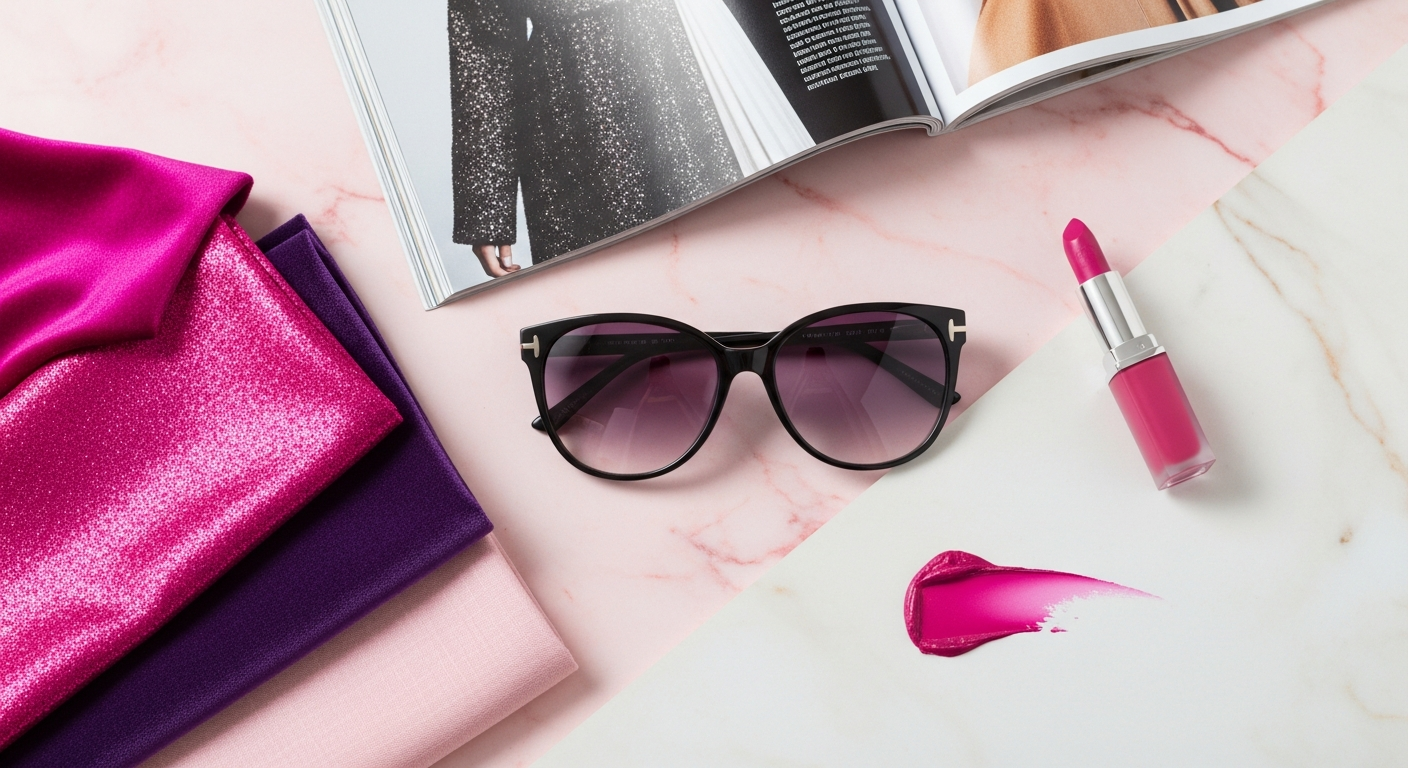
A common mistake in building a capsule is choosing too many “hero” colors that compete for attention. To create a functional 2026 wardrobe, use a tiered approach to color distribution. This ensures versatility while preventing the “cartoon character” effect of wearing the same shade every day.
* **The Base Colors (2-3 Shades):** These are the workhorses of your wardrobe. Typically, these are darker, more formal colors used for investment pieces like coats, trousers, and blazers. Think navy, charcoal, chocolate brown, or forest green. Base colors provide the “anchor” for your outfits.
* **The Neutrals (2-3 Shades):** These bridge the gap between your base and your accents. Neutrals are often lighter shades like cream, camel, light grey, or white. These are essential for layering pieces, t-shirts, and knitwear. They soften the look and allow the other colors to shine.
* **The Accent Colors (2-4 Shades):** This is where your personality comes out. Accent colors are the “pops” of interest that make your capsule feel current. For 2026, we are seeing a rise in “biophilic” accents—colors found in nature—such as terracotta, sage, or cobalt blue. These should be used for smaller items like blouses, scarves, or specific knitwear pieces.
By following this 60/30/10 ratio (60% base/neutrals, 30% secondary neutrals, 10% accents), you ensure that almost any two items pulled from your closet at random will create a cohesive look.
3. Auditing the “Current Self” vs. the “Aspirational Self”
A successful color strategy must bridge the gap between who you are now and who you want to be. The transition to a capsule wardrobe often involves a significant “closet audit.” Start by laying out all the clothes you wear most frequently. What is the common thread? You might realize you naturally gravitate toward blues, or perhaps your “black” wardrobe is actually making you feel washed out.
In 2026, style is increasingly tied to lifestyle “uniforms.” Are you a remote worker who needs soft, tonal lounge sets, or a professional who requires high-contrast power dressing? Your color palette should reflect these needs. For example, a “creative professional” palette might lean heavily into unconventional neutrals like mauve or olive, while a “corporate minimalist” palette might stay strictly within the realm of monochrome black, white, and grey.
When selecting your final palette, don’t just pick colors you like; pick colors that fit your reality. If you have a white dog, an all-black base might be high-maintenance. If you commute by bike, light cream trousers might be impractical. Strategic color selection is as much about logistics as it is about aesthetics.
4. Seasonal Shifts and the “Modular” Palette Approach
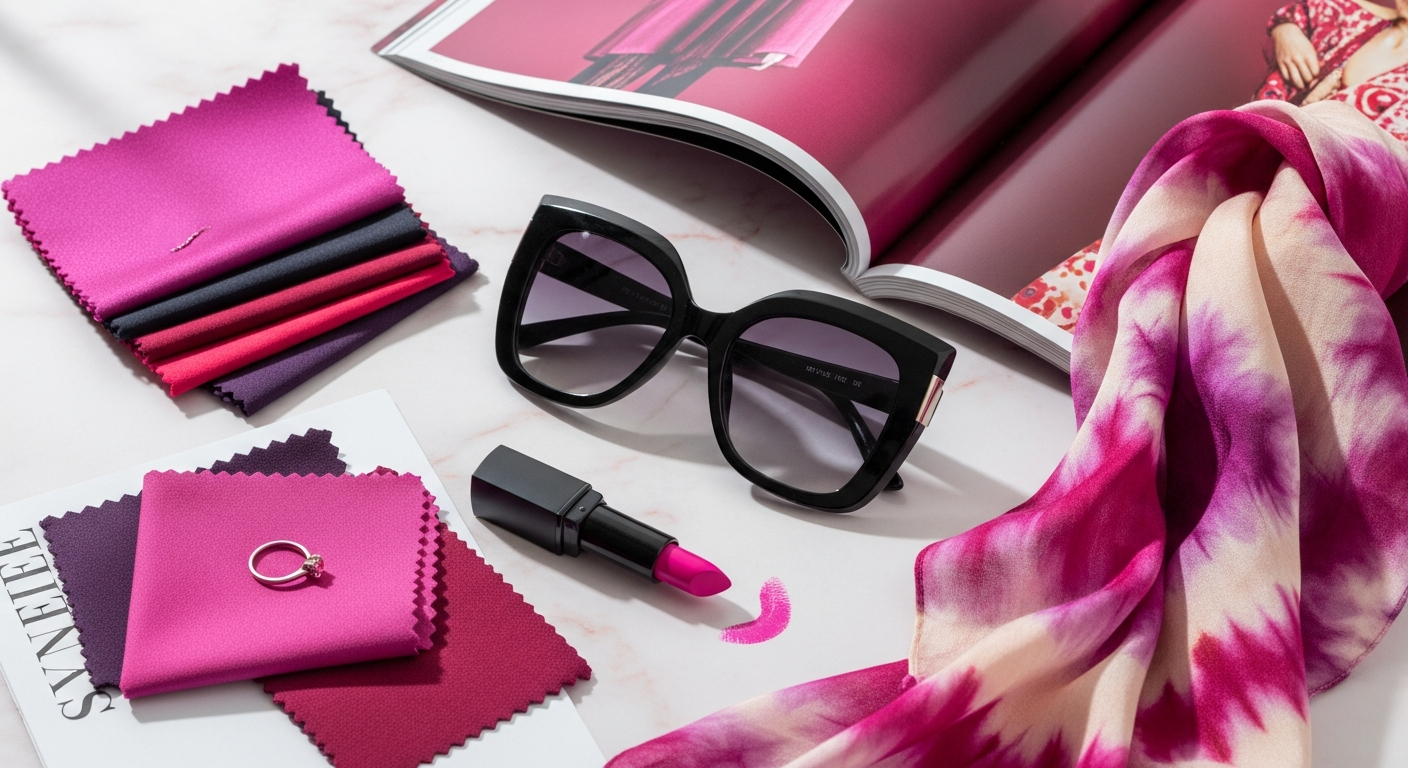
One of the biggest hurdles in capsule wardrobes is the change of seasons. How do you maintain a color palette when moving from the heat of summer to the depths of winter? The 2026 solution is the **Modular Palette**.
Instead of reinventing your wardrobe every six months, keep your base and neutrals consistent year-round. A navy blue blazer and cream trousers work just as well in July as they do in January. What changes are your accents and your fabrics. In the spring and summer, your accents might be lighter, like a pale lemon or seafoam green. In the autumn and winter, you swap those specific accent pieces for deeper versions, like mustard or emerald.
This modularity allows you to invest in high-quality base pieces that last for years. You aren’t “rebuilding” your wardrobe; you are simply rotating the “flavor” of it. This approach is not only more sustainable but also significantly more cost-effective, allowing you to buy better quality fabrics like silk, wool, and organic cotton that retain their color depth over time.
5. Psychology of Color: Dressing for Your Mood and Environment
We often underestimate how much the colors we wear affect our cognitive state. As we navigate the complexities of 2026, “dopamine dressing”—the act of wearing colors that boost your mood—has become a sophisticated science. When building your palette, consider the emotional impact of your choices.
* **Blue:** Evokes trust, calm, and stability. Perfect for high-stress work environments.
* **Red/Burgundy:** Signals power, energy, and confidence. Excellent for days when you need to “take the lead.”
* **Greens:** Associated with growth and harmony. A great choice for creative brainstorming or restorative weekends.
* **Earth Tones:** (Ochre, Sienna, Umber) Provide a sense of groundedness and approachability.
A sophisticated strategy involves choosing a palette that offers emotional range. If your entire wardrobe is grey, you may find it difficult to feel “energized” on a dreary Monday. Including even one vibrant accent color in your capsule can serve as a psychological tool to shift your mindset when needed.
6. Testing Your Palette Before Investing
The final step in the strategy is the “Digital and Physical Test.” Before you rush out to buy new pieces to fill the gaps in your new 2026 color story, you must verify that the palette actually works in practice.
Create a “mood board” using digital tools. Take photos of your existing “keeper” items and see how they look alongside photos of the colors you intend to add. Does the terracotta you love actually clash with your navy base? Does the cream look “dirty” next to the crisp white?
Once the digital board looks cohesive, do a physical “try-on” session. Use what you have to mimic the new colors (even using a colored towel or scarf can work). Walk into different lighting—natural sunlight, office fluorescent, and evening dimness. Colors shift significantly depending on the light source. A navy that looks rich and expensive in the sun might look like a flat black in the office. Ensuring your palette is “light-stable” is the hallmark of a truly expert capsule wardrobe.
—
FAQ: Capsule Wardrobe Color Strategy
**Q1: Can I have more than one accent color in a capsule wardrobe?**
A: Absolutely. While the 2026 minimalist trend leans toward cohesion, you can have 3-4 accent colors as long as they harmonize with each other. A common strategy is to pick accents that are “analogous” (next to each other on the color wheel), such as shades of blue and green, or “complementary” for a bolder look.
**Q2: Should my shoes and bags match my base color?**
A: For maximum versatility, yes. If your base color is chocolate brown, having brown leather accessories creates a “bookended” look that makes any outfit look intentional. However, in 2026, “statement” accessories in an accent color are also a popular way to add personality to a neutral outfit.
**Q3: Does a capsule wardrobe color palette have to be neutral?**
A: Not at all. A “maximalist capsule” is a real thing! Your base colors could be royal blue and burgundy instead of black and beige. The key isn’t the *subtlety* of the colors, but the *relationship* between them. As long as the pieces mix and match, your palette can be as vibrant as you like.
**Q4: How do I handle patterns within my color palette?**
A: Patterns should ideally contain at least two of your palette colors. For example, if your palette is Navy, Cream, and Sage, a floral print shirt that features sage leaves on a cream background will naturally integrate with your navy trousers and cream cardigans.
**Q5: I love black, but people say it’s not a “color palette.” Can I have an all-black capsule?**
A: Monochromatic capsules are incredibly chic. To make an all-black or all-grey wardrobe work in 2026, focus on **texture**. Mix leather, silk, chunky wool, and denim. The variation in how these fabrics reflect light will create the visual interest that color usually provides.
—
Conclusion: The Freedom of a Curated Palette
Building a color palette for your capsule wardrobe is an act of self-respect. It is the transition from being a passive consumer of fast fashion to being an active curator of your own image. By the time 2026 arrives, the most stylish individuals won’t be those with the largest closets, but those with the most intentional ones.
A strategic color palette provides more than just a cohesive look; it provides time. It saves the minutes spent agonizing over combinations in the morning and the hours spent returning “impulse buys” that don’t match anything you own. Whether you opt for a serene palette of “quiet luxury” neutrals or a vibrant collection of expressive hues, remember that the best palette is the one that makes you feel most like yourself. Start with your undertones, build your base, and let your accents tell your story. Your wardrobe should be a reflection of your clarity and confidence—and it all starts with the right colors.