
Circular Fashion Explained: Your Guide to a Sustainable Wardrobe in 2026
Affiliate disclosure: This article may contain affiliate links. Recommendations are independent and editorially driven.
TL;DR: Embracing circular fashion means moving beyond traditional consumption to a system where clothes are designed for durability, reused, repaired, and ultimately recycled. This comprehensive guide helps you understand its principles, adopt practical steps for a sustainable wardrobe, and discover the innovations shaping the future of fashion in 2026.
In a world increasingly conscious of its environmental footprint, the fashion industry stands at a critical juncture. The traditional linear model of “take, make, dispose” has led to staggering amounts of waste, pollution, and resource depletion. But there’s a revolutionary movement gaining momentum: circular fashion. This holistic approach reimagines how we design, produce, consume, and discard clothing, aiming to keep materials in use for as long as possible, eliminating waste and pollution by design, and regenerating natural systems.
For the modern woman who values style, quality, and a clear conscience, circular fashion offers a compelling alternative. It’s not just about buying “sustainable” items; it’s about a systemic shift in mindset and behavior. From investing in timeless pieces and extending their lifespan through care and repair, to exploring rental and resale markets, and ensuring garments can be recycled at their end-of-life, the principles of circularity are reshaping our relationship with our wardrobes. Join us as we explore how you can integrate these powerful concepts into your daily style and contribute to a more sustainable future for fashion.
Understanding Circular Fashion: Beyond Just Sustainability
While sustainability in fashion often focuses on reducing negative impacts, circular fashion goes a step further by seeking to create positive impacts and regenerate resources. It’s a fundamental paradigm shift that aims to keep products and materials in continuous use, eliminating waste from the outset.
The Linear vs. Circular Model: A Fundamental Shift
To truly grasp circular fashion, it’s essential to understand what it’s replacing: the linear economy. Imagine a straight line from raw material extraction to final disposal in a landfill. This model, which has dominated industrial production for centuries, is inherently unsustainable in the face of finite resources and growing consumption.
- Linear Economy: “Take, Make, Dispose”
- Take: Extract virgin resources (e.g., cotton, petroleum for synthetics).
- Make: Manufacture garments, often with significant water, energy, and chemical use.
- Dispose: Consumers buy, use, and then discard clothes, which mostly end up in landfills or are incinerated.
This model relies on cheap, abundant resources and externalizes environmental costs, leading to massive waste, pollution, and the depletion of natural capital. The fast fashion industry is a prime example of the linear model in overdrive, producing billions of garments annually that are often designed for obsolescence.
- Circular Economy: “Regenerate, Circulate, Design Out Waste”
- Design Out Waste & Pollution: Products are conceived from the start to be durable, repairable, and recyclable. Materials are chosen for their safety and ability to be reincorporated into cycles.
- Keep Products & Materials in Use: This is achieved through strategies like longer-lasting products, maintenance, repair, reuse, resale, rental, and remanufacturing. The goal is to extend the active life of garments as much as possible.
- Regenerate Natural Systems: Moving beyond merely sustaining, circularity aims to restore and improve environmental health. This includes using renewable energy, regenerative agricultural practices for natural fibers, and creating safe, non-toxic materials.
The circular model envisions fashion as a continuous loop, where value is retained at every stage. It’s about creating an ecosystem where materials flow back into the system rather than becoming waste.
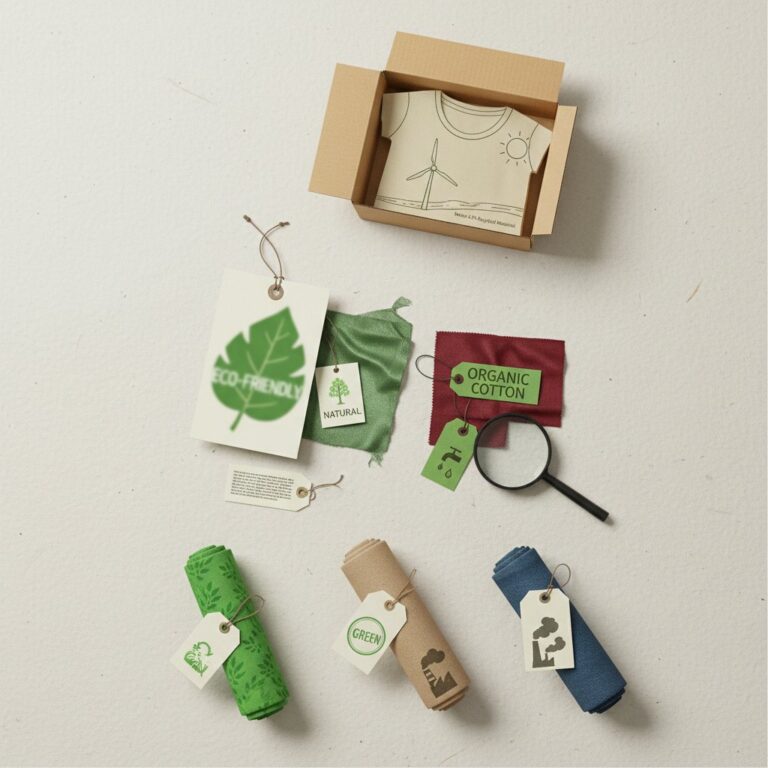
[INLINE IMAGE 1: place after second H2 | alt=”circular fashion concept illustration”]
Key Principles of Circular Fashion
The Ellen MacArthur Foundation, a leading advocate for the circular economy, outlines three core principles that apply directly to circular fashion:
- Design out Waste and Pollution: This means thinking about a garment’s entire lifecycle from its initial conception. Designers consider material selection (e.g., organic, recycled, mono-material for easier recycling), construction (e.g., minimal seams, detachable components), and eventual end-of-life. It’s about preventing waste from being created in the first place.
- Keep Products and Materials in Use: Once a garment is made, the goal is to maximize its value and utility. This involves designing for durability, ease of repair, and the ability to be reused, resold, or rented multiple times before it even approaches recycling. It promotes a shift from ownership to access, or from short-term trends to timeless quality.
- Regenerate Natural Systems: This principle emphasizes the use of renewable resources and processes that give back to the environment. For fashion, this translates to sourcing fibers from regenerative agriculture, minimizing water and energy use, avoiding harmful chemicals, and ensuring that materials can safely return to the biosphere or technosphere.
Benefits of Embracing Circularity in Your Wardrobe
Adopting circular fashion principles isn’t just good for the planet; it offers tangible benefits for you and your personal style:
- Reduced Environmental Impact: By extending the life of garments and promoting recycling, circularity significantly lessens the demand for virgin resources, reduces landfill waste, and minimizes pollution associated with manufacturing. Estimates suggest that less than 1% of clothing is recycled into new clothing globally, highlighting the vast potential for improvement.
- Financial Savings: Investing in higher quality, more durable items may have a higher upfront cost, but they last longer, reducing the need for frequent replacements. Furthermore, engaging in resale, rental, or repair services can be more economical than constantly buying new.
- A More Thoughtful and Unique Style: Moving away from fast fashion encourages a more intentional approach to dressing. You’ll build a wardrobe of pieces you truly love, that fit well, and tell a story, fostering a more authentic and personal style. Discovering unique pre-loved items can also differentiate your look.
- Higher Quality and Longevity: Circular design inherently prioritizes quality and durability. This means your clothes will withstand more wear, wash cycles, and repairs, remaining in excellent condition for years.
- Supports Ethical and Innovative Brands: By choosing brands committed to circular principles, you actively support businesses that are innovating in sustainable materials, ethical production, and closed-loop systems, driving positive change within the industry.
- Reduced Decision Fatigue: A curated, circular capsule wardrobe can simplify your daily routine, making it easier to get dressed and feel confident without being overwhelmed by excess.
The Pillars of a Circular Wardrobe: Design, Use, & Recovery
Building a truly circular wardrobe requires understanding the lifecycle stages of clothing and how each contributes to closing the loop. These pillars represent the journey of a garment from its inception to its rebirth.
Design for Longevity and Cyclability
The journey towards circularity begins long before a garment reaches your closet—it starts on the drawing board. Designers play a pivotal role in determining a product’s environmental impact and its potential for circularity.
- Material Selection:
- Sustainable Sourcing: Prioritizing organic cotton, linen, hemp, Tencel™, Modal, or innovative materials like mushroom leather (Mylo™) and regenerated cellulosic fibers (e.g., Circulose® by Renewcell). These materials have lower environmental footprints and are often biodegradable or easier to recycle.
- Mono-Materials: Garments made from a single type of fiber (e.g., 100% cotton, 100% polyester) are significantly easier to recycle than blends, which often pose complex separation challenges.
- Recycled Content: Incorporating recycled polyester (rPET from plastic bottles), recycled cotton, or other pre- and post-consumer waste materials reduces the demand for virgin resources.
- Non-Toxic Dyes & Finishes: Ensuring that dyes and chemical finishes are safe for human health and the environment, and won’t contaminate recycling streams or soil upon biodegradation.
- Durability and Quality Construction:
- Robust Fabrics: Choosing fabrics known for their strength and resistance to wear and tear.
- Strong Seams and Stitching: High-quality construction means garments can withstand frequent wearing and washing, reducing the likelihood of quick deterioration.
- Timeless Design: Moving away from fleeting trends towards classic, versatile styles that remain relevant season after season, encouraging longer use.
- Repairability and Adaptability:
- Modular Design: Some innovative designs allow parts of a garment (e.g., sleeves, collars) to be replaced or updated, extending its life and adaptability.
- Ease of Repair: Designing clothes with easily accessible seams or replaceable components (buttons, zippers) makes repairs simpler for consumers or professional tailors.
- Adjustable Features: Items with adjustable waistbands or hemlines can adapt to slight body changes or different styling preferences, enhancing their longevity.
Maximizing Garment Use: The Power of Longevity
Once a garment is created, the next crucial step in circular fashion is to extend its active life for as long as possible. This phase is largely in the hands of the consumer.
- Conscious Consumption:
- Buy Less, Choose Well: This mantra encourages thoughtful purchasing, focusing on items that truly fit your style, needs, and existing wardrobe.
- Invest in Quality: Prioritizing durable, well-made garments that can withstand time and wear, rather than cheap, disposable fast fashion.
- Prioritize Versatility: Selecting pieces that can be styled in multiple ways and for various occasions maximizes their utility within your wardrobe.
- Care and Maintenance:
- Proper Washing: Following care labels, using cold water, gentle cycles, and eco-friendly detergents can significantly extend garment life and reduce microplastic shedding for synthetics.
- Air Drying: Reduces energy consumption and is gentler on fabrics than machine drying.
- Mending and Repair: Learning basic sewing skills (like patching holes, reattaching buttons) or utilizing professional tailoring services can revive beloved items.
- Stain Removal: Prompt and correct stain treatment can save garments from early retirement.
- Extending Life Through Sharing and Recommerce:
- Thrifting and Second-Hand Shopping: Buying pre-loved clothing gives items a new life and reduces demand for new production.
- Resale Platforms: Selling or donating garments you no longer wear to platforms like Depop, Poshmark, The RealReal, or local consignment stores. This not only gives clothes a second life but also provides economic benefits.
- Fashion Rental Services: Renting special occasion wear or even everyday items from services like Rent the Runway or Nuuly reduces the need for individual ownership, especially for rarely worn pieces.
- Swapping & Gifting: Organizing clothes swaps with friends or participating in community events to refresh your wardrobe without buying new.
Closing the Loop: Recovery and Regeneration
Even the most durable garment will eventually reach a point where it can no longer be worn or repaired. This is where the recovery phase of circular fashion becomes critical, ensuring materials are recaptured and given a new purpose.
- Collection and Sorting:
- Textile Take-Back Programs: Many brands and retailers now offer collection points for unwanted textiles.
- Charitable Donations: While often sorted for resale, some charities also partner with textile recyclers for items unsuitable for wear.
- Dedicated Recycling Bins: A growing number of municipalities and private organizations provide bins for textile collection, often distinct from general waste.
- Recycling and Upcycling:
- Mechanical Recycling: Textiles are shredded back into fibers, which can then be re-spun into new yarn or used for insulation and stuffing. This is more common for mono-materials like cotton or denim.
- Chemical Recycling: Advanced processes break down fibers into their molecular components, allowing them to be reconstituted into new, high-quality fibers that are often indistinguishable from virgin materials. This is particularly promising for complex blends. Companies like Renewcell (with Circulose®) are pioneers in this area.
- Upcycling: Transforming old garments or textile waste into new products of higher value or quality, often involving creative redesign and craftsmanship. This extends life without fully breaking down the material.
- Biodegradation and Composting:
- For natural, untreated fibers (like organic cotton, linen, hemp) that cannot be recycled, industrial composting can return nutrients to the soil. It’s crucial that these materials are free from synthetic blends or harmful chemicals to ensure proper biodegradation.
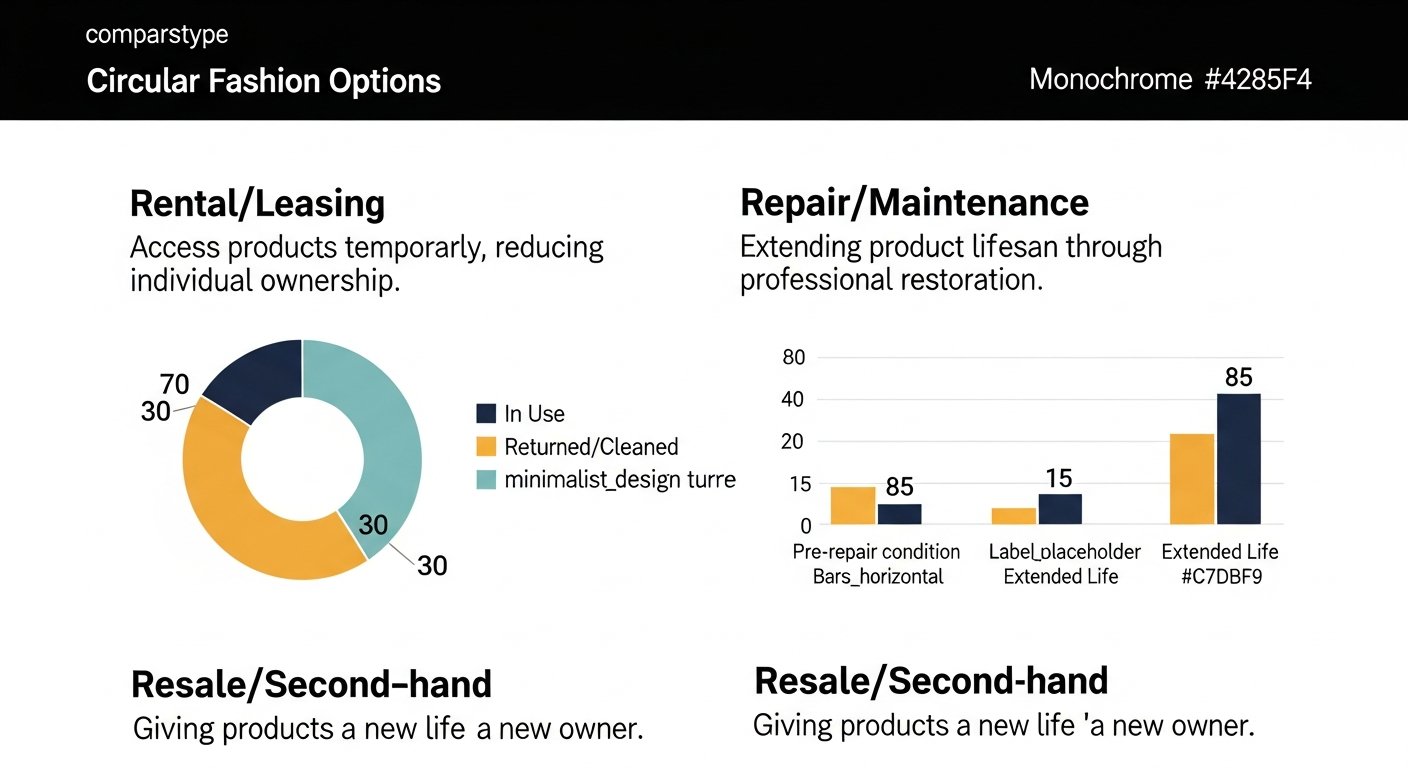
[INLINE IMAGE 2: place after fourth H2 | alt=”circular fashion comparison illustration”]
Practical Steps to Embrace Circular Fashion Today
Integrating circular principles into your everyday style might seem daunting, but it’s a journey of small, conscious choices. Here’s how you can start transforming your wardrobe and impact today.
Step 1: Auditing Your Wardrobe and Mindset
Before you buy anything new or make drastic changes, take stock of what you already own and reflect on your purchasing habits.
- Declutter with Intention: Go through your closet piece by piece. Ask yourself: “Do I wear this?”, “Does it fit?”, “Is it in good condition?”, “Does it bring me joy?”. For items you no longer want, categorize them:
- Keep: Items you love and wear frequently.
- Repair: Items that need a button, a hem, or a small fix to be wearable again.
- Resell/Donate: Items in good condition that can find a new owner.
- Recycle: Items that are too worn, stained, or damaged for resale/donation, but are still suitable for textile recycling (check local facilities or brand take-back programs).
- Understand Your Style: Identify your core aesthetic, the colors and silhouettes that flatter you, and what makes you feel confident. This awareness will guide future purchasing decisions towards timeless pieces you’ll truly use.
- Identify Gaps, Not Impulse Buys: After decluttering, note any true gaps in your wardrobe that would genuinely enhance its versatility. This prevents aimless shopping.
Step 2: Smart Shopping for Circularity
When you do need new items, adopt a circular mindset during the purchasing process.
- Prioritize Second-Hand First:
- Thrift Stores & Consignment: Explore local options for unique finds and incredible value.
- Online Resale Platforms: Sites like Depop, Poshmark, Vinted, Vestiaire Collective, and The RealReal offer vast selections of pre-loved items, from high street to luxury.
- Vintage Shops: Discover beautifully made, often higher-quality garments with distinct character.
- Invest in Quality, Not Quantity:
- Choose Durable Materials: Look for natural fibers like organic cotton, linen, hemp, wool, or high-quality synthetics (if recycled). Learn more about sustainable fabric choices here.
- Examine Construction: Check seams, stitching, and hardware. Are buttons securely sewn? Is the zipper sturdy?
- Timeless Over Trendy: Opt for classic designs and versatile pieces that won’t go out of style quickly.
- Support Circular-Minded Brands:
- Look for brands that offer repair services, take-back programs, use recycled content, or have transparent supply chains. Many ethical brands explicitly state their circular commitments.
- Consider Rental for Special Occasions:
- For formal events, parties, or even trying out a new style, fashion rental services are an excellent circular alternative to single-wear purchases.
Step 3: Care, Repair, and Extend Lifespan
The majority of a garment’s environmental impact occurs after purchase, during its use phase. Your care habits matter significantly.
- Master Proper Care:
- Read Labels: Always follow washing and drying instructions.
- Wash Less, Wash Cold: Over-washing and hot water accelerate wear and tear. Spot clean when possible.
- Air Dry: Save energy and preserve fabric integrity.
- Store Properly: Fold knits to prevent stretching, hang delicate items.
- Embrace Mending & Repair:
- DIY Basics: Learn simple repairs like sewing on buttons, mending small holes, or fixing loose seams. Many online tutorials exist.
- Professional Tailoring: For more complex alterations or repairs, invest in a good tailor. Extending the life of a favorite coat or pair of trousers is often far cheaper than replacing it.
- Visible Mending: Turn repairs into a creative statement with visible mending techniques like Sashiko.
- Reinvent and Upcycle:
- Can that old dress be shortened into a top? Can a pair of jeans be turned into shorts or a bag? Get creative with transforming garments you no longer wear in their original form.
Step 4: Responsible End-of-Life for Garments
When an item has truly reached the end of its wearable life, ensure it re-enters the circular system, rather than ending up in a landfill.
- Resell or Donate: If still in good condition, give it a second life through consignment, online marketplaces, or charitable donations. Remember, “good condition” means something someone else would actually buy or wear.
- Textile Recycling: For items beyond repair or resale (e.g., stained, ripped, mismatched socks), look for dedicated textile recycling programs.
- Brand Take-Backs: Many retailers (e.g., H&M, The North Face, Levi’s) have textile collection bins in stores.
- Local Recycling Centers: Check your municipal waste management website for textile recycling options.
- Specialized Programs: Some organizations focus specifically on hard-to-recycle items like shoes or intimate apparel.
- Compost Natural Fibers: If you have 100% natural, untreated fibers (e.g., cotton, linen, wool) and a suitable composting system, these can safely biodegrade and return to the earth. Be sure they are free from synthetic components, dyes, or embellishments that would prevent composting.
Innovations Driving Circularity in Fashion
The shift to circular fashion isn’t just about consumer behavior; it’s fueled by groundbreaking innovations across the entire supply chain. From new materials to advanced recycling techniques, technology is paving the way for a truly closed-loop system.
Material Innovations: The Next Generation of Fibers
The foundation of circular fashion lies in the materials themselves. Scientists and innovators are developing new fibers that are less resource-intensive, biodegradable, or infinitely recyclable.
- Regenerated Cellulosic Fibers:
- Circulose® by Renewcell: A breakthrough material made from 100% textile waste (like old jeans and production scraps). It creates a new, high-quality “dissolving pulp” that can be used to make new textile fibers like viscose or lyocell, closing the loop on cotton and other cellulosics.
- Lyocell (Tencel™): Produced using a closed-loop solvent spinning process, Tencel™ is highly sustainable, made from wood pulp, and boasts exceptional strength and softness. It’s a staple in many sustainable collections.
- Bio-Based & Biodegradable Materials:
- Mycelium Leather (e.g., Mylo™ by Bolt Threads): Grown from the root structure of mushrooms, these materials offer a sustainable, animal-free alternative to traditional leather, with potential for biodegradability.
- Piñatex®: A leather alternative made from waste pineapple leaf fibers, offering a durable and sustainable option.
- Algae and Plant-Based Dyes: Innovations in natural pigments reduce reliance on synthetic, often toxic, dyes.
- Advanced Recycled Synthetics:
- While recycled polyester (rPET) from plastic bottles is common, new technologies are focusing on breaking down polyester textiles themselves (polyester-to-polyester recycling) to avoid downcycling and truly close the loop on synthetic fibers.
- Nylon from Ocean Waste: Brands are increasingly using regenerated nylon (e.g., ECONYL®) made from fishing nets and other discarded nylon waste.
Advanced Recycling Technologies: Closing the Textile Loop
The biggest hurdle in circular fashion has long been the inability to effectively recycle mixed-fiber garments or recover valuable materials without degradation. New technologies are rapidly changing this landscape.
- Chemical Recycling:
- This process breaks down textile waste into its molecular building blocks, allowing for the creation of new, virgin-quality fibers. It’s particularly effective for blends and synthetics.
Research and development in this area are accelerating, promising a future where most textile waste can be infinitely recycled without loss of quality. - Hydrothermal and Solvent-Based Processes: Different chemical methods are being refined to separate and purify polymers from complex textile waste streams.
- This process breaks down textile waste into its molecular building blocks, allowing for the creation of new, virgin-quality fibers. It’s particularly effective for blends and synthetics.
- Fiber-to-Fiber Recycling:
- The holy grail of textile recycling, where old garments are transformed directly into new fibers of comparable quality. This avoids downcycling (turning textiles into insulation or rags) and truly keeps materials in the fashion cycle.
- Companies like Infinited Fiber Company are developing processes to turn cotton-rich waste into a new, versatile fiber called Infinna™.
- Microplastic Capture:
- Innovations are also focusing on reducing the environmental impact of existing synthetics, such as washing machine filters designed to capture microfibers before they enter waterways.
Digital Solutions and Transparency
Technology is not only changing how materials are made and recycled but also how we track, understand, and interact with our clothes.
- Digital Product Passports (DPPs):
- These digital tags (often via QR codes or NFC chips) attached to garments provide comprehensive information about a product’s origin, materials, manufacturing process, care instructions, repair history, and recycling options. This enhances transparency and enables more effective recycling and resale. The EU is actively developing standards for DPPs.
- Blockchain for Supply Chain Transparency:
- Blockchain technology can create immutable records of a garment’s journey from raw material to retail, ensuring transparency and traceability, helping consumers verify ethical and sustainable claims.
- AI and Data Analytics for Waste Reduction:
- Artificial intelligence can optimize inventory management, predict demand more accurately (reducing overproduction), and even assist in sorting textile waste for recycling.
- Virtual Try-On & 3D Design:
- Digital tools for garment design reduce the need for physical samples, minimizing waste during the development phase. Virtual try-on apps can reduce returns from online shopping, further decreasing logistics-related emissions.
Policy and Industry Shifts
Beyond technological advancements, policy and collaborative industry efforts are crucial to accelerating the transition to circular fashion.
- Extended Producer Responsibility (EPR) Schemes:
- These policies hold brands accountable for the entire lifecycle of their products, including collection and recycling. EPR mandates are being adopted in various regions, pushing brands to design for circularity.
- Industry Collaborations & Partnerships:
- Organizations like the Global Fashion Agenda, Textile Exchange, and the Ellen MacArthur Foundation are fostering collaborations between brands, innovators, and policymakers to develop common standards, share best practices, and drive systemic change.
- Examples include initiatives for textile sorting infrastructure and investment in chemical recycling facilities.
- Standards & Certifications:
- The development of robust certifications and standards for circularity helps consumers identify genuinely sustainable products and holds brands accountable.
Building Your Circular Capsule Wardrobe: A Step-by-Step Guide
A circular capsule wardrobe is not just a trend; it’s a strategic approach to dressing that aligns with your values, saves you money, and simplifies your daily routine. Here’s how to create one that’s both stylish and sustainable.
Step 1: Define Your Personal Style and Lifestyle Needs
Before you even think about clothes, understand who you are and how you live. This is the foundation of a truly functional and loved wardrobe.
- Identify Your Core Aesthetic: What colors, silhouettes, and overall vibe truly resonate with you? Create a mood board, note down words that describe your ideal style (e.g., minimalist, bohemian, classic, edgy).
- Assess Your Lifestyle: What does your typical week look like? Do you need professional attire, casual wear, athletic gear, or a mix? How many formal events do you attend? This helps determine the proportion of different types of clothing you need.
- Color Palette: Choose a cohesive color palette that includes 2-3 neutrals (e.g., black, white, navy, grey, beige) and 1-3 accent colors that you love and that flatter you. This ensures maximum mix-and-match potential.
- Understand Your Body Shape: Knowing what cuts and styles flatter your figure will ensure your investments fit well and make you feel confident.
Step 2: Curate Your Existing Wardrobe with Circular Principles
Your journey begins with what you already own. Focus on quality, versatility, and longevity.
- The Intentional Purge: Follow the audit steps from Section 3. Be honest about what you wear, what fits, and what needs repair. Don’t keep items “just in case.”
- Identify Your Wardrobe MVPs (Most Valuable Pieces): These are the items you wear constantly, that fit perfectly, and can be styled in multiple ways. These are the core of your capsule.
- Prioritize Repair and Alteration: Before discarding or replacing, consider if an item can be revived. A simple hem, a new button, or professional tailoring can extend its life significantly.
- Categorize for Circularity:
- Keep: Loved, worn, and well-fitting items.
- Resell/Donate: Good condition, but no longer fit or suit your style.
- Recycle: Too damaged for resale but can be ethically recycled.
Step 3: Strategically Build and Fill Gaps
With a clear understanding of your style and existing items, you can now thoughtfully acquire new pieces.
- Make a Wishlist: Based on your lifestyle needs and identified gaps, create a list of specific items. Be as detailed as possible (e.g., “dark wash, straight-leg jeans,” “classic white button-down shirt,” “versatile black blazer”).
- Shop Second-Hand First: Always check resale platforms, consignment stores, and thrift shops for items on your wishlist. You’ll often find higher quality pieces for less.
- Invest in Quality Staples: For items you’ll wear frequently, like a good coat, classic denim, or essential knitwear, invest in the best quality you can afford. Look for brands known for durability and ethical practices.
- Prioritize Versatility: Each new item should ideally pair with at least 3-5 other pieces in your wardrobe. This maximizes wear and reduces the total number of items needed.
- Focus on Multi-Season Wear: Choose pieces that can transition across seasons with clever layering (e.g., a trench coat, a long-sleeved midi dress, a versatile cardigan).
- Slow and Steady: Building a circular capsule wardrobe is a marathon, not a sprint. Take your time, enjoy the process, and learn what truly works for you.
Comparison Table: Circular Options for Wardrobe Additions
When you’re ready to add new items, consider these circular approaches versus traditional buying:
| Wardrobe Item Need | Traditional (Linear) Approach | Circular Fashion Options & Considerations | Benefits for You | Circular Impact | ||||||||||||||||||
|---|---|---|---|---|---|---|---|---|---|---|---|---|---|---|---|---|---|---|---|---|---|---|
| Special Occasion Dress | Buy a new, trendy dress for a single event. | Rent: Use services like Rent the Runway or Nuuly. Look for vintage or second-hand dresses online. Invest in a versatile, classic formal dress that can be re-styled. | Cost-effective, access to high-end brands, reduces storage, unique style. | Minimizes single-wear garments, extends life of existing clothes, reduces production demand. | ||||||||||||||||||
| Everyday Jeans | Buy new, fast-fashion jeans that wear out quickly. | Invest in quality: Choose organic cotton, durable denim from brands with repair programs. Buy second-hand designer denim for durability. Look for brands using recycled content. | Better fit, longer lifespan, less frequent replacement, potentially unique finds. | Reduces demand for virgin cotton/water, supports durable design, keeps materials in use longer. | ||||||||||||||||||
| Basic T-shirt | Buy a pack of cheap, thin t-shirts that quickly lose shape. | Invest in organic cotton/Tencel™: Choose well-constructed tees from ethical brands. Buy high-quality second-hand basics. Prioritize repair (e.g., mending small holes). | Softer feel, holdsCircular Fashion Explained: Your Guide to a Sustainable Wardrobe in 2026Affiliate disclosure: This article may contain affiliate links. Recommendations are independent and editorially driven. TL;DR: Embracing circular fashion means moving beyond traditional consumption to a system where clothes are designed for durability, reused, repaired, and ultimately recycled. This comprehensive guide helps you understand its principles, adopt practical steps for a sustainable wardrobe, and discover the innovations shaping the future of fashion in 2026. In a world increasingly conscious of its environmental footprint, the fashion industry stands at a critical juncture. The traditional linear model of “take, make, dispose” has led to staggering amounts of waste, pollution, and resource depletion. But there’s a revolutionary movement gaining momentum: circular fashion. This holistic approach reimagines how we design, produce, consume, and discard clothing, aiming to keep materials in use for as long as possible, eliminating waste and pollution by design, and regenerating natural systems. For the modern woman who values style, quality, and a clear conscience, circular fashion offers a compelling alternative. It’s not just about buying “sustainable” items; it’s about a systemic shift in mindset and behavior. From investing in timeless pieces and extending their lifespan through care and repair, to exploring rental and resale markets, and ensuring garments can be recycled at their end-of-life, the principles of circularity are reshaping our relationship with our wardrobes. Join us as we explore how you can integrate these powerful concepts into your daily style and contribute to a more sustainable future for fashion. Understanding Circular Fashion: Beyond Just SustainabilityWhile sustainability in fashion often focuses on reducing negative impacts, circular fashion goes a step further by seeking to create positive impacts and regenerate resources. It’s a fundamental paradigm shift that aims to keep products and materials in continuous use, eliminating waste from the outset. The Linear vs. Circular Model: A Fundamental ShiftTo truly grasp circular fashion, it’s essential to understand what it’s replacing: the linear economy. Imagine a straight line from raw material extraction to final disposal in a landfill. This model, which has dominated industrial production for centuries, is inherently unsustainable in the face of finite resources and growing consumption.
[INLINE IMAGE 1: place after second H2 | alt=”circular fashion concept illustration”] Key Principles of Circular FashionThe Ellen MacArthur Foundation, a leading advocate for the circular economy, outlines three core principles that apply directly to circular fashion:
Benefits of Embracing Circularity in Your WardrobeAdopting circular fashion principles isn’t just good for the planet; it offers tangible benefits for you and your personal style:
The Pillars of a Circular Wardrobe: Design, Use, & RecoveryBuilding a truly circular wardrobe requires understanding the lifecycle stages of clothing and how each contributes to closing the loop. These pillars represent the journey of a garment from its inception to its rebirth. Design for Longevity and CyclabilityThe journey towards circularity begins long before a garment reaches your closet—it starts on the drawing board. Designers play a pivotal role in determining a product’s environmental impact and its potential for circularity.
Maximizing Garment Use: The Power of LongevityOnce a garment is created, the next crucial step in circular fashion is to extend its active life for as long as possible. This phase is largely in the hands of the consumer.
Closing the Loop: Recovery and RegenerationEven the most durable garment will eventually reach a point where it can no longer be worn or repaired. This is where the recovery phase of circular fashion becomes critical, ensuring materials are recaptured and given a new purpose.
[INLINE IMAGE 2: place after fourth H2 | alt=”circular fashion comparison illustration”] Practical Steps to Embrace Circular Fashion TodayIntegrating circular principles into your everyday style might seem daunting, but it’s a journey of small, conscious choices. Here’s how you can start transforming your wardrobe and impact today. Step 1: Auditing Your Wardrobe and MindsetBefore you buy anything new or make drastic changes, take stock of what you already own and reflect on your purchasing habits.
Step 2: Smart Shopping for CircularityWhen you do need new items, adopt a circular mindset during the purchasing process.
Step 3: Care, Repair, and Extend LifespanThe majority of a garment’s environmental impact occurs after purchase, during its use phase. Your care habits matter significantly.
Step 4: Responsible End-of-Life for GarmentsWhen an item has truly reached the end of its wearable life, ensure it re-enters the circular system, rather than ending up in a landfill.
Innovations Driving Circularity in FashionThe shift to circular fashion isn’t just about consumer behavior; it’s fueled by groundbreaking innovations across the entire supply chain. From new materials to advanced recycling techniques, technology is paving the way for a truly closed-loop system. Material Innovations: The Next Generation of FibersThe foundation of circular fashion lies in the materials themselves. Scientists and innovators are developing new fibers that are less resource-intensive, biodegradable, or infinitely recyclable.
Advanced Recycling Technologies: Closing the Textile LoopThe biggest hurdle in circular fashion has long been the inability to effectively recycle mixed-fiber garments or recover valuable materials without degradation. New technologies are rapidly changing this landscape.
Digital Solutions and TransparencyTechnology is not only changing how materials are made and recycled but also how we track, understand, and interact with our clothes.
Policy and Industry ShiftsBeyond technological advancements, policy and collaborative industry efforts are crucial to accelerating the transition to circular fashion.
Building Your Circular Capsule Wardrobe: A Step-by-Step GuideA circular capsule wardrobe is not just a trend; it’s a strategic approach to dressing that aligns with your values, saves you money, and simplifies your daily routine. Here’s how to create one that’s both stylish and sustainable. Step 1: Define Your Personal Style and Lifestyle NeedsBefore you even think about clothes, understand who you are and how you live. This is the foundation of a truly functional and loved wardrobe.
Step 2: Curate Your Existing Wardrobe with Circular PrinciplesYour journey begins with what you already own. Focus on quality, versatility, and longevity.
Step 3: Strategically Build and Fill GapsWith a clear understanding of your style and existing items, you can now thoughtfully acquire new pieces.
Comparison Table: Circular Options for Wardrobe AdditionsWhen you’re ready to add new items, consider these circular approaches versus traditional buying:
|