
The Ultimate Cottagecore Fashion Trend Style Guide: Embracing Whimsical Romance
In an era increasingly dominated by rapid technological advancement and digital noise, a quiet revolution has taken root in the hearts of fashion-conscious women worldwide. Cottagecore—a whimsical, pastoral aesthetic that celebrates a return to simpler times—has evolved from a niche internet subculture into a powerhouse fashion movement. It is more than just a trend; it is a visual manifestation of a longing for the countryside, a slower pace of life, and a deeper connection to nature. As we look toward the fashion landscape of 2026, Cottagecore continues to flourish, blending nostalgic Victorian silhouettes with modern ethical sensibilities. This style guide is designed for the woman who dreams of wildflower meadows, sun-drenched picnics, and a wardrobe that tells a story of romantic escapism. Whether you are a seasoned “cottage-dweller” or a newcomer to the aesthetic, this guide will help you curate a look that is as timeless as it is enchanting.
The Foundations of Cottagecore: Fabrics and Silhouettes
The essence of Cottagecore fashion lies in its tactile nature. To truly embody this aesthetic, one must look beyond the visual and focus on the feel of the garment. The movement is deeply rooted in “Slow Fashion,” which prioritizes quality over quantity and natural materials over synthetic ones.
#
Natural Fibers
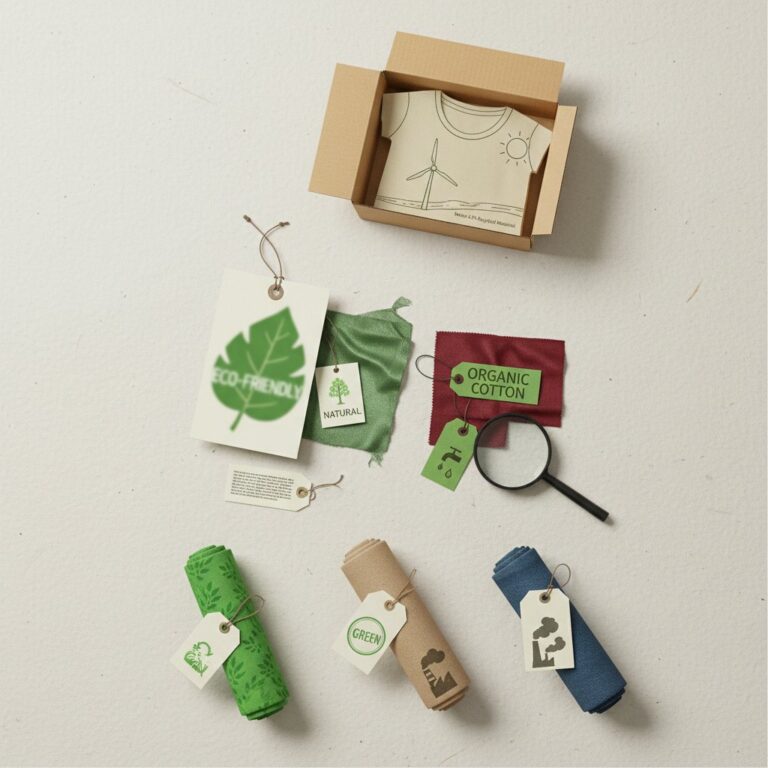
Linen and cotton are the undisputed kings of the Cottagecore wardrobe. Linen, with its breathability and charming tendency to wrinkle, evokes a sense of lived-in comfort that is essential to the look. In 2026, we are seeing a surge in organic hemp and bamboo blends that mimic the rustic texture of traditional fabrics while offering superior sustainability. These materials allow the skin to breathe, making them perfect for those humid summer afternoons spent gardening or reading under an oak tree.
#
The Romantic Silhouette
The Cottagecore silhouette is defined by volume, modesty, and grace. It moves away from the body-con shapes of the early 2000s, favoring garments that flow and swirl. Key elements include:
* **Puffy Sleeves:** Whether they are short “puff” sleeves or long “bishop” sleeves, volume at the shoulder or wrist is a hallmark of the style.
* **Tiered Skirts:** Multiple layers of fabric add weight and movement to dresses, creating a “prairie” effect.
* **Empire and Natural Waists:** While many dresses feature a relaxed fit, many incorporate shirring (elasticated gathering) or corset-style lacing to define the waist without sacrificing comfort.
Must-Have Pieces for the 2026 Cottagecore Wardrobe
Building a Cottagecore wardrobe requires a few “hero” pieces that serve as the foundation for your daily ensembles. In 2026, the trend has moved toward more intricate detailing and artisanal craftsmanship.
#
The Iconic Prairie Dress
The prairie dress is the centerpiece of the aesthetic. Look for mid-to-maximal lengths with delicate floral prints—think “Liberty of London” style ditsy florals or vintage botanical illustrations. This year, embroidery is a major focus; look for dresses featuring hand-stitched wildflowers, bees, or vines along the hemline or bodice.
#
Milkmaid Tops
Characterized by a square neckline, gathered bust, and puffed sleeves, the milkmaid top is a versatile staple. It bridges the gap between historical costume and modern streetwear. Pair a crisp white cotton milkmaid top with a high-waisted linen skirt for a classic look, or style it with vintage-wash denim for a contemporary “city-meets-country” vibe.
#
The “Nap Dress” and Nightwear-as-Daywear
The line between loungewear and outerwear continues to blur. The “Nap Dress”—a smocked, comfortable dress that looks as good at a dinner party as it does during a siesta—remains a favorite. In 2026, expect to see more Victorian-inspired nightgowns being repurposed as daytime attire, often layered under knitwear or structured vests.
#
Corsets and Stays
While historical corsetry was often restrictive, the Cottagecore version is all about the aesthetic of “cottage-witch” or “romantic heroine.” Tapestry-fabric corsets or soft linen stays worn *over* dresses or shirts add a structured, historical layer that instantly elevates a simple outfit.
Accessorizing the Aesthetic: From Straw Hats to Ribbon Ties
Accessories are the “seasoning” of the Cottagecore look. They provide the finishing touches that transform an outfit into a cohesive story.
#
Headwear and Hair
The wide-brimmed straw hat is the ultimate functional accessory, protecting you from the sun while adding a touch of rustic charm. Look for styles with long ribbon ties that can be fastened under the chin or left to flutter in the wind. Hair accessories are equally important; oversized bows, silk ribbons tied around braids, and headbands adorned with dried flowers are essential for achieving that whimsical look.
#
Footwear: Practicality Meets Elegance
In the world of Cottagecore, footwear must be practical enough for a walk through a damp forest but pretty enough for a tea party.
* **Lace-up Boots:** Think Victorian “granny boots” in brown or cognac leather.
* **Mary Janes:** Soft velvet or leather Mary Janes with a low block heel provide a youthful, nostalgic touch.
* **Clogs:** For a more bohemian, 1970s-inspired Cottagecore look, wooden-soled clogs are making a significant comeback in 2026.
#
The Woven Basket
Forget the leather handbag; the Cottagecore woman carries a basket. Whether it’s a structured wicker picnic hamper or a soft woven straw tote, these bags are perfect for carrying everything from your latest read to a fresh bouquet of peonies.
Cottagecore for Every Season: Transitioning Your Style
A common misconception is that Cottagecore is strictly a summer aesthetic. However, the movement adapts beautifully to the changing seasons, embracing the “moody” side of nature as the leaves fall.
#
Spring and Summer: The Light and Airy
This is the peak season for light-colored linens, soft pastels, and delicate lace. Focus on “sun-drenched” hues like butter yellow, sage green, and dusty rose. Parasols and light-weave shawls are your best friends during the warmer months.
#
Autumn and Winter: The “Dark Cottagecore” Shift
As the weather cools, the palette shifts to earthier tones: forest green, deep burgundy, mustard, and chocolate brown. Layering becomes the primary styling tool.
* **Knitwear:** Chunky, hand-knitted cardigans with floral embroidery or “popcorn” stitching are essential.
* **Tweed and Wool:** Swap light cotton skirts for heavy wool or corduroy versions.
* **Capes and Cloaks:** For the truly adventurous, a wool cape adds a sense of fantasy and warmth that a standard coat cannot provide.
Styling Cottagecore for the Modern World
While the full “pastoral fantasy” is beautiful, many women want to incorporate Cottagecore elements into their everyday urban or professional lives without feeling like they are wearing a costume.
#
The “Subtle Cottage” Office Look
To bring the aesthetic into a professional setting, focus on one “hero” item. Pair a ruffled, high-neck Victorian blouse with tailored trousers. Choose a neutral color palette—creams, tans, and greys—to keep the look sophisticated. A pair of leather loafers or refined Mary Janes completes the ensemble.
#
Modern-Day Edge
For a weekend in the city, mix textures. A floral prairie dress looks incredibly chic when paired with a vintage leather jacket and chunky boots. This juxtaposition of “hard and soft” is a key styling trick for 2026, allowing the romanticism of Cottagecore to coexist with the grit of urban life.
#
Jewelry: Delicate and Symbolic
Modern Cottagecore jewelry is small and meaningful. Look for lockets containing a photo or a tiny dried flower, gold hoops with pearl drops, or rings featuring “moss agate” stones that look like miniature forests trapped in glass.
Sustainable and Ethical: The Heart of the Cottagecore Movement
At its core, Cottagecore is a rejection of modern consumerism. It is deeply intertwined with the ethics of sustainability, making it a perfect fit for the eco-conscious woman of 2026.
#
Thrifting and Vintage Hunting
The most “authentic” Cottagecore pieces are often found in secondhand shops. Scouring thrift stores for vintage slips, handmade quilts (which can be repurposed into jackets), and genuine 1970s-does-1940s floral dresses is a rite of passage. This not only ensures a unique wardrobe but also keeps clothing out of landfills.
#
DIY and Visible Mending
The Cottagecore community values the “handmade.” This has led to a resurgence in embroidery, knitting, and sewing. Visible mending—the art of repairing a hole in a garment using decorative stitching—is a badge of honor. It tells the world that you value your clothes enough to fix them, aligning perfectly with the slow-fashion ethos.
#
Supporting Small Makers
In 2026, the trend is moving away from “fast fashion” giants who mass-produce Cottagecore-style items. Instead, fashion-conscious women are turning to small, independent designers on platforms like Etsy or Instagram. These makers often use deadstock fabric and pay living wages, ensuring that the “dreamy” aesthetic doesn’t have a nightmare impact on the planet.
FAQ: Navigating the Cottagecore Trend
**1. Is Cottagecore still in style for 2026?**
Absolutely. While trends come and go, Cottagecore has evolved into a “lifestyle aesthetic” similar to Minimalism or Americana. In 2026, it has matured, focusing more on high-quality craftsmanship, sustainable textiles, and “Dark Cottagecore” elements for the winter seasons.
**2. Can I wear Cottagecore if I live in a big city?**
Yes! Many of the most ardent Cottagecore enthusiasts live in apartments. You can bring the aesthetic to the city by mixing romantic pieces (like a milkmaid top) with urban staples (like denim or a trench coat). The style is about a state of mind and a love for the aesthetic, regardless of your zip code.
**3. How do I start a Cottagecore wardrobe on a budget?**
Start with the basics. A white cotton blouse with a ruffled collar and a midi-length floral skirt are great starting points. Look for these items at thrift stores or vintage shops. Focus on natural fabrics, as they last longer and look more “authentic” to the style.
**4. What is the difference between Cottagecore and “Light Academia”?**
While they share some similarities, they are distinct styles. Cottagecore is focused on the outdoors, nature, and pastoral life (think gardening and picnics). Light Academia is focused on the indoors, education, and classic literature (think libraries, museums, and blazers).
**5. Are there specific colors I should stick to?**
Traditionally, Cottagecore uses a palette inspired by nature. This includes “earth tones” (brown, tan, ochre), “botanicals” (sage green, forest green, moss), and “florals” (lavender, rose, dusty blue). However, 2026 trends are seeing an introduction of “moody” jewel tones for those who prefer a darker aesthetic.
Conclusion: Crafting Your Own Pastoral Dream
The Cottagecore fashion trend is more than just a collection of puffy sleeves and floral prints; it is a visual love letter to the natural world and a rebellion against the frantic pace of modern life. By choosing natural fabrics, embracing romantic silhouettes, and prioritizing sustainable practices, you aren’t just wearing a trend—you are adopting a philosophy.
As we navigate through 2026, the desire for softness, beauty, and connection remains as strong as ever. Whether you are baking bread in a sunlit kitchen or navigating the morning commute, incorporating elements of Cottagecore into your wardrobe allows you to carry a piece of that pastoral dream with you wherever you go. Embrace the lace, cherish the linen, and let your style be a reflection of the whimsical, romantic spirit that lives within you. After all, in a world that often feels too fast, there is nothing more revolutionary than choosing to move slowly and beautifully.