
Ethical Basics: Your Definitive Guide to a Sustainable and Stylish Wardrobe in 2026
Affiliate disclosure: This article may contain affiliate links. Recommendations are independent and editorially driven.
In the dynamic world of women’s fashion, where trends ebb and flow with dizzying speed, a profound shift is underway. Beyond fleeting fads and seasonal must-haves, a movement towards mindful consumption and sustainable practices is reshaping how we build our wardrobes. At the heart of this transformation lies the concept of ethical basics – foundational garments that not only embody timeless style but are also produced with unwavering respect for people and the planet. For the discerning fashiongoggled reader, understanding and embracing ethical basics is not just a trend; it’s a commitment to a more responsible, conscious, and ultimately more rewarding approach to personal style.
This comprehensive guide dives deep into the realm of ethical basics, exploring every facet from their fundamental definition to practical strategies for integrating them into your existing style. We’ll demystify the complex world of sustainable materials, illuminate the crucial role of fair labor, and empower you to identify brands that truly walk the talk. Whether you’re embarking on your sustainable fashion journey or looking to deepen your commitment, preparing to build a capsule wardrobe, this article will equip you with the knowledge and tools to curate a closet that reflects your values without compromising on elegance or practicality. Join us as we uncover how ethical basics are not just pieces of clothing, but pillars of a more sustainable future for fashion.
What Are Ethical Basics? Defining Conscious Cornerstones of Your Wardrobe
At its core, the term “ethical basics” refers to everyday clothing staples – think t-shirts, jeans, sweaters, dresses, and trousers – that are produced with consideration for environmental impact, social justice, and animal welfare throughout their entire supply chain. These are the versatile pieces that form the backbone of any functional wardrobe, and when chosen ethically, they represent a powerful statement of values. It’s about moving beyond the transient nature of fast fashion and investing in quality, longevity, and integrity.
The journey of an ethical basic begins long before it reaches your closet. It encompasses every stage: from the cultivation of raw materials and the manufacturing processes, to the working conditions of the individuals who craft the garments, and even the end-of-life cycle of the product. This holistic perspective ensures that your wardrobe choices contribute positively, rather than detrimentally, to the world.
Beyond Just Organic: A Holistic View of Ethical Production
While organic materials are certainly a vital component of ethical fashion, they represent just one piece of a much larger puzzle. An ethical basic isn’t merely about the absence of harmful pesticides in cotton farming; it’s about a complete ecosystem of responsibility. This means considering:
- Resource Efficiency: How much water, energy, and land are used in production? Are sustainable energy sources employed?
- Waste Reduction: Are processes designed to minimize textile waste, water pollution, and chemical runoff? Is there a commitment to circularity?
- Fair Labor Practices: Are garment workers paid living wages, provided safe working conditions, and given the right to organize? Is child labor or forced labor strictly prohibited?
- Animal Welfare: For items involving animal products (like wool or leather), are animals treated humanely, free from cruelty and exploitation?
- Transparency and Traceability: Can the brand provide clear information about where and how their clothes are made, from farm to factory to finished product?
- Product Longevity: Are garments designed to be durable, repaired, and cared for, thereby extending their lifespan and reducing consumption?
Understanding this multifaceted approach is key to truly discerning ethical basics from mere “greenwashing” – a marketing tactic where companies make unsubstantiated claims about environmental friendliness. True ethical brands integrate these principles into their core business model, often backed by verifiable certifications and transparent reporting.
The Core Principles of Ethical Fashion and Ethical Basics
The principles underpinning ethical basics are intrinsically linked to the broader ethical fashion movement. These core tenets guide brands and consumers alike toward more responsible choices:
- Sustainability: This encompasses ecological integrity, ensuring that production methods minimize environmental harm, conserve natural resources, and promote biodiversity. It’s about regenerative agriculture, closed-loop systems, and reducing carbon footprints.
- Fairness & Equity: This principle centers on social justice, ensuring all individuals involved in the supply chain are treated with dignity, respect, and fairness. This includes fair wages, safe workplaces, and the empowerment of marginalized communities.
- Transparency: Ethical fashion demands open communication about practices, supply chains, and impacts. It allows consumers to make informed decisions and holds brands accountable for their commitments.
- Longevity & Quality: Moving away from disposable fashion, ethical basics are designed to last. High-quality materials and craftsmanship mean garments endure, reducing the need for constant replacement and lowering overall consumption.
- Circularity: A forward-thinking principle, circularity aims to keep materials in use for as long as possible, designing products for durability, repair, reuse, and ultimately, recycling. It envisions a system where waste is eliminated, and resources are continually regenerated.
By prioritizing these principles when selecting your ethical basics, you’re not just buying clothes; you’re investing in a future where fashion is a force for good, contributing to both your personal style and a healthier planet.
Why Ethical Basics Matter: Impact Beyond Your Closet
The choices we make in our daily lives, particularly regarding what we wear, reverberate far beyond our personal style. Opting for ethical basics is a profound decision with far-reaching consequences, influencing environmental health, social equity, and even our own well-being. It’s an act of conscious consumption that aligns personal values with global responsibility, making every purchase a statement of intent.
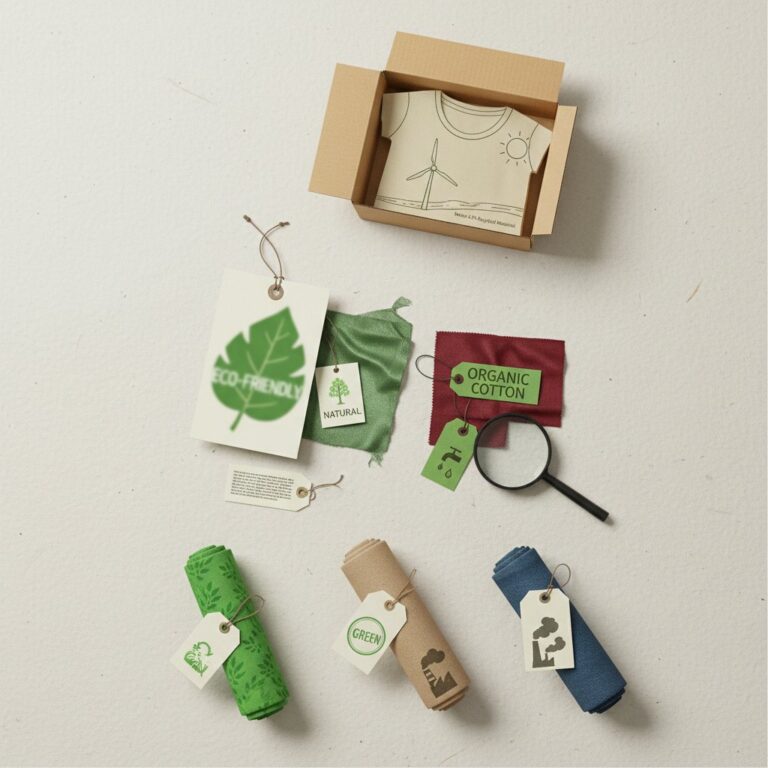
[INLINE IMAGE 1: place after second H2 | alt=”ethical basics concept illustration”]
Environmental Stewardship: Protecting Our Planet
The traditional fashion industry is notoriously one of the most polluting sectors globally. From vast water consumption and chemical pollution to enormous carbon emissions and textile waste, its environmental footprint is staggering. Ethical basics offer a vital counter-narrative, striving to mitigate these harms:
- Reduced Water Usage: Conventional cotton is incredibly thirsty. Ethical basics often utilize organic cotton, hemp, linen, or innovative materials like Tencel™ Lyocell, which require significantly less water. Furthermore, responsible brands implement water-saving technologies in dyeing and finishing processes.
- Minimized Chemical Pollution: The dyeing and finishing of textiles often involve toxic chemicals that pollute waterways and harm ecosystems. Ethical brands prioritize low-impact dyes, natural pigments, and closed-loop systems that recycle water and chemicals, preventing their release into the environment.
- Lower Carbon Footprint: From farming and fiber production to manufacturing and transportation, every stage of a garment’s lifecycle contributes to greenhouse gas emissions. Ethical basics focus on local sourcing when possible, renewable energy in factories, efficient logistics, and durable designs that reduce the need for frequent replacements, all contributing to a lower carbon impact.
- Reduced Waste: Fast fashion’s “take-make-dispose” model generates immense textile waste. Ethical basics, by virtue of their quality and timeless design, are kept for longer. Additionally, many ethical brands employ zero-waste cutting techniques, utilize recycled materials, and even offer take-back programs to prevent garments from ending up in landfills.
- Biodiversity Protection: Conventional agriculture for fibers like cotton often relies on monocultures and pesticides that degrade soil health and harm biodiversity. Ethical practices, such as organic farming, support healthier ecosystems, promote soil regeneration, and protect pollinators and wildlife.
Social Responsibility: Empowering People
Beyond environmental concerns, the human cost of fast fashion is immense. Exploitative labor practices, unsafe working conditions, and poverty wages are tragically common in garment factories worldwide. Ethical basics are founded on a commitment to social justice:
- Fair Wages and Living Wages: Ethical brands ensure that everyone in their supply chain, from farmers to factory workers, is paid a wage that allows them to meet basic needs and enjoy a decent quality of life. This goes beyond minimum wage, which often falls short of a living wage.
- Safe and Healthy Working Conditions: Workers in ethical supply chains operate in environments free from hazards, with proper ventilation, safety equipment, and reasonable working hours. Child labor and forced labor are strictly prohibited and rigorously monitored.
- Empowerment and Rights: Ethical brands respect workers’ rights to unionize, bargain collectively, and have a voice in their workplaces. They often invest in community development, education, and healthcare initiatives for their employees and their families.
- Gender Equality: The garment industry is heavily feminized, with women often facing disproportionate exploitation. Ethical brands are often pioneers in promoting gender equality, leadership opportunities, and fair treatment for women workers.
- Transparency and Accountability: Ethical brands are open about their supply chains, allowing consumers to see who made their clothes and under what conditions. This transparency fosters accountability and enables continuous improvement in labor practices.
The Personal Benefits: Quality, Longevity, and Peace of Mind
While the global impact is compelling, choosing ethical basics also offers tangible personal benefits that enhance your wardrobe and overall lifestyle:
- Superior Quality and Durability: Ethical brands prioritize craftsmanship and high-quality, sustainable materials designed to withstand the test of time. This means your ethical basics won’t pill, stretch out, or fall apart after a few washes, saving you money and frustration in the long run.
- Timeless Style: Ethical basics are inherently rooted in classic, versatile designs that transcend fleeting trends. Investing in these pieces means building a wardrobe that remains stylish and relevant for years, fostering a more sophisticated and enduring personal aesthetic.
- Comfort and Health: Garments made from natural, organic fibers free from harsh chemicals are often more breathable, softer, and kinder to your skin. This is particularly beneficial for those with sensitive skin or allergies.
- Reduced Decision Fatigue: A capsule wardrobe built on high-quality, versatile ethical basics simplifies your daily dressing routine. With fewer, better pieces that mix and match effortlessly, getting dressed becomes a joy, not a chore.
- Peace of Mind: Knowing that your clothing choices align with your values – that they haven’t harmed the planet or exploited people – provides a profound sense of satisfaction and integrity. It allows you to wear your clothes with pride and confidence, knowing you’re contributing to a better world.
Embracing ethical basics isn’t just about what you wear; it’s about what you stand for. It’s a deliberate choice to support a fashion industry that is regenerative, fair, and respectful, ultimately leading to a more beautiful and responsible future.
Decoding Materials: The Foundation of Ethical Basics
The fibers used to create our clothing are the literal threads that connect us to the environment and the production process. For ethical basics, material choice is paramount, dictating not only the garment’s feel and durability but also its environmental footprint and social impact. Understanding these materials is crucial for making informed, sustainable choices.
The journey from raw fiber to finished fabric can be complex, involving farming, harvesting, spinning, weaving, dyeing, and finishing. An ethical approach scrutinizes each step, prioritizing materials that minimize resource depletion, chemical use, and pollution, while maximizing biodegradability or recyclability.
Natural Fibers: The Good and The Better for Ethical Basics
Natural fibers come directly from plants or animals, and while many are inherently more sustainable than synthetics, their production methods can vary wildly in terms of ethical impact. For ethical basics, we look for natural fibers grown and processed with minimal harm.
Organic Cotton
The Good: Cotton is a global staple, but conventional cotton is one of the most chemical-intensive crops. Organic cotton, on the other hand, is grown without harmful synthetic pesticides, herbicides, or genetically modified organisms (GMOs). This protects farmer health, soil biodiversity, and surrounding ecosystems. It typically uses less water than conventional cotton and often relies on rain-fed systems. Look for GOTS (Global Organic Textile Standard) certification, which verifies organic status and ensures ethical processing throughout the supply chain.
Why it’s better: Softer, hypoallergenic, and with a significantly lower environmental footprint, organic cotton is a go-to for ethical basics like t-shirts, underwear, and casual dresses. Its breathability and comfort make it ideal for everyday wear.
Linen
The Better: Derived from the flax plant, linen is celebrated for its strength, durability, and breathability. It’s an ancient fiber with impressive sustainability credentials: flax requires very little water, pesticides, or fertilizers to grow, and it can thrive in poor soil. The entire plant can be used, minimizing waste. When untreated, linen is biodegradable and recyclable.
Why it’s better: Linen is perfect for lightweight ethical basics like shirts, trousers, and summer dresses. Its natural texture and ability to wick moisture make it exceptionally comfortable in warm weather, and its resilience means it lasts for years, becoming softer with each wash.
Hemp
The Better: Similar to linen, hemp is an incredibly resilient and fast-growing plant that requires minimal water and no pesticides or herbicides. It enriches the soil it grows in and yields a strong, durable fiber. Hemp fabric is naturally anti-bacterial, breathable, and UV-resistant, making it ideal for robust ethical basics.
Why it’s better: Often blended with organic cotton for added softness, hemp is an excellent choice for ethical basics such as jeans, workwear, and sturdy casual wear. Its increasing availability is a positive step for sustainable fashion.
Tencel™ Lyocell and Modal
The Better (Semi-Synthetic/Regenerated Cellulose): While technically man-made, Tencel™ (a brand name for lyocell) and Modal are derived from sustainably sourced wood pulp, typically eucalyptus, beech, or birch trees. The key to their ethical standing is the closed-loop production process, which recycles up to 99% of the water and solvents used. This significantly reduces water pollution and energy consumption compared to conventional viscose/rayon.
Why it’s better: Known for their exceptional softness, drape, and breathability, Tencel™ and Modal are fantastic for luxurious ethical basics like silky blouses, soft dresses, and comfortable loungewear. They are biodegradable and compostable at the end of their life.
Responsible Wool (e.g., Merino, Cashmere)
The Better: Wool is a natural, renewable fiber known for its warmth, breathability, and durability. However, the ethical impact of wool depends heavily on animal welfare practices and land management. Look for certifications like RWS (Responsible Wool Standard), which ensures that wool comes from sheep that have been treated humanely and from farms that practice progressive land management.
Why it’s better: Responsible wool is excellent for ethical basics like sweaters, cardigans, and tailored trousers, offering warmth without bulk and natural odor resistance. It’s a natural performance fiber that lasts for decades with proper care.
Innovative & Recycled Materials: Pushing the Boundaries of Ethical Basics
Beyond traditional natural fibers, the ethical fashion landscape is constantly evolving with groundbreaking innovations and clever recycling solutions.
Recycled Polyester (rPET)
The Good: Made from recycled plastic bottles or pre-consumer waste, rPET diverts plastic from landfills and oceans, reducing the demand for virgin petroleum-based polyester. It uses significantly less energy and water to produce than new polyester.
Why it’s better: While still a synthetic, rPET is a more responsible choice for ethical basics requiring technical properties like stretch, water resistance, or durability, such as activewear, outerwear, and some denim blends. However, be mindful of microplastic shedding during washing.
Piñatex™
The Better: An innovative, natural leather alternative made from the cellulose fibers extracted from pineapple leaves, a byproduct of existing agriculture. This material provides an additional income stream for farming communities and uses a raw material that would otherwise be discarded. It requires no additional land, water, or pesticides beyond what’s needed for the pineapples themselves.
Why it’s better: Piñatex™ is emerging as an ethical choice for accessories, footwear, and potentially some structured garments, offering a durable and animal-friendly option for those seeking cruelty-free ethical basics.
Recycled Cotton
The Good: Recycling cotton, whether pre-consumer (from factory scraps) or post-consumer (from old garments), reduces textile waste and saves significant amounts of water, energy, and land compared to growing new cotton. It often needs to be blended with new fibers (sometimes recycled polyester or Tencel) to maintain strength.
Why it’s better: Recycled cotton is an excellent choice for many ethical basics, contributing to a circular economy. It’s particularly common in denim and jersey fabrics, giving new life to existing resources.
Materials to Approach with Caution When Building Your Ethical Basics
While some materials are actively championed by the ethical fashion movement, others require a more critical eye due to their significant environmental or social impacts.
Conventional Cotton
The Concern: As mentioned, conventional cotton is notorious for its heavy reliance on pesticides, which harm soil, water, and human health. It’s also incredibly water-intensive, often grown in drought-prone regions, exacerbating water scarcity. The global supply chain for conventional cotton is also often plagued by exploitative labor practices.
Conventional Viscose/Rayon
The Concern: While derived from natural wood pulp, conventional viscose production is highly chemical-intensive. The “wet spinning” process uses toxic chemicals like carbon disulfide, which can be harmful to workers and pollute waterways. Deforestation for wood pulp can also contribute to habitat loss and climate change.
Virgin Polyester and Nylon
The Concern: These synthetic fibers are derived from petroleum, a non-renewable fossil fuel. Their production is energy-intensive and contributes to greenhouse gas emissions. They are also non-biodegradable, meaning they can persist in landfills for hundreds of years. Furthermore, they contribute to microplastic pollution when washed, posing a threat to marine life and human health.
Conventional Leather
The Concern: While a natural byproduct of the meat industry, conventional leather tanning is an incredibly polluting process, often using highly toxic chemicals like chromium that can contaminate water supplies and harm tannery workers. The livestock industry itself is also a significant contributor to greenhouse gas emissions and deforestation. For those seeking ethical basics, vegan alternatives are often preferred.
Choosing ethical basics means becoming a detective for fabrics. Always look for certifications, transparent brand information, and question the source of materials. Prioritizing materials that are organic, recycled, or innovatively sustainable is a cornerstone of building a truly ethical wardrobe.
Certifications & Standards: Navigating the Ethical Landscape for Basics
The world of ethical fashion can feel like a labyrinth of claims and commitments. How do you, as a conscious consumer, truly verify that a brand’s “ethical” or “sustainable” claims hold water? This is where certifications and standards become invaluable. They act as independent third-party validators, offering reassurance that products meet specific environmental, social, or animal welfare criteria. For ethical basics, recognizing these labels is key to building a truly responsible wardrobe.
[INLINE IMAGE 2: place after fourth H2 | alt=”ethical basics comparison illustration”]
Textile Certifications for Ethical Basics
These certifications primarily focus on the environmental and social impacts related to fiber production, processing, and manufacturing.
Global Organic Textile Standard (GOTS)
- What it means: GOTS is the gold standard for organic fibers. It ensures that textiles are made from at least 70% (or 95% for ‘organic’ labeled goods) certified organic natural fibers. Beyond organic farming, GOTS also mandates strict environmental criteria throughout the supply chain (e.g., non-toxic dyes, wastewater treatment) and social criteria based on International Labour Organization (ILO) conventions (e.g., fair wages, safe conditions, no child labor).
- Why it matters for ethical basics: If your ethical basic is made from organic cotton, GOTS is the benchmark. It provides comprehensive assurance from the farm to the finished product.
Oeko-Tex Standard 100
- What it means: Oeko-Tex 100 certifies that every component of an article, i.e., every thread, button, and other accessories, has been tested for harmful substances and that the article therefore is harmless for human health. It does NOT certify organic growth or fair labor.
- Why it matters for ethical basics: While not a full sustainability certification, Oeko-Tex 100 ensures your clothing is safe to wear and free from a long list of harmful chemicals. It’s a good baseline for health and safety, especially for sensitive skin.
Fair Trade Certified™ Cotton/Apparel
- What it means: Fair Trade certification focuses primarily on social justice. It ensures that farmers and factory workers receive fair prices and wages, have safe working conditions, and that communities benefit from premiums that support development projects. It also includes some environmental criteria.
- Why it matters for ethical basics: Fair Trade is crucial for ensuring the ethical treatment of people in the supply chain. If an ethical basic is Fair Trade certified, you know that the workers who produced it were treated equitably.
B Corp Certification
- What it means: B Corp certification is a holistic assessment of a company’s entire social and environmental performance, accountability, and transparency. It’s not specific to a product or material but evaluates the business as a whole across five impact areas: Governance, Workers, Community, Environment, and Customers.
- Why it matters for ethical basics: While not a textile certification, supporting a B Corp brand means you’re buying from a company that has met rigorous standards of social and environmental performance. Many leading ethical fashion brands are B Corps.
PETA-Approved Vegan
- What it means: This certification indicates that a product is made without any animal products (leather, wool, silk, fur, down, etc.) and that no animals were harmed in its creation.
- Why it matters for ethical basics: For those committed to vegan fashion, this label ensures your ethical basics are entirely cruelty-free.
Labor Certifications & Standards
These certifications specifically address worker rights and working conditions, often overlapping with the social criteria of broader textile certifications.
Fair Wear Foundation (FWF)
- What it means: FWF is an independent, non-profit organization that works with brands and factories to improve labor conditions in the garment industry. It focuses on implementing the ILO’s eight labor standards (e.g., no child labor, no forced labor, living wages, safe conditions, freedom of association). FWF members commit to annual performance checks and transparent reporting.
- Why it matters for ethical basics: If a brand is an FWF member, it signifies a strong commitment to improving worker well-being in their supply chain, which is a core tenet of ethical basics.
SA8000®
- What it means: SA8000 is a globally recognized social certification standard for factories and organizations across all industries. It is based on the principles of international human rights norms and national labor laws. It addresses child labor, forced labor, health and safety, freedom of association, discrimination, disciplinary practices, working hours, and compensation.
- Why it matters for ethical basics: A factory certified by SA8000 demonstrates a commitment to ethical labor practices, ensuring the people making your clothes are treated fairly.
Understanding Transparency & Traceability
Beyond specific labels, the broader commitment to transparency and traceability is a hallmark of truly ethical brands. A transparent brand will openly share information about its supply chain, factory lists, material origins, and environmental/social impact reports. Traceability means the ability to track a product’s journey from raw material to finished garment.
- Why it matters for ethical basics: Even without a specific certification on every single product, a brand’s commitment to transparency and traceability allows consumers to make informed judgments about its ethical practices. It holds brands accountable and demonstrates a genuine effort to operate responsibly. Look for brands that share their factory names, locations, and supplier lists.
When shopping for ethical basics, look for a combination of these certifications. A GOTS-certified organic cotton t-shirt produced by a Fair Trade factory, from a B Corp brand, represents a strong commitment to both environmental and social ethics. While no single certification covers everything, a thoughtful combination provides robust assurance that your ethical basics align with your values.
Building Your Ethical Basics Capsule Wardrobe
The concept of an ethical basics capsule wardrobe marries two powerful ideas: conscious consumption and minimalist style. By focusing on high-quality, versatile, ethically produced garments, you can create a functional, stylish, and responsible wardrobe that serves you for years. It’s about intentionality – choosing fewer, better things that truly resonate with your style and values.
Building this type of wardrobe is a journey, not a destination. It involves careful planning, thoughtful purchases, and a willingness to step away from impulse buying and fast fashion cycles. The goal is a cohesive collection of pieces that can be mixed and matched endlessly, reducing decision fatigue and ensuring you always feel well-dressed and aligned with your ethical principles.
Identifying Your Core Style & Needs for Ethical Basics
Before you even think about shopping, the most crucial step is understanding your unique style, lifestyle, and wardrobe gaps. This prevents unnecessary purchases and ensures every ethical basic you acquire truly serves a purpose.
- Analyze Your Current Wardrobe: Go through your closet. What do you wear most often? What makes you feel confident and comfortable? What pieces are consistently left unworn? Identify your favorite silhouettes, colors, and fabrics. This helps clarify your personal aesthetic.
- Define Your Lifestyle Needs: What does your typical week look like? Do you need professional attire, casual wear, activewear, or a mix? Consider your climate and seasonal needs. Your ethical basics should support your actual life, not an aspirational one.
- Determine Your Color Palette: Choose a core set of neutral colors (e.g., black, white, navy, grey, beige) that form the foundation of your wardrobe. Then, select a few accent colors that you love and that complement your core neutrals. This ensures maximum mix-and-match potential for your ethical basics.
- Identify Key Silhouettes: Do you prefer relaxed fits or tailored pieces? High-waisted or mid-rise? Understanding your preferred shapes will guide your selection of ethical basics that flatter your body and align with your comfort levels.
The Essential Ethical Basics Checklist for Women
While specific items will vary based on individual needs, a foundational ethical basics capsule wardrobe typically includes these versatile, high-quality pieces:
Tops
- Organic Cotton T-Shirts (2-3): A classic crew neck and a V-neck in white, black, or your core neutral colors. Look for GOTS certified.
- Long-Sleeve Top (1-2): An organic cotton or Tencel™ long-sleeve tee, great for layering or cooler days.
- Tank Tops/Camisoles (2-3): Essential for layering under sheer tops, blazers, or wearing on their own in warmer weather. Organic cotton or Tencel™ are ideal.
- Versatile Blouse/Shirt (1-2): A button-down in linen, organic cotton, or Tencel™. Can be dressed up or down.
Bottoms
- Ethical Jeans (1-2): A well-fitting pair of dark wash and/or light wash jeans from a brand committed to water-saving and fair labor. Look for brands using recycled cotton or organic cotton.
- Tailored Trousers (1): A comfortable, versatile pair in a classic cut and neutral color (e.g., black, navy, charcoal). Made from responsible wool, Tencel™ blends, or organic cotton blends.
- Casual Trousers/Leggings (1-2): For ultimate comfort – think organic cotton joggers or leggings for loungewear or travel.
- Skirt (1): A versatile A-line or pencil skirt in a durable, ethical fabric like organic cotton, linen, or Tencel™.
Outerwear & Layers
- Cardigan/Light Sweater (1-2): A classic knit in responsible wool, organic cotton, or cashmere blend.
- Sweater (1-2): A warmer, classic sweater in responsible wool, organic cotton, or recycled materials for colder months.
- Jacket (1): A denim jacket made from ethical denim or a classic blazer from responsible materials.
- Outer Coat (1): A trench coat or a minimalist wool coat for colder weather, chosen for longevity and timeless style.
Dresses
- Versatile Dress (1-2): A simple, elegant dress in organic cotton, linen, or Tencel™ that can be dressed up with accessories or down for casual wear. Think a slip dress or a classic t-shirt dress.
Prioritizing Quality Over Quantity for Ethical Basics
This is the cornerstone of an ethical basics capsule wardrobe. Instead of buying many cheap, disposable items, invest in fewer, higher-quality pieces that are made to last. This philosophy has multiple benefits:
- Economic Savings: While the initial cost may be higher, the cost per wear of a durable, well-made garment is significantly lower over time compared to frequently replacing fast fashion items.
- Environmental Impact: Fewer new items mean less resource consumption, less waste, and a smaller carbon footprint.
- Personal Style Elevation: High-quality ethical basics often have superior drape, finish, and fit, elevating your overall appearance. They also tend to age beautifully.
- Ethical Alignment: Supporting brands committed to quality often means supporting those committed to ethical production, fair labor, and sustainable materials.
When curating your ethical basics, remember that each piece should be versatile, well-made, and align with your personal style and values. This mindful approach transforms your wardrobe into a collection of cherished items that serve you well and reflect your commitment to a better world.
Ethical Basics Brand Comparison: Materials, Certifications, and Focus
To further illustrate the diverse landscape of ethical basics, here’s a comparison of hypothetical brands or common brand types, focusing on their material choices, certifications, and primary ethical focus. This table provides an example of how you might evaluate brands when making your own choices for an ethical basics wardrobe.
| Brand/Category | Primary Materials | Key Certifications/Standards | Ethical Focus | Typical Price Point |
|---|---|---|---|---|
| Eco-Essentials Co. | Organic Cotton, Hemp, Recycled Cotton | GOTS, Fair Trade Certified™, Oeko-Tex Standard 100 | Sustainable materials, fair labor, low environmental impact | Mid-Range |
| LuxeEco Garments | Tencel™ Lyocell, Responsible Wool (RWS), Organic Silk | RWS, B Corp, bluesign® (for dyes) | High-quality sustainable materials, animal welfare, supply chain transparency | High-End |
| Reclaim & Wear | Recycled Polyester, Recycled Nylon, Recycled Cotton | GRS (Global Recycled Standard), Oeko-Tex Standard 100 | Circularity, waste reduction, innovative recycling technologies | Mid-Range |
| ArtisanThreads | Organic Linen, Hand-woven Organic Cotton | Fair Wear Foundation, Local Artisan Co-ops | Artisan livelihoods, traditional craftsmanship, community empowerment | Mid-to-High |
| Conscious Activewear | Recycled Polyester (rPET), Tencel™ blends | GRS, Oeko-Tex Standard 100, Carbon Neutral Certified | Performance & sustainability, carbon footprint reduction | Mid-Range |
This table is illustrative; real brands often have a mix of these attributes. The key takeaway is to look for brands that are transparent about their materials and processes, and that back up their claims with reputable third-party certifications.
Top Brands Championing Ethical Basics
As the demand for sustainable and ethical fashion grows, more brands are emerging as leaders in this space. While we cannot provide an exhaustive list, highlighting some exemplary brands or types of brands can guide you in your search for quality ethical basics. These brands typically prioritize a combination of sustainable materials, fair labor practices, transparency, and product longevity.
Established Leaders in Sustainable Fashion
These brands have often been at the forefront of the ethical fashion movement, continuously innovating and setting high standards for the industry.
- Patagonia: While known for outdoor gear, Patagonia’s commitment to environmental and social responsibility extends to their casual ethical basics like organic cotton tees, fleeces made from recycled materials, and their robust repair program. They are pioneers in supply chain transparency and fair labor practices, including Fair Trade Certified™ factories.
- Everlane: Everlane gained popularity for its radical transparency, sharing factory costs and ethical practices. They offer a wide range of minimalist ethical basics from organic cotton tees to Responsible Denim. While they’ve faced some critiques regarding their journey, their commitment to transparency and sustainable materials remains a key focus.
- Tentree: As their name suggests, Tentree plants ten trees for every item purchased. Their collections focus on comfortable, sustainable ethical basics like t-shirts, hoodies, and loungewear made from organic cotton, Tencel™, and recycled polyester. They are a certified B Corp and prioritize ethical manufacturing.
- Reformation: Known for their chic, feminine dresses and apparel, Reformation has made significant strides in sustainable fashion. They prioritize deadstock fabrics, Tencel™ Lyocell, and other eco-friendly materials, and are transparent about their supply chain and environmental impact, including water usage and waste reduction.
Emerging Innovators to Watch for Ethical Basics
The landscape is constantly evolving, with new brands pushing boundaries in material science, circularity, and community impact.
- Girlfriend Collective: Revolutionizing activewear, Girlfriend Collective uses recycled plastic bottles (rPET) to create stylish, comfortable leggings, bras, and ethical basics for active lifestyles. They are committed to ethical manufacturing, transparency, and a robust recycling program for their garments.
- Kotn: Focused on direct-trade Egyptian cotton, Kotn offers incredibly soft and durable ethical basics like t-shirts, sweatshirts, and dresses. They work directly with cotton farmers and fund schools and infrastructure in their farming communities, ensuring fair prices and empowering local economies.
- Organic Basics: As their name implies, this brand specializes in everyday ethical basics like underwear, activewear, and simple apparel made from organic cotton, Tencel™ Lyocell, and recycled materials. They are transparent about their factories and environmental impact, prioritizing low-impact production.
- ASKET: Embracing a philosophy of “the pursuit of less,” ASKET offers a permanent collection of meticulously crafted ethical basics, from t-shirts to knitwear and denim. They are incredibly transparent about the full impact of each garment, including its resource use and carbon footprint, encouraging mindful consumption and long-lasting quality.
How to Vet Brands Yourself for Ethical Basics
While supporting established ethical brands is a great start, the ability to critically evaluate any brand is an essential skill for building a truly ethical wardrobe. Here’s how you can become your own fashion detective:
- Check Their “About Us” or “Sustainability” Page: A genuinely ethical brand will have detailed information about their values, mission,
Ethical Basics: Your Definitive Guide to a Sustainable and Stylish Wardrobe in 2026
Affiliate disclosure: This article may contain affiliate links. Recommendations are independent and editorially driven.
In the dynamic world of women’s fashion, where trends ebb and flow with dizzying speed, a profound shift is underway. Beyond fleeting fads and seasonal must-haves, a movement towards mindful consumption and sustainable practices is reshaping how we build our wardrobes. At the heart of this transformation lies the concept of ethical basics – foundational garments that not only embody timeless style but are also produced with unwavering respect for people and the planet. For the discerning fashiongoggled reader, understanding and embracing ethical basics is not just a trend; it’s a commitment to a more responsible, conscious, and ultimately more rewarding approach to personal style.
This comprehensive guide dives deep into the realm of ethical basics, exploring every facet from their fundamental definition to practical strategies for integrating them into your existing style. We’ll demystify the complex world of sustainable materials, illuminate the crucial role of fair labor, and empower you to identify brands that truly walk the talk. Whether you’re embarking on your sustainable fashion journey or looking to deepen your commitment, preparing to build a capsule wardrobe, this article will equip you with the knowledge and tools to curate a closet that reflects your values without compromising on elegance or practicality. Join us as we uncover how ethical basics are not just pieces of clothing, but pillars of a more sustainable future for fashion.
What Are Ethical Basics? Defining Conscious Cornerstones of Your Wardrobe
At its core, the term “ethical basics” refers to everyday clothing staples – think t-shirts, jeans, sweaters, dresses, and trousers – that are produced with consideration for environmental impact, social justice, and animal welfare throughout their entire supply chain. These are the versatile pieces that form the backbone of any functional wardrobe, and when chosen ethically, they represent a powerful statement of values. It’s about moving beyond the transient nature of fast fashion and investing in quality, longevity, and integrity.
The journey of an ethical basic begins long before it reaches your closet. It encompasses every stage: from the cultivation of raw materials and the manufacturing processes, to the working conditions of the individuals who craft the garments, and even the end-of-life cycle of the product. This holistic perspective ensures that your wardrobe choices contribute positively, rather than detrimentally, to the world.
Beyond Just Organic: A Holistic View of Ethical Production
While organic materials are certainly a vital component of ethical fashion, they represent just one piece of a much larger puzzle. An ethical basic isn’t merely about the absence of harmful pesticides in cotton farming; it’s about a complete ecosystem of responsibility. This means considering:
- Resource Efficiency: How much water, energy, and land are used in production? Are sustainable energy sources employed?
- Waste Reduction: Are processes designed to minimize textile waste, water pollution, and chemical runoff? Is there a commitment to circularity?
- Fair Labor Practices: Are garment workers paid living wages, provided safe working conditions, and given the right to organize? Is child labor or forced labor strictly prohibited?
- Animal Welfare: For items involving animal products (like wool or leather), are animals treated humanely, free from cruelty and exploitation?
- Transparency and Traceability: Can the brand provide clear information about where and how their clothes are made, from farm to factory to finished product?
- Product Longevity: Are garments designed to be durable, repaired, and cared for, thereby extending their lifespan and reducing consumption?
Understanding this multifaceted approach is key to truly discerning ethical basics from mere “greenwashing” – a marketing tactic where companies make unsubstantiated claims about environmental friendliness. True ethical brands integrate these principles into their core business model, often backed by verifiable certifications and transparent reporting.
The Core Principles of Ethical Fashion and Ethical Basics
The principles underpinning ethical basics are intrinsically linked to the broader ethical fashion movement. These core tenets guide brands and consumers alike toward more responsible choices:
- Sustainability: This encompasses ecological integrity, ensuring that production methods minimize environmental harm, conserve natural resources, and promote biodiversity. It’s about regenerative agriculture, closed-loop systems, and reducing carbon footprints.
- Fairness & Equity: This principle centers on social justice, ensuring all individuals involved in the supply chain are treated with dignity, respect, and fairness. This includes fair wages, safe workplaces, and the empowerment of marginalized communities.
- Transparency: Ethical fashion demands open communication about practices, supply chains, and impacts. It allows consumers to make informed decisions and holds brands accountable for their commitments.
- Longevity & Quality: Moving away from disposable fashion, ethical basics are designed to last. High-quality materials and craftsmanship mean garments endure, reducing the need for constant replacement and lowering overall consumption.
- Circularity: A forward-thinking principle, circularity aims to keep materials in use for as long as possible, designing products for durability, repair, reuse, and ultimately, recycling. It envisions a system where waste is eliminated, and resources are continually regenerated.
By prioritizing these principles when selecting your ethical basics, you’re not just buying clothes; you’re investing in a future where fashion is a force for good, contributing to both your personal style and a healthier planet.
Why Ethical Basics Matter: Impact Beyond Your Closet
The choices we make in our daily lives, particularly regarding what we wear, reverberate far beyond our personal style. Opting for ethical basics is a profound decision with far-reaching consequences, influencing environmental health, social equity, and even our own well-being. It’s an act of conscious consumption that aligns personal values with global responsibility, making every purchase a statement of intent.
[INLINE IMAGE 1: place after second H2 | alt=”ethical basics concept illustration”]
Environmental Stewardship: Protecting Our Planet
The traditional fashion industry is notoriously one of the most polluting sectors globally. From vast water consumption and chemical pollution to enormous carbon emissions and textile waste, its environmental footprint is staggering. Ethical basics offer a vital counter-narrative, striving to mitigate these harms:
- Reduced Water Usage: Conventional cotton is incredibly thirsty. Ethical basics often utilize organic cotton, hemp, linen, or innovative materials like Tencel™ Lyocell, which require significantly less water. Furthermore, responsible brands implement water-saving technologies in dyeing and finishing processes.
- Minimized Chemical Pollution: The dyeing and finishing of textiles often involve toxic chemicals that pollute waterways and harm ecosystems. Ethical brands prioritize low-impact dyes, natural pigments, and closed-loop systems that recycle water and chemicals, preventing their release into the environment.
- Lower Carbon Footprint: From farming and fiber production to manufacturing and transportation, every stage of a garment’s lifecycle contributes to greenhouse gas emissions. Ethical basics focus on local sourcing when possible, renewable energy in factories, efficient logistics, and durable designs that reduce the need for frequent replacements, all contributing to a lower carbon impact.
- Reduced Waste: Fast fashion’s “take-make-dispose” model generates immense textile waste. Ethical basics, by virtue of their quality and timeless design, are kept for longer. Additionally, many ethical brands employ zero-waste cutting techniques, utilize recycled materials, and even offer take-back programs to prevent garments from ending up in landfills.
- Biodiversity Protection: Conventional agriculture for fibers like cotton often relies on monocultures and pesticides that degrade soil health and harm biodiversity. Ethical practices, such as organic farming, support healthier ecosystems, promote soil regeneration, and protect pollinators and wildlife.
Social Responsibility: Empowering People
Beyond environmental concerns, the human cost of fast fashion is immense. Exploitative labor practices, unsafe working conditions, and poverty wages are tragically common in garment factories worldwide. Ethical basics are founded on a commitment to social justice:
- Fair Wages and Living Wages: Ethical brands ensure that everyone in their supply chain, from farmers to factory workers, is paid a wage that allows them to meet basic needs and enjoy a decent quality of life. This goes beyond minimum wage, which often falls short of a living wage.
- Safe and Healthy Working Conditions: Workers in ethical supply chains operate in environments free from hazards, with proper ventilation, safety equipment, and reasonable working hours. Child labor and forced labor are strictly prohibited and rigorously monitored.
- Empowerment and Rights: Ethical brands respect workers’ rights to unionize, bargain collectively, and have a voice in their workplaces. They often invest in community development, education, and healthcare initiatives for their employees and their families.
- Gender Equality: The garment industry is heavily feminized, with women often facing disproportionate exploitation. Ethical brands are often pioneers in promoting gender equality, leadership opportunities, and fair treatment for women workers.
- Transparency and Accountability: Ethical brands are open about their supply chains, allowing consumers to see who made their clothes and under what conditions. This transparency fosters accountability and enables continuous improvement in labor practices.
The Personal Benefits: Quality, Longevity, and Peace of Mind
While the global impact is compelling, choosing ethical basics also offers tangible personal benefits that enhance your wardrobe and overall lifestyle:
- Superior Quality and Durability: Ethical brands prioritize craftsmanship and high-quality, sustainable materials designed to withstand the test of time. This means your ethical basics won’t pill, stretch out, or fall apart after a few washes, saving you money and frustration in the long run.
- Timeless Style: Ethical basics are inherently rooted in classic, versatile designs that transcend fleeting trends. Investing in these pieces means building a wardrobe that remains stylish and relevant for years, fostering a more sophisticated and enduring personal aesthetic.
- Comfort and Health: Garments made from natural, organic fibers free from harsh chemicals are often more breathable, softer, and kinder to your skin. This is particularly beneficial for those with sensitive skin or allergies.
- Reduced Decision Fatigue: A capsule wardrobe built on high-quality, versatile ethical basics simplifies your daily dressing routine. With fewer, better pieces that mix and match effortlessly, getting dressed becomes a joy, not a chore.
- Peace of Mind: Knowing that your clothing choices align with your values – that they haven’t harmed the planet or exploited people – provides a profound sense of satisfaction and integrity. It allows you to wear your clothes with pride and confidence, knowing you’re contributing to a better world.
Embracing ethical basics isn’t just about what you wear; it’s about what you stand for. It’s a deliberate choice to support a fashion industry that is regenerative, fair, and respectful, ultimately leading to a more beautiful and responsible future.
Decoding Materials: The Foundation of Ethical Basics
The fibers used to create our clothing are the literal threads that connect us to the environment and the production process. For ethical basics, material choice is paramount, dictating not only the garment’s feel and durability but also its environmental footprint and social impact. Understanding these materials is crucial for making informed, sustainable choices.
The journey from raw fiber to finished fabric can be complex, involving farming, harvesting, spinning, weaving, dyeing, and finishing. An ethical approach scrutinizes each step, prioritizing materials that minimize resource depletion, chemical use, and pollution, while maximizing biodegradability or recyclability.
Natural Fibers: The Good and The Better for Ethical Basics
Natural fibers come directly from plants or animals, and while many are inherently more sustainable than synthetics, their production methods can vary wildly in terms of ethical impact. For ethical basics, we look for natural fibers grown and processed with minimal harm.
Organic Cotton
The Good: Cotton is a global staple, but conventional cotton is one of the most chemical-intensive crops. Organic cotton, on the other hand, is grown without harmful synthetic pesticides, herbicides, or genetically modified organisms (GMOs). This protects farmer health, soil biodiversity, and surrounding ecosystems. It typically uses less water than conventional cotton and often relies on rain-fed systems. Look for GOTS (Global Organic Textile Standard) certification, which verifies organic status and ensures ethical processing throughout the supply chain.
Why it’s better: Softer, hypoallergenic, and with a significantly lower environmental footprint, organic cotton is a go-to for ethical basics like t-shirts, underwear, and casual dresses. Its breathability and comfort make it ideal for everyday wear.
Linen
The Better: Derived from the flax plant, linen is celebrated for its strength, durability, and breathability. It’s an ancient fiber with impressive sustainability credentials: flax requires very little water, pesticides, or fertilizers to grow, and it can thrive in poor soil. The entire plant can be used, minimizing waste. When untreated, linen is biodegradable and recyclable.
Why it’s better: Linen is perfect for lightweight ethical basics like shirts, trousers, and summer dresses. Its natural texture and ability to wick moisture make it exceptionally comfortable in warm weather, and its resilience means it lasts for years, becoming softer with each wash.
Hemp
The Better: Similar to linen, hemp is an incredibly resilient and fast-growing plant that requires minimal water and no pesticides or herbicides. It enriches the soil it grows in and yields a strong, durable fiber. Hemp fabric is naturally anti-bacterial, breathable, and UV-resistant, making it ideal for robust ethical basics.
Why it’s better: Often blended with organic cotton for added softness, hemp is an excellent choice for ethical basics such as jeans, workwear, and sturdy casual wear. Its increasing availability is a positive step for sustainable fashion.
Tencel™ Lyocell and Modal
The Better (Semi-Synthetic/Regenerated Cellulose): While technically man-made, Tencel™ (a brand name for lyocell) and Modal are derived from sustainably sourced wood pulp, typically eucalyptus, beech, or birch trees. The key to their ethical standing is the closed-loop production process, which recycles up to 99% of the water and solvents used. This significantly reduces water pollution and energy consumption compared to conventional viscose/rayon.
Why it’s better: Known for their exceptional softness, drape, and breathability, Tencel™ and Modal are fantastic for luxurious ethical basics like silky blouses, soft dresses, and comfortable loungewear. They are biodegradable and compostable at the end of their life.
Responsible Wool (e.g., Merino, Cashmere)
The Better: Wool is a natural, renewable fiber known for its warmth, breathability, and durability. However, the ethical impact of wool depends heavily on animal welfare practices and land management. Look for certifications like RWS (Responsible Wool Standard), which ensures that wool comes from sheep that have been treated humanely and from farms that practice progressive land management.
Why it’s better: Responsible wool is excellent for ethical basics like sweaters, cardigans, and tailored trousers, offering warmth without bulk and natural odor resistance. It’s a natural performance fiber that lasts for decades with proper care.
Innovative & Recycled Materials: Pushing the Boundaries of Ethical Basics
Beyond traditional natural fibers, the ethical fashion landscape is constantly evolving with groundbreaking innovations and clever recycling solutions.
Recycled Polyester (rPET)
The Good: Made from recycled plastic bottles or pre-consumer waste, rPET diverts plastic from landfills and oceans, reducing the demand for virgin petroleum-based polyester. It uses significantly less energy and water to produce than new polyester.
Why it’s better: While still a synthetic, rPET is a more responsible choice for ethical basics requiring technical properties like stretch, water resistance, or durability, such as activewear, outerwear, and some denim blends. However, be mindful of microplastic shedding during washing.
Piñatex™
The Better: An innovative, natural leather alternative made from the cellulose fibers extracted from pineapple leaves, a byproduct of existing agriculture. This material provides an additional income stream for farming communities and uses a raw material that would otherwise be discarded. It requires no additional land, water, or pesticides beyond what’s needed for the pineapples themselves.
Why it’s better: Piñatex™ is emerging as an ethical choice for accessories, footwear, and potentially some structured garments, offering a durable and animal-friendly option for those seeking cruelty-free ethical basics.
Recycled Cotton
The Good: Recycling cotton, whether pre-consumer (from factory scraps) or post-consumer (from old garments), reduces textile waste and saves significant amounts of water, energy, and land compared to growing new cotton. It often needs to be blended with new fibers (sometimes recycled polyester or Tencel) to maintain strength.
Why it’s better: Recycled cotton is an excellent choice for many ethical basics, contributing to a circular economy. It’s particularly common in denim and jersey fabrics, giving new life to existing resources.
Materials to Approach with Caution When Building Your Ethical Basics
While some materials are actively championed by the ethical fashion movement, others require a more critical eye due to their significant environmental or social impacts.
Conventional Cotton
The Concern: As mentioned, conventional cotton is notorious for its heavy reliance on pesticides, which harm soil, water, and human health. It’s also incredibly water-intensive, often grown in drought-prone regions, exacerbating water scarcity. The global supply chain for conventional cotton is also often plagued by exploitative labor practices.
Conventional Viscose/Rayon
The Concern: While derived from natural wood pulp, conventional viscose production is highly chemical-intensive. The “wet spinning” process uses toxic chemicals like carbon disulfide, which can be harmful to workers and pollute waterways. Deforestation for wood pulp can also contribute to habitat loss and climate change.
Virgin Polyester and Nylon
The Concern: These synthetic fibers are derived from petroleum, a non-renewable fossil fuel. Their production is energy-intensive and contributes to greenhouse gas emissions. They are also non-biodegradable, meaning they can persist in landfills for hundreds of years. Furthermore, they contribute to microplastic pollution when washed, posing a threat to marine life and human health.
Conventional Leather
The Concern: While a natural byproduct of the meat industry, conventional leather tanning is an incredibly polluting process, often using highly toxic chemicals like chromium that can contaminate water supplies and harm tannery workers. The livestock industry itself is also a significant contributor to greenhouse gas emissions and deforestation. For those seeking ethical basics, vegan alternatives are often preferred.
Choosing ethical basics means becoming a detective for fabrics. Always look for certifications, transparent brand information, and question the source of materials. Prioritizing materials that are organic, recycled, or innovatively sustainable is a cornerstone of building a truly ethical wardrobe.
Certifications & Standards: Navigating the Ethical Landscape for Basics
The world of ethical fashion can feel like a labyrinth of claims and commitments. How do you, as a conscious consumer, truly verify that a brand’s “ethical” or “sustainable” claims hold water? This is where certifications and standards become invaluable. They act as independent third-party validators, offering reassurance that products meet specific environmental, social, or animal welfare criteria. For ethical basics, recognizing these labels is key to building a truly responsible wardrobe.
[INLINE IMAGE 2: place after fourth H2 | alt=”ethical basics comparison illustration”]
Textile Certifications for Ethical Basics
These certifications primarily focus on the environmental and social impacts related to fiber production, processing, and manufacturing.
Global Organic Textile Standard (GOTS)
- What it means: GOTS is the gold standard for organic fibers. It ensures that textiles are made from at least 70% (or 95% for ‘organic’ labeled goods) certified organic natural fibers. Beyond organic farming, GOTS also mandates strict environmental criteria throughout the supply chain (e.g., non-toxic dyes, wastewater treatment) and social criteria based on International Labour Organization (ILO) conventions (e.g., fair wages, safe conditions, no child labor).
- Why it matters for ethical basics: If your ethical basic is made from organic cotton, GOTS is the benchmark. It provides comprehensive assurance from the farm to the finished product.
Oeko-Tex Standard 100
- What it means: Oeko-Tex 100 certifies that every component of an article, i.e., every thread, button, and other accessories, has been tested for harmful substances and that the article therefore is harmless for human health. It does NOT certify organic growth or fair labor.
- Why it matters for ethical basics: While not a full sustainability certification, Oeko-Tex 100 ensures your clothing is safe to wear and free from a long list of harmful chemicals. It’s a good baseline for health and safety, especially for sensitive skin.
Fair Trade Certified™ Cotton/Apparel
- What it means: Fair Trade certification focuses primarily on social justice. It ensures that farmers and factory workers receive fair prices and wages, have safe working conditions, and that communities benefit from premiums that support development projects. It also includes some environmental criteria.
- Why it matters for ethical basics: Fair Trade is crucial for ensuring the ethical treatment of people in the supply chain. If an ethical basic is Fair Trade certified, you know that the workers who produced it were treated equitably.
B Corp Certification
- What it means: B Corp certification is a holistic assessment of a company’s entire social and environmental performance, accountability, and transparency. It’s not specific to a product or material but evaluates the business as a whole across five impact areas: Governance, Workers, Community, Environment, and Customers.
- Why it matters for ethical basics: While not a textile certification, supporting a B Corp brand means you’re buying from a company that has met rigorous standards of social and environmental performance. Many leading ethical fashion brands are B Corps.
PETA-Approved Vegan
- What it means: This certification indicates that a product is made without any animal products (leather, wool, silk, fur, down, etc.) and that no animals were harmed in its creation.
- Why it matters for ethical basics: For those committed to vegan fashion, this label ensures your ethical basics are entirely cruelty-free.
Labor Certifications & Standards
These certifications specifically address worker rights and working conditions, often overlapping with the social criteria of broader textile certifications.
Fair Wear Foundation (FWF)
- What it means: FWF is an independent, non-profit organization that works with brands and factories to improve labor conditions in the garment industry. It focuses on implementing the ILO’s eight labor standards (e.g., no child labor, no forced labor, living wages, safe conditions, freedom of association). FWF members commit to annual performance checks and transparent reporting.
- Why it matters for ethical basics: If a brand is an FWF member, it signifies a strong commitment to improving worker well-being in their supply chain, which is a core tenet of ethical basics.
SA8000®
- What it means: SA8000 is a globally recognized social certification standard for factories and organizations across all industries. It is based on the principles of international human rights norms and national labor laws. It addresses child labor, forced labor, health and safety, freedom of association, discrimination, disciplinary practices, working hours, and compensation.
- Why it matters for ethical basics: A factory certified by SA8000 demonstrates a commitment to ethical labor practices, ensuring the people making your clothes are treated fairly.
Understanding Transparency & Traceability
Beyond specific labels, the broader commitment to transparency and traceability is a hallmark of truly ethical brands. A transparent brand will openly share information about its supply chain, factory lists, material origins, and environmental/social impact reports. Traceability means the ability to track a product’s journey from raw material to finished garment.
- Why it matters for ethical basics: Even without a specific certification on every single product, a brand’s commitment to transparency and traceability allows consumers to make informed judgments about its ethical practices. It holds brands accountable and demonstrates a genuine effort to operate responsibly. Look for brands that share their factory names, locations, and supplier lists.
When shopping for ethical basics, look for a combination of these certifications. A GOTS-certified organic cotton t-shirt produced by a Fair Trade factory, from a B Corp brand, represents a strong commitment to both environmental and social ethics. While no single certification covers everything, a thoughtful combination provides robust assurance that your ethical basics align with your values.
Building Your Ethical Basics Capsule Wardrobe
The concept of an ethical basics capsule wardrobe marries two powerful ideas: conscious consumption and minimalist style. By focusing on high-quality, versatile, ethically produced garments, you can create a functional, stylish, and responsible wardrobe that serves you for years. It’s about intentionality – choosing fewer, better things that truly resonate with your style and values.
Building this type of wardrobe is a journey, not a destination. It involves careful planning, thoughtful purchases, and a willingness to step away from impulse buying and fast fashion cycles. The goal is a cohesive collection of pieces that can be mixed and matched endlessly, reducing decision fatigue and ensuring you always feel well-dressed and aligned with your ethical principles.
Identifying Your Core Style & Needs for Ethical Basics
Before you even think about shopping, the most crucial step is understanding your unique style, lifestyle, and wardrobe gaps. This prevents unnecessary purchases and ensures every ethical basic you acquire truly serves a purpose.
- Analyze Your Current Wardrobe: Go through your closet. What do you wear most often? What makes you feel confident and comfortable? What pieces are consistently left unworn? Identify your favorite silhouettes, colors, and fabrics. This helps clarify your personal aesthetic.
- Define Your Lifestyle Needs: What does your typical week look like? Do you need professional attire, casual wear, activewear, or a mix? Consider your climate and seasonal needs. Your ethical basics should support your actual life, not an aspirational one.
- Determine Your Color Palette: Choose a core set of neutral colors (e.g., black, white, navy, grey, beige) that form the foundation of your wardrobe. Then, select a few accent colors that you love and that complement your core neutrals. This ensures maximum mix-and-match potential for your ethical basics.
- Identify Key Silhouettes: Do you prefer relaxed fits or tailored pieces? High-waisted or mid-rise? Understanding your preferred shapes will guide your selection of ethical basics that flatter your body and align with your comfort levels.
The Essential Ethical Basics Checklist for Women
While specific items will vary based on individual needs, a foundational ethical basics capsule wardrobe typically includes these versatile, high-quality pieces:
Tops
- Organic Cotton T-Shirts (2-3): A classic crew neck and a V-neck in white, black, or your core neutral colors. Look for GOTS certified.
- Long-Sleeve Top (1-2): An organic cotton or Tencel™ long-sleeve tee, great for layering or cooler days.
- Tank Tops/Camisoles (2-3): Essential for layering under sheer tops, blazers, or wearing on their own in warmer weather. Organic cotton or Tencel™ are ideal.
- Versatile Blouse/Shirt (1-2): A button-down in linen, organic cotton, or Tencel™. Can be dressed up or down.
Bottoms
- Ethical Jeans (1-2): A well-fitting pair of dark wash and/or light wash jeans from a brand committed to water-saving and fair labor. Look for brands using recycled cotton or organic cotton.
- Tailored Trousers (1): A comfortable, versatile pair in a classic cut and neutral color (e.g., black, navy, charcoal). Made from responsible wool, Tencel™ blends, or organic cotton blends.
- Casual Trousers/Leggings (1-2): For ultimate comfort – think organic cotton joggers or leggings for loungewear or travel.
- Skirt (1): A versatile A-line or pencil skirt in a durable, ethical fabric like organic cotton, linen, or Tencel™.
Outerwear & Layers
- Cardigan/Light Sweater (1-2): A classic knit in responsible wool, organic cotton, or cashmere blend.
- Sweater (1-2): A warmer, classic sweater in responsible wool, organic cotton, or recycled materials for colder months.
- Jacket (1): A denim jacket made from ethical denim or a classic blazer from responsible materials.
- Outer Coat (1): A trench coat or a minimalist wool coat for colder weather, chosen for longevity and timeless style.
Dresses
- Versatile Dress (1-2): A simple, elegant dress in organic cotton, linen, or Tencel™ that can be dressed up with accessories or down for casual wear. Think a slip dress or a classic t-shirt dress.
Prioritizing Quality Over Quantity for Ethical Basics
This is the cornerstone of an ethical basics capsule wardrobe. Instead of buying many cheap, disposable items, invest in fewer, higher-quality pieces that are made to last. This philosophy has multiple benefits:
- Economic Savings: While the initial cost may be higher, the cost per wear of a durable, well-made garment is significantly lower over time compared to frequently replacing fast fashion items.
- Environmental Impact: Fewer new items mean less resource consumption, less waste, and a smaller carbon footprint.
- Personal Style Elevation: High-quality ethical basics often have superior drape, finish, and fit, elevating your overall appearance. They also tend to age beautifully.
- Ethical Alignment: Supporting brands committed to quality often means supporting those committed to ethical production, fair labor, and sustainable materials.
When curating your ethical basics, remember that each piece should be versatile, well-made, and align with your personal style and values. This mindful approach transforms your wardrobe into a collection of cherished items that serve you well and reflect your commitment to a better world.
Ethical Basics Brand Comparison: Materials, Certifications, and Focus
To further illustrate the diverse landscape of ethical basics, here’s a comparison of hypothetical brands or common brand types, focusing on their material choices, certifications, and primary ethical focus. This table provides an example of how you might evaluate brands when making your own choices for an ethical basics wardrobe.
Brand/Category Primary Materials Key Certifications/Standards Ethical Focus Typical Price Point Eco-Essentials Co. Organic Cotton, Hemp, Recycled Cotton GOTS, Fair Trade Certified™, Oeko-Tex Standard 100 Sustainable materials, fair labor, low environmental impact Mid-Range LuxeEco Garments Tencel™ Lyocell, Responsible Wool (RWS), Organic Silk RWS, B Corp, bluesign® (for dyes) High-quality sustainable materials, animal welfare, supply chain transparency High-End Reclaim & Wear Recycled Polyester, Recycled Nylon, Recycled Cotton GRS (Global Recycled Standard), Oeko-Tex Standard 100 Circularity, waste reduction, innovative recycling technologies Mid-Range ArtisanThreads Organic Linen, Hand-woven Organic Cotton Fair Wear Foundation, Local Artisan Co-ops Artisan livelihoods, traditional craftsmanship, community empowerment Mid-to-High Conscious Activewear Recycled Polyester (rPET), Tencel™ blends GRS, Oeko-Tex Standard 100, Carbon Neutral Certified Performance & sustainability, carbon footprint reduction Mid-Range This table is illustrative; real brands often have a mix of these attributes. The key takeaway is to look for brands that are transparent about their materials and processes, and that back up their claims with reputable third-party certifications.
Top Brands Championing Ethical Basics
As the demand for sustainable and ethical fashion grows, more brands are emerging as leaders in this space. While we cannot provide an exhaustive list, highlighting some exemplary brands or types of brands can guide you in your search for quality ethical basics. These brands typically prioritize a combination of sustainable materials, fair labor practices, transparency, and product longevity.
Established Leaders in Sustainable Fashion
These brands have often been at the forefront of the ethical fashion movement, continuously innovating and setting high standards for the industry.
- Patagonia: While known for outdoor gear, Patagonia’s commitment to environmental and social responsibility extends to their casual ethical basics like organic cotton tees, fleeces made from recycled materials, and their robust repair program. They are pioneers in supply chain transparency and fair labor practices, including Fair Trade Certified™ factories.
- Everlane: Everlane gained popularity for its radical transparency, sharing factory costs and ethical practices. They offer a wide range of minimalist ethical basics from organic cotton tees to Responsible Denim. While they’ve faced some critiques regarding their journey, their commitment to transparency and sustainable materials remains a key focus.
- Tentree: As their name suggests, Tentree plants ten trees for every item purchased. Their collections focus on comfortable, sustainable ethical basics like t-shirts, hoodies, and loungewear made from organic cotton, Tencel™, and recycled polyester. They are a certified B Corp and prioritize ethical manufacturing.
- Reformation: Known for their chic, feminine dresses and apparel, Reformation has made significant strides in sustainable fashion. They prioritize deadstock fabrics, Tencel™ Lyocell, and other eco-friendly materials, and are transparent about their supply chain and environmental impact, including water usage and waste reduction.
Emerging Innovators to Watch for Ethical Basics
The landscape is constantly evolving, with new brands pushing boundaries in material science, circularity, and community impact.
- Girlfriend Collective: Revolutionizing activewear, Girlfriend Collective uses recycled plastic bottles (rPET) to create stylish, comfortable leggings, bras, and ethical basics for active lifestyles. They are committed to ethical manufacturing, transparency, and a robust recycling program for their garments.
- Kotn: Focused on direct-trade Egyptian cotton, Kotn offers incredibly soft and durable ethical basics like t-shirts, sweatshirts, and dresses. They work directly with cotton farmers and fund schools and infrastructure in their farming communities, ensuring fair prices and empowering local economies.
- Organic Basics: As their name implies, this brand specializes in everyday ethical basics like underwear, activewear, and simple apparel made from organic cotton, Tencel™ Lyocell, and recycled materials. They are transparent about their factories and environmental impact, prioritizing low-impact production.
- ASKET: Embracing a philosophy of “the pursuit of less,” ASKET offers a permanent collection of meticulously crafted ethical basics, from t-shirts to knitwear and denim. They are incredibly transparent about the full impact of each garment, including its resource use and carbon footprint, encouraging mindful consumption and long-lasting quality.
How to Vet Brands Yourself for Ethical Basics
While supporting established ethical brands is a great start, the ability to critically evaluate any brand is an essential skill for building a truly ethical wardrobe. Here’s how you can become your own fashion detective:
- Check Their “About Us” or “Sustainability” Page: A genuinely ethical brand will have detailed information about their values, mission,