
The Art of Necklace Layering: Why It Matters in Modern Fashion
Necklace layering isn’t just a trend; it’s a powerful styling technique that allows for unparalleled personalization and creativity. In an era where individual expression is highly valued, building a unique necklace stack offers a canvas for showcasing your aesthetic, passions, and even your memories through curated pieces. It transforms what could be a static outfit into a dynamic, multi-dimensional display of style. The beauty of layering lies in its ability to add visual interest and complexity without overwhelming your look, provided it’s done thoughtfully. Imagine a crisp white shirt or a simple sweater – while elegant on its own, adding a carefully chosen stack of necklaces instantly elevates the ensemble, drawing the eye and adding a touch of intentional glamour or bohemian charm.
One of the primary reasons necklace layering has become a staple in modern fashion is its incredible versatility. It adapts seamlessly to various occasions and styles, from the most casual weekend brunch to the most formal evening gala. For a casual daytime look, a couple of delicate chains with subtle pendants can add a touch of understated chic. For an evening out, you might opt for bolder pieces, perhaps incorporating gemstones or more intricate designs to create a captivating focal point. This adaptability makes your existing jewelry collection work harder, allowing you to create countless new looks without constantly buying new pieces. It’s a smart approach to fashion that aligns perfectly with the principles of building a How To Build Capsule Wardrobe 2026, where versatility and longevity are key.
Beyond aesthetics, layering necklaces can also serve as a form of self-expression. Each necklace can carry a story – a gift from a loved one, a souvenir from a memorable trip, or a symbol of a personal milestone. When you layer these pieces, you’re not just wearing jewelry; you’re wearing your narrative, subtly sharing glimpses of your journey with the world. This emotional connection to your accessories makes the act of styling them even more meaningful. It’s a departure from purely trend-driven consumption, favoring a more thoughtful and personal approach to adornment. By understanding the nuances of layering, you gain the confidence to experiment, to break conventional rules, and to create looks that are uniquely yours, reflecting your personality and current mood. The result is an outfit that feels complete, intentional, and undeniably stylish, cementing the importance of this technique in any fashion-forward individual’s repertoire.
Essential Foundations: Building Your Layering Collection
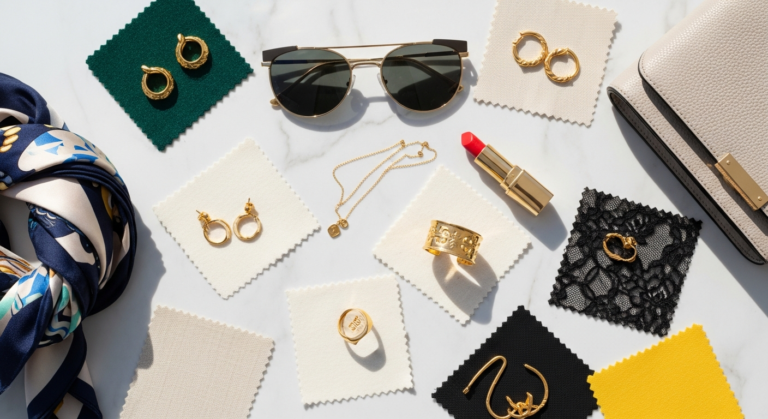
Before you can master the art of layering, you need the right tools – a well-curated collection of necklaces that offer variety in length, style, and material. Think of it as building your personal jewelry arsenal, where each piece plays a specific role in creating dynamic and balanced layered looks. Starting with a solid foundation ensures that you have versatile options to mix and match, allowing for endless combinations.
Understanding Necklace Lengths: The Backbone of Layering
The most crucial element in successful layering is varying the lengths of your necklaces. This prevents tangling, allows each piece to shine, and creates visual separation. Here are the common lengths and how they fit into a layered look:
- Choker (14-16 inches): Sits snugly around the base of the neck. Ideal as the shortest layer, providing a delicate frame for longer pieces. Can be a simple chain, a thin cord, or a small pendant.
- Princess (17-19 inches): Rests just below the collarbone. This is often the most versatile length and a great starting point for many layered looks. It can hold a small pendant or be a standalone chain.
- Matinee (20-24 inches): Falls between the collarbone and the bust. Perfect for adding a mid-length element, often featuring a more substantial pendant or an interesting design.
- Opera (28-34 inches): Reaches the bust or slightly below. These longer chains add drama and can be worn as a single strand or doubled up for a different effect. Excellent for creating vertical lines and elongating the torso.
- Rope (35+ inches): The longest option, often reaching the waist or even lower. Offers maximum versatility, can be wrapped multiple times, knotted, or worn as a single, dramatic strand.
A good rule of thumb is to aim for at least 2-3 inches of difference between each necklace length to ensure they lie flat and don’t tangle easily.
Styles and Types: Adding Personality to Your Stack
Once you have a grasp of lengths, consider the types of necklaces that will add character and interest to your layers:
- Dainty Chains: Thin, minimalist chains are essential. They provide the base for many layered looks and can be worn alone or with tiny charms.
- Pendant Necklaces: These are often the focal points of a layered look. Options include:
- Solitaire Pendants: A single gemstone or diamond, offering classic elegance.
- Initial/Monogram Pendants: Personal and meaningful.
- Charm Pendants: Small, decorative charms that tell a story.
- Coin Pendants: Trendy and often vintage-inspired.
- Bar Pendants: Modern and sleek, perfect for engraving.
- Statement Necklaces: While not always ideal for heavy layering, one carefully chosen statement piece can be the anchor, with delicate chains layered above it.
- Beaded Necklaces: Incorporate color and texture. Can range from delicate seed beads to larger gemstone strands.
- Lariat Necklaces: Featuring an open-ended design, often with a drop or tassel, these add a unique vertical element and can be adjusted for length.
Materials and Metals: Mixing and Matching with Confidence
The materials of your necklaces also play a significant role in the overall aesthetic. Don’t be afraid to mix metals; it’s a modern and stylish approach that adds depth and dimension. The key is balance and intention.
- Gold (Yellow, White, Rose): Yellow gold offers warmth and classic appeal. White gold (or silver) provides a cooler, contemporary look. Rose gold adds a romantic, subtle blush. Mixing two or three of these can create a rich, multi-toned effect. For example, a delicate rose gold chain layered with a chunkier yellow gold pendant and a silver choker can be incredibly chic. This approach is often seen in French Girl Style Guide Wardrobe Essentials, where a blend of classic and modern elements creates an effortlessly sophisticated look.
- Silver: Versatile and often more affordable, silver pairs well with almost anything and can be dressed up or down.
- Pearls: From classic strands to delicate single pearls, they add a touch of timeless elegance and softness.
- Gemstones: Incorporate color, meaning, and sparkle. Consider birthstones or stones chosen for their aesthetic appeal.
- Beads & Cords: Introduce organic textures and a bohemian vibe.
When building your collection, aim for a mix of foundational pieces (simple chains, classic pendants) and some unique, expressive items. This ensures you have both the building blocks and the statement-makers to create truly personalized and captivating layered necklace looks.
The Golden Rules of Layering: Length, Texture, and Balance
1. Varying Lengths: The Non-Negotiable Foundation
As touched upon earlier, length variation is paramount. Without it, your necklaces will clump together, tangle into a frustrating knot, and lose their individual impact. Aim for a noticeable difference of at least 1-2 inches (preferably 2-3 inches) between each necklace. This creates distinct “tiers” that allow each piece to breathe and be seen.
- Start Short: Begin with your shortest necklace, typically a choker or a princess-length chain, as your base. This piece often sits closest to the neck and can be simple or feature a small, delicate pendant.
- Build Downwards: Add subsequent necklaces that gradually increase in length. Each layer should fall distinctly below the one above it. This creates a graceful cascade that draws the eye downwards, elongating the neck and torso.
- Consider Your Neckline: The neckline of your top will significantly influence your layering choices. A V-neck provides a natural frame for longer layers, while a crew neck might call for shorter, more stacked layers. A boat neck or off-the-shoulder top can be beautifully complemented by a single, longer statement piece or a delicate two-tier layer.
2. Mixing Textures and Weights: Adding Depth and Interest
A truly captivating layered look isn’t just about different lengths; it’s also about contrasting textures and weights. This adds visual depth and prevents the stack from looking flat or monotonous.
- Delicate with Daring: Pair a thin, delicate chain with a chunkier chain or a necklace featuring a more substantial pendant. For example, a fine snake chain alongside a rope chain, or a tiny initial pendant with a larger coin pendant.
- Smooth with Textured: Combine smooth, polished metals with pieces that have a hammered finish, intricate filigree, or incorporate beads and pearls. This tactile contrast makes the ensemble more engaging.
- Solid with Sparkle: Mix plain metal chains with pieces that feature gemstones, diamonds, or pavé details. The interplay of light-reflecting elements with matte or polished surfaces creates a dynamic effect.
- Consider the “Hand-Feel”: While you won’t be constantly touching your necklaces, thinking about their perceived weight and texture contributes to the overall aesthetic. A heavier, more substantial piece can anchor a collection of lighter, airier chains.
3. Achieving Balance and Proportion: The Art of Harmony
Balance is key to creating a layered look that feels intentional and chic, rather than messy or overwhelming. It involves considering the overall visual weight and distribution of your chosen pieces.
- One Focal Point: Often, one necklace will naturally become the “hero” piece – perhaps a larger pendant, a unique design, or a necklace with a significant meaning. Allow this piece to stand out, and build more subtle layers around it. Not every necklace needs to be a showstopper.
- Symmetry vs. Asymmetry: While perfectly symmetrical layers can be elegant, don’t shy away from asymmetry. A lariat necklace that drops lower on one side, or pendants that are slightly off-center, can add a modern, artistic touch.
- Consider Your Frame: Take into account your body type and the size of your neck and décolletage. If you have a petite frame, too many chunky layers might overwhelm you. Conversely, if you have a longer neck, you can pull off more substantial and numerous layers.
- Less Can Be More: Sometimes, two or three perfectly chosen and layered necklaces are more impactful than five or six haphazardly thrown together. The goal is sophistication, not clutter. Always step back and assess if the layers enhance or detract from your outfit.
By consciously applying these golden rules – prioritizing length variation, playing with textures, and striving for overall balance – you’ll transform your necklace collection into a powerful tool for personal expression, capable of elevating any outfit with effortless style.
Styling Your Layers for Every Occasion
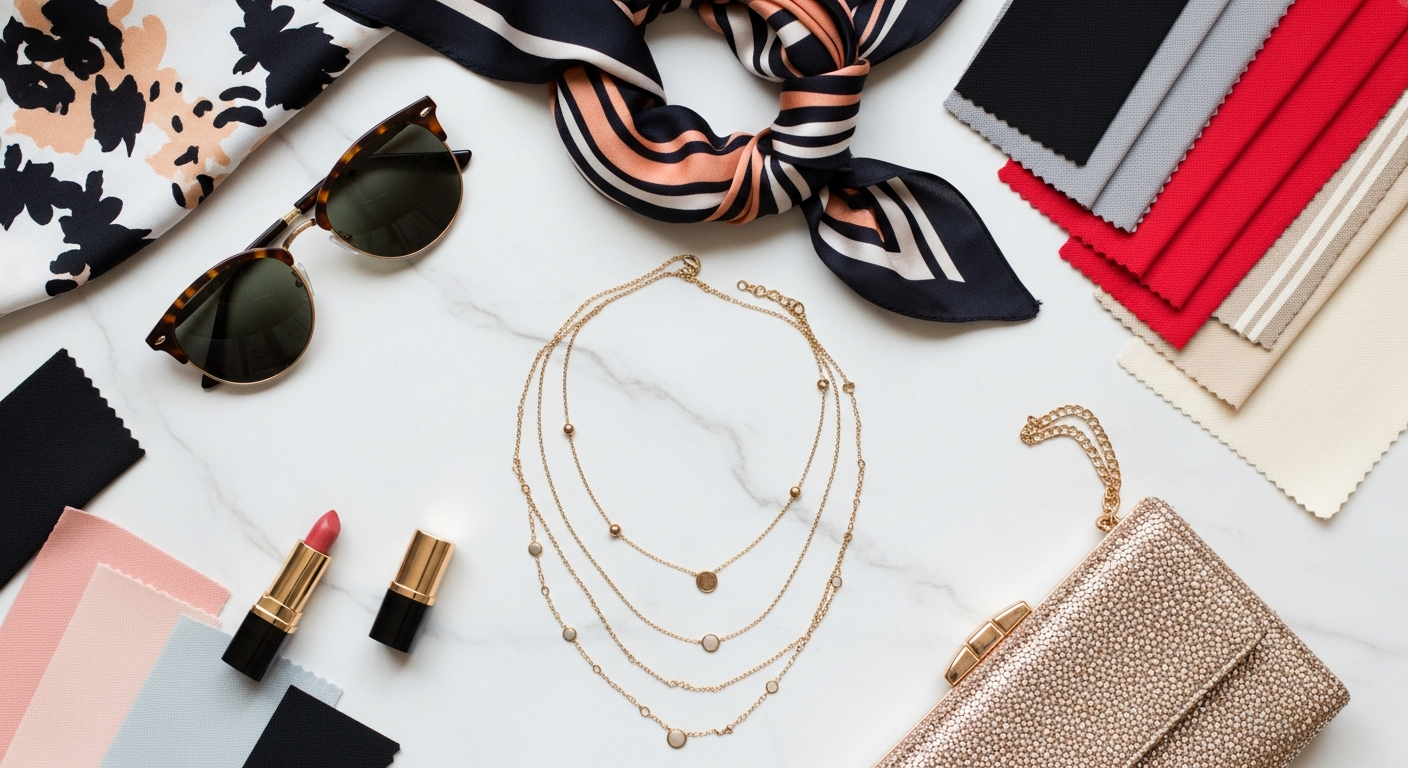
The beauty of necklace layering lies in its incredible adaptability. With a thoughtful approach, you can curate a layered look that perfectly complements the vibe of any occasion, from casual daytime outings to sophisticated evening events. The key is to consider the context, your outfit, and the desired impression you want to make.
Casual Chic: Effortless Everyday Elegance
For daily wear, the goal is often understated elegance and comfort. Your layered necklaces should feel like a natural extension of your personal style, adding a touch of polish without being overly flashy.
- Outfit Match: Think simple tees, cozy sweaters, denim shirts, or casual dresses.
- Layering Strategy: Opt for 2-3 delicate chains of varying lengths. A common combination might be a short choker or a dainty initial pendant (14-16 inches) paired with a princess-length chain featuring a small, meaningful charm (18-20 inches). You might add a slightly longer, simple chain (22-24 inches) for extra dimension.
- Materials: Stick to fine metals like gold or silver. Mixed metals work beautifully here, adding subtle interest. Avoid overly chunky or heavily embellished pieces that might feel out of place.
- Example: A simple gold chain choker, a personalized initial pendant on an 18-inch chain, and a slightly longer 22-inch chain with a tiny hammered disc.
Office Ready: Professional Polish
In a professional setting, your jewelry should enhance your credibility and sophistication, not distract from it. Layering can be done tastefully to add a touch of personal flair without being unprofessional.
- Outfit Match: Blouses, tailored shirts, blazers, pencil skirts, or professional dresses.
- Layering Strategy: Keep layers refined and minimal. 2-3 delicate to medium-weight necklaces are usually sufficient. Focus on classic designs and subtle pendants. A single, elegant pendant on a princess-length chain layered with a slightly longer, plain chain can be very effective.
- Materials: High-quality metals are key. Pearls, subtle gemstones, or classic designs like bar pendants work well. Avoid anything too noisy, overly sparkly, or overtly casual.
- Example: A short, delicate pearl choker, layered with a classic gold chain holding a small, elegant sapphire pendant, resting just above the bust.
Evening Glamour: Making a Statement
When the sun goes down, it’s time to let your jewelry shine. Evening occasions call for a bit more drama, sparkle, and boldness in your layered necklace choices.
- Outfit Match: Cocktail dresses, evening gowns, silk blouses, or elegant jumpsuits.
- Layering Strategy: This is where you can be more adventurous. Combine bolder pendants, incorporate more sparkle, or experiment with longer lengths that cascade down a deeper neckline. Three to four layers can work beautifully, with one or two pieces potentially being more substantial.
- Materials: Think gemstones, crystals, diamonds, and lustrous metals. An opera-length chain with a striking pendant can be the anchor, complemented by shorter, sparkling layers.
- Example: A sparkling diamond tennis necklace as a choker, layered with a matinee-length chain featuring an emerald pendant, and finished with a long, delicate lariat that drops into the décolletage.
Bohemian Rhapsody: Free-Spirited Style
Bohemian style embraces an eclectic mix of textures, materials, and lengths, making it a natural fit for necklace layering. It’s about looking effortlessly cool and well-traveled.
- Outfit Match: Flowy maxi dresses, tunics, denim shorts, linen shirts, or embroidered tops.
- Layering Strategy: Embrace a mix of lengths, often incorporating longer chains. Don’t shy away from mixing different materials. Charms, beads, and natural elements are welcome. You can layer 3-5 necklaces, focusing on a relaxed, slightly mismatched vibe.
- Materials: Think natural stones, wooden beads, leather cords, coin pendants, shell charms, and mixed metals.
- Example: A short beaded choker, a mid-length silver chain with a moon charm, and a long gold chain with a mix of small gemstone and feather charms.
By aligning your layering choices with the occasion and your outfit, you ensure that your necklaces not only complement your look but truly enhance it, showcasing your keen eye for detail and your mastery of personal style. This strategic approach to accessorizing is fundamental to building a versatile wardrobe, much like the considerations involved in a How To Build Capsule Wardrobe 2026, where every piece serves a purpose and contributes to a cohesive overall aesthetic.
Common Layering Mistakes to Avoid
While necklace layering offers immense creative freedom, there are a few common pitfalls that can detract from an otherwise stylish look. Being aware of these mistakes can help you refine your technique and ensure your layered necklaces always look chic and intentional, rather than haphazard or tangled.
1. The Tangle Trouble: Necklaces Becoming a Knot
This is arguably the most frustrating layering mistake. When necklaces are all of similar lengths or poorly spaced, they inevitably intertwine, creating a messy, uncomfortable knot that’s hard to untangle. This not only looks bad but can also damage delicate chains.
- Solution: Always ensure a significant length difference (at least 2-3 inches) between each necklace. Consider using necklace spacers or layered clasps, which are designed to keep multiple chains separated at the clasp point. Choosing necklaces with different clasp types can also help prevent them from clinging to each other.
2. Overdoing It: Too Many Necklaces, Too Much Bulk
While the idea of layering is to add depth, there’s a fine line between a well-curated stack and an overwhelming pile. Too many necklaces, especially if they are all chunky or heavily embellished, can look cluttered, feel heavy, and detract from your outfit rather than enhancing it.
- Solution: Practice restraint. For most looks, 2-4 necklaces are ideal. If you’re using a statement piece, keep the other layers more delicate. Step back and look in a full-length mirror; if your necklaces are competing with each other or drawing all attention away from your face and outfit, you might have too many.
3. Ignoring Your Neckline: Clashing with Your Outfit
The neckline of your top or dress plays a crucial role in how your layered necklaces will sit and look. A beautiful layered stack can be completely undermined if it clashes with or is hidden by your clothing.
- Solution:
- V-Necks: Excellent for layering, as they provide a natural frame for necklaces to cascade downwards.
- Crew Necks/High Necks: Best for shorter, more stacked layers that sit above the neckline, or a single longer chain that falls below. Avoid layers that stop exactly at the neckline, as they can look awkward.
- Boat Necks/Off-the-Shoulder: Often best with fewer, perhaps longer, delicate layers that draw attention to the collarbones and décolletage without competing with the wide neckline.
- Collared Shirts: Layer delicate chains underneath the collar, or opt for a single statement piece that sits outside the collar.
4. Lack of Variation: All Same Style, All Same Material
A stack of identical gold chains, all the same thickness and style, can look monotonous. The beauty of layering comes from the interplay of different elements.
- Solution: Embrace variety! Mix metals (gold, silver, rose gold), textures (smooth, hammered, beaded), and styles (plain chains, pendants, charms, pearls). This creates visual interest and makes your layered look dynamic.
5. Poor Quality Pieces: Tarnishing and Breakages
Layering often involves multiple points of contact between necklaces, and if one piece is of poor quality, it can quickly tarnish, break, or even stain your skin or clothing. This is especially true if you’re building a collection that you intend to wear frequently, a principle that extends to your entire How To Build Capsule Wardrobe 2026 – investing in quality ensures longevity and better appearance.
- Solution: Invest in good quality jewelry. Look for pieces made from sterling silver, gold-filled, or solid gold. If you’re on a budget, choose well-plated pieces from reputable brands and follow proper care instructions to prevent tarnishing. Remember, cheap jewelry can quickly cheapen your entire look.
By being mindful of these common mistakes and applying the solutions, you can elevate your necklace layering game, ensuring your jewelry always looks polished, sophisticated, and perfectly styled.
Curating Your Personal Layering Style
Developing a personal layering style is an exciting journey of self-discovery, allowing you to express your unique aesthetic through your choice of adornments. It’s not about rigidly following rules, but understanding them well enough to confidently break them and create combinations that feel authentically you. Just as you might choose between a Body Lotion Vs Body Butter Differences based on your skin’s unique needs and preferences, your layering style should cater to your individual taste and comfort.
Start Small and Experiment
You don’t need a massive jewelry collection to begin. Start with 2-3 pieces you already own. Play with different combinations of lengths and styles. What feels good? What looks balanced? Take photos of combinations you like to remember them. This iterative process allows you to understand what works for your personal style and existing wardrobe before investing in new pieces.
Find Your Inspiration
Look to fashion blogs, magazines, Pinterest, and street style for inspiration. Pay attention to how others combine lengths, textures, and metals. Do you gravitate towards the minimalist gold layers often seen in French Girl Style Guide Wardrobe Essentials, or are you drawn to more eclectic, bohemian stacks? Identify elements you love and try to replicate them with your own twist. Remember, inspiration is a starting point, not a blueprint for exact replication.
Tell Your Story
Your layered necklaces can be a beautiful reflection of your life, passions, and beliefs. Incorporate pieces with sentimental value: a birthstone, an initial of a loved one, a charm that represents a hobby, or a souvenir from a cherished trip. When your jewelry tells a story, it adds depth and meaning to your style, making your layered look uniquely personal and engaging. This creates a powerful connection between your accessories and your identity.
Consider Your Lifestyle and Comfort
Your layering style should fit seamlessly into your everyday life. If you have an active job or lifestyle, overly long or delicate chains might not be practical. If you prefer a minimalist aesthetic, a simple two-chain stack might be more your speed than a maximalist five-layer look. Comfort is key; if your necklaces are constantly tangling or feeling heavy, you won’t enjoy wearing them, no matter how stylish they look. Choose pieces that feel good against your skin and don’t restrict your movement.
Seasonal Adjustments
Your layering style can also evolve with the seasons. In warmer months, you might prefer lighter, airier chains and perhaps a mix of colorful beads or shells. Over chunky sweaters and turtlenecks in winter, longer, more substantial chains or bolder pendants can make a statement without getting lost in the fabric. Adapting your layers to the season ensures your style always feels fresh and appropriate.
Don’t Be Afraid to Break the Rules (Once You Know Them)
While there are “golden rules” for layering, once you understand them, feel free to experiment and break them. Perhaps you love the look of two similar-length chains intertwined, or you want to wear a single, incredibly chunky necklace without any other layers. Fashion is about self-expression, and sometimes the most captivating styles come from unexpected combinations. The goal is confidence and authenticity in your choices. By consciously curating your layering style, you transform your jewelry from mere accessories into a powerful tool for personal expression, adding an undeniable touch of polish and individuality to every outfit.
Beyond the Neck: Integrating Layers into Your Overall Look
While the focus of this guide has been on the art of layering necklaces, true style mastery involves understanding how these intricate arrangements fit into your broader fashion narrative. Your layered necklaces are not isolated elements; they are vital components of your overall look, designed to harmonize with your clothing, other accessories, and even your personal grooming choices. Thinking holistically about your style ensures a cohesive, polished, and impactful presentation.
Harmonizing with Your Outfit
The relationship between your layered necklaces and your clothing is symbiotic. Your outfit provides the canvas, and your necklaces add the intricate details. Consider the fabric, pattern, and color of your clothing. Delicate gold layers might perfectly complement a silk blouse, while a more bohemian stack with natural stones could elevate a linen dress. A busy print might call for simpler, less distracting necklace layers, whereas a solid-colored top can be a perfect backdrop for a more complex and varied stack.
The texture of your clothing also plays a role. Over a chunky knit sweater, a longer, more substantial pendant or a mix of chains with different weights can stand out effectively. Against a smooth, soft fabric like cashmere, delicate layers will drape beautifully without snagging. Always ensure your necklaces enhance, rather than compete with, your chosen attire. This thoughtful integration elevates your entire ensemble, demonstrating a nuanced understanding of style.
Complementing Other Accessories
Your necklace layers should ideally work in concert with your other jewelry – earrings, bracelets, and rings. While you don’t need to match everything perfectly, aim for a sense of cohesion. If your necklaces are a mix of gold and silver, ensure your earrings or rings also reflect this mixed-metal approach. If you’re wearing chunky, statement earrings, you might opt for more delicate necklace layers to avoid overwhelming your face. Conversely, if your necklaces are the focal point, keep other jewelry minimal.
The same principle applies to handbags and shoes. A sleek, modern layered necklace stack might pair beautifully with a structured handbag and minimalist heels, while a more eclectic, beaded necklace collection could be perfect with a woven bag and espadrilles. It’s about creating a unified aesthetic that flows from head to toe, where every element feels intentionally chosen and contributes to the overall message of your style.
The Finishing Touch: Beyond Jewelry
The ultimate goal of accessorizing, including necklace layering, is to feel confident and put-together. This feeling often starts with self-care. Just as a well-hydrated skin, whether you prefer the lightweight feel of a body lotion for everyday moisture or the intensive nourishment of a rich body butter for deeper hydration, forms the perfect canvas for your clothing, a thoughtfully layered necklace ensemble completes your look, adding polish and personal flair. It’s about feeling good from the inside out, starting with self-care and culminating in your outward expression of style.
Consider how your layered necklaces interact with your hair style. An updo might beautifully showcase a layered choker and princess-length pieces, while long, flowing hair could elegantly frame longer, cascading layers. Even your choice of fragrance can subtly contribute to the overall impression, creating an invisible, yet powerful, layer of personal style. By viewing necklace layering not as an isolated act but as an integral part of your complete look, you unlock its full potential to transform your style into a truly cohesive, impactful, and deeply personal statement.
Frequently Asked Questions
Recommended Resources
Explore Best Herbal Teas For Stress And Anxiety Relief for additional insights.
You might also enjoy How To Set A Beautiful Table from Rock Salt Plum.