
Unlocking Your Wardrobe: The Ultimate Guide to Mixing and Matching Outfits
Think of your wardrobe as a beautiful, vibrant palette, much like the confident, deep pink that defines our brand (#be185d). Each item is a stroke of color, a texture, a shape. Our goal today is to empower you to become the artist, confidently blending these elements to create masterpieces that reflect your unique style. This isn’t about rigid rules; it’s about understanding principles, then breaking them with flair. We’re going to dive deep into building a versatile foundation, mastering colors and patterns, playing with texture and proportion, and ultimately, unleashing your inner stylist. Get ready to transform your relationship with your clothes, elevate your everyday looks, and express yourself with audacious confidence, one perfectly mismatched (or matched!) outfit at a time.
The Foundation: Building Your Versatile Wardrobe
Before we start playing stylist, let’s ensure you have the right building blocks. A truly versatile wardrobe isn’t about quantity; it’s about quality and adaptability. These are the unsung heroes that make mixing and matching not just possible, but effortlessly chic.
Core Neutrals Are Your Best Friends
Consider neutrals – black, white, gray, navy, beige, camel, olive green, and denim – as the sturdy backbone of your wardrobe. They are the silent workhorses, the calming canvases upon which you’ll paint your fashion vision. Investing in high-quality neutral pieces is paramount because they form the base of countless outfits.
* The Power Blazer: A well-fitting black, navy, or camel blazer can instantly elevate jeans and a tee, or add structure to a flowing dress.
* The Crisp Button-Down: A classic white or light blue button-down shirt is endlessly versatile, perfect for layering or standing alone.
* Essential Trousers/Skirts: Tailored black trousers, dark wash jeans, a versatile midi skirt (think black, navy, or a chic animal print) are non-negotiables.
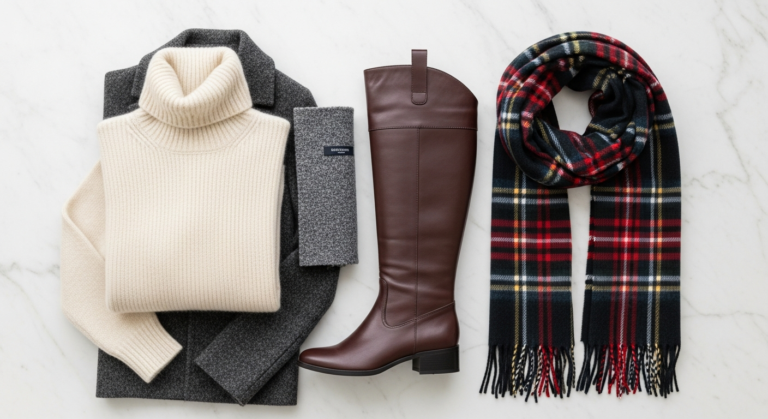
* Go-To Knitwear: A cashmere or fine-knit sweater in a neutral shade offers warmth and sophistication.
* The LBD (or LND): A little black dress (or navy dress) is a timeless piece that can be dressed up or down with accessories.
Statement Pieces: The Spice of Life
While neutrals are the foundation, statement pieces are where your personality truly shines. These are the items that grab attention, tell a story, and inject fun into your style. They are the vibrant accents, much like a confident streak of deep pink against a neutral backdrop.
* Printed Skirts/Dresses: A floral midi skirt, a bold geometric maxi dress, or a playful polka-dot top can instantly become the focal point of an outfit.
* Vibrant Outerwear: A coat in a striking color (think a rich emerald green, a sunny yellow, or yes, that gorgeous fuchsia!) or a unique texture can transform an entire look.
* Unique Footwear: Leopard print boots, metallic heels, or brightly colored sneakers can be the unexpected twist that elevates an ensemble.
* Eye-Catching Accessories: A chunky necklace, oversized sunglasses, or a structured handbag in a bold hue can make a simple outfit unforgettable.
The key with statement pieces is balance. Let one or two command attention, and let your neutrals support them.
The Power of Accessories
Never underestimate the transformative power of accessories. They are the bridge between pieces, the mood setters, and the ultimate outfit shapers. Often, the same core outfit can look dramatically different with a change of shoes, a new belt, or a statement necklace.
* Belts: A wide belt cinching a dress or blazer defines the waist; a skinny belt adds a delicate touch.
* Scarves: Silk scarves can be worn around the neck, in your hair, tied to a handbag, or even as a top.
* Jewelry: From delicate layering necklaces to chunky cuff bracelets, jewelry adds sparkle and personality.
* Bags: A structured tote for day, a chic crossbody for errands, a dazzling clutch for evening – each bag dictates a different vibe.
* Shoes: Boots, heels, flats, sneakers – the right pair of shoes can completely alter the formality and feel of an outfit.
Accessories are your secret weapon for endless outfit variations. They allow you to shift the tone and style of your existing pieces without buying a whole new outfit.
Understanding Your Style Persona
Before you even begin mixing and matching, take a moment to understand your unique style. Are you a minimalist, a bohemian free spirit, a classic elegant, an edgy urbanite, or a romantic dreamer? Identifying your core style helps you make intentional choices and ensures that even your most daring mixes feel authentic to you. Create a mood board, scroll through Pinterest, save your favorite looks on Instagram. What patterns emerge? What colors make your heart sing? This self-awareness is your compass, guiding you toward combinations that feel genuinely “you.”
Mastering the Art of Color and Pattern
This is where the magic truly happens, darling! The interplay of colors and patterns is the beating heart of successful mix-and-match styling. It might seem daunting at first, but with a few guiding principles, you’ll be creating harmonious, eye-catching ensembles in no time.
Color Theory for the Fashion-Forward
Forget complicated color wheels for a moment; let’s talk practical application.
* Monochromatic Magic: This is arguably the easiest and most sophisticated way to mix and match. Choose one color (say, a rich navy or a stunning emerald green) and wear varying shades and tones of it. Think a dark navy skirt with a lighter blue sweater and a navy blazer. It’s elegant, elongating, and incredibly chic.
* Analogous Harmony: These are colors that sit next to each other on the color wheel (e.g., blue, blue-green, green). They create a gentle, pleasing transition. Imagine an olive green skirt with a teal blouse – harmonious and beautiful.
* Complementary Contrast: These colors are opposite each other on the color wheel (e.g., blue and orange, purple and yellow, red and green). They create a vibrant, high-contrast look that is bold and exciting. A deep pink top (our signature hue, perhaps!) with an olive green utility jacket is a stunning example of this dynamic pairing. Use one as the dominant color and the other as an accent.
* Triadic Play: Three colors equally spaced on the color wheel (e.g., red, yellow, blue). This is for the truly adventurous and creates a bold, playful vibe. It’s often best achieved by using one dominant color and two smaller accents, perhaps through accessories.
When in doubt, start with a neutral base and add one pop of color. As you gain confidence, gradually introduce more.
Pattern Play: A Guide to Harmonious Clashes
Mixing patterns can seem intimidating, but when done right, it looks incredibly stylish and intentional.
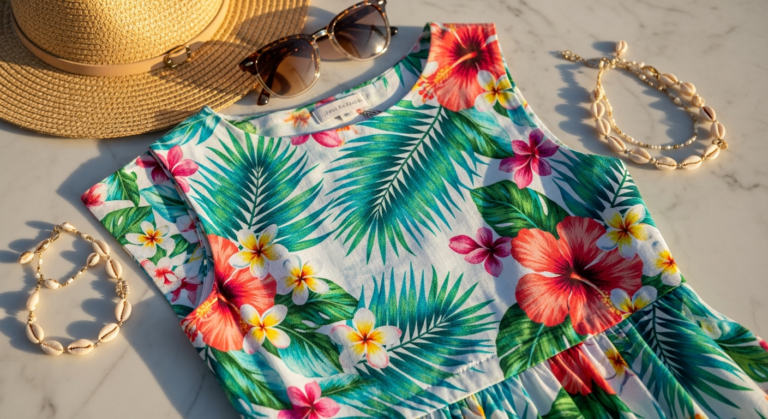
* The “One Dominant, One Subtle” Rule: Choose one bold, large-scale pattern (e.g., a large floral print dress) and pair it with a smaller, more subtle pattern (e.g., a delicate pinstripe blazer or small polka dot scarf). The difference in scale prevents visual overwhelm.
* Same Color Family, Different Patterns: This is a foolproof method. Pick two different patterns that share a common color. For instance, a black and white striped top with a black and white plaid skirt. The shared colors tie the patterns together, making the “clash” feel cohesive.
* Classic Combos: Some patterns are simply meant to be together. Stripes and florals, plaid and polka dots, animal print and stripes – these are iconic pairings that often work beautifully.
* Anchor with a Solid: If you’re hesitant, introduce a solid neutral piece between your patterns. A plain black tee breaking up a patterned skirt and patterned jacket can soften the look and provide a visual resting point.
* Embrace Animal Print as a Neutral: Yes, you heard that right! Leopard, snake, and zebra prints can often be treated like neutrals because they contain versatile color palettes (browns, blacks, creams). They mix surprisingly well with stripes, florals, and even other animal prints!
Remember, the goal isn’t chaos, but a playful, intentional juxtaposition. Trust your eye – if it feels good, it probably looks good.
The 60-30-10 Rule: Your Proportional Guide
This classic interior design principle translates beautifully to fashion. It suggests that in an outfit:
* 60% of your outfit should be your dominant color. This is usually your main garment, like a dress, suit, or a combination of major pieces.
* 30% should be your secondary color. This could be a blazer, a skirt, or a pair of trousers that complements your dominant color.
* 10% should be your accent color. This is where your accessories shine – a scarf, jewelry, a handbag, or your shoes.
Applying this rule helps create visual balance and ensures that your outfit feels thoughtfully composed rather than thrown together. For instance, a charcoal gray pant suit (60%), a deep pink blouse (30%), and metallic silver earrings and shoes (10%). It’s a game-changer!
Texture Talk: Adding Depth and Dimension
Texture is often the unsung hero of a truly chic outfit. It’s how fabrics feel, how they catch the light, and how they interact with each other. Playing with texture adds incredible depth, interest, and a luxurious feel to your ensembles, even with the simplest pieces.
From Silky Smooth to Chunky Knit: Playing with Contrast
The most effective way to use texture is through contrast. Think about opposing textures working in harmony.
* Soft vs. Structured: Pair a luxurious silk camisole (soft, fluid) with a structured tweed blazer (rough, defined).
* Smooth vs. Nubby: A sleek leather skirt (smooth, edgy) looks incredible with a chunky knit sweater (nubby, cozy).
* Delicate vs. Robust: Imagine a delicate lace top (intricate, sheer) tucked into sturdy denim jeans (rugged, casual).
* Matte vs. Shine: A matte cotton t-shirt gains instant glamour when layered under a satin bomber jacket or paired with patent leather shoes.
These contrasts create visual intrigue and make an outfit feel more expensive and thoughtfully put together. It prevents an outfit from looking flat and one-dimensional.
Elevating Basics with Texture
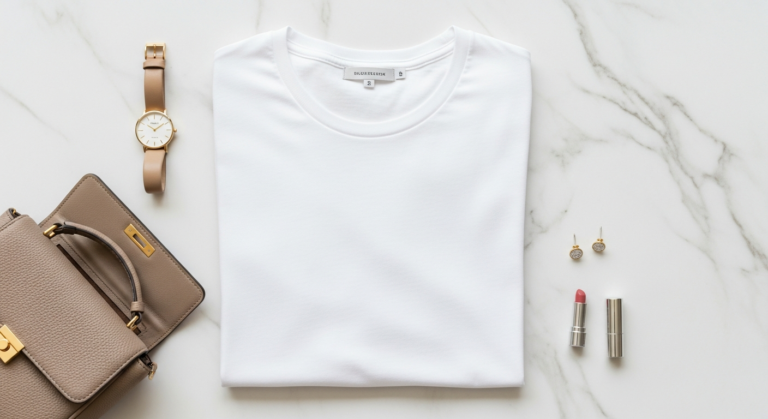
Even your most basic pieces can be transformed by their texture. A simple white t-shirt in a slub knit feels different from a crisp cotton one. A black dress in jersey knit has a different vibe than one in velvet.
* Denim: A classic denim jacket is a textural chameleon, pairing well with almost anything, from floral dresses to tailored trousers.
* Leather/Faux Leather: A leather skirt or trousers instantly adds an edgy, sophisticated texture that elevates any top.
* Cashmere/Wool: Investing in these luxurious textures for sweaters or coats provides both warmth and an immediate sense of refined elegance.
* Silk/Satin: A silk blouse or satin skirt brings a beautiful drape and subtle sheen that elevates even the most casual pairings.
Don’t just think about the color or pattern of a garment; consider its tactile quality. How does it feel? How does it move? How does it look next to another fabric? These considerations are what separate a good outfit from a truly great one.
Silhouettes and Proportions: The Secret to Balance
Understanding how different shapes and lengths work together on your body is fundamental to creating flattering and stylish mixed outfits. It’s about creating visual harmony and balance.
Balancing Volume: Loose with Fitted
This is a golden rule for a reason, my dear. Pairing something loose with something fitted creates an effortlessly chic and balanced look. It prevents an outfit from looking shapeless or overwhelming.
* Oversized Sweater + Slim-Fit Bottoms: A chunky knit sweater paired with skinny jeans, tailored trousers, or a pencil skirt.
* Flowy Top + Structured Bottoms: A voluminous peasant blouse tucked into a high-waisted A-line skirt or wide-leg trousers.
* Relaxed Fit Blazer + Bodycon Dress: An oversized blazer thrown over a fitted dress.
* Wide-Leg Pants + Fitted Top: Flowy wide-leg trousers balanced with a sleek, tucked-in top or bodysuit.
This contrast highlights your figure without being overly revealing, creating an elegant silhouette.
The Rule of Thirds for Outfit Proportions
Similar to the 60-30-10 color rule, the rule of thirds in fashion focuses on dividing your body into visual thirds to create pleasing proportions. Instead of splitting your body in half, aim for an outfit where your top or bottom takes up approximately one-third or two-thirds of your visible frame.
* High-Waisted Bottoms + Cropped/Tucked-In Top: A high-waisted skirt or trousers visually elongates your legs, making your top half appear shorter (one-third/two-thirds split).
* Longer Top + Shorter Skirt: A tunic-length sweater over a mini skirt.
* Longline Cardigan + Fitted Base: A long, flowing cardigan or duster coat layered over a fitted top and bottoms creates long, lean lines.
Experiment with hemlines, waistlines, and jacket lengths to find what works best for your body shape and the desired aesthetic. It’s about creating an interesting visual flow.
Layering Like a Pro
Layering isn’t just for warmth; it’s a powerful styling tool that adds dimension, interest, and versatility. Each layer offers an opportunity to introduce new colors, textures, and silhouettes.
* The Base Layer: Start with a simple foundation – a tank top, camisole, or thin long-sleeve tee.
* The Mid Layer: Add a shirt (button-down, blouse), a light sweater, or a vest.
* The Outer Layer: This is your statement piece – a blazer, cardigan, denim jacket, trench coat, or leather jacket.
* The “Third Piece” Rule: Often hailed as the secret to looking polished, adding a “third piece” (even if it’s just a scarf or a statement necklace) can tie an outfit together. This applies beautifully to layering. A simple jeans and tee combo becomes instantly chic with a tailored blazer, a chic cardigan, or a denim jacket.
When layering, pay attention to the weights of your fabrics (lighter underneath, heavier on top) and ensure that each layer peeks out just enough to be seen. It’s about building an outfit, piece by delicious piece.
Beyond the Basics: Outfit Formulas and Inspiration
Now that we’ve covered the fundamental principles, let’s explore some tried-and-true outfit formulas and strategies to inspire your daily styling. These are frameworks, not rigid rules, designed to spark your creativity.
The “Third Piece” Rule
We touched on this with layering, but it deserves its own moment. This is one of the simplest and most effective ways to elevate any basic outfit. Take your standard top and bottom (e.g., a t-shirt and jeans). Now, add a “third piece.” This could be:
* A blazer (structured, smart)
* A cardigan (cozy, relaxed)
* A denim jacket (casual, cool)
* A vest (chic, adds dimension)
* A statement necklace (adds sparkle and a focal point)
* A scarf (adds color, pattern, texture)
The third piece instantly makes the outfit look more intentional, thought-out, and polished. It’s the secret sauce for looking effortlessly put-together.
High-Low Mixing: Casual Meets Chic
This is a favorite technique among fashion insiders, and it’s all about pairing items from opposite ends of the formality spectrum. The contrast creates an unexpected, stylish edge.
* Dressy Top + Casual Bottoms: A silky camisole or a ruffled blouse with distressed jeans.
* Casual Top + Dressy Bottoms: A graphic tee with a tailored midi skirt or sleek wide-leg trousers.
* Formal Dress + Casual Footwear: A flowing maxi dress with sneakers or flat sandals.
* Sweatshirt + Skirt: A cozy sweatshirt paired with a pleated midi skirt or a satin slip skirt.
High-low mixing is about showing confidence in your style choices and proving that fashion doesn’t have to be rigid. It’s about unexpected harmony, much like our vibrant deep pink brand color pairing beautifully with an earthy neutral.
The Power of Repetition (Echoing Elements)
To make a mixed outfit feel cohesive, try repeating an element in a subtle way. This creates a sense of intentionality and pulls the look together.
* Color Repetition: If your top has a small stripe of green, incorporate green shoes or a green handbag.
* Print Repetition: If you’re wearing a floral skirt, choose earrings that have a similar floral motif or a small floral detail.
* Texture Repetition: If your jacket is leather, perhaps your boots also have a leather detail, or your bag has a small leather trim.
* Hardware Repetition: If your belt buckle is gold, try to wear gold jewelry.
These subtle echoes create a visual thread throughout your outfit, making even complex mixes feel harmonious.
Outfit Planning Strategies
Don’t leave it all to chance each morning! A little planning goes a long way.
* Outfit Batching: Dedicate an hour once a week to try on different combinations. Take photos of outfits you love and save them for inspiration.
* Use Apps: Style apps can help you organize your wardrobe, create outfits, and even suggest new combinations based on your existing pieces.
* Mood Boards: Visual inspiration is key! Create digital or physical mood boards that reflect your desired aesthetic and current trends you want to incorporate.
By actively engaging with your wardrobe, you’ll discover new possibilities and develop your personal styling intuition.
Conclusion: Your Style, Unbound
My dear fashionista, we’ve journeyed through the exhilarating world of mixing and matching, from foundational neutrals to audacious pattern play, from textural delights to perfectly balanced silhouettes. You now possess the keys to a wardrobe that feels boundless, a collection of pieces ready to be reimagined into endless expressions of your unique self.
Remember, fashion is a language, and mixing and matching is how you become a fluent, eloquent speaker. It’s about seeing possibilities, embracing creativity, and cultivating an unshakeable confidence in your own aesthetic. Don’t be afraid to experiment, to play, to occasionally “fail forward” with a combination that doesn’t quite hit the mark. That’s how we learn, how we grow, and how we truly discover what makes our individual style sing.
So go forth, darling! Open that closet with a new sense of adventure. Mix that silky camisole with those rugged jeans. Pair that classic blazer with a vibrant, deep pink scarf that echoes the bold spirit of Fashion Goggled. Your wardrobe is an exciting playground, and you, my friend, are the ultimate stylist. Express yourself, empower yourself, and let your incredible style shine. We can’t wait to see what masterpieces you create!