
Your Ultimate Glow-Up Guide: Demystifying Retinol for a Radiantly Reborn You
What Exactly Is Retinol? (And Why All The Buzz?)
Let’s get scientific, but keep it chic! At its core, retinol is a derivative of Vitamin A, belonging to a broader family of compounds called retinoids. Think of Vitamin A as the ultimate multitasker for your skin. When applied topically, retinol gets converted by enzymes in your skin into retinoic acid – the active form that actually communicates with your skin cells. And what a conversation it is!
So, why is everyone from dermatologists to beauty editors singing its praises? The benefits are truly revolutionary:
* Collagen Stimulation: This is the big one! Retinol kicks your collagen production into high gear. Collagen is the protein responsible for your skin’s firmness and elasticity. As we age, collagen naturally depletes, leading to fine lines and wrinkles. Retinol helps reverse this, making your skin appear plumper and smoother. Imagine your skin getting a little internal lift – that’s retinol at work!
* Accelerated Cell Turnover: Our skin naturally renews itself, but this process slows down as we get older. Retinol speeds up this cellular refresh rate, bringing fresh, healthy cells to the surface faster. This is key for a brighter, more even skin tone.
* Diminished Fine Lines and Wrinkles: By boosting collagen and speeding up cell turnover, retinol effectively softens the appearance of those pesky lines and wrinkles, making your complexion look visibly younger and more refreshed.
* Improved Skin Texture: Say goodbye to rough patches! Retinol helps to refine the skin’s surface, making it feel incredibly smooth and look more polished. Pores can appear minimized, and the overall texture becomes more uniform.
* Acne Treatment: Beyond anti-aging, retinol is a formidable foe against acne. It helps to unclog pores, reduce inflammation, and normalize oil production, preventing future breakouts. For many, it’s a game-changer in achieving clear, blemish-free skin.
* Fading Dark Spots and Hyperpigmentation: Whether it’s post-inflammatory hyperpigmentation from old breakouts, sun spots, or melasma, retinol helps to regulate melanin production and shed pigmented cells, leading to a more even and radiant complexion.
In essence, retinol is like hitting the “reset” button for your skin. It doesn’t just treat surface issues; it fundamentally improves skin health from a cellular level. It’s the kind of investment that truly pays off, giving you that vibrant, healthy glow we’re all after.
Your Retinol Journey: The Ultimate Beginner’s Guide
Starting Slow: The Golden Rule
This is non-negotiable, darling! Retinol is powerful, and your skin needs time to adjust. Think of it like training for a marathon – you wouldn’t run 26 miles on day one!
* Frequency: Begin by using your retinol product just 1-2 times a week for the first few weeks. Apply it only in the evening.
* Observation: Pay close attention to how your skin responds. A little dryness or mild redness is normal (we’ll talk more about the “retinization period” soon), but if you experience significant irritation, itching, or peeling, scale back.
* Gradual Increase: If your skin is tolerating it well after a few weeks, you can gradually increase frequency to every other night, and eventually, if your skin allows, every night. Some people find that 3-4 times a week is their sweet spot, and that’s perfectly fine! It’s about listening to your unique skin.
Choosing Your First Retinol Product (Formulations & Strengths)
The market is flooded with options, which can feel overwhelming. For beginners, the key is to start with a gentle, lower-strength formulation.
* Over-the-Counter (OTC) Retinols: These are your best starting point. They are less potent than prescription retinoids, making them ideal for initial use. Look for concentrations ranging from 0.01% to 0.03% retinol.
* Encapsulated Retinol: This is a fantastic technology for beginners! Encapsulated retinol means the active ingredient is delivered in a protective casing, which releases it gradually into the skin. This minimizes irritation while maximizing efficacy. It’s like a gentle time-release capsule for your complexion.
* Retinyl Esters: Ingredients like retinyl palmitate, retinyl acetate, or retinyl propionate are even milder forms of retinoids. They require more conversions in the skin to become retinoic acid, making them very gentle for extremely sensitive skin, though results will be slower.
* Formulation Matters: Choose a cream or serum that also contains hydrating and soothing ingredients like hyaluronic acid, ceramides, niacinamide, or glycerin. These will help counteract potential dryness and irritation.
Beginner-Friendly Product Examples (we’ll dive deeper later, but here’s a sneak peek):
* CeraVe Resurfacing Retinol Serum: A great entry-level option with encapsulated retinol, ceramides, and niacinamide.
* La Roche-Posay Redermic R Retinol Cream: Contains 0.3% pure retinol and a retinol booster for gradual release.
* The Ordinary Granactive Retinoid 2% Emulsion: A more advanced retinoid ester that’s still quite gentle.
The Application Ritual: A Step-by-Step Guide
Consistency is key, and so is proper technique!
1. Cleanse: Start with a gentle cleanser to remove makeup, dirt, and impurities. Pat your skin dry.
2. Wait (The “Sandwich Method” Optional but Recommended): For beginners, applying retinol to completely dry skin is crucial to minimize irritation. Wait 10-20 minutes after cleansing. Alternatively, consider the “sandwich method”: apply a thin layer of a gentle moisturizer, wait for it to absorb, then apply your retinol, and follow with another layer of moisturizer. This creates a buffer and is excellent for sensitive skin.
3. Apply Retinol: Dispense a pea-sized amount of your chosen retinol product onto your fingertips. This is truly all you need for your entire face! A little goes a long way.
4. Distribute Evenly: Gently dot the retinol onto different areas of your face (forehead, cheeks, chin) and then lightly smooth it outwards in an even, thin layer. Avoid applying too close to your eyes, nostrils, or mouth initially, as these areas can be more sensitive.
5. Moisturize: After applying retinol, wait a few minutes for it to absorb, then follow up with a rich, hydrating moisturizer. This step is non-negotiable and helps to lock in moisture, soothe the skin, and mitigate potential dryness.
6. Eye Cream (Optional): If you use a dedicated eye cream, apply it after your retinol and moisturizer, or use a specific retinol-infused eye cream (often formulated to be gentler for that delicate area).
Pro Tip: Always apply retinol at night. Sunlight can degrade retinol, making it less effective, and retinol increases your skin’s photosensitivity.
The Importance of Sunscreen (Non-Negotiable!)
We can’t stress this enough: if you’re using retinol, daily, broad-spectrum sunscreen with an SPF of 30 or higher is an absolute must, every single morning, rain or shine. Retinol makes your skin more sensitive to the sun, increasing your risk of sunburn and sun damage. Without sunscreen, you’re not only undoing all the good work retinol is doing, but you’re also putting your skin at greater risk. Think of sunscreen as the ultimate protector of your retinol investment – the chicest accessory in your entire routine.
What to Expect: The “Retinization Period”
* Mild Redness: A slight pinkish flush.
* Dryness and Flakiness: Your skin may feel tighter and appear a bit flaky as it sheds old cells.
* Mild Peeling: Similar to flakiness, but sometimes more noticeable.
* Purging: For some, especially those prone to acne, you might experience a temporary increase in breakouts. This happens as retinol speeds up cell turnover, bringing existing microcomedones (tiny clogged pores) to the surface faster. Don’t panic! This is usually a sign that the retinol is working, and it should subside within a few weeks.
How to Manage:
* Hydrate, Hydrate, Hydrate: Use a rich, nourishing moisturizer morning and night.
* Simplify Your Routine: During retinization, temporarily pause other active ingredients like AHAs, BHAs, or Vitamin C. Stick to gentle cleansers, retinol, moisturizer, and SPF.
* Don’t Over-Exfoliate: Avoid harsh physical scrubs or chemical exfoliants that can exacerbate irritation.
* Reduce Frequency: If irritation is too much, scale back your retinol use to once a week, or even take a short break until your skin calms down.
Remember, the goal is to introduce retinol smoothly, without causing major discomfort. Embrace the process, and soon you’ll be enjoying the radiant, smooth skin you’ve been dreaming of.
Navigating the Retinol Lingo: From Retinyl Palmitate to Tretinoin
The world of retinoids can feel like a secret society with its own language! But fear not, we’re breaking down the family tree so you can confidently choose the right path for your skin. The key distinction lies in how many “conversions” an ingredient needs to undergo in your skin to become retinoic acid – the only form that directly impacts skin cells. The more conversions, the gentler (and often slower-acting) it is.
The Retinoid Family Tree: A Ladder of Potency
1. Retinyl Esters (e.g., Retinyl Palmitate, Retinyl Acetate, Retinyl Propionate): These are the mildest forms. They require three conversions to become retinoic acid.
* Best for: Extremely sensitive skin, or those who want a very gentle introduction to Vitamin A.
* Results: Gradual, subtle improvements over a longer period.
2. Retinol: This is the most common and widely available OTC retinoid. It requires two conversions.
* Best for: Most beginners, those seeking significant anti-aging or acne benefits without a prescription.
* Results: Noticeable improvements in texture, tone, fine lines, and acne within a few months.
3. Retinaldehyde (or Retinal): This is a step up from retinol, requiring only one conversion to retinoic acid.
* Best for: Those who have tolerated retinol well and want to level up, or individuals with moderate acne.
* Results: Faster and more potent than retinol, with comparable irritation to higher-strength retinols.
4. Adapalene (Differin Gel): Once prescription-only, this is now available OTC in a 0.1% concentration. It’s a synthetic retinoid primarily designed for acne treatment, but it also has anti-aging benefits. It’s a direct cousin to retinoic acid.
* Best for: Persistent acne, but also effective for anti-aging.
* Results: Stronger and faster-acting than retinol for acne, with potentially less irritation than tretinoin for some.
5. Tretinoin (Retin-A, Renova, etc.) / Isotretinoin (Accutane): These are prescription-strength retinoids and are pure retinoic acid, meaning they require no conversions.
* Best for: Severe acne, significant photo-damage, deep wrinkles, when OTC options aren’t cutting it.
* Results: The most powerful and fastest results, but also the highest potential for irritation. Isotretinoin is an oral medication for severe cystic acne.
Over-the-Counter Retinols: Your Starting Line
For almost everyone starting out, an OTC retinol is your perfect match. They offer a fantastic balance of efficacy and manageability. Look for brands known for stable formulations and supporting ingredients. We love how accessible and effective these options are, truly empowering you to take control of your skin’s destiny.
Prescription-Strength Retinoids: When to Level Up
You might consider talking to a dermatologist about prescription retinoids if:
* You’ve been consistently using OTC retinol for 6-12 months with good tolerance but feel you’ve plateaued in terms of results.
* You have persistent or severe acne that isn’t responding to OTC treatments.
* You have significant photo-damage, deep wrinkles, or specific skin concerns that require a more potent approach.
A dermatologist can assess your skin, discuss your goals, and prescribe the most appropriate strength and type of retinoid for you. This is a big step, and always best taken with professional guidance.
Common Retinol Myths & Misconceptions Debunked
With so much information (and misinformation) floating around, it’s easy to get confused about retinol. Let’s set the record straight with some Fashion Goggled clarity!
* Myth 1: Retinol thins your skin.
Fact: Quite the opposite! While retinol can cause temporary flakiness or peeling as it sheds dead cells, it actually thickens* the living layer of your skin (the dermis) by boosting collagen production. This leads to stronger, healthier, and more resilient skin over time.
* Myth 2: You can’t use retinol in the summer.
* Fact: You absolutely can, but with increased vigilance about sun protection. Retinol makes your skin more photosensitive, meaning it’s more susceptible to sun damage. As long as you are diligently applying a broad-spectrum SPF 30+ every single morning (which you should be doing anyway!), you can continue your retinol routine year-round. Just be extra cautious if you’re spending extended time in direct sun.
* Myth 3: You have to experience peeling for retinol to be working.
* Fact: Not at all! While some peeling and flakiness are common during the initial retinization period, it’s not a prerequisite for results. If your skin is tolerating retinol well without significant irritation, it’s still doing its job beneath the surface. Consistent, gentle use is far more effective than aggressive use that causes constant peeling.
* Myth 4: Retinol starts working immediately.
* Fact: Retinol is a long-game player. While some might notice subtle improvements in texture within a few weeks, significant changes – like reduced fine lines, faded dark spots, and improved firmness – typically take 3-6 months of consistent use. For deeper concerns, it can take up to a year. Patience, darling, is a virtue in skincare!
* Myth 5: All retinoids are the same.
* Fact: As we just discussed, there’s a whole family of retinoids, each with varying potencies and conversion steps. Knowing the difference helps you choose the right product for your skin’s needs and tolerance level. Starting with a gentle retinol is key, not jumping straight to the strongest option.
Debunking these myths helps us approach retinol with an informed perspective, allowing us to embrace its benefits without unnecessary fear or unrealistic expectations.
Retinol Pairings & Skincare Synergy: What Works (and What Doesn’t)
Integrating retinol into your existing skincare routine requires a bit of strategic planning. Think of it as curating the perfect outfit – certain pieces just work better together!
Hydration Heroes: Your Best Friends
When using retinol, hydration is your skin’s BFF. Retinol can be drying, so pairing it with super-hydrating ingredients is crucial.
* Hyaluronic Acid: This humectant draws moisture from the air into your skin, providing intense hydration. Apply a hyaluronic acid serum before your moisturizer (and after retinol if you’re doing the sandwich method) to plump up the skin and counteract dryness.
* Ceramides: These lipids are natural components of your skin barrier. They help to strengthen the barrier, preventing moisture loss and protecting against irritants. Look for moisturizers rich in ceramides to support your skin during retinol use.
* Niacinamide (Vitamin B3): A true skincare superstar! Niacinamide is incredibly versatile. It helps strengthen the skin barrier, reduces redness and inflammation, minimizes pores, and even brightens skin tone. It pairs beautifully with retinol, helping to soothe and protect. You can use a niacinamide serum in the morning or on alternating nights with retinol, or look for moisturizers that contain it.
* Glycerin & Squalane: Excellent emollients that provide moisture and help keep the skin soft and supple.
Ingredients to Avoid (Initially, or Always)
While some ingredients can eventually be used with retinol, it’s best to simplify your routine, especially during the initial retinization period.
* AHAs (Alpha Hydroxy Acids) & BHAs (Beta Hydroxy Acids): Think glycolic acid, lactic acid, salicylic acid. These are chemical exfoliants. Using them at the same time as retinol can lead to over-exfoliation, irritation, redness, and compromise your skin barrier.
Our advice: During initial retinol use, avoid these. Once your skin is fully adjusted to retinol (after several months), you might* be able to incorporate them on alternating nights (e.g., AHA/BHA on Monday, retinol on Tuesday, etc.), but always proceed with extreme caution and listen to your skin. For many, retinol provides enough exfoliation.
* Vitamin C (L-Ascorbic Acid): This is a powerful antioxidant, but highly acidic forms of Vitamin C can sometimes cause irritation when used simultaneously with retinol, especially for sensitive skin.
* Our advice: It’s generally best to use your Vitamin C serum in the morning (under sunscreen, of course!) and your retinol at night. This way, you get the benefits of both without potential interaction. If your skin is extremely resilient, some newer, stable Vitamin C derivatives can be layered with retinol, but stick to separate times for safety.
* Physical Scrubs/Harsh Exfoliants: While using retinol, your skin is already undergoing cellular turnover. Aggressive physical exfoliation can cause micro-tears and further irritation. Stick to gentle cleansing.
Layering Like a Pro
When layering products, a good rule of thumb is “thinnest to thickest.”
Evening Routine with Retinol:
1. Cleanse: Gentle cleanser.
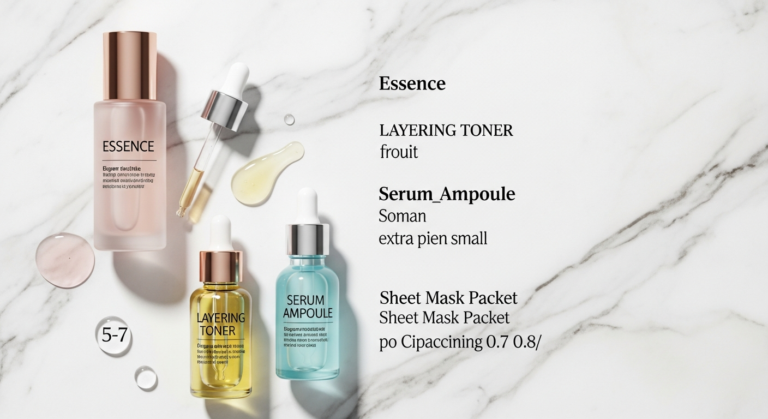
2. Optional: Hydrating Toner/Essence: If you use one, apply it here.
3. Optional: Hydrating Serum (e.g., Hyaluronic Acid): Apply to damp skin, then let it absorb.
4. Retinol: Pea-sized amount to dry skin. Wait a few minutes.
5. Moisturizer: A rich, nourishing cream.
6. Optional: Face Oil: If your skin is very dry, you can seal everything in with a few drops of a non-comedogenic face oil.
By carefully selecting your skincare partners, you can create a routine that supports your skin, minimizes irritation, and maximizes the incredible benefits of retinol.
Spotlight on Beginner-Friendly Retinol Products: Our Top Picks
Ready to take the plunge? Here are some of our tried-and-true, beginner-approved retinol products that deliver results without overwhelming your skin. Each of these embodies that vibrant, healthy glow we champion at Fashion Goggled, bringing you closer to a complexion that gleams with youthful, almost blushing vitality.
1. CeraVe Resurfacing Retinol Serum:
* Why we love it: This is often the first recommendation for a reason! It combines encapsulated retinol (for gradual release and reduced irritation) with three essential ceramides and niacinamide. It’s fantastic for those with sensitive skin or concerns about post-acne marks and texture. It feels lightweight and is incredibly affordable.
* Best for: First-time retinol users, sensitive skin, those with post-acne hyperpigmentation.
2. La Roche-Posay Redermic R Retinol Cream:
* Why we love it: Formulated with 0.3% pure retinol, plus a retinol booster and Lipo-Hydroxy Acid (LHA) for gentle exfoliation, this cream is designed for maximum efficacy with minimal irritation. It’s a pharmacy staple for sensitive skin.
* Best for: Slightly more advanced beginners, sensitive skin, concerns about fine lines and uneven texture.
3. Paula’s Choice Clinical 0.3% Retinol + 2% Bakuchiol Treatment:
* Why we love it: Paula’s Choice is a science-backed powerhouse. This formulation pairs 0.3% retinol with bakuchiol, a plant-based retinol alternative that boosts retinol’s effects and helps stabilize it while adding antioxidant benefits. It’s also loaded with peptides and ceramides.
* Best for: Beginners looking for a well-rounded formula with added soothing benefits, those seeking to improve firmness and reduce visible signs of aging.
4. The Ordinary Granactive Retinoid 2% Emulsion:
* Why we love it: If you’re on a budget but still want effective results, The Ordinary is a fantastic choice. This emulsion uses a less irritating form of retinoid (hydroxypinacolone retinoate) that delivers powerful anti-aging benefits with less irritation than traditional retinol.
* Best for: Budget-conscious beginners, those who want gentle yet effective anti-aging, or are sensitive to traditional retinol. (They also offer a 0.2% Retinol in Squalane for very sensitive skin).
5. Olay Regenerist Retinol 24 Max Night Serum:
* Why we love it: Olay is a classic for a reason. This serum combines retinol with niacinamide and peptides in a hydrating base. It’s designed to provide 24 hours of hydration while improving lines, wrinkles, and texture. It feels luxurious without the high price tag.
* Best for: Beginners who prefer a serum texture, those looking for hydrating anti-aging benefits, widely accessible.
6. Neutrogena Rapid Wrinkle Repair Regenerating Cream:
* Why we love it: This accessible drugstore hero features accelerated Retinol SA, a unique form of retinol that’s stabilized and designed for continuous release. It also contains hyaluronic acid to keep skin hydrated. It’s a workhorse for visible results.
* Best for: Beginners looking for an effective, no-fuss retinol that’s easy to find and delivers reliable results.
Remember, what works wonders for one person might be different for another. Start with one product, introduce it slowly, and observe how your skin responds. The perfect retinol for you is the one your skin tolerates well and that you can use consistently to achieve that coveted Fashion Goggled glow!
Frequently Asked Questions
1: Can I use retinol every night right away?▾
2: How long until I see results from retinol?▾
3: Can pregnant or breastfeeding women use retinol?▾
4: What if my skin gets too irritated, red, or peels excessively?▾
5: Can I use retinol around my eyes?▾
Ready to Embrace Your Radiant Future?
There you have it, a comprehensive, stylish guide to demystifying retinol and welcoming it into your beauty arsenal. Retinol isn’t just a trend; it’s a science-backed skincare hero that can genuinely transform your complexion, bringing forth a smoother, brighter, and more youthful-looking you. It’s about giving your skin the tools it needs to regenerate and thrive, revealing the kind of radiant confidence that lights up a room like a perfectly curated fashion spread.
Remember our golden rules: start slow, be consistent, prioritize hydration, and never, ever skip your SPF. Your journey with retinol should be one of empowerment and discovery, listening to your skin and celebrating every small victory along the way. With a touch of that deep pink allure, your skin will thank you with a vibrant, healthy flush that’s utterly captivating. So go forth, gorgeous, and embrace the glow! We can’t wait to see your radiant results.
“`json
{
“@context”: “https://schema.org”,
“@graph”: [
{
“@type”: “Article”,
“mainEntityOfPage”: {
“@type”: “WebPage”,
“@id”: “https://www.fashiongoggled.com/retinol-guide-for-beginners”
},
“headline”: “Your Ultimate Glow-Up Guide: Demystifying Retinol for a Radiantly Reborn You”,
“image”: [
“https://www.fashiongoggled.com/images/retinol-guide-hero.jpg”,
“https://www.fashiongoggled.com/images/retinol-application.jpg”,
“https://www.fashiongoggled.com/images/retinol-products.jpg”
],
“datePublished”: “2023-10-27T08:00:00+08:00”,
“dateModified”: “2023-10-27T09:30:00+08:00”,
“author”: {
“@type”: “Person”,
“name”: “Fashion Goggled Team”
},
“publisher”: {
“@type”: “Organization”,
“name”: “Fashion Goggled”,
“logo”: {
“@type”: “ImageObject”,
“url”: “https://www.fashiongoggled.com/logo.png”
}
},
“description”: “Unlock the secrets of retinol with our comprehensive beginner’s guide. Learn what retinol is, its incredible benefits for anti-aging and acne, how to start using it safely, and our top product recommendations for a radiant, youthful complexion. Empower your skincare journey with Fashion Goggled.”,
“keywords”: “retinol, beginner retinol, anti-aging, skincare, vitamin A, retinoid, fine lines, wrinkles, acne, dark spots, skin texture, collagen, cell turnover, how to use retinol, retinol products, sensitive skin retinol, sunscreen retinol, retinization”
},
{
“@type”: “FAQPage”,
“mainEntity