
Smart Casual Decoded for Different Industries 2026: The Ultimate Style Guide
The definition of professional attire has undergone a radical transformation over the last decade, reaching a sophisticated peak in 2026. Gone are the days of rigid binary choices between a stiff three-piece suit and weekend lounge gear. Today, “Smart Casual” is the undisputed king of the workplace, yet it remains one of the most misunderstood dress codes in the fashion world. As we navigate a landscape defined by hybrid work models, AI-integrated offices, and a heightened focus on sustainable “quiet luxury,” the nuances of smart casual vary significantly from one boardroom to the next.
For the fashion-conscious professional, mastering this balance is about more than just looking good; it is about signaling adaptability, cultural awareness, and personal branding. Whether you are stepping into a high-stakes fintech meeting or a collaborative creative studio, your attire serves as your visual resume. This comprehensive guide decodes the smart casual requirements of 2026, offering practical advice on how to build a modular, high-impact wardrobe that transcends industry boundaries while keeping you at the forefront of contemporary style.
The Core Philosophy of 2026 Smart Casual
In 2026, the philosophy of smart casual has shifted from “dressing down formalwear” to “elevating everyday essentials.” The foundation of this aesthetic is rooted in three pillars: fit, fabric, and functionality. We are no longer seeing the ultra-skinny silhouettes of the past; instead, 2026 favors relaxed tailoring—pieces that offer breathability and movement without sacrificing a sharp, intentional line.
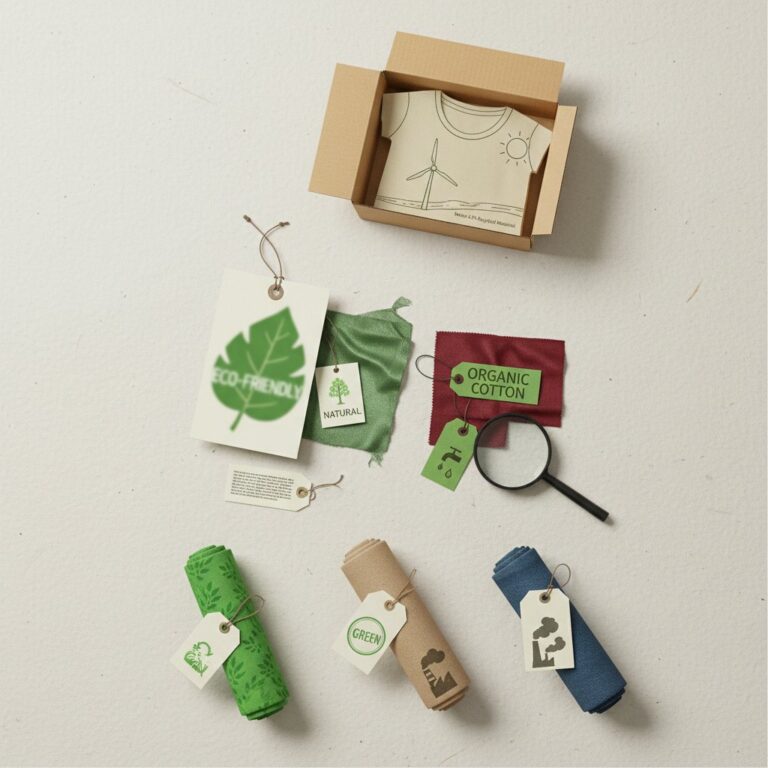
Fabric technology has also revolutionized the smart casual wardrobe. We are seeing a surge in bio-fabricated materials and “performance natural” blends, such as merino wool mixed with recycled technical fibers that resist wrinkles and regulate temperature. To master smart casual now, one must understand the “High-Low” rule: pairing one traditionally formal piece (like a structured blazer or silk blouse) with something inherently relaxed (like premium denim or a refined knit). The goal is to appear effortless but curated—a look that suggests you are ready for a spontaneous client lunch or an afternoon of deep focus.
Tech and Creative Sectors: The Innovation Aesthetic
The tech and creative industries have long been the pioneers of relaxed office wear, but in 2026, the “hoodie-and-flip-flops” trope has been replaced by a much more polished “Innovation Aesthetic.” In these sectors, your outfit should reflect a blend of modernism and utility.
For men and masculine-leaning styles, the 2026 standard involves the “shacket” (shirt-jacket) or a high-quality bomber in a matte finish, paired with tapered chinos or technical trousers. Footwear is a critical differentiator here; while sneakers are acceptable, they must be “luxury minimalist”—think leather or suede trainers in monochromatic tones like charcoal, sand, or forest green.
For women and feminine-leaning styles, the look centers on architectural knitwear and wide-leg trousers. A mock-neck sweater in a vibrant, sustainable dye paired with oversized, high-waisted culottes creates a silhouette that is both professional and avant-edge. Accessories in the creative sector are where you can show personality—statement eyewear or a bold, sustainable timepiece acts as a conversation starter in an environment that prizes original thinking.
Finance, Law, and Traditional Corporate: The “Soft Formal” Shift
Even the most conservative industries have felt the ripple effects of the fashion evolution in 2026. While you won’t see many lawyers in joggers, the “Soft Formal” movement has replaced the aggressive “Power Suit” of previous eras. In these fields, smart casual means maintaining the structure of formal wear but softening the textures and removing the most rigid elements.
For the traditional professional, the tie is now largely optional, even in high-level meetings. Instead, the focus is on the “Internal Layer.” A crisp, collarless shirt or a fine-gauge turtleneck under a deconstructed blazer (a jacket without heavy shoulder padding) is the 2026 gold standard.
The color palette remains sophisticated—navy, slate, and chocolate brown dominate—but patterns have become more subtle and textured. Instead of bold pinstripes, look for herringbone or bird’s eye weaves that add depth to the fabric. Footwear in these sectors has moved toward the “Hybrid Loafer”—a shoe that combines the upper of a classic penny loafer with a modern, cushioned sole for comfort during long commutes or city walking.
Healthcare, Education, and Public Service: The Practical Professional
In industries that require high mobility and public interaction, smart casual in 2026 is defined by “Dignified Durability.” Professionals in these fields need clothes that can withstand a grueling twelve-hour shift while still commanding respect and project-ing approachability.
The key here is the “Professional Knit.” Blazers are often too restrictive for educators or healthcare administrators, so they have been replaced by structured cardigans or “Milano knit” jackets that provide the look of a blazer with the stretch of a sweater. Trousers in these sectors now feature “hidden comfort”—elasticated waistbands that are concealed by belt loops, allowing for a polished look with maximum flexibility.
Color psychology plays a large role in these industries in 2026. We see a move toward “Calm Neutrals”—soft blues, sage greens, and warm taupes—which are proven to reduce anxiety in high-stress environments like clinics or universities. Footwear is strictly functional but stylish, with ergonomic Chelsea boots or professional clogs in high-grade eco-leather being the top choices.
High-End Retail and Hospitality: The Aesthetic Ambassador
If you work in luxury retail or boutique hospitality in 2026, your wardrobe is an extension of the brand’s visual identity. The dress code here is often “Elevated Monochrome.” Wearing varying shades of a single color creates a streamlined, expensive look that is highly effective in luxury environments.
For those in guest-facing roles, the “Statement Outerwear” piece is essential. Even indoors, a lightweight duster coat or a sleeveless vest can add a layer of sophistication to a simple base of a Tencel shirt and slim-fit trousers. The details are what define smart casual in this industry: a perfectly knotted silk scarf, a high-quality leather belt, or polished hardware on loafers.
In 2026, grooming is also considered part of the “Smart Casual” equation in hospitality. It’s not about being overly made-up, but rather about a “polished naturalism”—healthy skin, neat hair, and a signature (but subtle) scent that aligns with the premium nature of the service being provided.
The Hybrid Hero: Mastering the “Work-From-Anywhere” Uniform
As hybrid work remains the standard in 2026, a new category of smart casual has emerged: the “Hybrid Hero” look. This is designed for the professional who might start their morning in a home office, move to a co-working space for lunch, and end the day at a networking event.
The secret to this look is “Modular Layering.” The base layer is usually a premium-quality tee or a bodysuit in a luxury fabric like modal or silk. Over this, you add a “Transition Piece”—a relaxed blazer or a longline knit vest. The 2026 “Power Pant” for hybrid workers is the tailored jogger, which uses suit-grade wool or heavy jersey to bridge the gap between comfort and corporate.
This style also leans heavily into the “Digital-First” aesthetic. Since much of the day is spent on high-definition video calls, the “Waist-Up” focus is vital. Bold collars, interesting necklines, and jewelry that catches the light without being distracting are the hallmarks of the hybrid professional who understands that in 2026, your screen presence is just as important as your physical one.
Essential Wardrobe Staples for the 2026 Professional
To successfully navigate these various industries, your wardrobe should be built around a few versatile “Hero Pieces” that can be dressed up or down depending on the day’s agenda:
1. **The Unstructured Blazer:** Look for one in a breathable linen-wool blend. It should feel like a cardigan but look like a jacket.
2. **The Technical Chino:** A pair of trousers with 4-way stretch and a water-repellent finish that looks identical to high-end cotton twill.
3. **The Luxury Knit Polo:** Replacing the standard button-down, the long-sleeve knit polo offers a mid-century modern vibe that is incredibly popular in 2026.
4. **The Seamless Silk Blouse:** A staple for any industry, providing a soft texture that balances out more rugged fabrics like denim or corduroy.
5. **The Modular Trench:** A lightweight, packable trench coat that works over a suit or a tracksuit, perfect for the unpredictable climates of 2026.
FAQ: Navigating Smart Casual in 2026
**Q1: Are dark-wash jeans still considered smart casual in 2026?**
*A: Yes, but with caveats. In 2026, the denim must be “clean”—no distressing, no fading, and ideally in a dark indigo or black. To keep it smart, always pair denim with a structured top (like a blazer) and professional footwear. In finance or law, jeans are still typically reserved for “Casual Fridays.”*
**Q2: Can I wear “smart” sneakers to a client meeting?**
*A: In most tech, creative, and even some marketing sectors, yes. However, they must be pristine. The “scruffy sneaker” look is dead. Look for minimalist designs in premium materials. If you are in a traditional sector like law, stick to a loafer or a Chelsea boot unless explicitly told otherwise.*
**Q3: How has “Quiet Luxury” influenced smart casual?**
*A: It is the driving force of 2026 style. Quiet luxury emphasizes the absence of loud logos and focuses instead on the quality of the cut and the richness of the fabric. It makes smart casual look more expensive and intentional rather than just “relaxed.”*
**Q4: Is the tie completely dead in 2026?**
*A: Not dead, but it has become a “style choice” rather than a requirement. Ties are now seen as a vintage-inspired accessory, often worn in knit textures or unconventional widths to show a sense of high-fashion flair rather than corporate obedience.*
**Q5: What are the “it” colors for professional wear in 2026?**
*A: While neutrals are forever, 2026 is seeing a rise in “Earth-Tech” colors: Digital Lavender, Terracotta, Sage, and Cobalt Blue. These colors look great on camera and transition well from artificial office lighting to natural outdoor light.*
Conclusion: The Future of Professional Identity
As we look at the landscape of 2026, it is clear that the smart casual dress code is more than just a fashion trend—it is a reflection of a society that values flexibility, individuality, and substance. The rigid uniforms of the past represented a “one-size-fits-all” approach to productivity, but today’s style recognizes that a comfortable, confident professional is a more effective one.
Decoding smart casual for your specific industry requires a mix of observation and intuition. By focusing on high-quality fabrics, modern silhouettes, and the “High-Low” styling method, you can navigate any professional environment with ease. Remember that in 2026, the most important accessory you can wear is intentionality. Whether you are choosing a recycled wool blazer or a pair of luxury vegan loafers, your clothes should tell the story of a professional who is forward-thinking, environmentally conscious, and ready to meet the challenges of a modern world. Stay versatile, stay polished, and let your wardrobe be the silent partner in your career success.