
Mastering the Hybrid Wardrobe: Sophisticated Workwear Styling for the Modern Office
The professional landscape has undergone a seismic shift, moving away from the rigid structures of the five-day office week toward a more fluid, hybrid model. This transition has birthed a new sartorial challenge: how do we dress for a role that exists simultaneously in a digital gallery and a physical boardroom? The era of the “Zoom shirt” paired with pajama bottoms is fading, replaced by a sophisticated need for “Power Casual”—a style that balances the comfort of home with the polish of professional presence. Fashion-conscious professionals are no longer looking for two separate wardrobes; they are seeking a cohesive, versatile collection of garments that can navigate a morning commute, a high-stakes client meeting, and a quiet afternoon of deep work in a home studio.
In this new environment, the goal is to look intentional without appearing overdone. It’s about texture, silhouette, and the strategic use of high-quality basics that signal authority while allowing for movement. Whether you are heading into a collaborative workspace or logging on from your dining table, your attire serves as a psychological bridge between your personal life and your professional ambitions. This guide explores the nuances of hybrid workwear styling, offering practical outfit formulas and aesthetic inspiration for the modern professional who refuses to sacrifice style for utility.
1. The Foundation of “Power Casual”: Redefining the Modern Suit
The traditional two-piece suit has been deconstructed for the hybrid era. While the full suit still has its place for formal presentations, the “Power Casual” movement favors separates that offer greater versatility. The cornerstone of this look is the unstructured blazer. Unlike its rigid predecessors, the modern blazer features softer shoulders and breathable fabrics like linen blends, lightweight wool, or high-quality jersey.
To master this look, pair an oversized, boyfriend-style blazer with slim-fitting knitwear or a simple silk camisole. This creates a silhouette that is sharp enough for a physical office but comfortable enough for a three-hour strategy session. For those working from home, throwing a structured blazer over a premium T-shirt and high-waisted trousers instantly elevates your presence for an unscheduled video call. The key is in the contrast: pairing something traditionally formal (the blazer) with something inherently relaxed (the knit) creates an aesthetic of “polished nonchalance” that is perfectly suited for today’s fluid work environments.
2. The Hybrid Capsule Wardrobe: 8 Essential Pieces
Building a hybrid wardrobe requires a “quality over quantity” mindset. By investing in a few hero pieces, you can create dozens of combinations that work across different settings. Here are the eight essentials for a modern hybrid rotation:
* **The Wide-Leg Trouser:** Choose a pair with a high waist and a fluid drape. They offer the comfort of lounge pants but the visual impact of high-end tailoring.
* **The Silk or Satin Midi Skirt:** This is the ultimate transitional piece. It works with a crisp button-down for the office or a chunky sweater for a home-office day.
* **The Elevated Knit Polo:** A sophisticated alternative to the T-shirt, providing a collar that looks professional on camera.
* **The Crisp Poplin Shirt:** Look for interesting details like oversized cuffs or an asymmetric hem to keep it from looking too “corporate.”
* **The Sleeveless Turtleneck:** Perfect for layering under blazers or wearing solo during warmer months.
* **The Tailored Waistcoat:** A major trend that provides structure without the bulk of sleeves—ideal for mid-season transitions.
* **The Premium Denim:** Dark-wash, straight-leg jeans with no distressing are now widely accepted in most hybrid environments.
* **The Trench Coat:** The definitive outer layer that pulls any outfit together, regardless of what is underneath.
By rotating these pieces, you minimize “decision fatigue” in the morning, ensuring you look curated even on your busiest days.
3. Mastering the “Top-Down” Approach: Screen-Ready Styling
In a hybrid world, your “digital first impression” often happens from the waist up. This has led to the rise of “portrait dressing”—focusing on details that are visible within the frame of a webcam. Necklines, textures, and accessories take center stage here.
When styling for a day dominated by video calls, consider the architecture of your collar. A sharp, pointed collar or a mock-neck knit provides a frame for the face that signals focus and readiness. Avoid overly busy patterns that can “vibrate” on screen; instead, opt for solid, saturated colors like emerald green, navy, or terracotta, which translate well across digital lenses.
Accessories are your secret weapon in the top-down approach. A pair of sculptural gold earrings or a chunky chain necklace can make a simple white T-shirt look like a deliberate fashion choice. Furthermore, pay attention to the “third layer.” A cardigan or a soft chore coat can be kept on the back of your chair, ready to be slipped on the moment a meeting notification pops up, instantly transforming your look from “at-home casual” to “client-ready.”
4. Footwear and the Art of the “Commute-Ready” Professional
The hybrid model often involves a “commute-to-compute” lifestyle, where you might be walking more than you did in a strictly corporate setting. Consequently, footwear has shifted toward styles that prioritize ergonomics without abandoning elegance. The stiletto has largely been replaced by the block heel, the loafer, and even the “clean” sneaker.
For office days, a polished leather loafer with a lug sole offers a contemporary edge that pairs beautifully with cropped trousers or midi dresses. If your office culture leans toward the creative or tech-casual, a minimalist leather sneaker in white or beige is a perfectly acceptable choice, provided the rest of your outfit is sufficiently tailored.
When working from a “third space” like a coffee shop or a co-working hub, the “ballet flat” resurgence offers a chic, packable option. The goal is to choose footwear that can handle the transition from a subway platform to a carpeted boardroom without missing a beat. Remember: the condition of your shoes often dictates the perceived professionalism of your entire outfit, so keep your “office sneakers” pristine.
5. Textural Play: Mixing Comfort and Structure
One of the most effective ways to look “fashion-forward” in a hybrid setting is through the strategic mixing of textures. This adds visual depth to your outfit, making even a monochrome look appear expensive and intentional. The hybrid environment is the perfect playground for combining “hard” and “soft” elements.
Try pairing a heavy wool blazer with a delicate satin slip dress, or a structured leather skirt with a soft cashmere turtleneck. This juxtaposition mirrors the hybrid work-life balance itself—blending the rigor of the workplace with the softness of the home. Textural variety also serves a practical purpose; knitwear provides the stretch and comfort needed for long hours of typing, while structured outerwear provides the “armor” needed for face-to-face negotiations.
Don’t overlook the power of monochromatic dressing in this context. Wearing different shades and textures of the same color (e.g., charcoal grey wool trousers with a dove grey silk blouse and a slate knit vest) creates a streamlined, elongated silhouette that looks incredibly sophisticated on both screen and in person.
6. Sustainable Choices and the Longevity of Hybrid Style
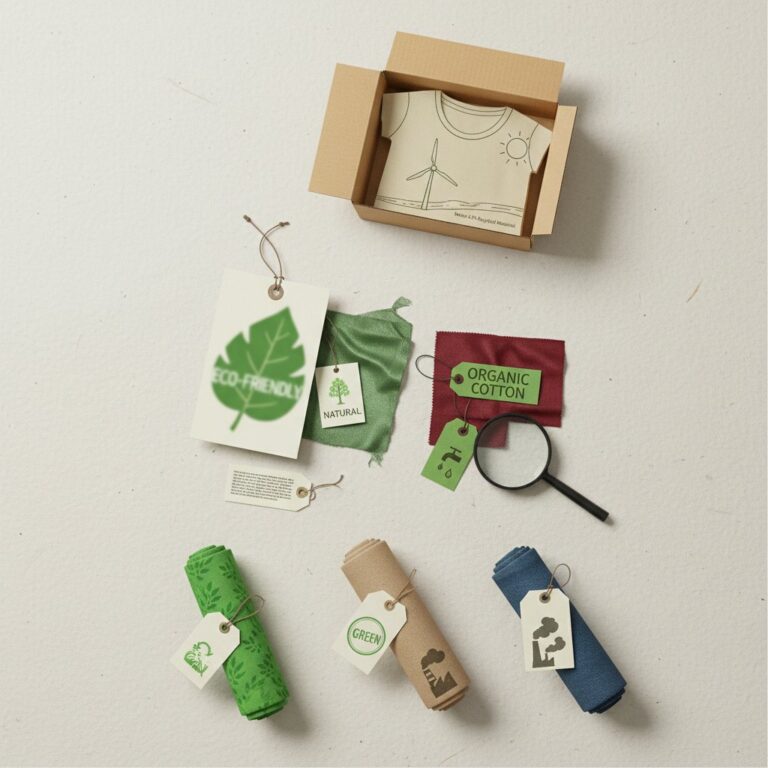
As we settle into this permanent shift in work culture, the focus should turn toward sustainability and longevity. Fashion-conscious readers are increasingly aware that a revolving door of “fast fashion” workwear is neither ethical nor aesthetically pleasing in the long run. The hybrid office demands pieces that can withstand frequent wear and varied environments.
When shopping for your hybrid wardrobe, prioritize natural fibers like organic cotton, silk, wool, and Tencel. These materials not only breathe better—essential for moving between different climates and office environments—but they also age more gracefully than synthetic alternatives. Investing in a high-quality wool coat or a designer leather tote may have a higher upfront cost, but these items serve as the “anchors” of your style for years to come.
Furthermore, consider the “cost-per-wear” of your items. A dress that can be styled with sneakers for a casual Friday and with heels for a gallery opening has a much higher value than a “one-occasion” corporate suit. The hybrid era is an invitation to curate a wardrobe that truly reflects your personal style, rather than one that merely adheres to a HR handbook.
FAQ: Navigating Hybrid Style Challenges
**Q1: Is denim really acceptable in a professional hybrid environment?**
A1: In most modern workplaces, yes—provided the denim is “elevated.” Opt for dark washes (indigo or black), straight or wide-leg silhouettes, and a high-rise fit. Avoid rips, distressing, or overly baggy “weekend” styles. Pair your denim with a blazer and loafers to keep the look firmly in the “professional” category.
**Q2: How do I handle the transition from a cold commute to a hot office (or vice versa)?**
A2: Layering is essential. Start with a breathable base layer (like a silk camisole or fine-gauge knit), add a middle layer for warmth (a cardigan or vest), and finish with a structured outer layer. This allows you to “peel back” the layers as you move through different micro-climates throughout the day.
**Q3: Can I wear leggings for a home-office day if I have meetings?**
A3: If you are on camera, leggings are fine as long as they are not visible. However, to maintain a “professional mindset,” consider swapping athletic leggings for “stirrup trousers” or high-quality ponte knit pants. They offer the same comfort but provide a much sleeker silhouette if you need to stand up during a call.
**Q4: What is the best bag for a hybrid worker who carries a laptop?**
A4: Look for a “structured tote” with a dedicated laptop compartment. Leather or high-end vegan alternatives look more professional than a nylon backpack. Look for wide straps to distribute the weight of your tech gear during your commute.
**Q5: How can I make my loungewear look more like “workwear”?**
A5: It’s all about the “set” and the “structure.” A matching knit set in a neutral color (like oatmeal or navy) looks more like a deliberate outfit than mismatched sweats. Add a leather belt, a watch, and structured shoes to signal that you are “on the clock.”
Conclusion: Embracing the Fluidity of Modern Workwear
The shift to hybrid office environments has liberated us from the “uniform” of the past, offering a unique opportunity to blend personal expression with professional utility. Styling for this new era isn’t about following a strict set of rules; it’s about understanding the context of your day and choosing clothes that empower you to perform at your best, regardless of your location. By focusing on “Power Casual” foundations, investing in a versatile capsule wardrobe, and mastering the art of the “top-down” look, you can navigate the complexities of modern work life with confidence and grace.
Ultimately, the most successful hybrid wardrobes are those that feel authentic. When you feel comfortable in your clothes, that confidence translates through the screen and across the conference table. As we continue to redefine what “going to work” means, let your wardrobe be a testament to your adaptability, your professionalism, and your unwavering sense of style. The office may have changed, but the power of a well-curated outfit remains timeless.