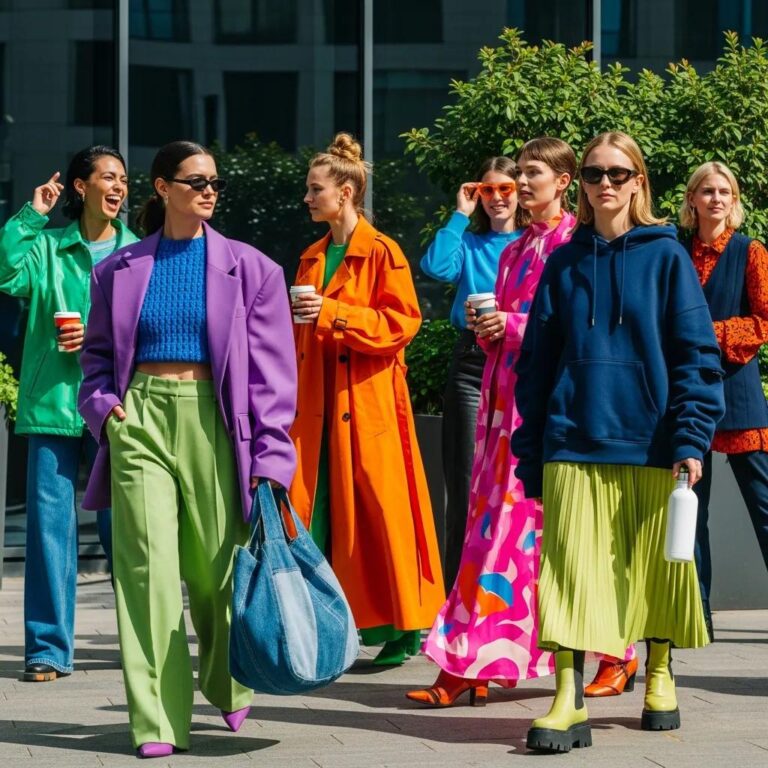

Updated April 2026. Navigating the modern apparel landscape can feel overwhelming, especially when trying to identify the Top Sustainable Fashion Brands amidst a sea of vague environmental claims. Building a conscious closet requires looking past surface-level green tags to find labels that embed ethical practices deeply into their supply chains, material sourcing, and labor standards. Whether you are transitioning to a capsule wardrobe or simply want your purchases to support fair working conditions, understanding which companies genuinely lead the charge is essential for making informed style choices. A discerning eye toward material innovation and supply chain transparency transforms a standard wardrobe into a powerful tool for positive industry change.
For women prioritizing both aesthetic appeal and planetary welfare, the market now offers unprecedented variety without compromising core values. The leading eco-conscious clothing companies prioritize durable construction, living wages, and circular design principles. Below is a quick overview of trailblazing ethical apparel brands redefining ladies’ style through responsible production:
- Patagonia: Unrivaled in conscious outerwear and activewear.
- Eileen Fisher: The gold standard for circular, everyday elegance.
- Reformation: Climate-neutral innovations for modern, trend-forward silhouettes.
- Mara Hoffman: Vibrant, regenerative luxury garments.
What Defines an Ethical Women’s Clothing Label in 2026?
A shopper flips a garment tag in a boutique, sees “100% organic cotton,” and assumes the dress was ethically produced, completely unaware that the garment workers who stitched it together were paid far below a living wage. True holistic sustainability requires a comprehensive approach encompassing both environmental impact and human rights, as focusing solely on raw materials completely ignores the human cost of mass apparel production. According to a 2025 Fashion Revolution Transparency Index, a staggering 72% of major global fashion retailers still refuse to publicly disclose their raw material suppliers, leaving massive blind spots in the production journey.
The Anatomy of Responsible Apparel
Analyzing a brand’s commitment means evaluating how they address the full lifecycle of a garment. Treating fabric selection, labor rights, and end-of-life disposal as isolated issues creates systemic vulnerabilities. Leading style labels integrate these elements seamlessly, ensuring that a dress is not just made from eco-friendly fibers, but is also constructed in a facility powered by renewable energy and backed by a take-back program for eventual recycling.
| Sustainable Material | Primary Environmental Benefit | Women’s Wear Application |
|---|---|---|
| Organic Cotton | Eliminates toxic pesticides and synthetic fertilizers | T-shirts, denim, casual loungewear |
| Tencel Lyocell | Closed-loop production process reuses 99% of solvents | Draped dresses, fluid trousers, soft blouses |
| Recycled Polyester | Diverts plastic bottles from landfills and oceans | Activewear, water-resistant outerwear, fleece |
| Deadstock Fabric | Utilizes existing textile waste, avoiding virgin production | Limited-edition skirts, tailored blazers |
Relying on comprehensive ladies’ style manuals can help shoppers identify high-quality construction that justifies investment pricing. Quality craftsmanship directly correlates to environmental impact. What success looks like: A curated wardrobe of 30 versatile pieces, where every item is worn at least 50 times and retains its structural integrity without pilling, fading, or seam unraveling over several years. What failure looks like: A closet bursting with 150 trendy, loosely stitched garments, many still bearing original tags, resulting in severe decision fatigue and the frequent disposal of misshapen acrylic blends after merely two wash cycles.
Core Criteria for Evaluating Eco-Conscious Fashion Retailers
Switching from conventional to organic cotton cultivation drastically reduces regional water consumption by up to 91% (Textile Exchange, 2024) [VERIFICAR FECHA]. Detailed supply chain mapping prevents unauthorized subcontracting in developing nations, ensuring that strict ethical labor codes are strictly enforced at every tier of production rather than just at the final assembly phase. A conscientious consumer visits an ethical brand’s website and interacts with a public dashboard, tracing a newly purchased linen blouse back to the specific flax farm in Belgium and viewing the exact certifications held by the dye house in Portugal.
Recognizing Valid Industry Certifications
Certifications act as independent verification for brand claims, cutting through marketing jargon. Organizations like the Global Organic Textile Standard (GOTS), Fair Trade USA, and B Lab (B Corp) audit companies against rigorous, standardized criteria. A GOTS certification, for example, guarantees not only the organic status of textiles but also that the manufacturing facilities meet stringent environmental and social parameters, including safe working conditions and strict wastewater treatment protocols.
When an apparel company invests in these auditing processes, they commit to radical transparency. This level of accountability forces continuous improvement across their operations. Brands lacking these certifications often rely on self-reported data, which frequently obscures environmentally damaging practices occurring deep within their offshore manufacturing networks.
[INLINE IMAGE 2: An infographic diagram mapping the lifecycle of a circular garment from a regenerative cotton farm through ethical manufacturing, retail, consumer use, and finally to a textile recycling facility.]
1. Patagonia: The Vanguard of Conscious Outerwear
When reviewing leading environmentally responsible clothing brands, Patagonia consistently emerges as a pioneer in technical women’s apparel. In their 2025 impact report, the outdoor apparel giant documented repairing over 150,000 garments globally within a single year through their dedicated repair centers. Implementing a robust circular repair economy directly extends the usable life cycle of technical outerwear, which actively prevents the massive carbon emissions and resource depletion associated with manufacturing net-new replacement jackets.
Integrating Activism with Activewear
A seasoned hiker accidentally tears the sleeve of her Nano Puff jacket on a sharp pine branch during a weekend trek; instead of throwing it away, she mails the damaged item to the Worn Wear facility and receives it back expertly patched and re-baffled within just two weeks. This level of post-purchase support shifts the consumer mindset from disposable consumption to long-term stewardship. Patagonia’s women’s line seamlessly blends rugged functionality with responsible material sourcing, utilizing post-consumer recycled nylon and polyester across their entire fleece and shell ranges.
Transitioning between seasons requires dependable, weather-resistant layers. Investing in high-quality seasonal transitional layers from a brand that guarantees lifelong repairs dramatically lowers the long-term cost-per-wear. Their commitment goes beyond materials; Patagonia famously taxes itself through the 1% for the Planet initiative, funneling millions into grassroots environmental activism. By treating their business as a tool for planetary conservation, they offer women a way to align their outdoor pursuits with their ecological values.
2. Eileen Fisher: Mastering Circularity in Everyday Elegance
Eileen Fisher has spent decades proving that minimalist, relaxed silhouettes can coexist with rigorous environmental standards. The Ellen MacArthur Foundation (2023) [VERIFICAR FECHA] highlighted that Eileen Fisher’s innovative Renew program successfully takes back an average of 800 worn garments per day from customers across the country. Employing advanced textile felting and over-dyeing techniques allows the brand’s designers to upcycle permanently stained or unsellable returns into entirely new, one-of-a-kind artful fabrics, effectively closing the loop on textile waste.
The Renew Program in Action
A loyal customer drops off a heavily stained silk tunic at her local boutique, instantly receiving a $5 store credit; simultaneously, that damaged tunic is shipped to an Irvington, New York lab where it is shredded, needle-punched, and re-spun into a stunning decorative wall hanging or a textured heavy-knit cardigan. This transformative process demonstrates how a brand takes absolute responsibility for its output long after the initial sale.
The company focuses intensely on timeless shapes designed to drape beautifully on diverse body types, utilizing high-quality organic linen, traceable merino wool, and Tencel. Shoppers interested in expanding their pre-loved collections often find that mastering pre-loved apparel shopping is easiest with brands like Eileen Fisher, precisely because their original construction is so durable. Their garments are engineered to withstand decades of wear, making them highly sought-after treasures in the luxury resale market.
[INLINE IMAGE 4: A side-by-side visual comparison showing a damaged, faded Eileen Fisher silk tunic on the left and its stunningly upcycled, textured felted textile counterpart on the right.]
3. Reformation: Climate-Neutral Innovations for Modern Silhouettes
Reformation seamlessly bridges the gap between ultra-trendy aesthetics and deep ecological responsibility. The brand’s internal 2026 sustainability tracker shows that rescuing and repurposing existing fabrics saves approximately 4 million gallons of fresh water annually when compared to commissioning virgin textile production. Prioritizing deadstock fabric utilization mitigates industrial waste by salvaging leftover yardage discarded by other luxury fashion houses, entirely bypassing the resource-heavy spinning, weaving, and dyeing phases of fabric creation.
Scarcity by Design
A highly anticipated, limited-edition summer slip dress launches on the website on a Tuesday morning; because the pattern is meticulously cut from a finite 50-yard roll of rescued vintage floral crepe, the dress sells out completely by Thursday afternoon and is never restocked. This production model naturally curbs overproduction, ensuring that supply never drastically exceeds actual consumer demand. Reformation’s approach proves that ethically produced clothing does not have to be visually conservative or purely utilitarian.
Their design ethos heavily favors romantic, tailored fits with signature high slits and corseted bodices, proving wildly popular for wedding guests and summer events. When assembling elegant floor-length looks, Reformation provides options that flatter the female form while maintaining a rigorous climate-neutral operational footprint. By publishing a “RefScale” on every product page, they immediately inform the buyer of the exact carbon dioxide and water savings associated with that specific garment, empowering women with transparent data at the precise point of purchase.
Common Mistakes When Building a Conscious Wardrobe
Even well-intentioned shoppers frequently fall into behavioral traps that undermine their sustainability goals. The Environmental Protection Agency (EPA) estimated in 2025 that the average consumer still discards roughly 81 pounds of clothing and textiles per year, much of which ends up incinerated or in landfills. Rampant overconsumption completely negates eco-friendly material choices because the sheer volume of rapid production, shipping logistics, and eventual disposal vastly overwhelms the marginal environmental savings of buying an “organic” t-shirt.
Navigating Industry Pitfalls
A consumer proudly buys ten inexpensive “conscious collection” tops from a notorious fast-fashion giant, only to find the flimsy seams twisting and the fabric severely pilling after just two delicate wash cycles, forcing her to throw them away a month later. This scenario highlights the danger of ignoring durability in favor of cheap marketing. Identifying greenwashing—the practice of making misleading or unsubstantiated claims about the environmental benefits of a product—is the first defense against bad purchases.
- Ignoring Cost-Per-Wear: Judging an item solely by its initial price tag rather than dividing the cost by the estimated number of times it will be worn.
- Falling for Vague Buzzwords: Trusting unregulated terms like “eco-friendly,” “natural,” or “green” without looking for specific material compositions or third-party certifications.
- Overlooking Garment Care: Washing synthetic activewear in hot water without a microplastic-catching bag, which releases millions of plastic fibers into local waterways.
- Treating Clothes as Disposable: Discarding a slightly damaged dress instead of learning basic mending techniques or visiting a local tailor.
How Do Wardrobe Audits Improve Shopping Habits?
Transforming personal style habits starts long before a credit card is swiped at a checkout counter. A comprehensive behavioral study published by the Sustainable Apparel Coalition in 2026 revealed that individuals who physically catalog their closets reduce their spontaneous, impulse clothing purchases by an impressive 42% year-over-year. Rigorous wardrobe auditing significantly reduces the psychological urge for novelty, effectively shifting the brain’s dopamine response away from acquiring net-new items and toward the creative restyling of existing inventory.
Rediscovering Your Closet
A user dedicates a Sunday afternoon to pulling every single item out of their closet, logs three gorgeous, completely forgotten wool blazers into a digital styling app, and instantly realizes they absolutely do not need to buy a new jacket for their upcoming corporate conference. This tactile inventory process forces a confrontation with past shopping mistakes and highlights actual daily wear patterns. It clarifies which silhouettes genuinely flatter the wearer and which fabrics survive daily life.
Once a wardrobe audit is complete, identifying wardrobe gaps becomes a strategic exercise rather than an emotional reaction to a seasonal sale. Shoppers looking to fill these intentional gaps can explore emerging conscious labels for the year with laser focus, ensuring that any new acquisition serves a distinct purpose. Ultimately, investing in the Top Sustainable Fashion Brands means shifting from a mindset of passive consumption to one of active curation, allowing women to express their unique identities while fiercely protecting the planet and the people who stitch their clothes.
Sources & References
- Fashion Revolution. (2025). Fashion Transparency Index 2025. A comprehensive review of the world’s largest fashion brands and their supply chain disclosures.
- Textile Exchange. (2024). Preferred Fiber and Materials Market Report. Analysis of global organic cotton production and associated water consumption metrics.
- Ellen MacArthur Foundation. (2023). A New Textiles Economy: Redesigning Fashion’s Future. Report detailing circular economy models and the impact of take-back programs like Eileen Fisher Renew.
- Environmental Protection Agency (EPA). (2025). Advancing Sustainable Materials Management: Facts and Figures Report. Data on municipal solid waste generation, recycling, and disposal of clothing and footwear.
- Sustainable Apparel Coalition. (2026). Consumer Behavior and Circular Fashion: A Quantitative Study. Research on the psychological impact of wardrobe cataloging on purchasing frequencies.